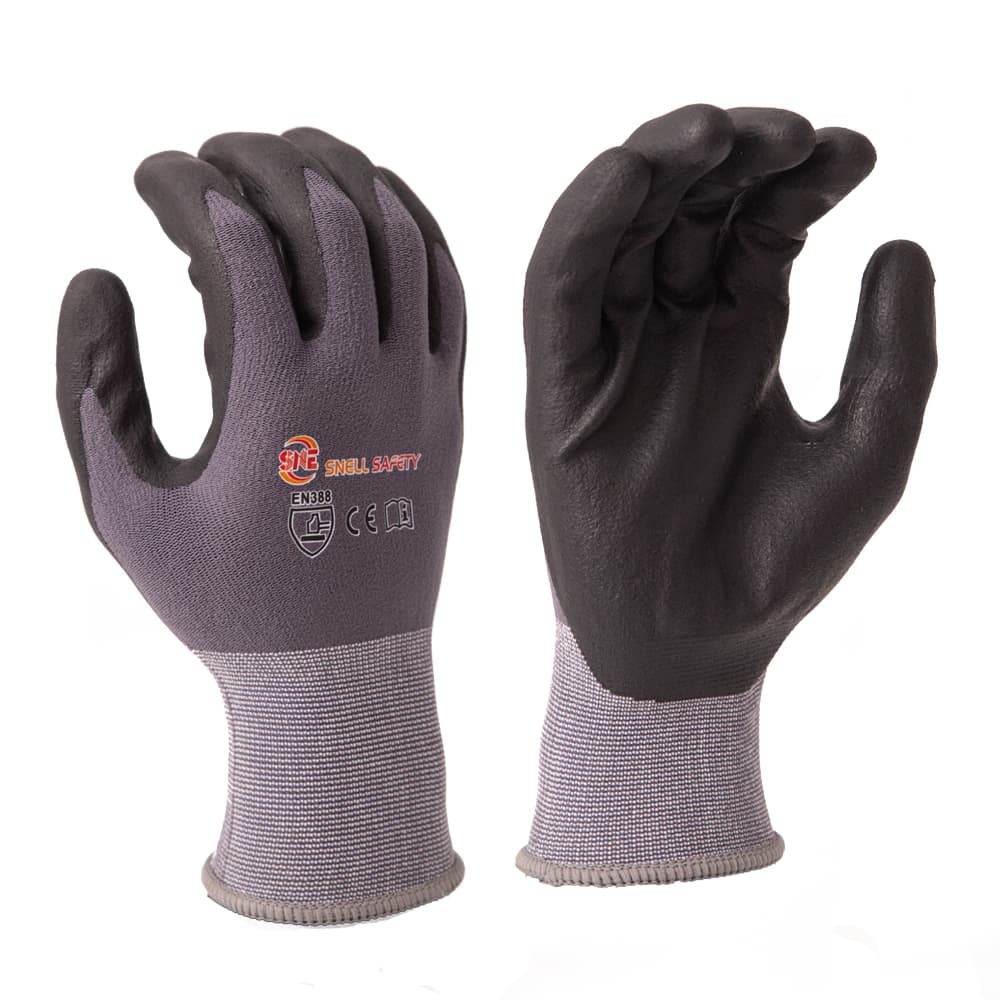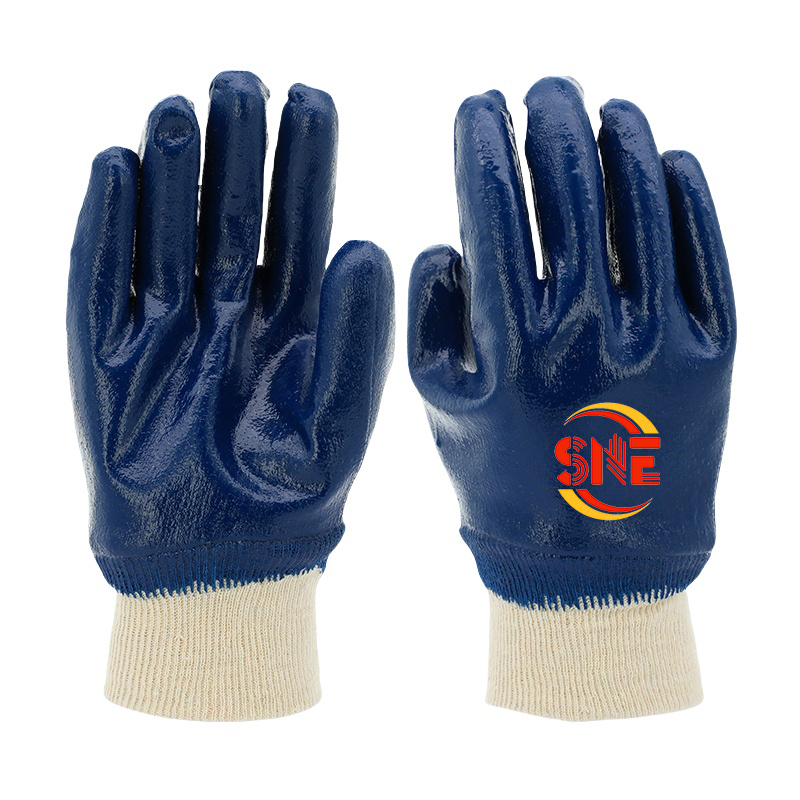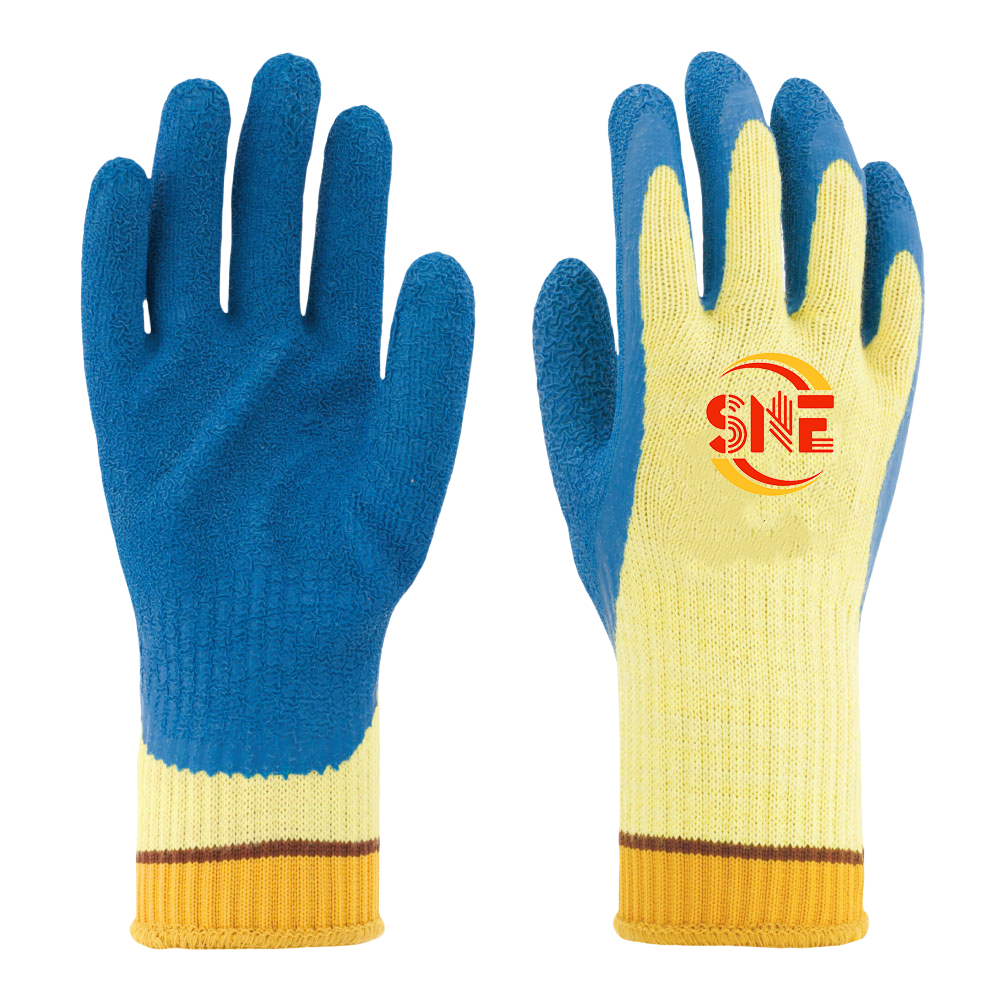
OEM Work Gloves Factory: Cut Resistant Gloves for Construction in 2025
2025-10-28
Share This Article
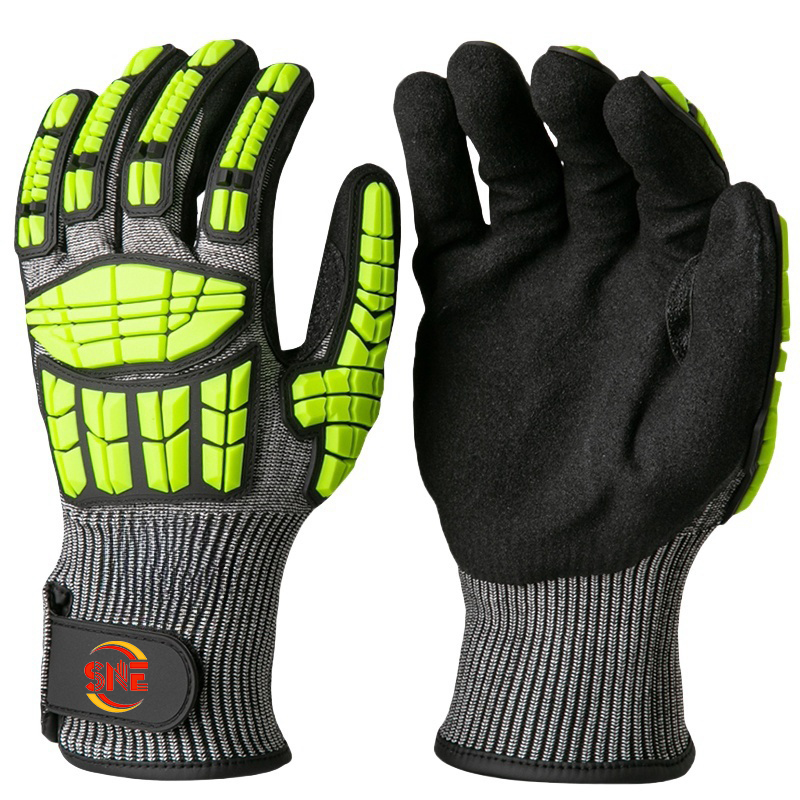
In the fast-paced construction industry, hand protection is not just a safety requirement but a critical necessity that can prevent life-altering injuries. As construction projects become more complex and materials evolve, the demand for specialized cut resistant gloves has skyrocketed. Whether you’re a construction company owner, safety manager, or procurement specialist, finding the right OEM work gloves factory that produces high-quality cut resistant gloves for your construction needs is essential for protecting your workforce while maintaining productivity and compliance.
What Are Cut Resistant Gloves for Construction?
Cut resistant gloves for construction are specialized hand protection equipment designed to prevent injuries from sharp objects, tools, materials, and surfaces commonly found on construction sites. Unlike regular work gloves, cut resistant variants incorporate specialized materials and construction techniques that provide a barrier against cuts, slashes, and punctures while maintaining the dexterity and comfort needed for construction tasks.
These gloves utilize advanced materials such as high-performance polyethylene (HPPE), Kevlar, glass fiber, steel mesh, or composite materials arranged in strategic layers to resist cutting forces. Modern cut resistant gloves for construction sites are engineered to meet specific cut resistance ratings based on standardized testing methods like ANSI/ISEA 105 or EN 388, which measure how effectively a glove can withstand direct contact with sharp edges.
The construction industry presents unique challenges that demand specialized glove features:
- Versatility: Construction workers handle everything from rough concrete and splintered wood to sharp metal edges and glass.
- Environmental adaptation: Gloves must perform in various weather conditions, from scorching heat to freezing temperatures.
- Grip optimization: Secure handling of tools and materials in wet, dry, and oily conditions is critical.
- Impact protection: Many advanced models include padding or reinforcement for protection against crushing or impact injuries.
- Ergonomic design: Gloves must accommodate the natural movement of hands to prevent fatigue during long work shifts.
According to recent safety statistics, hand injuries account for nearly 30% of all workplace accidents in construction, with cuts and lacerations being among the most common. The financial impact is significant — the average hand injury claim costs approximately $22,000, with indirect costs like lost productivity pushing the total much higher.
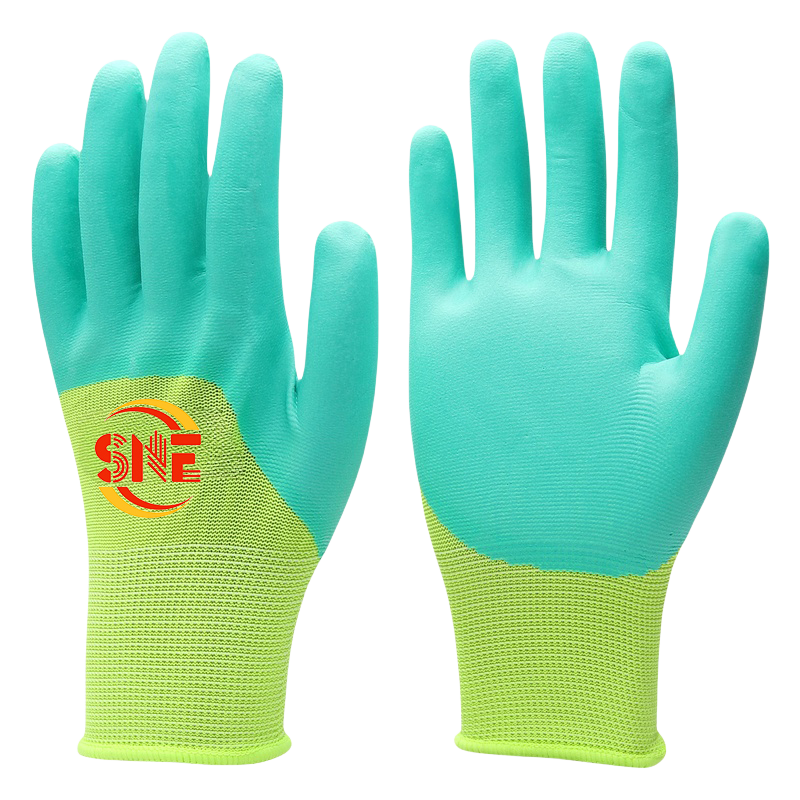
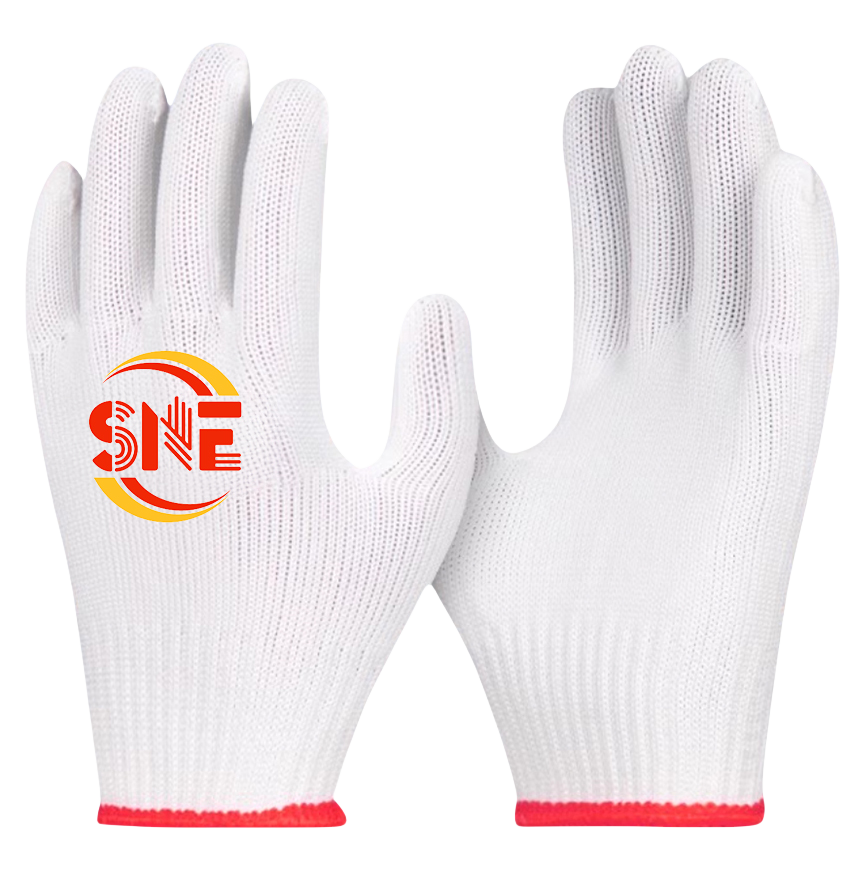
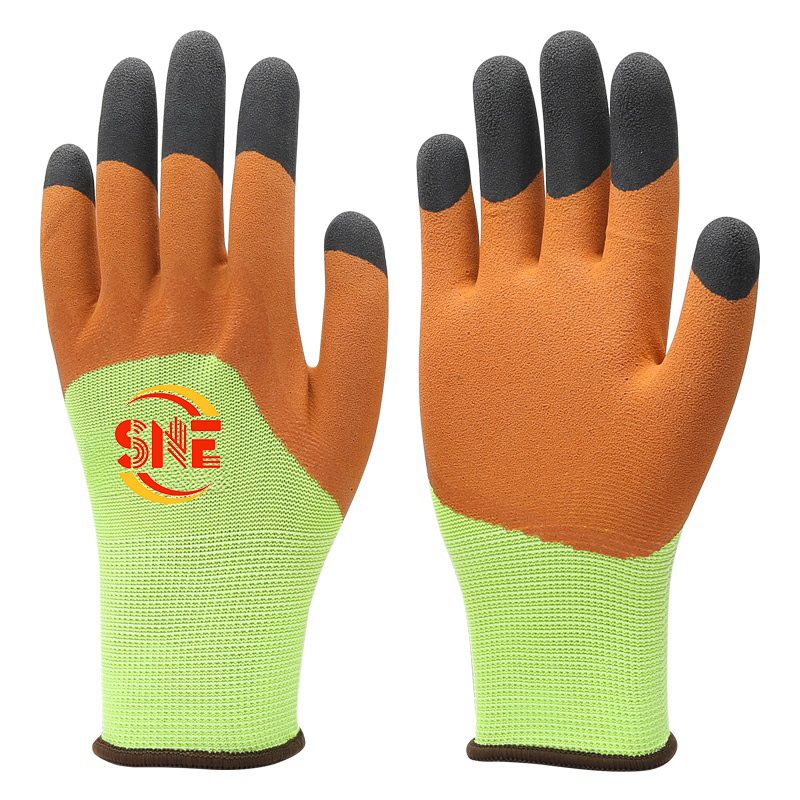
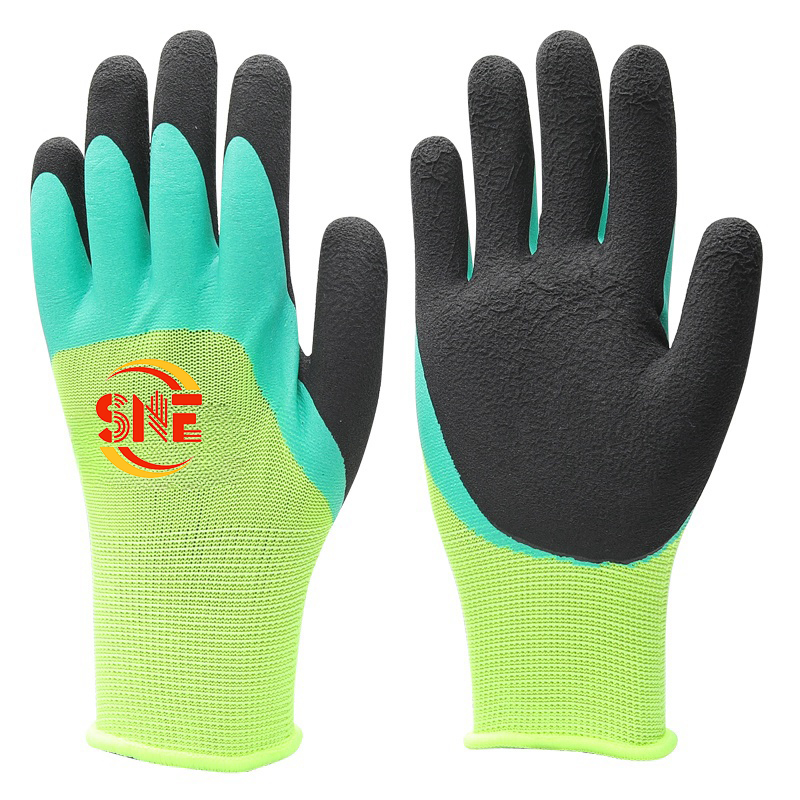
Qingdao Snell, a leading manufacturer in protective equipment, has emerged as an industry frontrunner with their construction-specific cut resistant glove lineup. Their advanced HPPE-based gloves with nitrile coating provide exceptional protection while maintaining tactile sensitivity, addressing the complex demands of today’s construction environments.
How to Choose the Best Cut Resistant Gloves for Your Construction Business?
Selecting the optimal cut resistant gloves for construction applications requires a systematic approach that balances protection levels, functionality, and cost-effectiveness. Here’s a comprehensive guide to making the right choice for your construction business:
Understanding Cut Resistance Ratings
The foundation of any cut resistant glove selection process starts with understanding standardized rating systems. The two primary standards are:
- ANSI/ISEA 105: The American National Standards Institute rating ranges from A1 (lowest) to A9 (highest). For most construction applications, A3-A4 provides adequate protection for general tasks, while A5-A6 is recommended for high-risk activities involving sharp metal edges or glass.
- EN 388: The European standard uses a pictogram with four to six digits, with the second digit (on a scale of 1-5) or letter (A-F) indicating cut resistance. For construction, ratings of 3-5 or C-E are typically suitable.
These ratings are determined through standardized tests measuring how many grams of pressure a material can withstand before being cut. Understanding these ratings is crucial for matching glove protection to specific construction tasks.
Assessing Construction-Specific Requirements
Construction environments present unique challenges that influence glove selection:
- Task specificity: Different construction activities require varying levels of cut protection. Demolition work might require higher cut resistance than general carpentry.
- Material handling considerations: Workers handling sheet metal, glass, or ceramic materials need higher cut protection than those working primarily with wood.
- Dexterity requirements: Fine detail work requires gloves with excellent tactile sensitivity despite protective properties.
- Duration of use: Longer wear periods demand gloves with better breathability and comfort features.
- Weather conditions: Outdoor construction sites expose workers to varying temperatures and moisture conditions that affect glove performance.
Material Technologies for Construction Applications
Modern cut resistant gloves employ various materials, each with specific advantages:
- HPPE (High-Performance Polyethylene): Lightweight with excellent cut resistance, good for general construction tasks.
- Kevlar: Heat-resistant and durable, ideal for hot work environments.
- Composite materials: Blends of fiberglass, HPPE, and steel provide multi-hazard protection.
- Coating technologies: Nitrile, polyurethane, or latex coatings enhance grip in different conditions while adding puncture resistance.
Balancing Protection with Usability
The most protective glove is ineffective if workers find it uncomfortable or restrictive. Consider:
- Fit and sizing options: Proper sizing is crucial for dexterity and protection.
- Breathability: Essential for all-day comfort, especially in warm environments.
- Grip performance: Texture patterns and coating materials should match the surfaces being handled.
- Cuff design: Gauntlet styles offer wrist protection while slip-on styles may improve comfort.
Cost Considerations Beyond Purchase Price
When evaluating cut resistant gloves, look beyond the initial price tag:
- Durability and replacement frequency: Higher-quality gloves may cost more upfront but require less frequent replacement.
- Productivity impact: Gloves that enhance worker efficiency can offset higher purchase costs.
- Compliance costs: Using inadequate gloves can result in regulatory fines and increased insurance premiums.
- Injury prevention value: Calculate the potential savings from reduced workplace injuries.
One construction company reported a 62% reduction in hand injuries after implementing a comprehensive glove program featuring appropriate cut resistant gloves for different tasks, resulting in over $95,000 in annual savings on workers’ compensation costs.
When sourcing from an OEM work gloves factory, consider developing a relationship with manufacturers like Qingdao Snell, who can provide customized solutions tailored to specific construction applications. Their engineering team can modify glove designs to address unique challenges faced on your construction sites, combining optimal protection with worker comfort and productivity.
Where to Buy Cut Resistant Gloves for Construction?
Finding reliable sources for high-quality cut resistant gloves is crucial for construction businesses prioritizing both worker safety and operational efficiency. The sourcing landscape offers several options, each with distinct advantages and considerations:
Direct OEM Work Gloves Factory Partnerships
Establishing direct relationships with manufacturing facilities offers significant benefits, particularly for construction companies with substantial and consistent glove requirements:
- Cost advantages: Eliminating intermediaries typically results in 15-30% lower unit costs.
- Customization capabilities: Direct factory relationships facilitate tailoring gloves to specific construction applications.
- Quality control transparency: Direct communication with production teams allows for more rigorous quality oversight.
- Consistent supply arrangements: Long-term agreements can secure priority production slots for reliable inventory.
When working directly with factories, construction companies should prepare for:
- Potentially higher minimum order quantities (typically 3,000-20,000 pairs)
- Longer lead times (usually 30-45 days for production plus shipping)
- More intensive supplier qualification and quality assurance responsibilities
For construction companies seeking this direct approach, Qingdao Snell Protective Products has emerged as a preferred manufacturer partner. With their specialized focus on industrial hand protection, they offer construction-specific cut resistant glove designs with customization options for different construction environments. Their minimum order quantities range from 3,000-20,000 pairs, making them suitable for medium to large construction operations.
Specialized Safety Equipment Distributors
Distributors focusing exclusively on personal protective equipment offer valuable benefits for construction companies:
- Technical expertise: Specialized knowledge about cut resistance standards and application-specific recommendations.
- Product variety: Access to multiple brands and models for comparative evaluation.
- Lower minimum quantities: Ability to purchase in smaller batches (often as few as 10-100 pairs).
- Value-added services: Many offer glove trials, fit testing, and training programs.
Notable specialized distributors include Grainger, Fastenal, and Airgas Safety, all offering extensive cut resistant glove catalogs with construction-specific options.
General Industrial Supply Companies
Broader industrial suppliers provide convenience when sourcing various construction supplies alongside safety equipment:
- One-stop shopping: Efficiency in procurement across multiple product categories.
- Established logistics: Often featuring next-day delivery and streamlined ordering systems.
- Volume discounts: Potential for better pricing when bundling gloves with other construction supplies.
- Branch networks: Local accessibility for urgent needs and hands-on product evaluation.
Companies like MSC Industrial Supply, McMaster-Carr, and HD Supply maintain comprehensive glove selections within their broader catalogs.
Online Marketplaces and E-commerce Platforms
Digital procurement channels have transformed how construction companies source safety equipment:
- Price transparency: Easy comparison shopping across multiple suppliers.
- User reviews: Real-world feedback from other construction professionals.
- Convenience: 24/7 ordering capability with detailed product specifications available instantly.
- Global access: Opportunity to source directly from international manufacturers.
Amazon Business, GlobalIndustrial.com, and Alibaba represent different approaches to online procurement, from B2B platforms to direct factory connections.
Industry Trade Shows and Safety Conferences
Though less frequent, these events offer unique procurement advantages:
- Hands-on evaluation: Direct testing of gloves before purchasing.
- Manufacturer relationships: Face-to-face meetings with technical representatives.
- Industry insights: Learning about emerging cut resistant technologies and trends.
- Special pricing: Many manufacturers offer “show special” discounts.
Major events like the National Safety Council Congress & Expo and World of Concrete feature numerous glove manufacturers and distributors.
Selection Strategy Recommendations
For optimal results, construction companies should develop a strategic approach to glove procurement:
- Hybrid sourcing model: Establish direct factory relationships for core, high-volume gloves while using distributors for specialty or low-volume needs.
- Performance qualification process: Implement field testing protocols before large-scale deployment.
- Vendor consolidation: Limit approved suppliers to improve buying leverage and standardize quality.
- Regular revaluation: Review supplier performance and new market offerings annually.
By implementing this strategic approach to sourcing cut resistant gloves, construction companies can optimize both protection levels and procurement efficiency, ultimately enhancing safety performance while controlling costs.
Cut Resistant Gloves Manufacturer in China
China has emerged as the global manufacturing powerhouse for cut resistant gloves, with specialized industrial clusters producing an estimated 65% of the world’s safety gloves. Understanding the Chinese manufacturing landscape is essential for construction companies seeking reliable OEM work gloves factory partners for their cut resistant glove needs.
Regional Manufacturing Clusters in China
China’s cut resistant glove production is concentrated in several specialized regions, each with distinct characteristics:
Shandong Province
This northeastern coastal province has become a major hub for technical safety gloves, particularly cut resistant varieties. The region combines:
- Advanced textile manufacturing infrastructure
- Proximity to key raw material suppliers
- Well-developed export logistics channels
- Concentration of technical expertise in specialized materials
Within Shandong, the cities of Qingdao, Gaomi, and Yantai host the highest concentration of cut resistant glove manufacturers. Notable among these is Qingdao Snell Protective Products Co., Ltd., which operates modern production facilities in both Gaomi and Nantong. With six dedicated production lines and certifications including ISO9001 and CE, Snell has positioned itself as a quality leader in the construction safety glove sector.
Zhejiang Province
Known for:
- Innovative material applications
- Higher-end technical gloves
- Advanced coating technologies
- Stronger focus on R&D capabilities
Guangdong Province
Specializes in:
- High volume production
- Integration with broader PPE manufacturing
- Extensive export infrastructure
- Greater automation in production processes
Technical Capabilities and Specializations
Chinese manufacturers have developed specific technical advantages in cut resistant glove production:
Material Engineering Expertise
Leading Chinese manufacturers have made significant advancements in:
- Proprietary HPPE fiber blends optimized for construction applications
- Specialized coating formulations providing enhanced grip in construction environments
- Heat-setting techniques that improve cut resistance without sacrificing comfort
- Multi-layer construction methodologies that optimize protection-to-weight ratios
Production Technology
Manufacturing advances include:
- Computer-controlled knitting machines for consistent cut resistant performance
- Automated dipping lines for precise coating application
- Advanced quality control systems using machine vision and physical testing
- Environmentally optimized production processes reducing chemical impact
Customization Capabilities
Chinese manufacturers offer extensive customization options valuable for construction applications:
- Task-specific palm coating patterns for optimal tool handling
- Color-coding systems for easy visual identification of protection levels
- Reinforcement placement tailored to construction-specific wear patterns
- Custom sizing patterns accommodating different workforce demographics
Certification and Compliance Strengths
The leading Chinese cut resistant glove manufacturers maintain rigorous compliance with international standards:
- EN 388:2016+A1:2018: European standard for mechanical risks, including updated cut resistance testing
- ANSI/ISEA 105-2016: American standard with nine levels of cut protection
- ISO 9001:2015: Quality management systems certification
- REACH: Compliance with European chemical restrictions
- OEKO-TEX: Certification for skin-safe textile components
Qingdao Snell stands out in this regard, maintaining comprehensive certification coverage while providing detailed documentation packages with each shipment, simplifying compliance verification for construction companies.
Supply Chain Considerations
When evaluating Chinese cut resistant glove manufacturers, construction companies should assess:
Raw Material Sourcing
- Vertical integration levels (manufacturers producing their own technical yarns typically offer more consistent performance)
- Quality control mechanisms for incoming materials
- Traceability systems for material components
Production Capacity and Flexibility
- Available production capacity (measured in pairs per day)
- Ability to scale production during peak demand periods
- Minimum order quantity requirements (typically ranging from 3,000-20,000 pairs)
- Lead time expectations (standard is 30-45 days, plus shipping)
Quality Control Systems
- In-process inspection protocols
- Testing laboratory capabilities
- Statistical quality control methodologies
- Defect rate guarantees and remediation processes
Practical Sourcing Approach
Construction companies seeking Chinese manufacturing partners should consider this structured approach:
- Pre-qualification screening
- Verify certification documentation
- Review product test reports from independent laboratories
- Assess manufacturing capacity against your volume requirements
- Sample evaluation process
- Request samples representing actual production quality
- Conduct in-house performance testing under actual construction conditions
- Compare samples from multiple manufacturers using standardized evaluation criteria
- Factory audit protocols
- Direct inspection or third-party audit of manufacturing facilities
- Assessment of quality control systems and documentation
- Verification of social compliance and working conditions
- Relationship development
- Establish direct communication channels with technical personnel
- Create clear specifications for construction-specific requirements
- Develop quality assurance agreements with defined performance metrics
With their focus on technical excellence, quality assurance, and construction-specific designs, Qingdao Snell Protective Products has established itself as a preferred partner for construction companies seeking reliable cut resistant gloves. Their minimum order quantities of 3,000-20,000 pairs make them particularly well-suited for medium to large construction operations requiring consistent, high-performance hand protection solutions.
What to Look for in a Reliable OEM Work Gloves Factory?
Selecting the right manufacturing partner for cut resistant construction gloves represents a critical decision that impacts worker safety, operational efficiency, and regulatory compliance. Beyond basic price considerations, construction companies should evaluate potential OEM work gloves factories using these comprehensive criteria:
Manufacturing Expertise and Specialization
The depth of a manufacturer’s experience with construction-specific gloves strongly correlates with product performance and reliability. Evaluate:
- Production history: How long has the factory specialized in cut resistant gloves specifically? Factories with at least 5-10 years of cut resistant glove production typically demonstrate better technical expertise.
- Construction industry focus: Does the manufacturer understand construction-specific challenges like concrete handling, sheet metal work, and power tool operation? This specialized knowledge translates into better design decisions.
- Technical team qualifications: What are the credentials of the R&D and production engineering teams? Look for factories employing textile engineers with specialized training in cut resistant materials.
- Material expertise: Does the factory demonstrate deep knowledge of advanced cut resistant fibers like HPPE, Kevlar, and composite materials? Superior understanding allows for more effective material selection and construction.
Qingdao Snell demonstrates exceptional strength in this category, with over a decade focused specifically on industrial protective gloves. Their technical team includes specialists in construction applications who have developed glove designs specifically addressing the challenges of modern construction environments.
Quality Management Systems
Robust quality systems ensure consistent protection levels across production batches:
- Certification level: Verify ISO 9001:2015 certification as a minimum requirement, with additional certifications like ISO 45001 indicating stronger organizational commitment to quality.
- Testing capabilities: Does the factory maintain an in-house laboratory for routine testing of cut resistance, abrasion resistance, and other key performance indicators? Advanced testing equipment correlates with better quality control.
- Statistical process control: Evaluate how the factory monitors production variations and implements corrective actions. Look for documented statistical methods rather than simple visual inspections.
- Traceability systems: Can the manufacturer trace each batch of gloves back to specific raw materials and production conditions? This capability is crucial for investigating any performance issues.
- Defect rate metrics: Request data on historical defect rates and how they’re measured. Industry-leading factories typically maintain defect rates below 0.5% for safety-critical products like cut resistant gloves.
Compliance and Certification Expertise
Navigating complex safety standards requires specialized knowledge:
- Certification partnership: Does the factory maintain relationships with major certification bodies like SGS, Bureau Veritas, or TÜV? These relationships indicate regular certification activities.
- Testing protocols: Verify that the factory tests products according to the latest standards versions (e.g., EN 388:2016+A1:2018 rather than older versions).
- Documentation systems: How comprehensive is the technical documentation provided with products? Leading manufacturers provide detailed technical files supporting compliance claims.
- Market-specific knowledge: Does the factory understand different regulatory requirements across major construction markets in North America, Europe, and Asia?
Qingdao Snell maintains CE and ISO 9001 certifications for their production facilities, ensuring their cut resistant gloves meet international quality and safety standards. Their documentation systems provide comprehensive support for compliance verification.
Production Capacity and Flexibility
Meeting variable construction industry demands requires appropriate manufacturing scale:
- Production capacity: Assess whether the factory can meet your volume requirements, both for initial orders and potential growth. Cut resistant glove production capacity is typically measured in pairs per day.
- Line configuration: How many production lines does the factory operate, and how easily can they be reconfigured for different glove models? More flexible configurations support product variety.
- Minimum order quantities: Standard MOQs in the industry range from 3,000-20,000 pairs. Evaluate whether these align with your purchasing patterns.
- Scalability: Can the factory increase production during peak demand periods? Construction activity often follows seasonal patterns requiring flexible capacity.
- Production scheduling: What is the factory’s standard lead time, and do they offer expedited production options for urgent requirements?
With six production lines across facilities in Gaomi and Nantong, Qingdao Snell offers substantial production capacity while maintaining MOQs in the 3,000-20,000 pair range, making them suitable for medium to large construction operations.
Customization Capabilities
Construction environments often require specialized glove features:
- Design modification abilities: Can the factory adapt existing designs to specific construction applications? Look for evidence of previous customization projects.
- Material substitution capabilities: Is the factory able to substitute different cut resistant materials based on performance requirements and cost considerations?
- Color and marking options: Can they implement color-coding systems or special markings to identify glove types or protection levels?
- Packaging customization: Do they offer construction-specific packaging options like dispensers for job sites or individual packaging for employee distribution?
- Branding capabilities: What options exist for adding your company branding or safety messaging to the gloves?
Ethical and Sustainability Practices
Responsible sourcing increasingly influences purchasing decisions:
- Social compliance: Does the factory maintain certifications like WRAP, BSCI, or SA8000 verifying fair labor practices?
- Environmental standards: Evaluate water treatment systems, energy efficiency measures, and waste reduction practices.
- Chemical management: Verify compliance with regulations like REACH and implementation of safer chemical substitution programs.
- Transparency practices: Does the factory allow unannounced audits and provide access to production areas and records?
Qingdao Snell emphasizes sustainable practices and ethical production methods, maintaining transparency in their manufacturing processes and implementing comprehensive environmental management systems.
Business Stability and Communication
Long-term partnership potential depends on organizational reliability:
- Financial stability: Assess the company’s business history, banking references, and evidence of steady growth.
- Communication infrastructure: Evaluate response times, English language proficiency of key contacts, and availability of technical documentation in appropriate languages.
- Intellectual property protection: Review confidentiality agreements and history of respecting client designs.
- Problem resolution processes: How does the factory handle quality issues or delivery challenges? Request examples of past problem resolution.
By thoroughly evaluating potential OEM work gloves factories against these criteria, construction companies can identify manufacturing partners capable of consistently delivering cut resistant gloves that meet their specific requirements for protection, comfort, and value. The comprehensive evaluation process reduces the risk of partnership failures while establishing a foundation for long-term supply reliability.