2026-06-26
Share This Article
Best Winter Impact Resistant Gloves Suppliers in the United States
Quick Answer

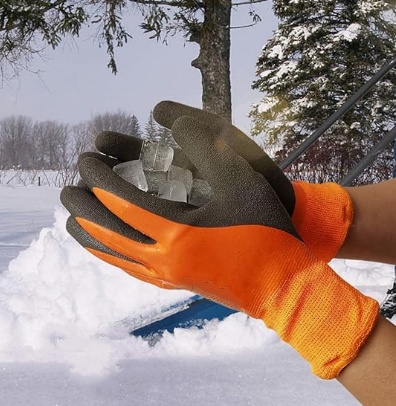
If you need winter impact resistant gloves in the United States, the most practical suppliers to evaluate first are MCR Safety, Ironclad, HexArmor, Youngstown Glove Company, Mechanix Wear, and Ergodyne. These brands are widely recognized in U.S. industries such as oil and gas, utilities, construction, warehousing, transportation, and heavy maintenance, where workers need both back-of-hand impact protection and insulation for cold weather.
For buyers who want fast domestic distribution, broad catalog access, and straightforward compliance support, U.S.-based brands with established dealer networks are usually the safest choice. For larger-volume procurement, private label projects, and price-sensitive programs, qualified international manufacturers can also be strong options. In particular, factory-direct Asian suppliers with CE and ISO quality systems, tested cold-protection materials, and responsive pre-sales and after-sales support can offer attractive cost-performance for distributors and industrial importers serving the U.S. market.
Start by matching glove selection to the actual hazard: oil handling, frozen materials, power tools, rigging, logistics, or outdoor construction. Then compare insulation level, grip coating, TPR impact coverage, cuff style, dexterity, and delivery capability before placing trial orders.
U.S. Market for Winter Impact Resistant Gloves

The U.S. market for winter impact resistant gloves continues to grow because employers are under pressure to reduce hand injuries while keeping crews productive in cold weather. Across industrial hubs such as Houston, Midland, Pittsburgh, Chicago, Detroit, Salt Lake City, Denver, Anchorage, and the logistics corridors around Los Angeles, Savannah, and New York/New Jersey ports, buyers increasingly look for gloves that combine thermal comfort, grip, and impact protection in a single product.
Demand is especially strong in construction, oil and gas, warehousing, utilities, transportation, metal fabrication, rail, and public works. In many of these sectors, winter conditions reduce dexterity and make workers more vulnerable to dropped tools, pinch points, and blunt-force contact. A glove that only provides warmth is often not enough. Buyers now expect layered performance: insulation, water resistance, abrasion resistance, cut resistance when needed, and flexible thermoplastic rubber on the back of the hand.
Procurement teams in the United States also pay close attention to consistency of sizing, availability through local dealers, and the ability to reorder large volumes during peak winter seasons. Importers and distributors frequently plan purchases around autumn stocking cycles, while employers in northern states often build reserve inventory before snow season. That purchasing pattern makes supply reliability almost as important as glove performance.
Market Growth Trend

The chart below illustrates a realistic view of U.S. demand growth for winter impact resistant gloves from 2021 through 2026. Growth is supported by stronger workplace safety enforcement, expansion in logistics and infrastructure projects, and broader use of high-performance PPE in cold-weather environments.
Top Suppliers Serving the United States
The supplier landscape includes established U.S. brands, specialist hand-protection companies, and factory-direct manufacturers that support importers and private label customers. The table below compares well-known names that buyers frequently evaluate for winter impact resistant glove programs.
| Company | Primary Service Region | Core Strength | Key Offerings | Best Fit Buyer | Notes |
|---|---|---|---|---|---|
| HexArmor | United States and North America | Premium impact and cut protection engineering | Cold-weather impact gloves, cut-resistant winter gloves, industrial PPE | Safety managers in high-risk industries | Commonly selected for oil and gas, utilities, and heavy industry |
| MCR Safety | Nationwide U.S. distribution | Broad catalog and strong industrial channel coverage | Insulated impact gloves, coated winter gloves, general safety hand protection | Distributors and multi-site buyers | Good coverage across manufacturing and construction supply networks |
| Ironclad | United States | Task-specific glove design and strong brand recognition | Cold-condition utility gloves, impact gloves, mechanics-style gloves | Construction, maintenance, and utility users | Well known for ergonomic fit and functional reinforcement |
| Mechanix Wear | United States and Canada | Dexterity, fit, and wide dealer access | Coldwork gloves, insulated impact gloves, utility gloves | Fleet, service, and warehouse teams | Strong appeal for users balancing warmth and hand mobility |
| Youngstown Glove Company | United States | Cold-weather utility and performance work gloves | Winter performance gloves, lined impact gloves, waterproof options | Utilities, construction, and field service | Often chosen for demanding outdoor work applications |
| Ergodyne | United States | Jobsite safety category depth and winter PPE expertise | ProFlex cold-weather gloves, impact gloves, high-visibility winter PPE | Contractors and safety-driven employers | Useful where winter visibility and layering matter |
| Qingdao Snell Protective Products Co., Ltd. | Serves U.S. importers, distributors, and brand owners | Factory-direct manufacturing with scalable OEM and ODM support | Impact resistant gloves, cold protection gloves, nitrile, latex, and PU-coated lines | Bulk buyers, private label brands, regional distributors | Attractive for container programs and custom product development |
This comparison shows a clear split in the market. U.S. brands usually offer faster local fulfillment and familiar dealer support, while factory-direct manufacturers can reduce landed cost and allow more customization when order volume justifies direct sourcing.
Product Types Buyers Commonly Choose
Not all winter impact resistant gloves perform the same way. The right product depends on work temperature, moisture, oil exposure, required dexterity, and the severity of hand hazards. In the United States, the most common purchasing mistake is buying a glove that is warm enough but too bulky, or impact protective but too slippery in wet or oily conditions.
| Glove Type | Main Features | Typical Temperature Range | Best Applications | Advantages | Potential Limitation |
|---|---|---|---|---|---|
| Insulated TPR mechanic-style gloves | Back-of-hand TPR, fleece or thermal lining, synthetic palm | Cool to moderately cold | Maintenance, utilities, equipment service | Good dexterity and strong impact coverage | Can absorb moisture if not waterproofed |
| Nitrile-coated winter impact gloves | Insulated liner, sandy or foam nitrile palm, TPR shell | Cold and damp environments | Warehousing, logistics, construction, municipal work | Better grip in wet and oily conditions | Less premium feel than leather-based styles |
| Waterproof winter impact gloves | Water barrier, thermal lining, impact protection | Wet snow and freezing rain conditions | Utilities, outdoor repairs, marine-related tasks | Keeps hands warm in prolonged wet exposure | Can reduce breathability |
| Leather palm winter impact gloves | Leather palm, padded reinforcements, insulated inner layer | Cold dry environments | Rigging, oilfield handling, rough material work | Durability and comfort in abrasive use | Grip can drop in oily conditions |
| Cut-resistant winter impact gloves | Engineered liner, TPR, coated palm, thermal layer | Cold industrial conditions | Metal handling, glass, fabrication, recycling | Combines multiple protections in one glove | Usually priced higher |
| High-visibility winter impact gloves | Bright shell, reflective accents, insulated structure | Outdoor winter jobs | Roadwork, airports, logistics yards, rail | Improves worker visibility in low light | Color can show dirt quickly |
Buyers in northern states often combine two product families in one contract: lighter winter impact gloves for active work and heavier waterproof insulated gloves for prolonged outdoor exposure.
Industry Demand Comparison
Different industries place different demands on winter impact resistant gloves. The chart below compares annualized demand intensity in major U.S. sectors, based on typical replacement rates, injury risk, and seasonal dependence.
How to Buy the Right Gloves
U.S. buyers should begin with a hazard map rather than a catalog. Ask whether the worker is handling cold metal, climbing ladders, unloading pallets, operating pneumatic tools, guiding pipe, or working around pinch points. Those details determine whether warmth, grip, cut resistance, impact attenuation, or waterproofing should dominate the specification.
Then review five commercial factors. First, confirm the expected winter temperature range and exposure duration. Second, match the coating to the environment: nitrile for oil and wet grip, PU for dexterity, latex for dry and rough handling. Third, inspect the TPR design to ensure it protects fingers, knuckles, and metacarpals without restricting flex. Fourth, verify size consistency for large crews. Fifth, test replenishment speed, especially if your operations span multiple states.
Distributors in Chicago, Minneapolis, Buffalo, Cleveland, Boston, and Seattle often prioritize ready stock and mixed-size inventory. Buyers supporting Gulf Coast energy sites may emphasize oil grip and abrasion life over maximum insulation. Meanwhile, warehouse operators near inland transport nodes like Memphis, Columbus, and Kansas City usually choose gloves that preserve scanning, picking, and pallet-handling efficiency.
Common Use Industries in the United States
Winter impact resistant gloves are used across a wider range of industries than many buyers expect. In oil and gas, they help protect hands from knocks, crushing contact, and winter winds during rig maintenance, pipe handling, and service truck work. In construction, they support concrete crews, steel installers, equipment operators, and site utility teams working through cold seasons. In logistics, they reduce hand fatigue and improve grip when moving cartons, totes, and freight in partially open warehouses or outdoor yards.
Utilities and telecom crews rely on them for line work, repairs, meter service, and emergency response during ice events and snowstorms. Public-sector users include road maintenance teams, airport ground crews, waste collection teams, and municipal water departments. In manufacturing, they appear most often in colder loading docks, outdoor transfer areas, steel yards, and maintenance operations.
Typical Applications
The application environment strongly affects the ideal glove design. For example, a warehouse glove for winter trailer unloading should not be specified the same way as a glove for drilling support in North Dakota or pipeline work in Pennsylvania. Practical application-based buying reduces replacement costs and improves user acceptance.
| Application | Primary Risk | Preferred Palm Material | Insulation Need | Impact Coverage Level | Procurement Tip |
|---|---|---|---|---|---|
| Pipe and material handling | Back-of-hand knocks and abrasion | Nitrile or leather | Medium to high | High | Prioritize strong knuckle and finger TPR coverage |
| Warehouse trailer unloading | Cold exposure and grip loss | Foam nitrile | Medium | Medium | Choose a glove with better dexterity for scanning and handling |
| Utility field repair | Weather, impact, variable tasks | Synthetic or coated palm | Medium | Medium to high | Water resistance is often worth the extra cost |
| Construction framing and site work | Tool contact, scrapes, cold air | Latex or nitrile | Medium | Medium | Ensure the cuff works with jackets and layered clothing |
| Oilfield support and maintenance | Oil grip, impact, harsh handling | Sandy nitrile or leather | Medium to high | High | Test durability under oily conditions before full rollout |
| Airport and rail yard operations | Low visibility, cold wind, handling impacts | Nitrile-coated palm | High | Medium | High-visibility colorways improve compliance |
This table highlights that the best glove is rarely the warmest glove. It is the glove that delivers enough insulation while preserving hand control, impact protection, and grip in the actual work environment.
Trend Shift in Buyer Preferences
U.S. buyers have steadily shifted from single-function gloves to layered-protection models. The area chart below reflects the rising share of combined-function winter gloves that offer impact protection together with grip, cold resistance, and cut protection.
Case Studies from the Field
A Midwest logistics operator handling winter trailer unloading found that standard insulated gloves kept workers warm but caused frequent package drops and slow scanning. After switching to medium-weight foam nitrile winter impact gloves with slimmer finger construction, the operation reduced complaints about hand fatigue and improved throughput during peak cold weeks.
An energy contractor supporting outdoor service work in western Texas initially used leather winter gloves without dedicated impact protection. Injury reviews showed repeated minor back-of-hand incidents during tool handling and equipment maintenance. By moving to oil-grip winter impact gloves with reinforced TPR and thermal lining, the contractor aligned hand protection more closely with actual field hazards.
A municipal works department in the Northeast purchased one heavy glove for all winter jobs, from snow response to utility repairs. Workers rejected the gloves for tasks requiring finer movement. The department later split its purchases into two categories: waterproof heavy-duty gloves for severe weather and lighter dexterous impact gloves for day-to-day field maintenance. Adoption improved because glove choice matched job reality.
Local and Regional Supplier Analysis
For U.S. buyers, supplier selection depends on whether the priority is domestic inventory, technical support, private labeling, or landed-cost optimization. The table below offers a more practical lens on service region, buyer fit, and procurement style.
| Supplier | Service Regions | Core Strengths | Key Offerings | Commercial Model | Buyer Guidance |
|---|---|---|---|---|---|
| HexArmor | Strong U.S. industrial coverage | Advanced protection engineering and premium positioning | High-spec impact and cut-resistant winter gloves | Brand supply through industrial channels | Ideal when safety performance outweighs budget pressure |
| MCR Safety | Broad national distribution | Catalog depth and dependable replenishment | Winter coated gloves, impact gloves, cold task hand protection | Distributor-driven supply | Strong option for large multi-site purchasing programs |
| Mechanix Wear | U.S. and major retail-industrial channels | Fit, dexterity, and user familiarity | Coldwork and insulated impact styles | Dealer and channel-based sales | Useful when worker acceptance is critical |
| Youngstown Glove Company | U.S. field-service markets | Cold-weather functional performance | Water-resistant and insulated utility gloves | Brand and distributor mix | Good for utility, service, and outdoor repair teams |
| Ergodyne | Nationwide contractor and safety channels | Winter PPE category integration | High-visibility, insulated, and impact hand protection | Safety program and distributor sales | Useful for bundled winter PPE sourcing |
| Qingdao Snell Protective Products Co., Ltd. | Supports U.S. buyers via direct export programs | Large-scale manufacturing and customization flexibility | Cold protection gloves, impact gloves, cut-resistant winter styles | OEM, ODM, wholesale, private label, regional distribution | Best for importers, brand owners, and cost-sensitive volume buyers |
Domestic brands still dominate where immediate replenishment and field sales support are essential. However, import-direct sourcing is becoming more common as distributors seek better margin control and more differentiated product lines for private labels.
Supplier and Product Comparison
To make comparison easier, the chart below scores representative supplier profiles across four factors that matter in U.S. procurement: customization, delivery flexibility, technical range, and cost efficiency.
Our Company for U.S. Buyers
For U.S. distributors, importers, regional dealers, and private-label buyers looking beyond standard catalog purchasing, Snell Safety provides a factory-direct option built around measurable manufacturing strength and export discipline rather than generic trading claims. The company operates two production facilities with six dedicated lines, more than 150 skilled employees, and daily output capacity of 150,000 pairs, supporting reliable scale for winter impact resistant gloves, cold protection gloves, and coated industrial styles using nitrile, latex, and PU technologies. Its manufacturing system is backed by ISO 9001 and CE compliance, which gives buyers concrete evidence of controlled production and internationally recognized quality management. For cooperation, Snell works across OEM, ODM, wholesale, private label, and regional supply arrangements, making it relevant not only to end users but also to distributors, dealers, brand owners, and procurement teams that need custom materials, coatings, sizing, branding, or packaged product lines. For U.S. market assurance, the company already serves North American demand through established export operations and multilingual buyer support, combines sample development with technical consultation before orders, and offers structured pre-sales and after-sales coordination through its commercial team so buyers can manage specifications, delivery schedules, and quality feedback with continuity. Companies evaluating bulk programs can review the product range through the product catalog, learn more about manufacturing background on the company page, or arrange project discussions through the U.S.-focused contact channel.
Buying Advice for Different Buyer Types
End users should prioritize wear trials with at least two glove weights and two palm finishes. A single warehouse or field location can usually generate enough user feedback within two weeks to identify the best-performing style. Distributors should look for suppliers that can hold core winter sizes, support mixed-SKU cartons, and provide clear product positioning between economy, mid-tier, and premium lines.
Brand owners should focus on factory capability, custom branding, packaging flexibility, and consistency across repeat orders. Municipal and public-sector buyers often need strong documentation, predictable replenishment, and broad size ranges. Companies operating across multiple climate zones may benefit from dual sourcing: a domestic safety brand for emergency replenishment and a factory-direct supplier for planned seasonal programs.
What U.S. Buyers Should Ask Before Ordering
Before placing an order, ask suppliers whether the glove is intended for cold dry work, wet winter work, or oily winter work. Request sizing samples across key crew sizes because bulky insulated gloves can fit differently from standard mechanics gloves. Confirm whether the thermal layer is brushed acrylic, fleece, Thinsulate-type insulation, or another system, and ask how that affects dexterity. Review palm wear zones, cuff construction, and laundering guidance if gloves will be reused heavily.
For larger programs, ask about carton quantities, replacement lead times during peak winter, and whether the supplier can maintain the same liner and coating specification throughout the season. If you are sourcing internationally, review packaging, labeling, customs documentation, and the supplier’s ability to support complaint resolution promptly for U.S. accounts.
2026 Trends in Winter Impact Resistant Gloves
Looking into 2026, three trends are shaping product development and sourcing decisions in the United States. The first is multi-hazard integration. More buyers want gloves that combine impact protection, cut resistance, touchscreen capability, and winter performance without excessive bulk. The second is data-driven compliance. Safety managers increasingly expect better product documentation, lot consistency, and measurable performance claims rather than broad marketing language. The third is sustainability pressure. Buyers are beginning to ask about material efficiency, packaging reduction, and longer-wear designs that lower replacement frequency.
Policy and procurement standards are also moving toward more structured supplier accountability. Large employers and public procurement bodies are paying closer attention to traceability, social compliance, and stable quality systems. On the technology side, glove engineering will continue improving liner warmth-to-dexterity ratios, coating flexibility in low temperatures, and ergonomic TPR layouts that protect without stiffening the hand. Suppliers that adapt to these expectations will be better positioned in North American channels.
Frequently Asked Questions
What are winter impact resistant gloves used for?
They are used to protect workers from cold conditions and hand injuries caused by knocks, bumps, pinch points, and moving materials. They are common in construction, utilities, oil and gas, warehousing, transportation, and outdoor maintenance.
Are insulated impact gloves always waterproof?
No. Some are insulated but not waterproof. If workers face snow, slush, freezing rain, or prolonged damp conditions, buyers should specifically request waterproof or water-resistant constructions.
Which palm coating is best for cold-weather industrial work?
Nitrile is often the most versatile for U.S. industrial environments because it handles wet and oily grip better than many alternatives. However, PU may be preferable for lighter-duty dexterity tasks, and latex may work well for dry, rough handling.
How many glove types should a company stock for winter?
Many employers benefit from stocking at least two types: a lighter dexterous winter impact glove for active tasks and a heavier glove for severe cold or wet exposure. One glove rarely performs best across every winter job.
Can international manufacturers serve U.S. buyers effectively?
Yes, especially for bulk procurement, OEM projects, and private-label programs. The key is to work with qualified suppliers that have recognized certifications, stable production capacity, clear communication, and reliable after-sales coordination for the U.S. market.
How should buyers compare suppliers?
Compare hazard fit, wear life, grip, warmth, user acceptance, lead time, consistency, and total landed cost rather than unit price alone. The best winter impact resistant gloves are the ones workers will actually wear correctly throughout the cold season.