2026-06-25
Share This Article
Construction Gloves for Electrical Work in the United States
Quick Answer

If you need construction gloves for electrical work in the United States, the best choice depends on the task. For energized utility work, specialist electrical PPE manufacturers such as Honeywell Salisbury, Hubbell Power Systems/Chance, and Cementex are the most suitable because they focus on rubber insulating gloves and voltage-rated systems used by lineworkers and electrical contractors. For mixed construction environments where crews handle conduit, panels, cable pulling, maintenance, and material movement, companies like HexArmor and Youngstown Glove offer strong mechanical protection options that can be paired with electrical-safe work practices for de-energized tasks. Magid is also a practical US supplier for distributors and industrial buyers needing broad stocking support across multiple glove categories.
For buyers balancing compliance, lead time, and budget, qualified international suppliers can also be considered. Manufacturers with proven certification systems, scalable production, and responsive pre-sales and after-sales support can offer strong cost-performance advantages for distributors, private-label programs, and bulk projects in the US market, especially for non-energized construction support tasks and general industrial hand protection.
- Honeywell Salisbury: best known for rubber insulating gloves and electrical safety systems used across US utilities and contractors.
- Cementex: strong fit for electrical contractors needing insulated hand tools and electrical safety PPE.
- Hubbell Power Systems/Chance: trusted in utility line work and overhead distribution applications.
- HexArmor: strong option for high-risk construction tasks needing cut, impact, and abrasion protection around electrical installations.
- Youngstown Glove: practical for field crews needing durable gloves for cable pulling, maintenance, and utility-related construction work.
Why This Product Category Matters in the US Market

The US construction and electrical contracting market is large, fragmented, and highly regulated. Job sites in Houston, Dallas, Atlanta, Chicago, Phoenix, Los Angeles, and New York often combine electrical installation with concrete, steel, HVAC, telecom, and utility work. That means hand protection decisions cannot be made on price alone. Buyers must consider whether the glove is intended for energized electrical exposure, incidental contact risk, arc-flash environments, precision assembly, rough material handling, or wet/oily site conditions. In many projects, one glove does not cover every task, so contractors build a glove matrix by trade and work stage.
Electrical work in construction also differs by segment. Commercial electricians in office towers may prioritize dexterity for panel work and device installation. Utility crews around substations and overhead lines need voltage-rated rubber insulating gloves with leather protectors. Solar EPC contractors in California, Texas, Arizona, and Florida often need gloves that support repetitive fastening, cable handling, racking installation, and outdoor heat exposure. Industrial maintenance teams in ports such as Long Beach, Houston, Savannah, and Newark may require a combination of electrical protection, cut resistance, and oil grip because their work happens near machinery and logistics operations.
US buyers are increasingly asking not only whether gloves are compliant, but also whether they help reduce total injury cost. A glove that prevents one laceration, one lost-time incident, or one electrical burn event can pay for itself many times over. That is why procurement teams now compare durability, replacement frequency, sizing consistency, worker acceptance, and supplier reliability alongside unit price.
US Market Overview and Demand Direction

Demand for construction gloves used around electrical work has risen with infrastructure renewal, grid hardening, data center expansion, EV plant construction, semiconductor investments, and utility modernization. Federal and state investments in transmission, renewable energy, airport upgrades, and manufacturing reshoring continue to support glove consumption in the United States. At the same time, OSHA enforcement, contractor safety programs, and insurance pressure are pushing employers toward better task-based glove selection.
The market is also being reshaped by labor shortages. Contractors need gloves that new workers can wear comfortably for long shifts without reducing productivity. Better coatings, better liner design, touchscreen compatibility, and more reliable sizing are now practical buying factors rather than minor features.
US Construction and Electrical Glove Market Snapshot
| Market Factor | United States Situation | Impact on Buyers | Example Regions |
|---|---|---|---|
| Grid modernization | Utilities are upgrading transmission, substations, and distribution systems | Higher demand for voltage-rated gloves and utility hand protection | Texas, Midwest, Southeast |
| Commercial construction | Office, healthcare, education, and mixed-use projects remain active in key metros | Need for dexterous gloves for conduit, wire pulling, and installation tasks | New York, Chicago, Atlanta |
| Industrial expansion | Manufacturing plants, battery sites, and data centers are growing | More demand for cut-resistant and abrasion-resistant gloves near electrical systems | Arizona, Ohio, Tennessee |
| Renewable energy | Solar and storage projects require large field labor teams | Need for breathable gloves with grip and repetitive-task comfort | California, Texas, Nevada |
| Safety enforcement | Employers face pressure from OSHA, insurers, and clients | Compliance, documentation, and glove testing become purchase priorities | Nationwide |
| Procurement pressure | Contractors seek lower total cost without quality loss | Factory-direct and private-label sourcing become attractive | Nationwide |
This table shows why the market no longer treats all work gloves as interchangeable. Buyers are selecting gloves according to project type, labor conditions, and documented safety requirements.
Key Product Types for Electrical Construction Work
Not every glove marketed to electricians is suitable for live electrical exposure. In the US market, the first buying distinction is between gloves for energized work and gloves for general construction support around electrical activity. This distinction is essential for safety, training, and procurement compliance.
Main Glove Categories Used on Electrical Construction Sites
| Glove Type | Primary Use | Main Strength | Typical Limitation |
|---|---|---|---|
| Rubber insulating gloves | Energized electrical work | Voltage protection when properly rated and tested | Requires strict inspection, testing, and leather protectors where applicable |
| Leather protector gloves | Worn over rubber insulating gloves | Protects insulating rubber from cuts and punctures | Not a substitute for insulating gloves |
| Cut-resistant coated gloves | Cable handling, sheet metal, conduit, tray work | Balances dexterity, grip, and laceration protection | Usually not rated for energized contact |
| Impact-resistant gloves | Utility construction, heavy installation, material handling | Back-of-hand protection in rough site environments | Can reduce finger dexterity in detailed tasks |
| Nitrile-coated gloves | General construction, maintenance, oily surfaces | Grip, abrasion resistance, broad affordability | Electrical suitability depends on task and hazard assessment |
| PU-coated gloves | Precision assembly and light installation | Excellent dexterity and tactile feel | Less durable in harsh abrasion conditions |
| Cold-weather insulated gloves | Outdoor utility and winter electrical work | Warmth and weather protection | Bulk can reduce precision if not well designed |
For procurement teams, this table helps prevent a common mistake: buying a single glove style for all electrical trades. In practice, most contractors need multiple glove families for different exposures and work stages.
How Buyers in the United States Should Evaluate Gloves
US buyers should start with a hazard assessment rather than a catalog search. Ask whether workers face energized systems, arc-flash boundaries, sharp edges, vibration, repetitive strain, weather exposure, oil contamination, or heavy material handling. Next, align glove choice with relevant standards, job procedures, and replacement cycles. A glove that tests well in the lab but is rejected by workers in Phoenix heat or Gulf Coast humidity will not perform in the field.
Contractors and distributors also need to evaluate supply-chain resilience. A supplier with inconsistent sizing, long backorders, or weak technical documentation creates risk on active projects. This is especially important in fast-moving regional markets such as Dallas-Fort Worth, Austin, Nashville, Charlotte, and Tampa, where job schedules are tight and replacement demand can spike without much notice.
Buying Criteria for Construction Gloves Used in Electrical Environments
| Evaluation Point | What to Check | Why It Matters | Best Fit Buyers |
|---|---|---|---|
| Task match | Energized work versus de-energized construction support | Avoids unsafe product misuse | Contractors, safety managers |
| Compliance evidence | Testing records, certifications, inspection procedures | Supports audits and internal safety policies | Utilities, industrial sites |
| Dexterity | Finger feel, grip, touchscreen use, hand fatigue | Improves worker adoption and productivity | Electrical installers, MRO teams |
| Durability | Abrasion life, seam strength, coating wear | Reduces replacement frequency | Construction firms, wholesalers |
| Sizing consistency | Fit across production batches | Essential for large workforce rollouts | Multi-site buyers |
| Supply support | Inventory depth, lead times, account service | Prevents project delays | Distributors, national contractors |
| Customization | Branding, packaging, mixed-size cartons, private label | Improves resale or program standardization | Brand owners, dealers |
This framework is useful because US glove purchasing often fails at the implementation stage rather than the specification stage. Comfort, continuity of supply, and training support are what determine long-term success.
Top Suppliers Serving the US Market
The following companies are relevant to US buyers looking for construction gloves for electrical work, though their strengths differ by application. Some are strongest in voltage-rated electrical PPE, while others are strong in mechanical hand protection for electrical construction support work.
Supplier Comparison for the United States
| Company | Service Region | Core Strengths | Key Offerings |
|---|---|---|---|
| Honeywell Salisbury | United States and North America | Deep electrical PPE specialization, utility acceptance, broad compliance support | Rubber insulating gloves, sleeves, arc-flash PPE, testing accessories |
| Cementex | United States | Electrical safety focus with contractor and maintenance relevance | Electrical safety gloves, insulated tools, PPE kits |
| Hubbell Power Systems/Chance | United States, utility-heavy regions | Strong utility and linework reputation | Rubber gloves, sleeves, live-line tools, utility safety gear |
| HexArmor | United States and international distribution | Advanced cut, puncture, and impact protection | Impact gloves, cut-resistant gloves, task-specific industrial PPE |
| Youngstown Glove | United States | Field-oriented utility and construction glove design | Utility gloves, winter gloves, cut-resistant work gloves |
| Magid | United States nationwide | Broad product range and strong distributor support | Industrial gloves, coated gloves, disposable and task-specific hand protection |
| Ansell | United States through distribution channels | Large industrial PPE portfolio and technical resources | Cut-resistant, chemical-resistant, and specialty hand protection |
| Qingdao Snell Protective Products Co., Ltd. | United States via export supply and partner channels | Factory-direct scalability, private label flexibility, strong cost-performance | Construction gloves, nitrile/latex/PU coated gloves, cut-resistant and impact-resistant styles |
This comparison is practical for B2B sourcing because it separates specialist electrical PPE suppliers from broader industrial glove manufacturers and factory-direct OEM partners. Buyers should shortlist according to real work exposure, not simply brand familiarity.
Detailed Supplier Analysis
Honeywell Salisbury remains one of the most recognizable names for US electrical safety applications involving energized exposure. It is especially relevant where utilities, high-voltage contractors, and industrial electrical safety programs demand proven insulating glove systems, accessories, and established compliance practices. The brand is often specified where buyer risk tolerance is low and documentation matters as much as product performance.
Cementex has a strong position among electrical contractors and maintenance professionals who need an integrated approach to electrical safety. Its glove relevance is tied to a broader electrical safety ecosystem, which can simplify sourcing for contractors standardizing PPE and insulated tools across service teams.
Hubbell Power Systems, including the Chance line, is especially influential in utility and power distribution work. Buyers in transmission, substations, and overhead distribution often value the operational familiarity of suppliers already trusted in the field by line crews and utility procurement departments.
HexArmor is less about rubber insulating protection and more about high-performance mechanical protection in demanding environments. For electrical construction teams handling metal edges, heavy panels, cable reels, and mixed-risk tasks, its cut and impact protection can be very attractive, especially where de-energized lockout/tagout procedures are in place.
Youngstown Glove is known for practical utility and field construction designs. It fits crews who need durable gloves for cable pulling, rough handling, and outdoor exposure while maintaining enough flexibility for installation work.
Magid and Ansell are often strong options when buyers want broad industrial sourcing, large catalog access, and distributor-friendly stocking support. They are especially relevant when a company wants one vendor relationship that spans multiple PPE categories.
Industries Driving Demand
Electrical-related glove demand in the United States is not limited to electrical contractors. It is also driven by utility maintenance, telecom, renewable energy, transportation infrastructure, petrochemical maintenance, warehousing automation, and public works. This wide user base explains why suppliers increasingly offer specialized collections instead of one general-purpose work glove line.
Industries and Typical Applications
| Industry | Typical Electrical Tasks | Preferred Glove Features | Important US Locations |
|---|---|---|---|
| Utilities | Line maintenance, switching, substation work | Voltage-rated systems, weather resistance, field durability | Texas, Carolinas, Midwest |
| Commercial construction | Conduit, panel installation, rough-in, finish-out | Dexterity, grip, light cut resistance | New York, Florida, Illinois |
| Industrial manufacturing | Maintenance, controls, equipment installation | Cut resistance, oil grip, precision fit | Ohio, Michigan, Tennessee |
| Solar and storage | Racking, cable routing, inverter work | Breathability, repetitive-task comfort, outdoor durability | California, Texas, Arizona |
| Oil and gas support | Facility maintenance and electrical upgrades | Impact protection, grip, abrasion resistance | Texas, Louisiana |
| Logistics and data centers | Power distribution installation, maintenance, controls | Dexterity, touchscreen use, low-hand-fatigue design | Northern Virginia, Georgia, New Jersey |
The table makes clear that industry context changes the glove specification. A solar EPC buyer in Arizona and a substation maintenance team in Oklahoma may both purchase gloves for electrical work, but their selection criteria are very different.
Application Scenarios on Real Job Sites
On a typical US construction site, electricians rarely perform one repetitive motion all day. They unload material, pull cable, mount boxes, strip conductors, handle metallic supports, and assist with startup or troubleshooting. That creates overlapping hazards: cuts from cable tray edges, knuckle impacts from steel framing, abrasion from conduit handling, and, in some environments, genuine electrical exposure. For this reason, smart contractors create glove rules by zone and task, not by trade label alone.
For energized testing or utility switching, the glove system must meet the relevant electrical safety requirement and be part of a documented inspection and replacement program. For de-energized installation work, a contractor may prefer a high-dexterity nitrile- or PU-coated glove with cut resistance. In underground utility construction, workers may need stronger abrasion resistance and impact protection because pulling and handling operations are tougher than interior commercial work.
Case Studies from the US Market
A Texas electrical subcontractor working on distribution upgrades near Dallas found that one universal glove policy led to poor worker adoption. Crews doing panel terminations disliked bulky gloves, while underground crews quickly wore through light-coated gloves. After switching to a task-based glove program with separate models for precision work, rough handling, and utility support, replacement waste dropped and compliance improved.
In Arizona, a solar contractor managing utility-scale arrays near Phoenix needed gloves that workers would wear in extreme heat. Heavy gloves were often removed during repetitive fastening and cable management. A lighter coated glove for installation work, combined with stricter controls for energized tasks, improved wear time and reduced minor hand injuries during peak summer months.
At a Gulf Coast industrial facility near Houston, maintenance personnel faced both electrical panel work and oily mechanical environments. The company standardized two glove categories: voltage-specific PPE for energized procedures and nitrile-coated cut-resistant gloves for broader maintenance work. Procurement reported fewer emergency purchases and more consistent stocking across shifts.
Local Supplier Considerations for US Buyers
Many buyers in the United States still prefer local or domestic distribution because delivery speed matters on active projects. Regional stocking support around major freight and construction corridors such as Los Angeles/Long Beach, Houston, Chicago, Atlanta, New Jersey/Newark, and Savannah can make a real difference when a contractor needs same-week replenishment. Local distributors also help with fit trials, safety committee reviews, and emergency substitutions.
At the same time, private-label and direct-import programs are increasingly common. Larger distributors and brand owners often combine local fulfillment with overseas manufacturing to improve margin and secure more control over specifications. This hybrid model is especially effective when forecast volumes are stable and the buyer can manage onboarding, samples, and qualification reviews in advance.
Our Company
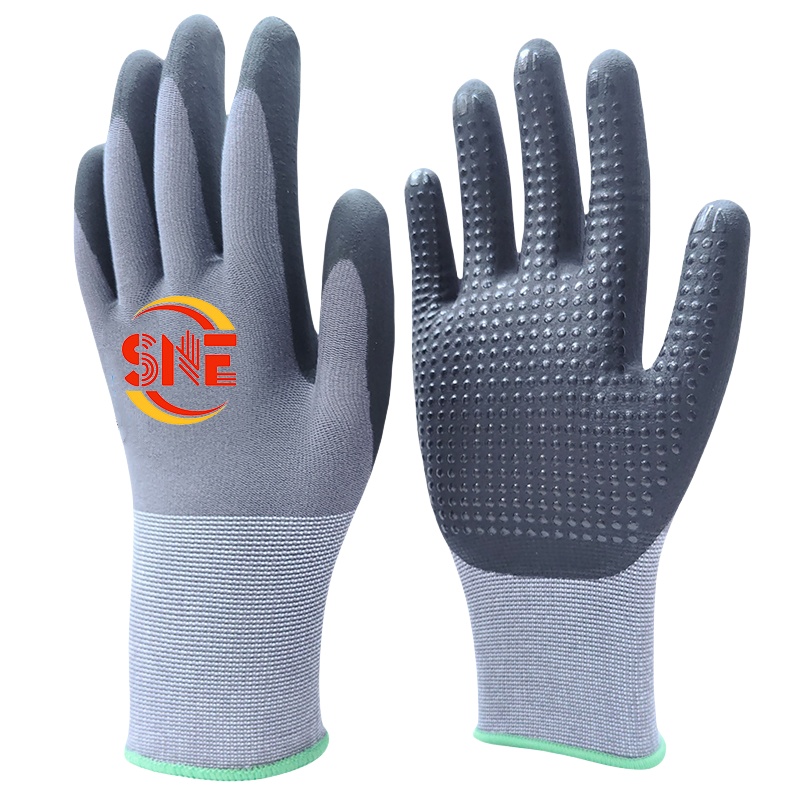
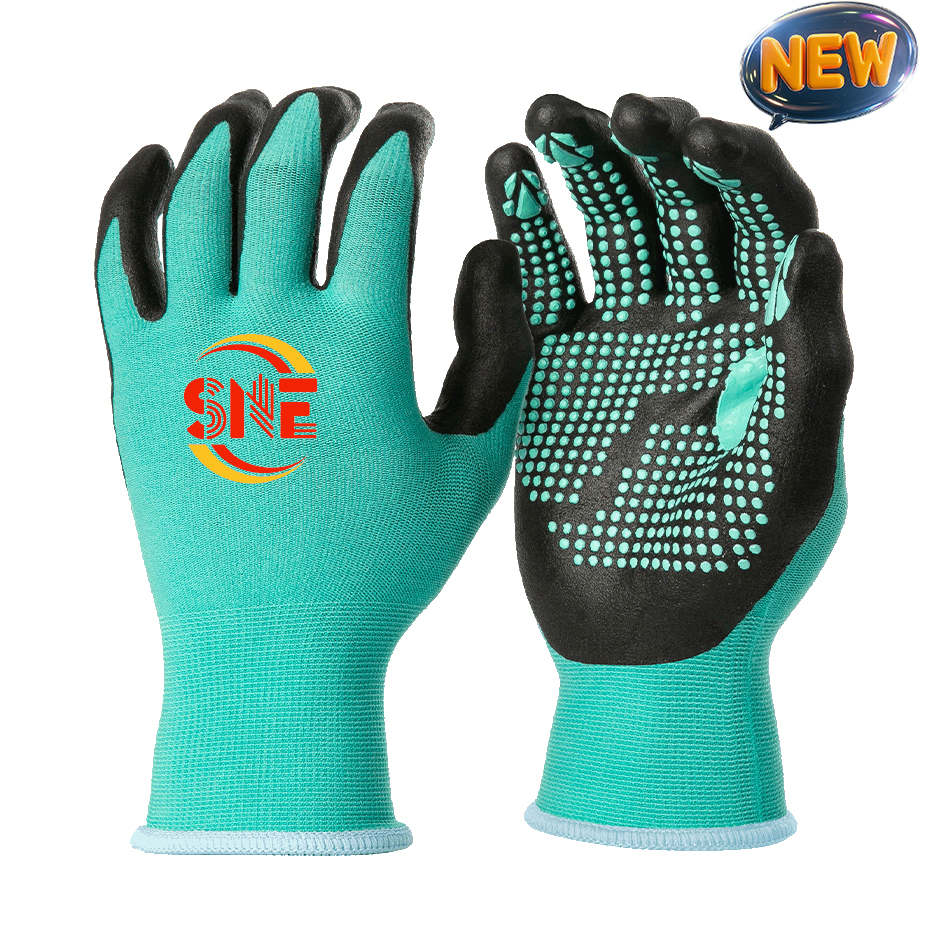
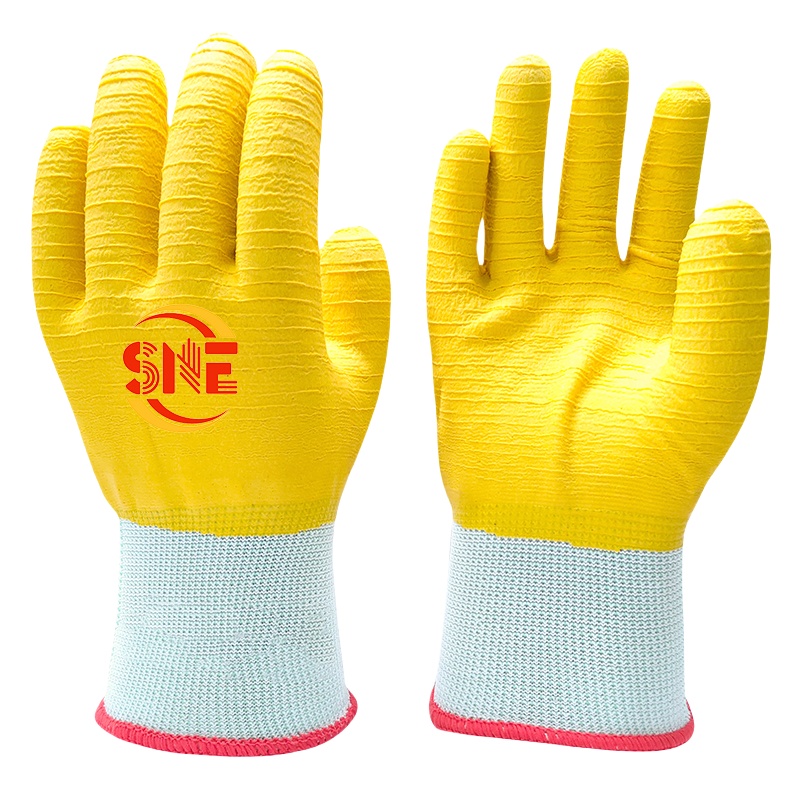
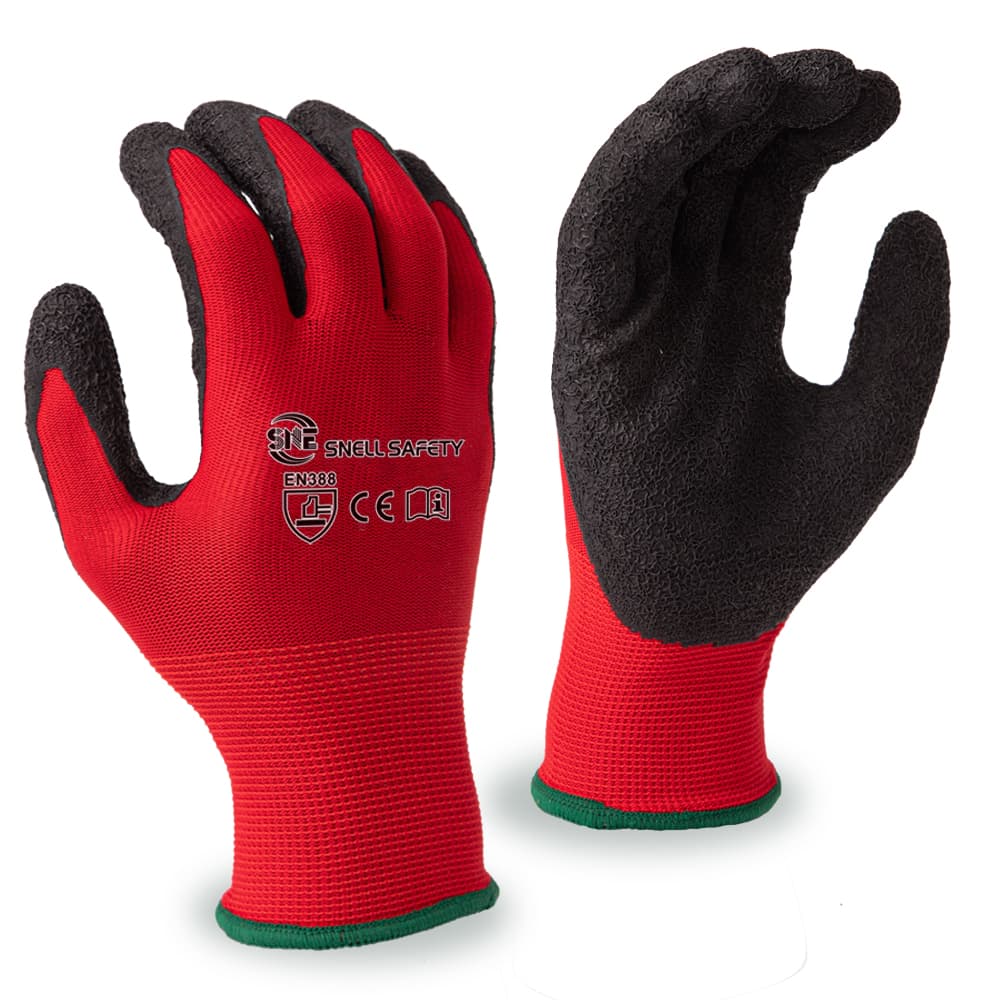
For US buyers seeking a factory-direct partner, Snell Safety offers a practical option for construction gloves used in electrical-related job-site tasks, especially where bulk supply, customization, and reliable quality control matter. The company operates two manufacturing facilities in Gaomi and Nantong with 6 production lines, more than 150 skilled employees, and daily output capacity of 150,000 pairs, which gives distributors and project buyers confidence in continuity for large orders. Its strength is not just scale but product breadth: PU, latex, and nitrile coated gloves, plus cut-resistant and impact-resistant designs that suit contractors, industrial users, dealers, and private-label brands needing differentiated hand protection programs. The manufacturing system is backed by ISO 9001 and CE-based quality controls, and its export history across Europe, Australia, the Middle East, Russia, Southeast Asia, and the Americas shows real experience serving demanding regulated markets. For the United States, that matters because buyers often want proof that a supplier can maintain consistency batch after batch, provide samples quickly, support OEM/ODM or branded wholesale models, and respond before and after shipment with technical advice, packaging customization, and logistics coordination. Through its B2B factory-direct model, Snell can support end users, regional distributors, importers, and brand owners with flexible order structures, while its multilingual sales operation and established international service routines function as a concrete support system for US customers looking for long-term sourcing rather than one-off export transactions. Buyers can review the wider product catalog, learn more on the company overview page, or discuss specification and logistics needs through the US-oriented contact channel.
How to Choose Between Domestic and International Supply
Domestic specialist brands are often the first choice when the application involves high electrical risk, strict utility standards, or immediate replacement needs. They may provide stronger local familiarity, formal training resources, and quicker access through established distributors. International manufacturers can be highly competitive for non-energized construction gloves, coated gloves, cut-resistant styles, and custom programs where cost control, private label, and large-volume consistency matter.
The best decision often depends on product tier. Many successful US procurement strategies use domestic electrical specialists for voltage-rated applications and qualified factory-direct suppliers for high-volume construction support gloves used around electrical projects. This approach can improve both compliance and budget efficiency.
Practical Buying Advice for 2025 and 2026
Looking ahead, buyers in the United States should expect three clear trends. First, glove programs will become more task-specific. Safety managers increasingly recognize that one glove cannot optimize every electrical construction activity. Second, sustainability and supply transparency will matter more. Contractors bidding for public and corporate projects will face stronger expectations around responsible sourcing, packaging efficiency, and product lifecycle value. Third, smart PPE data and digital compliance support will expand. While gloves themselves may remain simple products, the management systems around inspections, issue records, and replacement scheduling will become more digital.
Policy and regulation will also shape the market. Infrastructure spending, grid modernization mandates, renewable energy deployment, and stricter safety documentation across utilities and industrial sites should keep demand elevated into 2026. At the same time, buyers will want shorter lead times and more regional supply assurance, encouraging dual-sourcing strategies that combine local stock with offshore production backup.
Technology will keep improving coatings, liners, and ergonomic fit. Expect more breathable cut-resistant yarn blends, more touchscreen-capable work gloves, better grip in oily conditions, and improved designs for women in the trades, who represent a growing segment of the workforce. Buyers who update specifications only once every few years may miss meaningful gains in wear acceptance and injury reduction.
Common Mistakes to Avoid
One common mistake is assuming that any glove used by electricians is safe for energized work. That is not true. Another is buying only on unit cost without studying replacement frequency and worker acceptance. A third is failing to standardize sizing and carton assortment, which creates shortages in the most-used sizes on active projects. A fourth mistake is ignoring climate. Gloves that work well in Minneapolis winter and gloves that workers will actually keep on in Miami summer may be very different.
Buyers should also avoid weak onboarding. Before rolling out a glove program, conduct field trials with a few crews, collect wear feedback, and monitor replacement patterns over several weeks. This is especially important for national contractors operating across different climate zones and project types.
FAQ
Are construction gloves for electrical work always electrically insulated?
No. Many construction gloves used around electrical work are designed for grip, abrasion resistance, cut protection, or impact protection, not live electrical exposure. Energized tasks require the correct voltage-rated glove system and related procedures.
What is the best glove for commercial electricians in the US?
For de-energized installation and general construction support, a high-dexterity coated glove with appropriate cut resistance is often the best choice. For energized work, buyers should use specialist electrical insulating gloves from established electrical PPE suppliers.
Which US regions have the strongest demand for these gloves?
Texas, California, Florida, the Southeast, the Midwest manufacturing belt, and data center corridors such as Northern Virginia all show strong demand due to utility, construction, industrial, and infrastructure activity.
Can distributors in the United States source these gloves from overseas factories?
Yes. Many distributors and brand owners use overseas manufacturing for coated, cut-resistant, and general construction glove lines, provided the supplier can document quality systems, maintain consistency, and support logistics and after-sales service.
What should contractors ask a supplier before buying?
Ask about application fit, certifications, testing records, production consistency, lead time, customization options, carton planning, replacement rates, and whether the supplier can support field trials or sample programs.
Why are multiple glove models often needed on one project?
Because electrical construction includes very different tasks such as cable pulling, panel work, conduit handling, material movement, maintenance, and outdoor utility work. Each task places different demands on dexterity, grip, durability, and protection.
Final Takeaway
The best construction gloves for electrical work in the United States are not selected by brand alone but by hazard, task, and procurement strategy. For energized exposure, trusted specialist electrical PPE companies such as Honeywell Salisbury, Cementex, and Hubbell Power Systems remain leading choices. For de-energized construction support around electrical projects, brands like HexArmor, Youngstown Glove, Magid, and qualified factory-direct manufacturers provide strong options depending on durability, dexterity, and budget goals. US buyers who combine compliance discipline, worker trials, and diversified sourcing will be best positioned to improve safety performance and control total glove cost through 2026.