2026-06-10
Share This Article
Best Waterproof Cut Resistant Gloves in the United States
Quick Answer

If you need waterproof cut resistant gloves for wet work conditions in the United States, the most practical choices usually come from established brands with proven industrial distribution, broad sizing, and clear ANSI cut ratings. For immediate sourcing, strong options include HexArmor, MCR Safety, PIP, Showa, Ansell, and Superior Glove. These suppliers are widely used across construction, seafood processing, utilities, oil and gas, warehousing, and maintenance where grip, liquid resistance, and cut protection must work together.
For buyers who need fast replenishment in major U.S. industrial corridors such as Houston, Chicago, Los Angeles, Savannah, and New Jersey port distribution zones, HexArmor and MCR Safety are commonly shortlisted for premium protection and domestic availability, while Showa, Ansell, PIP, and Superior Glove are attractive for broad product selection and established distributor networks.
Qualified international manufacturers can also be worth considering, especially for private label, OEM, and large-volume orders. Cost-competitive suppliers with ISO and CE-backed production systems, responsive pre-sales support, and after-sales coordination can offer strong value for U.S. distributors and brand owners when product specifications, compliance expectations, and delivery schedules are clearly managed.
Market Overview in the United States

The U.S. market for waterproof cut resistant gloves continues to grow because many job sites now require more than one layer of hand protection. A glove that only blocks water but tears easily is not enough in seafood plants, glass handling, utility repair, food processing, automotive maintenance, metal fabrication, and municipal field work. On the other hand, a glove with strong cut protection but poor coating performance can become slippery, cold, and unsafe in real wet environments.
In the United States, demand is strongest in regions with dense industrial activity and active logistics networks. The Gulf Coast, including Houston and New Orleans, drives demand from oil, gas, petrochemical, marine, and port operations. The Great Lakes and Midwest manufacturing belt, including Chicago, Detroit, Cleveland, and Indianapolis, relies on waterproof cut resistant hand protection for automotive plants, metal fabrication, stamping, and machinery maintenance. Coastal processing hubs such as Seattle, Boston, and areas around Alaska-linked seafood supply chains also require gloves that can resist water, maintain grip, and protect against blades or sharp shells.
Buyer expectations have become more technical. Procurement teams increasingly ask for ANSI A3 to A6 cut ratings, palm coatings such as nitrile or latex, sandy or foam finishes for grip, liner details, cuff length, touchscreen compatibility, thermal support, and laundering performance. For many employers, the buying decision is no longer based only on price per pair. It is based on injury reduction, replacement frequency, employee acceptance, and compatibility with safety programs.
Another important shift is channel diversity. End users still buy through distributors, but more brand owners and industrial wholesalers are developing private-label glove programs to control margin and inventory. This is especially visible around major inland and coastal trade hubs connected to Long Beach, Los Angeles, Newark, Savannah, and Houston, where imported PPE moves quickly into regional warehousing and national fulfillment systems.
U.S. Market Growth Trend

The chart below illustrates a realistic growth pattern for waterproof cut resistant gloves in the U.S. industrial safety segment, driven by stricter PPE policies, wet-environment hazards, and replacement demand.
What Makes a Good Waterproof Cut Resistant Glove
Not every glove marketed as waterproof and cut resistant is suitable for demanding U.S. workplaces. Buyers should distinguish between water-resistant coatings and true liquid-blocking designs. A glove may repel occasional splashes but still absorb water through seams, the back of the hand, or the cuff. In cold or wet work, that difference matters because water ingress reduces comfort, increases hand fatigue, and often leads to workers removing gloves.
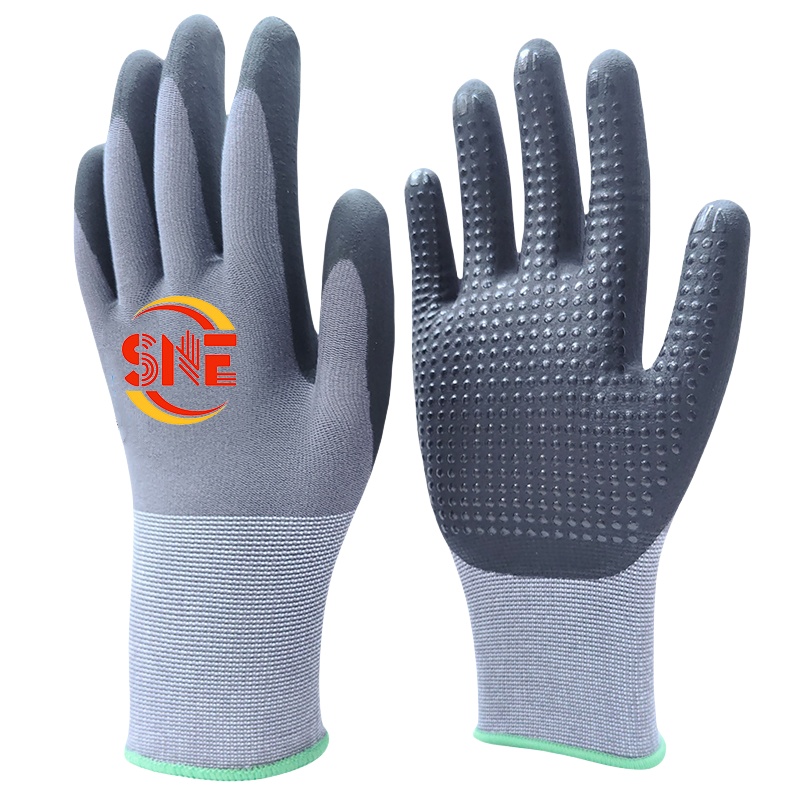
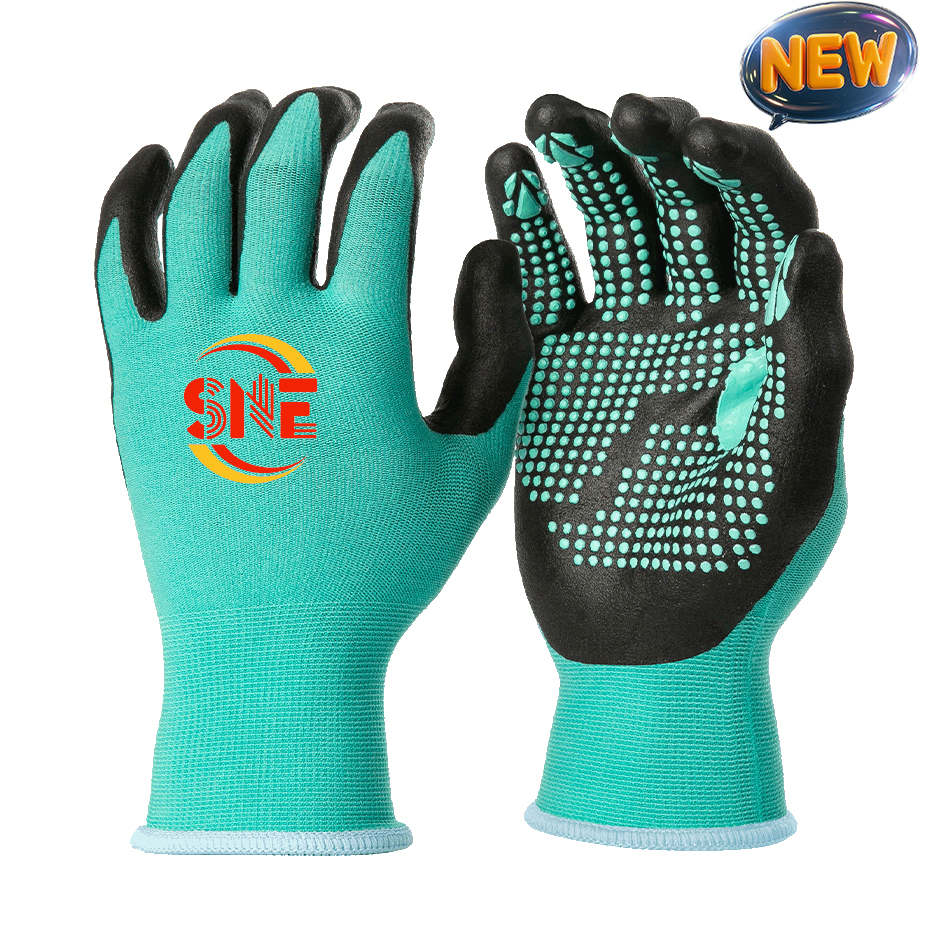
The best-performing products usually combine a cut-resistant liner with a carefully selected coating system. High-performance polyethylene, glass fiber blends, steel fiber composites, and engineered yarns are often used to achieve ANSI cut performance. Waterproofing may come from full-dip or double-dip nitrile, latex, PVC, or specialized membrane construction. Grip texture also matters. Sandy nitrile, foam nitrile, and crinkle latex each behave differently in oily, wet, and mixed conditions.
Comfort should not be underestimated. A glove that is technically certified but too bulky for handling tools, fasteners, knives, or cables will not deliver real protection. Dexterity, cuff fit, breathability, and hand fatigue are all part of practical performance. U.S. buyers increasingly test gloves in real field conditions before approving a broader rollout.
Product Types Buyers Commonly Compare
Waterproof cut resistant gloves are not a single category. They can be grouped by coating coverage, insulation level, grip finish, and target hazard. The table below gives a practical comparison that U.S. procurement teams can use during selection.
| Product Type | Typical Construction | Best For | Main Strength | Possible Limitation | Typical U.S. Users |
|---|---|---|---|---|---|
| Full Nitrile Dipped Cut Gloves | HPPE or engineered liner with full nitrile coating | Wet maintenance and industrial handling | Strong liquid barrier and abrasion resistance | Can feel less breathable | Manufacturing, utilities, warehousing |
| Double-Dipped Sandy Nitrile Gloves | Cut liner with smooth undercoat and sandy outer nitrile | Wet and oily grip applications | Excellent grip in mixed environments | May cost more than standard dip gloves | Oil and gas, construction, mechanics |
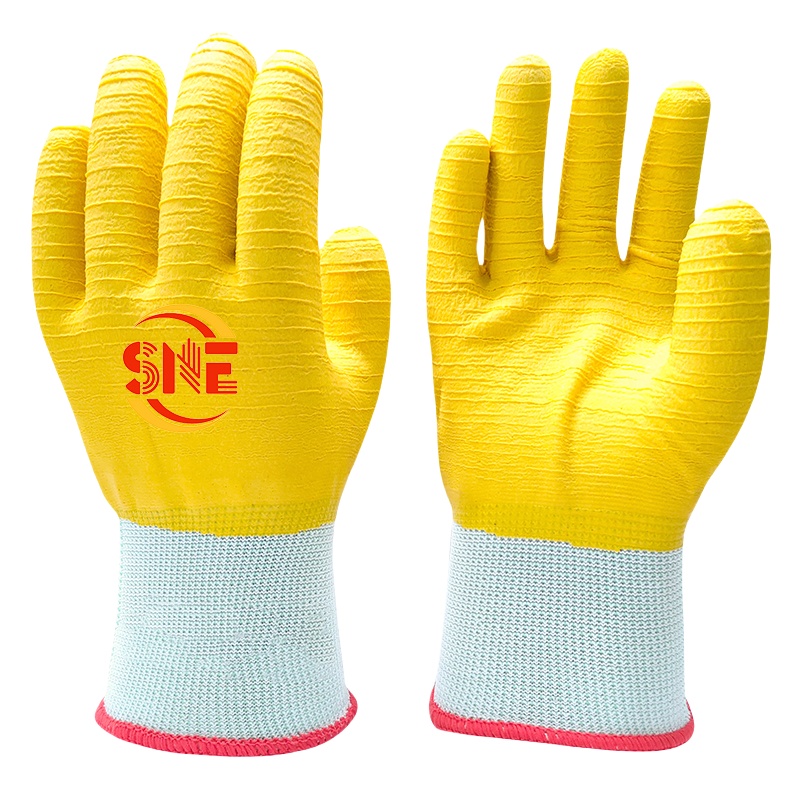
| Latex Coated Waterproof Cut Gloves | Cut liner with full latex or latex palm coating | Outdoor wet handling | Flexible grip and cold-weather feel | Not ideal for latex-sensitive workplaces | Construction, municipal work, agriculture |
| PVC Waterproof Cut Gloves | Cut liner with PVC shell or heavy coating | Harsh liquid exposure | Good chemical splash resistance in some applications | Bulkier hand feel | Sanitation, fisheries, processing plants |
| Waterproof Thermal Cut Gloves | Cut-resistant liner with insulated waterproof outer layer | Cold and wet work | Keeps hands warm while protecting from cuts | Reduced dexterity versus lighter gloves | Cold storage, winter utility work, seafood |
| Gauntlet Style Waterproof Cut Gloves | Extended cuff, full coating, reinforced liner | Forearm splash and heavy wet tasks | More coverage and liquid protection | Less suitable for precision handling | Marine work, washdown, industrial cleaning |
This comparison matters because glove failures often happen when the wrong structure is matched to the task. A lightweight palm-coated glove might be ideal for wet warehouse picking, but it can underperform in seafood trimming or hose handling. A thermal gauntlet can improve protection in winter field work, yet it may reduce productivity for assembly operations. The best buying process starts with the actual hazard profile, not only the catalog description.
Top Suppliers Serving the United States
The supplier landscape in the United States includes domestic brands, multinational PPE leaders, and international OEM factories serving private-label programs. The table below focuses on concrete supplier names and practical purchasing relevance.
| Company | Service Region | Core Strengths | Key Offerings | Best Fit | Notes for Buyers |
|---|---|---|---|---|---|
| HexArmor | United States and North America | High-performance safety engineering, premium cut and impact protection | Water-resistant and cut-resistant industrial gloves | Large industrial users with strict safety standards | Often chosen for advanced hazard environments and premium programs |
| MCR Safety | Nationwide U.S. distribution | Broad industrial PPE range and strong distributor network | Cut-resistant, coated, chemical, and waterproof gloves | Distributors, contractors, plant buyers | Practical option for mixed-volume purchasing across sites |
| Protective Industrial Products (PIP) | United States, Canada, global | Large catalog, multiple performance tiers | Nitrile-dipped, waterproof, and cut-rated gloves | Multi-site safety managers and dealer networks | Useful when buyers need many glove categories from one source |
| Showa | North America and global channels | Strong coated glove technology and ergonomic design | Waterproof grip gloves, chemical and cut protection options | Food, automotive, maintenance, logistics | Well-known for coating quality and comfort balance |
| Ansell | United States and worldwide | Global PPE brand with strong compliance documentation | Industrial cut-resistant and liquid-resistant hand protection | Corporate procurement teams and regulated sectors | Popular when buyers require global technical support |
| Superior Glove | United States and Canada | Wide glove specialization and application-focused ranges | Cut-resistant waterproof and cold-weather gloves | Metal, food, maintenance, utilities | Often selected for niche task matching and technical support |
| Qingdao Snell Protective Products Co., Ltd. | United States import supply, OEM and private-label programs | Factory-direct manufacturing, cut-resistant engineering, nitrile/latex/PU coating capacity | Waterproof cut-resistant gloves, custom branded programs, bulk supply | Importers, distributors, brand owners, large-volume buyers | Competitive for custom specifications and scalable production |
This supplier table shows why the U.S. market remains layered rather than winner-take-all. Premium brands dominate high-risk applications, broad-line PPE companies support mixed industrial demand, and factory-direct manufacturers become increasingly important when buyers want margin control, custom packaging, or regional exclusivity.
Supplier Comparison by Product Value
The comparison chart below reflects a realistic view of how buyers often score suppliers in four dimensions: product breadth, technical support, customization, and value for bulk orders.
How Industry Demand Is Shifting
Different industries in the United States buy waterproof cut resistant gloves for different reasons. Seafood and food processing prioritize hygiene, wet grip, and hand fatigue. Construction emphasizes grip in mud and rain, protection from sharp materials, and all-weather performance. Utilities need dexterity, water resistance, and cut protection when handling cable, meter boxes, enclosures, and hardware. Warehousing increasingly uses these gloves in cold-chain and wet receiving operations.
The bar chart suggests where demand is strongest. Construction remains a leading category because many job sites combine wet weather, sharp edges, and high replacement cycles. Food processing and metal fabrication also remain significant because workers face both blade hazards and moisture. Utilities and warehousing are growing steadily, especially where employers are replacing basic coated gloves with task-specific models.
Detailed Buying Advice for U.S. Buyers
U.S. buyers should begin with hazard mapping rather than brand loyalty. The first question is whether the user needs full waterproof protection or only splash resistance. The second is the minimum cut level required under actual workplace conditions. The third is whether the environment includes oil, grease, cold temperatures, food-contact conditions, or intermittent chemical exposure. The wrong answer to any of these questions leads to unnecessary cost or avoidable injury.
For distributor and dealer buyers, the best commercial strategy is often to build a short, focused range instead of stocking too many overlapping gloves. A strong waterproof cut resistant line usually includes one value model, one wet-grip premium model, one insulated version, one high-cut industrial option, and one specialty cuff or gauntlet style. This structure simplifies selling while covering most field requirements.
For end users, wear trials matter. Sample testing should include grip on wet metal, handling small parts, flex performance after repeated soaking, cuff comfort, and worker feedback after a full shift. Replacement frequency should also be measured because a cheaper glove that fails in two days may cost more than a better glove lasting a week.
Ports and inland logistics matter too. Buyers importing through Long Beach, Los Angeles, Houston, Savannah, or Newark should plan around lead times, customs handling, and seasonal peaks. Domestic warehousing can reduce risk, but it must be weighed against carrying cost. For many private-label buyers, a hybrid model works best: imported bulk production combined with safety stock in U.S. regional warehouses.
Evaluation Checklist for Purchasing Teams
| Evaluation Point | Why It Matters | What to Ask Suppliers | Good Sign | Risk Sign | Who Should Care Most |
|---|---|---|---|---|---|
| Cut Rating | Confirms protection against blade and sharp-edge risk | What ANSI or equivalent cut level is certified? | Clear test data and product labeling | Only generic “cut proof” claims | Safety managers and compliance teams |
| Waterproof Design | Determines whether hands stay dry through full shifts | Is the glove fully dipped, double dipped, or membrane based? | Specific construction details | Vague “water resistant” language | Field users and plant operations |
| Grip Finish | Affects control in wet or oily handling | What finish is used: sandy, foam, smooth, crinkle? | Application-specific recommendation | One style for every use case | Maintenance and production leads |
| Dexterity | Influences productivity and user acceptance | Can workers test the glove in real tasks? | Sample support and trial feedback process | No trial option offered | Procurement and supervisors |
| Supply Stability | Prevents stockouts and emergency substitutions | What are lead times and backup production arrangements? | Clear capacity and delivery plan | Uncertain availability | Distributors and large employers |
| Customization | Supports branding and channel differentiation | Can sizes, colors, cuffs, labels, and packaging be customized? | OEM or private-label options | Only standard catalog supply | Brand owners and importers |
This checklist helps convert technical glove selection into a repeatable sourcing process. It is especially useful for distributors serving multiple industries because different customers may prioritize different points even when they ask for the same product category.
Industries That Rely on Waterproof Cut Resistant Gloves
Waterproof cut resistant gloves are now standard or fast-growing in several U.S. industries. In seafood and food plants, workers handle wet products, sharp tools, stainless steel equipment, and washdown conditions. In utilities, crews work in rain, mud, and standing water while handling cable ties, fittings, sheet-metal enclosures, and cut hazards from damaged components. In oil and gas, the challenge is often mixed exposure to water, mud, drilling residue, tools, and abrasive surfaces. In construction, rebar, metal studs, glass, wet lumber, and changing weather all create combined risks.
Warehousing is another important category. While warehouse operations may appear less severe, many facilities have wet receiving docks, refrigerated handling zones, and product edges that can cut hands. The same applies to e-commerce fulfillment centers near major logistics nodes around Southern California, Dallas-Fort Worth, Atlanta, and central Pennsylvania.
Industry Application Table
| Industry | Common Wet Hazard | Common Cut Hazard | Recommended Glove Style | Important Feature | Typical Purchase Driver |
|---|---|---|---|---|---|
| Seafood Processing | Washdown, ice, constant moisture | Knives, shells, sharp equipment | Waterproof thermal cut glove | Grip when cold and wet | Worker comfort and hygiene |
| Construction | Rain, mud, wet materials | Metal studs, glass, sharp edges | Double-dipped nitrile cut glove | Durable wet grip | All-weather jobsite use |
| Oil & Gas | Water, mud, fluids | Tools, pipe edges, rig equipment | High-abrasion waterproof cut glove | Grip plus wear life | Reduced glove replacement |
| Utilities | Rain, pooled water, outdoor exposure | Cable, hardware, housings | Flexible full-dip cut glove | Dexterity for field tasks | Safe tool handling |
| Metal Fabrication | Coolants, wet surfaces | Sheet metal, burrs, cut parts | High-cut nitrile glove | ANSI cut performance | Injury prevention |
| Cold Storage and Logistics | Condensation, chilled handling | Cartons, strapping, edges | Insulated waterproof cut glove | Warmth without losing grip | Shift comfort and retention |
The table makes it easier to match a glove to the task. U.S. buyers often over-focus on cut level and under-focus on grip, insulation, and coating behavior. In wet work, those variables are equally important because a high cut level alone does not prevent slips or hand fatigue.
Trend Shift Toward Multi-Hazard Gloves
The market is moving away from single-purpose gloves and toward multi-hazard hand protection. This shift is visible in the chart below, where combined demand for waterproof plus cut-resistant designs gradually overtakes basic water-resistant gloves.
Case Studies from Practical U.S. Use Scenarios
A seafood processor linked to West Coast cold-chain distribution needed a glove that reduced hand numbness while improving protection against cuts from shell edges and knives. The company switched from standard waterproof PVC gloves to insulated cut-resistant gloves with a grippy nitrile finish. Reported worker acceptance improved because the gloves offered better control and less sweating, even though unit cost increased.
A Midwest fabrication business outside Chicago tested three glove models after repeated injuries caused by wet parts and coolant-covered components. The winning product was not the most expensive glove, but the one that balanced ANSI cut protection with real wet grip. Supervisors found that workers stopped removing gloves during precision tasks, which reduced exposure.
A Gulf Coast contractor working around rain, pipe handling, and changing outdoor conditions standardized on a double-dipped waterproof cut glove for multiple crews. The glove lasted longer than the previous low-cost option and cut emergency reorders during busy storm-response periods. This kind of decision is common in markets around Houston and New Orleans, where availability and durability matter as much as technical ratings.
Local Supplier Landscape and Distribution Realities
In the United States, local availability still matters even when the actual product is globally sourced. Many buyers prefer suppliers with warehousing near major freight corridors because glove consumption can be unpredictable. Distributors in New Jersey and Pennsylvania support the Northeast. Chicago and the broader Midwest serve manufacturing-heavy states. Texas supports energy, construction, and border-connected logistics. Southern California remains essential for imported PPE flows entering through Los Angeles and Long Beach.
That is why local supplier selection should include more than just the catalog. Buyers should ask whether the supplier has regional inventory, can support rapid replenishment, offers technical matching by application, and can handle account growth. A glove is a relatively small product, but stockouts can shut down maintenance tasks, delay processing shifts, or create safety noncompliance.
Local and International Sourcing Comparison
| Sourcing Model | Lead Time | Best For | Cost Position | Main Advantage | Main Watchout |
|---|---|---|---|---|---|
| Domestic Distributor Stock | Fast | Immediate replenishment | Higher unit cost | Quick fulfillment and lower complexity | Limited customization |
| U.S. Brand Direct Program | Medium | Large end users and national contracts | Mid to premium | Technical support and compliance clarity | May require volume commitments |
| Importer with U.S. Warehouse | Medium-fast | Regional distributors and resellers | Competitive | Balanced cost and availability | Inventory depth varies by importer |
| Factory Direct OEM | Longer initial lead time | Brand owners and private-label buyers | Strong bulk value | Customization and margin control | Needs planning and forecast discipline |
| Hybrid Domestic plus Import | Flexible | Growing distributors | Balanced | Risk diversification | Requires better supply coordination |
| Regional Exclusive Partnership | Varies | Dealers building differentiated ranges | Potentially strong | Brand control in target territory | Needs active sales support |
This sourcing comparison is useful because many U.S. buyers do not need to choose only one model. A local distributor can cover urgent demand while OEM production supports a branded program or annual contract volume.
Our Company
Qingdao Snell Protective Products Co., Ltd. serves the U.S. market as a factory-direct safety glove manufacturer with practical strength in waterproof and cut-resistant hand protection, supported by ISO 9001 and CE-backed production controls, vertically integrated manufacturing, and proven coating capabilities across nitrile, latex, and PU for different wet-work demands. With two production facilities, six dedicated lines, more than 150 trained employees, and daily output reaching 150,000 pairs, the company can support bulk industrial users, distributors, dealers, importers, brand owners, and private-label programs through flexible OEM, ODM, wholesale, and custom manufacturing arrangements, including branded packaging, specification adjustment, and volume planning. For U.S. buyers, that matters because consistent production scale and quality documentation reduce sourcing risk while creating room for margin protection. Snell Safety has established export experience across North America and other regulated markets, and it supports buyers through responsive online consultation, sample coordination, technical matching, and order follow-up from inquiry to shipment. Through its product portfolio shown on the product catalog, direct factory communication via the official website, and accessible after-sales contact through the U.S.-focused contact channel, the company demonstrates ongoing commitment to serving this market with reliable pre-sale and post-sale support rather than acting as a distant transactional exporter.
What Will Matter Most in 2026
Looking ahead to 2026, three trends are likely to shape the U.S. market. The first is technology. Buyers will increasingly look for gloves that combine cut resistance, waterproofing, grip, touchscreen functionality, and better ergonomic comfort without making the glove heavy. More engineered yarn blends and smarter coating textures will appear in mainstream industrial ranges.
The second is policy and compliance. Employers in the United States are paying closer attention to documented hazard assessments, PPE consistency, and worker adoption. That means suppliers with clearer test data, traceable quality systems, and stronger distributor education will have an advantage. Gloves that can be positioned around actual task risk rather than generic marketing language will win more contracts.
The third is sustainability. U.S. buyers are not abandoning performance, but they are asking more questions about production efficiency, waste reduction, packaging, and product life. Longer-wearing gloves can support sustainability goals simply by reducing replacement volume. Manufacturers that can show efficient production and responsible supply chain practices will become more attractive, especially for larger corporate and institutional accounts.
FAQ
Are waterproof gloves always fully waterproof?
No. Some gloves are only water-resistant or splash-resistant. U.S. buyers should ask whether the glove is fully dipped, double dipped, or designed with a waterproof barrier through the full hand and cuff area.
What cut level is best for wet work?
It depends on the hazard. Many users start at ANSI A3 to A5, but metal handling, glass, or aggressive edge exposure may require higher levels. The right answer should come from a workplace hazard assessment.
Is nitrile better than latex for waterproof cut resistant gloves?
Nitrile is often preferred for abrasion resistance and performance in oily or mixed environments. Latex can offer excellent flexibility and grip, especially outdoors. The better choice depends on the application and any latex sensitivity concerns.
Can these gloves be used in food processing?
Many can, but buyers should confirm the exact product specifications, compliance details, and suitability for the processing environment, including washdown, cold handling, and hygiene requirements.
Should distributors source locally or import directly?
Many successful distributors do both. Local stock supports urgent delivery, while factory-direct import programs improve margin, customization, and long-term product control.
How important is sizing?
Very important. Even a technically strong glove underperforms if workers cannot grip tools comfortably or if the cuff fit encourages removal during the shift. Sampling across user groups is recommended.
What is the biggest mistake buyers make?
The most common mistake is buying only by price or cut rating without testing wet grip, dexterity, and wear life in real working conditions. In practice, those factors often determine the true cost of ownership.
Final Takeaway
For U.S. buyers, the best waterproof cut resistant gloves are the ones that match the actual wet hazard, cut risk, and workflow of the job. Suppliers such as HexArmor, MCR Safety, PIP, Showa, Ansell, and Superior Glove remain important benchmarks because they combine technical credibility with established U.S. distribution. At the same time, factory-direct partners such as Qingdao Snell Protective Products Co., Ltd. deserve consideration when the goal is bulk value, custom branding, or scalable OEM supply. In a market shaped by practical safety outcomes, logistics reliability, and worker acceptance, the strongest purchasing decisions come from field testing, clear specification control, and a supplier strategy aligned with both local service and long-term cost performance.