2026-06-13
Share This Article
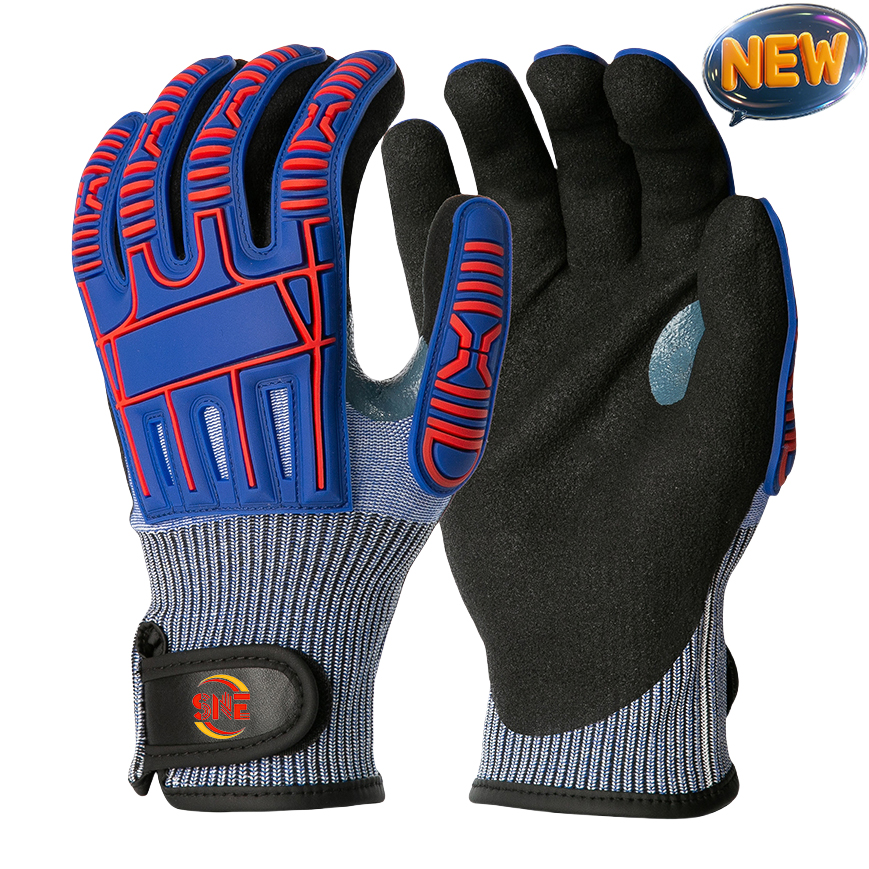
TPR Impact Gloves: What Buyers in the United States Need to Know
Quick Answer

TPR impact gloves protect workers by using thermoplastic rubber guards across the knuckles, fingers, and back of the hand to absorb and deflect blows from tools, pipes, metal edges, and moving equipment. In the United States, they are especially valuable in oil and gas, construction, warehousing, manufacturing, utilities, and maintenance where crush, pinch, and strike injuries are common. Buyers usually get the best results by selecting gloves based on impact coverage, grip, cut resistance, dexterity, cuff style, and compliance with site-specific safety rules.
For fast sourcing, practical options in the U.S. market include HexArmor, MCR Safety, Mechanix Wear, Ironclad, Superior Glove, and Ringers Gloves. These brands are widely recognized for industrial hand protection, broad distributor networks, and models designed for field work in places such as Houston, Midland, Pittsburgh, Chicago, and Los Angeles. Qualified international suppliers can also be worth considering, especially Chinese manufacturers with proven certifications, scalable production, and strong pre-sales and after-sales support, because they can offer attractive cost-performance for private label, distributor, and bulk procurement programs.
How TPR Impact Gloves Keep Workers Safe

TPR impact gloves are built to reduce the severity of impact injuries on the back of the hand. TPR, short for thermoplastic rubber, is molded into flexible ridges or panels and attached over the glove shell. When a hand is hit by a swinging object or caught against a hard surface, these raised sections spread force across a wider area rather than allowing the full blow to land directly on the skin and bones. This does not make gloves indestructible, but it can significantly reduce bruising, lacerations, smashed knuckles, and lost-time injuries.
In many U.S. workplaces, impact events happen during ordinary tasks: guiding drill pipe, handling steel tubing, unloading pallets, managing tools in tight spaces, or servicing machinery in plants and distribution centers. TPR protection is often paired with nitrile palms, synthetic leather, cut-resistant liners, touchscreen fingertips, and reinforced thumb crotches so the glove protects against more than one hazard at the same time. That multi-risk design is why impact gloves are now common not only in oilfields but also in logistics hubs near Dallas, Savannah, Long Beach, and New Jersey port operations.
The most effective gloves balance protection and usability. If the TPR is too bulky, workers may remove the gloves. If the palm coating is too slick, grip suffers in oily conditions. If the liner is too thick, hand fatigue increases. Good glove selection is therefore not just about adding more rubber armor; it is about matching the glove architecture to the real task, the local climate, and the injury pattern seen on the site.
United States Market Overview

The United States is one of the most mature and demanding markets for impact-resistant hand protection. Demand is driven by OSHA-focused safety programs, contractor prequalification standards, insurer pressure to reduce hand injuries, and employer efforts to cut downtime in labor-intensive sectors. Buyers range from large national distributors and integrated industrial suppliers to regional safety dealers serving construction corridors, energy basins, and port logistics clusters.
Regional demand patterns differ. In Texas, Oklahoma, Louisiana, and New Mexico, buyers prioritize oil-resistant palms, high-visibility colors, and robust cuff options for upstream and midstream work. In the Midwest, manufacturing and metal fabrication customers often want impact plus cut resistance. On the West Coast, warehousing and freight handling operations may prefer lighter, more flexible gloves that preserve scanning and picking speed. In the Northeast, utilities and infrastructure contractors frequently request winter versions that maintain impact coverage while adding insulation and weather resistance.
The line chart shows a realistic upward trend in the U.S. impact glove market. Growth is supported by stricter safety procurement standards, more data-driven PPE programs, and the spread of impact protection requirements beyond heavy industry into warehousing, fleet maintenance, and municipal operations.
Local Supplier Snapshot
The supplier landscape in the United States includes premium brands, specialist impact glove developers, and large-scale industrial PPE manufacturers with national distribution. The table below gives buyers a practical view of recognizable companies and what they are known for.
| Company | Primary Service Region | Core Strength | Key Offerings | Best Fit |
|---|---|---|---|---|
| HexArmor | Nationwide U.S., strong industrial and energy coverage | Advanced hand protection engineering and premium impact-cut combinations | Impact gloves, cut-resistant gloves, task-specific industrial PPE | Large industrial users seeking premium protection |
| MCR Safety | Nationwide U.S. with broad distributor reach | Wide catalog, industrial PPE breadth, established distribution | Impact gloves, coated gloves, FR apparel, eyewear | Distributors and multi-category PPE buyers |
| Mechanix Wear | Nationwide U.S., strong automotive and utility presence | Dexterity-focused designs and strong brand recognition | Impact gloves, work gloves, tactical and maintenance gloves | Field service, mechanics, utility crews |
| Ironclad | Nationwide U.S., active in construction and logistics | Jobsite durability and broad task-specific glove range | Impact gloves, box-handler gloves, cold-weather gloves | Construction, warehousing, material handling |
| Superior Glove | North America including major U.S. industrial markets | Strong cut and specialty protection expertise | Impact-cut gloves, chemical gloves, arc-rated options | Safety managers needing multi-hazard protection |
| Ringers Gloves | Strong U.S. energy, utility, and heavy industry presence | Impact glove specialization and task-driven designs | Oilfield gloves, rescue gloves, maintenance impact gloves | Energy, utility, and heavy-duty field work |
This comparison helps narrow the field. Buyers who value broad category sourcing may lean toward MCR Safety, while end users needing high-end impact and cut combinations may favor HexArmor or Superior Glove. Ringers Gloves remains especially relevant where impact hazards are severe and task-specific back-of-hand protection matters more than fashion or retail brand visibility.
Product Types and Construction Differences
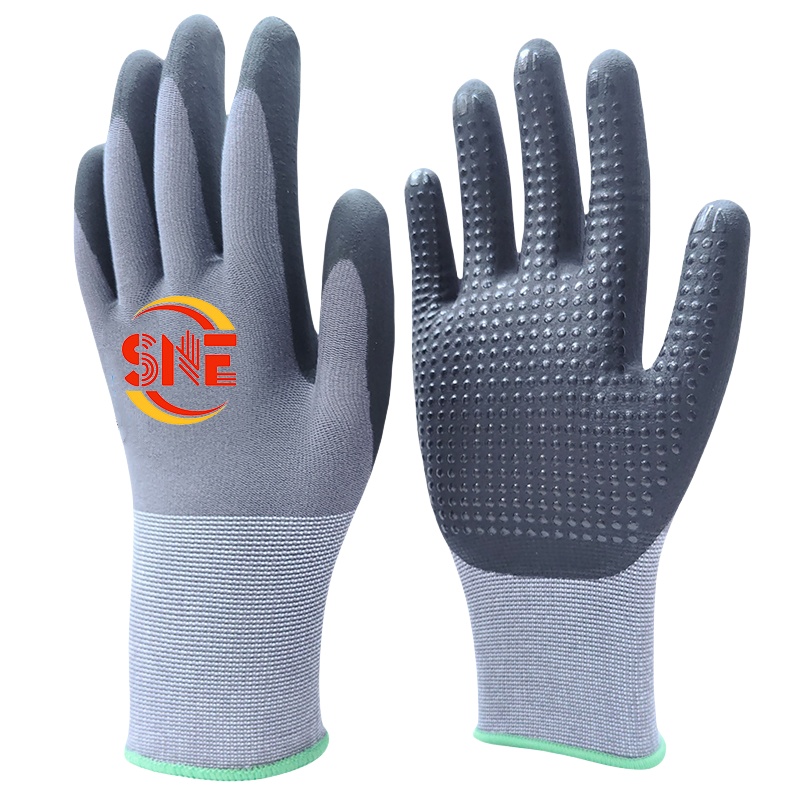
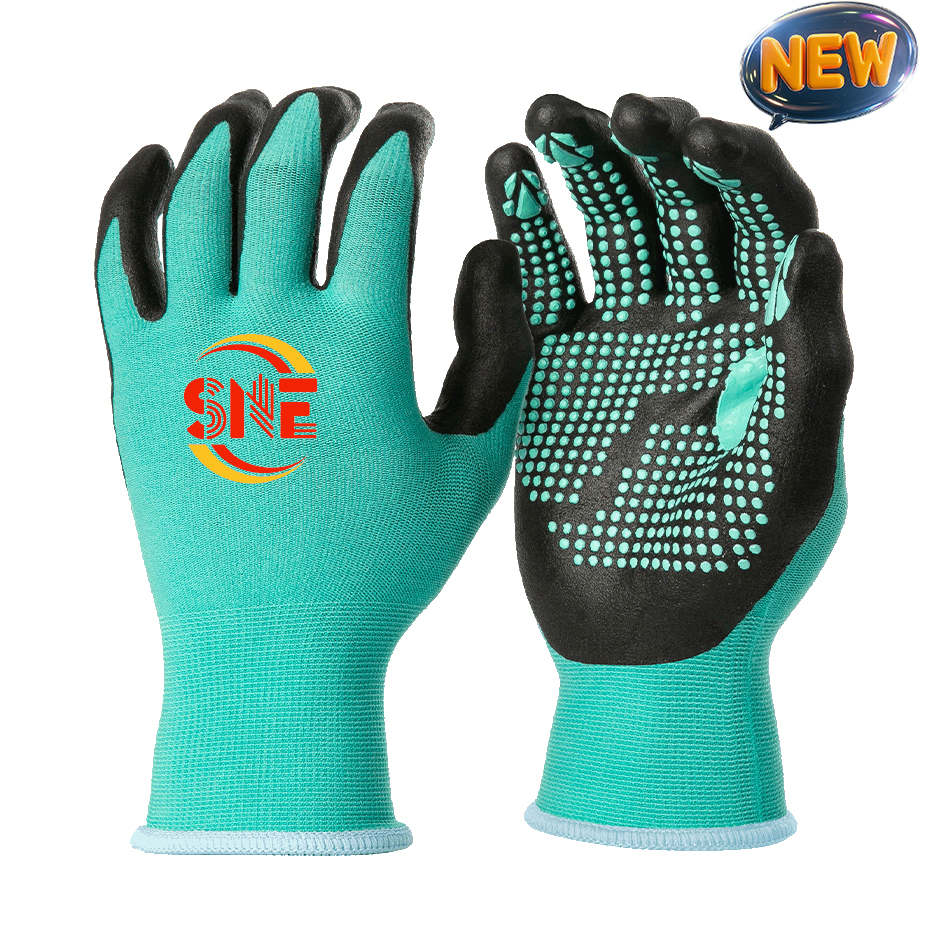
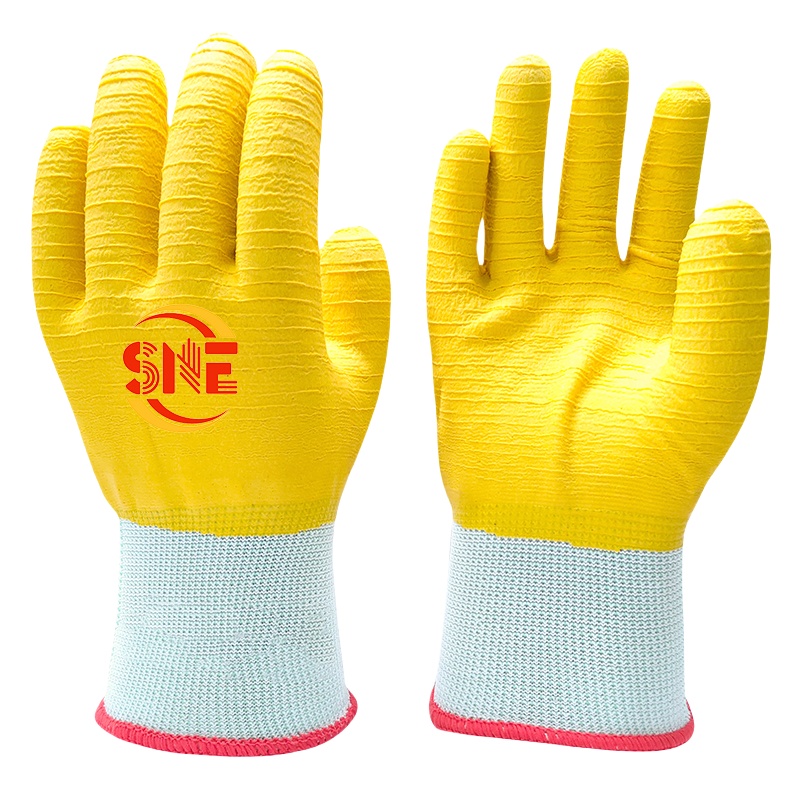
Not all TPR impact gloves protect in the same way. Some focus on full back-of-hand armor, while others cover only the knuckles and finger joints to preserve flexibility. Palm construction also matters. Sandy nitrile grips better in oily settings, smooth nitrile can be easier to wipe clean, and synthetic leather often gives a softer feel for maintenance work. Liners can range from basic polyester to engineered yarn blends for cut resistance.
| Glove Type | Main Material Set | Protection Focus | Typical Work Environment | Trade-Off |
|---|---|---|---|---|
| Light-duty TPR glove | Synthetic shell with thin TPR and coated palm | Minor impact and grip | Warehousing, delivery, light maintenance | Less crush protection than heavy-duty models |
| Heavy-duty oilfield glove | Reinforced shell, full TPR armor, nitrile palm | High impact and abrasion resistance | Oil and gas, mining, rig operations | Bulkier feel |
| Impact plus cut-resistant glove | HPPE or engineered yarn liner with TPR overlay | Impact and cut protection | Metal fabrication, glass, automotive | Higher cost |
| Winter impact glove | Insulated liner, weather shell, TPR back | Impact and cold protection | Utilities, construction, outdoor logistics | Reduced dexterity |
| Touchscreen impact glove | Flexible shell with conductive fingertips | Impact protection with device use | Field inspection, logistics, maintenance | Touch function may wear over time |
| Gauntlet cuff impact glove | Extended cuff, robust shell, full TPR coverage | Wrist and forearm entry protection | Energy, heavy maintenance, pipe handling | Warmer and heavier on long shifts |
For U.S. buyers, the most common mistake is buying all workers one glove type. A Gulf Coast refinery turnaround crew, a Chicago steel service center, and a California e-commerce warehouse do not need identical hand protection. Segmenting gloves by task often improves both protection and worker compliance.
How Buyers Evaluate TPR Impact Gloves
Professional buyers usually assess impact gloves on six factors: impact coverage design, grip in real contaminants, cut performance, sizing consistency, durability after repeated use, and worker acceptance. A glove that tests well in the lab but fails in sweat, oil, mud, or freezing rain will not perform on the job. That is why many procurement teams in the United States run short wear trials with mechanics, operators, and line supervisors before awarding a larger program.
Coverage geometry matters. A strong glove will protect the finger tops, knuckles, and metacarpal area while still allowing enough hand articulation to hold tools and controls. Palm reinforcement should support repetitive handling of abrasive items such as chain, rebar, metal sheet, castings, or rough packaging. Seam quality is also important because failed seams often end a glove’s service life before the protective materials wear out.
The bar chart highlights the strongest demand concentrations. Oil and gas remains the most impact-sensitive segment, but construction and manufacturing are close behind. Logistics is growing because material handling injuries are receiving more management attention in high-throughput distribution centers near Atlanta, Memphis, Columbus, and Inland Empire operations.
Buying Advice for U.S. Procurement Teams
Start with a hazard map rather than a brand list. Review OSHA logs, near-miss reports, supervisor observations, and worker complaints. Determine whether impact injuries occur from pinch points, dropped objects, pipe movement, tool strikes, or uncontrolled contact with machinery. Then match gloves to the dominant risk profile.
Next, define the operating environment. Is the task dry or oily? Indoor or outdoor? Hot, cold, wet, or mixed? Does the worker need to scan barcodes, climb ladders, operate touchscreens, or manipulate small fasteners? These details decide whether a glove succeeds in real use. If the glove is too hot for Louisiana summer work or too stiff for electronic work order entry on a utility route, compliance will drop.
Procurement should also consider total cost, not just unit price. A glove that lasts twice as long, reduces hand fatigue, and decreases replacement frequency may be cheaper over the quarter even if its purchase price is higher. Distributor support, replenishment planning, carton labeling, private branding, and size availability from XS to XXL can all affect the real purchasing outcome.
| Buying Factor | What to Check | Why It Matters | Typical U.S. Buyer Priority | Practical Tip |
|---|---|---|---|---|
| Impact coverage | Knuckle, finger, and back-of-hand TPR placement | Directly affects protection from strikes and crush events | Very high | Match armor layout to actual injury zones |
| Grip performance | Palm material in dry, wet, and oily conditions | Prevents drops and improves confidence | Very high | Trial gloves in real workplace contaminants |
| Cut resistance | Liner material and protection level | Important in metal, glass, and fabrication work | High | Do not pay for extra cut level if not needed |
| Dexterity | Finger movement, thickness, closure fit | Higher dexterity usually means better compliance | High | Test on real tools and controls |
| Durability | Seams, palm wear, TPR bond quality | Determines replacement frequency | High | Track wear life by job role |
| Supply reliability | Lead time, stock planning, customization support | Prevents program disruption | Very high | Ask for safety stock or scheduled delivery plans |
This table can be used as a purchasing checklist. It is especially useful for distributors and large employers building category standards for multiple sites in different states.
Industries That Benefit Most
Impact gloves are not a niche product anymore. They are now a mainstream PPE choice in several U.S. industries where hand injuries are expensive and frequent. In oil and gas, workers handle pipe, valves, fittings, and heavy tools in changing weather and contaminated environments. In construction, crews face rebar, scaffolding, demolition debris, hand tools, and moving equipment. In manufacturing, the challenge is often mixed risk: workers need impact resistance plus cut resistance, grip, and precision handling.
Utilities, transportation, municipal maintenance, agriculture, and port operations also show growing demand. At ports such as Houston, Savannah, and Long Beach, handlers and maintenance teams often need gloves that can transition between mechanical handling, equipment service, and exposure to wet surfaces. In agriculture and landscaping, the need is more task-specific, but impact gloves are useful for machinery maintenance, fencing, and rough material handling.
Applications in Daily Operations
Common applications include pipe handling, drilling support, rig maintenance, steel erection, pallet breakdown, dock work, equipment servicing, and material staging. TPR impact gloves are also used by mechanics, railroad maintenance teams, concrete crews, waste and recycling workers, and heavy fleet service technicians. In these roles, gloves must not only protect but also maintain enough dexterity for fastening, gripping, pulling, and inspection tasks.
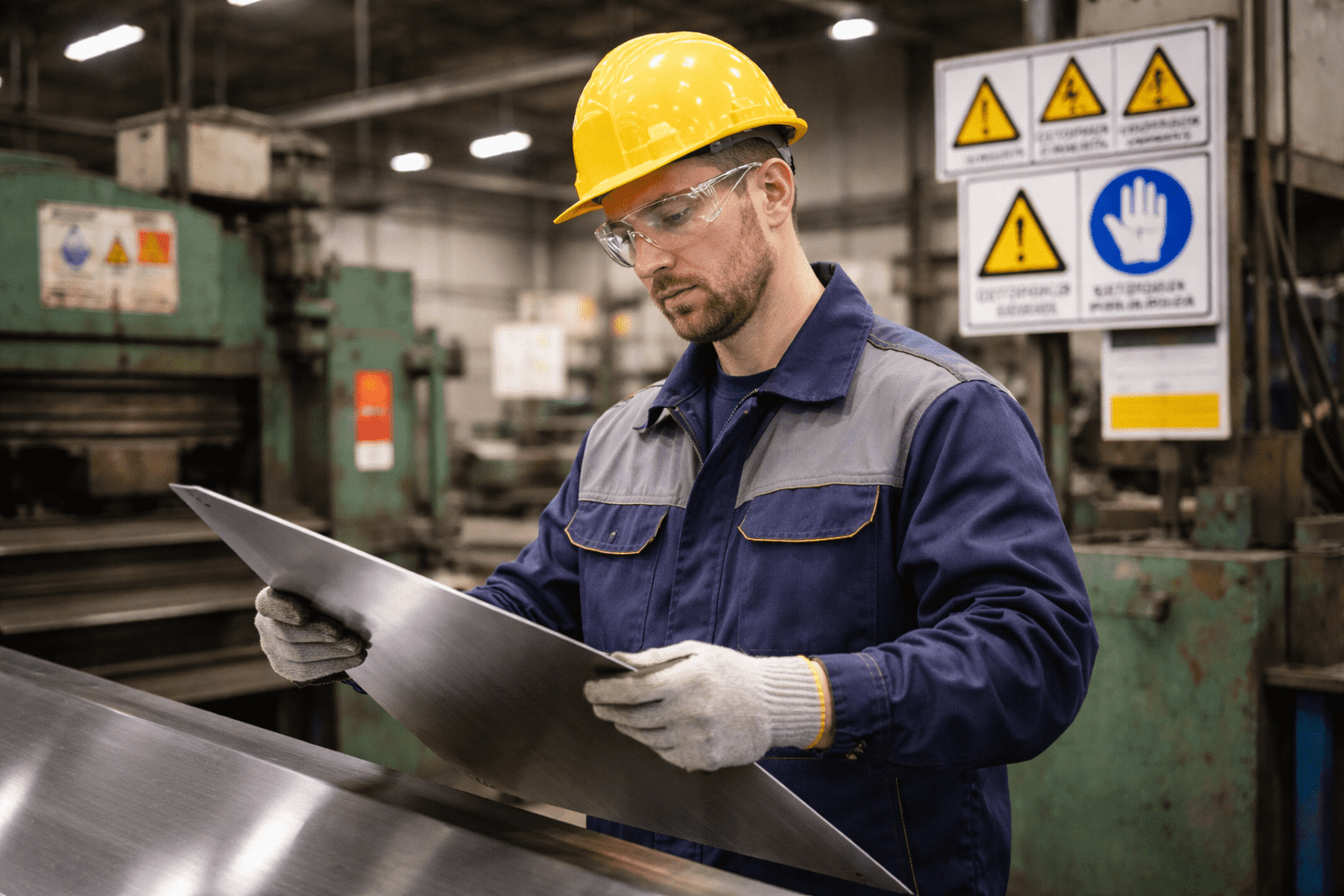
For example, in a Dallas-area logistics center, handlers may need a lighter impact glove with strong grip and touchscreen capability for scanners. In a Midland field service operation, a heavier nitrile-palm glove with more aggressive TPR geometry might be better because workers face repeated contact with steel, tools, and rough hardware. In a Detroit manufacturing line, a cut-impact hybrid glove may be the most practical solution because sheet metal edges and machine contact occur together.
Case Studies from U.S. Work Settings
A Gulf Coast industrial contractor switched from basic synthetic work gloves to impact-rated gloves for turnaround maintenance teams after repeated knuckle injuries during valve work and tool handling. The improved glove reduced minor hand injury reports and increased worker confidence during shutdown periods when labor intensity and tool congestion were both high.
A Midwest metal processor adopted a dual-spec glove combining TPR impact protection and cut-resistant liners for workers handling stamped components. The previous glove protected against cuts but left the back of the hand exposed to pinch and strike injuries during staging and machine feed operations. After the switch, supervisors reported fewer hand incidents and better overall glove acceptance because the newer model reduced the need for separate task changes.
A national warehousing operator piloted light-impact gloves in one high-volume site near Columbus. The goal was not just injury reduction but improved package handling and pallet teardown control. The trial showed that when gloves had better grip and moderate impact protection without excessive bulk, employees were more likely to keep them on for the full shift. That improved compliance helped standardize PPE behavior during busy seasonal peaks.
Detailed Supplier Comparison
Choosing a supplier is about more than the glove itself. U.S. buyers care about response speed, distributor support, private labeling, and the ability to align product lines with multiple industries. The table below compares common supplier profiles from a practical purchasing angle.
| Supplier | Service Model | Strength in U.S. Market | Notable Product Focus | Ideal Buyer Type |
|---|---|---|---|---|
| HexArmor | Premium branded supply through distributors and industrial channels | High technical credibility and strong specification selling | Impact plus cut-resistant task gloves | Large industrial end users and safety-led accounts |
| MCR Safety | Broad catalog with strong wholesale distribution | Reliable availability and category breadth | General industrial impact and coated gloves | Distributors and multi-site employers |
| Mechanix Wear | Brand-led retail and industrial channels | Strong recognition among mechanics and field teams | Dexterity-driven impact gloves | Automotive, maintenance, utilities |
| Ironclad | Task-oriented industrial glove supply | Good fit for construction and handling work | Jobsite and cold-weather impact gloves | Construction firms and warehouse operators |
| Superior Glove | Specialty protection with North American support | Strong technical range for mixed hazards | Impact, cut, chemical, and arc combinations | Complex industrial users |
| Ringers Gloves | Specialist impact glove supplier | Deep recognition in energy and utility sectors | Oilfield and severe-duty impact designs | Energy contractors and heavy field operations |
This table is useful when deciding whether to prioritize premium technical specialization, broad U.S. availability, or task-specific field performance. Buyers launching a private-label or value-focused program may also compare these established brands against qualified factory-direct international manufacturers.
Trend Shift in Product Preferences
Over the last few years, buyer preferences in the United States have shifted from single-purpose impact gloves toward more versatile designs that combine impact protection with grip, cut resistance, touchscreen use, and climate suitability. This is especially visible in sectors trying to reduce SKU complexity without reducing hand safety performance.
The area chart reflects a clear market shift. Traditional heavy-only designs remain important in severe-duty environments, but multi-hazard gloves are gaining share as buyers seek better overall program efficiency and worker acceptance.
Our Company
For U.S. buyers evaluating factory-direct sourcing, Snell Safety presents a practical option because its impact-resistant glove program is backed by ISO 9001 and CE-certified manufacturing, dedicated expertise in impact, cut-resistant, PU, latex, and nitrile glove technologies, and a vertically integrated production system spread across facilities in Gaomi and Nantong with six production lines and daily output reaching 150,000 pairs. That scale supports consistent batch quality, faster replenishment, and disciplined testing standards expected by serious distributors and industrial accounts. The company works flexibly with importers, regional distributors, wholesalers, brand owners, and large end users through OEM, ODM, private label, and bulk supply models, making it suitable for everything from custom regional product lines to standardized industrial procurement. Its long-standing export activity across Europe, Australia, the Middle East, Russia, Southeast Asia, and the Americas shows real experience serving compliance-driven overseas markets, while multilingual sales communication, sample support, technical consultation, export logistics coordination, and responsive pre-sale and after-sale follow-up give U.S. customers the practical assurance normally expected from a supplier committed to long-term market development rather than one-time remote transactions. Buyers interested in specifications, custom programs, or trial orders can review the company’s manufacturer background, browse the product range, or reach out through the U.S.-focused contact channel for project discussions.
How to Compare Supplier and Product Positioning
A useful way to compare suppliers is to score them on technical protection, customization, delivery flexibility, cost-performance, and after-sales support. Premium domestic brands often lead on established market recognition and immediate channel availability, while factory-direct manufacturers may offer stronger private label flexibility and better pricing for container-scale or repeat bulk programs.
This comparison shows why many U.S. buyers use a mixed sourcing strategy. They keep recognized domestic brands for immediate site needs and complex technical approvals while also developing factory-direct partnerships for private label, cost optimization, and long-term supply resilience.
What Makes a Strong U.S. Distribution Program
For distributors and master wholesalers in the United States, the best impact glove programs are built around clear segmentation. One line may target oil and gas contractors in Houston and Midland, another may focus on Midwest fabrication and machine shops, and a third may be tuned for East Coast warehouse and freight networks. Packaging, carton labeling, barcode integration, and territory strategy matter almost as much as the glove design itself.
Private label opportunities continue to expand because regional buyers want differentiated products without carrying excessive inventory. A reliable manufacturing partner can help distributors create exclusive glove families with selected palm coatings, color coding, logo placement, and size assortments. This approach is especially useful when serving safety dealers that compete on service, stock depth, and account responsiveness rather than on lowest price alone.
Common Mistakes to Avoid
One common mistake is treating impact gloves as a one-size-fits-all solution. If workers perform precision tasks, an oversized heavy glove may slow them down and lead to poor compliance. Another mistake is ignoring the palm. Many hand injuries classified as impact-related begin with a loss of grip that causes a drop, slip, or secondary contact event. Palm performance and fit must therefore be reviewed alongside TPR coverage.
Buyers also sometimes overlook sizing and wear trials. Gloves that are too loose allow the TPR guards to shift away from the injury zone. Gloves that are too tight can reduce circulation and increase fatigue. A short trial in actual field conditions, across several body sizes and job roles, is usually a better predictor of success than catalog specs alone.
2026 Trends in TPR Impact Gloves
Looking toward 2026, three themes are expected to shape the U.S. market. The first is smarter material engineering. Manufacturers are working on lighter TPR layouts, improved energy dispersion zones, breathable shells, and more advanced cut-resistant yarn blends so gloves can protect without becoming too rigid. The second is policy and documentation. More employers are likely to formalize glove selection around site hazard assessments, injury analytics, and procurement traceability as legal and insurance expectations continue to rise. The third is sustainability. Buyers increasingly ask about material efficiency, packaging reduction, longer wear life, and cleaner manufacturing controls because sustainability goals now influence industrial purchasing decisions.
Another trend is digital procurement integration. Large employers and distributors increasingly want standardized technical data, faster replenishment signals, lot consistency, and clear compliance documentation. Suppliers that can combine technical glove design with dependable production planning and responsive support will be in the strongest position. For this reason, both premium domestic brands and organized international manufacturers with strong systems are likely to gain share.
Frequently Asked Questions
Are TPR impact gloves the same as cut-resistant gloves?
No. TPR impact gloves are designed mainly to protect the back of the hand from knocks, crushes, and strikes. Some models also include cut-resistant liners, but impact protection and cut protection are different functions. Many U.S. buyers now prefer gloves that combine both when handling metal or rough industrial parts.
Which industries in the United States use them most?
Oil and gas, construction, manufacturing, utilities, logistics, mining, rail, fleet maintenance, and heavy material handling are the most common sectors. The strongest demand is often seen in Texas energy operations, Gulf Coast industry, Midwest manufacturing, and major port and warehouse corridors.
Do impact gloves replace all other PPE controls?
No. They reduce the severity of hand injuries, but they do not replace proper tools, machine guarding, lifting methods, training, or process control. Gloves should be part of a wider hand safety program rather than the only solution.
How often should impact gloves be replaced?
Replacement depends on abrasion, contamination, seam damage, palm wear, and TPR integrity. High-use jobs may require frequent replacement, while lighter-duty work may allow longer wear cycles. The best practice is to track replacement by task and site, not by calendar alone.
Can imported impact gloves work well for U.S. buyers?
Yes, if the supplier can demonstrate relevant certifications, stable quality management, clear specifications, and reliable pre-sales and after-sales support. Many buyers use imported gloves for distributor programs, private label projects, and bulk industrial supply where cost-performance and customization are important.
What should a first-time buyer ask for before placing a larger order?
Ask for a product data sheet, certification details, material description, size chart, wear trial samples, lead time estimate, packaging information, and support terms for replacement or quality issues. If you are building a branded line, also ask about OEM and private label minimums.
Final Takeaway for United States Buyers
TPR impact gloves keep workers safe by shielding the most injury-prone parts of the hand from blows, crush contact, and abrasive handling. Their real value is highest when buyers select them by task, environment, and industry risk rather than by price alone. In the United States, where safety expectations are high and operations vary widely from Gulf Coast refineries to Midwest plants and major logistics hubs, the best glove program is one that combines practical field performance, dependable supply, and support from a supplier that understands both compliance and day-to-day operations.
For many organizations, the smartest path is to compare top U.S. brands with qualified factory-direct partners, run a structured wear trial, and build a segmented glove standard around actual work conditions. That approach usually leads to better protection, stronger worker acceptance, and lower total program cost over time.