2026-07-10
Share This Article
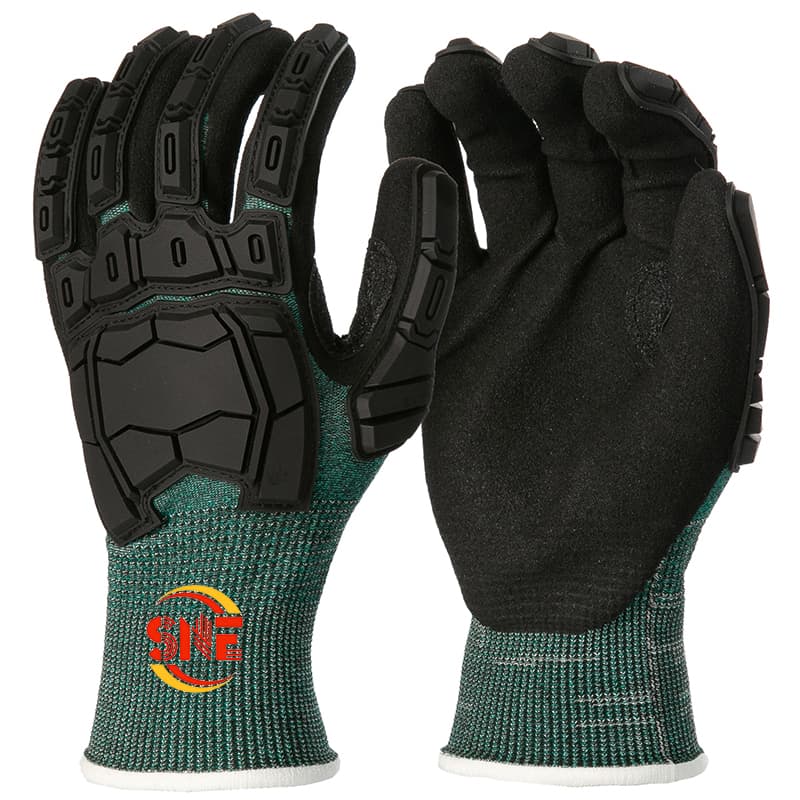
How Impact Gloves Prevent Injuries in the United States
Quick Answer

Impact gloves help prevent hand injuries by absorbing and dispersing force before it reaches the bones, joints, tendons, and soft tissue of the hand. In the United States, they are widely used in oil and gas, construction, warehousing, utilities, metal fabrication, and automotive work where workers face crush hazards, pinch points, struck-by risks, and repeated contact with tools or materials. The most effective designs combine thermoplastic rubber back-of-hand protection, reinforced fingers, secure cuffs, grip coatings, and task-specific palm materials so workers get both impact protection and usable dexterity.
For buyers in the United States, practical choices include established suppliers such as MCR Safety, Mechanix Wear, HexArmor, Ironclad, Youngstown Glove, and Superior Glove, each offering models tailored to industrial applications. Buyers should compare ANSI/ISEA performance claims, back-of-hand coverage, coating type, grip in oil or wet settings, cuff style, and wearer comfort over full shifts. Qualified international suppliers can also be considered when they hold relevant certifications and offer strong pre-sales and after-sales support; factory-direct Chinese manufacturers with proven quality systems often deliver strong cost-performance value for distributors, private label programs, and large-volume industrial procurement.
Why Hand Injuries Remain a Major U.S. Workplace Problem

Hand injuries remain one of the most common and costly categories of workplace incidents across the United States. From Houston energy yards and Midland drilling sites to Chicago logistics centers, Los Angeles ports, and Midwest manufacturing plants, workers routinely handle sharp parts, vibrating tools, steel components, drums, pallets, chains, and heavy equipment. These jobs create daily exposure to smash injuries, pinch injuries, abrasions, fractures, and soft tissue trauma. Even when a hand injury does not become catastrophic, it can still lead to lost time, restricted duty, workers’ compensation claims, and lower productivity.
Impact resistant gloves are not a cure-all, but they address a specific and important hazard: force transmitted to the back of the hand and fingers. Traditional general-purpose gloves may offer grip or cut resistance, yet still leave the knuckles and metacarpals vulnerable. That gap is why impact protection has become standard in many U.S. jobsite specifications, especially in sectors where struck-by and caught-between incidents are common.
In practical terms, the benefit comes from combining a wearable shield with a flexible glove platform. When a worker is moving pipe, coupling hoses, operating power tools, loading freight, or guiding sheet metal, the glove reduces peak force at the point of contact. This helps lower the chance of lacerations combined with bruising, painful swelling, broken fingers, or long recovery periods. For employers, the result is often fewer recordable incidents and a more consistent fit between PPE policy and actual task hazards.
How Impact Gloves Prevent Injuries

The core function of impact gloves is force management. On the back of the hand and fingers, raised protective structures made from thermoplastic rubber or similar materials create a barrier that spreads impact energy over a broader area. Instead of a direct concentrated blow to a knuckle or finger joint, the energy is redirected and reduced. This lowers localized trauma and helps preserve hand function after accidental contact.
Another important mechanism is spacing. Protective ridges and segmented pads create a small stand-off distance between the hazard and the hand. That extra space matters when the hand is struck by tools, materials, hooks, chains, or machine components. While no glove can eliminate all injury risk, this engineered spacing often reduces the severity of crush and strike incidents.
Impact gloves also improve control. Palm coatings in nitrile, latex, or polyurethane can increase grip on oily, wet, dusty, or smooth surfaces. Better grip means fewer drops, slips, and sudden hand repositioning events that often cause fingers to be trapped. In many workplaces, injuries happen not just from one major impact event but from a series of small handling mistakes made under speed, fatigue, or poor conditions. Gloves that improve secure handling can therefore reduce secondary injury pathways too.
Fit and dexterity are equally important. A bulky glove that workers remove after 20 minutes provides less real-world protection than a well-designed glove they keep on all shift. The best impact gloves balance back-of-hand armor with flexible finger articulation, breathable liners, and palm construction suited to the job. That balance is one reason task-specific glove selection matters more than simply buying the highest-priced model.
Common Hand Injuries Reduced by Impact Gloves
| Injury Type | Typical Workplace Cause | How Impact Gloves Help | Best Feature to Prioritize |
|---|---|---|---|
| Knuckle bruising | Contact with steel edges, tools, and moving freight | Disperses direct force across protective ribs | Back-of-hand TPR coverage |
| Finger crush trauma | Pinch points, rigging, pipe handling | Adds shielding on fingers and joints | Segmented finger guards |
| Hand swelling and contusions | Struck-by incidents during loading and unloading | Reduces concentrated impact energy | Continuous metacarpal protection |
| Palm abrasions with impact | Falling materials, rough tools, dragging parts | Combines impact reduction with surface durability | Reinforced palm overlays |
| Soft tissue strain | Repeated collisions, tool vibration, awkward handling | Cushions repetitive contact points | Padded palm and ergonomic fit |
| Slip-related hand injuries | Wet or oily gripping surfaces | Improves grip to prevent sudden hand movement | Nitrile or textured palm coating |
This table shows that impact gloves are most effective when buyers match the glove to the actual hazard. A logistics worker may need grip and moderate back-of-hand coverage, while a fracking or drilling crew may need maximum finger armor, oil grip, and a secure cuff.
U.S. Market Outlook for Impact Gloves
The United States continues to be one of the largest and most mature markets for industrial hand protection. Demand is supported by OSHA-driven safety programs, contractor prequalification requirements, insurance pressure, and stronger corporate focus on recordable injury reduction. The growth of e-commerce warehousing, utility maintenance, renewable energy installation, and infrastructure projects is also expanding the number of workers exposed to hand hazards.
Regional demand patterns vary. Gulf Coast demand is heavily linked to oil, gas, petrochemicals, and marine operations around Houston and Port Fourchon. Midwest demand is driven by automotive, metal fabrication, and general manufacturing around Detroit, Cleveland, and Chicago. The Southeast adds construction, logistics, and utilities, while the West Coast combines port operations, agriculture, warehousing, and infrastructure maintenance from Los Angeles to Seattle.
The chart reflects a realistic upward trend rather than explosive growth. Buyers in the United States are increasingly replacing standard mechanics-style gloves with more specialized models that combine impact, cut, oil resistance, and touchscreen capability. That shift favors suppliers with deep product segmentation and fast replenishment capacity.
Product Types and When to Use Them
| Product Type | Typical Material Setup | Best Use Case | Main Benefit |
|---|---|---|---|
| General industrial impact gloves | TPR back, synthetic palm, light coating | Warehouse, maintenance, assembly | Balanced protection and dexterity |
| Oilfield impact gloves | Heavy TPR, nitrile grip, secure cuff | Drilling, rigging, pipe work | Strong strike and oil grip performance |
| Cut and impact combination gloves | HPPE liner, TPR shield, coated palm | Metal handling, glass, fabrication | Dual protection for sharp and blunt hazards |
| Cold weather impact gloves | Insulated liner, TPR shell, coated palm | Outdoor utilities, winter construction | Warmth without losing protection |
| Anti-vibration impact gloves | Padded palm, flexible armor | Power tool and equipment operation | Reduces repetitive contact stress |
| High-visibility impact gloves | Bright shell, reflective details, TPR | Roadside, ports, rail, nighttime work | Improves hand visibility and compliance |
Different tasks demand different glove architectures. In the United States, many procurement teams now specify both hazard category and environment, such as dry handling, oily handling, winter use, high-cut risk, or touchscreen use. This results in more precise purchasing and better worker acceptance.
Industry Demand in the United States
The bar chart highlights where impact gloves are most commonly adopted. Oil and gas remains especially significant because of severe strike and pinch hazards, but construction, warehousing, manufacturing, and utilities are increasingly important as employers update hand safety policies and seek to reduce musculoskeletal and contact injuries.
Applications Across Key U.S. Industries
In oil and gas, impact gloves are standard for pipe handling, tool handling, rig setup, frac support, and maintenance. The main risks include crush points, heavy couplings, slips in oily conditions, and high daily wear. Workers often prefer gloves with aggressive back-of-hand TPR, nitrile palm surfaces, and gauntlet or hook-and-loop closures.
In construction, the hazard mix is broader. Workers may carry rebar, masonry units, lumber, conduit, or demolition materials. Here, a glove with decent dexterity can be more important than maximum armor because workers need to fasten, grip, lift, and position materials all day. High-visibility colors are often requested on large sites and transportation projects.
In logistics and warehousing, impact gloves are useful for dock work, handling damaged pallets, loading mixed freight, and moving irregular items through distribution centers in places such as Memphis, Dallas, and Inland Empire facilities near major freight corridors. Palm grip and comfort often drive compliance in this segment.
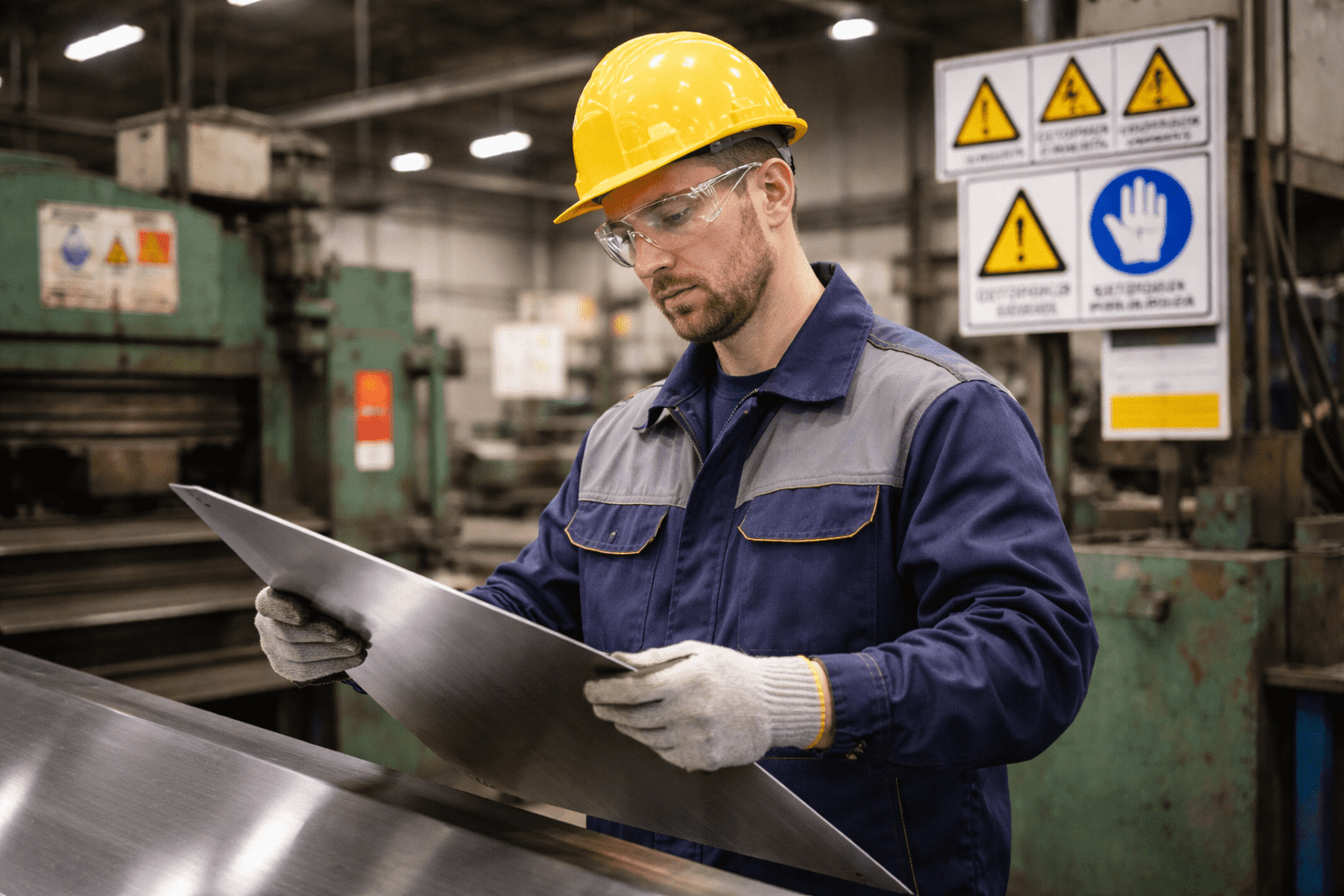
Metal fabrication and automotive environments often require combined cut and impact protection. Sharp edges, stamped parts, hot surfaces, and hand-tool contact all raise the risk profile. Procurement teams in these sectors increasingly ask for hybrid gloves that protect without sacrificing enough tactility to slow the line.
How Buyers Should Evaluate Impact Gloves
| Buying Factor | Why It Matters | What to Check | Common Buying Mistake |
|---|---|---|---|
| Protection coverage | Determines how much of the hand is shielded | Knuckle, finger, thumb, and metacarpal layout | Assuming all TPR layouts protect equally |
| Grip performance | Prevents drops and secondary injuries | Nitrile, sandy finish, palm texture | Testing only in dry conditions |
| Cut resistance | Needed in mixed hazard tasks | ANSI cut level and liner composition | Buying impact-only gloves for sheet metal work |
| Comfort and fit | Drives actual worker usage | Flexibility, sizing range, breathability | Using one size profile for every team |
| Cuff style | Affects security and ease of removal | Slip-on, knit wrist, hook-and-loop, gauntlet | Ignoring task-specific removal needs |
| Supplier support | Important for trials, replenishment, and claims | Samples, stock depth, technical advice | Choosing only by unit price |
For U.S. buyers, the best evaluation process includes wearer trials across multiple shifts, not just a short fitting session. A glove that seems comfortable indoors may fail on an outdoor site, in oily weather, or after repeated wet-dry cycles. Safety managers should involve end users, supervisors, and purchasing in the selection process.
Trend Shift in Protection Preferences
The area chart shows a clear buying trend in the United States: users increasingly prefer multi-hazard gloves that combine impact protection with cut resistance, better grip, touchscreen capability, and longer wear life. This is especially relevant in modern warehouses and manufacturing cells where tasks change rapidly within one shift.
Case Studies from Real-World U.S. Work Environments
A contractor in the Permian Basin shifted from basic synthetic mechanics gloves to oil-grip impact models after repeated finger bruising incidents during pipe staging. The company found that workers kept the new gloves on longer because the nitrile palm improved confidence while handling oily connections. Reported minor hand trauma dropped within the next quarter, and glove replacement frequency stayed manageable because the palm durability was better than expected.
A Midwest steel service center evaluated hybrid cut-and-impact gloves for employees moving slit coils and handling finished metal parts. Their previous glove program required workers to switch between cut gloves and task gloves. By moving to one glove platform with both protections, they reduced non-compliance and simplified inventory. The main lesson was that convenience strongly influences PPE adoption.
A large distribution operation near the Port of Los Angeles introduced impact gloves for dock personnel who regularly encountered damaged freight, protruding packaging, and shifting pallet loads. The safety team selected a lighter design with flexible finger guards rather than a heavy oilfield style. That decision improved acceptance because the work demanded frequent scanning, label handling, and handheld device use.
Top Impact Glove Suppliers Serving the United States
| Company | Service Region | Core Strengths | Key Offerings |
|---|---|---|---|
| Mechanix Wear | United States nationwide | Strong brand recognition, task-specific industrial lines, wide distributor reach | Impact gloves, utility gloves, mechanics styles, specialty work gloves |
| MCR Safety | United States and North America | Broad industrial PPE catalog, established U.S. distribution, multiple impact models | Impact gloves, cut-resistant gloves, chemical gloves, safety apparel |
| HexArmor | United States with global reach | Premium engineering focus, strong high-hazard positioning, advanced hand protection systems | Impact-resistant gloves, cut protection, sleeve systems, safety eyewear |
| Ironclad Performance Wear | United States nationwide | Heavy-use work glove specialization, utility and construction relevance | Impact gloves, general work gloves, cold weather gloves, mechanics gloves |
| Youngstown Glove | United States and selected industrial channels | Application-driven designs, utility and heavy industry focus | FR gloves, impact gloves, waterproof gloves, winter work gloves |
| Superior Glove | United States and Canada | Large protective glove portfolio, strong multi-hazard offerings, technical support | Impact gloves, cut-resistant gloves, sleeves, heat and chemical protection |
This supplier table helps buyers compare practical options rather than broad marketing claims. These companies are all relevant to U.S. procurement because they support industrial purchasing, offer multiple protection categories, and have established availability through direct or channel sales. Final selection should still come down to the task, wear trial results, lead time, and support model.
Supplier Comparison by Product Fit
This comparison chart is useful for buyers deciding whether they need broad catalog coverage or stronger specialization for high-hazard environments. In practice, some employers keep two approved glove families: one for general industrial use and one for severe-duty tasks such as rigging, pipe handling, and demolition.
Local Buying Considerations in Major U.S. Trade Hubs
Location influences glove selection more than many buyers expect. At Gulf Coast ports such as Houston, Beaumont, and New Orleans, exposure to moisture, hydrocarbons, and marine handling often makes oil-resistant grip essential. In inland logistics hubs such as Memphis, Louisville, and Columbus, lighter impact gloves with better finger movement may outperform heavy oilfield styles because workers handle scanners, labels, cartons, and mixed freight.
In the Great Lakes region, including Detroit and Cleveland, metalworking and automotive tasks often justify hybrid gloves with stronger cut protection. In West Coast distribution, especially near Los Angeles and Long Beach, glove programs may prioritize speed, comfort, and turnover management because large labor pools and fast-moving freight environments demand practical, easy-to-deploy PPE.
Our Company in the U.S. Market
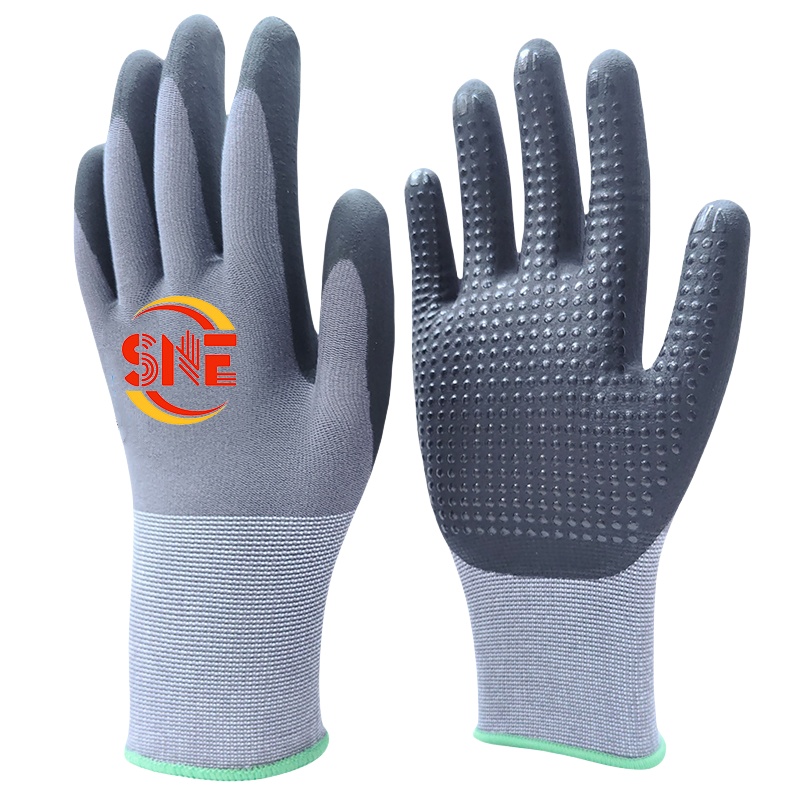
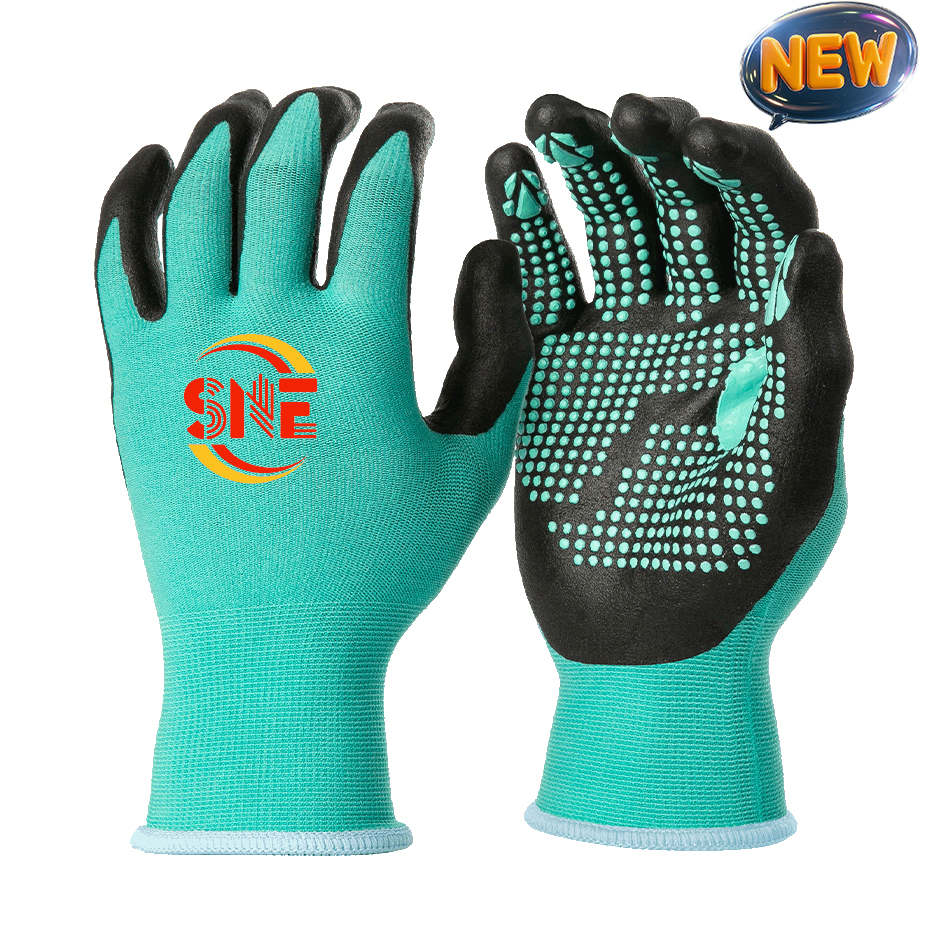
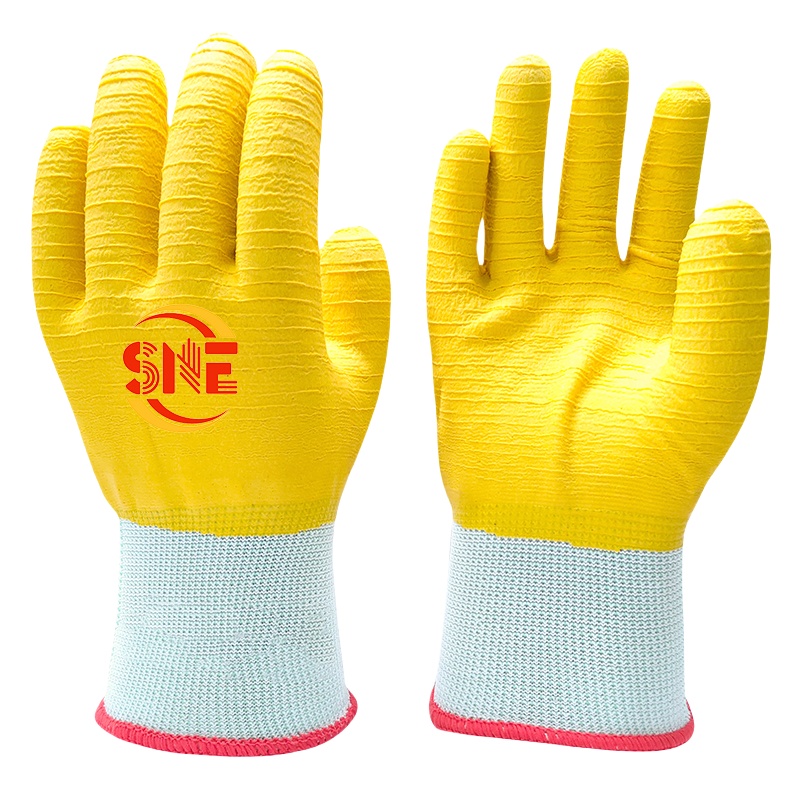
For U.S. buyers looking beyond domestic brands, Snell Safety offers a factory-direct option built for industrial procurement rather than one-off trading. The company operates two manufacturing facilities with six production lines and daily capacity of about 150,000 pairs, producing impact-resistant, cut-resistant, nitrile, latex, and PU-coated gloves under an ISO 9001 quality system with CE-marked products for regulated export markets. That manufacturing base matters for U.S. customers who need repeatable quality, stable lead times, and verifiable production control rather than inconsistent spot buying. Snell works through flexible cooperation models including OEM and ODM development, private label, bulk wholesale, customized materials and branding, and regional distribution support, making it suitable for end users, importers, dealers, brand owners, and industrial supply companies. The company has established export experience across Europe, Australia, the Middle East, Russia, Southeast Asia, and South America, and it supports buyers with sample programs, technical consultation, multilingual communication, and coordinated logistics. For American buyers wanting a long-term sourcing partner, the practical value is not only cost-performance but also structured pre-sales selection guidance, production transparency, and after-sales follow-up through its global-facing operations; buyers can learn more through the company overview, browse the product catalog, or contact the team through the U.S. inquiry channel.
How to Build a Better Glove Program
A strong impact glove program starts with task mapping. Safety managers should identify where hands are exposed to strike hazards, where cut hazards overlap, and where glove removal is common. The next step is product segmentation. One glove rarely fits every job, so employers often gain better results by approving separate models for warehouse work, heavy maintenance, fabrication, and outdoor field operations.
Wearer education is also important. Workers need to understand what the glove can and cannot do. Impact gloves reduce injury severity, but they do not make hands crush-proof, and they should not be treated as a substitute for lockout, safe lifting, or tool guarding. The best programs combine PPE with hazard elimination and supervisor reinforcement.
Finally, procurement should track replacement rates and incident data. If gloves are wearing out too quickly or being rejected for discomfort, the program likely needs adjustment. A slightly more expensive glove with longer wear life and higher compliance can produce better total cost outcomes than a cheaper glove that workers avoid.
2026 Trends: Technology, Policy, and Sustainability
By 2026, the U.S. impact glove market is expected to move further toward multi-hazard integration. Buyers increasingly want gloves that combine impact resistance, cut protection, touchscreen compatibility, oil grip, and climate-specific comfort in a single platform. This trend will likely continue as employers reduce SKU complexity and seek one-glove solutions for broader task ranges.
Technology is also improving glove engineering. More suppliers are refining segmented TPR layouts for better flexibility, using lighter high-performance fibers, and developing coatings that maintain grip in mixed wet-oily conditions without becoming overly stiff. Data-driven PPE programs are another growing area, with larger employers using injury trend analysis and site-level consumption data to standardize glove selection.
On the policy side, buyers in the United States will keep facing pressure to document hazard assessment and PPE suitability more carefully. While regulations may not prescribe one exact glove type, contractor audits, insurance reviews, and customer qualification systems increasingly expect evidence that hand protection is matched to task-specific risks.
Sustainability is becoming more relevant too. Large distributors and industrial end users are asking about production consistency, packaging reduction, responsible sourcing, and longer-lasting glove designs that lower waste. This does not mean buyers will sacrifice protection, but it does mean factories with disciplined quality systems and efficient production practices will have an advantage in U.S. sourcing decisions.
Frequently Asked Questions
Do impact gloves stop all hand injuries?
No. They reduce the severity and likelihood of certain injuries, especially blunt force injuries to the back of the hand and fingers, but they do not eliminate all risks. Proper training, safe procedures, and machine safeguards are still essential.
Are impact gloves the same as cut-resistant gloves?
No. Some products combine both features, but impact protection and cut resistance address different hazards. If workers handle sharp edges and face struck-by risks, a hybrid glove is often the best choice.
Which industries in the United States need impact gloves most?
Oil and gas, construction, warehousing, utilities, manufacturing, metal fabrication, ports, rail, and automotive service all commonly use impact gloves where hand strike and pinch hazards exist.
What glove coating is best for oily work?
Nitrile-coated or textured nitrile palm designs are often preferred for oily conditions because they can improve grip and reduce slips during handling.
Can international suppliers serve U.S. buyers effectively?
Yes, if they offer recognized certifications, stable quality control, sample support, clear communication, and dependable logistics. Factory-direct suppliers can be especially attractive for private label and high-volume purchasing.
How often should impact gloves be replaced?
Replacement depends on wear, contamination, coating damage, loss of grip, and any compromise to the protective back-of-hand structure. High-use environments may require frequent replacement, while lighter tasks may allow longer service life.
Final Takeaway
Impact gloves prevent injuries by reducing the force that reaches the hand, improving grip during material handling, and creating a practical layer of protection for strike, pinch, and contact hazards. In the United States, they are most valuable when selected by task rather than by price alone. Buyers should compare protection layout, grip performance, comfort, cut resistance, supplier support, and regional job conditions. Whether sourcing from established U.S. brands or qualified international manufacturers, the best results come from field trials, clear hazard mapping, and a glove program built around the real way people work.