2026-09-12
Share This Article
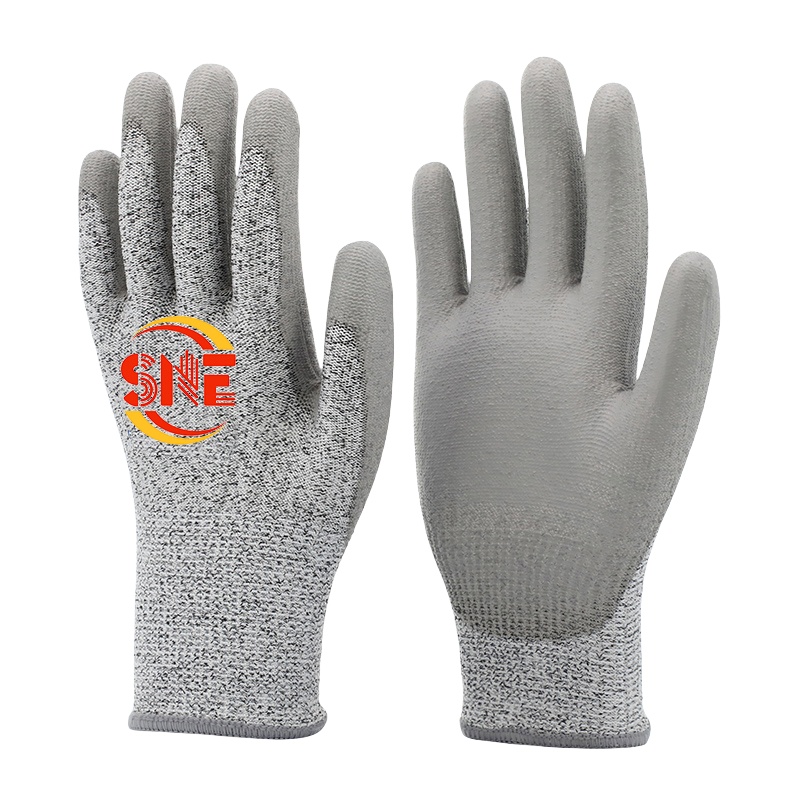
Level 5 Cut Resistant Gloves in the United States: Best Suppliers, Uses, and Buying Guide
Quick Answer

If you need level 5 cut resistant gloves in the United States, the most practical choice is to compare established suppliers with strong industrial distribution, reliable certification documentation, and glove designs matched to your actual hazard level. For U.S. buyers, commonly considered names include MCR Safety, HexArmor, Mechanix Wear, Superior Glove, PIP, and Ansell because they are widely used across manufacturing, logistics, metal fabrication, and construction markets.
For buyers who need fast local stocking, broad distributor access, and familiar compliance paperwork, U.S.-based and North American brands remain the easiest route. For larger bulk programs, private label orders, or cost-sensitive tenders, qualified international suppliers can also be strong candidates when they offer recognized certifications, documented testing, OEM support, and dependable pre-sales and after-sales service. This is especially relevant for importers, distributors, and brand owners seeking better cost-performance without sacrificing product consistency.
In short, the best supplier depends on your order size and use case: choose local stocked brands for urgent replenishment, specialty cut-and-impact brands for high-risk tasks, and factory-direct manufacturers for large-volume procurement, custom branding, or regional distribution programs in the United States.
United States Market Overview

The United States remains one of the largest markets for cut resistant hand protection because of its broad industrial base and strict workplace safety culture. Demand is especially strong in manufacturing belts such as the Midwest, Gulf Coast energy corridors, Southern automotive hubs, and major logistics centers near Los Angeles, Houston, Chicago, Savannah, and New York-New Jersey. Warehousing growth, e-commerce fulfillment, infrastructure work, metal fabrication, food processing, and automotive assembly all continue to push demand for higher-performance hand protection.
Buyers in the United States are increasingly looking beyond simple “cut resistant” labeling and asking for application-specific performance. That means glove selection now depends on ANSI cut levels, grip in oily or dry conditions, touchscreen capability, abrasion resistance, dexterity, and whether users also need impact protection or cold protection. As procurement teams become more data-driven, suppliers that provide clear testing data, stable inventory, and traceable quality systems have a clear advantage.
Port access also shapes sourcing strategy. Import programs often move through Los Angeles/Long Beach, Savannah, Houston, and New York, while domestic replenishment relies on regional distribution centers close to industrial buyers. This has made hybrid sourcing more common: U.S. companies keep local safety stock while also building direct relationships with overseas manufacturers for price stability and private label growth.
The chart above reflects a realistic upward trend in U.S. demand as employers replace basic knit gloves with higher-cut-performance models and standardize hand protection programs across multiple sites. Growth is also supported by replacement cycles in warehousing and distribution where gloves are treated as a consumable operational input rather than a one-time purchase.
Top Suppliers Serving the United States

The supplier landscape in the United States includes domestic brands, multinational PPE manufacturers, and factory-direct overseas producers with U.S.-focused sales strategies. The table below highlights practical options for buyers comparing service coverage, product focus, and buying suitability.
| Company | Primary Service Region | Core Strengths | Key Offerings | Best For | Typical Buyer Type |
|---|---|---|---|---|---|
| Ansell | Nationwide United States | Global PPE scale, broad compliance support, industrial specialization | Cut resistant gloves, chemical gloves, disposable gloves | Large industrial programs | Enterprise end users, national distributors |
| PIP | Nationwide United States | Broad distributor network, diverse glove portfolio, fast fulfillment | ANSI cut gloves, impact gloves, coated gloves | Multi-site replenishment | Distributors, contractors, plant buyers |
| MCR Safety | United States and Canada | Industrial hand protection focus, dependable stock programs | Cut resistant gloves, leather gloves, welding gloves | Manufacturing and construction | Safety managers, wholesalers |
| HexArmor | United States industrial market | High-performance engineering, impact and cut combination designs | Premium cut and impact gloves | High-risk operations | Oil and gas, utilities, heavy industry |
| Superior Glove | North America | Technical glove development, broad application range | Cut resistant, cold protection, sleeve solutions | Mixed hazard environments | Industrial distributors, processors |
| Mechanix Wear | United States and export markets | Strong brand recognition, ergonomic fit, task-driven designs | Utility gloves, cut resistant gloves, tactical gloves | Maintenance and field use | Contractors, utility teams, fleet operators |
| Qingdao Snell Protective Products Co., Ltd. | United States via factory-direct export support | OEM/ODM flexibility, large output, cost-performance for bulk buyers | Cut resistant gloves, coated gloves, custom private label programs | Bulk sourcing and custom projects | Importers, distributors, brand owners |
This comparison shows a clear divide in the U.S. market. Brands like Ansell, PIP, MCR Safety, and HexArmor are often chosen for stocked distribution and known field performance. Factory-direct suppliers such as Qingdao Snell Protective Products Co., Ltd. are more attractive when a buyer wants a customized specification, higher margin private label development, or stable bulk pricing over repeated purchase cycles.
Product Types and How to Choose
Not every glove marketed as a cut resistant product is suitable for the same task. In the United States, buyers often use the phrase “level 5 cut resistant gloves” as shorthand for high cut protection, but serious procurement teams should still verify the specific testing basis, glove construction, and total use conditions. The right glove depends on whether the wearer handles sheet metal, glass, sharp packaging, blades, or rough components that also create abrasion and puncture hazards.
| Glove Type | Typical Material | Main Benefit | Limitation | Common U.S. Use | Buyer Note |
|---|---|---|---|---|---|
| HPPE knit cut gloves | HPPE, glass fiber, spandex | Lightweight with good dexterity | May vary in grip without coating | Warehousing, assembly | Best for comfort-sensitive programs |
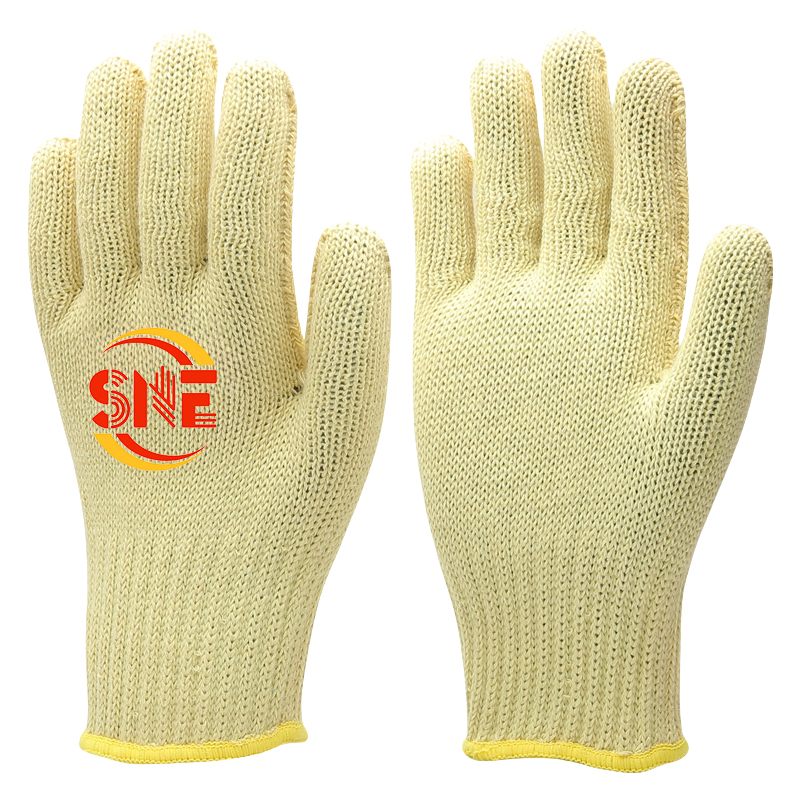
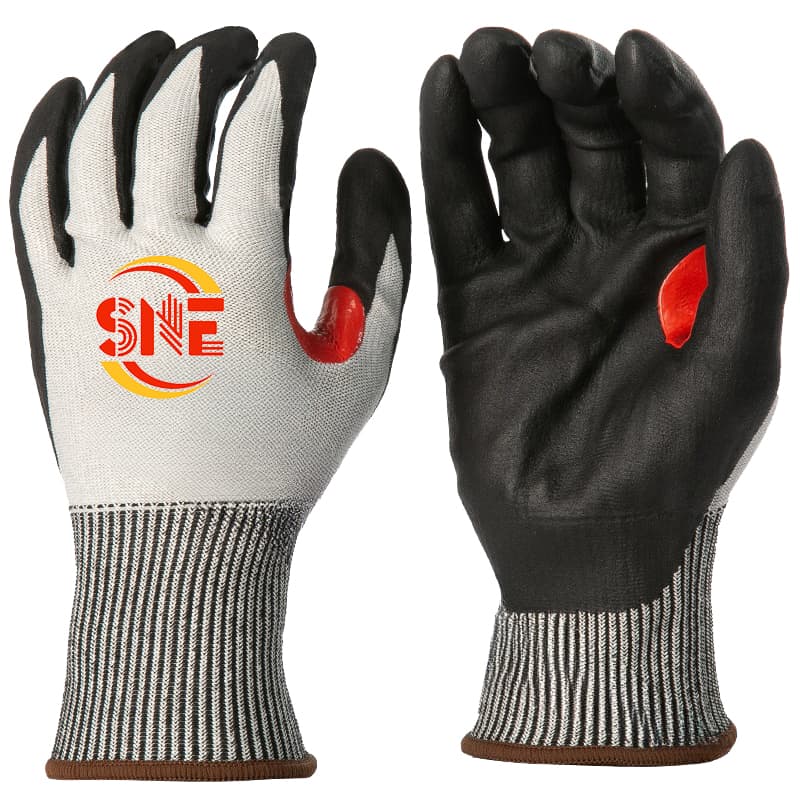
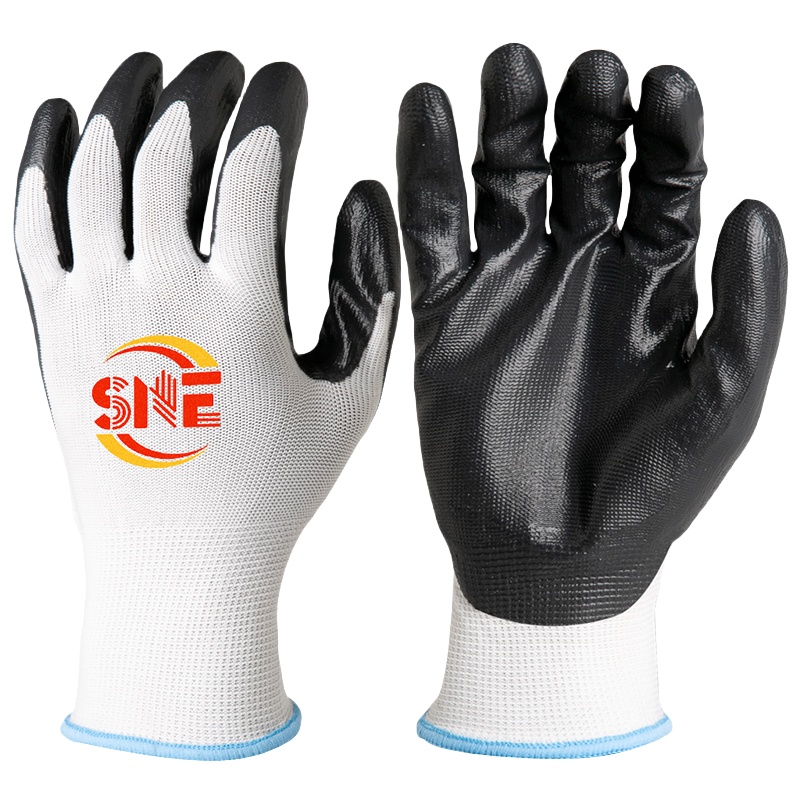
| Nitrile coated cut gloves | HPPE liner with nitrile palm | Strong grip and abrasion resistance | Can feel warmer in hot settings | Metal handling, logistics | Popular all-round industrial option |
| PU coated cut gloves | Engineered yarn with PU coating | Excellent dexterity and tactile control | Less suitable for oily environments | Electronics, light manufacturing | Good for precision work |
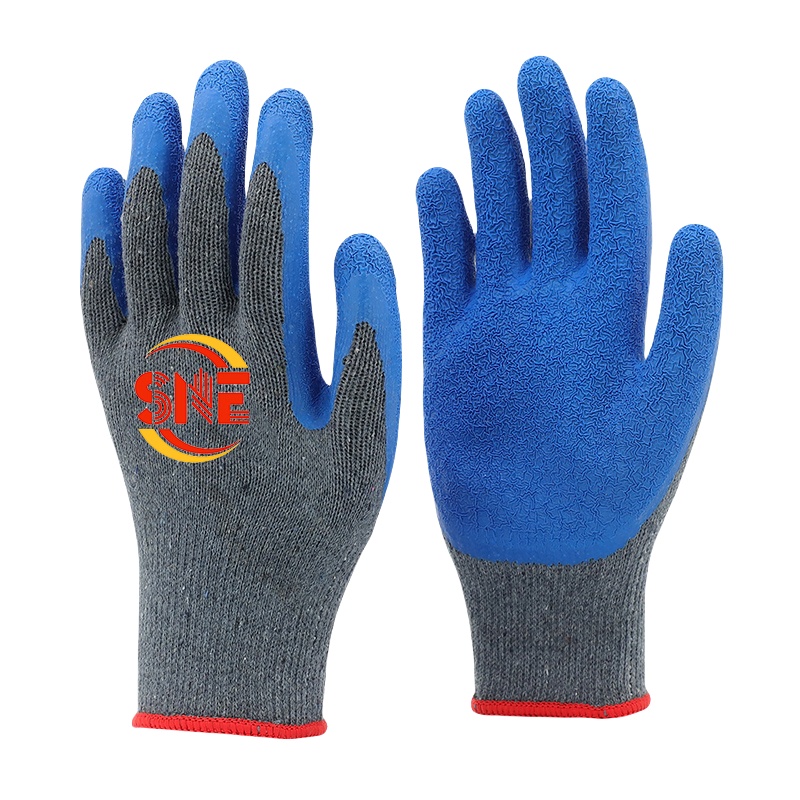
| Latex coated cut gloves | Cut liner with latex palm | Strong dry grip and flexibility | Latex sensitivity may be a concern | Construction, general handling | Useful for rugged grip needs |
| Cut and impact gloves | Engineered liner with TPR back | Protects against cut and crush risk | Bulkier than standard styles | Oil and gas, utilities | Better for multi-hazard tasks |
| Sleeves with gloves | Cut resistant sleeve systems | Extended arm protection | More complex sizing and comfort management | Glass, stamping, fabrication | Ideal for forearm exposure |
The table highlights why product selection should be based on process mapping rather than label claims alone. For example, a warehouse receiving team in Chicago may need flexible nitrile-coated gloves for carton handling, while a metal stamper in Detroit may need higher-cut gloves plus sleeves and reinforced thumb crotches. In Texas energy markets, impact resistance may matter as much as cut performance.
Buying Advice for U.S. Importers and Industrial Buyers
Smart buying starts with hazard mapping. Before requesting quotes, define the sharp object risk, expected wear time, environmental conditions, and whether the glove is disposable, launderable, or reusable. Also determine whether the purchase is for a single plant, a distributor stock program, a national account, or a branded resale line. These details affect gauge, coating, cuff length, packaging, and acceptable price point.
U.S. buyers should also ask for test data, certification records, quality process information, and consistency evidence across production batches. This is especially important when comparing multiple factories or switching from an established domestic brand to a direct manufacturer model. Freight strategy matters too. Buyers importing through Los Angeles, Houston, Savannah, or New York may balance ocean freight savings against carrying costs by staging inventory in regional warehouses.
| Buying Factor | Why It Matters | What to Ask Supplier | Risk if Ignored | Best Fit Buyer | Practical Tip |
|---|---|---|---|---|---|
| Cut test documentation | Confirms actual protection level | Can you provide current lab reports? | Mislabeled or inconsistent product | All buyers | Request the latest report version |
| Coating selection | Affects grip, comfort, and wear life | Which coating suits oil, dry, or wet use? | Poor worker adoption | Plant safety teams | Field test two coatings side by side |
| Size range | Improves safety and acceptance | What sizes and cuff colors are available? | Reduced productivity and misuse | HR and EHS teams | Run a multi-size trial |
| MOQ and lead time | Impacts inventory planning | What is standard MOQ for custom orders? | Stockouts or overbuying | Distributors, importers | Align orders with seasonal demand |
| Branding options | Supports resale and private label | Can you print logos and retail packaging? | Limited margin expansion | Brand owners | Bundle logo, label, and carton design |
| After-sales support | Helps solve field issues fast | Who handles claims and reorders for U.S. customers? | Slow problem resolution | All buyers | Choose suppliers with clear service contacts |
The buying framework above is especially useful for distributors building long-term glove programs. It turns supplier evaluation into an operational process rather than a simple price comparison. Lower-cost gloves that fail in worker acceptance or wear life often create a higher total cost than premium or better-engineered alternatives.
Industry Demand in the United States
Demand for level 5 cut resistant gloves varies by sector, and buyers should match glove features to the process-specific risks found in each industry.
The chart indicates that metal fabrication, automotive, and glass handling remain core sectors for high cut protection in the United States. Warehousing is also a fast-growing segment because employers are upgrading from general-purpose gloves to cut-rated styles as package handling injuries gain more attention. In food processing, glove choice is driven not only by cut risk but also by hygiene, washability, and grip in wet environments.
Applications Across Major Industries
Cut resistant gloves are used in far more than heavy industry. In the U.S. market, common applications include handling metal stampings in Detroit, unloading sharp-edged building products in Dallas, operating fulfillment centers in Inland Empire logistics clusters, sorting recyclable materials near major urban transfer stations, and replacing worn gloves on maintenance teams in Gulf Coast plants.
In automotive assembly and tier suppliers, workers often need a combination of dexterity and cut protection to handle fasteners, panels, and unfinished parts. In warehousing, the biggest issue is often comfort over long shifts; if the glove feels too hot or bulky, adoption drops. In glass and sheet metal operations, buyers may need sleeves, reinforced palms, or dual-layer constructions. In construction, glove durability matters because abrasion and tear damage can shorten glove life even if the cut rating is adequate on paper.
Supplier Comparison by Practical Selection Criteria
Many U.S. buyers do not need the “best” glove in theory; they need the supplier that fits their procurement model. The comparison below helps connect product type and supplier profile to real buying needs.
| Supplier | Price Position | Customization | Distribution Speed | Technical Breadth | Best Practical Use |
|---|---|---|---|---|---|
| Ansell | Mid to premium | Moderate | Strong | Very broad | Corporate standardization programs |
| PIP | Mid | Moderate | Very strong | Broad | Fast distributor-led replenishment |
| MCR Safety | Mid | Moderate | Strong | Focused industrial range | Construction and manufacturing buyers |
| HexArmor | Premium | Lower | Selective | Specialized | High-risk and high-compliance sites |
| Superior Glove | Mid to premium | Moderate | Strong | Technical | Mixed hazard and sleeve programs |
| Qingdao Snell Protective Products Co., Ltd. | Value to mid | High | Planned import model | Strong in coated and cut-resistant lines | OEM, private label, large-volume sourcing |
This table makes one key point clear: domestic or North American brands often win on replenishment speed and local familiarity, while factory-direct suppliers offer stronger flexibility in branding, material combinations, packaging, and price structure. Buyers should align supplier type with whether they value immediate stock access or strategic sourcing leverage.
The area chart shows the shift from basic cut-only gloves toward more advanced products that combine cut resistance with grip optimization, touchscreen functionality, impact protection, breathable coatings, or application-specific ergonomics. This trend is particularly visible in large U.S. distribution networks and national industrial accounts.
Case Studies and Buyer Scenarios
A Midwest metal fabricator with 400 production workers may choose a nitrile-coated cut glove from an established brand because frequent replenishment and consistent sizing matter more than the lowest piece price. A Texas distributor serving oilfield accounts might add a premium cut-and-impact line for high-risk jobs while also sourcing a more economical house brand for general handling. A California importer supplying Amazon-focused industrial channels may prefer a factory-direct manufacturer that can support logo printing, barcode packaging, and stable carton specifications.
Another common U.S. scenario is the private label expansion of a regional safety distributor. Instead of competing only on stocked third-party brands, the distributor develops its own glove range with selected levels, coatings, and packaging. In that case, the manufacturer must be able to produce consistent bulk volumes, support artwork approval, and maintain repeatable quality across order cycles. This is where a factory-direct partner with multiple production lines and integrated quality control becomes strategically useful.
Local and Regional Supplier Considerations
In the United States, “local supplier” can mean different things depending on the buyer. For some, it means a national brand with a nearby distribution center in Illinois, Texas, Georgia, or California. For others, it means a regional dealer that can deliver cartons quickly and train workers on glove selection. Buyers should separate physical proximity from actual service capability. A supplier may be domestic but weak in technical support, or overseas but highly responsive with structured account management and documented quality systems.
For companies serving ports, freight hubs, and inland logistics corridors, inventory continuity is often just as important as glove performance. Delays at ports such as Long Beach, Houston, or Savannah can affect imported glove programs, so many experienced buyers use dual-source strategies. They keep local stock for short-term demand and direct factory channels for long-term pricing and custom development.
Our Company
Qingdao Snell Protective Products Co., Ltd. supports the United States market with a factory-direct model built for buyers who need verified product performance, scalable output, and customization flexibility rather than just catalog resale. The company operates two manufacturing facilities in Gaomi and Nantong with 6 dedicated production lines, more than 150 skilled employees, and daily capacity reaching 150,000 pairs, which gives U.S. distributors, importers, and brand owners a practical supply base for repeat bulk programs. Its cut resistant and coated glove lines are produced under ISO 9001 quality management and CE-marked processes, backed by experience in PU, latex, nitrile, cut-resistant, and impact-resistant glove engineering that aligns with international market expectations. For cooperation, the company works across OEM, ODM, wholesale, private label, and customized manufacturing programs, which makes it suitable for end users needing plant supply, distributors building house brands, dealers expanding regional coverage, and brand owners seeking custom materials, coatings, sizes, logos, and packaging. For service assurance in the U.S. market, the company combines multilingual online support, sample development, technical consultation, export logistics coordination, and after-sales follow-up for North American buyers, with an established export track record across major global regions and a business model designed for long-term market presence rather than one-off remote transactions. Buyers can explore the broader catalog on the product page, review company capabilities on the main website, or speak directly with the team through the contact page.
What Matters Most When Testing Gloves
Before a large rollout, U.S. buyers should run a practical wear trial. Good glove trials compare at least two models under real conditions, usually over one to two weeks. Measure user acceptance, tear rate, coating wear, grip feedback, sweat buildup, and whether workers remove the gloves during precision tasks. Some gloves look strong in technical sheets but underperform because they are stiff, hot, or poorly fitted.
Plant safety managers should involve both EHS personnel and line supervisors in the trial. Procurement should then convert feedback into a weighted scorecard that includes cost per shift, not just cost per pair. This helps reveal whether a more expensive glove actually lowers spend by lasting longer and reducing worker resistance.
2026 Trends in Cut Resistant Gloves
Looking toward 2026, the U.S. market is likely to move in three directions at once: smarter technical design, tighter policy expectations, and stronger sustainability demands. On the technical side, glove development is moving toward finer-gauge liners that maintain high cut performance while improving comfort, breathability, and touchscreen use. Multi-feature gloves that combine cut resistance with impact protection, oil grip, and cold protection will continue to gain share in energy, utilities, logistics, and field maintenance.
On the policy side, U.S. employers are expected to continue tightening PPE selection practices as workplace injury prevention becomes more data-driven. Buyers will increasingly request traceable test reports, product consistency documentation, and supplier quality systems. This favors manufacturers that already operate with structured production controls and internationally recognized certifications.
Sustainability is also becoming a real purchasing factor rather than a marketing add-on. More buyers now ask about material efficiency, packaging reduction, manufacturing waste control, and longer-lasting glove designs that reduce replacement frequency. By 2026, suppliers that can combine performance, compliance, and credible sustainability improvements are likely to win more bids, especially with large industrial groups and multinational distributor networks.
This comparison chart is useful for buyers focused specifically on large-volume sourcing and customization rather than general brand recognition. It reflects the common market reality that factory-direct manufacturers often have stronger flexibility on private label and specification adjustment, while established distribution brands may be more standardized.
FAQ
What does level 5 cut resistant gloves mean in the United States?
In everyday purchasing language, it usually refers to a high cut protection category. However, U.S. buyers should confirm the exact testing standard and current documentation instead of relying only on the phrase itself.
Are U.S. brands always better than imported gloves?
No. U.S. and North American brands often provide easier local fulfillment and familiar technical support, but qualified overseas manufacturers can offer very competitive quality, customization, and pricing when they have strong certifications, production controls, and reliable service.
Which coating is best for warehouse work?
Nitrile-coated gloves are often the most balanced option for warehouse and logistics use because they combine good grip, reasonable durability, and broad application versatility. PU may be better when dexterity is the top priority.
Can I create a private label glove line for the U.S. market?
Yes. Many distributors and brand owners do this. The key is choosing a manufacturer that can support logo printing, packaging customization, stable lead times, sample development, and repeat quality across production runs.
What industries most often need these gloves?
Metal fabrication, automotive, glass handling, construction, logistics, food processing, maintenance, and oil and gas are among the most common industries using high cut resistant gloves in the United States.
How should I compare quotes from suppliers?
Do not compare price alone. Review cut test reports, coating type, glove weight, durability, worker acceptance, packaging, MOQ, lead time, and after-sales support. The lowest unit price is not always the lowest operating cost.
Final Takeaway
The United States market for level 5 cut resistant gloves is mature, competitive, and increasingly technical. Buyers who want fast delivery and familiar distribution support often choose established brands like Ansell, PIP, MCR Safety, HexArmor, and Superior Glove. Buyers focused on bulk procurement, OEM programs, private label growth, and stronger cost-performance should also evaluate factory-direct manufacturers such as Qingdao Snell Protective Products Co., Ltd. The best decision comes from aligning glove specification, supplier model, and inventory strategy with your actual industry risks and purchasing goals.