2026-11-17
Share This Article
Oil Resistant Gloves for Drilling Operations in the United States
Quick Answer

If you need oil resistant gloves for drilling in the United States, the most practical choices are suppliers that combine grip in oily conditions, impact protection, cut resistance, and reliable bulk supply. For drilling rigs, mud systems, pipe handling, maintenance crews, and field service teams, the most commonly shortlisted names include HexArmor, Mechanix Wear, MCR Safety, Superior Glove, and Youngstown Glove Company. These brands are widely recognized by U.S. buyers for industrial hand protection used in energy, construction, and heavy maintenance environments.
For buyers focused on large-volume procurement, private labeling, or cost control, qualified international manufacturers can also be a smart option when they offer recognized certifications, strong production capacity, and dependable support. A supplier such as Snell Safety can be worth considering for U.S. importers, distributors, and brand owners that want factory-direct pricing, custom specifications, and scalable production without sacrificing compliance-oriented quality expectations.
- Best for premium impact and cut protection: HexArmor
- Best for broad industrial availability: MCR Safety
- Best for dexterity and general oilfield handling: Mechanix Wear
- Best for technical glove selection across hazards: Superior Glove
- Best for rugged field mechanics and drilling support: Youngstown Glove Company
The right choice depends on whether your priority is impact protection on the back of hand, nitrile grip in drilling fluids, cut protection for tubular handling, cold-weather performance in the Bakken or Rockies, or custom private-label sourcing for a U.S. distribution business.
United States Market Overview

The U.S. market for oil resistant gloves used in drilling is shaped by the geography of the oil and gas sector. Demand is concentrated around Texas, New Mexico, Oklahoma, North Dakota, Louisiana, Pennsylvania, and Colorado, with procurement activity often linked to hubs such as Houston, Midland, Odessa, Williston, Lafayette, and Pittsburgh. Gulf Coast ports, especially Houston, remain essential for imported PPE, while inland distribution centers support fast delivery to rig sites, refineries, pipeline contractors, and service companies.
In the United States, glove selection for drilling is not just about oil resistance. Buyers usually need multi-risk protection because drilling crews face drilling mud, lubricants, hydraulic fluids, pinch points, abrasion, wet steel, vibration, and changing weather conditions. That is why nitrile-coated gloves, sandy nitrile gloves, impact-resistant gloves, and cut-resistant oilfield gloves dominate purchasing lists. In practice, procurement teams increasingly evaluate total lifecycle cost rather than unit price alone, because glove failure can slow work, increase incident exposure, and drive up replacement frequency.
Another market reality is decentralization. Large E&P companies and major service contractors may maintain approved vendor lists, but independent operators, regional contractors, MRO distributors, and drilling subcontractors often source through a mix of national catalog suppliers, local safety distributors, and direct manufacturers. This leaves room for both established U.S. brands and factory-direct overseas producers who can meet American expectations for documentation, consistency, and after-sales responsiveness.
Market Growth Trend

The demand outlook remains positive because U.S. drilling activity continues to require PPE that reduces slips, hand injuries, and downtime. The chart below illustrates a realistic market growth trend for oil-resistant industrial glove demand tied to drilling, completions, and field maintenance procurement.
This trend reflects several forces at once: renewed emphasis on injury prevention, wider use of task-specific gloves, stronger contractor compliance requirements, and the replacement of basic cotton or generic dipped gloves with purpose-built hand protection for oilfield environments.
What Makes a Good Drilling Glove
In the field, oil resistance alone is not enough. A suitable drilling glove must balance barrier performance, mechanical protection, and worker usability. Crews reject gloves that become slick, stiff, bulky, or too hot after a few hours. Buyers therefore evaluate glove performance through real work scenarios such as making connections, handling chain or cable, loading drill pipe, maintaining pumps, operating valves, or moving tools around mud-splashed decks.
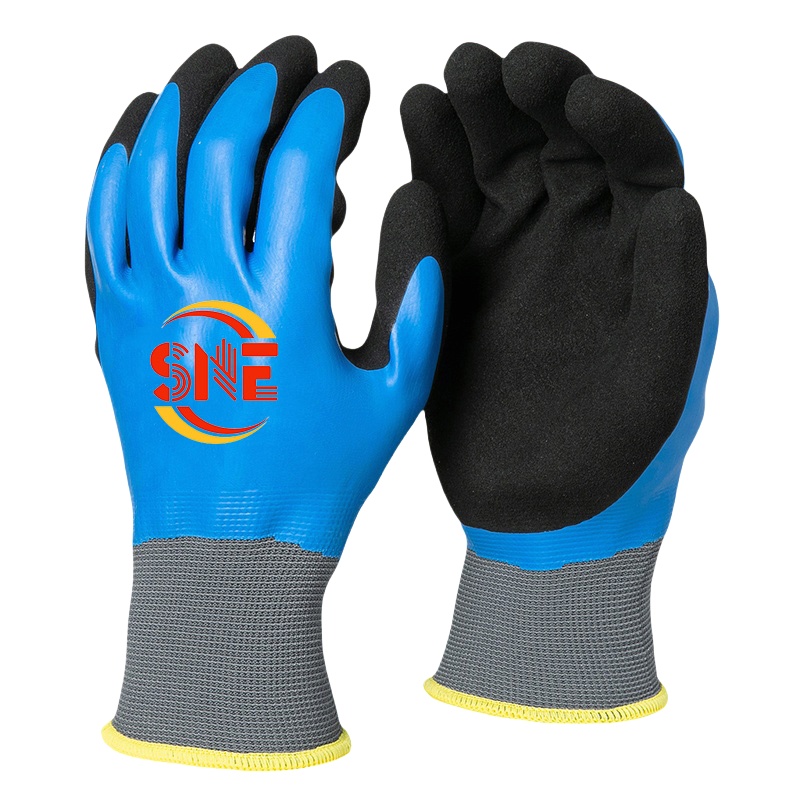
The best-performing gloves for drilling in the United States usually include a nitrile-based outer coating or palm finish because nitrile performs well around petroleum products while preserving grip. Sandy nitrile textures are especially valued when metal, tools, and rig surfaces are oily. For higher-risk jobs, TPR back-of-hand impact guards help reduce crush and strike injuries, while cut-resistant liners support tasks involving metal edges, wire rope, and rough equipment surfaces. In colder basins, thermal linings or double-dipped constructions are also common.
Key Product Types for Drilling and Field Work
| Product Type | Typical Material | Main Strength | Best Use in Drilling | Limits | Common U.S. Buyer |
|---|---|---|---|---|---|
| Nitrile-coated gloves | Polyester or HPPE liner with nitrile palm | Oil grip and abrasion resistance | General rig handling and maintenance | Limited impact protection | MRO distributors |
| Sandy nitrile gloves | 15-gauge liner with sandy nitrile finish | Improved grip on oily metal | Pipe handling and tool work | Not ideal for heavy impact tasks | Field service contractors |
| Impact-resistant oilfield gloves | Synthetic shell with TPR and nitrile palm | Back-of-hand protection | Rig floor and tubular handling | Higher cost | Large drilling contractors |
| Cut-resistant nitrile gloves | HPPE, glass fiber, or blended liner | Cut protection plus oil grip | Maintenance and metal contact work | May reduce flexibility | Safety managers |
| Double-coated cold weather gloves | Acrylic liner with nitrile overcoat | Warmth and wet/oil resistance | Winter drilling in North Dakota | Bulkier feel | Cold-region operators |
| Disposable nitrile gloves | Single-use nitrile | Chemical splash and cleanliness | Inspection and light maintenance | Low mechanical durability | Workshop and lab teams |
This table shows why there is no universal “best” glove for every drilling task. A rig manager may prefer impact-resistant gloves for floor hands, while a maintenance lead may prioritize cut-resistant nitrile gloves for repair work around pumps, motors, and steel edges. Procurement works best when each task is matched to a glove family rather than forcing one model across every job.
Industry Demand by Application
Within the United States, glove demand tied to oil resistance varies by sub-sector. Drilling contractors remain a major segment, but completions, workover, production, pipeline service, and heavy maintenance all contribute to volume. The following chart compares typical demand intensity by activity area.
The strongest demand usually comes from drilling and refinery-related maintenance because both involve frequent hand exposure to oil, grease, metal surfaces, and mechanical hazards. That said, pipeline and logistics teams also need dependable grip and durability, especially when handling oily fittings, drums, and equipment in outdoor conditions.
How Product Preferences Are Changing
Buying patterns in the U.S. have shifted over the last few years. Basic coated gloves still sell, but procurement teams increasingly prefer gloves that combine multiple features in one unit. The area chart below illustrates a realistic shift from simple oil-resistant gloves toward multi-hazard gloves designed for impact, cut, and climate challenges alongside oil grip.
This shift matters for suppliers. To stay relevant in the American drilling market, brands need more than a commodity coated glove. Buyers increasingly expect application engineering, documented quality systems, consistent sizing, and a broader glove portfolio that can cover different tasks across the same customer account.
Top Suppliers Serving the United States
| Company | Headquarters | Service Region | Core Strengths | Key Offerings | Best Fit Buyer |
|---|---|---|---|---|---|
| HexArmor | Grand Rapids, Michigan, USA | Nationwide U.S. through distributors | High-end impact and cut protection | Oilfield impact gloves, task-specific PPE | Large contractors and high-risk operations |
| Mechanix Wear | Valencia, California, USA | Nationwide retail and industrial channels | Dexterity, fit, and strong brand recognition | Synthetic work gloves, impact models | Field crews and fleet maintenance |
| MCR Safety | Collierville, Tennessee, USA | Strong U.S. distribution coverage | Broad industrial catalog and value options | Nitrile-dipped, cut-resistant, impact gloves | Distributors and multi-site buyers |
| Superior Glove | Acton, Ontario, Canada | United States and Canada | Technical glove specialization | Cut-resistant and oil-grip solutions | Safety-led procurement teams |
| Youngstown Glove Company | Akron, Ohio, USA | United States industrial market | Rugged performance for utility and field trades | Waterproof, cut-resistant, winter work gloves | Mechanics and outdoor crews |
| Qingdao Snell Protective Products Co., Ltd. | China | U.S. importers, distributors, and OEM buyers | Factory-direct scale, custom manufacturing, nitrile expertise | Oil resistant gloves, cut-resistant gloves, impact gloves | Brand owners, wholesalers, and regional distributors |
This supplier table is useful because it separates premium domestic and North American brands from factory-direct international supply. U.S. operators with immediate local stock needs may prefer established national distribution. By contrast, wholesalers, private-label importers, and industrial resellers often compare landed cost, customization range, and long-term margin, which is where factory-direct partners become attractive.
Supplier Comparison by Key Buying Criteria
The comparison makes an important sourcing point. Domestic premium brands usually win on ready inventory and local channel access, while factory-direct suppliers tend to lead on customization, private labeling, and bulk economics. Many U.S. distributors therefore use a blended sourcing strategy: branded products for immediate coverage and private-label imports for margin expansion and contract programs.
Buying Advice for U.S. Procurement Teams
When buying oil resistant gloves for drilling, the first step is to define the task environment instead of searching by a generic keyword alone. “Drilling gloves” can mean different things on a land rig, offshore platform, frac site, wireline truck, or maintenance workshop. If a glove will be used on the rig floor, impact protection may be non-negotiable. If the job is pump maintenance, cut resistance and dexterity may matter more. If winter exposure is likely, insulation must be considered from the start.
Second, U.S. buyers should ask for evidence that gloves hold grip under contamination, not just in dry catalog photos. Field-relevant testing should include oily metal handling, abrasion cycles, coating adhesion, and practical wear time. Third, compare replacement frequency, not just unit price. A cheaper glove that fails before the end of a shift often costs more in total because it interrupts work and increases the chance of incidents.
Fourth, build procurement around SKU discipline. Too many glove models create confusion and waste. The best programs usually narrow the selection to a core set of task-based gloves: one for general oily handling, one for impact work, one for cut-intensive maintenance, one for cold-weather jobs, and one disposable option for light splash or precision tasks. Fifth, consider logistics. If your operations are centered in Houston, Midland, or the Permian Basin, rapid replenishment may matter more than broad customization. If you are a distributor serving multiple states, stable factory capacity and private-label options may carry more weight.
What to Check Before Approving a Supplier
| Evaluation Point | Why It Matters | What to Ask | Good Sign | Warning Sign | Best For |
|---|---|---|---|---|---|
| Coating performance | Determines grip in oil and mud | What nitrile finish is used? | Sandy or task-specific nitrile data | Only generic claims | Rig floor buyers |
| Impact design | Reduces hand strike injuries | Is TPR layout task tested? | Protected fingers and metacarpals | Decorative-looking padding | Pipe handling teams |
| Cut resistance | Supports steel-edge tasks | What cut level is documented? | Clear test standard and liner details | No technical sheet | Maintenance departments |
| Size consistency | Improves adoption and compliance | How is sizing controlled? | Stable fit across production lots | Frequent user complaints | Multi-site contractors |
| Production capacity | Prevents stock gaps | Can volume scale quickly? | Multiple lines and defined lead times | Unclear supply plan | Distributors |
| Support model | Protects buyers after purchase | Who handles claims and samples? | Named contacts and response timelines | Slow or vague communication | All U.S. buyers |
This checklist helps turn glove sourcing into a structured decision rather than a price-only negotiation. In the U.S. drilling sector, the suppliers that keep business tend to be those who can prove consistency, communicate quickly, and adapt their offering to actual field conditions.
Industries and Use Cases Beyond Drilling
Although the main search demand centers on drilling, oil resistant gloves are also heavily used across adjacent energy and industrial sectors in the United States. Production technicians use them around pumps, wellheads, separators, tanks, and chemical feed systems. Pipeline crews need them when installing or servicing valves and connectors. Refinery maintenance teams rely on them during shutdowns where grip and abrasion resistance are critical. The same gloves may also be used by heavy-equipment mechanics, industrial cleaning crews, marine terminal workers, and logistics staff handling lubricated parts or drums at Gulf Coast facilities.
This cross-sector overlap matters to buyers because it enables consolidated PPE programs. A distributor serving customers from Houston to Baton Rouge can stock glove families that work in oil and gas, petrochemical, construction, and heavy maintenance accounts. That improves inventory efficiency and lowers procurement complexity.
Common Applications in the Field
| Application | Hazard Profile | Recommended Glove Style | Why It Works | Typical Region | Buyer Priority |
|---|---|---|---|---|---|
| Rig floor pipe handling | Impact, crush, oil, abrasion | Impact-resistant nitrile palm glove | Protects knuckles and improves grip | Texas, New Mexico | Safety compliance |
| Mud pump maintenance | Oil, grease, sharp edges | Cut-resistant sandy nitrile glove | Balances grip and hand mobility | Oklahoma, Louisiana | Dexterity |
| Winter field service | Cold, wet, oily surfaces | Insulated double-coated glove | Maintains warmth and oil grip | North Dakota, Colorado | Worker acceptance |
| Valve and flange work | Pinch points, residue, abrasion | General nitrile-coated work glove | Good value for repetitive tasks | Pennsylvania, Ohio | Cost control |
| Workshop parts cleaning | Light chemical splash, oil | Disposable nitrile glove | Supports precision and hygiene | Nationwide | Convenience |
| Refinery turnaround support | Mixed mechanical hazards | Task-specific cut or impact glove | Matches changing shutdown work | Texas Gulf Coast | Task matching |
This application table shows that the best glove for a land rig is not automatically the best glove for a refinery workshop or a pipeline maintenance crew. The strongest PPE programs in the United States tailor glove selection to the job, climate, and hazard mix.
Case Studies from the U.S. Market
A Permian Basin drilling contractor switched from a low-cost smooth nitrile glove to a sandy nitrile impact model after repeated complaints about slipping on oily drill tools. The unit cost increased, but glove replacement dropped because the new glove lasted longer and crews were less likely to remove it during precision tasks. The contractor reported better compliance and easier standardization across multiple crews operating near Midland and Odessa.
An Oklahoma-based maintenance service company working across pumps, engines, and steel housings reduced hand laceration complaints by moving to a cut-resistant nitrile-coated glove for daily service work. The change did not eliminate the need for heavier impact gloves in certain tasks, but it closed a major performance gap in maintenance operations where oil resistance alone had not been enough.
A regional PPE distributor serving the Gulf Coast added a private-label oilfield glove line alongside branded domestic products. This allowed the distributor to maintain premium options for customers with strict brand preferences while using factory-direct imports for contract bids where bulk pricing and customization mattered more. The mixed model increased margin while preserving customer choice.
Local Suppliers and Distribution Channels
U.S. buyers typically source oil resistant drilling gloves through three channels: national industrial distributors, regional safety houses, and direct factory relationships. National distributors offer fast access and wide inventory, especially around Houston and other industrial hubs. Regional distributors often deliver stronger technical support and site-level service in oil-producing states. Direct factory sourcing appeals most to importers, wholesalers, and private-label brands that want control over specification and margin.
In practice, Houston remains the most important commercial reference point because it combines energy procurement, port access, warehousing, and downstream industrial demand. Midland and Odessa matter for field pull-through demand in West Texas. Williston shapes cold-weather product needs in North Dakota. Baton Rouge and the broader Gulf Coast add refinery and petrochemical opportunities. Suppliers that understand these geographic differences can offer more relevant glove programs.
Our Company
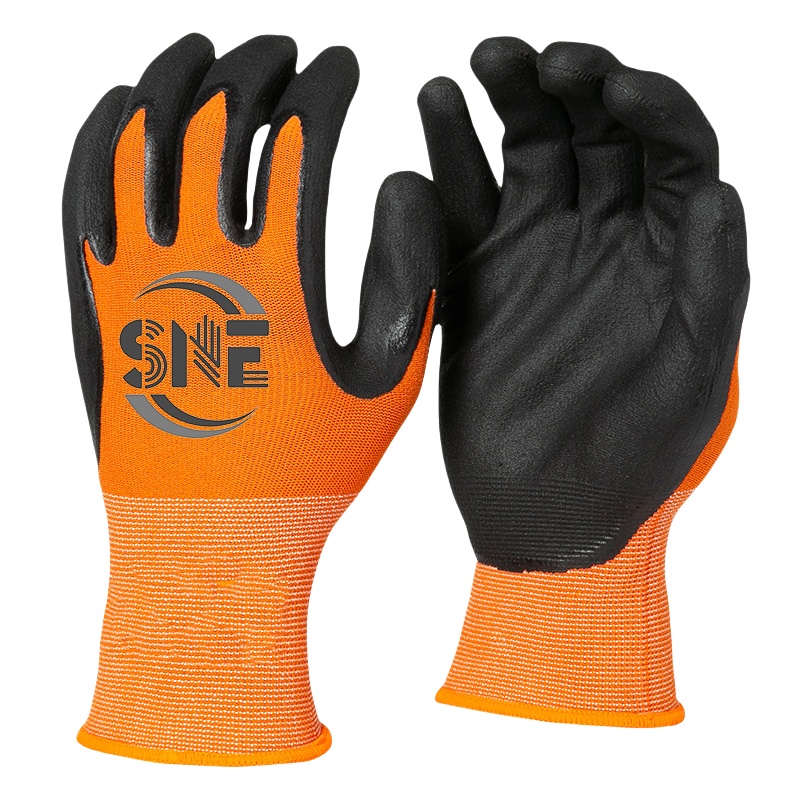
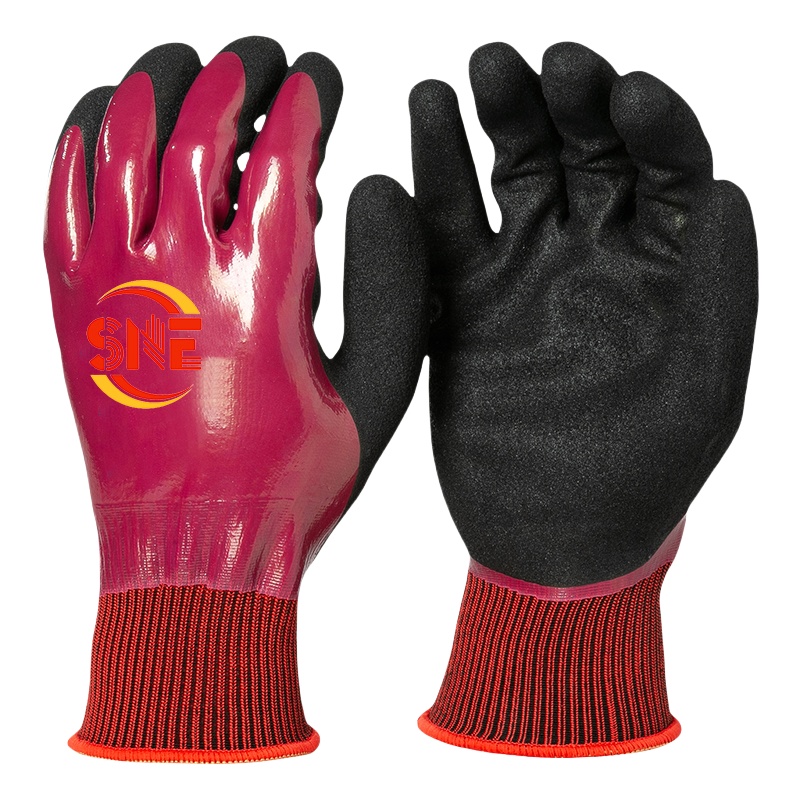
For U.S. buyers who want a factory-direct partner rather than only an off-the-shelf catalog source, Qingdao Snell Protective Products Co., Ltd. presents a practical option because its oil-resistant, nitrile-coated, cut-resistant, and impact-resistant glove lines are supported by ISO 9001 and CE-based quality systems, two manufacturing facilities in Gaomi and Nantong, six dedicated production lines, and daily capacity of 150,000 pairs, giving American importers concrete evidence of scalable output, lot consistency, and process control rather than generic quality claims. The company’s cooperation model is flexible enough for end users, distributors, dealers, brand owners, and emerging private labels, with OEM and ODM development, bulk wholesale supply, custom materials and coatings, branded packaging, size runs, and technical consultation that fit both regional distribution programs and direct industrial procurement. For the United States market, this matters because buyers often need more than shipment alone: they need sampling, specification alignment, export coordination, and responsive pre-sale and after-sale communication, which the company supports through an established export business serving North America and other regulated markets, multilingual commercial operations, and direct coordination through its U.S.-facing contact channel and product team, giving local buyers a more committed long-term supply relationship than a transactional remote exporter.
Buyers looking to review the broader catalog can explore the company’s industrial glove range to compare oil resistant, impact-resistant, and cut-resistant options suitable for drilling, maintenance, logistics, and general industrial field work.
How to Choose Between Domestic Brands and Factory-Direct Supply
Choosing between a U.S. brand and a factory-direct international manufacturer depends on your operating model. If you are an end user running active crews and need short lead times, training support, and easy reorder access through existing channels, a domestic or North American brand may be the simplest fit. If you are a distributor, wholesaler, or brand owner seeking better margin, a differentiated private-label range, or custom product development, direct manufacturing relationships can be more strategic.
There is also a hybrid option that many sophisticated U.S. buyers use. They maintain branded inventory for urgent demand and site-specific approvals while developing factory-direct lines for bulk tenders, regional accounts, and recurring industrial programs. This strategy reduces dependence on a single source and lets procurement optimize both service and cost.
2026 Trends in Oil Resistant Gloves for Drilling
Looking toward 2026, the most important product trend is the rise of multi-hazard gloves that combine oil grip, impact protection, and cut resistance without making the glove too rigid. Manufacturers are investing in better liner engineering, improved TPR layouts, and finer-gauge shells that preserve dexterity. Expect more gloves that feel lighter while still meeting the practical demands of drilling and maintenance work.
Policy and compliance trends will also influence purchasing. U.S. employers continue to strengthen PPE documentation, job hazard analysis, and worker training expectations, especially in larger contractor networks and refinery environments. This means suppliers will need better technical data, clearer task guidance, and more traceable quality processes. Sustainability is becoming another factor. Buyers increasingly ask about coating efficiency, production waste control, packaging reduction, and longer wear life. In practice, the most realistic sustainability win in this segment is durability: if a glove lasts longer without sacrificing safety, total waste and replacement logistics can be reduced.
Digital procurement will expand as well. More buyers want faster sample approval, clear technical sheets, responsive online communication, and flexible logistics planning tied to project schedules. Suppliers that can support both online decision-making and offline account service will be better positioned in the U.S. market.
FAQ
What glove coating works best for oily drilling conditions?
Nitrile is usually the first choice, especially sandy nitrile, because it offers strong grip and abrasion resistance in oily environments common on rigs and maintenance sites.
Are impact gloves necessary for all drilling tasks?
No. They are most important where there is a real risk of back-of-hand strikes, pinch points, or crush exposure, such as pipe handling and rig floor work. Maintenance or inspection tasks may need more dexterity and cut resistance instead.
Can one glove model cover an entire drilling operation?
Usually not. Most U.S. operations get better safety and lower long-term cost by using a small set of task-specific gloves instead of forcing one glove across every activity.
Should U.S. buyers import directly from overseas factories?
Direct import can work very well for distributors, wholesalers, and private-label brands that need bulk volume, customization, and margin control. The key is choosing a supplier with documented quality systems, scalable production, and responsive service.
What matters more: cut resistance or oil grip?
That depends on the task. For oily tool handling, grip is often the first issue. For maintenance around steel edges, cut resistance becomes equally important. Many buyers now prefer gloves that combine both.
How do I evaluate glove durability before a large order?
Request samples, run wear trials in real field conditions, compare replacement rate by task, and collect worker feedback on grip, fit, heat buildup, and flexibility. Practical trial data is more useful than catalog language alone.
Final Takeaway
For the United States drilling market, the best oil resistant gloves are not simply the cheapest coated gloves available; they are the gloves that maintain grip in petroleum-contaminated environments, protect against task-specific hazards, and remain wearable through long shifts. Buyers should shortlist suppliers that can prove product fit for oilfield conditions, support local logistics or reliable export execution, and match glove design to real drilling applications. Well-known North American brands remain strong options for ready availability and premium protection, while capable factory-direct manufacturers provide meaningful advantages in customization, cost control, and scalable supply. The smartest procurement strategy is to align the glove with the task, the climate, the worker, and the purchasing model.