2026-06-08
Share This Article
Best Oil Resistant Gloves for Mechanics in the United States
Quick Answer

If you need oil resistant gloves for mechanics in the United States, the most practical choices are nitrile-coated knit gloves for general service work, disposable nitrile gloves for fluid handling and inspections, and impact-resistant oil-grip gloves for heavy-duty repair bays. For local sourcing, strong options include Ansell, Superior Glove, MCR Safety, Youngstown Glove Company, Mechanix Wear, and Magid. These brands are widely used across automotive shops, fleet maintenance centers, parts distribution hubs, and industrial service contractors in markets such as Detroit, Houston, Chicago, Los Angeles, and Atlanta.
For buyers managing larger purchasing programs, the best supplier depends on the job. Mechanix Wear is popular for dexterity and technician comfort, Ansell is strong in chemical and industrial compliance, Youngstown serves demanding maintenance tasks well, and MCR Safety offers broad industrial distribution in the United States. Qualified international suppliers can also be a smart option when they hold recognized certifications and provide responsive support. For example, manufacturers from China with ISO 9001 systems, CE-marked production, OEM capability, and steady export experience can offer strong cost-performance advantages for wholesalers, private-label brands, and regional distributors.
United States Market for Oil Resistant Mechanic Gloves

The United States market for mechanic hand protection is shaped by three forces: stricter safety expectations in commercial shops, a higher mix of oil-intensive maintenance work in transportation and heavy equipment, and growing attention to grip performance when technicians work with hydraulic fluids, motor oil, transmission fluid, grease, and cleaning agents. In practical terms, automotive service managers are no longer buying gloves only for basic abrasion protection. They want a balance of oil resistance, tactile sensitivity, touchscreen compatibility, cut protection, and long wear life.
This demand is especially visible in major service corridors. Detroit remains a natural center for automotive manufacturing and component handling. Houston and the Gulf Coast drive demand from fleets, diesel maintenance, energy service vehicles, and industrial mechanics. Chicago supports warehouse, fleet, and municipal maintenance buyers. Los Angeles and Long Beach connect import distribution, logistics, and aftermarket supply networks through major port activity. Atlanta, Dallas, and New Jersey continue to expand as regional trade hubs where distributors need reliable glove programs that can support both national accounts and smaller repair chains.
Because the United States has a large installed base of independent repair shops, dealership service centers, MRO teams, and mobile mechanics, glove selection tends to vary by task frequency and replacement budget. A quick-lube bay may prioritize low-cost disposable nitrile products for fluid contact. A brake and suspension technician may prefer a durable nitrile-foam coated glove for all-day wear. A diesel mechanic working under trucks may need impact protection and stronger knuckle coverage. This segmentation creates room for both premium domestic brands and high-capacity overseas manufacturers that can support custom specifications.
The market growth pattern shown above reflects realistic procurement behavior: steady replacement demand, increased technician count in some metro areas, and greater glove usage per employee due to better enforcement of PPE practices. It also reflects the shift from bare-hand work in small garages to routine glove use even for diagnostics, tire service, battery work, and parts cleaning.
Top Suppliers Serving the United States

The suppliers below are relevant because they offer concrete product lines, broad U.S. availability, or strong B2B sourcing value for automotive and maintenance buyers. The list combines established North American brands with a factory-direct international manufacturer that is suitable for private label and wholesale programs.
| Company | Service Region | Core Strengths | Key Offerings | Best Fit |
|---|---|---|---|---|
| Ansell | Nationwide United States | Chemical protection expertise, industrial compliance, broad distributor network | Nitrile disposable gloves, chemical-resistant gloves, coated work gloves | Large industrial buyers and regulated workplaces |
| Mechanix Wear | Nationwide United States | Mechanic-focused design, dexterity, comfort, strong aftermarket recognition | Utility gloves, specialty mechanic gloves, impact styles | Automotive repair shops and technicians |
| MCR Safety | United States and North American distribution | Industrial breadth, reliable channel supply, competitive pricing tiers | Nitrile-coated gloves, supported nitrile gloves, general PPE | Distributors and fleet maintenance buyers |
| Superior Glove | United States and Canada | Cut-resistant innovation, task-specific gloves, technical support | Oil-grip gloves, cut-resistant mechanic gloves, impact models | Mixed hazard automotive and metal handling work |
| Youngstown Glove Company | United States | Heavy-duty durability, reinforced construction, utility field use | Waterproof and oil-tolerant work gloves, performance leather hybrids | Diesel, utility, and field mechanics |
| Magid | Nationwide United States | Private-label support, industrial safety sourcing, broad product catalog | Grip gloves, disposable nitrile, coated mechanics gloves | Regional distributors and multisite employers |
| Qingdao Snell Protective Products Co., Ltd. | U.S. import supply through B2B channels | Factory-direct OEM/ODM, large capacity, nitrile and PU coating expertise | Oil resistant gloves, cut-resistant gloves, impact gloves, custom branded lines | Wholesalers, brand owners, and importers |
This table is useful because it separates brand reputation from purchasing fit. A local repair chain may value fast replenishment through U.S. distributors, while a glove importer may focus on private labeling, custom cuff colors, packaging changes, and container-level pricing. Those are very different buying decisions, even when the end use is the same.
Product Types That Work Best for Mechanics
Oil resistant gloves for mechanics are not a single product category. They are a working family of gloves designed around fluid exposure, grip, dexterity, abrasion, and replacement cycle. In the United States, the most common types are nitrile-coated seamless gloves, fully dipped nitrile styles, disposable nitrile gloves, and impact-resistant synthetic gloves with oil-channel palm patterns.
| Glove Type | Oil Resistance | Dexterity | Durability | Typical Use | Buying Note |
|---|---|---|---|---|---|
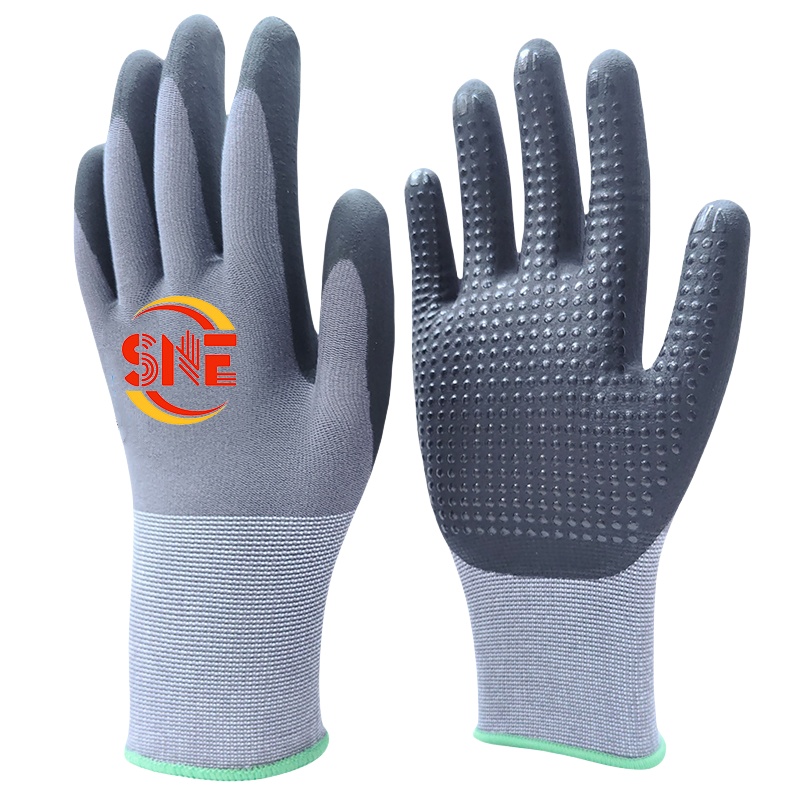
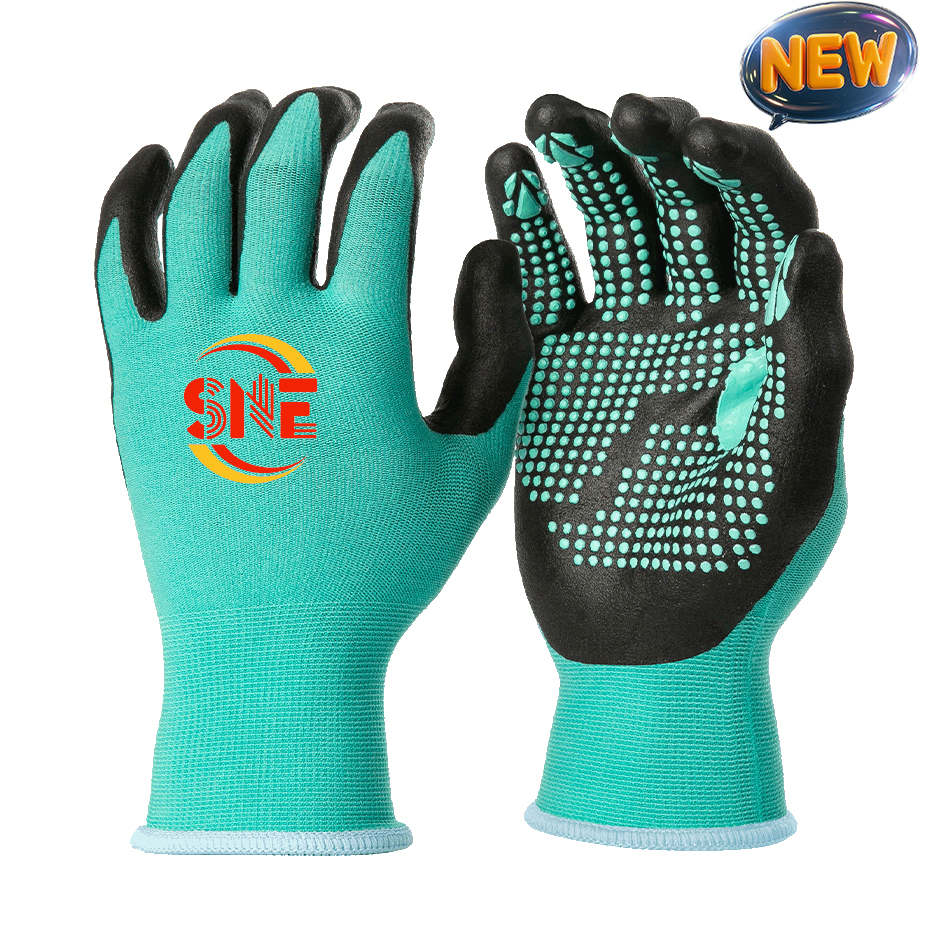
| Nitrile foam coated knit gloves | High | High | Medium to high | General repair, parts handling, tool use | Best all-around option for most auto shops |
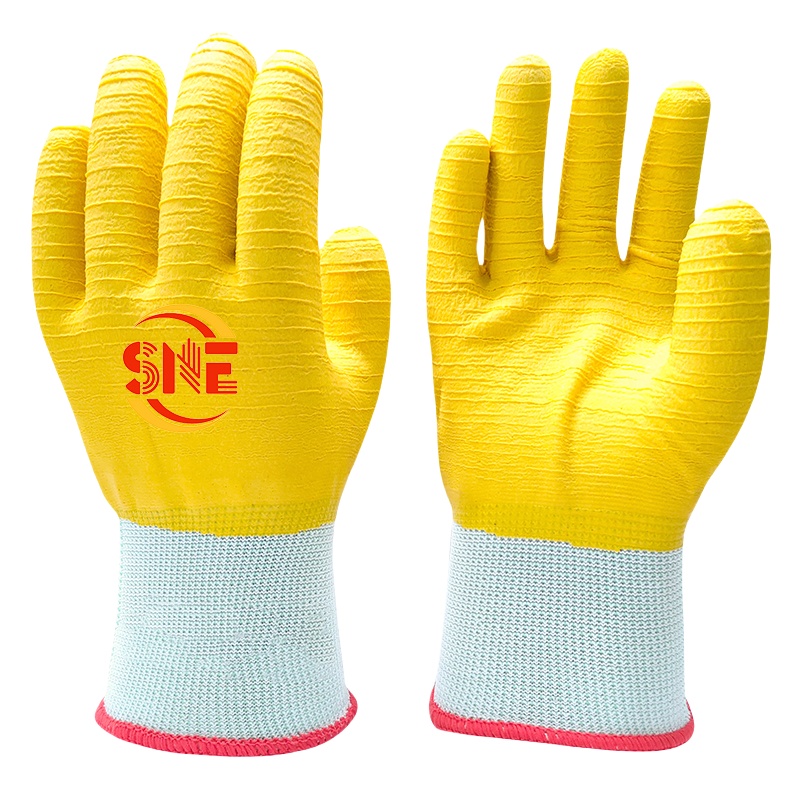
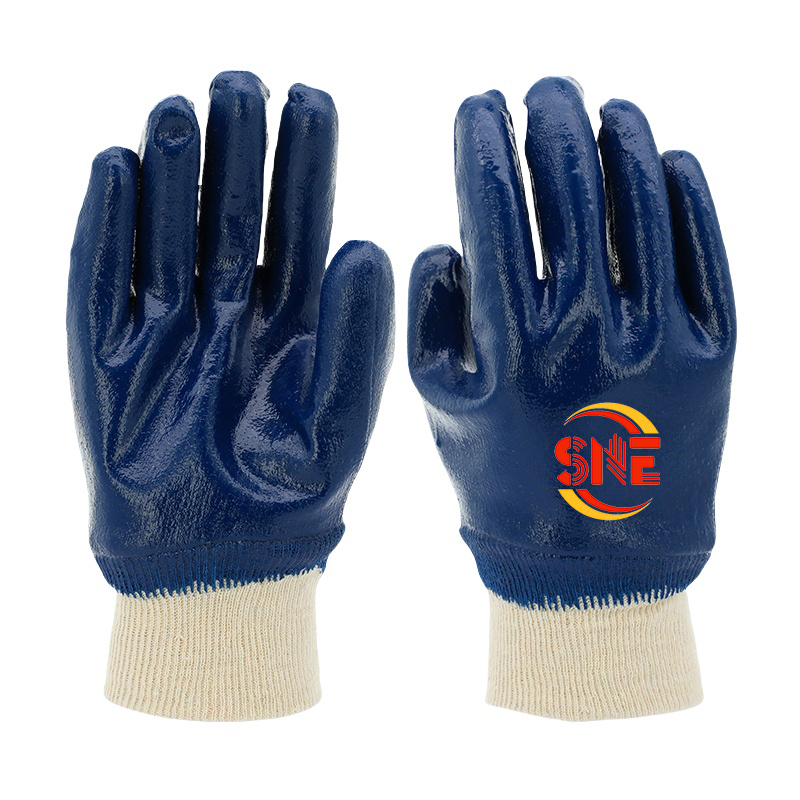
| Fully dipped nitrile gloves | Very high | Medium | High | Wet maintenance, fluid-heavy service bays | Good where splash exposure is frequent |
| Disposable nitrile gloves | High | Very high | Low | Inspections, fluid changes, detailing, quick tasks | Choose thicker mil ratings for shop use |
| Cut-resistant nitrile-coated gloves | High | Medium to high | High | Sharp parts, sheet metal, underbody work | Ideal when oil and cut hazards overlap |
| Impact-resistant mechanic gloves | Medium to high | Medium | High | Heavy truck, suspension, equipment repair | Best for knuckle and back-of-hand protection |
| PU coated gloves | Medium | Very high | Medium | Light assembly and dry handling | Less suitable for consistently oily tasks |
| Latex coated gloves | Medium | Medium | Medium | General maintenance | Grip is good, but nitrile is usually better for oil |
This comparison matters because many buyers mistakenly focus only on the phrase “mechanic gloves.” In actual use, a glove designed for dry tool grip may perform poorly around transmission fluid or greasy filters. The best purchasing decisions come from matching the coating structure and liner design to the fluid environment.
How to Buy the Right Gloves
For U.S. buyers, glove selection should start with the work process, not the catalog photo. Ask whether the mechanic handles fresh oil, used oil, hydraulic fluid, grease, solvents, hot components, sharp edges, or vibrating tools. Then define whether the glove is single-use, task-change, half-day, or all-shift wear. Finally, match sizing and grip pattern to the technician profile. Poor fit causes glove rejection even if the protection level is technically correct.
In commercial service operations, durability alone is not enough. If a glove is too thick for wiring, sensor work, snap rings, clips, or tight fasteners, employees will remove it. That creates an actual safety gap. For this reason, many fleet and dealership service managers now buy multiple glove classes: disposable nitrile for diagnostic or fluid-contact tasks, thin nitrile-coated knit gloves for general service, and reinforced impact gloves for heavy repair.
Cost should also be analyzed correctly. A cheaper glove that fails halfway through a shift can cost more per work order than a slightly higher-priced glove with stable grip and longer wear. Buyers in cities with high labor rates such as San Francisco, Boston, Seattle, and New York often prioritize technician efficiency over unit price because glove changes interrupt workflow.
The bar chart highlights where glove demand is strongest. Heavy truck repair and fleet maintenance score highest because technicians in these sectors are exposed to more oil, grease, and underbody contamination while handling larger components. Independent auto repair also remains a strong category because the United States has a large number of smaller shops purchasing through distributors, warehouse clubs, and industrial supply partners.
Industries and Applications
Although the keyword focuses on mechanics, oil resistant gloves are used far beyond passenger car service. They are standard across fleet depots, diesel repair shops, equipment maintenance teams, warehouse MRO departments, and industrial contractors. The practical overlap between automotive and industrial maintenance is large: both environments involve lubricant exposure, dirty surfaces, fastener work, and tool handling where grip failure can create injury or productivity loss.
| Industry | Main Tasks | Common Hazards | Recommended Glove Style | Why It Works | Typical U.S. Locations |
|---|---|---|---|---|---|
| Automotive repair | Oil changes, brake jobs, diagnostics, engine work | Oil, grease, sharp edges | Nitrile foam coated gloves | Good grip with dexterity for hand tools | Detroit, Atlanta, Phoenix |
| Fleet maintenance | Preventive service, tire work, undercarriage repair | Heavy contamination, repetitive wear | Fully dipped nitrile or reinforced nitrile gloves | Longer wear life and better fluid barrier | Dallas, Chicago, Memphis |
| Heavy truck and diesel | Suspension, driveline, hydraulic work | Oil, impact, abrasion | Impact-resistant oil grip gloves | Protects knuckles during difficult repairs | Houston, Kansas City, Indianapolis |
| Industrial MRO | Machine service, lubrication, component changeout | Oil, metal burrs, pinch points | Cut-resistant nitrile-coated gloves | Combines oil grip with cut protection | Cleveland, Pittsburgh, Milwaukee |
| Logistics and warehouse maintenance | Conveyor service, dock equipment maintenance | Grease, worn surfaces, fasteners | Nitrile palm coated gloves | Balanced comfort for frequent wear | New Jersey, Savannah, Long Beach |
| Oil and gas service vehicles | Field equipment maintenance | Oil, grime, outdoor handling | Durable supported nitrile gloves | Strong barrier in rough environments | Texas, Oklahoma, North Dakota |
This table helps buyers avoid overbuying. Not every application needs the same glove. Warehouse maintenance may not need expensive impact protection, while diesel repair often does. Aligning glove features with specific jobs reduces waste and improves acceptance by workers.
Detailed Supplier Comparison
Choosing a supplier involves more than product quality. Buyers in the United States typically compare availability, technical support, order flexibility, branding options, and channel structure. A national distributor may want a recognized brand with fast domestic replenishment. A private-label importer may care more about MOQ, packaging customization, coating consistency, and factory audit transparency.
| Supplier | Primary Model | Key U.S. Advantage | Potential Limitation | Best Customer Type | Typical Purchase Style |
|---|---|---|---|---|---|
| Ansell | Branded industrial supply | Strong compliance reputation and broad product documentation | Premium pricing in some categories | Large enterprises and regulated buyers | Distributor or contract purchasing |
| Mechanix Wear | Branded mechanic and tactical supply | Very strong technician recognition in the U.S. | Some models emphasize comfort over chemical barrier | Repair shops and mobile mechanics | Dealer, distributor, or retail |
| MCR Safety | Industrial branded PPE | Good value and broad industrial coverage | Less specialist automotive branding than some competitors | General industrial and fleet buyers | Distributor and safety channel |
| Superior Glove | Technical hand protection specialist | Strong cut-and-grip combinations | May be more than needed for basic shop tasks | Mixed hazard maintenance teams | Distributor with technical support |
| Youngstown Glove Company | Performance work glove brand | Heavy-duty durability for field and utility use | Less focused on low-cost disposable segments | Diesel and utility mechanics | Specialty supply and direct channel |
| Magid | Industrial safety supplier and private label | Flexible sourcing and broad catalog access | Brand preference may vary by end user | Distributors and multisite operators | Direct and distribution purchasing |
| Qingdao Snell Protective Products Co., Ltd. | Factory-direct OEM/ODM and wholesale | Competitive bulk pricing with customization and scalable output | Requires structured import planning for some buyers | Importers, brand owners, and regional wholesalers | Private label, OEM, container or bulk orders |
The comparison shows that no single supplier is “best” for every buyer. The right decision depends on channel strategy. If a buyer needs immediate shelf-ready product in the Midwest, a domestic distributor-backed brand may be ideal. If the buyer wants to build a branded glove line for the United States market with custom cuff colors, logo printing, and controlled landed cost, a factory-direct partner may be better.
The area chart reflects a real trend in the United States: buyers are moving away from basic cotton and low-spec utility gloves toward purpose-built nitrile-coated and mixed-hazard gloves. This change is driven by technician expectations, higher injury awareness, and the need for gloves that still function when palms are covered with oil or grease.
Case Studies from Real Buying Scenarios
A dealership group in the Midwest typically needs a glove mix that supports quick service, diagnostics, and heavier repair without overcomplicating inventory. In that scenario, the most efficient glove program often includes disposable nitrile for fluid and inspection work, plus a thin nitrile-foam coated glove for line technicians. The result is lower glove removal, better parts grip, and more consistent PPE use.
A fleet maintenance operation in Texas usually faces a different reality. Technicians service trucks, trailers, hydraulic systems, and roadside units where oil exposure is heavier and work can be more abrasive. In those conditions, fully dipped nitrile gloves or impact-resistant oil-grip gloves tend to outperform lighter automotive gloves. The benefit is fewer replacements during long service windows and better hand protection under demanding conditions.
An industrial distributor supplying customers around the Port of Los Angeles may prioritize assortment depth and private-label opportunity. This kind of buyer often benefits from balancing branded domestic inventory with direct import lines that fill pricing gaps. A factory-direct manufacturing partner can support differentiated packaging, carton labeling, and sizing sets tailored to regional accounts.
In the Southeast, mobile mechanics and small independent shops often prefer gloves that feel flexible enough for all-day wear while still resisting oil. This is why nitrile foam palm-coated gloves continue to gain share. They are easy to stock, easy to explain to end users, and usually accepted faster than bulkier alternatives.
Local Supplier Landscape in the United States
The United States does not operate as a single uniform buying market. Regional conditions affect glove demand. In the Great Lakes region, automotive manufacturing and service ecosystems create steady volume for mechanic gloves. In Texas, energy-related fleets and diesel service increase demand for more durable oil-resistant models. On the West Coast, import logistics through Los Angeles and Long Beach shape the availability of both branded and private-label PPE. In the Southeast, distribution hubs around Atlanta, Savannah, and Charlotte support fast replenishment for repair chains and industrial customers.
For buyers who need rapid replenishment, working with U.S.-based distributors remains important. However, local stocking should not be the only selection factor. The best long-term glove programs are built around consistent specifications, technician acceptance, and dependable support for product changes. That is why many distributors now combine domestic stock with controlled import sourcing for selected lines.
This comparison chart is not a lab test. It is a procurement-oriented view that weighs practical buying factors such as glove specialization, consistency, and sourcing flexibility. It helps buyers understand where a supplier may fit within a broader PPE strategy rather than presenting a simplistic one-size-fits-all ranking.
Our Company
For United States buyers looking for a factory-direct option, Snell Safety offers a practical route for oil resistant glove sourcing with a clear industrial focus. The company operates two manufacturing facilities with six dedicated production lines and daily capacity reaching 150,000 pairs, supporting stable supply for importers, distributors, and brand owners that need consistent replenishment. Its product range covers nitrile, PU, and latex coating technologies, plus cut-resistant and impact-resistant designs that fit real mechanic and maintenance environments rather than generic light-duty use. The manufacturing system is backed by ISO 9001 and CE compliance, which matters for U.S. buyers that need documented quality management and internationally recognized production controls. Because the business works on a B2B factory-direct model, it can support OEM and ODM projects, private label development, wholesale programs, and specification-based glove customization for distributors, regional dealers, end users, and branded sellers. Buyers exploring custom sourcing can review product categories through the product catalog, verify operational background on the company page, and coordinate samples, technical discussion, or logistics planning through the U.S.-oriented contact channel. With established exports across Europe, Australia, the Middle East, South America, Russia, and Southeast Asia, Snell already serves markets with strict safety expectations and has the scale, multilingual support, and pre-sale and after-sale coordination needed to support long-term U.S. glove programs rather than one-off remote shipments.
Buying Advice for Distributors, Dealers, and End Users
Distributors in the United States should decide early whether they want to compete on branded recognition, margin control, or exclusive specification. If the goal is fast turnover through industrial counters, recognized U.S. brands are often easier to sell. If the goal is margin improvement or account exclusivity, private-label oil resistant gloves with custom packaging can be a stronger strategy.
Dealers and regional wholesalers should focus on size runs, carton pack structure, and consistency between shipments. Automotive accounts often complain less about price than about changing glove fit from lot to lot. Factories that maintain tighter production control and repeatable coating quality reduce these problems. This is especially important when serving multi-location accounts across states such as Texas, Florida, Ohio, and California.
End users should request wear trials before standardizing a glove. A seven-day or fourteen-day test in a real repair bay often reveals issues that do not show up in sample-room evaluation. Grip retention on oily fasteners, fingertip flexibility, cuff comfort, and heat buildup matter more in practice than broad catalog claims.
Product and Policy Trends Through 2026
By 2026, the U.S. market for mechanic gloves is expected to keep moving toward task-specific, higher-performance designs. The biggest technical trend is improved nitrile coating engineering. Buyers want gloves that maintain grip on oily components without becoming too stiff or too hot during a full shift. Newer coatings and micro-foam textures are likely to keep gaining share, especially in automotive service and light industrial maintenance.
Another trend is hybrid protection. Mechanics increasingly need one glove that addresses more than one hazard. This means more demand for combinations such as oil grip plus cut resistance, or impact protection plus touchscreen functionality. Shops want to reduce the number of glove types technicians need to switch between during a job.
Policy trends also matter. U.S. employers continue to tighten PPE enforcement due to insurance pressure, injury prevention programs, and stronger safety culture in fleet and industrial maintenance. Even when regulations do not specify an exact glove type, employers are moving toward documented PPE selection tied to task risk. This favors suppliers that can provide clear product data and application guidance.
Sustainability is becoming more relevant in procurement, especially for larger distributors and national accounts. Buyers are starting to ask about manufacturing efficiency, waste reduction, packaging optimization, and glove lifespan. While price remains critical, longer-lasting gloves can improve both cost and sustainability metrics by reducing replacement volume. Factories with efficient production lines and stable quality systems will be better positioned as these purchasing standards become more common.
FAQ
What is the best glove material for mechanics working with oil?
Nitrile is usually the best starting point because it offers strong oil resistance, reliable grip, and better performance in oily environments than many general-purpose alternatives.
Are disposable nitrile gloves enough for auto repair?
They are useful for inspections, fluid handling, and quick tasks, but they are often not durable enough for full mechanical work involving abrasion, tools, and repeated contact with rough parts.
Do mechanics need cut-resistant gloves if they already use oil resistant gloves?
If they handle sheet metal, broken parts, clamps, rotors, or underbody components with sharp edges, cut resistance is a smart addition. Many U.S. buyers now choose gloves that combine both features.
Which U.S. regions buy the most oil resistant mechanic gloves?
Strong demand comes from the Midwest automotive belt, Texas fleet and energy corridors, West Coast logistics hubs, and Southeast distribution and service centers.
What should a distributor ask before importing mechanic gloves?
Ask about coating consistency, available sizes, OEM options, packaging, lead times, quality certifications, production capacity, and whether the factory can support repeat orders without specification drift.
Can overseas manufacturers compete with U.S. brands?
Yes. When the manufacturer has proven quality systems, coating expertise, scalable capacity, and responsive support, overseas sourcing can be highly competitive, especially for private label and wholesale programs in the United States.
How often should mechanic gloves be replaced?
Replacement depends on task intensity, but gloves should be changed when grip drops, coating damage appears, contamination becomes excessive, or dexterity is reduced enough to affect safe tool handling.
What is the most practical choice for a mixed automotive shop?
For many mixed shops, the best combination is disposable nitrile gloves for fluid-contact tasks and nitrile foam coated reusable gloves for daily repair work.
Conclusion
The best oil resistant gloves for mechanics in the United States are the ones that match actual service conditions: nitrile-coated gloves for most daily repair work, fully dipped nitrile for heavy fluid exposure, disposable nitrile for inspection and fluid handling, and cut- or impact-enhanced options for mixed hazards. Buyers who need fast domestic supply can rely on established U.S. brands with strong channel coverage, while distributors, importers, and private-label programs can also gain a real advantage from qualified factory-direct partners with proven certifications, scalable output, and customization capability. In today’s U.S. market, the smartest purchasing strategy is not just to buy gloves, but to build a glove program that improves grip, safety, technician acceptance, and long-term procurement efficiency.