2026-05-30
Share This Article
Mechanic Impact Gloves Guide for Buyers in the United States
Quick Answer

For buyers in the United States, the most important features to look for in mechanic impact gloves are TPR back-of-hand protection, reliable grip in oily or dry conditions, abrasion resistance, strong cuff design, dexterity for tool handling, and task-matched cut protection. In practical purchasing terms, top market options commonly considered include Mechanix Wear, HexArmor, MCR Safety, Youngstown Glove, Ironclad, and Superior Glove because they are widely recognized in American industrial, automotive, energy, logistics, and maintenance environments.
If you need a fast shortlist, choose snug-fitting mechanic impact gloves with certified impact zones, reinforced palms, breathable shell materials, and a palm coating or synthetic leather construction matched to your worksite. For fleet, distribution, and private-label buyers, qualified international manufacturers can also be a smart option when they combine strong certifications, stable factory capacity, and responsive support. Suppliers such as Snell Safety can be worth evaluating for cost-performance advantages, especially when bulk procurement, OEM customization, and consistent production quality matter.
Why Mechanic Impact Gloves Matter in the United States Market

The United States has one of the most diverse industrial glove markets in the world. Buyers range from auto repair chains in Detroit and Houston to drilling contractors in Midland, distribution centers near Chicago, heavy construction crews in Dallas, and port operations around Los Angeles, Long Beach, Savannah, and Newark. In all of these settings, hand injuries remain common because workers combine repetitive handling, powered tools, pinch points, sharp edges, vibration, and crush hazards in the same shift.
Mechanic impact gloves are designed to bridge a gap that ordinary general-purpose gloves often cannot cover. They protect the knuckles, fingers, and metacarpals from impact while still allowing enough control for inspection work, assembly, machine servicing, equipment maintenance, and field repairs. The better models balance impact attenuation with tactile feel, which is why they are now used well beyond classic mechanic jobs.
In the American market, the purchasing conversation has also changed. Buyers are no longer asking only whether a glove is tough. They now ask whether the glove reduces recordable injuries, improves worker compliance, holds up for a full shift, fits OSHA-driven safety programs, and can be sourced predictably without frequent stockouts. This is especially important for national distributors and multi-site employers that need stable SKU planning across multiple regions.
Another important market factor is climate and task diversity. A glove suitable for oilfield maintenance in Texas may not be the same as one used for winter rail maintenance in the Midwest or last-mile fleet service in the Southeast. That is why buyers increasingly segment mechanic impact gloves by environment, palm material, cut level, touchscreen use, insulation level, and cuff style.
Key Features You Should Know Before Buying

The phrase mechanic impact gloves covers a broad category, so understanding the core features helps buyers avoid expensive mismatches. The following features are the ones that most directly affect safety performance, worker acceptance, and lifecycle cost.
| Feature | Why It Matters | Best Use Cases | Common Material or Design |
|---|---|---|---|
| Back-of-hand impact protection | Helps reduce injury from knocks, pinch points, and tool strikes | Oil and gas, automotive repair, maintenance | TPR overlays on fingers, knuckles, and metacarpals |
| Grip performance | Improves tool control and lowers drop risk | Wet handling, oily parts, warehouse work | Nitrile palm, sandy coating, synthetic leather texture |
| Abrasion resistance | Extends glove life on rough surfaces | Metal handling, construction, fleet maintenance | Reinforced palm, double stitching, durable coating |
| Cut resistance | Protects against incidental blade or edge contact | Sheet metal, glass, fabrication, utilities | HPPE, glass fiber blends, engineered liners |
| Dexterity | Supports small-part handling and reduces glove removal | Mechanics, assembly, inspections | Ergonomic pre-curved fit, flexible shell |
| Cuff design | Affects security, debris control, and quick removal | Construction, extraction risk areas, repair bays | Hook-and-loop cuff, slip-on cuff, knit wrist |
| Breathability | Improves comfort and compliance during long shifts | Warm-weather work, high-motion tasks | Spandex back, ventilated panels, lighter liners |
Among these features, impact protection geometry is usually the first item to verify. Not all TPR designs offer the same coverage. Better gloves map protection across the fingers and knuckles with flex channels so the hand can still close naturally around tools. Poorly designed gloves may look protective but feel stiff, leading workers to remove them for precise tasks.
Grip is equally important. A mechanic who handles oily fasteners, hydraulic fittings, lubricated tools, or smooth packaging needs a palm surface that maintains friction under contamination. Synthetic leather palms with silicone texturing work well in dry and mixed conditions, while nitrile-coated palms often perform better for oil resistance.
Fit also drives real-world safety. Oversized gloves bunch in the palm and reduce control, while undersized gloves create fatigue. In many U.S. workplaces, the best-performing hand protection programs now include wear trials with multiple sizes rather than one-size-fits-most purchasing.
How the U.S. Market Is Growing
Demand for mechanic impact gloves in the United States is rising because of stricter safety expectations, labor retention concerns, and increased investment in warehousing, infrastructure, fleet service, domestic manufacturing, and energy maintenance. Buyers are also moving from low-cost disposable purchasing to total-cost evaluation, where glove lifespan, injury reduction, and worker acceptance are measured together.
The market is especially active around industrial corridors such as Houston, Dallas-Fort Worth, Chicago, Atlanta, Charlotte, Indianapolis, and Southern California. These regions combine automotive service, logistics, light manufacturing, energy support, and MRO demand, which makes mechanic impact gloves a standard stock item for many distributors.
The chart shows a realistic upward demand trend rather than explosive growth. That pattern aligns with industrial PPE purchasing in the U.S., where replacement cycles, tender contracts, and distributor networks create steady market expansion. By 2026, the strongest growth is expected in integrated cut-and-impact gloves, touchscreen-compatible designs, and lighter gloves that workers are more willing to wear all day.
Product Types Commonly Used in the United States
Different industries use different mechanic impact gloves, so buyers should classify products by task rather than by marketing label alone. In practice, the U.S. market favors several distinct product families.
| Product Type | Typical Construction | Main Advantage | Common U.S. Users |
|---|---|---|---|
| Synthetic leather impact gloves | TPR back with reinforced synthetic palm | Good dexterity and balanced durability | Auto service, general maintenance, fleets |
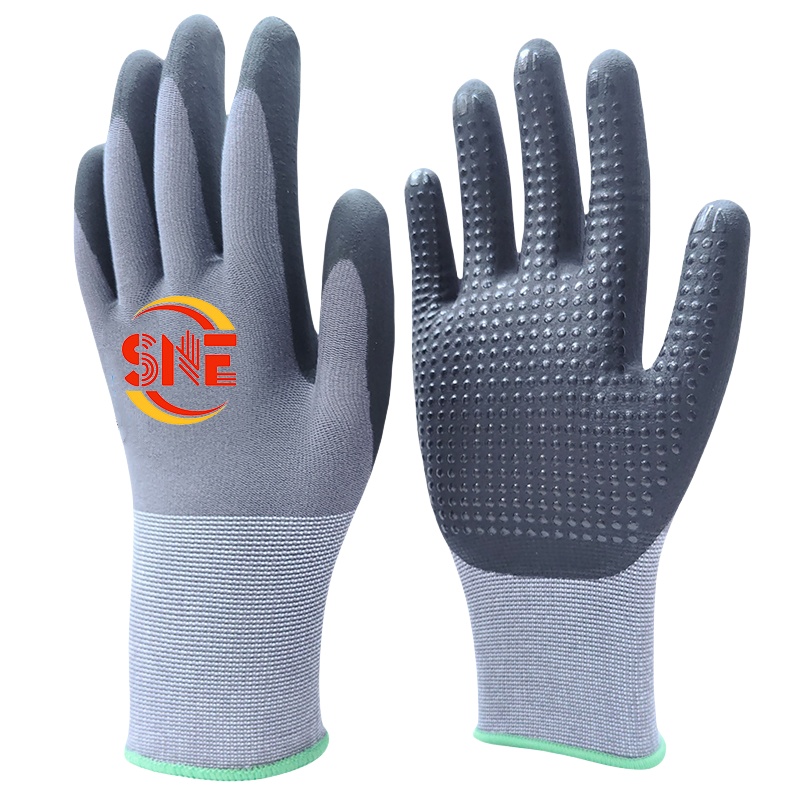
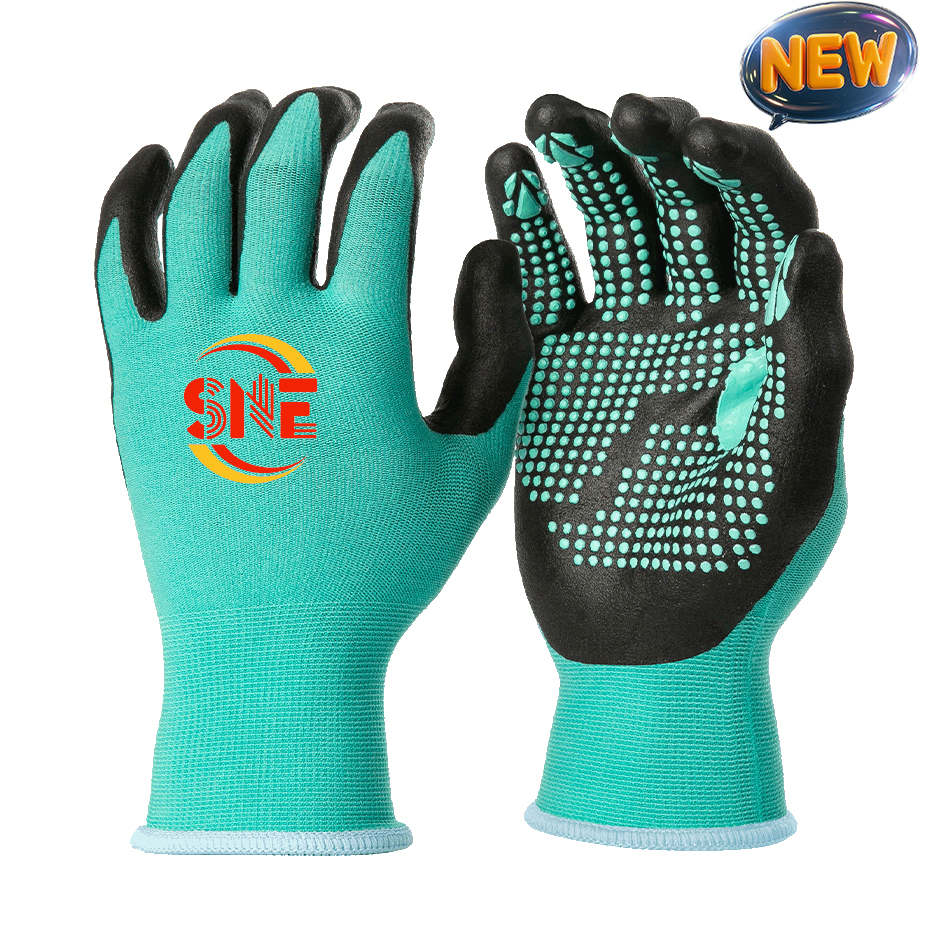
| Nitrile-coated impact gloves | Seamless liner with nitrile palm and TPR back | Strong grip in oily work | Warehousing, utilities, machinery service |
| Cut-resistant impact gloves | HPPE liner plus impact zones | Impact and cut protection in one glove | Metal fabrication, glass, oil and gas |
| Winter mechanic impact gloves | Insulated lining with weather-resistant shell | Cold-weather functionality | Rail, municipal work, outdoor maintenance |
| Needle or puncture-enhanced impact gloves | Layered palm and finger protection | Better resistance to puncture hazards | Waste, utilities, field service |
| Touchscreen mechanic gloves | Conductive fingertips with flexible shell | Supports digital workflows without glove removal | Logistics, telecom, service technicians |
| Heavy-duty oilfield impact gloves | Robust TPR, coated grip, reinforced wear points | Durability in harsh field conditions | Drilling, extraction, pipeline crews |
This table matters because one of the biggest buying mistakes is assuming that all impact gloves serve the same purpose. A synthetic leather glove may be ideal for a mechanic working on engines, while a seamless cut-resistant impact glove may be a better choice for handling metal parts in a fabrication shop. The most successful U.S. buyers categorize glove selection by exposure profile: impact only, impact plus cut, impact plus oil grip, or impact plus cold-weather performance.
Which Industries Need Mechanic Impact Gloves Most
Although the name points to mechanics, the actual buyer base is much broader. Impact-resistant mechanic gloves are standard in industries where hands are exposed to impact from equipment, falling objects, hand tools, moving loads, or repetitive rough contact.
The strongest demand often comes from automotive repair networks, oil and gas contractors, industrial maintenance teams, and construction fleets. In automotive work, gloves must support frequent gripping, turning, and part replacement. In oil and gas, gloves face grime, vibration, heavy tools, and higher impact exposure. Warehousing and logistics use is also growing because workers handle parcels, cages, dock equipment, and return logistics with increasing speed demands.
Applications Buyers Should Match to Glove Design
Choosing the right glove starts with defining the exact task. A glove that performs well for preventive maintenance may fail quickly in demolition, while a glove made for rough extraction work may be too stiff for mechanical assembly. U.S. buyers often get better results by matching glove design to real applications across departments.
| Application | Main Hazard | Recommended Glove Style | Buying Note |
|---|---|---|---|
| Automotive repair | Impact, abrasion, grease | Synthetic leather impact glove | Prioritize dexterity and oil-tolerant grip |
| Oilfield maintenance | Crush, impact, contamination | Heavy-duty coated impact glove | Look for robust TPR coverage and durability |
| Warehouse equipment handling | Pinch points, bumps, slips | Lightweight nitrile impact glove | Breathability matters for all-day wear |
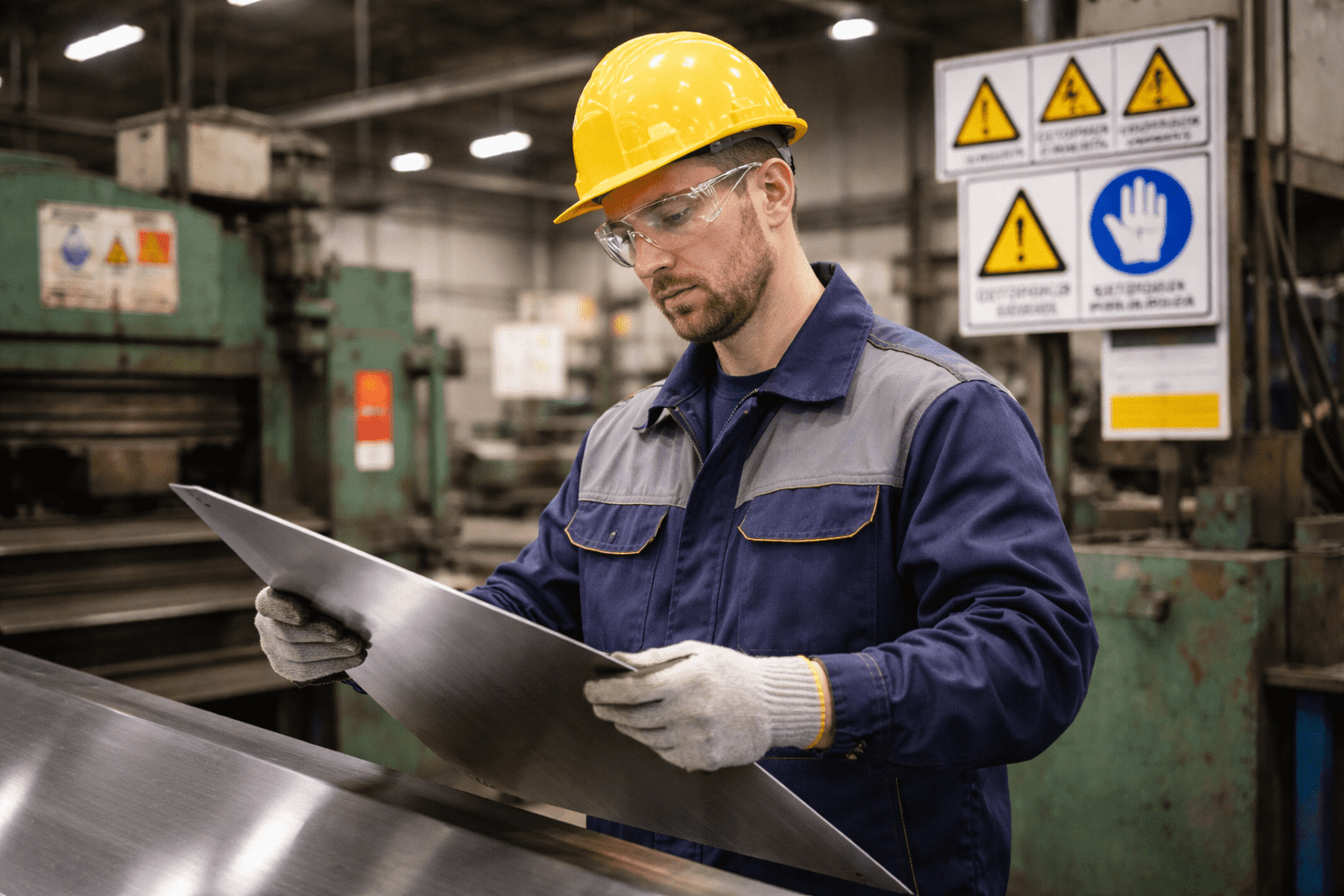
| Metal fabrication support | Impact plus cuts | Cut-resistant impact glove | Check cut level against actual materials handled |
| Construction service work | Abrasion, rough handling, debris | General heavy-duty impact glove | Reinforced palm and secure cuff are helpful |
| Cold-weather field service | Impact and low temperature | Insulated mechanic impact glove | Do not trade away too much dexterity for warmth |
| Utilities and telecom | Climbing gear, handling tools, outdoor wear | Flexible touchscreen impact glove | Touchscreen use can improve worker compliance |
This comparison helps show why procurement teams should involve supervisors and end users during trials. The right glove for one department may increase removal rates in another department if it feels bulky or traps too much heat.
Buying Advice for U.S. Distributors and End Users
In the United States, mechanic impact gloves are purchased by independent workshops, national distributors, industrial supply houses, safety managers, rental companies, municipalities, and private-label brand owners. Their buying priorities are different, but a few procurement principles remain consistent.
First, define the hazard mix clearly. If there is meaningful cut risk, a simple impact glove may not be enough. If the task includes oils and hydraulic fluids, a smooth synthetic palm may underperform compared with a nitrile-coated or textured design. If workers use tablets or handheld scanners, touchscreen fingertips can prevent constant glove removal.
Second, ask for wear-life data from field tests. A cheaper glove is not really cheaper if it needs to be replaced twice as often. Many U.S. safety managers now compare cost per week of service rather than cost per pair. That method often changes the result of tenders.
Third, review size range and fit consistency. Labor diversity in the U.S. market means buyers often need broader size curves, including smaller and larger sizes that support mixed workforces. Poor sizing causes both productivity issues and PPE noncompliance.
Fourth, examine supply stability. Buyers serving ports, regional distribution hubs, and multi-state fleets need reliable replenishment. Delayed supply can force emergency substitutions that undermine glove standardization and training.
Fifth, evaluate supplier responsiveness. This includes sample turnaround, technical explanation, documentation support, and claims handling. In high-volume B2B purchasing, these service factors often matter almost as much as the glove itself.
Local Supplier Landscape in the United States
The American market includes established domestic brands, international PPE groups with U.S. distribution, and factory-direct overseas manufacturers serving importers, wholesalers, and private-label programs. The best supplier depends on whether the buyer needs retail-ready product, broad industrial distribution, highly specialized hazard protection, or OEM customization.
| Company | Service Region | Core Strengths | Key Offerings |
|---|---|---|---|
| Mechanix Wear | Nationwide United States | Strong brand recognition, wide mechanic glove portfolio, good worker acceptance | Automotive gloves, impact gloves, tactical and industrial hand protection |
| HexArmor | United States and North America | Advanced protection engineering, premium cut and impact combinations | High-spec impact gloves for oil and gas, industrial safety, utility work |
| MCR Safety | Nationwide with broad distributor reach | Large industrial PPE catalog, accessible channel support | Impact-resistant gloves, coated gloves, cut-resistant hand protection |
| Ironclad Performance Wear | United States industrial and retail channels | Task-specific glove segmentation, good fit-focused designs | Mechanic gloves, oil and gas gloves, utility and construction gloves |
| Youngstown Glove | United States, especially industrial end users | Durable work glove reputation, utility-focused and heavy-use options | Impact gloves, winter work gloves, cut-resistant mechanic styles |
| Superior Glove | North America including U.S. industrial buyers | Broad safety specialization, strong technical product range | Mechanic gloves, impact gloves, cut-resistant solutions, specialty PPE |
| Watson Gloves | North American distribution channels | Balanced work glove selection and practical industrial lines | General mechanic and impact-oriented work gloves |
| Snell Safety | United States importers, distributors, private-label buyers, OEM programs | Factory-direct pricing, large-scale production, flexible customization | Impact-resistant gloves, cut-resistant gloves, nitrile, latex, PU-coated industrial gloves |
This supplier comparison is useful because each company serves a slightly different buying model. Mechanix Wear and Ironclad are often strong where brand familiarity matters. HexArmor is frequently considered for higher-spec industrial protection. MCR Safety is important where buyers want broad distributor access. Snell Safety is relevant when importers, wholesalers, and brand owners want factory-direct sourcing, private-label development, and greater flexibility on specifications and volume.
Detailed Analysis of Selected Suppliers
Mechanix Wear remains one of the most visible names for mechanic gloves in the United States, especially in automotive and general service channels. Its advantage is worker familiarity and broad style availability. For employers focused on rapid deployment across multiple branches, this can reduce training friction.
HexArmor tends to stand out where buyers want a more engineered protection profile, especially when impact is combined with cut hazards. It is commonly considered for energy, heavy industry, and utilities where hand injury prevention is tied to stricter internal standards.
MCR Safety offers scale and channel depth. For distributors that want broad catalog integration, this can be an operational advantage. It is often a practical choice for buyers standardizing multiple PPE categories through one relationship.
Ironclad Performance Wear has built a reputation around task-driven glove design. In field service, construction support, and general maintenance, buyers often appreciate its balance of fit and durability.
Youngstown Glove is commonly selected by crews that work in harsh conditions and need robust gloves for repeated rough handling. Utility, winter work, and heavy jobsite environments are common fit areas.
Superior Glove is known for technical breadth, which is useful when procurement teams need to compare mechanic impact gloves with other cut-resistant or specialty hand protection programs under one umbrella.
Our Company
For U.S. buyers looking beyond standard catalog sourcing, Snell Safety offers a factory-backed option built for industrial hand protection programs that need both technical depth and commercial flexibility. The company manufactures impact-resistant, cut-resistant, and coated gloves through two production facilities in Gaomi and Nantong with 6 dedicated lines, more than 150 trained employees, and daily output capacity of 150,000 pairs, which is meaningful evidence of supply reliability for distributor and contract buyers. Its production system supports PU, latex, and nitrile coating technologies as well as specialized impact and cut-resistant engineering, and the business operates under ISO 9001 and CE-certified quality frameworks that help demonstrate repeatable manufacturing control and conformity with demanding international benchmarks. In the United States market, this translates into practical cooperation models for importers, regional distributors, wholesalers, brand owners, and private-label programs through OEM/ODM manufacturing, custom materials, customized sizing, branding, and bulk supply. Just as important, the company is not positioned simply as a remote exporter: it already serves North America and other strict-regulation markets through established export operations, multilingual commercial support, sampling, technical consultation, and dedicated logistics coordination, while its online and offline pre-sales and after-sales assistance provide buyers with clearer specification alignment, documentation support, and issue resolution. Companies that want to discuss tailored projects or procurement support can reach the team through the U.S.-focused contact page or review the broader industrial glove range for comparison.
Case Studies from Common U.S. Buying Scenarios
A multi-location fleet maintenance company in Texas needed a glove that could handle oil, vibration, and frequent tool use without reducing dexterity. The first glove selected had strong knuckle guards but poor palm feel, leading technicians to remove the gloves for bolt-starting and light assembly. After switching to a lighter synthetic leather impact glove with better finger articulation, compliance improved and glove consumption stabilized because workers kept one pair on for more tasks.
A Midwest warehousing operator near Joliet and Indianapolis tested mechanic impact gloves for dock workers handling cages, carts, and returns pallets. The company discovered that full heavy-duty impact gloves reduced hand fatigue poorly in hot conditions. A lighter nitrile-coated impact model with breathable backing provided enough protection for bumps and pinch exposure while keeping workers comfortable during summer loading peaks.
An oil and gas service contractor in the Permian Basin required impact protection plus improved wear life. A trial of standard mechanic gloves resulted in rapid palm breakdown. Moving to a heavier-duty coated glove with reinforced wear zones increased average service life, even though the unit price was higher. The real procurement improvement came from lower weekly replacement cost and fewer complaints from field supervisors.
A fabrication support team around Cleveland combined part handling with incidental edge contact. Their original impact glove program did not address cut exposure well enough. The solution was a cut-resistant mechanic impact glove with an appropriate liner level, giving safety managers one glove category that better matched the actual hazard profile of the task.
Trend Shift in Product Preferences
One of the clearest shifts in the U.S. market is the move from basic impact gloves toward multi-risk gloves that combine impact protection with cut resistance, touchscreen use, and lighter ergonomic design. Buyers increasingly want one glove to cover more tasks without making workers feel overprotected and uncomfortable.
The trend reflects broader workplace expectations. Employers want fewer glove changes during shifts, and workers prefer lighter products that still meet safety goals. This is one reason hybrid products are expected to gain market share through 2026.
Supplier and Product Comparison by Buyer Priority
Buyers often ask which suppliers fit different procurement priorities. The answer depends on whether the emphasis is premium technical protection, channel availability, brand recognition, or cost-efficient customization.
This comparison does not mean one supplier is universally better than another. Instead, it highlights a practical reality of the U.S. market: buyers with private-label, container-load, or highly specific specification needs often prioritize a factory-direct partner differently than buyers who need off-the-shelf catalog products tomorrow.
How to Evaluate Samples Before Placing a Bulk Order
Sample evaluation is where many successful programs are won or lost. A proper trial should include at least one week of real task use, not just a brief fitting session in the office. Ask workers to evaluate finger flexibility, grip under contamination, heat build-up, cuff comfort, touchscreen performance if needed, and any pressure points caused by impact ribs.
Supervisors should also record replacement frequency and visible wear points. If the palm fails first, the glove may need better reinforcement. If fingers split, the fit or articulation may be wrong. If workers remove the glove for scanner or mobile device use, conductive fingertips may be needed. In American operations with multiple sites, a pilot should include at least one warm-climate location and one heavier-use location where possible.
What U.S. Buyers Should Ask Suppliers
Before awarding business, procurement teams should ask clear questions. What specific impact design is used and how flexible is it during repeated hand closure? What palm material is recommended for oil, grease, or dry handling? Is the glove also available in cut-resistant versions? What size range is stocked or can be produced? What is the lead time for repeat orders? Can branding, packaging, and labeling be customized for distributors or private-label programs? Are there trial quantities available before full rollout?
These questions help distinguish a catalog reseller from a partner who understands industrial glove deployment. They are particularly important for buyers serving high-turnover sectors such as logistics, construction, and field maintenance, where glove programs need both consistency and adaptability.
2026 Trends to Watch
Looking toward 2026, three trends are likely to shape mechanic impact gloves in the United States.
The first is technology integration. Gloves will increasingly include better touchscreen compatibility, more ergonomic patterning, lighter back-of-hand protection structures, and improved coated grips that preserve dexterity. Some suppliers are also exploring digital traceability for large safety programs, especially where distributors or enterprise buyers want easier SKU management and compliance tracking.
The second is policy and compliance pressure. U.S. employers continue to sharpen PPE selection based on task-specific risk assessment rather than broad category buying. In sectors such as utilities, energy, transportation, and advanced manufacturing, this encourages more precise use of gloves that combine impact and cut resistance. Procurement teams are becoming more documentation-oriented and less willing to rely on vague performance claims.
The third is sustainability. Buyers are starting to ask more detailed questions about glove lifespan, packaging reduction, responsible material sourcing, and manufacturing efficiency. In B2B programs, sustainability often shows up first as waste reduction and longer service life rather than as a simple eco label. Manufacturers with stable quality systems and efficient high-volume production are better positioned to support this trend.
FAQ
Are mechanic impact gloves the same as general work gloves?
No. Mechanic impact gloves add structured back-of-hand protection and are built for tasks where bumps, knocks, and crush-style contact are more likely. General work gloves may provide grip or abrasion protection but often lack dedicated impact zones.
Do I need cut resistance as well as impact protection?
If workers handle metal edges, glass, sharp components, or mixed materials, yes. Many U.S. workplaces now prefer combined cut-resistant mechanic impact gloves because real tasks often include more than one hazard.
Which palm material is best for oily conditions?
Nitrile-coated or oil-optimized textured palms usually perform better than plain smooth surfaces. For automotive and industrial maintenance, grip under contamination is often more important than dry-lab feel.
Are expensive gloves always more cost-effective?
Not always, but low unit price alone can be misleading. The better metric is cost per week of service or cost per protected work hour, especially for high-volume industrial users.
Can overseas manufacturers serve the United States reliably?
Yes, if they combine quality control, documented certifications, production scale, export experience, and responsive support. This is why many importers and distributors also review factory-direct options alongside domestic brands.
Where can I compare more glove options for industrial use?
You can explore a broader selection of industrial hand protection through the product catalog, learn more about the manufacturer on the company page, or contact the team directly through the contact page for project-specific recommendations.
Final Takeaway
In the United States, the best mechanic impact gloves are the ones that match the actual hazard profile of the job while preserving enough dexterity that workers keep them on. Buyers should focus on impact coverage design, palm grip, abrasion resistance, fit consistency, cut protection where needed, and supplier reliability. Established U.S. and North American brands remain strong options for stocked programs, while factory-direct partners can be highly competitive for bulk purchasing, OEM development, and private-label expansion. For distributors, contractors, and industrial end users, the smartest approach is not choosing the most heavily protected glove on paper, but selecting the glove workers will actually wear consistently in the environments where hand injuries are most likely to occur.