2026-09-08
Share This Article
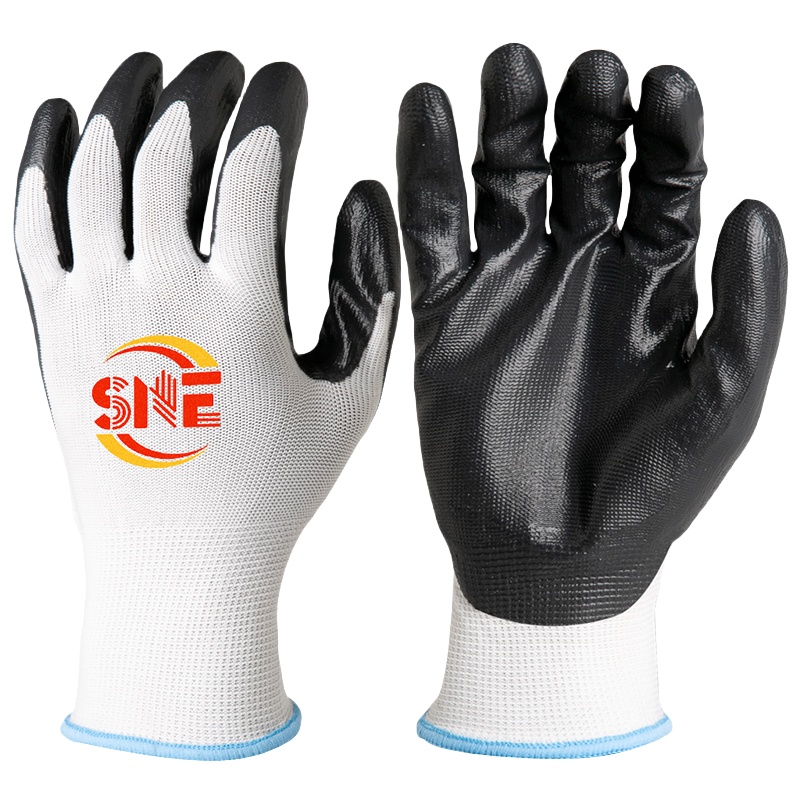
Best Nitrile Coated Work Gloves in the United States
Quick Answer

The best nitrile coated work gloves for buyers in the United States usually come from established brands and industrial suppliers with strong availability, dependable sizing, and proven performance in warehousing, construction, automotive, manufacturing, and maintenance. For most U.S. buyers, the strongest shortlist includes Ansell, Superior Glove, MCR Safety, PIP, Ergodyne, and SHOWA. These companies are widely recognized for abrasion resistance, grip in oily conditions, comfort over long shifts, and broad distribution across major industrial markets such as Houston, Chicago, Los Angeles, Atlanta, and New Jersey.
If you need a fast purchasing decision, Ansell HyFlex nitrile-coated models are often a safe choice for all-around industrial use, SHOWA is strong for ergonomic fit and dexterity, Superior Glove performs well for specialized protection, MCR Safety offers value across broad industrial accounts, PIP is a practical fit for distributors and multi-site employers, and Ergodyne works well where comfort and task-specific glove selection matter. Qualified international manufacturers can also be worth considering, especially certified Chinese suppliers that offer CE-marked products, stable production, OEM options, and responsive pre-sales and after-sales support. For U.S. importers, distributors, and private-label buyers, that route often delivers better cost-performance without giving up quality control.
Understanding the U.S. Market for Nitrile Coated Work Gloves

The United States remains one of the largest and most mature markets for nitrile coated work gloves because hand protection is required across a wide range of industries, from e-commerce fulfillment centers and automotive plants to oilfield maintenance and municipal public works. Buyers in the U.S. typically evaluate gloves by three factors first: grip, abrasion performance, and wear comfort. In real-world procurement, these choices are then narrowed by price consistency, delivery reliability, and compliance with workplace safety expectations.
Nitrile-coated gloves have gained traction because they balance durability and flexibility better than many basic cotton or PVC alternatives. Foam nitrile styles are especially popular in logistics and assembly because they improve breathability and finger feel, while smooth nitrile or sandy nitrile coatings are favored in heavier-duty environments where oil, grease, and surface contamination are common. In trade hubs like Houston and Long Beach, importers and industrial distributors increasingly compare domestic stock programs with factory-direct sourcing to control costs and reduce lead-time volatility.
Another U.S. market reality is segmentation. A large construction contractor in Texas does not buy the same glove as a precision parts assembler in Michigan or a warehouse operator in Pennsylvania. That is why “best” does not refer to one glove only. It refers to the best fit between coating type, liner gauge, cuff style, certification, and cost-per-shift. Buyers who understand this tend to reduce replacement frequency, improve compliance on the floor, and lower total spend over time.
The chart above reflects a realistic growth pattern driven by stricter safety programs, growth in warehouse automation support work, and continued demand from manufacturing and transportation. While disposable nitrile gloves get more public attention, coated work gloves serve a different and very stable industrial need: mechanical protection with grip and repeated-use value.
Top Suppliers in the United States

The supplier landscape in the United States includes legacy brands, safety specialists, and companies with strong channel distribution through industrial supply networks. The table below focuses on practical B2B relevance rather than marketing visibility alone.
| Company | Primary Service Region | Core Strengths | Key Offerings | Best For | Notes |
|---|---|---|---|---|---|
| Ansell | Nationwide United States | Strong brand trust, broad industrial catalog, consistent technical specs | HyFlex nitrile-coated gloves, cut-resistant hybrids, assembly gloves | Large employers, national accounts, industrial safety managers | Well suited for manufacturing, automotive, and general industry |
| SHOWA | Nationwide with strong industrial distribution | Ergonomic design, grip performance, comfort and dexterity | Foam nitrile gloves, general-purpose coated gloves, specialty hand protection | Assembly, warehouse, maintenance, precision handling | Common choice where fit and worker acceptance are priorities |
| Superior Glove | United States and Canada supply network | Specialized protection range, technical product depth | Nitrile-coated gloves, cut-resistant gloves, task-specific safety gloves | Distributors, fabrication shops, mixed-hazard workplaces | Strong for buyers needing tailored glove programs |
| MCR Safety | United States, especially southern and central markets | Wide industrial coverage, good value positioning, broad availability | Nitrile-dipped gloves, coated string-knit gloves, impact and cut options | Construction, utilities, warehousing, general industry | Often selected for volume purchasing and distributor programs |
| PIP | Nationwide through major distributor channels | Channel strength, category breadth, scalable supply | G-Tek nitrile-coated gloves, lightweight handling gloves, cut-resistant options | Distributors, multi-site operations, safety procurement teams | Good fit for standardized purchasing across locations |
| Ergodyne | Nationwide United States | Worker comfort focus, jobsite practicality, strong safety positioning | ProFlex coated gloves, grip gloves, task-specific PPE | Contractors, maintenance crews, municipal buyers | Often chosen where wearability affects compliance |
| Magid | Nationwide with strong Midwest presence | Private-label support, industrial safety expertise, custom programs | Nitrile-coated gloves, safety packages, distributor and employer support | Regional distributors, factories, managed PPE programs | Useful for buyers wanting bundled safety sourcing |
This supplier table matters because regional service capability can influence actual purchasing success more than catalog size alone. A glove that looks ideal on paper can become expensive if sizing is inconsistent, replenishment is slow, or the supplier cannot support training, trials, and account-level troubleshooting.
What Makes a Nitrile Coated Work Glove “Best”
A nitrile-coated work glove performs by combining a textile liner with a nitrile-based palm or full-hand coating. The liner gives structure and comfort, while the nitrile improves grip, abrasion resistance, and oil handling. In the U.S. market, the best products generally combine the following traits:
Good abrasion resistance for repeated handling of cartons, metal parts, and tools; dependable grip in dry and light-oily conditions; enough flexibility to reduce hand fatigue; breathable construction for long shifts; and cuff stability so gloves stay secure without slowing workers down. A glove also has to fit the task. In shipping and receiving, overly thick gloves reduce scanning speed and handling precision. In rebar, sheet metal, or rough maintenance, a glove that is too thin burns through too quickly.
Another factor is consistency. Safety managers prefer gloves that behave the same from lot to lot because retraining workers around small product changes creates hidden costs. The best suppliers document coating thickness, liner gauge, sizing tolerance, and packaging consistency. These details are not glamorous, but they matter in large-volume U.S. purchasing.
Main Product Types
Nitrile-coated work gloves are not one single category. Buyers should separate them by coating finish, coverage area, and liner construction.
| Product Type | Grip Performance | Oil Resistance | Dexterity Level | Common U.S. Uses | Buying Comment |
|---|---|---|---|---|---|
| Foam nitrile palm-coated | High in dry and light-oily handling | Moderate to good | High | Warehouse, assembly, e-commerce, general maintenance | Best all-around option for many users |
| Sandy nitrile palm-coated | Very strong on rough or oily surfaces | Good to high | Moderate | Construction, metal handling, industrial maintenance | Useful where secure grip matters more than fine touch |
| Smooth nitrile coated | Stable on slick materials | High | Moderate | Automotive, machine work, oil-exposed tasks | Good when fluid contact is frequent |
| 3/4 coated nitrile gloves | Balanced | Better back-of-hand splash protection | Moderate | Maintenance, light industrial cleaning, fabrication | Useful when palms alone are not enough |
| Fully coated nitrile gloves | High | Very high | Low to moderate | Wet work, chemical splash risk, dirty environments | Durable but less breathable for long wear |
| Cut-resistant nitrile-coated gloves | High | Moderate to high | Moderate | Glass, metal fabrication, automotive stamping, HVAC | Ideal when mechanical hazard and grip are both needed |
| Cold-weather nitrile-coated gloves | Good | Moderate | Lower than lightweight styles | Outdoor logistics, winter construction, refrigerated handling | Choose when temperature affects compliance and productivity |
This breakdown helps buyers avoid a common purchasing mistake: selecting one glove style for every department. Most U.S. operations save money by standardizing within job categories, not across all tasks.
Buying Advice for U.S. Buyers
For buyers in the United States, the most effective purchasing process starts with the job, not the brand. Ask what workers are touching, how often gloves are replaced, what conditions reduce grip, and whether the main complaint is heat, bulk, premature wear, or insufficient cut protection. Then compare products with trial wear data.
It is also important to define whether the purchase is for direct use or for resale. Contractors and manufacturers usually prioritize cost-per-wear and worker acceptance. Distributors may prioritize packaging, private labeling, and regional stock availability. Brand owners often need OEM flexibility, stable quality, and import logistics support through ports such as Los Angeles, Savannah, or Newark.
When comparing samples, look beyond first impressions. A glove that feels soft on day one may fail faster on abrasive surfaces. A heavier glove may feel less nimble initially but last twice as long. The best trial programs in the U.S. measure replacement cycles, worker feedback by department, and incident reduction rather than relying only on catalog descriptions.
| Buying Factor | Why It Matters | What to Ask Suppliers | Risk If Ignored | Best Fit Buyer Type | Practical Tip |
|---|---|---|---|---|---|
| Coating type | Determines grip, oil handling, and durability | Foam, sandy, smooth, palm-only, 3/4, or full coat? | Poor grip or overspending on the wrong construction | All buyers | Match coating to actual surface conditions |
| Liner gauge and material | Affects dexterity, heat buildup, and comfort | What gauge and yarn blend are used? | Low worker acceptance and lower productivity | End users, distributors | Test 13-gauge and 15-gauge for common tasks |
| Abrasion and cut level | Relates to wear life and hazard reduction | What standard ratings are available? | Frequent replacement or safety gaps | Factories, contractors | Use cut-resistant options only where justified |
| Sizing consistency | Supports worker compliance and easier replenishment | How stable are size tolerances across lots? | Returns, complaints, low wear compliance | Large employers, resellers | Trial at least three sizes across departments |
| Supply capacity | Prevents stockouts during seasonal spikes | What is lead time and backup capacity? | Production interruptions or emergency purchases | Distributors, national accounts | Secure backup SKUs before peak season |
| Certification and documentation | Supports buyer confidence and compliance reviews | Can you provide test data and quality records? | Procurement delays or rejected tenders | Government, enterprise procurement | Request current documentation before onboarding |
| OEM and packaging support | Important for private label and distribution | Can you customize branding, labels, and cartons? | Extra relabeling costs and weak brand control | Brand owners, importers | Confirm carton marks and barcode requirements early |
Industry Demand Across the United States
Nitrile-coated glove demand is not evenly distributed. Regions with strong logistics, energy, construction, and manufacturing bases buy at different volumes and favor different styles. Texas, California, Illinois, Georgia, Ohio, Michigan, and Pennsylvania remain important markets because of their industrial mix and transportation infrastructure.
The bar chart shows why foam nitrile has become so common in the U.S. Warehousing and logistics use cases are large, growing, and sensitive to comfort and dexterity. Meanwhile, automotive and manufacturing demand supports a wide range of cut-resistant nitrile-coated gloves for part handling, metal contact, and repetitive assembly work.
Applications by Industry
Different industries use nitrile-coated gloves for different reasons, and that affects what buyers should stock.
| Industry | Typical Task | Preferred Glove Style | Main Requirement | Typical U.S. Region | Buyer Note |
|---|---|---|---|---|---|
| Warehousing and e-commerce | Picking, carton handling, scanning, pallet work | Foam nitrile palm-coated | Grip plus breathability | Pennsylvania, California, Texas | Comfort drives compliance in long shifts |
| Construction | Material handling, tools, framing, site cleanup | Sandy nitrile or heavier palm-coated gloves | Durability and secure grip | Texas, Florida, Georgia | Balance wear life against dexterity needs |
| Automotive | Assembly, parts handling, oily components | Smooth or foam nitrile, often cut-resistant | Dexterity and oil resistance | Michigan, Ohio, Tennessee | Cut level often matters as much as coating |
| Metal fabrication | Sheet metal, formed parts, fabrication support | Cut-resistant nitrile-coated gloves | Cut protection and grip | Illinois, Indiana, Ohio | Use tested cut levels, not assumptions |
| Oil and gas | Maintenance, equipment handling, oily surfaces | Smooth or sandy nitrile, often full or 3/4 coated | Oil handling and durability | Texas, Oklahoma, Louisiana | Heavier-duty styles usually outperform light gloves |
| Municipal maintenance | Repairs, grounds work, public works handling | General-purpose nitrile-coated gloves | Versatility and value | Nationwide | Simple SKU rationalization saves budget |
| Cold chain and outdoor logistics | Loading, unloading, cold-weather handling | Insulated nitrile-coated gloves | Warmth and maintained grip | Midwest, Northeast | Seasonal stock planning is essential |
For U.S. procurement teams, this table clarifies why industry-specific glove selection leads to better outcomes than generic “general purpose” purchasing. The best glove is usually the one workers will actually wear all shift while still meeting task risk requirements.
Trend Shift in Product Preferences
The U.S. market has been shifting from low-cost basic coated gloves toward more targeted, task-based hand protection. Buyers increasingly want better breathability, touchscreen compatibility, cut options, and measurable wear life. That is especially true in urban distribution corridors stretching from the Inland Empire in California to the New Jersey logistics belt.
This area chart reflects a broad trend: buyers now evaluate total value, not just unit price. Features such as thinner high-performance liners, better nitrile formulations, and consistent grip textures are becoming more important as employers try to reduce injuries and improve retention through more wearable PPE.
Case Studies from Real U.S. Buying Scenarios
A third-party logistics operator in the Chicago area replaced a low-cost smooth-coated glove with a breathable foam nitrile model after workers reported sweaty hands and frequent glove removal during peak summer months. The new glove cost slightly more per pair, but replacement intervals improved and compliance rose because workers kept them on longer during picking and palletizing.
An automotive supplier in Michigan tested a cut-resistant nitrile-coated glove against a standard general-purpose option. Although the upgraded glove carried a higher initial price, it reduced damage from sharp-edged stamped parts and improved grip on slightly oily components. The factory standardized the upgraded glove for two departments while keeping a lighter foam nitrile glove for packaging and final inspection.
A Texas equipment maintenance contractor shifted from ad hoc distributor purchases to a structured sourcing program with two approved glove types: one sandy nitrile glove for field work and one foam nitrile glove for shop tasks. The result was better inventory visibility and fewer emergency buys at inflated prices.
These examples show that the strongest results usually come from segmentation, field testing, and supplier collaboration rather than simply choosing the cheapest coated glove on a line card.
Local Suppliers, Distributors, and Import Channels
Buyers in the United States can source through local distributors, national industrial suppliers, direct brand contracts, or import channels. Each model has different strengths. Local distributors often help with fit trials and emergency restocking. National suppliers help standardize procurement across many sites. Direct import can reduce cost and improve branding control but requires more planning around forecasts, customs, and inland freight.
Ports such as Los Angeles, Long Beach, Savannah, Houston, and New York-New Jersey remain important entry points for imported gloves. Importers serving inland markets typically connect those ports with warehouse nodes in Dallas, Memphis, Chicago, and Atlanta. For brand owners and distributors, these logistics patterns influence landed cost just as much as factory price.
| Sourcing Model | Best Service Region | Main Strength | Main Limitation | Best Buyer Type | Practical Example |
|---|---|---|---|---|---|
| Local industrial distributor | Metro and regional markets | Fast service and product trials | Higher unit costs in some cases | Contractors, plants, municipal buyers | Urgent replenishment in Houston or Chicago |
| National safety supplier | Nationwide United States | Standardized purchasing across sites | Less flexibility on private labeling | Enterprise accounts | Multi-state manufacturing groups |
| Direct brand agreement | Nationwide with volume focus | Better pricing and technical access | Minimum volume expectations | Large end users, major distributors | Annual contracts with glove makers |
| Factory-direct import | Port-based and inland warehouse networks | Cost-performance and OEM flexibility | Requires forecasting and logistics management | Importers, brand owners, wholesalers | Private-label containers through Long Beach |
| Hybrid stocking program | Nationwide with regional hubs | Balances cost and service | Needs tighter coordination | Growing distributors | Imported core SKUs plus local emergency stock |
| E-commerce industrial procurement | Nationwide but mostly small-order friendly | Convenience and speed | Weak technical comparison and fewer custom options | Small businesses, occasional buyers | Short-run purchases for field crews |
This sourcing comparison is important because the “best supplier” often depends on whether the buyer values immediate local availability or long-term landed-cost efficiency. Many successful U.S. companies now use a mixed sourcing model to protect both budget and service levels.
Our Company
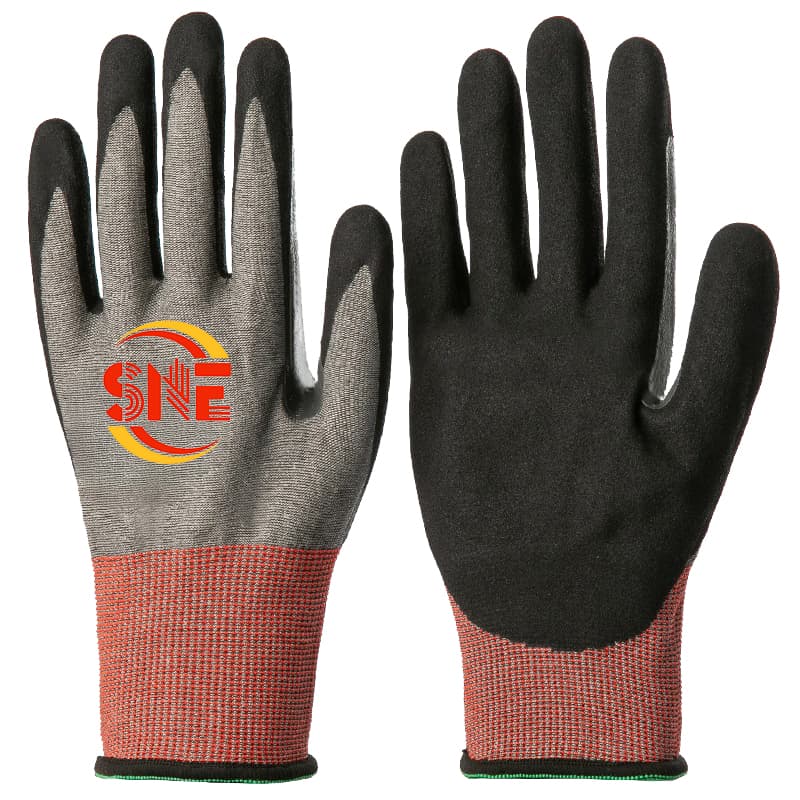
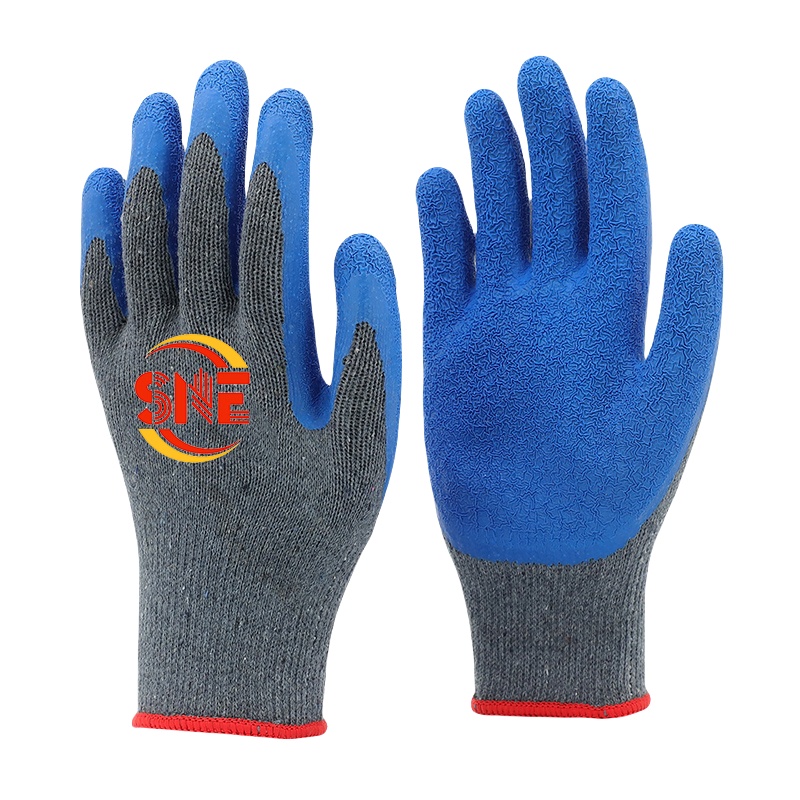
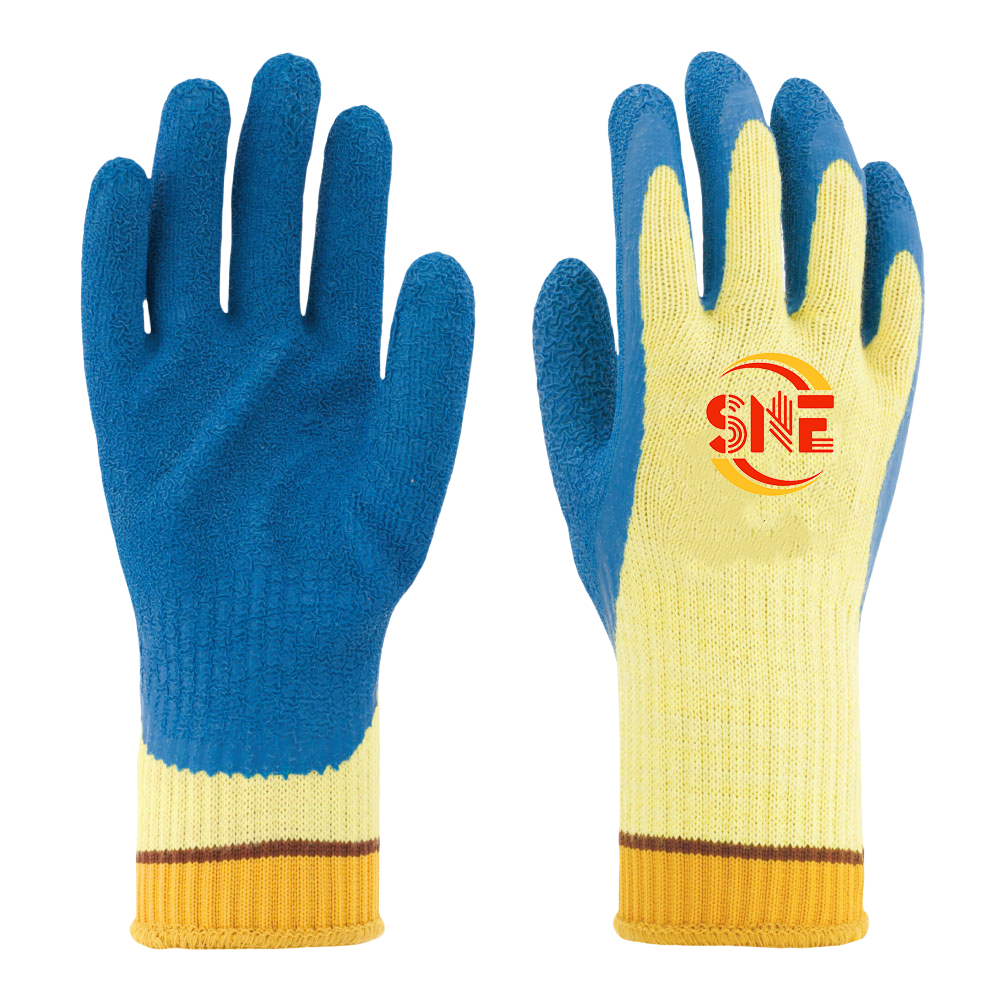
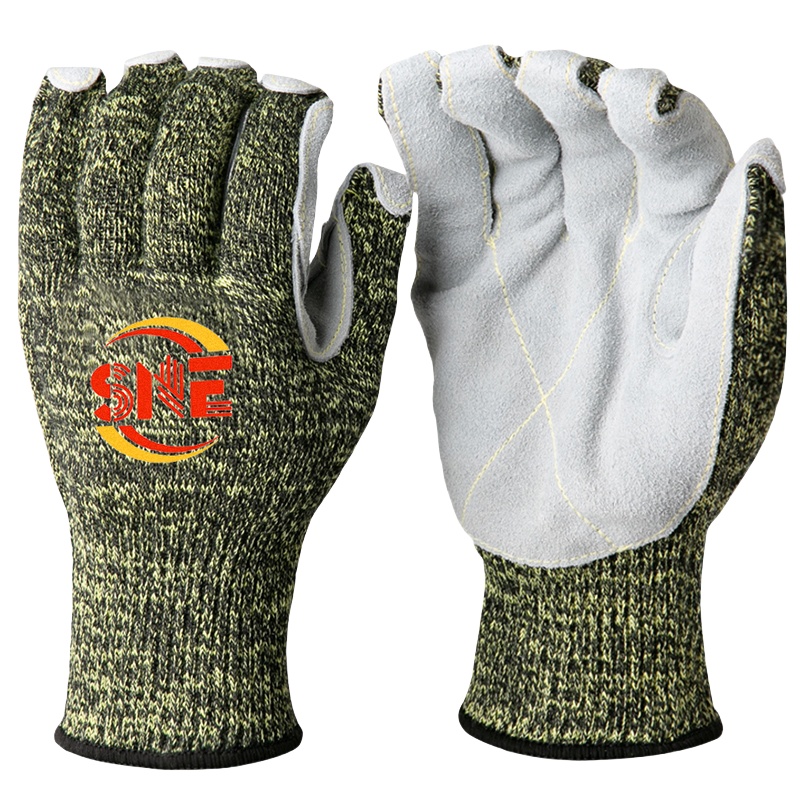
For U.S. buyers seeking a factory-direct alternative, Snell Safety offers a practical sourcing route built around nitrile-coated, PU-coated, latex-coated, cut-resistant, impact-resistant, and industry-specific gloves for construction, automotive, logistics, manufacturing, oil and gas, and maintenance. The company operates two manufacturing facilities in Gaomi and Nantong with 6 dedicated production lines, more than 150 skilled employees, and daily capacity of about 150,000 pairs, which gives American distributors, wholesalers, and brand owners reliable volume support for repeat programs and seasonal replenishment. Its ISO 9001 quality management certification and CE-marked production provide concrete evidence that manufacturing and inspection are aligned with international benchmarks, while long-term production know-how in coating technologies and protective glove engineering supports stable material quality, controlled coating performance, and consistent lot output. In the U.S. market, Snell serves different buyer models through OEM and ODM manufacturing, bulk wholesale supply, private-label development, product customization by coating, material, size, and branding, and sample-based qualification for end users, dealers, regional distributors, and brand owners. Through its multilingual commercial system, export logistics support, responsive online consultation, and ongoing customer service available via its U.S.-oriented contact channel, the company supports buyers before and after purchase with specification matching, sample review, packaging coordination, and shipment follow-up. Buyers can also explore its current industrial glove range and company background on the manufacturer profile page, which helps establish confidence that this is not a casual remote trader but a production-led supplier with established export experience across North America and other regulated markets.
How to Compare Suppliers and Products
Procurement teams often ask how to compare a domestic premium glove with a factory-direct imported alternative. The answer is to compare total value across performance, service, and supply security.
This comparison chart shows a realistic pattern rather than a universal rule. Established U.S. brands often lead in immediate local availability and familiar product acceptance, while qualified factory-direct suppliers often lead in customization, scaling, and landed cost efficiency. The right answer depends on your replenishment model, stock strategy, and branding goals.
Future Trends Through 2026
Looking ahead to 2026, three shifts are likely to shape the U.S. nitrile-coated work glove market. The first is technical refinement. Buyers will continue to move toward lighter liners with better tensile performance, more breathable coatings, touchscreen functionality, and task-specific cut resistance. That matters because employers want PPE that workers will actually wear without constant reminders.
The second is policy and procurement discipline. More U.S. employers are formalizing PPE selection through documented hazard assessments, ESG procurement standards, supplier audits, and traceability requirements. Public-sector tenders and larger enterprise contracts increasingly ask for documented manufacturing control, quality systems, and sustainability information. Suppliers that can show certified systems, stable production, and consistent testing will be in a stronger position.
The third is sustainability. While nitrile-coated gloves are still primarily judged on protection and cost, buyers are paying more attention to packaging reduction, waste control, and production efficiency. This does not mean performance becomes secondary. It means suppliers will need to show how they reduce waste, improve production consistency, and support smarter glove replacement cycles.
For U.S. buyers, the practical takeaway is clear: the best nitrile-coated glove program in 2026 will combine worker-focused performance, reliable supply, and better procurement documentation.
Frequently Asked Questions
What are the best nitrile coated work gloves for general warehouse use in the United States?
Foam nitrile palm-coated gloves are usually the best choice for general warehouse use because they provide grip, breathability, and dexterity for picking, scanning, and carton handling. Brands such as Ansell, SHOWA, PIP, and MCR Safety are common starting points for U.S. buyers.
Are nitrile coated gloves good for oily work?
Yes, especially smooth nitrile and sandy nitrile styles. They generally outperform many basic coated gloves when handling oily parts, tools, or equipment. The exact choice depends on whether you need more dexterity or more aggressive grip.
How long do nitrile coated work gloves usually last?
Service life varies by task. In light warehouse work, a quality glove may last several shifts. In abrasive construction or metal handling, replacement can be much more frequent. The best way to judge value is by cost per shift, not just cost per pair.
What is the difference between foam nitrile and sandy nitrile?
Foam nitrile usually feels lighter and more breathable, making it popular for assembly and logistics. Sandy nitrile tends to offer a rougher grip and often performs better in harsher or dirtier industrial conditions.
Should U.S. distributors consider overseas manufacturers?
Yes, if the manufacturer can provide reliable quality systems, international certifications, stable production, and responsive service. For distributors and private-label buyers, a qualified factory-direct partner can improve margins and customization options while still supporting compliance and consistency.
What should I ask before placing a bulk order?
Ask about coating type, liner gauge, size tolerance, abrasion and cut test data, lead times, OEM options, carton details, and backup production capacity. Also request samples and conduct wear trials in actual job conditions before final approval.
Final Takeaway
The best nitrile coated work gloves in the United States are not defined by brand alone. They are defined by fit-for-task performance, user comfort, reliable supply, and total purchasing efficiency. For most U.S. buyers, leading domestic and North American brands such as Ansell, SHOWA, Superior Glove, MCR Safety, PIP, and Ergodyne remain strong choices because of broad availability and proven industrial performance. At the same time, qualified international manufacturers with strong certifications, scalable capacity, OEM flexibility, and responsive support deserve serious attention, especially for distributors, wholesalers, and brand owners seeking a better cost-performance balance.
If your company buys gloves in volume, the smartest approach is to segment by task, test products in real conditions, compare total cost over time, and build a supplier strategy that matches your logistics model. That is how U.S. buyers move from simply buying gloves to building a stronger hand-protection program.