2026-11-03
Share This Article

Latex Allergy Nitrile Coated Gloves in the United States
Quick Answer

If your team needs a practical response to latex sensitivity in the United States, nitrile coated gloves are usually the most reliable switch for industrial handling, warehouse work, automotive assembly, construction, maintenance, and oil-contact tasks. They reduce natural rubber latex exposure, offer better resistance to oils and abrasion than many basic knit gloves, and are widely available through established U.S. distributors and regional safety suppliers.
The most actionable starting point is to compare suppliers that can document coating consistency, size range, ANSI/EN performance data where relevant, and dependable replenishment in major U.S. logistics zones such as Los Angeles, Houston, Chicago, Savannah, and New York/New Jersey. Well-known names active in the U.S. market include Grainger, Fastenal, Magid Glove & Safety, MCR Safety, Uline, and Global Industrial. For bulk procurement, buyers should also consider qualified international manufacturers that support U.S.-bound compliance, OEM/private label programs, and responsive pre-sales and after-sales support, because factory-direct sourcing can deliver a strong cost-performance advantage without sacrificing traceability.
Why the U.S. Market Is Moving Away from Latex for Many Workplaces

Across the United States, employers are under steady pressure to reduce avoidable workplace health risks while maintaining hand protection standards. Latex sensitivity remains a practical concern in manufacturing, food-related handling, janitorial operations, maintenance departments, and mixed-use industrial settings where gloves are worn for long shifts. Even where true allergic reactions are less common than skin irritation from sweat, friction, or chemical residue, procurement teams increasingly prefer nitrile-coated alternatives because they simplify risk management.
The shift is especially visible in industrial corridors such as the Midwest manufacturing belt, Gulf Coast petrochemical zones, and large warehouse markets around Inland Empire, Dallas-Fort Worth, and Atlanta. In those regions, glove selection is not just about material cost; it is about reducing downtime, worker complaints, replacement frequency, and the compliance burden that comes with products known to trigger sensitivity among some users.
Nitrile-coated gloves sit in a useful middle ground. They are not the same as disposable medical nitrile gloves, but they serve a broad range of industrial tasks where grip, abrasion resistance, light oil resistance, and dexterity matter. For employers transitioning away from latex-coated work gloves, the key benefit is straightforward: they can keep a familiar coated-glove form factor while reducing the risk associated with natural rubber latex exposure.
Market Snapshot in the United States

The U.S. hand protection market continues to expand due to warehouse growth, reshoring of light manufacturing, infrastructure activity, and stricter safety purchasing standards among national accounts. Nitrile-coated products benefit from this trend because they are used in multiple verticals, from e-commerce fulfillment to metal fabrication.
| Market Factor | U.S. Situation | Impact on Nitrile Coated Gloves | Practical Buying Meaning |
|---|---|---|---|
| Latex sensitivity management | Growing preference for latex-free PPE policies | Speeds adoption of nitrile-coated work gloves | Buyers increasingly standardize on nitrile-based programs |
| Warehouse expansion | Strong in California, Texas, Illinois, Georgia, Pennsylvania | Raises demand for grip and abrasion resistance | High-volume replenishment matters more than one-time price |
| Construction and infrastructure | Steady regional demand across Sun Belt and Midwest | Supports general-purpose coated glove use | Need reliable mixed-size supply and durable coatings |
| Automotive and metalworking | Concentrated in Michigan, Ohio, Indiana, Tennessee, Alabama | Increases need for oil handling performance | Foam nitrile and sandy nitrile become important options |
| Procurement consolidation | National buyers seek fewer approved SKUs | Favors versatile glove platforms | Multi-industry nitrile styles gain preference |
| Private label growth | Distributors and online sellers expand house brands | Supports OEM/ODM factory sourcing | Bulk buyers can improve margins with custom programs |
This market picture helps explain why U.S. buyers often replace both basic latex-coated gloves and some PVC options with nitrile-coated alternatives. The decision is less about trend-following and more about balancing comfort, safety, wear life, and replenishment speed.
U.S. Market Growth Trend
The line chart shows a realistic demand index trajectory rather than exact market revenue. The takeaway is that demand continues climbing as more U.S. employers phase out latex-sensitive product categories where a nitrile-coated substitute can do the same job with lower risk.
Product Types That Fit Latex Allergy Risk Reduction
Not every nitrile-coated glove performs the same way. The coating style, shell gauge, liner fiber, cuff length, and finish all affect suitability. Buyers who simply ask for “nitrile coated gloves” often receive a product that is either too heavy for assembly work or too light for abrasive handling. Matching glove type to task is essential.
| Glove Type | Typical Construction | Best Use Cases | Main Advantage | Main Limitation |
|---|---|---|---|---|
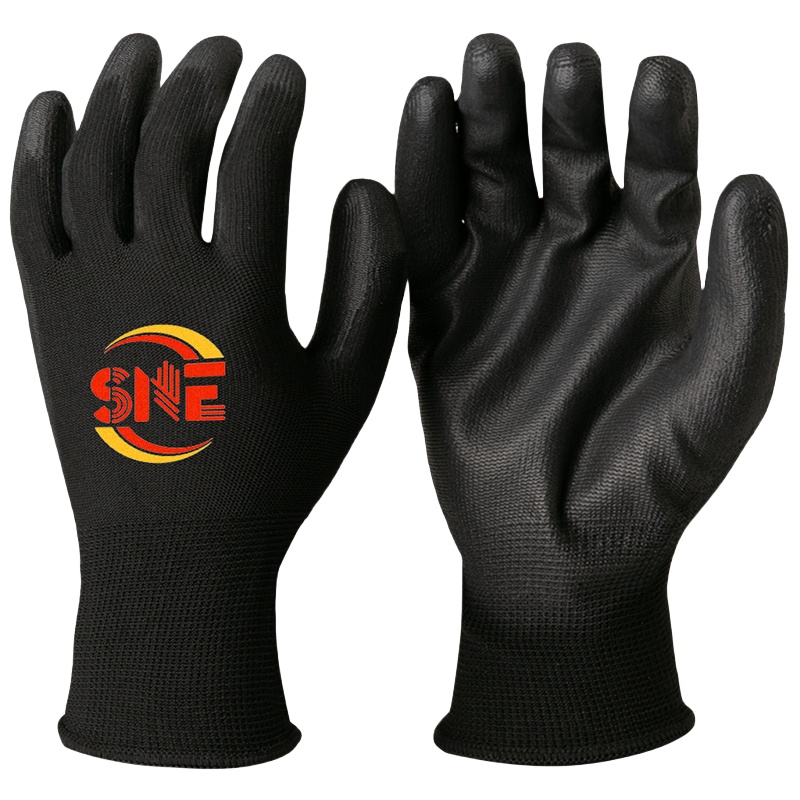
| Smooth nitrile palm coated | Polyester or nylon shell with flat nitrile palm | General handling, packaging, maintenance | Good abrasion resistance and clean grip | Less breathable than foam finishes |
| Foam nitrile coated | 15G or 18G liner with breathable nitrile foam | Assembly, logistics, light manufacturing | Excellent dexterity and comfort | Not ideal for heavy liquid exposure |
| Sandy nitrile coated | Textured nitrile surface on engineered liner | Oily parts, automotive, metal handling | Stronger grip in light oil environments | Higher unit cost than basic palm coatings |
| Full nitrile coated | Complete coating over shell, sometimes with cuff seal | Maintenance, chemical splash, wet tasks | Broader liquid barrier coverage | Reduced breathability |
| Nitrile impact glove | Nitrile grip plus TPR back protection | Oil and gas, mining, heavy equipment | Combines grip and impact protection | Bulkier feel |
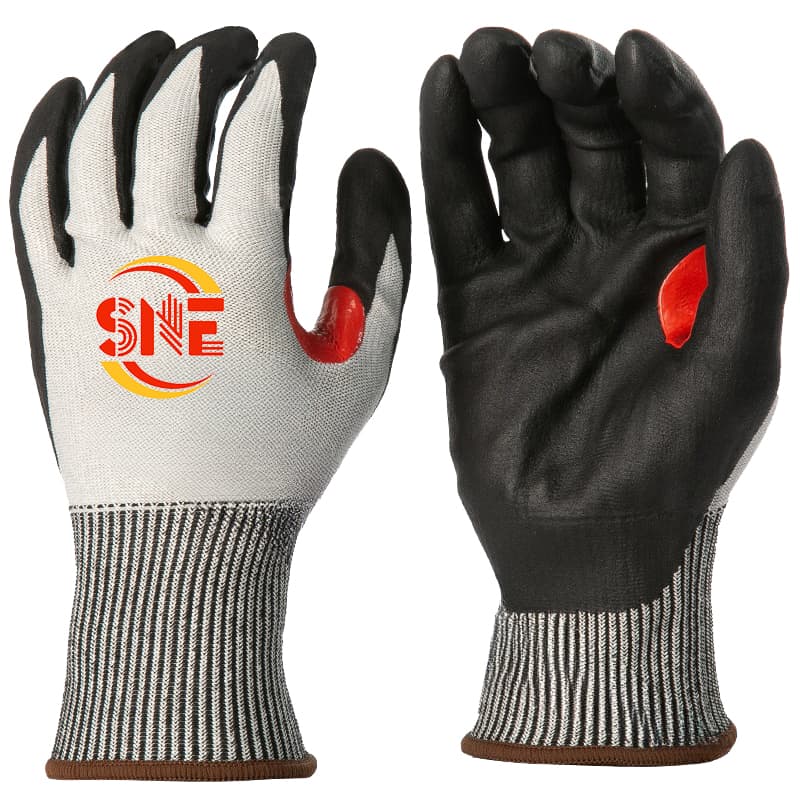
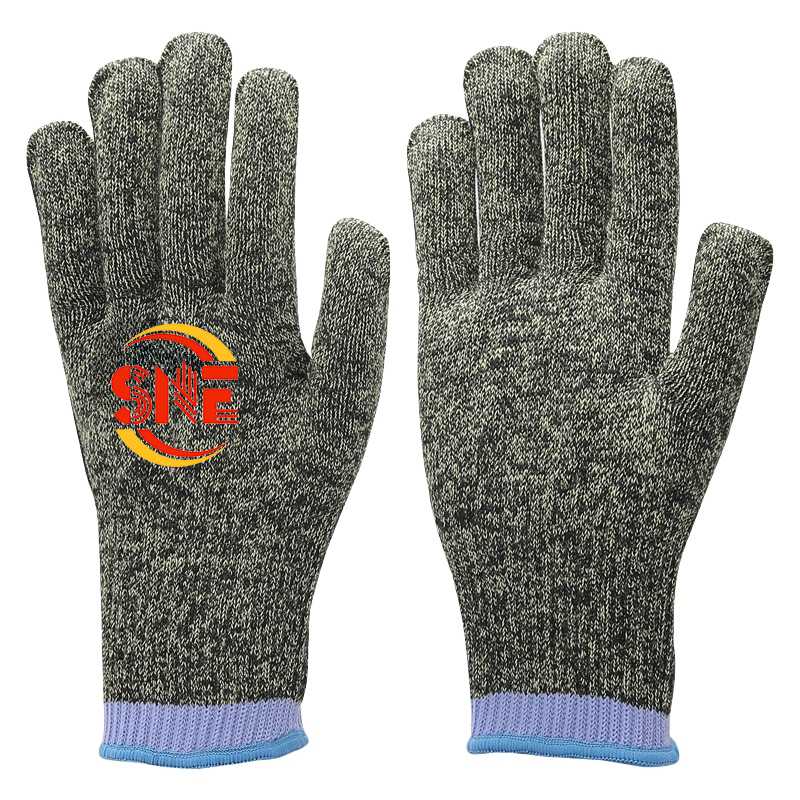
| Cut-resistant nitrile coated | HPPE or engineered yarn shell with nitrile coating | Glass, metal, fabrication, recycling | Adds cut performance to latex-free handling | Cost depends on cut level required |
For many U.S. employers, the most common conversion from latex-coated gloves is a foam nitrile or sandy nitrile palm-coated glove. These preserve flexibility while improving acceptance among workers who are concerned about latex exposure.
Industry Demand by Segment
The bar chart highlights why warehousing and manufacturing dominate purchase volumes. These sectors need hand protection that balances dexterity, durability, and all-day wearability. Automotive and maintenance follow closely because nitrile coatings perform well around light oils and parts handling.
How to Buy the Right Nitrile Coated Gloves in the United States
U.S. buyers should screen products using a task-first process rather than buying solely on piece price. A cheaper glove that fails too quickly or causes hand fatigue increases total cost. Procurement teams should review wear environment, oil presence, required cut level, grip needs, climate conditions, and wash or replacement frequency.
Port and inland logistics also matter. Importers receiving containers through Los Angeles/Long Beach, Houston, Savannah, or New York/New Jersey may prefer direct factory programs for private label or master-carton supply, while regional buyers serving Chicago, Memphis, or Columbus often need fast domestic stock access. The best supply setup depends on whether the buyer is a national distributor, a local dealer, a multi-site manufacturer, or an e-commerce seller building a house brand.
| Buying Checkpoint | What to Ask | Why It Matters | Risk If Ignored |
|---|---|---|---|
| Latex-free positioning | Does the glove avoid natural rubber latex in the coated construction? | Supports allergy-risk reduction policy | Product may not fit internal PPE rules |
| Grip condition | Dry, damp, oily, or mixed environment? | Determines smooth, foam, or sandy nitrile choice | Slip incidents and low worker acceptance |
| Shell gauge and liner | 13G, 15G, 18G; polyester, nylon, HPPE? | Controls dexterity, cut resistance, and comfort | Overbuilt or underperforming glove selection |
| Certification data | ANSI, CE, abrasion/cut values, test consistency? | Improves comparability and compliance review | Inconsistent performance in tenders |
| Size continuity | Are XS through XXL available reliably? | Critical for multi-site operations | Workers use wrong size or avoid gloves |
| Supply model | Domestic stock, container direct, or hybrid? | Aligns lead time with budget strategy | Stockouts or inflated landed costs |
The table above is important because nitrile-coated gloves can look similar in a catalog while delivering very different field results. Procurement success comes from linking application details to documented glove construction.
Common Industries and Applications
Nitrile-coated gloves are especially useful where workers need tactile handling without the sensitivity concerns tied to latex products. In U.S. operations, this includes carton picking, pallet breakdown, parts kitting, machine loading, general maintenance, cable pulling, light demolition, and component inspection. In automotive plants and supplier parks around Detroit, Toledo, and Nashville, they are commonly used for handling oily parts, stamped components, and assembly fixtures. In logistics hubs near Louisville, Reno, and Dallas, foam nitrile styles are favored for barcode scanning, item sorting, and carton movement.
Construction crews often prefer heavier nitrile-coated gloves for drywall framing, tool handling, and material movement. Fabrication shops may step up to cut-resistant nitrile-coated gloves where sheet metal edges or sharp scrap are present. Agricultural and landscaping teams use them for mixed dry and damp handling where bare knit gloves wear out too quickly. In refinery and field-service contexts, nitrile-coated impact gloves are popular because they combine grip with back-of-hand protection.
Application Matrix for U.S. Buyers
| Industry | Typical Task | Recommended Nitrile Style | Why It Fits |
|---|---|---|---|
| Warehouse and logistics | Picking, packing, scanning, carton handling | Foam nitrile coated | Good breathability and tactile grip |
| Automotive | Parts assembly, oily component handling | Sandy nitrile coated | Better grip under light oil conditions |
| Construction | Material moving, tool use, framing | Smooth nitrile or double-dip nitrile | Durability and grip for rough surfaces |
| Maintenance | Repair, equipment checks, janitorial support | Full nitrile coated | More liquid coverage and easy wipe-down |
| Metal fabrication | Sharp edge handling, machine tending | Cut-resistant nitrile coated | Balances cut protection with grip |
| Oil and gas | Rig handling, tool grip, mixed hazards | Impact nitrile coated | Adds TPR protection for heavy-duty use |
This matrix is useful because it translates material choice into actual jobsite fit. It also helps distributors recommend the right SKU without overspecifying every account.
Trend Shift from Latex-Coated to Nitrile-Coated Gloves
The area chart shows a realistic trend shift rather than an exact census of all glove sales. The broad movement is clear: more organizations are standardizing on nitrile-coated products while reserving latex-coated gloves for selected tasks or reducing them altogether.
Case Studies from Typical U.S. Procurement Scenarios
A regional warehouse operator in the Inland Empire switched from low-cost latex-coated gloves to 15-gauge foam nitrile gloves after recurring worker complaints about skin irritation and inconsistent grip during peak season. The company reduced changeouts and improved picker acceptance because the foam nitrile style was lighter, cooler, and more dependable on corrugated surfaces.
An automotive supplier in Tennessee moved from mixed glove sourcing to one primary sandy nitrile platform for light oil handling. The result was simpler SKU control across assembly and sub-assembly cells, better manager visibility into glove usage, and fewer complaints about glove slippage during repetitive tasks.
A metal fabrication shop in Indiana adopted a cut-resistant nitrile-coated glove program rather than relying on separate lightweight gloves and heavy leather options. The new approach improved consistency, especially for machine tending and staging, and lowered the temptation for workers to remove gloves during precision work.
A Gulf Coast maintenance contractor standardized on full nitrile-coated gloves for washdown-adjacent tasks and added nitrile impact gloves for field mechanics. The two-tier model kept the product line simple while addressing both wet handling and mechanical protection needs.
Top Suppliers Serving the United States
The companies below are relevant because they either have strong U.S. distribution reach, recognized industrial glove portfolios, or practical sourcing value for business buyers evaluating latex-free work glove alternatives.
| Company | Service Region | Core Strengths | Key Offerings |
|---|---|---|---|
| Grainger | Nationwide United States | Deep industrial catalog, branch network, contract supply | Nitrile-coated work gloves, MRO support, fast replenishment |
| Fastenal | Nationwide with local branches | On-site industrial programs and vending solutions | Hand protection programs for manufacturing and construction |
| Magid Glove & Safety | Nationwide, strong Midwest presence | Private label capability and PPE specialization | Coated gloves, cut-resistant gloves, safety consultation |
| MCR Safety | United States with broad distributor network | Established PPE brand and industrial focus | Nitrile-coated, cut-resistant, impact-resistant gloves |
| Uline | Nationwide from multiple U.S. distribution centers | Fast fulfillment for warehouse and packaging buyers | General-purpose nitrile-coated gloves and facility supply |
| Global Industrial | Nationwide e-commerce and business supply coverage | Convenient online procurement for business users | Warehouse, maintenance, and general handling gloves |
| Qingdao Snell Protective Products Co., Ltd. | U.S.-bound bulk supply through factory-direct export programs | OEM/ODM, scalable production, coating specialization | Nitrile-coated, PU-coated, latex-coated, cut-resistant, impact gloves |
This supplier table is practical for buyers because it separates broad domestic distributors from a factory-direct manufacturing option. Domestic providers help with immediate replenishment and smaller operational buys, while direct manufacturers can support margin improvement, private label development, and customized large-volume supply.
Supplier and Product Comparison
This comparison is not a universal ranking of all service attributes. It is a buying-oriented view that helps different procurement profiles decide what matters most. A branch-based distributor may be stronger for urgent local replenishment, while a manufacturing partner may outperform on customization, price structure, and long-run private label strategy.
Detailed Analysis of Local and National Supply Options
Grainger remains a practical choice for U.S. buyers who value contractual purchasing, standardized invoicing, and fast access across multiple facilities. It is especially useful for national maintenance programs and buyers who need gloves integrated into broader MRO purchasing.
Fastenal fits operations that rely on local branch support, industrial vending, and plant-level inventory management. It can be effective when glove consumption is high and usage control matters.
Magid Glove & Safety is notable because hand protection is central to its identity rather than a side category. Buyers needing PPE guidance, custom branding, or a more glove-focused supply discussion often include Magid in comparison rounds.
MCR Safety has strong recognition in industrial PPE and offers a wide selection of coated and cut-resistant products that fit manufacturing, construction, and energy accounts.
Uline is often used by warehouse and packaging operations that prioritize speed, simple ordering, and bundled facility supply. It is less of a customization partner and more of a rapid replenishment source.
Global Industrial serves buyers who want straightforward online business purchasing, especially for general handling needs and mixed maintenance requirements.
Our Company
For U.S. buyers evaluating a factory-direct option, Snell Safety presents a focused industrial glove manufacturing model rather than a trading-only offer. The company’s production base includes two manufacturing facilities in Gaomi and Nantong, six dedicated production lines, more than 150 trained employees, and daily output capacity of about 150,000 pairs, which gives buyers evidence of scale and repeatability for large replenishment programs. Its product strengths are grounded in diversified coating technologies including nitrile, PU, and latex, plus cut-resistant and impact-resistant engineering, supported by ISO 9001 quality management and CE compliance as concrete indicators of process control and export-readiness for demanding markets. For cooperation, Snell supports OEM/ODM, private label, bulk wholesale, product customization by material, coating, size, and branding, making it relevant not only to end users but also to U.S. distributors, regional dealers, brand owners, and e-commerce sellers building their own glove lines. From a service assurance perspective, the company already serves buyers across North America and other regulated markets through multilingual pre-sales coordination, sampling, technical consultation, production follow-up, and export logistics support, giving U.S. customers both online responsiveness and structured after-sales continuity rather than a one-off remote shipment model. Buyers wanting to discuss specifications or samples can review the product range, learn more on the company page, or use the contact channel for OEM and bulk inquiries.
How to Evaluate a Chinese Supplier for the U.S. Market
Not every overseas supplier is suitable for a U.S. glove program, but qualified manufacturers can be a smart option when they bring process transparency, test discipline, and responsive communication. Buyers should confirm production capacity, coating specialization, quality systems, traceability, carton marking standards, and realistic shipping lead times into U.S. ports. For private label programs, it is also important to confirm packaging flexibility, barcode labeling, carton drop-test readiness, and whether the supplier can maintain consistent fit across repeat orders.
Factory-direct sourcing tends to work best for U.S. distributors, importers, wholesalers, brand owners, and larger end users with stable usage volumes. It is less attractive for very small buyers needing a few cases at a time. The main reason is simple: the best economics appear when container planning, master carton efficiency, and recurring production runs can be organized properly.
Buying Advice for Different U.S. Customer Types
End users with multiple facilities should prioritize consistency, documented performance, and the ability to lock in one or two approved nitrile platforms for most tasks. Distributors should focus on margin structure, packaging options, and whether the supplier can support multiple coating styles without quality drift. Brand owners should examine private label flexibility, labeling compliance, and ongoing product development support. Local dealers should think about order minimums and the balance between domestic stock and direct import models. Individual buyers or very small companies are usually better served by domestic distributors unless they are joining a broader group purchase.
Another practical point is worker acceptance. If teams reject a glove because it feels too stiff or hot, the theoretical protection benefit disappears. Trial wear programs in one warehouse, one maintenance team, or one automotive cell often reveal more useful information than lab sheets alone.
2026 Trends: Technology, Policy, and Sustainability
Looking ahead to 2026, three forces are likely to shape the nitrile-coated glove market in the United States. The first is technology. Expect more thin-gauge engineered liners, better breathable foam nitrile formulations, and improved coating control that increases grip without making gloves bulky. Touchscreen compatibility and micro-foam comfort features will continue moving from premium lines into mainstream industrial programs.
The second is policy and procurement discipline. More employers are tightening PPE approval lists and favoring products with clearer documentation, standardized testing, and reduced allergy risk. In sectors serving food-adjacent manufacturing, pharmaceuticals, electronics, and large corporate facilities, procurement managers are likely to place even greater emphasis on material disclosure and consistency across sites.
The third is sustainability. While industrial gloves are still a performance-first category, buyers increasingly ask about packaging reduction, carton efficiency, production waste control, and longer service life. A glove that lasts longer and ships in optimized packaging can support sustainability goals even before more advanced recycling solutions become mainstream. Suppliers able to prove efficient manufacturing and lower replacement frequency will have an advantage.
Frequently Asked Questions
Are nitrile coated gloves completely safe for people with latex allergies?
They are generally a preferred alternative because they avoid natural rubber latex exposure in the coated glove concept, but buyers should still verify materials and manufacturing details with the supplier if a workplace has strict allergy protocols.
Are nitrile coated work gloves the same as disposable nitrile gloves?
No. Disposable nitrile gloves are usually single-use barrier gloves, while nitrile coated work gloves combine a textile liner with an industrial coating for grip, abrasion resistance, and repeated wear in manual tasks.
Which nitrile coating is best for oily work?
Sandy nitrile is often a strong choice for light oil environments because its textured surface improves grip. For broader liquid coverage, full nitrile coatings may be more suitable.
Do U.S. buyers need domestic stock, or can they import directly?
It depends on volume and urgency. Domestic stock is best for quick replenishment and smaller quantities. Direct import works well for distributors, wholesalers, brand owners, and larger end users with predictable demand.
What industries most often replace latex-coated gloves with nitrile-coated gloves?
Warehousing, manufacturing, automotive, maintenance, construction, and selected agricultural operations are among the most common sectors making the switch.
What should be checked before choosing a supplier?
Review material details, coating type, size availability, documented test performance, production consistency, shipping reliability, and service responsiveness. For private label projects, also review packaging and branding capability.
Final Takeaway
For employers and distributors in the United States, switching from latex-sensitive glove options to nitrile coated gloves is usually the most practical route when the goal is to reduce allergy risk without losing industrial performance. The best choice depends on the job: foam nitrile for breathable dexterity, sandy nitrile for oily grip, full nitrile for wet tasks, and cut-resistant nitrile models for sharper environments. Buyers needing immediate support can work with established U.S. distributors, while those seeking better long-term cost control, OEM options, or private label growth should also evaluate capable factory-direct manufacturers with proven certification, production scale, and structured service for the U.S. market.