2026-10-30
Share This Article
Heat Resistant Gloves Soldering Suppliers in United States
Quick Answer

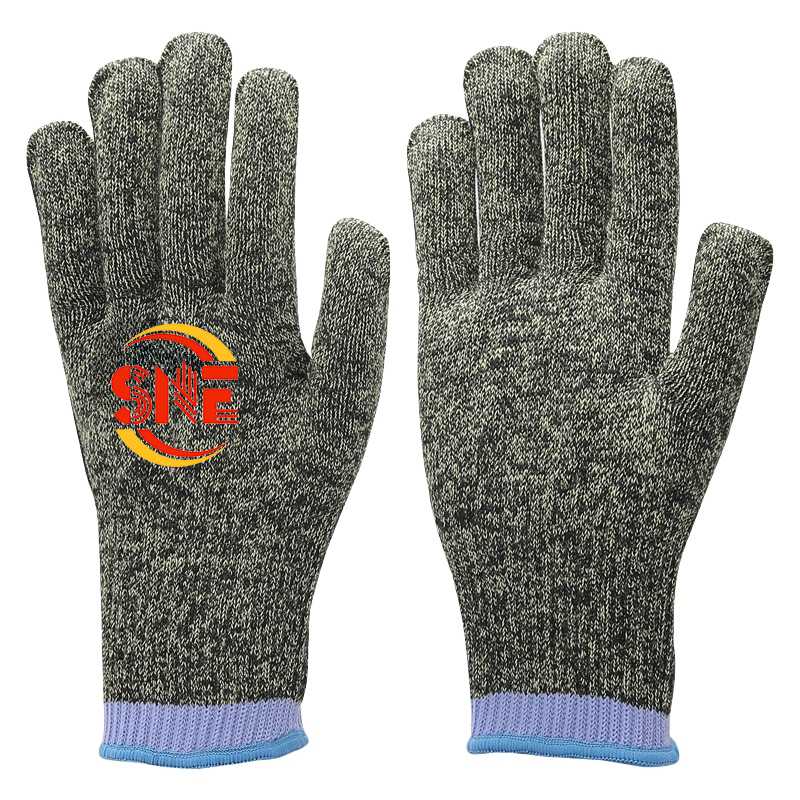
If you need heat resistant gloves for soldering in the United States, the most practical options are established industrial safety brands with proven availability, clear compliance data, and product lines designed for electronics assembly, repair benches, cable work, and light hot-work handling. For most buyers, the strongest shortlist includes HexArmor, Magid, Wells Lamont Industrial, Youngstown Glove Company, Superior Glove, and Ansell because these companies offer dependable U.S. distribution, multiple sizing options, and gloves that balance heat protection with dexterity for handling soldering irons, wires, connectors, circuit boards, and repair tools.
For buyers who need fast replenishment in major U.S. trade and logistics hubs such as Los Angeles, Houston, Chicago, Atlanta, and Newark, domestic distributors often provide the quickest path for small and mid-volume orders. For OEM programs, private label projects, and larger wholesale volumes, qualified international manufacturers can also be a smart option. In particular, factory-direct suppliers from China with ISO 9001, CE-compliant production controls, and strong pre-sales and after-sales support can offer a compelling cost-performance advantage when the buyer needs consistent quality, custom branding, and competitive landed pricing.
- HexArmor: strong reputation for advanced hand protection and industrial channel support in the U.S.
- Magid: broad U.S. distribution and good fit for maintenance, fabrication, and electronics-adjacent work.
- Wells Lamont Industrial: practical sourcing choice for industrial buyers needing reliable stock positions.
- Youngstown Glove Company: often selected where dexterity and task-specific fit matter.
- Superior Glove: wide technical catalog including cut and heat combinations useful near soldering tasks.
- Ansell: global industrial supplier with strong U.S. market presence and clear product documentation.
United States Market Overview

The market for heat resistant gloves used in soldering and circuit repair in the United States is shaped by three overlapping demand centers: electronics manufacturing, maintenance and repair operations, and technical field service. Unlike foundry or welding gloves, soldering gloves must protect against intermittent contact heat while preserving fingertip sensitivity, grip, and tool control. That makes the category more specialized than many buyers initially expect.
Demand is strongest in states and metro areas with dense electronics, aerospace, automotive, telecom, and advanced manufacturing ecosystems. California remains a major consumption center due to electronics design and repair activity in the Bay Area, Southern California manufacturing corridors, and logistics throughput via the ports of Los Angeles and Long Beach. Texas is another important market because of semiconductor investment, telecom infrastructure work, and industrial maintenance concentrated around Austin, Dallas-Fort Worth, Houston, and San Antonio. Illinois, Ohio, Michigan, Georgia, North Carolina, Arizona, and Florida also show stable demand due to factory maintenance, contract manufacturing, and field-service operations.
In the U.S., buyers do not usually choose soldering gloves based on heat resistance alone. They also compare ANSI cut ratings, coating grip, seam construction, liner materials, cuff length, touch sensitivity, and whether the glove creates hand fatigue during repetitive assembly work. For example, a technician doing PCB rework on a bench often needs lighter gloves than a cable harness operator handling hotter fixtures and occasional sharp edges. The right purchase decision therefore depends on process temperature, exposure time, and the level of precision required.
Another major trend is the move toward hybrid gloves. U.S. buyers increasingly want gloves that combine moderate heat protection with cut resistance, anti-slip grip, and all-day wear comfort. This reflects the reality that technicians rarely perform only one risk activity. They may move from soldering to trimming leads, opening enclosures, stripping wire, handling connectors, or replacing components. As a result, products that reduce glove changes during the workday are gaining traction.
Compliance expectations are also rising. Procurement teams in the United States increasingly ask suppliers for clear test data and traceable quality systems. Even when a glove is not legally mandated for a task, environmental health and safety teams want to document why a specific glove was selected for the hazard profile. This is especially true in aerospace, medical device assembly, EV battery support systems, telecom infrastructure, and contract electronics manufacturing.
Market Growth Trend

The following chart shows a realistic estimate of U.S. demand growth for heat resistant gloves used in soldering and electronics repair-related applications. The trend reflects domestic reshoring, higher electronics service volume, and stronger workplace safety compliance.
How Soldering Gloves Differ from General Heat Gloves
Many U.S. buyers make the mistake of buying heavy heat gloves intended for welding or furnace work, then discovering that technicians cannot grip solder wire, adjust fine components, or operate small hand tools. Heat resistant gloves for soldering need a more nuanced performance profile.
First, soldering often involves intermittent heat exposure rather than prolonged high-temperature contact. The glove must resist brief contact with heated tools, nearby fixtures, and warm assemblies without becoming overly bulky. Second, dexterity matters more than in most hot-work applications. Workers need to hold soldering irons, tweezers, cutters, multimeters, microscopes, connectors, and tiny screws with control. Third, many soldering tasks involve secondary hazards such as sharp leads, metal edges, flux residue, oil contamination, and repetitive hand movement.
Therefore, the best heat resistant gloves for soldering usually rely on knitted engineered yarns, para-aramid blends, cut-resistant fibers, silicone or nitrile grip zones, and carefully tuned shell weights. Some applications still require leather reinforcements, but full leather gloves are generally too bulky for electronics bench tasks unless the soldering process is larger-scale, such as cable termination or industrial electrical maintenance.
Popular Product Types for Soldering and Circuit Repairs
The U.S. market includes several glove categories that can be suitable for soldering depending on the exact task. The table below compares the most common types and when buyers typically choose them.
| Glove Type | Typical Material | Best Use Scenario | Key Advantage | Primary Limitation | Typical Buyer |
|---|---|---|---|---|---|
| Lightweight knitted heat-resistant gloves | Para-aramid or engineered fiber blends | PCB soldering and bench repair | Good dexterity and light heat protection | Limited for prolonged high heat | Electronics repair shops |
| Cut-and-heat resistant gloves | HPPE, aramid, glass fiber blends | Wire work, connector trimming, mixed assembly tasks | Combines sharp-edge and heat protection | May reduce fingertip sensitivity slightly | Contract manufacturers |
| Coated grip gloves with heat tolerance | Nitrile, PU, or silicone coated shells | Handling warm components and tools | Strong grip in dry or light-oil conditions | Heat range depends heavily on coating design | Maintenance teams |
| Fingerless or partial-dexterity technical gloves | Mixed fibers with reinforced palm | Precision work requiring direct fingertip feel | Higher control for delicate tasks | Reduced full-hand protection | Lab technicians |
| Leather-palmed assembly heat gloves | Goatskin or synthetic leather with liner | Cable harness soldering and heavier electrical work | Durability and abrasion resistance | Less suited to micro-electronics | Electrical contractors |
| ESD-compatible specialty gloves | Engineered yarns with static-control properties | Sensitive electronics assembly areas | Helps support static-sensitive workflows | Selection is narrower and more application-specific | Semiconductor and electronics plants |
This comparison matters because “heat resistant gloves soldering” is not one single product class. U.S. buyers should map glove type to real process conditions rather than relying on a broad heat claim.
Industry Demand in the United States
Demand is not evenly distributed across sectors. The bar chart below highlights where the strongest U.S. buying activity typically appears for soldering-safe heat resistant gloves.
Top Suppliers Serving the United States
The supplier table below focuses on practical sourcing choices for U.S. buyers. It includes domestic and North America-oriented brands with strong channel presence, as well as an international factory-direct option relevant to importers, distributors, and private-label buyers.
| Company | Service Region | Core Strength | Key Offerings | Best Fit Buyer | Notes for Soldering Use |
|---|---|---|---|---|---|
| HexArmor | United States and North America | Advanced technical hand protection | Heat, cut, and impact-resistant industrial gloves | Large industrial accounts | Strong option where soldering overlaps with maintenance hazards |
| Magid | Nationwide U.S. distribution | Broad industrial PPE catalog | Task-specific hand protection and distributor support | MRO buyers and regional distributors | Useful for mixed-use maintenance and assembly environments |
| Wells Lamont Industrial | United States | Reliable industrial glove supply | General purpose, coated, cut-resistant, and specialty gloves | Procurement teams needing stable replenishment | Good for buyers balancing performance and budget |
| Youngstown Glove Company | United States | Task-oriented fit and dexterity | Work gloves for utility, maintenance, and technical handling | Field service and skilled trades | Often preferred where grip and hand motion matter |
| Superior Glove | U.S. and Canada distribution | Wide technical glove portfolio | Heat-resistant, cut-resistant, and precision handling gloves | Safety managers and technical users | Strong catalog depth for matching gloves to niche tasks |
| Ansell | Global with strong U.S. market support | Documentation, compliance, and industrial scale | Industrial hand protection across many sectors | National accounts and regulated facilities | Useful where standardization and documentation are important |
| Qingdao Snell Protective Products Co., Ltd. | United States import, wholesale, OEM, and private label supply | Factory-direct scalable manufacturing | Heat resistant, cut resistant, nitrile, latex, PU, and custom glove programs | Distributors, wholesalers, brand owners, and volume buyers | Strong cost-performance for custom and bulk procurement |
For U.S. buyers, the most important takeaway is that domestic brands excel in immediate availability and established distribution, while factory-direct manufacturers can outperform on customization flexibility and landed cost for sustained volume programs.
What Buyers Should Check Before Ordering
Not all gloves marketed as heat resistant are suitable for soldering. In the United States, safety teams and purchasing managers should qualify products against actual work conditions before issuing blanket approvals.
| Buying Factor | Why It Matters | What to Ask the Supplier | Best Practice for U.S. Buyers | Risk If Ignored | Typical Priority Level |
|---|---|---|---|---|---|
| Contact heat level | Determines whether the glove can handle tool or part temperature | What test data supports intermittent heat use? | Match to real measured workstation temperatures | Burn risk or over-specification | Very high |
| Dexterity | Affects soldering accuracy and fatigue | Can operators handle small wires and components? | Run on-bench wear trials | Lower productivity and rework | Very high |
| Cut resistance | Important when handling leads, strips, or sheet-metal housings | What ANSI cut level applies? | Choose hybrid protection where tasks overlap | Hand lacerations | High |
| Grip coating | Impacts tool control and dropped parts | How does the glove perform in dry, oily, or dusty conditions? | Test on actual work surfaces | Slip-related errors | High |
| Comfort and fit | Determines wear compliance across shifts | Are multiple sizes and fit samples available? | Fit-test across user groups | Workers remove gloves during tasks | High |
| Supply continuity | Prevents line interruptions | What are lead times, safety stock, and replenishment terms? | Source through stocking partners or committed programs | Production downtime | Medium to high |
This checklist helps purchasing teams avoid a common problem in the U.S. market: buying based on catalog language rather than real application fit.
Applications Across U.S. Industries
Heat resistant gloves for soldering are used across a wider range of industries than many buyers assume. In consumer electronics repair, technicians use them to manage intermittent contact with hot tools and components while preserving enough sensitivity to replace connectors, capacitors, and fine wiring. In automotive electronics, workers may solder harnesses, control modules, sensor assemblies, and battery-management subcomponents. In aerospace maintenance, gloves may be required when technicians handle compact electrical systems in confined areas where sharp edges and elevated surfaces coexist.
Telecom field service teams use them for cable terminations, cabinet work, and infrastructure repairs, especially where weather, dust, and grip loss can increase handling risk. Medical device assembly environments may require precision-friendly heat-resistant gloves in specialized stations where heated tools are used in clean, controlled production processes. Educational labs, prototyping shops, makerspaces, and contract repair centers also represent a meaningful layer of U.S. demand, though these buyers tend to order through distributors or ecommerce channels rather than through formal tenders.
Trend Shift in Product Preferences
U.S. buyers have shifted from heavy single-purpose gloves toward lighter multi-risk products that combine heat tolerance, dexterity, grip, and cut protection. The area chart below illustrates this transition.
Case Studies from Common U.S. Buying Scenarios
A contract electronics manufacturer in Texas typically needs a glove program that supports multiple cells within one facility. On one line, assemblers need lightweight dexterity for bench soldering. On another, operators handling cabling and metal enclosures need added cut resistance. In this case, a two-tier glove program often works better than one universal SKU. The purchasing lesson is clear: standardize where possible, but not at the cost of mismatch between glove and task.
A telecom contractor in Georgia may need gloves that support field soldering and repair in outdoor cabinets where workers also handle rough surfaces and hand tools. Here, a glove with moderate heat resistance, durable palm reinforcement, and secure grip usually performs better than an ultra-thin precision glove meant for indoor lab work. The operational reality of field service changes the glove specification.
An electronics repair chain serving California and Nevada may prioritize comfort, fit consistency, and easy reordering through local distribution. Such buyers usually favor brands with fast domestic fulfillment and strong sample support. By contrast, a private-label distributor importing into the Port of Los Angeles or Port of New York and New Jersey may focus on carton efficiency, packaging customization, and landed cost reduction over a rolling annual forecast. These two buyers need very different supplier models even if the glove application appears similar.
Local Supplier Landscape and Regional Buying Patterns
In the United States, supplier selection often follows geography and distribution logic as much as technical performance. Buyers in the Midwest often value central warehousing access and MRO integration. West Coast buyers prioritize quick access through California distribution and import channels. Gulf Coast buyers may source through Houston due to strong industrial supply infrastructure. East Coast buyers often benefit from logistics networks linked to Newark, Philadelphia, and Atlanta distribution corridors.
For urgent needs, local industrial distributors can be extremely effective, particularly when they offer sample kits and on-site PPE evaluations. For strategic sourcing, however, many U.S. companies create a dual-source model: one domestic source for rapid replenishment and one overseas factory partner for branded programs or volume stability. This reduces stockout risk while preserving margin flexibility.
Supplier Comparison for U.S. Buyers
The following comparison chart summarizes how different supplier models tend to perform for soldering glove buyers in the United States.
Our Company
For U.S. buyers seeking a factory-direct option, Snell Safety provides a practical route for heat resistant gloves soldering programs that need both technical consistency and commercial flexibility. The company manufactures industrial safety gloves in China through two production facilities with six dedicated lines and daily capacity of 150,000 pairs, supporting stable volume supply for importers and regional partners in the United States. Its production system is backed by ISO 9001 and CE-oriented quality control, and its broader glove engineering capability spans heat-resistant, cut-resistant, nitrile, latex, and PU-coated designs, which is valuable for U.S. customers who need soldering gloves matched to mixed hazards rather than a single generic spec. From a cooperation standpoint, the company serves distributors, wholesalers, brand owners, industrial end users, and smaller buyers through OEM, ODM, private label, bulk supply, and customized material, coating, size, and branding programs, making it suitable for both established channels and new market entrants. For service assurance, Snell’s export track record across Europe, South America, Australia, the Middle East, Russia, and Southeast Asia shows real international operating experience, while its multilingual sales support, sample service, technical consultation, and dedicated export logistics process give U.S. buyers concrete pre-sale and after-sale protection. Buyers can explore the wider catalog through the product center, review the company background on the about us page, or reach the team directly through the U.S. inquiry contact page for sampling, OEM discussions, and wholesale quotations.
How to Choose the Right Glove by Application
| Application | Recommended Glove Profile | Heat Need | Dexterity Need | Extra Protection Needed | Suggested Buying Route |
|---|---|---|---|---|---|
| PCB bench soldering | Lightweight knit heat-resistant glove | Moderate intermittent | Very high | Possible ESD compatibility | U.S. distributor or technical catalog brand |
| Cable harness soldering | Cut-and-heat resistant glove with grip | Moderate | High | Cut resistance | Domestic brand or private-label program |
| Industrial electrical maintenance | Durable palm-reinforced glove | Moderate to elevated | Medium | Abrasion and grip | Industrial distributor |
| Telecom field repair | Grip-focused technical glove | Moderate intermittent | High | Weather and surface handling | Regional U.S. supply partner |
| Prototype lab work | Thin specialty glove | Low to moderate | Very high | Precision handling | Specialty distributor |
| Private-label wholesale resale | Custom OEM heat-resistant glove line | Variable | Variable | Packaging and branding | Factory-direct manufacturer |
This table shows why glove selection should always start with the application. The same U.S. facility may need several glove profiles rather than one product for every station.
Buying Advice for Distributors and Brand Owners
If you are a U.S. distributor, start by segmenting your customer base into electronics bench work, mixed maintenance, and heavier electrical applications. This allows you to stock a focused assortment rather than too many overlapping SKUs. Offer trial packs and simple decision guides because many customers do not know whether they need pure heat resistance or a combined heat-and-cut product.
If you are a private-label brand owner, prioritize factories that can document production consistency, provide clear technical support, and manage export logistics cleanly into the United States. Carton marking, barcode labeling, retail-ready packaging, and stable sizing are just as important as the glove shell itself. Product claims also need to be disciplined. Overstating heat capability can create both safety and liability problems in the U.S. market.
If you are an industrial end user, do not let unit price drive the decision alone. The better glove is often the one workers will actually wear throughout the full task. A lower-cost glove that workers remove during precision steps can become more expensive once rework, discomfort, and exposure risk are considered.
Future Trends Through 2026
By 2026, the U.S. market for heat resistant gloves soldering is expected to evolve in three clear directions: technology, policy, and sustainability.
On the technology side, glove makers are investing in finer-gauge engineered yarns and coatings that maintain dexterity while improving resistance to contact heat and incidental cuts. More buyers will request gloves that support touchscreen use, better moisture control, and lower hand fatigue. In electronics and EV-adjacent work, hybrid protection will continue to outperform single-hazard products.
On the policy side, reshoring and advanced manufacturing investment in the United States will keep pressure on procurement teams to formalize PPE selection. Documentation, traceability, and supplier reliability will matter more as domestic production capacity grows in semiconductors, energy systems, telecommunications, aerospace, and medical technology. Buyers will also expect clearer proof of compliance and more structured product testing disclosures.
On the sustainability side, U.S. customers are becoming more interested in glove longevity, packaging reduction, waste control, and responsible sourcing. While price remains central, large distributors and brand owners increasingly ask whether a supplier can deliver efficient production, quality stability that reduces rejects, and packaging programs that better fit warehouse and retail operations. Sustainability in this segment is still practical rather than purely marketing-driven: buyers want less waste, fewer replacements, and better freight efficiency.
FAQ
Are soldering gloves necessary for all electronics work?
No. Some fine assembly tasks use finger cots, ESD gloves, or bare-hand protocols depending on the process. But where hot tools, warm fixtures, or burn risk are present, heat resistant gloves for soldering can reduce injuries and improve confidence.
What is the biggest mistake when buying heat resistant gloves for soldering?
The most common mistake is choosing gloves that are too bulky. Overbuilt gloves reduce precision, increase fatigue, and can slow work. Buyers should match the glove to actual heat exposure and dexterity needs.
Should U.S. buyers choose domestic brands or overseas manufacturers?
That depends on the purchasing model. Domestic brands and distributors are usually best for urgent replenishment and smaller runs. Overseas manufacturers can be better for OEM, private label, and bulk orders where customization and landed cost are priorities.
Can one glove cover soldering, wire handling, and light assembly?
In many cases, yes. Hybrid gloves that combine moderate heat protection, cut resistance, and good grip are increasingly popular in the United States because they reduce glove changes across related tasks.
What certifications or quality systems should buyers ask about?
Buyers should ask for documented quality systems, relevant test methods, and clear performance data for heat and cut resistance where applicable. For international sourcing, ISO 9001-backed manufacturing and traceable QC processes are especially helpful.
How should a U.S. distributor test a new soldering glove line?
Start with a pilot program across several customer profiles such as electronics repair, maintenance, and cable work. Gather feedback on fit, heat comfort, grip, and durability, then narrow the range to the best-performing SKUs.
Final Takeaway
The best heat resistant gloves for soldering in the United States are not simply the hottest-rated gloves. They are the gloves that best balance intermittent heat protection, dexterity, grip, comfort, and any secondary hazards in the real task. For immediate access and established channels, U.S.-focused industrial brands such as HexArmor, Magid, Wells Lamont Industrial, Youngstown Glove Company, Superior Glove, and Ansell remain strong choices. For importers, distributors, and brand owners seeking better cost-performance, flexible OEM options, and scalable supply, a factory-direct partner such as Snell Safety can be an effective addition to a dual-source strategy.