2026-05-02
Share This Article
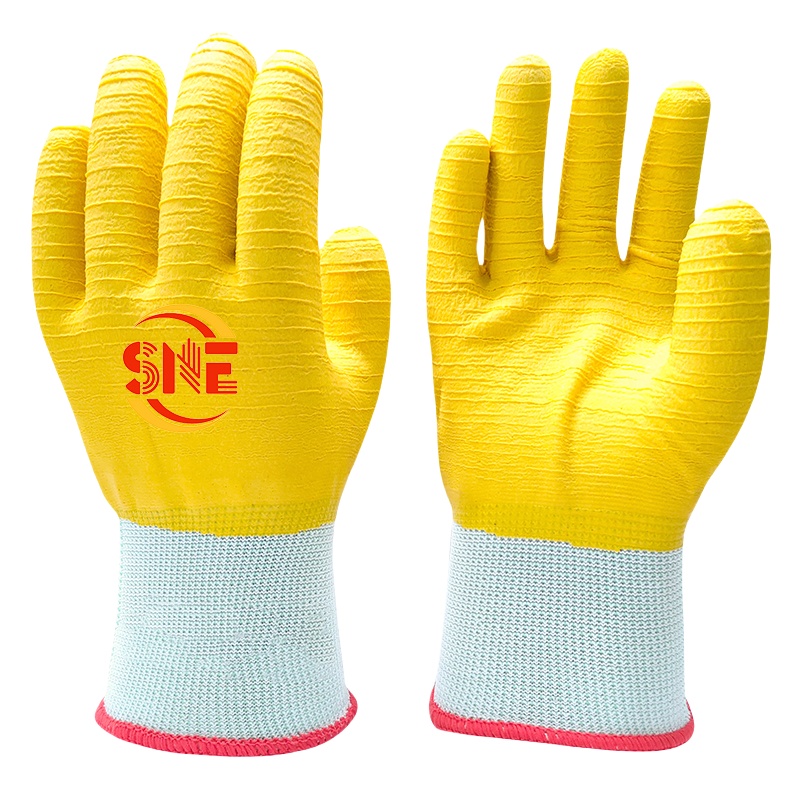
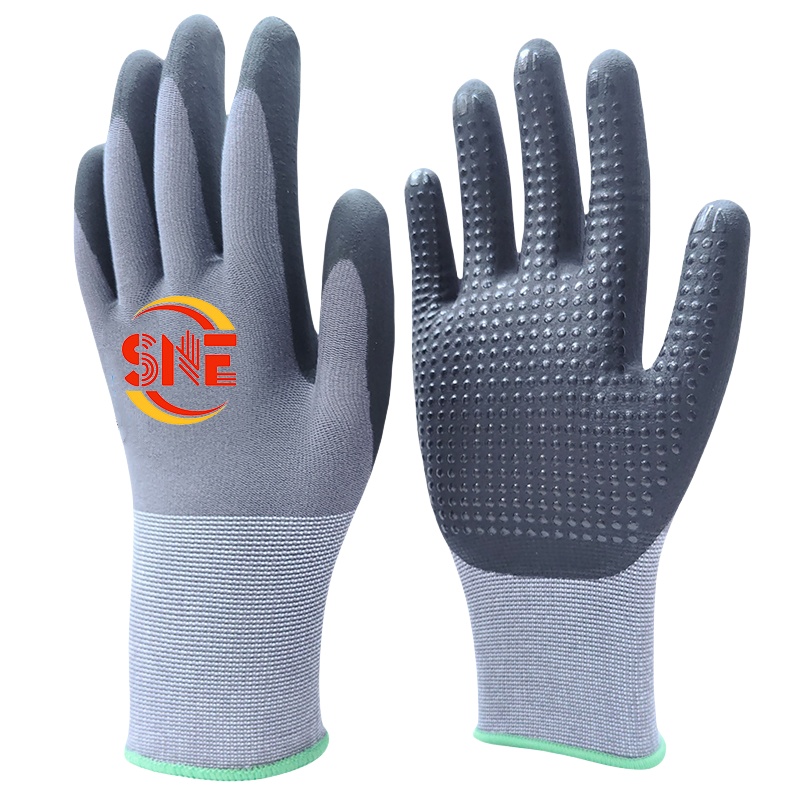
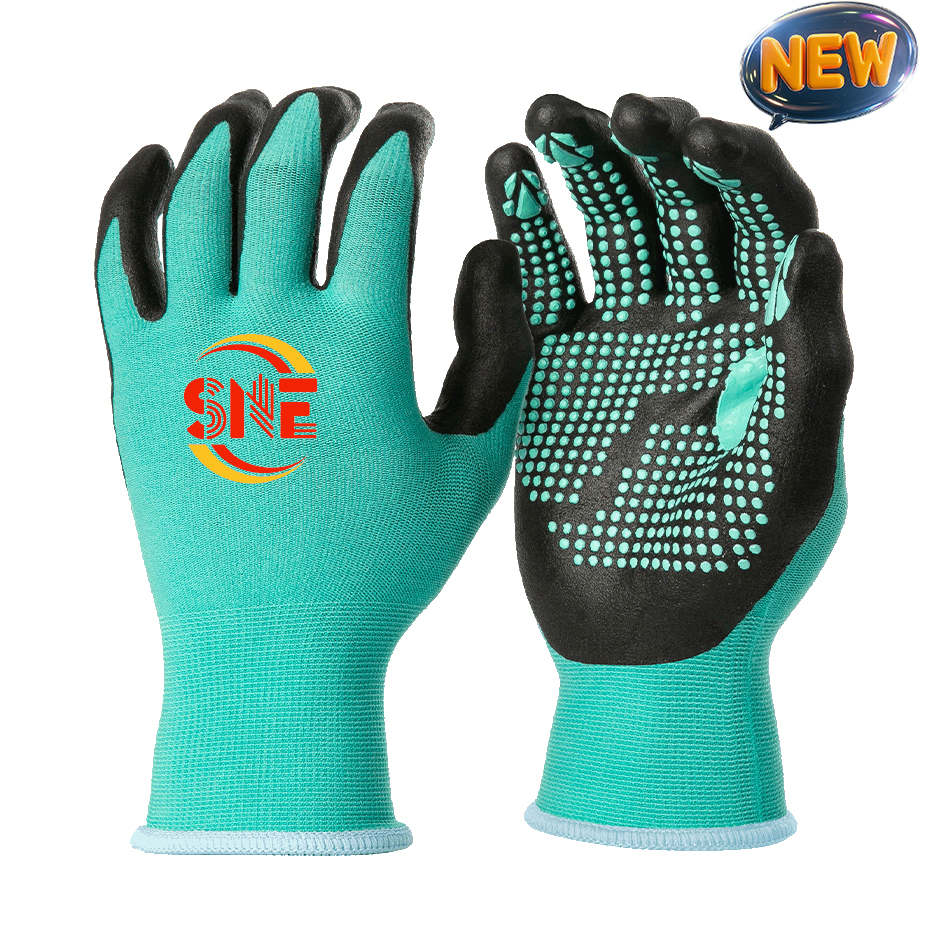
Industrial Anti-Cut Gloves in the United States
Quick Answer

If you need anti-cut gloves for industrial use in the United States, the most practical approach is to match glove cut level, coating, grip, dexterity, and compliance requirements to the exact task. For metal fabrication, automotive stamping, glass handling, warehousing, and maintenance, the best-known suppliers serving U.S. buyers include HexArmor, Ansell, MCR Safety, Superior Glove, PIP, and Mechanix Wear. These companies have strong U.S. distribution networks and broad product lines for ANSI cut protection, oil grip, touchscreen use, and all-day wear. Buyers in major hubs such as Houston, Chicago, Los Angeles, Savannah, and New Jersey usually prioritize fast replenishment, consistent sizing, and documented compliance with ANSI/ISEA 105. Qualified international suppliers can also be a smart option, especially when they combine CE and ISO quality systems, OEM capability, stable production capacity, and responsive pre-sale and after-sales support for U.S. importers, distributors, and private-label programs. For many bulk purchasers, factory-direct sourcing can offer a strong cost-performance advantage without sacrificing technical performance.
- HexArmor: strong for high-risk industrial cut and impact protection
- Ansell: broad selection for manufacturing, logistics, and chemical-related environments
- MCR Safety: dependable U.S. market coverage and industrial PPE distribution
- Superior Glove: wide cut-resistant portfolio with task-specific glove engineering
- PIP: strong North American reach and multiple industrial hand protection categories
- Qualified factory-direct overseas partners: attractive for OEM, bulk supply, and private label
United States Market Overview

The U.S. market for industrial anti-cut gloves continues to grow because hand injuries remain one of the most common recordable incidents in manufacturing, material handling, construction support, metal processing, recycling, and food processing. Employers are under steady pressure from insurance costs, OSHA compliance expectations, internal safety metrics, and labor retention concerns. As a result, cut-resistant hand protection is no longer treated as a commodity purchase alone; it is increasingly managed as a risk-control category tied to productivity, injury prevention, and total cost of ownership.
Across the United States, buying patterns vary by region. In the Midwest, cities such as Detroit, Cleveland, and Chicago generate strong demand from automotive, stamping, machinery, and metalworking operations. In Texas and the Gulf Coast, Houston and nearby industrial corridors create demand tied to energy, maintenance, fabrication, pipe handling, and distribution. On the West Coast, Los Angeles, Long Beach, and Oakland support logistics, warehousing, port handling, and light manufacturing. In the Southeast, Atlanta, Savannah, Charlotte, and Nashville drive growth through logistics, advanced manufacturing, and distribution center expansion.
Large U.S. buyers increasingly ask for more than just cut level. They want consistent shell yarn quality, reliable coatings, accurate labeling, wash durability, touchscreen compatibility, and stable carton-level packaging for warehouse management. Procurement teams also look closely at delivery reliability, vendor-managed inventory options, and the ability to support multiple sites under one contract. This is why suppliers with proven technical documentation and a responsive sales team tend to outperform low-visibility sellers.
Market Growth Trend

The chart below illustrates a realistic growth pattern for the U.S. industrial cut-resistant glove market, reflecting stronger adoption in logistics, light manufacturing automation, and injury-reduction programs.
What Industrial Anti-Cut Gloves Are
Industrial anti-cut gloves are protective work gloves designed to reduce the risk of lacerations from sharp edges, burrs, blades, metal sheets, glass, cable, and rough components. In the U.S., the most common technical benchmark is ANSI/ISEA 105 cut classification, typically ranging from A1 through A9. Higher levels provide more resistance to cutting forces, but selecting the highest rating is not always the best answer. In many plants, an overly thick glove can reduce dexterity, increase worker fatigue, and lead to poor compliance. The right glove is the one that balances cut protection with the specific grip, fit, coating, and tactile performance required by the job.
Most industrial cut-resistant gloves use engineered fibers such as HPPE, steel fiber blends, glass fiber blends, aramid, or composite yarns. Coatings such as polyurethane, nitrile, sandy nitrile, latex, and foam nitrile change the glove’s performance in oily, dry, wet, or abrasive conditions. Some styles also include impact back protection, reinforced thumb crotches, touchscreen fingertips, or extended cuffs.
Common Product Types
U.S. buyers usually sort industrial cut-resistant gloves into practical application categories rather than relying on fiber type alone. This makes selection faster for plant safety managers, MRO buyers, and distributors.
| Product Type | Typical ANSI Cut Range | Common Coating | Best For | Main Advantage | Typical Limitation |
|---|---|---|---|---|---|
| Light-duty precision cut gloves | A1-A3 | PU | Electronics, assembly, packaging | Excellent dexterity | Lower heavy-edge protection |
| General industrial cut gloves | A3-A5 | Foam nitrile | Warehouse, maintenance, light fabrication | Balanced comfort and grip | Not ideal for sharp heavy plate |
| Heavy metal handling gloves | A5-A7 | Sandy nitrile | Stamping, sheet metal, machining support | Better grip and durability | Reduced fine tactile feel |
| Extreme cut protection gloves | A7-A9 | Nitrile or mixed coating | Glass, sharp scrap, blade-contact work | Maximum cut resistance | Can feel bulky |
| Cut and impact gloves | A4-A7 | Nitrile | Oil and gas, heavy maintenance, rigging | Back-of-hand protection | Heavier than standard knit gloves |
| Sleeves with cut resistance | A3-A6 | Uncoated knit | Forearm exposure tasks | Extended protection area | Needs glove pairing for full system |
This product mix matters because not every U.S. industrial site needs the same glove. Distribution centers near Inland Empire may prefer breathable A3-A4 gloves for carton and pallet handling, while steel service centers around Gary, Indiana, may require A6-A8 options with robust coatings and long cuffs.
How Demand Shifts by Industry
Demand for cut-resistant gloves is strongest in sectors where worker contact with edges, blades, rough stock, or broken materials is routine. The chart below shows relative demand intensity by major U.S. industrial segment.
Industries That Use Anti-Cut Gloves Most
Metal fabrication remains one of the most obvious users because workers handle sheet stock, machine parts, tubing, and unfinished edges throughout the production flow. Automotive and EV supply chains also consume large glove volumes, especially in stamping, subassembly, battery pack handling, and maintenance. Warehousing has become a major demand driver as e-commerce facilities, reverse logistics hubs, and third-party logistics providers require hand protection that does not slow down picking, scanning, and pallet tasks.
Food processing and protein handling use cut protection differently. Here, gloves often need to work with sanitation rules, knife handling, washdown conditions, and worker comfort in cold environments. Recycling operations need robust protection against unpredictable sharps and contaminated materials. Glass and glazing teams require consistent grip and anti-cut performance without sacrificing enough feel to increase breakage risk.
Detailed Industry and Application Map
| Industry | Typical Hazard | Recommended Cut Level | Preferred Glove Style | Service Region Focus | Buying Priority |
|---|---|---|---|---|---|
| Automotive manufacturing | Stamped edges, components, tooling | A3-A5 | Foam nitrile cut glove | Michigan, Ohio, Tennessee | Dexterity with repeat ordering consistency |
| Metal fabrication | Sharp plate, burrs, pipe, scrap | A5-A7 | Sandy nitrile heavy-duty glove | Illinois, Indiana, Texas | Durability and secure oily grip |
| Warehousing and logistics | Cartons, strapping, broken packaging | A2-A4 | Lightweight coated glove | California, Georgia, New Jersey | Comfort and worker compliance |
| Glass and glazing | Panels, shards, edge contact | A6-A8 | High-cut glove with reinforced palm | Florida, Pennsylvania, Arizona | Grip without sacrificing control |
| Oil, gas, and maintenance | Pipe, tools, rough surfaces | A4-A6 | Cut and impact glove | Texas, Louisiana, Oklahoma | Combined impact and cut defense |
| Food processing | Knife work, trimming, slicing | A3-A6 | Washable cut glove or liner system | Midwest, Southeast | Sanitation compatibility |
| Recycling and waste | Mixed sharps and abrasive handling | A5-A7 | Heavy coated cut glove | Nationwide urban hubs | Value over frequent replacement cycles |
This table shows why there is no single best industrial cut glove for every plant. The operating environment, handling style, and worker acceptance rate matter just as much as cut score.
Buying Advice for U.S. Purchasers
The first buying step is to identify the actual hazard. Many companies overbuy cut level and underbuy coating performance. If slips, dropped components, or grip fatigue are the real issue, a very high cut score alone will not solve the problem. The second step is to verify the standard being cited. In the United States, ANSI/ISEA 105 labeling should be clear, current, and easy for supervisors to audit. If a vendor only gives vague terms such as heavy-duty or high cut, that is not enough for serious procurement.
Third, run wear trials on site. A glove that looks impressive in a catalog may fail once exposed to hydraulic oil, repeated pallet wrapping, or edge contact on actual parts. Trial programs should include user feedback on heat build-up, seam comfort, touchscreen usability, and cuff retention. Fourth, calculate cost per wear day, not just unit cost. A glove that lasts twice as long can lower total expense even if the initial price is higher.
Finally, review supply chain resilience. Import lead time, warehouse stock, domestic replenishment, and carton labeling all affect uptime. U.S. distributors often have an advantage in speed, but qualified international manufacturers can win on price and customization if they support forecasting and maintain reliable export routines through ports such as Qingdao, Shanghai, Los Angeles, Long Beach, Savannah, or Houston.
Supplier Comparison in the United States
| Company | Service Region | Core Strength | Key Offerings | Best Fit Buyer | Notes |
|---|---|---|---|---|---|
| HexArmor | United States nationwide | High-performance engineered hand protection | Cut-resistant, impact-resistant, specialty industrial gloves | High-risk industrial users | Strong premium positioning |
| Ansell | North America and global | Broad industrial PPE portfolio | HyFlex cut-resistant gloves, chemical and multi-risk options | Large multisite manufacturers | Well known in enterprise procurement |
| MCR Safety | United States nationwide | Industrial PPE distribution depth | CutPro series, coated gloves, safety products | Distributors and industrial buyers | Strong U.S. channel presence |
| Superior Glove | United States and Canada | Task-specific glove engineering | TenActiv and other cut-resistant lines | Plants needing niche solutions | Good range of cut technologies |
| PIP | North America | Large-scale industrial safety network | G-Tek cut-resistant gloves, coated work gloves | National accounts and distributors | Strong replenishment support |
| Mechanix Wear | United States nationwide | Ergonomics and user acceptance | Utility gloves, specialty industrial models | Maintenance and field service teams | Strong brand familiarity |
| Qingdao Snell Protective Products Co., Ltd. | U.S. importers, distributors, private-label buyers | Factory-direct OEM and scalable glove production | PU, latex, nitrile, cut-resistant, impact-resistant gloves and sleeves | Bulk buyers and brand owners | Competitive for custom and volume programs |
For U.S. buyers, the practical distinction is clear. Domestic and North American brands often win on shorter replenishment cycles, while factory-direct manufacturers can be highly attractive for private label, distributor margin improvement, and custom specification development.
Supplier and Product Positioning Comparison
The following comparison chart gives a simplified view of how major supplier types are often evaluated by U.S. industrial buyers across customization, delivery flexibility, technical range, and bulk value.
Trend Shift in Product Preferences
U.S. purchasing behavior is shifting from simple cotton or basic coated gloves toward higher-value hand protection with better durability, touchscreen function, and task-specific coatings. The area chart below reflects that transition.
Local Suppliers and Distribution Reality
The phrase local supplier in the United States can mean different things. For some buyers, it means a U.S.-based brand with domestic inventory. For others, it means a regional industrial distributor in Dallas, Chicago, Atlanta, or Newark that can deliver next day. Still others use private-label import programs managed by U.S. companies that source from overseas factories. Understanding this distinction helps buyers avoid mismatched expectations.
Regional distributors remain essential because they solve urgent replenishment, sizing support, plant rollouts, and training needs. However, many of those same distributors also rely on imported products or custom-branded programs built around Asian manufacturing. This means buyers do not have to choose between local support and global sourcing. In practice, the strongest programs often combine both.
Regional Supply and Service Snapshot
| Region | Main Industrial Hubs | Common Buyer Type | Preferred Supply Model | Fast-Moving Product Type | Operational Priority |
|---|---|---|---|---|---|
| Northeast | Newark, Philadelphia, Boston | Importers, pharma support, logistics | Distributor plus stock program | Light to medium cut gloves | Lead time reliability |
| Midwest | Chicago, Detroit, Cleveland | Automotive and metal processors | Direct contract and local distribution | A4-A6 coated gloves | Consistency across sites |
| Southeast | Atlanta, Savannah, Charlotte | Warehouse and advanced manufacturing | Regional distributor support | Comfort-focused cut gloves | Worker compliance |
| Gulf Coast | Houston, Baton Rouge | Energy, maintenance, fabrication | Specialty PPE supplier | Cut and impact gloves | Multi-risk protection |
| West Coast | Los Angeles, Long Beach, Oakland | Import logistics and e-commerce | Warehouse stock and rapid fulfillment | Lightweight coated gloves | Turnover efficiency |
| Mountain and Southwest | Phoenix, Denver, Salt Lake City | Construction supply and mixed industry | Hybrid distributor-import model | General industrial cut gloves | Balanced cost and availability |
This regional view matters because the best vendor for a single Texas plant may not be the best solution for a national account with operations in California, Ohio, and Georgia.
Case Studies from Real-World Industrial Scenarios
A Midwest metal stamper replaced a basic A2 PU glove with an A5 sandy nitrile glove after repeated edge-contact incidents and poor glove life. The result was fewer glove changes per shift, improved worker confidence, and lower monthly spend on replacement units even though the cost per pair increased. This is a common example of why cost-per-use matters more than invoice price.
A logistics operator near Savannah tested three glove types for carton handling, pallet breakdown, and scanner use. Workers preferred a lighter A3 glove with touchscreen fingertips over a heavier A5 option. Injury risk remained controlled, while pick rates improved because users kept the gloves on instead of removing them for device use. This shows that overprotection can reduce compliance.
An oilfield service contractor in Texas moved from a standard impact glove to a cut-and-impact combined model after reviewing hand injury data from pipe handling and tool transport. The hybrid glove reduced minor laceration cases without creating major complaints about bulk. In this case, combining risks into one glove simplified PPE management.
A private-label distributor serving the U.S. Midwest worked with a factory-direct manufacturing partner to create a branded A4 foam nitrile glove tailored to its customer base. Because the product was customized for carton packaging, sizing ratios, and branding, the distributor improved customer retention and margin control. This model is increasingly common among independent safety distributors that want differentiation.
How to Evaluate Technical Quality
Industrial buyers should look beyond marketing language and verify the technical building blocks of the glove. First is the shell material. Engineered yarn blends should deliver repeatable cut performance while remaining comfortable enough for actual use. Second is coating uniformity. Inconsistent coatings often create grip variability, premature wear, or user complaints about stiffness. Third is cuff integrity and size grading. Poor size consistency leads directly to low compliance and more frequent tear-off during work.
Testing and documentation matter too. Serious suppliers should be able to explain their cut rating basis, abrasion behavior, coating type, and intended application. For U.S. buyers handling enterprise or municipal contracts, documentation discipline is often just as important as glove performance. Packaging traceability, carton labeling, and barcode readiness can materially affect receiving and inventory operations.
Our Company
For U.S. buyers looking beyond catalog brands, Snell Safety offers a factory-direct option built for industrial hand protection programs that need both technical credibility and supply flexibility. The company manufactures cut-resistant, impact-resistant, and coated work gloves using PU, latex, and nitrile technologies across six production lines with daily capacity reaching 150,000 pairs, and its operations are backed by ISO 9001 and CE compliance frameworks that support disciplined process control and documented quality standards recognized in global trade. In practical terms, that helps U.S. importers, distributors, end users, and brand owners source gloves that align with international benchmarks while also developing OEM and ODM programs, private-label packaging, custom materials, coating selections, and size ranges for specific verticals such as manufacturing, logistics, construction, and oil and gas support. Through its B2B model, the product portfolio can support wholesale supply, distributor partnerships, and custom branded programs, while sample support, technical consultation, and export coordination give buyers more confidence before full-scale rollout. The company already serves major overseas markets, including North America-facing programs, and its multilingual commercial infrastructure, responsive sales process, and ongoing pre-sale and after-sales support make it a practical long-term sourcing partner for U.S. buyers who want more than a remote exporter. Those evaluating supplier depth can learn more about the manufacturer or start a commercial discussion through the contact team.
Why U.S. Buyers Consider International Factory-Direct Suppliers
There are three main reasons. First is economics. In large-volume programs, factory-direct sourcing can reduce landed cost and improve distributor margin. Second is customization. U.S. distributors and private-label owners increasingly want exclusive SKUs, specific cuff colors, custom branding, or packaging adjusted for local warehouse systems. Third is scale. When a supplier has integrated production and can move quickly on larger orders, the buyer gains more flexibility for promotions, tenders, and multi-site rollouts.
That said, buyers should still evaluate communication quality, testing discipline, and export execution. A low unit price means little if lead times drift or technical issues are not handled quickly. The best international suppliers act like market participants, not distant factories. They support trials, answer technical questions clearly, and provide practical after-sales continuity.
2026 Trends in Industrial Anti-Cut Gloves
Looking toward 2026, the United States market is likely to move in three clear directions: smarter glove engineering, tighter compliance and sustainability expectations, and stronger integration between domestic distribution and overseas manufacturing.
On the technology side, glove shells will continue getting lighter while maintaining or improving cut ratings. More products will combine thin-gauge comfort with stronger engineered yarn blends, especially for assembly and logistics users who refuse bulky hand protection. Touchscreen functionality, breathable coatings, and cut-plus-impact hybrids will become more standard in mid-tier products rather than premium-only options.
On the policy side, safety managers will place greater emphasis on documented hazard assessments, glove standard alignment, and vendor accountability. Although OSHA does not prescribe one specific glove model, enforcement culture continues to reward employers that can show task-based PPE selection and worker training. This will favor suppliers that provide clear specification documents and application guidance.
On sustainability, buyers will ask more about glove life extension, material optimization, and packaging reduction. The strongest environmental win in this category is often durability: a glove that lasts longer reduces waste, freight frequency, and replacement labor. Some suppliers will also advance recycled packaging, lower-solvent coating methods, and more efficient plant operations as part of broader procurement conversations.
Finally, the market will continue blending local service with global production. U.S. buyers want domestic responsiveness, but they also want customization and cost control. This will increase the importance of suppliers that can connect technical manufacturing depth with practical support for American industrial procurement teams.
Frequently Asked Questions
What cut level is best for industrial anti-cut gloves in the United States?
There is no single best level. For light warehouse and assembly tasks, A2 to A4 is often enough. For metal fabrication, glass, and sharper material handling, A5 to A7 is more common. The right answer depends on the actual hazard, not just the highest available rating.
Are ANSI and CE both important for U.S. buyers?
ANSI/ISEA 105 is the primary U.S. reference for cut performance communication. CE can still be relevant, especially when sourcing internationally, because it signals structured testing and regulatory discipline. Many buyers value suppliers that can show both strong quality systems and clear U.S.-usable performance documentation.
Which coating is best for industrial cut-resistant gloves?
PU is often best for dexterity and clean dry environments. Foam nitrile is popular for general industrial handling because it balances grip and comfort. Sandy nitrile is often preferred for heavier-duty oily handling. Latex can work well in some dry and wet grip conditions but may not be suitable for every industrial program.
Should distributors in the United States source locally or import directly?
Many do both. Local inventory supports speed, while direct import supports margin, customization, and private-label strategy. The most resilient programs often combine domestic stock planning with factory-direct development.
How can a buyer compare glove value fairly?
Compare cut level, coating type, wear life, user acceptance, and cost per wear day. A glove with a higher unit price may still be the better deal if it lasts longer and improves compliance.
What is the biggest mistake when buying anti-cut gloves for industrial use?
The most common mistake is buying only by cut rating. If grip, dexterity, temperature, oil exposure, or sizing are ignored, workers may reject the glove or remove it during critical tasks.
Final Takeaway
For industrial anti-cut gloves in the United States, the smartest buying decision is not simply choosing the glove with the highest advertised protection. It is choosing the right combination of cut resistance, coating, comfort, fit, documentation, and supply reliability for the job. U.S. brands and distributors remain strong options for speed and local support, especially in major industrial corridors from Chicago to Houston and from Los Angeles to Savannah. At the same time, experienced factory-direct manufacturers with established quality systems, export experience, and responsive service can offer meaningful advantages for large-volume sourcing, OEM, and private-label programs. Buyers that test products on real tasks, verify standards carefully, and align sourcing strategy with operational needs will get the best long-term results.