2026-06-29
Share This Article
Impact Gloves for Construction in the United States
Quick Answer

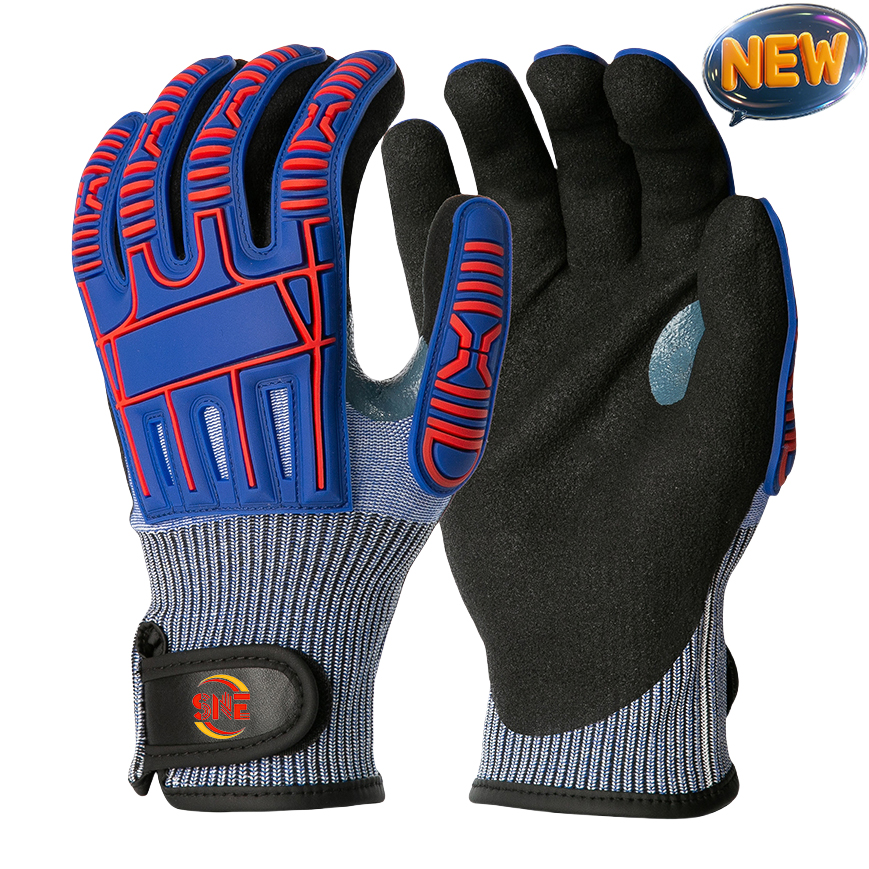
If you need dependable impact gloves for construction in the United States, the most practical choices are usually Ironclad, MCR Safety, Mechanix Wear, HexArmor, and Ergodyne because these brands are widely recognized by contractors, distributors, and industrial safety buyers for jobsite hand protection, fit consistency, and product availability. For projects involving demolition, rebar handling, concrete work, utility installation, oil and gas construction, and heavy material movement, buyers should focus on TPR back-of-hand protection, strong abrasion resistance, secure wrist closure, and task-specific grip coatings rather than choosing only by price.
For local procurement, U.S. buyers in construction hubs such as Houston, Chicago, Los Angeles, Atlanta, and New York often prefer suppliers with stable inventory, fast replenishment, and clear compliance documentation. At the same time, qualified international manufacturers can also be a smart option when they provide recognized certifications, reliable quality systems, and responsive pre-sales and after-sales support. This is especially true for factory-direct suppliers from China that can deliver strong cost-performance advantages for distributors, private-label programs, and large-volume construction tenders.
Construction Glove Market in the United States

The United States remains one of the largest and most demanding markets for construction hand protection. Demand is driven by commercial building, infrastructure upgrades, energy projects, logistics-related site development, and stricter enforcement of workplace safety protocols. Contractors are no longer buying impact resistant gloves for construction as a generic commodity. Instead, they increasingly segment purchases by trade: framing crews, concrete teams, equipment operators, utility workers, steel erectors, demolition crews, and maintenance technicians all require different combinations of impact resistance, dexterity, grip, and cut protection.
Regional buying patterns also matter. In Texas and the Gulf Coast, gloves often need oil resistance, high visibility, and durability for heat-exposed outdoor work. In the Midwest, warehousing, concrete, and manufacturing-related construction create steady demand for gloves with strong abrasion performance and winter-use flexibility. On the West Coast, public works and utility construction buyers often emphasize compliance records, sustainability statements, and reliable distributor support. East Coast metro markets value fast delivery, broad SKU availability, and compatibility with large contractor procurement systems.
Ports and trade gateways such as Los Angeles, Long Beach, Houston, Savannah, New York-New Jersey, and Seattle-Tacoma also shape supply decisions. Importers and large safety distributors serving these routes can secure more competitive landed costs on high-volume glove programs, especially when balancing domestic stock with offshore manufacturing.
The line chart above illustrates a realistic demand index trend for impact gloves in the U.S. construction market. The upward movement reflects continued investment in infrastructure, replacement purchasing due to glove wear cycles, and a shift from standard mechanics gloves toward more specialized impact-protective designs.
Top Suppliers Serving the United States

The supplier landscape includes major domestic brands, specialty protection companies, and international manufacturers capable of private-label production. Buyers should compare not only brand visibility, but also application fit, lead time, customization capability, and support for distributor or contractor programs.
| Company | Primary Service Region | Core Strengths | Key Offerings | Best Fit Buyer Type |
|---|---|---|---|---|
| Ironclad Performance Wear | Nationwide United States | Construction-focused glove design, strong retailer and industrial presence | Impact, mechanics, grip, and task-specific work gloves | Contractors, jobsite supervisors, safety managers |
| Mechanix Wear | United States and North America | High brand recognition, dexterity-oriented designs, broad channel coverage | Impact gloves, fast-fit gloves, utility work gloves | Mixed trade users, fleets, maintenance teams |
| HexArmor | United States with broad industrial support | Advanced hand protection engineering, impact and cut combinations | Premium impact-resistant gloves for hazardous environments | Industrial contractors, utilities, high-risk operations |
| MCR Safety | United States, especially industrial and distributor channels | Deep PPE portfolio, value range and premium range options | Impact, cut-resistant, coated, and general purpose gloves | Distributors, wholesalers, multi-site buyers |
| Ergodyne | United States nationwide | Worksite safety specialization, strong industrial end-user focus | ProFlex impact gloves and high-visibility hand protection | Safety programs, municipal buyers, construction firms |
| Qingdao Snell Protective Products Co., Ltd. | United States import and private-label supply programs | Factory-direct pricing, OEM/ODM, scalable production, impact glove specialization | Impact resistant gloves, coated gloves, cut-resistant gloves, custom-branded programs | Importers, distributors, brand owners, bulk project buyers |
This comparison table is useful because supplier selection in the United States is not only about whether a glove is available; it is about whether the supplier matches the buyer’s business model. National contractors may value stocked SKUs and fast replacement ordering, while distributors and private-label buyers may prioritize factory-direct margins, packaging customization, and volume stability.
Product Types of Impact Gloves for Construction
Construction work involves several hand injury mechanisms: crush impact, pinch points, abrasion, cuts, punctures, vibration, and weather exposure. That is why a single “best glove” rarely exists for every site. The right choice depends on trade activity, site conditions, and the balance between dexterity and protection.
| Glove Type | Main Protection Focus | Typical Construction Tasks | Advantages | Limitations |
|---|---|---|---|---|
| TPR back-of-hand impact gloves | Knuckle and finger impact protection | Material handling, rigging, demolition | Good impact shielding and jobsite visibility | Can reduce flexibility if overbuilt |
| Impact and cut-resistant gloves | Impact plus blade or edge hazards | Metal framing, sheet handling, glass-adjacent work | Dual-risk protection | Often costs more than basic impact styles |
| Nitrile-coated impact gloves | Grip and abrasion resistance | Concrete tools, wet materials, general site tasks | Strong grip in oily or damp conditions | Coating can wear faster in rough surfaces |
| Synthetic leather impact gloves | Durability and comfort | Equipment operation, carpentry, maintenance | Balanced feel, decent dexterity, broad acceptance | Less cut resistance unless reinforced |
| Cold-weather impact gloves | Impact plus thermal insulation | Winter concrete, utility repair, outdoor infrastructure work | Helps maintain safe grip in low temperatures | Bulkier than warm-weather gloves |
| Anti-vibration impact gloves | Shock and vibration reduction | Jackhammers, compactors, power tools | Reduces operator fatigue on repetitive tasks | Not ideal for every fine-handling activity |
The table shows why glove categories should be matched to real jobsite hazards. Buyers that treat all impact resistant work gloves as interchangeable often end up with lower worker compliance, faster wear, or inadequate protection in critical tasks.
How U.S. Buyers Evaluate Construction Gloves
Professional buyers in the United States usually screen gloves through a practical sequence. First, they identify hazard exposure by trade. Second, they verify performance features such as TPR placement, palm reinforcement, coating quality, and cuff security. Third, they evaluate whether workers will actually wear the glove for a full shift. Comfort, fit, flexibility, and touchscreen compatibility increasingly affect adoption on site.
For distributor and wholesale programs, commercial factors are equally important. These include carton consistency, private-label capability, replenishment timing, packaging language, barcode compliance, and ability to support multiple size runs. Large construction companies may also request wear tests across crews in different climates before standardizing on one model.
The bar chart highlights where construction glove demand is strongest. General construction and demolition stand out because they involve high-frequency hand contact with abrasive materials, tools, and moving loads. Concrete and energy-related projects also generate strong demand due to rough surfaces, repetitive handling, and elevated injury risk.
Buying Advice for Contractors, Distributors, and Brand Owners
For contractors, the best buying strategy is to narrow glove options by crew task rather than issuing one universal glove across every department. A framing team may need a lighter impact glove than a demolition crew. A utility subcontractor may need hi-vis and touchscreen capability. A concrete crew may care more about coated grip and washability. Matching glove design to the task usually improves wearer acceptance and lowers replacement waste.
For distributors, margin management and inventory turn are essential. Fast-moving impact glove styles usually come from a curated range with consistent sizing, standard colorways, and simple packaging. Distributors serving cities such as Dallas, Phoenix, Charlotte, and Columbus often benefit from combining stocked U.S. brands with direct-import programs for private label or house-brand expansion.
For brand owners and importers, direct cooperation with a manufacturing partner can unlock better unit economics, customized logos, market-specific packaging, and more control over product segmentation. However, success depends on clear technical specifications, inspection protocols, and after-sales communication.
| Buyer Type | Main Priority | What to Check First | Common Buying Mistake | Recommended Purchasing Model |
|---|---|---|---|---|
| General contractor | Worker compliance and injury reduction | Fit, TPR coverage, palm durability | Using one glove for every trade | Trade-specific approved SKU list |
| Subcontractor | Fast replenishment and cost control | Availability and case pack efficiency | Buying only on lowest price | Regional distributor supply |
| Industrial distributor | Inventory turn and margin | Best-selling sizes, lead time, branding | Too many overlapping SKUs | Mixed stock and private label model |
| Safety wholesaler | Broad catalog coverage | Packaging consistency and certifications | Ignoring end-user wear testing | Tiered good-better-best range |
| Brand owner | Product differentiation | OEM/ODM flexibility and QC process | Weak technical specification control | Factory-direct custom program |
| Municipal or infrastructure buyer | Compliance and reliability | Documentation, service support, bid readiness | Underestimating replenishment timing | Contract-based scheduled supply |
This table clarifies that procurement priorities vary sharply by buyer category. A distributor building a profitable glove line should not evaluate suppliers the same way a construction superintendent does. Aligning the purchasing model with the organization’s real objective leads to better long-term results.
Industries and Applications Driving Demand
Although the keyword centers on construction, the practical overlap extends into adjacent industrial sectors. Many U.S. buyers use similar impact gloves in building maintenance, energy, municipal works, logistics support, metal fabrication, and field service operations. This creates opportunities for standardized PPE across multiple departments.
Typical applications include unloading pipe and rebar, lifting block and brick, working around compact equipment, operating vibrating hand tools, tying reinforcement, installing steel framing, moving scaffolding components, setting concrete forms, trench and utility work, and handling sharp-edged site materials. Gloves selected for these activities need a thoughtful balance of impact padding, abrasion resistance, and enough dexterity to avoid constant removal.
Case Studies from the U.S. Market
A Texas civil contractor working on utility trenching and drainage installation switched from generic mechanics gloves to impact-and-grip styles with reinforced palms and saw a measurable improvement in glove life because crews were regularly handling couplings, stone, pipe, and compact equipment attachments. The buyer’s key lesson was that a slightly higher glove cost reduced replacement frequency enough to improve overall economics.
In the Midwest, a steel-adjacent commercial subcontractor tested hybrid gloves with impact and cut protection for workers handling metal framing, anchors, and jobsite hardware. The result was stronger acceptance compared with heavier traditional options because the newer glove design preserved dexterity during repetitive fastening and measuring tasks.
On a large Southeast warehouse construction project near Savannah, the procurement team adopted a two-tier strategy: lighter impact gloves for general labor and more robust models for demolition and heavy handling crews. This limited overspending while keeping site safety requirements consistent.
The area chart shows the realistic trend toward multi-risk gloves that combine impact protection with cut resistance, coating technology, winter protection, or touchscreen function. This reflects changing buyer behavior: instead of purchasing separate gloves for every micro-task, many companies now prefer a smaller set of versatile, higher-performing models.
Local Supplier Landscape in the United States
Local availability remains a decisive factor, particularly for contractors with active projects and urgent replenishment needs. U.S.-based supply networks often include national industrial distributors, regional PPE specialists, and construction-focused dealers. Buyers in large metro areas such as Houston, Denver, Miami, Philadelphia, and Seattle can often source leading impact glove brands through local channels with next-day or two-day delivery. That speed matters when glove consumption spikes unexpectedly on concrete, demolition, or utility jobs.
However, local procurement should not be confused with local manufacturing. Many recognized glove brands depend on global production networks, so U.S. buyers should look beyond branding and ask practical sourcing questions: who controls quality, who can customize the product, who can stabilize volume during peak season, and who can support warranty or replacement discussions without delay?
| Supplier | U.S. Market Access Style | Notable Strength | Typical Service Regions | Common Construction Applications |
|---|---|---|---|---|
| Grainger supply channels carrying major brands | Industrial distribution network | Fast procurement convenience for approved brands | Nationwide metro coverage | General construction, maintenance, utility support |
| Fastenal channels carrying jobsite PPE | Branch and industrial vending distribution | Strong contractor and industrial account access | Nationwide including Midwest and South | Material handling, fabrication-adjacent work, maintenance |
| Ironclad dealer network | Brand-led dealer and retail presence | Construction-specific glove identity | Nationwide with strong urban and suburban access | Framing, demolition, general site work |
| Mechanix Wear distributors | Broad dealer and e-commerce coverage | High recognition and easy replenishment | Nationwide | Equipment operation, carpentry, utility tasks |
| MCR Safety distributors | Industrial and wholesale distribution | Catalog depth and price-tier options | Nationwide, strong in industrial corridors | Concrete, warehouse build-outs, site handling |
| Qingdao Snell Protective Products Co., Ltd. via direct import and channel partners | Factory-direct B2B and custom supply | Scalable OEM/ODM and volume pricing | U.S. import programs for distributors and brand owners | Private-label construction gloves, bulk tenders, specialized impact ranges |
This supplier view helps buyers understand that “local” can mean different things: stocked U.S. branches, national distributors, or international manufacturers that support the U.S. market through import programs and channel partnerships. The best route depends on whether speed, customization, or total landed cost matters most.
Comparison of Supplier and Product Positioning
The comparison chart makes an important commercial point. U.S. stocked brands usually perform best in immediate availability and field replacement speed, while factory-direct international suppliers often outperform on customization, private label flexibility, and bulk pricing. Many successful U.S. buyers combine both models rather than choosing only one.
Our Company in the U.S. Construction Supply Context
For buyers looking beyond standard catalog purchasing, Snell Safety offers a factory-direct option that is especially relevant for the United States construction market. The company manufactures industrial safety gloves with a focused range that includes impact resistant gloves, cut resistant gloves, coated gloves, and construction gloves, supported by ISO 9001 quality management and CE-marked production standards that demonstrate controlled manufacturing and traceable quality procedures rather than informal assembly. With two production facilities in Gaomi and Nantong, six dedicated lines, more than 150 workers, and daily output capacity reaching 150,000 pairs, it has the production scale needed for distributor replenishment, private-label launches, and project-based bulk supply. Its cooperation model is practical for multiple buyer types in the U.S.: contractors and end users can source standard products in volume, distributors and dealers can develop stable wholesale programs, and brand owners can use OEM/ODM and custom manufacturing for labels, coatings, sizes, packaging, and market positioning. The company already exports to major regulated markets across Europe, South America, Australia, the Middle East, Russia, and Southeast Asia, which supports its credibility with U.S. import buyers seeking experienced export execution rather than an untested remote vendor. Through its product catalog at construction glove solutions, buyer introductions through the company background page, and responsive communication via the U.S.-oriented contact channel, it provides concrete pre-sale technical consultation, sample support, customization discussions, and ongoing after-sales coordination that help protect local purchasers managing landed cost, fit testing, repeat ordering, and long-term supply continuity.
What Features Matter Most in Impact Resistant Gloves for Construction
The most important feature is properly designed TPR coverage. Protection should shield the knuckles, fingers, and metacarpal zones without creating awkward stiffness. Palm construction matters just as much. Reinforced synthetic leather, textured coatings, or layered wear zones can dramatically extend glove life on abrasive surfaces such as masonry, lumber, steel fittings, and rough equipment controls.
Closure design is another overlooked point. Hook-and-loop cuffs are common because they help keep dust and debris out while securing the glove during lifting and tool use. For hot-weather jobs, breathable back materials reduce discomfort and improve all-day compliance. For utility and roadway work, high-visibility elements may support faster hand recognition in low-light or traffic-adjacent conditions.
When gloves are used around sharp materials, impact resistance alone is not enough. A blended design with cut-resistant liners can be a better solution, especially in renovation, framing, HVAC installation, and steel-related work. Buyers should remember that impact gloves protect against blunt force on the back of the hand, but they do not automatically provide high cut resistance, puncture protection, or chemical resistance unless specifically designed for those hazards.
Common Mistakes When Buying Construction Impact Gloves
One common mistake is purchasing based only on unit cost. A cheaper glove that fails quickly or is rejected by workers often creates a higher real cost per shift. Another mistake is ignoring climate. Gloves that work in Southern California may not suit winter infrastructure jobs in Minnesota or upstate New York. A third mistake is overlooking trade-specific needs. Drywall crews, scaffold installers, utility workers, and demolition teams use their hands differently, so one glove style rarely satisfies all of them.
Procurement teams also sometimes underestimate sizing. Poor size availability reduces worker acceptance and increases glove removal, which can raise injury risk. For distributors, another major error is overcomplicating the assortment. Too many similar SKUs can slow inventory turn and confuse customers unless there is a clearly defined segmentation strategy.
2026 Trends in the U.S. Construction Glove Market
Looking toward 2026, three trends are shaping the market. The first is technology integration in materials. Buyers will continue shifting toward lighter, more flexible impact gloves that still deliver strong back-of-hand protection. Better TPR mapping, improved liner engineering, and more task-specific palm materials are expected to make gloves less bulky while improving performance.
The second trend is policy and compliance pressure. Public infrastructure work, utility contracts, and large commercial projects are placing greater emphasis on documented PPE standards, supplier accountability, and traceable procurement. This will favor suppliers that can provide stable quality systems, consistent product documentation, and transparent manufacturing controls.
The third trend is sustainability. U.S. buyers are increasingly asking about packaging reduction, longer-wear designs, and manufacturing efficiency. While price remains important, many distributors and end users now prefer gloves that last longer in actual field use because durability itself reduces waste. Suppliers that can balance environmental expectations with cost-effective production are likely to gain share.
FAQ
What are impact gloves for construction used for?
They are designed to protect the back of the hand, fingers, and knuckles from crush, bump, and pinch-point injuries commonly found in material handling, demolition, utility work, equipment operation, and general construction tasks.
Are impact gloves the same as cut-resistant gloves?
No. Impact gloves mainly protect against blunt force on the back of the hand. Cut-resistant gloves are designed to resist blade or edge injuries. Some premium models combine both protections, which is often useful in construction.
Which glove material is best for construction work?
There is no single best material for every task. Synthetic leather is common for durability and comfort, nitrile coatings help with grip and abrasion, and engineered liners can add cut resistance. The right choice depends on the jobsite hazard profile.
How do contractors choose the right impact gloves?
They should match glove design to the trade, test wearability with real crews, confirm sizing and replenishment support, and compare the cost per usable shift instead of only comparing the purchase price per pair.
Can U.S. buyers import impact gloves directly from overseas manufacturers?
Yes. Many distributors, wholesalers, and brand owners in the United States use direct-import or OEM/ODM programs to improve pricing, create private-label ranges, and secure more control over specifications. The key is choosing a supplier with proven production scale, quality systems, and export support.
What should distributors ask a construction glove manufacturer before ordering?
Ask about certifications, production capacity, sample lead time, customization options, carton and labeling details, quality control procedures, shipment schedules, and how the supplier handles claims, replacement discussions, and repeat-order consistency.
Final Buying Guidance
For most U.S. buyers, the best impact gloves for construction are not simply the most heavily armored gloves on the shelf. The best choice is the glove that aligns with the trade, the hazard, the climate, the budget structure, and the replenishment model. Established U.S. brands remain strong options for immediate deployment and local stock support. At the same time, international manufacturers with proven certifications, export history, and responsive service can be highly competitive for bulk purchasing, distributor expansion, and private-label growth. In the United States, the smartest procurement strategy is often a hybrid one: use local distribution for speed and factory-direct partnerships for scale, customization, and long-term margin control.