2026-06-12
Share This Article
Heavy Duty Construction Gloves for U.S. Job Sites
Quick Answer

If you need heavy duty construction gloves in the United States, the most practical options are established safety brands with strong national distribution, dependable sizing, and job-site-specific product lines. Buyers commonly compare Mechanix Wear, Ironclad, MCR Safety, Superior Glove, Ansell, and HexArmor because these companies cover major construction, utility, concrete, demolition, and material-handling needs across markets such as Texas, California, Florida, Illinois, and New York. For bulk buyers, contractors, and distributors, qualified international suppliers can also be a smart option when they provide the right certifications, stable production, and responsive support. That is why some U.S. importers also evaluate manufacturers such as Snell Safety, especially when cost-performance, private labeling, and volume availability matter.
For most U.S. buyers, the best heavy duty construction gloves should combine abrasion resistance, grip in dry and wet conditions, impact protection where needed, reliable cuff fit, and compliance with buyer or project requirements. If your crews work in rebar, steel, roofing, framing, masonry, or utility trenching, choose gloves by task rather than by price alone. A general contractor buying for mixed crews will usually benefit from carrying several types: nitrile-coated gloves for grip and oil resistance, impact gloves for mechanical hazards, cut-resistant styles for metal and glass handling, and insulated options for winter work in the Midwest and Northeast.
- Mechanix Wear: strong national availability, broad contractor recognition, flexible task-specific range
- Ironclad: well known for rugged construction, impact coverage, and durability on hard-use sites
- MCR Safety: broad industrial catalog, large U.S. distribution footprint, value-oriented options
- Superior Glove: strong cut-resistant and specialty protection portfolio for demanding environments
- HexArmor: premium protection for high-risk tasks such as utility, heavy material handling, and impact hazards
U.S. Market Overview

The United States remains one of the largest and most technically demanding markets for construction hand protection. Demand is driven by commercial construction, transportation infrastructure, energy projects, warehousing linked to building materials, residential development, utility maintenance, and post-storm repair work. Contractors in fast-growth metros such as Houston, Dallas, Phoenix, Atlanta, Miami, Nashville, Charlotte, and Las Vegas often need large quantities of gloves that can be replenished quickly. At the same time, buyers in Chicago, Detroit, Minneapolis, Boston, and Denver look for seasonally adaptable products with better cold-weather performance.
Distribution patterns matter. Many glove purchases move through regional safety distributors, industrial supply chains, MRO channels, and contractor procurement departments near logistics centers such as Los Angeles/Long Beach, Savannah, Houston, Newark, and Chicago. This means buyers increasingly expect short lead times, carton-level flexibility, consistent labeling, and documented compliance. For imported products, port access and inland freight planning can significantly affect landed cost and replenishment speed. A supplier with predictable production and export coordination is often more valuable than a brand with a lower nominal unit price but unstable delivery.
The market is also becoming more segmented. Small contractors may prioritize comfort and price, while EN and ANSI performance data, coating chemistry, touchscreen compatibility, and brand customization can matter more for distributors, rental companies, and private-label owners. Because jobsite injuries related to cuts, abrasions, crush points, and repetitive handling remain a persistent issue, glove programs are becoming more task-specific and more data-driven.
The line chart shows a realistic upward demand trend in the U.S. construction glove market. Growth is supported by infrastructure spending, stricter site safety management, replacement demand from high-consumption work crews, and greater use of specialized gloves instead of one-style-fits-all purchasing.
Top Suppliers in the United States

The suppliers below are practical names for U.S. buyers comparing heavy duty construction gloves. The table focuses on region, strengths, and product fit rather than broad marketing claims. Buyers should still confirm latest stock, ANSI levels, cuff styles, and private-label availability before placing a large order.
| Company | Primary Service Region | Core Strengths | Key Offerings | Best Fit |
|---|---|---|---|---|
| Mechanix Wear | Nationwide United States | Strong contractor familiarity, dexterity, broad task coverage | Durable synthetic leather gloves, impact gloves, fast-fit styles | General contractors, mechanics, framing crews |
| Ironclad | Nationwide United States | Reinforced palm design, heavy-use durability, impact protection | Construction gloves, oil-resistant styles, task-specific work gloves | Concrete, demolition, utility, equipment handling |
| MCR Safety | United States industrial distribution network | Wide catalog, value pricing, industrial safety specialization | Nitrile-coated gloves, cut-resistant gloves, impact styles | Distributors, mixed industrial and construction buyers |
| Superior Glove | United States and Canada | Advanced cut protection, broad specialty offering | Cut-resistant gloves, winter gloves, coated handling gloves | Steel handling, glass, sheet metal, utility work |
| HexArmor | Nationwide with industrial focus | Premium protection engineering, impact and puncture performance | High-protection gloves for hazardous tasks | High-risk applications, oil and gas, utility, heavy handling |
| Ansell | National and global distribution | Global testing standards, extensive industrial PPE portfolio | Multi-purpose industrial gloves, grip gloves, specialty protection | Large enterprise buyers, safety managers, distributors |
| Qingdao Snell Protective Products Co., Ltd. | U.S. import channels and distributor supply | Factory-direct production, OEM/ODM flexibility, scalable volume | Construction gloves, nitrile, latex and PU coated gloves, cut-resistant and impact-resistant gloves | Importers, wholesalers, private-label buyers, regional distributors |
This comparison is useful because the U.S. market does not have a single universal best supplier. National brands often win on immediate availability, while factory-direct manufacturers can create better margin structures for private-label programs, bid-based contractor supply, and regional safety distributors.
Product Types That Matter on Construction Sites
Heavy duty construction gloves are not one product category in practice. They vary widely depending on hazard profile, climate, surface condition, and user preference. In the United States, the most common mistake is buying a glove that is technically durable but not suitable for the actual work sequence. For example, a glove ideal for rough concrete may be too bulky for fastener handling, while a light nitrile-coated glove may feel great for warehouse staging but fail quickly in demolition.
| Glove Type | Main Material or Coating | Primary Protection Benefit | Typical U.S. Applications | Watch-Out |
|---|---|---|---|---|
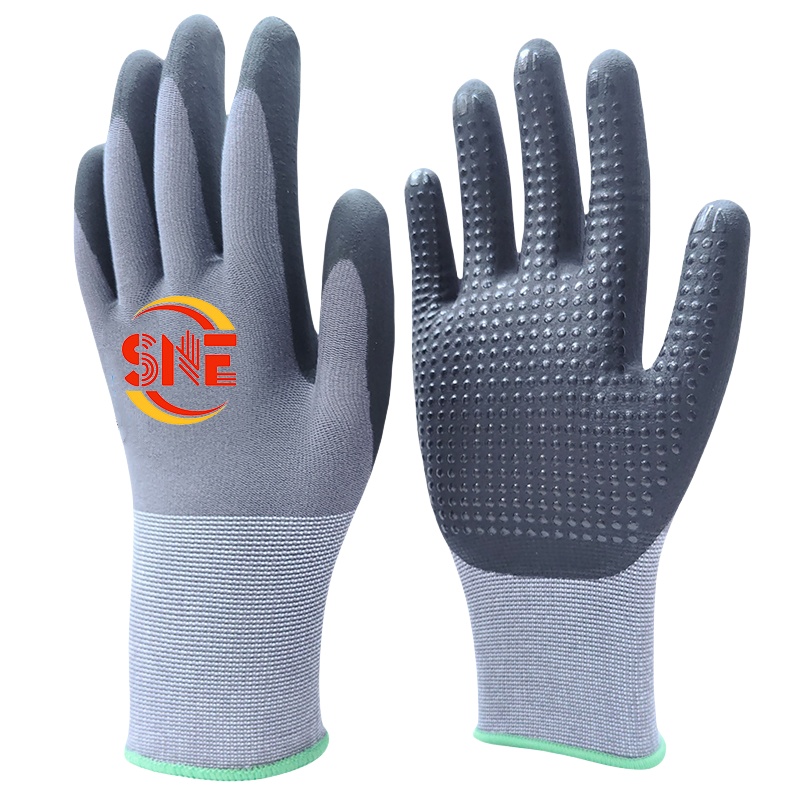
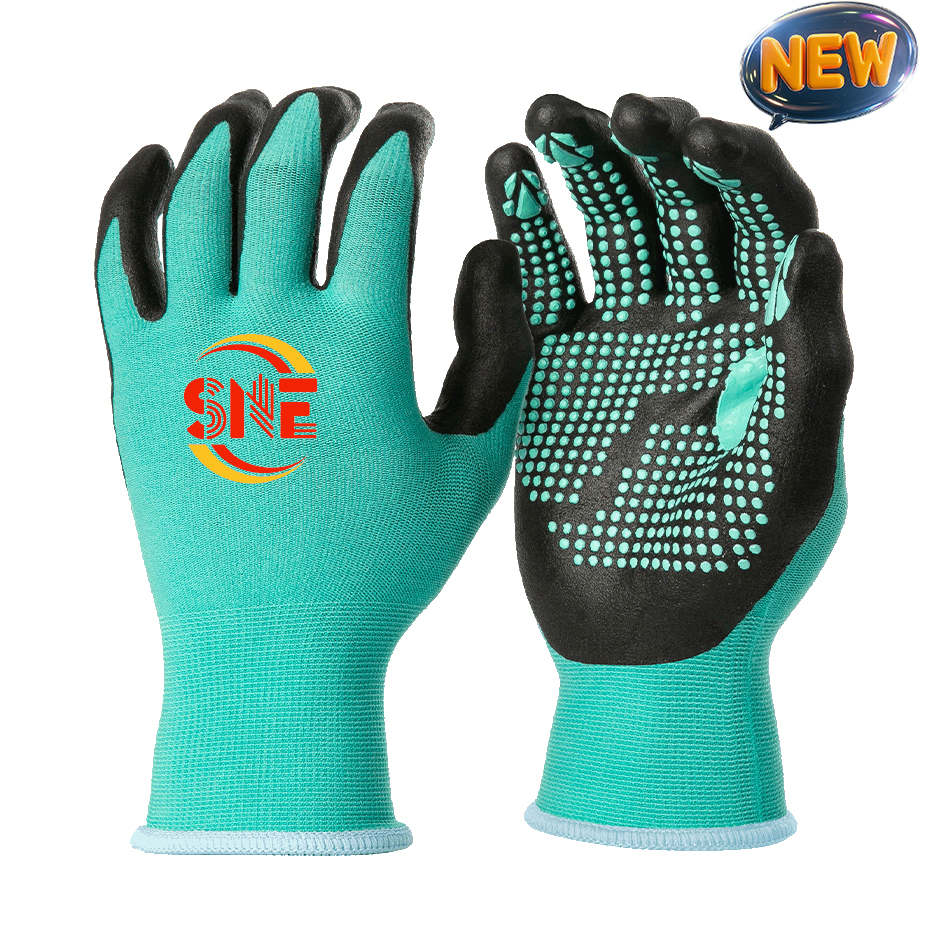
| Nitrile-Coated Construction Gloves | Nitrile on knit liner | Grip, abrasion resistance, moderate oil resistance | Material handling, framing, site prep, warehouse-to-site logistics | Not enough impact protection for crush-risk tasks |
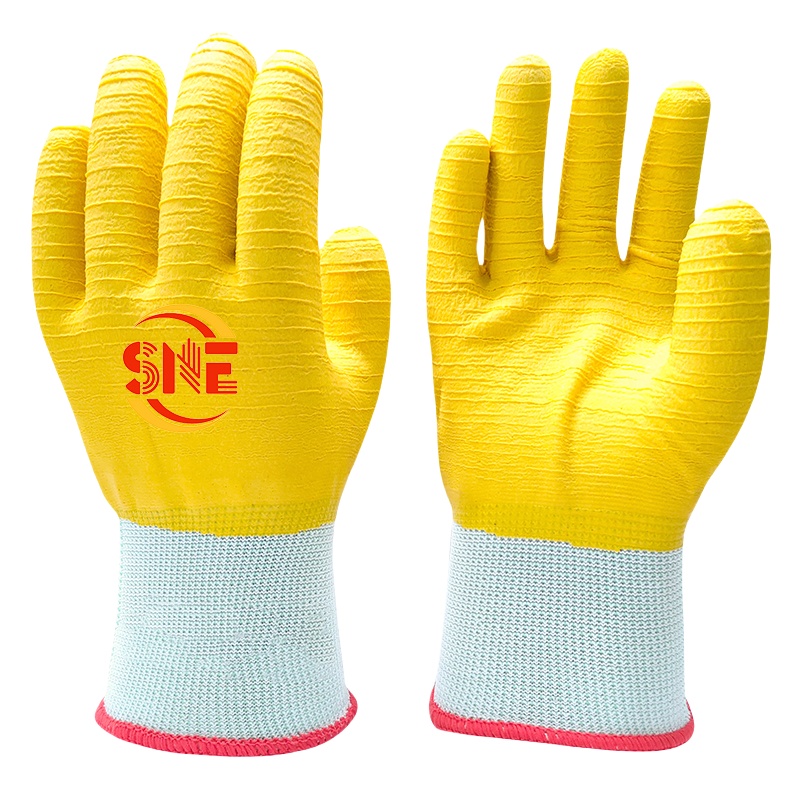
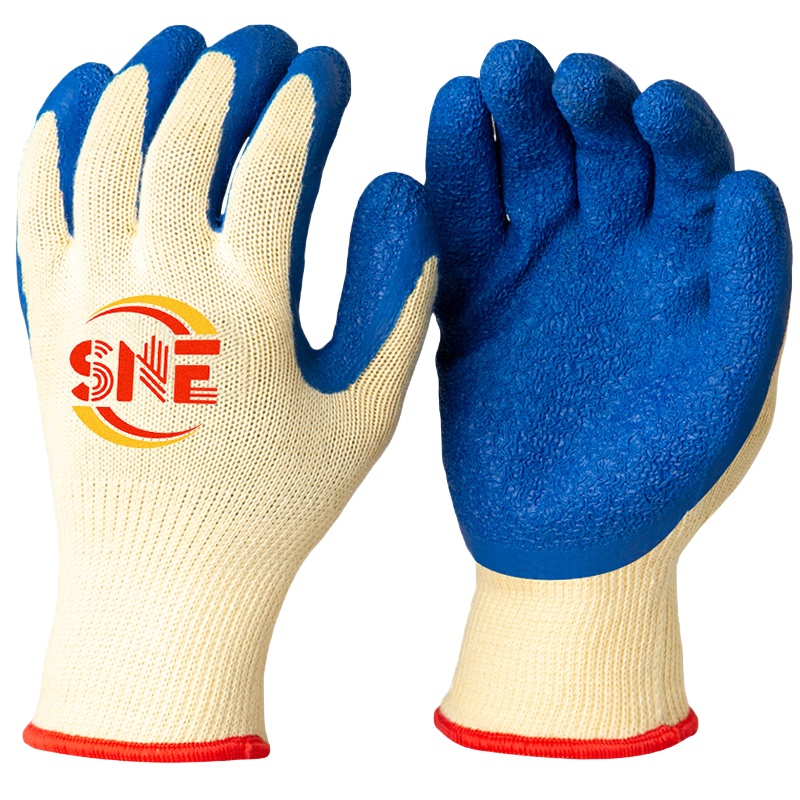
| Latex-Coated Grip Gloves | Latex coated palm | Excellent grip in dry and slightly wet conditions | Masonry, landscaping, block handling, roofing | May wear faster on oily surfaces |
| PU-Coated Work Gloves | Polyurethane coating | Dexterity, tactile control, light abrasion protection | Assembly, electrical sub-tasks, finish installation | Not ideal for rugged heavy abrasion work |
| Impact-Resistant Gloves | TPR back-of-hand protection | Knuckle and finger impact defense | Utility, demolition, heavy equipment support, pipe handling | Can reduce dexterity if overbuilt |
| Cut-Resistant Gloves | Engineered yarns with coatings | Protection from sharp edges and sheet material | Metal framing, glass handling, HVAC installation | Cut level must match actual hazard |
| Insulated Construction Gloves | Lined shells with coated or leather outer | Cold-weather comfort and function | Midwest and Northeast winter projects | Bulk can affect tool control |
| Leather Reinforced Heavy Duty Gloves | Leather palm or full leather build | Heat tolerance, rugged abrasion resistance | Welding-adjacent tasks, rigging, rough material movement | Can become stiff when wet |
The table shows why product selection should start with task mapping. A contractor with mixed crews often needs at least three glove families in rotation: a coated general-purpose glove, a cut-resistant option, and a true heavy-duty impact or reinforced glove for severe wear zones.
How U.S. Buyers Should Choose
For U.S. contractors and distributors, good buying decisions usually come from five filters: hazard exposure, glove lifespan, worker acceptance, logistics reliability, and documentation. Worker acceptance matters more than many buyers admit. If a glove is uncomfortable in summer heat in Arizona or too stiff for repetitive handling in Florida humidity, employees may remove it or switch to unauthorized alternatives, creating a bigger safety problem than poor procurement.
Climate is a local decision factor. Buyers in the Gulf Coast often need grip and breathability for humid conditions. Mountain states may need better cold-weather flexibility. Coastal projects may require better resistance to wet surfaces and grime. Urban concrete and demolition jobs in New York, Philadelphia, or Chicago typically consume gloves faster than lighter residential work in suburban markets.
| Buying Factor | Why It Matters | What to Check | Best For | Common Mistake |
|---|---|---|---|---|
| Abrasion Life | Directly affects replacement cost | Palm wear zones, reinforcement, coating thickness | Concrete, masonry, demolition | Choosing thin gloves only for low unit price |
| Grip Performance | Improves handling speed and control | Dry, wet, oily grip behavior | Roofing, framing, utility, material movement | Testing only in showroom conditions |
| Cut Protection | Reduces laceration exposure | ANSI cut level matched to work process | Sheet metal, glass, HVAC, steel framing | Overbuying cut level and hurting dexterity |
| Impact Protection | Protects knuckles and fingers | TPR layout, fit, flexibility | Pipe, tools, demolition, heavy equipment support | Using impact gloves where slim-fit gloves are needed |
| Comfort and Fit | Affects compliance and productivity | Sizes, cuff type, breathability, liner feel | All-day wear crews | Buying one size mix for all teams |
| Supply Stability | Prevents site interruption | Lead time, carton standards, stock planning | Multi-site contractors and distributors | Ignoring replenishment risk |
| Customization | Supports brand growth and SKU control | Logo printing, private label, packaging options | Dealers, wholesalers, brand owners | Waiting too late to discuss packaging specs |
This table helps buyers move from vague selection to procurement criteria that can be measured. A strong glove program lowers hidden cost by reducing early failures, lessening worker complaints, and avoiding urgent reorders from higher-cost channels.
Industry Demand Across U.S. Sectors
Heavy duty construction gloves are used well beyond general building. Demand varies by sector because each environment has a different balance of cut, abrasion, impact, weather, and dexterity requirements.
The bar chart shows strong demand in commercial construction, road and bridge work, and utility operations. These sectors often require more frequent glove replacement because surfaces are rough, tasks are repetitive, and hazard intensity is higher. Residential building still consumes major volume, but crews often prioritize dexterity and all-day comfort.
Applications by Job Type
On real U.S. job sites, glove choice should match specific applications, not only industries. Framing crews need secure grip for lumber and fasteners. Concrete teams need thick abrasion resistance and grip against wet, gritty surfaces. Utility workers need impact and cut considerations. Demolition teams often need the highest balance of abrasion, back-of-hand protection, and secure fit.
Common applications include block and brick handling, rebar placement, scaffold assembly, drywall delivery, roofing tear-off, steel framing, trenching support, post-storm debris removal, warehouse cross-docking, and on-site equipment maintenance. In ports and inland logistics centers connected to the building trade, such as Houston, Savannah, Los Angeles, and Inland Empire distribution hubs, gloves may also need to bridge warehouse and construction functions in one purchasing program.
Trend Shift in the U.S. Construction Glove Market
The market is gradually shifting away from single-purpose purchasing toward mixed-spec programs that prioritize task-based use, sustainability, and worker compliance. Buyers are also paying more attention to branding and custom packaging, especially distributors and regional safety resellers.
The area chart illustrates a realistic shift from basic general-purpose gloves toward task-specific products. This reflects a broader U.S. trend: safety managers and procurement teams now expect better hazard matching, better worker retention through comfort, and better cost control through accurate glove allocation.
Local Supplier Comparison by Use Case
This additional comparison helps buyers align supplier choice with the type of project, purchasing model, and operational urgency they face.
| Supplier | Best Use Case | Service Style | Typical Strength | Potential Limitation |
|---|---|---|---|---|
| Mechanix Wear | Fast contractor adoption and mixed jobsite tasks | Brand-led distribution | Recognition, comfort, broad fit acceptance | May not be the lowest landed-cost option for bulk private label |
| Ironclad | Heavy-use crews needing reinforced designs | Industrial and retail channels | Rugged wear performance | Model selection should be matched carefully to dexterity needs |
| MCR Safety | Distributors covering broad industrial accounts | Large catalog support | Range breadth and value orientation | Buyers may need more filtering to choose the right SKU |
| Superior Glove | Cut-risk and specialty environments | Technical protective portfolio | Advanced protection selection | Premium protection may exceed needs for lighter crews |
| HexArmor | High-risk impact and puncture scenarios | Premium industrial supply | Strong hazard-specific engineering | Higher cost for general-purpose deployment |
| Ansell | Multi-site enterprise procurement | Global industrial PPE network | Compliance and broad industrial support | Some buyers may prefer more niche construction-focused models |
| Snell Safety | OEM, import programs, regional distribution, private label | Factory-direct and customized supply | Flexible manufacturing, volume capacity, cost-performance | Requires import planning and forecast discipline |
For many U.S. buyers, the most practical strategy is dual sourcing: national brands for urgent replenishment and a factory-direct or private-label supplier for planned volume. That approach reduces margin pressure without risking stockouts on active projects.
Case Studies from U.S. Buying Scenarios
A Texas civil contractor operating in Houston and San Antonio may use nitrile-coated gloves for general material handling and switch to impact gloves for pipe support and equipment-adjacent tasks. Their main issue is often glove consumption rate in hot weather, where sweat, dirt, and repetitive abrasion shorten product life. In that situation, the winning glove is not always the thickest model; it is the one that stays wearable through long shifts and holds grip when dusty.
A Midwest steel and framing subcontractor in Chicago may need cut-resistant gloves with enough dexterity for layout, fastening, and metal edge handling. If the glove is too stiff, crews lose speed. If it is too thin, replacement rates climb. Trials with two to three ANSI cut levels are usually more effective than buying the highest specification immediately.
A Florida roofing and restoration supplier may prioritize grip, breathability, and fast reorder cycles due to weather-driven demand spikes. During storm recovery periods, rapid delivery and carton consistency are often more important than brand prestige alone. A supplier with better replenishment discipline can win repeat business even in a crowded market.
A California distributor serving Los Angeles and Inland Empire contractors may combine stocked national brands with private-label imported gloves to protect margin. In this case, packaging quality, barcode consistency, and brand printing become strategic, because the distributor sells not only protection but also retail presentation and account reliability.
Our Company
For buyers in the United States looking beyond off-the-shelf options, Qingdao Snell Protective Products Co., Ltd. presents a factory-backed alternative built for serious B2B supply. The company manufactures industrial safety gloves through two production facilities in Gaomi and Nantong with six dedicated production lines, more than 150 skilled employees, and daily capacity reaching 150,000 pairs, which supports stable fulfillment for contractor programs, distributors, and brand owners. Its product strength is tied to internationally recognized management and conformity standards including ISO 9001 and CE, plus practical expertise in PU, latex, and nitrile coating technologies, as well as cut-resistant and impact-resistant glove engineering used across construction, logistics, manufacturing, metal fabrication, oil and gas, and maintenance. For cooperation, the company works through flexible OEM/ODM, wholesale, private-label, and custom manufacturing models, making it suitable for U.S. end users managing large crews, distributors expanding regional coverage, dealers building local stock programs, and brand owners launching differentiated glove lines. For service assurance, Snell already serves buyers across major global markets and supports them with technical consultation, sample provision, export logistics coordination, and responsive pre-sale and after-sale communication, giving U.S. customers a more structured supply relationship than a typical remote exporter; buyers can explore product categories through the product catalog and discuss specifications or commercial terms through the U.S.-focused contact channel.
What Makes a Supplier Reliable in the United States
Reliability in this market is not just about making gloves. It means matching U.S. procurement reality: clear carton counts, stable quality by lot, accurate size grading, fast response on documentation, and enough manufacturing depth to handle repeat orders without unexpected substitutions. Contractors and distributors often lose more money from inconsistent replenishment and user complaints than from paying a slightly higher unit price. A reliable supplier therefore proves value through consistency, not slogans.
For imported supply, buyers should ask how the supplier handles order confirmation, sample approval, production scheduling, inspection, packaging, export booking, and issue resolution after delivery. Good suppliers make these steps visible. That is especially important when gloves are sold onward under a distributor label or when a contractor is purchasing against project schedules that cannot tolerate product drift.
Future Trends Through 2026
By 2026, the U.S. heavy duty construction glove market is expected to become more technical, more compliance-focused, and more sustainability-aware. Several trends are already visible. First, task-specific glove programs will continue to replace broad one-SKU purchasing. Second, buyers will pay more attention to glove lifecycle cost, not just unit cost, especially as labor remains expensive and site productivity stays under pressure. Third, sustainability claims will face closer scrutiny, pushing suppliers to provide more credible information about materials, packaging reduction, and manufacturing controls rather than generic green language.
Policy and customer expectations are also moving. Public infrastructure work and large commercial projects increasingly require stronger PPE documentation, supplier accountability, and standardized purchasing criteria. In parallel, product development is moving toward improved liners, better coating efficiency, touch-function integration for digital workflows, and designs that balance protection with hand mobility. In colder regions, thermal performance without excess bulk will be a growing differentiator. In hotter states, breathable shells with durable coatings will gain share.
Technology will shape the category in quieter but important ways. Buyers will expect clearer digital product data, better inventory forecasting, faster sample cycles, and more traceable quality control. Regional distributors may also use private-label strategies more aggressively, especially when factory-direct partners can deliver consistent branding, packaging, and lead-time planning.
FAQ
What are the best heavy duty construction gloves for general U.S. job sites?
For general use, nitrile-coated gloves with strong abrasion resistance work well for many crews. If the site includes crush or tool impact risk, step up to impact-resistant designs. If sharp material is present, choose an appropriate cut-resistant model instead of a standard general-purpose glove.
Are expensive gloves always better?
No. The best value comes from matching the glove to the task. A premium impact glove may be unnecessary for light framing, while a low-cost coated glove may fail too fast in demolition or concrete work. Cost per week of use is usually a better metric than cost per pair.
What certifications or standards should U.S. buyers ask about?
Buyers commonly review quality management, product conformity, and task-specific test information. For supplier credibility, ISO 9001 is a useful signal. For glove selection, buyers should also ask for relevant performance data tied to cut, abrasion, grip, and intended usage.
Should U.S. distributors consider imported factory-direct gloves?
Yes, especially for private-label programs, regional distribution, and planned volume contracts. The key is choosing a supplier that can prove stable production, consistent specifications, and responsive communication. Factory-direct supply can improve margin if forecasting and packaging requirements are handled correctly.
How many glove types should a contractor stock?
Most contractors benefit from at least three categories: a coated general-purpose glove, a cut-resistant glove for sharp hazards, and a heavy-duty reinforced or impact glove for high-abrasion and crush-risk work. Cold-weather crews may need a fourth insulated option.
How do I contact a supplier for a quote or sample?
If you are comparing factory-direct options, use the supplier’s formal inquiry path and request samples based on your exact application, expected monthly volume, size mix, and packaging needs. For Snell Safety, the most direct route is through the contact page, where buyers can discuss construction glove requirements, OEM needs, and shipping arrangements.
Final Buying Perspective
In the United States, the right heavy duty construction gloves depend on where and how they will be used. National brands remain strong choices for immediate supply and field familiarity, but many distributors, importers, and cost-conscious contractor groups also benefit from evaluating structured factory-direct partners. The smartest buying strategy is practical: map hazards by crew, test gloves under real site conditions, compare replacement rates, and choose suppliers that can support long-term replenishment rather than one-time sales. That approach delivers better protection, fewer complaints, and better total cost control across demanding U.S. job sites.