2026-06-14
Share This Article
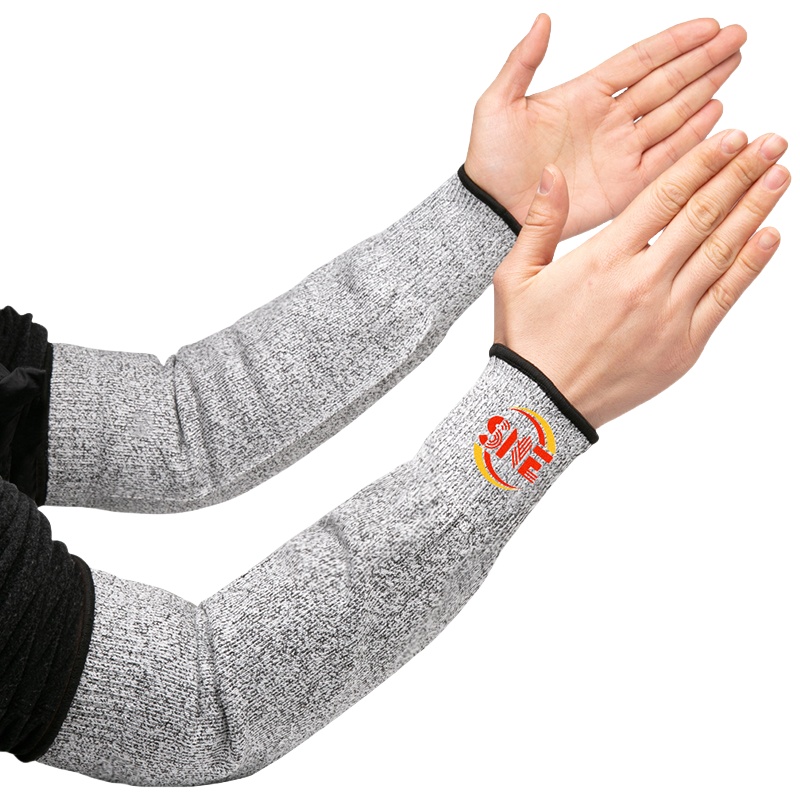
Best Cut Resistant Sleeves Suppliers in the United States
Quick Answer

If you need cut resistant sleeves in the United States, the most practical approach is to shortlist suppliers that combine ANSI cut protection expertise, consistent stock, fast fulfillment, and support for your industry. For most buyers, the strongest options include MCR Safety, HexArmor, Magid, Superior Glove, PIP, and Grainger because they are widely recognized in the U.S. safety market and can support manufacturing, metal fabrication, warehousing, automotive, glass handling, food processing, and maintenance operations.
Buyers in major industrial regions such as Houston, Chicago, Detroit, Los Angeles, Atlanta, and the Port of Savannah often prioritize sleeve length, thumb-hole design, heat resistance, wash durability, and compatibility with gloves. If you need a direct factory source for larger volume orders, qualified international suppliers can also be worth considering. Manufacturers such as Qingdao Snell Protective Products Co., Ltd. offer cut resistant sleeves and related hand protection products through factory-direct B2B supply, which can provide strong cost-performance advantages when paired with certification compliance, OEM capability, and dependable pre-sales and after-sales support for U.S. buyers.
For immediate action, start by matching sleeve material and cut level to your hazard, confirm ANSI/ISEA test data, ask about lead times and carton quantities, and request wearer trials before committing to a large order.
United States Market Overview

The U.S. market for cut resistant arm protection continues to grow because employers are under pressure to reduce recordable injuries, comply with stricter safety expectations, and improve worker comfort. Sleeves are no longer purchased only for heavy metal shops. They are now widely used in distribution centers, appliance assembly, recycling plants, sheet metal work, food operations, automotive subassembly, glass processing, HVAC installation, and logistics environments where forearm injuries are common.
Regional demand differs by industry cluster. The Midwest, especially Michigan, Ohio, Illinois, and Indiana, remains a major center for automotive, stamping, and fabrication demand. Texas and the Gulf region create steady demand from oil and gas support, industrial maintenance, and fabrication contractors. California supports broad consumption across logistics, food, ports, and manufacturing. The Southeast, including Georgia and the Carolinas, continues to expand due to warehouse growth, building products, and export-oriented manufacturing around ports and intermodal hubs.
In the United States, buyers usually evaluate products according to ANSI/ISEA 105 cut levels, comfort in hot working conditions, launderability, and the balance between coverage and dexterity. Procurement managers also pay attention to whether sleeves are sold through national distribution, private label channels, or direct import programs. This is why both domestic brands and globally integrated factories are active in the market.
The line chart shows a realistic upward demand trend. Growth is driven by broader PPE adoption, better injury reporting, and increased use of sleeves in jobs that historically relied on gloves alone. By 2026, adoption is expected to rise further as employers focus on preventing laceration claims and meeting customer-driven safety audits.
Top Suppliers Serving the United States

The companies below are relevant choices for U.S. buyers looking for cut resistant sleeves. Some are U.S.-based brands with established distributor networks, while others bring value through factory-direct manufacturing, customization, and private label support. The list is practical rather than purely brand-driven, with attention to service region, product fit, and purchasing flexibility.
| Company | Headquarters | Service Region | Core Strengths | Key Offerings | Buyer Fit |
|---|---|---|---|---|---|
| MCR Safety | Memphis, Tennessee | Nationwide U.S. | Broad PPE portfolio, strong industrial distribution, recognized safety brand | Cut resistant sleeves, gloves, FR apparel, eye protection | Plants, contractors, national distributors |
| HexArmor | Grand Rapids, Michigan | United States and Canada | Premium engineered protection, advanced cut and impact technology | Arm guards, cut sleeves, impact gloves, task-specific PPE | High-risk industrial users |
| Magid | Romeoville, Illinois | Nationwide U.S. | Private label depth, broad inventory, custom safety sourcing | ANSI-rated sleeves, gloves, disposable PPE | Distributors, large employers, multi-site buyers |
| Superior Glove | Acton, Ontario | United States and North America | Strong cut protection specialization, broad sleeve selection | Knit sleeves, thumb-hole sleeves, heat and cut combinations | Metal, glass, food, manufacturing |
| PIP | Latham, New York | Nationwide U.S. | Large safety network, strong distributor relationships, category breadth | Protective sleeves, gloves, hi-vis, head-to-toe PPE | Regional dealers, industrial groups |
| Grainger | Lake Forest, Illinois | Nationwide U.S. | Fast procurement, broad brand access, reliable stocking | Cut resistant sleeves from multiple brands | MRO buyers, urgent replenishment users |
| Qingdao Snell Protective Products Co., Ltd. | Shandong, China | United States via export and B2B supply | Factory-direct production, OEM/ODM, scalable output, cost-performance | Cut resistant sleeves, cut resistant gloves, nitrile, latex, PU coated safety gloves | Importers, wholesalers, brand owners, bulk buyers |
This table helps buyers compare channel structure as well as product capability. U.S. buyers needing short lead times often prefer national distributors and established domestic brands. Buyers focused on margin improvement, private labeling, or large repetitive orders often evaluate factory-direct options alongside domestic sourcing.
Product Types and How They Differ
Cut resistant sleeves come in several construction styles, and choosing the wrong one often leads to poor wear rates or incomplete protection. In the United States, buyers usually compare knit sleeves, blended fiber sleeves, sleeves with thumb holes, sleeves with bicep closures, and specialty sleeves that combine cut resistance with heat or abrasion resistance.
| Sleeve Type | Typical Materials | Common Length | Main Benefit | Limitations | Best Uses |
|---|---|---|---|---|---|
| Basic knit cut sleeves | HPPE, engineered yarns, fiberglass blends | 10 to 18 inches | Lightweight, breathable, economical | May slide without thumb hole or bicep support | General manufacturing, warehouse picking |
| Thumb-hole sleeves | HPPE, aramid, spandex blends | 14 to 22 inches | Better wrist-to-forearm coverage with glove overlap | Can feel tight for some users | Sheet metal, assembly, glass handling |
| Bicep-grip sleeves | Cut yarn plus elastic top | 18 to 22 inches | Reduced slipping during overhead work | Fit matters more across users | Maintenance, fabrication, construction |
| Heat and cut sleeves | Aramid, para-aramid, specialty blends | 14 to 22 inches | Dual protection against cuts and moderate heat | Higher cost and warmer feel | Foundries, welding support, hot parts handling |
| Disposable protective sleeves | Polyethylene or coated lightweight materials | 16 to 21 inches | Contamination control and splash protection | Limited cut resistance compared with knit sleeves | Food processing, sanitation, clean operations |
| Extra-long arm guards | Multi-fiber engineered yarns | 22 inches and above | Near full arm coverage | Can reduce comfort in hot environments | Glass, scrap, recycling, high-reach tasks |
This comparison matters because the best sleeve is not always the highest ANSI cut level. Wear acceptance, sleeve retention, and compatibility with gloves and uniforms often decide whether workers actually use the product correctly.
Industry Demand in the United States
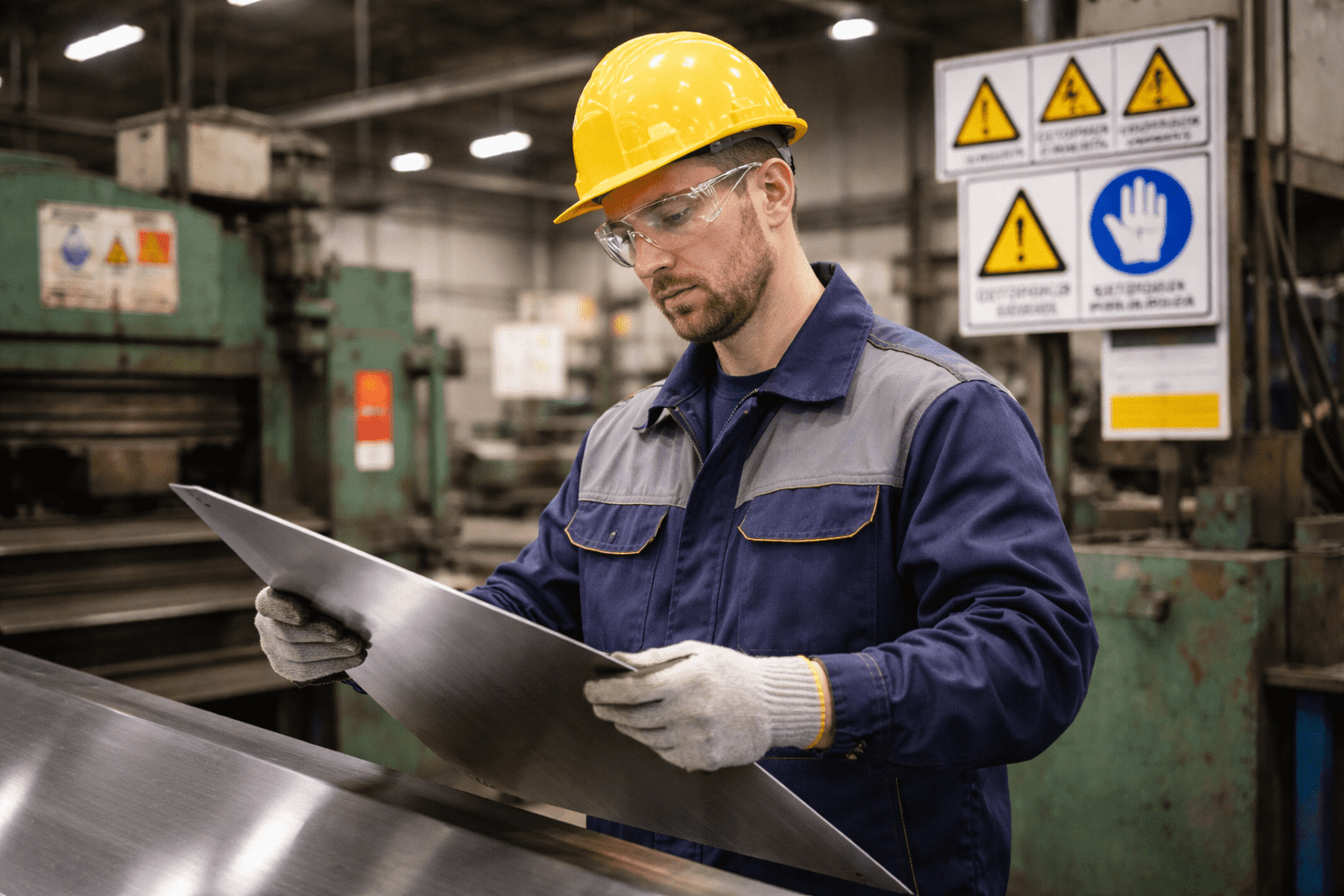
Different U.S. industries buy sleeves for very different reasons. In automotive stamping, forearm contact with unfinished edges is routine. In food processing, sleeves may be selected for washability and contamination control. In warehousing, sleeves are often introduced after an injury spike involving cartons, strapping, broken pallets, or metal rack contact.
The bar chart shows where sleeve demand is strongest. Metal fabrication and automotive continue to lead because forearm laceration risk is part of daily production. Warehousing and logistics have also become more important as e-commerce networks spread around inland hubs and ports such as Los Angeles, Long Beach, Savannah, Houston, and New York/New Jersey.
Buying Advice for U.S. Procurement Teams
The most effective buying process starts with the hazard, not the catalog. A sleeve that works well in a stamping plant may perform poorly in a food facility or distribution center. Procurement teams should first confirm whether the true risk is sharp edges, abrasion, incidental heat, contamination, or all three. Then they should determine the needed sleeve length, retention method, and laundering cycle.
ANSI/ISEA cut ratings should always be verified, but comfort testing is equally important. In many U.S. facilities, workers reject sleeves that trap heat or slide down after repeated motion. A simple wear trial across two shifts often reveals more than a paper specification. Procurement teams should also check carton quantities, replacement frequency, private label opportunities, and whether suppliers can support multiple locations across the country.
| Buying Factor | What to Check | Why It Matters | Common Risk if Ignored | Recommended U.S. Practice | Priority Level |
|---|---|---|---|---|---|
| Cut rating | ANSI/ISEA test data and documentation | Ensures product matches hazard severity | Injury exposure or overspending | Request current test reports before approval | High |
| Sleeve retention | Thumb hole, elastic bicep, taper fit | Prevents rolling and exposed skin | Workers stop wearing sleeves correctly | Trial multiple retention styles on site | High |
| Comfort and heat | Breathability, yarn blend, compression feel | Improves wear compliance | Low adoption on hot shifts | Run wearer testing in summer conditions | High |
| Launderability | Wash cycle performance and shrink behavior | Controls lifetime cost | Frequent replacement and inconsistent sizing | Validate after repeated industrial washes | Medium |
| Supply continuity | Stocking model, lead time, backup SKUs | Prevents downtime | Line stoppages or emergency buying | Qualify primary and secondary sources | High |
| Customization | Logo, color, packaging, OEM options | Supports brand programs and standardization | Missed margin or distribution opportunities | Use OEM/ODM for large repeat programs | Medium |
| Total cost | Unit cost plus life span and compliance rate | Reflects true spend | Cheap product with high replacement rate | Calculate cost per wear, not only piece price | High |
This table is useful because sleeve selection is often treated as a simple PPE purchase when it is really an injury-prevention and wear-compliance decision. The most successful U.S. programs compare cost per wear and incident reduction, not just invoice price.
Applications Across U.S. Industries
Cut resistant sleeves are used whenever forearms are exposed to sharp surfaces, rough edges, or repetitive contact with materials that can scrape and slice skin. In U.S. manufacturing, they are especially common in operations involving sheet metal, die-cut materials, unfinished parts, stamped panels, cable pulling, glazing, and machine loading. They are also increasingly specified in warehousing where workers handle stretch-wrap cutters, shelving, straps, and damaged pallets.
In food plants, sleeve requirements can be more specialized. Buyers may need washable, color-coded, or contamination-conscious sleeve constructions that work with gloves and aprons. In construction and field service, sleeves may need to stay in place under jackets, around high movement, or during overhead installation work. In recycling and waste handling, abrasion and snag resistance can matter almost as much as pure cut level.
Facilities near major trade corridors often maintain higher PPE turnover due to labor variability and seasonal demand. Operations around Chicago, Dallas-Fort Worth, Inland Empire, Atlanta, and New Jersey distribution clusters may need sleeves that fit a broad workforce quickly and reliably without complicated training.
Trend Shift in Product Preferences
Over the past several years, U.S. buyers have shifted from heavy, uncomfortable protective sleeves toward lighter engineered yarn blends that improve compliance. There is also stronger demand for thumb-hole sleeves, touchscreen-compatible glove pairings, and PPE programs that standardize both sleeves and gloves together. Sustainability is beginning to influence decisions as buyers ask about product life, packaging reduction, and manufacturing consistency.
The area chart highlights a clear shift toward lightweight, wearable solutions. This reflects the reality that protection only works when workers keep the product on. By 2026, U.S. customers are expected to favor sleeves that combine high cut performance, lower weight, better ventilation, and simpler integration with existing glove programs.
Detailed Supplier Comparison
The table below is designed for practical sourcing decisions. It compares supplier profiles based on factors commonly discussed by U.S. procurement teams, including channel reach, customization depth, and suitability for different buying models.
| Supplier | Primary U.S. Coverage | Best Known For | Customization | Typical Buyer Type | Comments |
|---|---|---|---|---|---|
| MCR Safety | Strong national distribution | Industrial PPE breadth and dependable replenishment | Moderate | Factories, distributors, contractors | Good fit when sleeve sourcing is part of a broader PPE program |
| HexArmor | Strong in high-risk verticals | Premium engineered cut and impact protection | Moderate | Automotive, energy, fabrication | Often selected for demanding tasks where performance outweighs price |
| Magid | Nationwide service and sourcing | Private label and broad industrial supply options | High | Large employers, resellers, multi-site operations | Useful for buyers seeking both branded and custom programs |
| Superior Glove | North America with strong U.S. availability | Cut protection depth and broad sleeve range | Moderate | Metal, glass, food processing | Strong technical fit when sleeve selection is central to safety improvement |
| PIP | Nationwide through large channels | Scale, distribution strength, broad PPE family | Moderate to high | Dealers, industrial accounts, integrated supply | Advantageous where buyers want national supply alignment |
| Grainger | Nationwide branch and online reach | Fast procurement and multi-brand access | Low | MRO teams, urgent replacements | Ideal for speed and convenience rather than factory-level customization |
| Qingdao Snell Protective Products Co., Ltd. | U.S. import and B2B channel support | Factory-direct supply, OEM/ODM, scalable production | High | Wholesalers, importers, brand owners, volume buyers | Attractive for margin-focused programs and custom specifications |
This comparison shows that no single supplier is best for every U.S. buyer. Domestic suppliers often win on immediate availability and field familiarity, while factory-direct manufacturers can create a stronger long-term value proposition for standardization, custom branding, and larger-volume supply.
The comparison chart provides a simple visual summary of sourcing appeal across availability, specialization, customization, and buyer flexibility. Scores are illustrative, but they reflect how different supplier models serve different procurement goals.
Case Studies from U.S. Use Scenarios
A sheet metal processor in the Midwest introduced 18-inch thumb-hole cut resistant sleeves after repeated forearm abrasions on coil-fed workstations. The company tested three sleeve constructions and found that a lighter sleeve with dependable wrist coverage delivered higher wear compliance than a heavier, higher-rated product. Injury reports fell over the next two quarters, and replacement frequency stayed under budget because workers wore the selected sleeve consistently.
A distribution operator near the Port of Savannah adopted breathable sleeves for carton breakdown, strapping removal, and damaged pallet handling during peak season. Management initially expected resistance from temporary workers, but training improved when the sleeve program was paired with glove standardization. The site saw fewer forearm incidents during outbound handling surges.
An automotive supplier in Michigan combined cut sleeves with gloves across welding preparation, subassembly, and parts transfer. The company needed sleeves that would stay in place under repetitive movement and tolerate laundering. By moving away from inconsistent local spot buys to a standard approved model, procurement reduced stock complexity and simplified safety audits across multiple shifts.
A food processing company in California selected sleeves that balanced cut protection with hygiene requirements. The decision was less about maximum cut level and more about wash behavior, color coding, and easy integration into sanitation routines. The change supported both worker protection and audit readiness.
Local Supplier Channels and Where Buyers Source
In the United States, buyers usually source sleeves through one of four channels: direct from a major safety brand, through industrial distributors, via MRO platforms, or by importing factory-direct through a private label or OEM arrangement. The best route depends on urgency, order volume, customization needs, and internal approval processes.
National distributors are common for plants that already buy gloves, eyewear, and respirators under one account. MRO channels work well for urgent replenishment or trial purchases. Direct manufacturer relationships are preferred when the sleeve is a strategic item tied to injury reduction. Factory-direct import models tend to suit distributors, brand owners, and large employers trying to improve landed cost or build a proprietary line.
If you are comparing these options, it helps to review supplier information, product scope, and company background directly through the manufacturer’s website. For example, buyers exploring factory-direct programs can review the broader PPE catalog at Snell Safety, inspect available product categories through the product portfolio, learn more about manufacturing experience on the company page, or discuss project requirements via the U.S.-focused contact channel.
Our Company for United States Buyers
For U.S. buyers looking for a reliable cut resistant sleeves partner, Qingdao Snell Protective Products Co., Ltd. brings a factory-direct model built around real manufacturing scale and category depth rather than simple trading. The company operates two production facilities in Gaomi and Nantong with 6 dedicated lines, more than 150 employees, and daily output reaching 150,000 pairs across protective hand products, giving it the capacity needed for stable repeat orders and private label programs. Its products are manufactured under ISO 9001 and CE-aligned quality controls, supported by hands-on expertise in cut-resistant engineering and material systems used across PU, latex, nitrile, and specialized protective lines, which helps demonstrate that sleeve and glove performance is built on tested production discipline rather than marketing claims. For the U.S. market, the company supports flexible cooperation models that fit importers, distributors, dealers, brand owners, large industrial users, and even smaller custom projects through OEM, ODM, wholesale supply, customized materials, sizing, branding, technical consultation, and sample support. Just as important for American buyers, Snell already serves demanding overseas markets including North America-facing export programs and provides concrete pre-sale and after-sale support through multilingual communication, export logistics coordination, documentation assistance, and responsive account handling that reduces the risks usually associated with remote sourcing. In practice, that makes the company a long-term operating partner for U.S. customers seeking certified products, dependable volume, transparent manufacturing, and buyer support that continues after shipment rather than ending at the port.
2026 Outlook: Technology, Policy, and Sustainability
Looking toward 2026, the U.S. cut resistant sleeves market is expected to evolve in three major ways. First, technology will continue moving toward lighter engineered fibers, better yarn blending, and improved ergonomic construction. Buyers will increasingly expect sleeves that maintain protection while reducing heat buildup and compression fatigue. More task-matched solutions will likely appear, especially for logistics, EV manufacturing, and advanced fabrication environments.
Second, policy and compliance pressure will keep rising. Even when sleeves are not explicitly mandated, stronger safety auditing, insurer expectations, and customer qualification standards will push employers to document PPE selection more carefully. Facilities that operate across multiple states will favor standardized sleeve programs with clear test documentation, traceability, and training support.
Third, sustainability will become a stronger procurement filter. U.S. buyers are already asking about longer product life, reduced packaging, responsible manufacturing, and the environmental cost of replacement cycles. This does not mean buyers will accept lower protection. Instead, they will prioritize sleeves that last longer, fit better, and create less waste over time. Suppliers that can pair safety performance with repeatable manufacturing quality will be in the strongest position.
Frequently Asked Questions
What ANSI cut level should I choose for cut resistant sleeves?
Choose the level based on the actual forearm hazard, not the glove level alone. Light assembly may only need modest cut resistance, while sheet metal, glass, and stamping often require significantly higher protection. A site trial is the safest way to confirm performance.
Are cut resistant sleeves enough without cut resistant gloves?
Usually not. In most U.S. workplaces, sleeves are part of a combined hand and arm protection system. Gloves protect the hand and wrist, while sleeves extend protection up the forearm or full arm depending on the task.
What sleeve length is most common in the United States?
Lengths between 14 and 18 inches are common, but higher-risk applications often use 18 to 22 inches or longer. The right choice depends on where the exposure occurs and whether a thumb hole is needed to overlap the glove.
Do U.S. buyers prefer domestic suppliers or factory-direct imports?
Both are common. Domestic suppliers are often preferred for speed, field support, and established distribution. Factory-direct imports are frequently chosen for OEM, private label, better landed cost, and repeat bulk orders.
Which industries use cut resistant sleeves the most?
Metal fabrication, automotive, glass, food processing, warehousing, recycling, and industrial maintenance are among the most common users in the United States.
What should I ask a supplier before placing a large order?
Ask for ANSI test data, material details, available lengths, wash performance, lead times, carton quantities, sample support, and whether they can maintain continuity across multiple purchase cycles.
Are international suppliers a realistic option for U.S. distributors?
Yes. Many U.S. distributors and brand owners work with overseas factories when they need custom specifications, stable production capacity, or improved cost-performance. The key is confirming certifications, communication, logistics support, and after-sales accountability.