2026-06-18
Share This Article
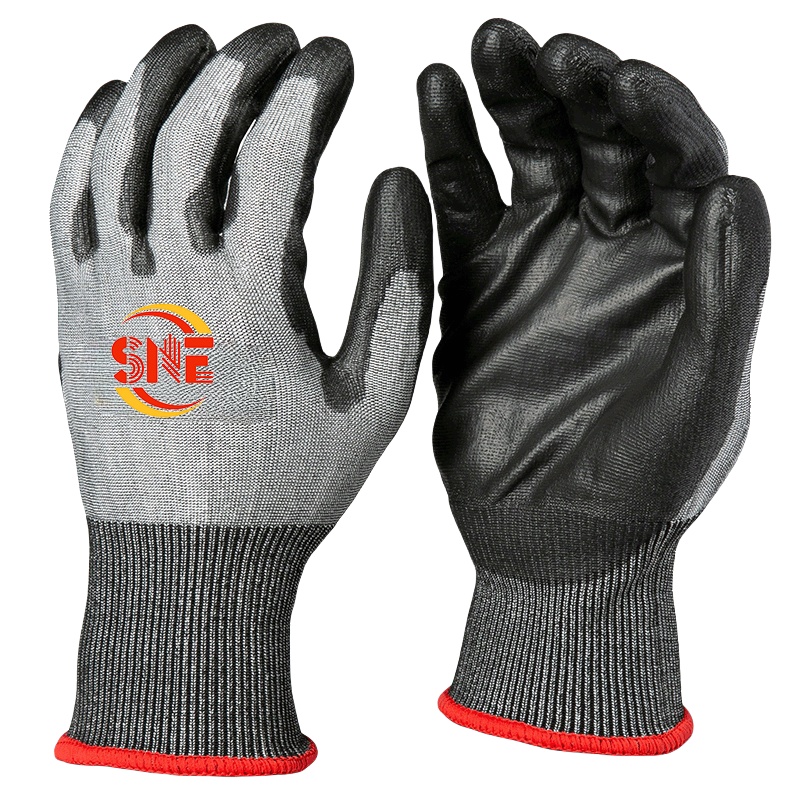
Cut Resistant Gloves for Metal Fabrication in the United States
Quick Answer

For metal fabrication operations in the United States, the best cut-resistant gloves usually come from suppliers with strong ANSI cut-level options, reliable U.S. distribution, and proven support for fabrication shops handling sheet metal, stamping, laser cutting, welding support, deburring, and assembly. The most practical choices for many buyers are HexArmor, MCR Safety, Ansell, Superior Glove, and Mechanix Wear because they offer broad product ranges, clear technical data, and national availability.
For buyers who need large-volume purchasing, private labeling, or better cost control, qualified international manufacturers can also be a smart option. Suppliers such as Snell Safety can be considered when they provide recognized certifications, stable production capacity, and responsive pre-sales and after-sales support for U.S. importers, distributors, and industrial brands.
- HexArmor: strong for high-cut, high-dexterity gloves used in demanding metal handling
- MCR Safety: broad U.S. industrial network and practical options for fabrication plants
- Ansell: dependable technical positioning for multi-hazard environments
- Superior Glove: wide range of cut levels and specialty liners for metal processing
- Mechanix Wear: good fit and usability for maintenance, handling, and light fabrication work
United States Market for Metal Fabrication Hand Protection

The U.S. market for cut-resistant gloves in metal fabrication is shaped by a mix of safety regulation, labor costs, automation upgrades, and pressure to reduce recordable hand injuries. Fabricators in states such as Ohio, Michigan, Indiana, Texas, Illinois, Pennsylvania, and California often need glove programs tailored to specific workstations rather than one glove model for the whole plant. Sheet metal handling, plasma cutting support, coil processing, tube fabrication, CNC loading, and stamping all create different cut hazards.
In the United States, buyers usually evaluate gloves by ANSI/ISEA 105 cut ratings, abrasion resistance, grip performance, comfort during long shifts, and compatibility with oil, light heat, burrs, or sharp-edged parts. Plants near major industrial corridors such as Detroit, Chicago, Houston, Cleveland, Pittsburgh, and Los Angeles also value fast replenishment through domestic warehouses and distributors. Ports such as Los Angeles/Long Beach, Houston, Savannah, and New York/New Jersey matter when imported gloves are part of the supply strategy.
Another clear trend is glove segmentation by task. Instead of issuing one universal glove, leading metal fabrication employers now map gloves by operation: thin-gauge dexterity gloves for assembly, medium-cut coated gloves for sheet handling, and reinforced high-cut gloves for sharp-edged blanks or scrap management. This approach improves compliance because workers are more likely to wear gloves that fit the task.
Market Growth Outlook

The market continues to grow as U.S. manufacturers tighten safety procedures and replace cotton or leather-only gloves with engineered cut-resistant materials such as HPPE, steel, glass fiber blends, and advanced coatings. The line chart below illustrates a realistic growth trend for the U.S. demand index for metal fabrication cut-resistant gloves.
Top Suppliers Serving the United States
The suppliers below are widely relevant to U.S. metal fabrication buyers. Some are U.S.-based brands with broad domestic distribution; others are international manufacturers suitable for OEM, private label, or bulk supply. The table is designed for practical comparison rather than brand promotion.
| Company | Primary Service Region | Core Strengths | Key Offerings for Metal Fabrication | Best Fit Buyer |
|---|---|---|---|---|
| HexArmor | United States and Canada | High cut performance, ergonomic designs, premium technical positioning | High ANSI cut gloves, impact-cut hybrids, specialty handling gloves | Large fabrication plants with strict safety KPIs |
| MCR Safety | United States nationwide | Strong distributor network, broad industrial portfolio, practical pricing bands | Cut-resistant coated gloves, sleeves, general fabrication hand protection | Multi-site industrial buyers and distributors |
| Ansell | North America and global | Global compliance support, technical documentation, multi-hazard glove range | HyFlex cut protection, oil grip gloves, precision fabrication gloves | Corporate safety managers and regulated buyers |
| Superior Glove | United States and Canada | Specialty cut engineering, broad materials portfolio, sleeve integration | HPPE and composite yarn gloves, task-specific metal handling gloves | Buyers needing many cut levels and application variants |
| Mechanix Wear | United States and export markets | Comfort, fit, user acceptance, maintenance-friendly designs | Dexterity gloves, reinforced palm gloves, light fabrication hand protection | Maintenance teams and lighter fabrication work |
| Qingdao Snell Protective Products Co., Ltd. | U.S. importers, distributors, private labels, and industrial buyers | Factory-direct supply, OEM/ODM flexibility, large daily output, coating and cut-protection expertise | Cut-resistant gloves, sleeves, nitrile/PU/latex-coated gloves, custom branding | Bulk buyers seeking cost-performance and custom supply |
This comparison shows a familiar buying pattern in the United States: domestic brands often win on immediate availability and field support, while capable factory-direct manufacturers become attractive when buyers need volume, custom packaging, tailored coatings, or a private-label program with tighter landed cost control.
Product Types Used in Metal Fabrication
Metal fabrication is not one hazard. A worker unloading laser-cut parts faces different risks than a technician assembling formed components. That is why glove selection should follow the task, edge profile, oil exposure, and required dexterity. The following table outlines the product types most commonly used in U.S. fabrication environments.
| Product Type | Typical ANSI Cut Range | Typical Use | Main Advantage | Possible Limitation |
|---|---|---|---|---|
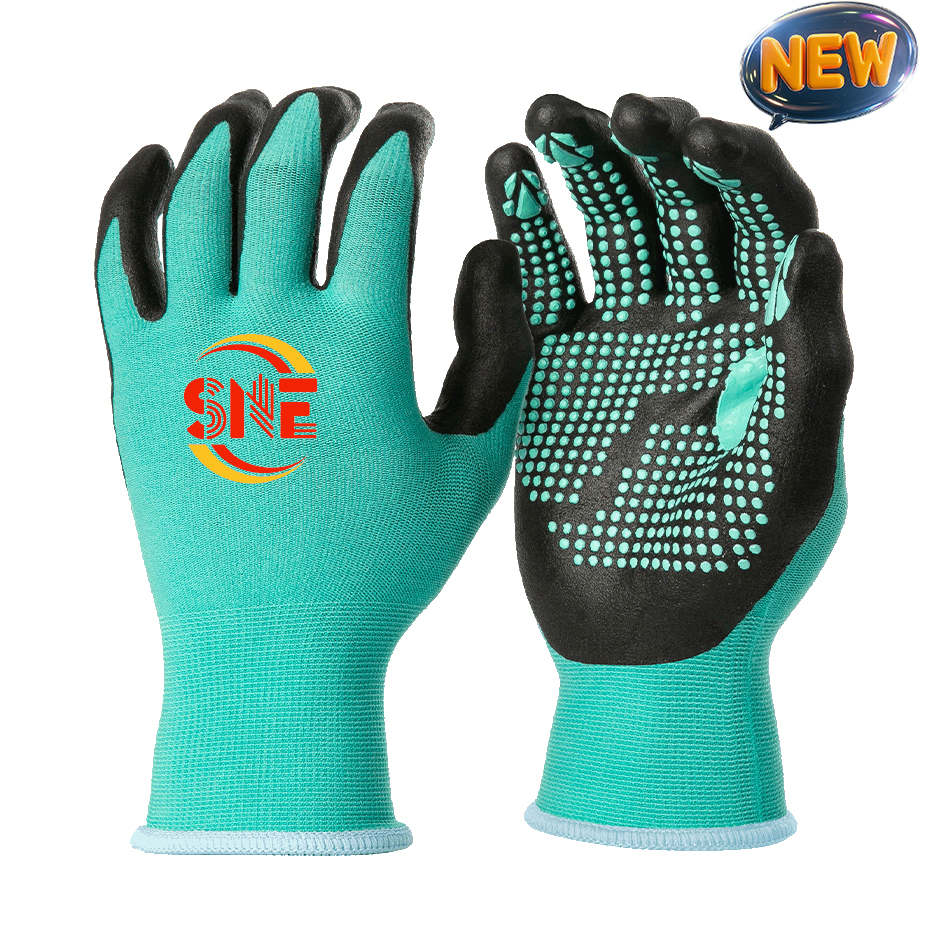
| PU-coated HPPE gloves | A2-A5 | Light sheet handling, assembly, inspection | High dexterity and clean grip | Less suitable for oily surfaces |
| Nitrile-coated cut gloves | A3-A6 | Stamping support, general fabrication, machine loading | Good oil grip and durability | Can feel warmer in long shifts |
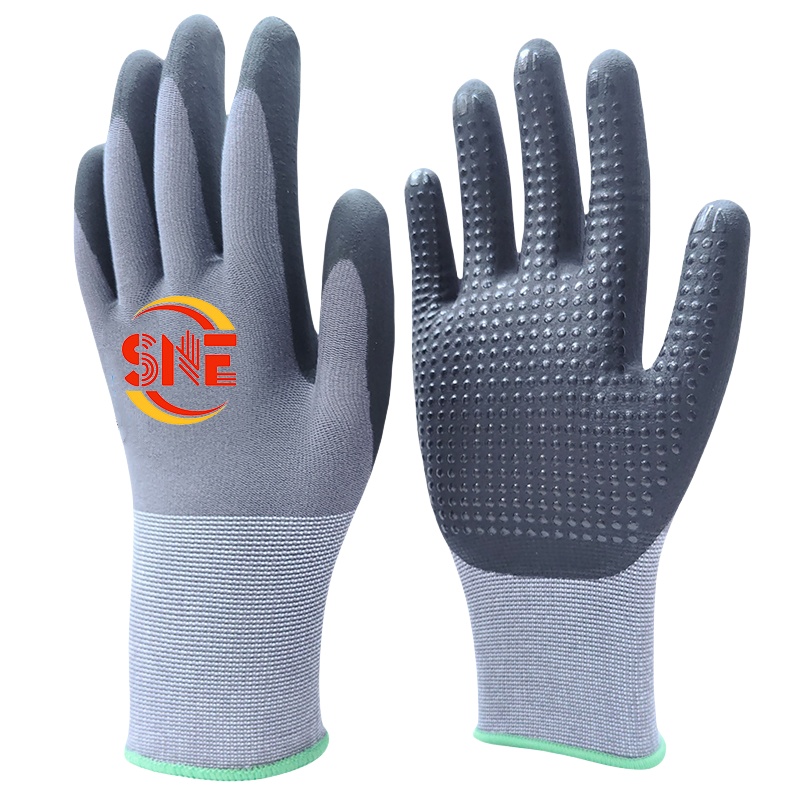
| Sandy nitrile gloves | A4-A7 | Sharp parts, oily steel handling, deburring support | Enhanced grip in oily settings | Usually thicker than PU styles |
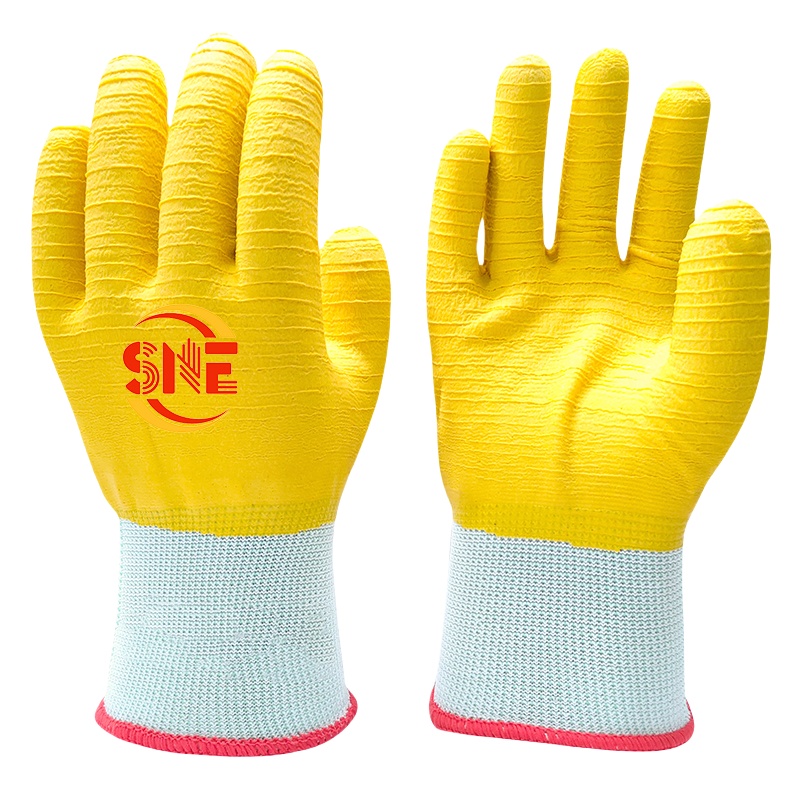
| Double-dipped cut gloves | A5-A7 | Heavy-duty metal handling and coil processing | Extra coating durability and wet grip | Reduced fingertip feel |
| Cut-resistant sleeves | A3-A6 | Forearm protection in sheet and panel handling | Extends protection beyond the hand | Needs correct pairing with gloves |
| Impact-resistant cut gloves | A4-A7 | Fabrication with crush or knock hazards | Combines cut and back-of-hand protection | Bulkier for precision work |
In many U.S. plants, nitrile-coated cut gloves dominate because they balance grip, durability, and cost. PU-coated versions remain strong where precision is critical, such as handling small components or finished parts. Sleeves are increasingly added in stamping and sheet-handling cells because hand injuries often occur together with forearm lacerations.
Industry Demand by Application
Different sectors of U.S. metal fabrication consume cut-resistant gloves at different rates. Automotive suppliers around Detroit and Indiana often prioritize dexterity and throughput. Structural steel shops in Texas may focus more on durability and grip. The bar chart below shows a realistic relative demand index by fabrication-related sector.
How Buyers in the United States Choose the Right Gloves
Buying cut-resistant gloves for metal fabrication should begin with a hazard assessment, not with a catalog. A plant manager in Ohio handling stamped parts with oily residue needs a different glove than a California aerospace fabricator assembling precision metal subcomponents. The best buying process follows five steps: identify the edge hazard, confirm required dexterity, check oil and heat exposure, match to ANSI levels, and validate through wear trials on the floor.
U.S. buyers should also evaluate total cost per wear instead of unit price alone. A glove that costs more but lasts twice as long, causes fewer reissues, and improves worker acceptance can reduce annual PPE spend. Compliance matters too. Workers remove gloves they dislike. Poor fit, hot liners, slippery palms, and oversized cuffs all lower real-world protection even if the lab rating looks strong.
Distributor support is another factor. In cities with concentrated manufacturing, such as Chicago, Houston, Detroit, Charlotte, and Philadelphia, distributors often help with trials, vending machine compatibility, and conversion from legacy glove programs. However, private-label buyers and national distributors may work directly with manufacturers to control margin and product specifications.
Buying Criteria Table
This table provides a practical checklist for U.S. procurement teams, safety professionals, and fabrication supervisors comparing glove options for different operations.
| Buying Factor | Why It Matters | What to Verify | Good Benchmark for U.S. Buyers | Common Mistake |
|---|---|---|---|---|
| ANSI cut rating | Aligns protection with actual hazard level | Independent test data and model-specific rating | A3-A6 for many fabrication tasks | Choosing highest cut level for every job |
| Grip performance | Prevents slips with metal edges and oily parts | Coating type and field trial results | Nitrile or sandy nitrile for oily handling | Using smooth PU in oily cells |
| Dexterity | Drives worker compliance and productivity | Gauge, liner feel, fingertip control | 18G or 13G depending on task | Buying heavy gloves for precision work |
| Durability | Reduces replacements and downtime | Abrasion rating, coating wear, seam quality | Balanced life span under actual task load | Comparing only piece price |
| Sizing range | Improves fit across workforce | XS to XXL availability and consistency | Full size run for multi-shift teams | Skipping fit trials by department |
| Supply stability | Prevents production interruptions | Warehouse stock, lead times, production scale | Dual-source or strong stocking plan | Relying on one low-stock SKU |
The most successful glove programs in the United States usually combine technical validation with user testing. Safety teams pick the protection range; supervisors test for usability; procurement reviews supply reliability and landed cost.
Trend Shift in Materials and Preferences
Over the last few years, U.S. buyers have gradually shifted from basic cut gloves toward more specialized options with better ergonomics, touchscreen compatibility, and task-specific coatings. The area chart below illustrates that movement from standard-purpose gloves toward engineered task-fit solutions.
Industries and Typical Use Cases
Cut-resistant gloves are essential across a wide range of U.S. metalworking sectors. In automotive stamping, gloves must allow quick part handling without snagging while managing sharp edges. In HVAC duct manufacturing, workers often need strong cut resistance but still require flexibility for fitting and fastening operations. Structural steel fabrication may involve less fine dexterity but more abrasion, impact, and rough-edge exposure.
Aerospace fabrication in states such as Washington, Kansas, and California tends to emphasize precision, low lint, and clean handling. Appliance and electronics enclosures often require thinner, cleaner gloves for metal component assembly. Service centers processing slit coils and sheet stock need gloves that withstand repeated contact with sharp edges while maintaining control during lifting and stacking.
Applications commonly include unloading sheet metal, moving cut blanks, feeding press brakes, supporting laser and plasma cutting lines, deburring, handling scrap, packaging fabricated parts, and conducting maintenance around metalworking equipment. Each use case should be mapped by injury mechanism: slice, puncture-like edge contact, abrasion, heat transfer, or impact.
Supplier and Product Comparison
The following comparison helps procurement teams decide whether they need a premium domestic brand, a broad industrial supplier, or a factory-direct manufacturing partner. The chart presents a realistic comparative scoring model for metal fabrication glove sourcing.
Local and Regional Supplier Landscape
In the United States, many buyers do not purchase directly from brands alone. They buy through regional distributors, industrial supply houses, MRO partners, and safety specialists. This local layer matters because glove trials, employee training, vending system integration, and emergency replenishment often happen at the distributor level. Buyers in Midwest fabrication hubs may prioritize suppliers with warehouses near Chicago, Indianapolis, Detroit, or Cleveland. Gulf Coast buyers may want inventory access through Houston. West Coast operations often care about inbound reliability through Los Angeles and Oakland logistics networks.
At the same time, private-label and wholesale buyers increasingly work directly with factories for better margin control. This is particularly relevant for importers serving U.S. regional distributors or brand owners that want exclusive SKUs. For these buyers, factory capability, test consistency, packaging customization, and lead-time discipline become as important as brand awareness.
| Supplier Type | Typical Region Served | Main Value | Best For | Watchouts |
|---|---|---|---|---|
| National safety distributor | All major U.S. industrial states | Broad stock and technical support | Multi-site manufacturers | Higher markup on some premium lines |
| Regional industrial distributor | Specific metro or state clusters | Fast local service and on-site trials | Mid-sized fabrication shops | Limited imported private-label options |
| Brand-direct domestic supplier | United States nationwide | Strong product knowledge and consistent documentation | Safety-led corporate programs | Less flexible on private branding |
| Factory-direct international manufacturer | U.S. importers and wholesale channels | Competitive landed cost and OEM/ODM options | Distributors, brands, and bulk buyers | Need tighter planning for lead times |
| Online industrial platform | National small-order coverage | Easy purchasing and quick comparison | Small shops and urgent replenishment | Limited fit testing and support |
| Hybrid importer-distributor | Port-connected and industrial regions | Mix of local stock and custom sourcing | Growing private-label programs | Quality consistency varies by source |
This table highlights why supplier selection in the United States is not just about brand recognition. The best route depends on order volume, speed requirements, whether private labeling matters, and how much technical support is needed at the plant level.
Case Studies from U.S. Fabrication Scenarios
A sheet metal contractor near Chicago replaced general-purpose gloves with A4 nitrile-coated cut gloves for coil-fed blank handling and reduced monthly glove replacement by improving task matching. Workers previously wore gloves that tore quickly on edge contact. Once the plant switched to a tougher palm coating and a better cuff fit, both usage consistency and glove life improved.
An automotive supplier in Michigan segmented gloves across three work cells: A3 PU-coated gloves for light assembly, A5 nitrile-coated gloves for stamped component transfer, and cut-resistant sleeves for racks with unfinished parts. This reduced complaints about discomfort because workers no longer had to wear one thick glove for every task.
A Texas fabrication facility producing structural components chose a mixed sourcing strategy. It kept premium domestic gloves for high-risk operations but added factory-direct private-label gloves for general handling and warehouse functions. That allowed the site to maintain safety performance while reducing overall PPE budget pressure during peak steel price volatility.
An aerospace-related fabricator in Southern California prioritized clean handling and finger control. After testing multiple options, it used a thinner engineered liner with moderate cut protection rather than a heavier glove with a higher rating. The plant found that better fit reduced glove removal and improved real compliance.
Our Company in the U.S. Market
For U.S. buyers looking beyond off-the-shelf catalog sourcing, Qingdao Snell Protective Products Co., Ltd. offers a factory-direct model built around certified industrial hand protection, with ISO 9001 and CE-backed manufacturing, specialized expertise in PU, latex, and nitrile coatings, and scalable cut-resistant glove engineering supported by six production lines and daily output capacity of 150,000 pairs. For metal fabrication programs, that matters because consistent yarn selection, coating control, and batch-level quality management are what keep ANSI-aligned glove performance stable over repeat orders. In practice, the company serves U.S. importers, distributors, regional dealers, plant users, and private-label brand owners through flexible OEM/ODM manufacturing, wholesale supply, custom sizes, branding, packaging, and application-specific glove development rather than a one-size-fits-all export model. Its established export track record across North America and other strict-regulation markets, multilingual commercial support, sample service, technical consultation, and dedicated logistics coordination give American buyers concrete pre-sale and after-sale safeguards, while responsive online communication and structured order follow-up make it workable for both repeat container programs and smaller market-entry projects. Buyers who want to discuss specifications or supply plans can connect through the company’s U.S.-focused inquiry channel or review the broader industrial glove range before launching trials.
Practical Buying Advice for U.S. Procurement Teams
Start by dividing tasks into precision, medium-risk handling, and high-risk sharp-edge contact. Then assign target ANSI cut ranges rather than overbuying the highest level for all jobs. Test at least two coating options in live production, because grip often decides whether workers keep gloves on. Ask suppliers for sample runs across sizes, not one sample size only. Measure cost per month per worker, not just per pair. Review packaging, carton markings, and replenishment lead times if gloves will go through national distribution. For imported supply, confirm port routing, customs readiness, and contingency stock strategy.
It is also smart to align glove choices with broader PPE systems. Sleeves may be required where workers carry sheet or panel stock against the forearm. Touchscreen capability can improve compliance in scan-heavy environments. Color coding by cut level can simplify training. Some plants even assign different cuff colors by department to reduce misuse.
Future Trends Through 2026
Looking toward 2026, three trends are likely to shape the U.S. market. First, glove technology will continue moving toward lighter, more ergonomic yarn blends that deliver higher cut performance without sacrificing dexterity. Second, policy and compliance pressure will strengthen around documented PPE hazard assessments, especially in larger industrial groups that track recordables closely. Third, sustainability will matter more in procurement reviews, including longer-wear glove programs, packaging reduction, and interest in manufacturing partners that can document process consistency and waste control.
Automation will not reduce glove demand across the board. In many U.S. fabrication plants, automation shifts workers away from repetitive handling and toward setup, quality inspection, changeover, and exception management, where sharp-edge contact still occurs. The gloves of 2026 will increasingly need to support touchscreen use, breathable comfort, better oil grip, and stronger task-specific fit. Buyers may also ask for more data transparency, including test methods, material traceability, and performance consistency across production lots.
FAQ
What ANSI cut level is best for metal fabrication?
There is no single best level. Many U.S. metal fabrication tasks use A3 to A5 gloves, while heavier sharp-edge operations may require A6 or higher. The correct level depends on the actual edge hazard, not on general industry category alone.
Are nitrile-coated gloves better than PU-coated gloves?
For oily or slick metal parts, nitrile-coated gloves are often better. For cleaner work needing more fingertip sensitivity, PU-coated gloves may be more comfortable and precise. Many plants use both by department.
Should U.S. buyers source domestically or import directly?
Domestic sourcing is usually faster and easier for urgent replenishment and plant trials. Direct importing can be more cost-effective for distributors, brand owners, and large-volume buyers that need custom packaging or private-label control. A blended sourcing strategy is common.
Do cut-resistant gloves replace leather gloves in fabrication shops?
Not always. Some fabrication tasks still use leather or leather hybrids, especially where heat, sparks, or rough abrasion are present. However, engineered cut-resistant gloves are now preferred in many handling and assembly operations because they provide better measurable cut protection.
Are sleeves necessary in sheet metal work?
Often, yes. In operations involving large panels, duct sections, or unfinished sheet stock, forearm cuts are common. Cut-resistant sleeves paired with the correct gloves can improve protection significantly.
What should distributors ask factory-direct suppliers before ordering?
They should ask about certifications, test methods, coating options, size consistency, production capacity, packaging customization, lead times, export experience to the United States, and after-sales support for claims or repeat orders.