2026-06-06
Share This Article
Best Cut Resistant Gloves for Food Processing in the United States
Quick Answer

If you need cut resistant gloves for food processing and handling in the United States, the most practical short list includes Honeywell, Ansell, MCR Safety, Superior Glove, PIP, and Magid. These companies are widely used by meat processors, seafood plants, produce packers, and commercial kitchens because they offer food-contact suitable materials, reliable cut protection levels, broad sizing, and stable U.S. distribution.
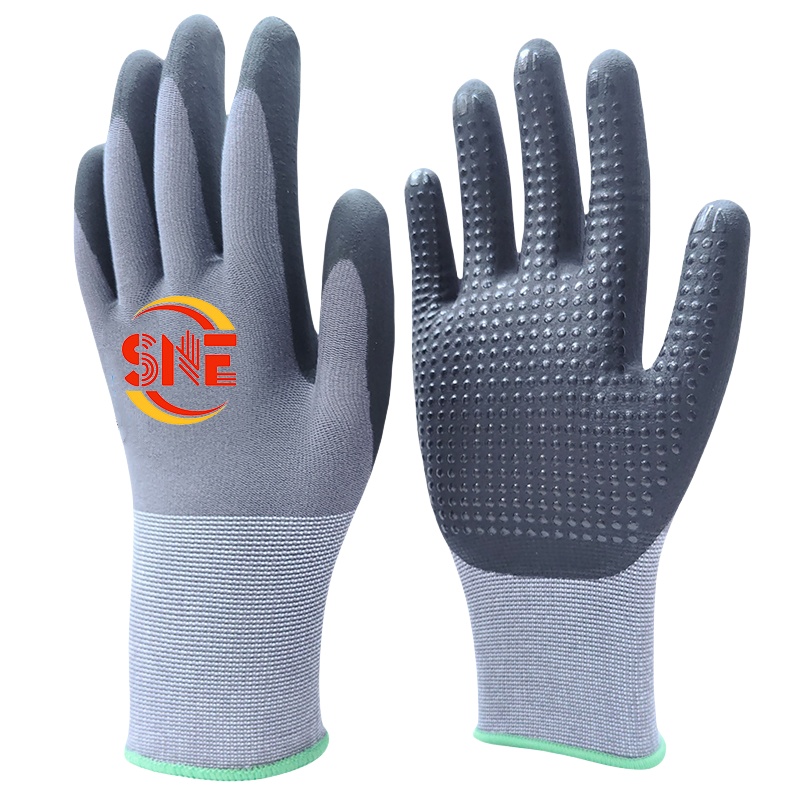
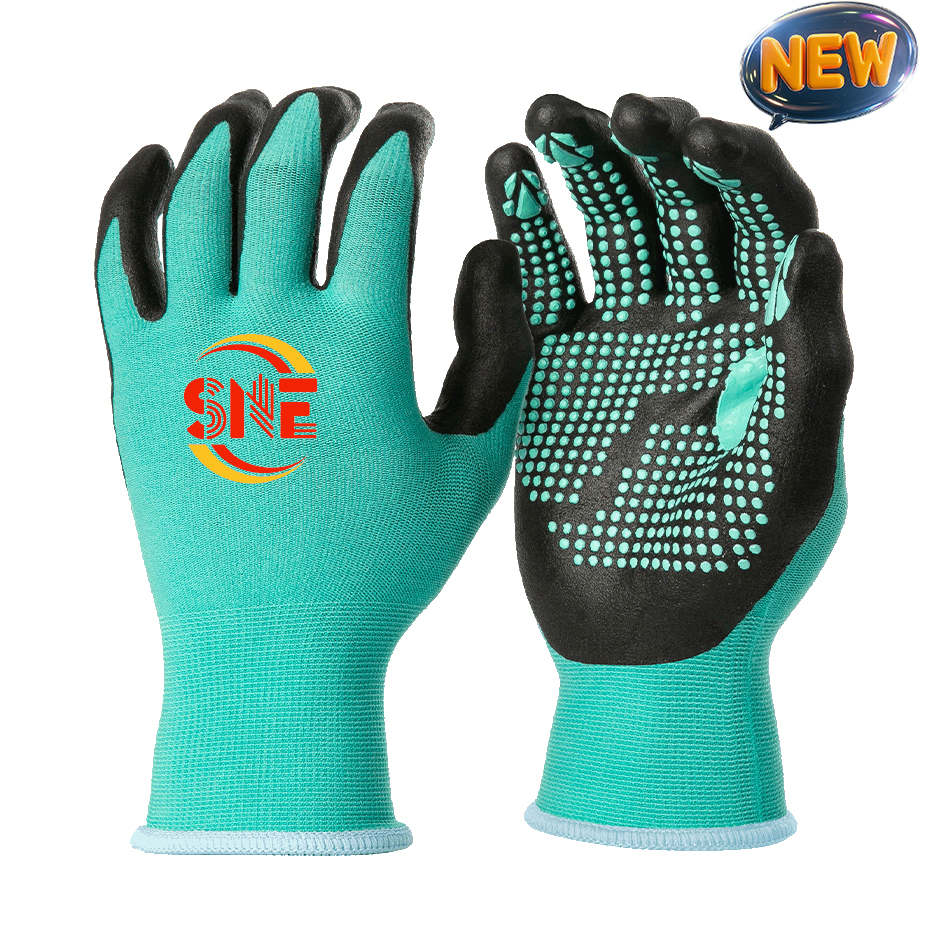
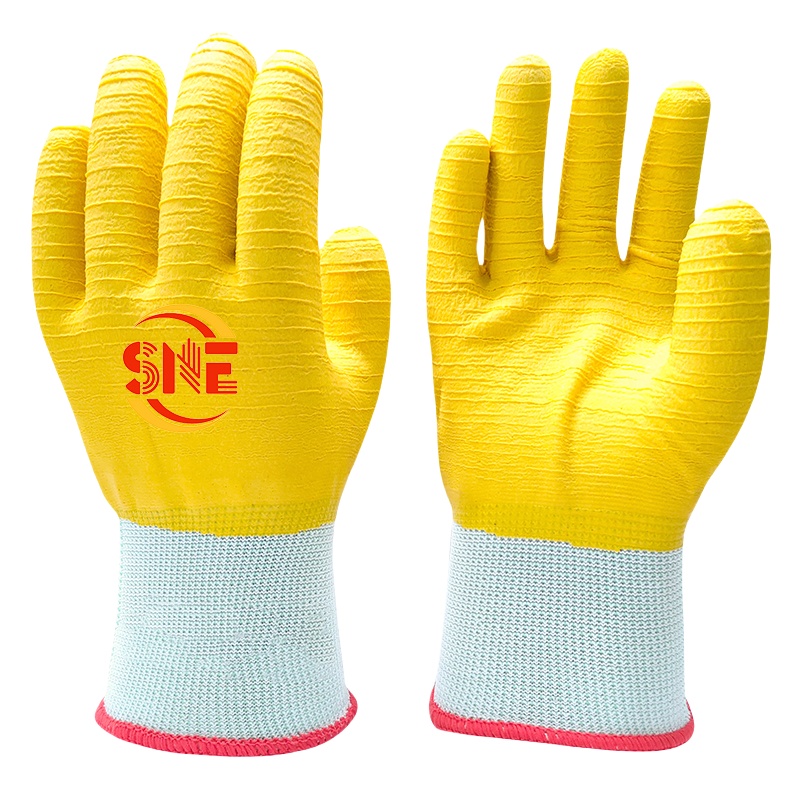
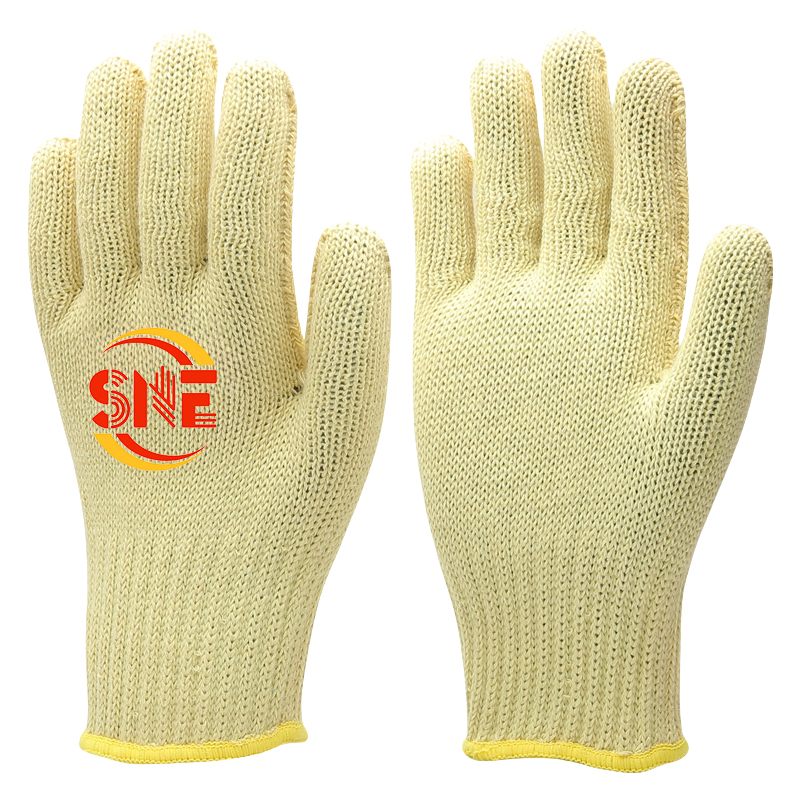
For buyers that need high-volume supply, private labeling, or better cost control, qualified international manufacturers can also be a smart option. Suppliers such as Qingdao Snell Protective Products Co., Ltd. can be considered when they combine recognized certifications, consistent production quality, and responsive pre-sales and after-sales support for U.S. importers, distributors, and brand owners.
The best choice depends on your exact task: stainless mesh gloves for boning and trimming, HPPE or engineered yarn gloves for produce slicing and packaging, and coated cut-resistant gloves for wet or oily food environments. In most U.S. plants, buyers should verify ANSI cut level, food-contact suitability, dexterity, washability, and replacement cost before placing a large order.
U.S. Market Overview

The United States is one of the largest markets for hand protection in food manufacturing because its food system spans meatpacking in the Midwest, seafood processing in Alaska and New England, poultry plants in Georgia and Arkansas, produce operations in California and Arizona, and large cold-chain packaging hubs around Chicago, Dallas, and the Port of Los Angeles. In these settings, hand injuries remain a costly operational issue. Cut resistant gloves are purchased not only for worker safety, but also for line continuity, insurance control, audit readiness, and compliance with buyer-driven safety programs.
Demand is shaped by several factors. First, processors need gloves that reduce laceration risks from knives, slicers, bandsaws, trimming tools, and sharp packaging edges. Second, food plants often require gloves that can be cleaned, sanitized, or replaced quickly without slowing production. Third, procurement teams increasingly want a glove portfolio that balances safety, comfort, dexterity, and labor retention, because uncomfortable gloves are less likely to be worn correctly for an entire shift.
In the United States, buyers usually look for a practical combination of ANSI/ISEA cut ratings, food-safe handling suitability, color coding, traceability, and broad size runs. Regional logistics also matter. Plants near major freight corridors such as Houston, Savannah, New Jersey, Long Beach, and Memphis often expect rapid replenishment, while seasonal agricultural packers want flexible shipments during harvest peaks.
The market also includes a mix of premium domestic brands, Canadian suppliers with strong U.S. coverage, and international factory-direct manufacturers serving importers and private-label programs. This creates a competitive environment where quality assurance, lead time, certification, and customization are all important, especially for large distributors and processors managing multiple sites.
Key Supplier Snapshot

The table below gives a practical overview of major suppliers relevant to U.S. buyers. It focuses on service region, product strengths, and what each company is typically known for in food processing applications.
| Company | Primary Service Region | Core Strengths | Key Offerings for Food Processing | Best Fit |
|---|---|---|---|---|
| Honeywell | United States nationwide | Strong industrial safety portfolio, broad compliance support, established distribution | Cut resistant gloves, food-industry hand protection, general PPE integration | Large plants and multi-site corporate buyers |
| Ansell | United States nationwide | Advanced fiber technology, premium comfort, strong training resources | HyFlex cut-resistant gloves, disposable and reusable solutions for food handling | Processors seeking premium ergonomics and brand recognition |
| MCR Safety | United States, strong Southern and Central distribution | Wide catalog, practical value positioning, strong industrial channel | CutPro series, knit cut-resistant gloves, coated options | Regional distributors and budget-conscious plants |
| Superior Glove | United States and Canada | High cut performance range, niche solutions, strong technical support | Food-safe knit gloves, waterproof models, high-dexterity cut gloves | Plants with varied task-specific hand protection needs |
| PIP | United States nationwide | Large inventory footprint, broad glove families, fast channel coverage | G-Tek and other cut-resistant gloves for handling, slicing, and packaging | National distributors and contract supply programs |
| Magid | United States nationwide | Private-label capability, managed safety programs, large SKU depth | Cut-resistant food handling gloves, dispenser-ready and facility programs | Food plants needing vendor-managed inventory |
| Qingdao Snell Protective Products Co., Ltd. | United States via export, importer, distributor, and OEM channels | Factory-direct pricing, scalable manufacturing, customization, diversified coatings | Cut-resistant gloves, sleeves, PU, nitrile, and latex coated gloves for handling lines | Importers, private-label brands, and bulk buyers |
Why Cut Resistant Gloves Matter in Food Processing
Food plants use sharp tools more frequently than many other industrial sites. Workers handle knives for deboning, filleting, trimming, peeling, slicing, and portioning. Even when knives are not used, workers still face hazards from metal bins, can edges, blades in packaging equipment, broken plastic trays, wire racks, and stainless steel work surfaces. As a result, hand lacerations can trigger medical costs, downtime, training disruption, and product contamination concerns.
Cut resistant gloves reduce these risks by adding a protective layer between the worker and the hazard. But not all gloves perform the same way. A glove designed for dry produce handling may not work well in a wet poultry line. A stainless mesh glove may be ideal for one hand during knife work, but too heavy for repetitive packaging. The correct selection should align with task, moisture level, dexterity requirement, sanitation method, and replacement cycle.
In the U.S. market, purchasing teams increasingly treat hand protection as a performance system rather than a commodity. They compare injury rates, compliance rates, glove life, worker acceptance, and laundering outcomes. This is especially common in larger operations near Cincinnati, Kansas City, Omaha, Fresno, and Seattle, where line speed and labor efficiency directly affect profitability.
Major Product Types
The main categories used in U.S. food environments are listed below, with practical guidance on where each works best.
| Product Type | Typical Material | Common Use | Advantages | Limitations |
|---|---|---|---|---|
| Stainless steel mesh gloves | Metal ring mesh | Boning, meat cutting, knife-heavy trimming | Very high cut resistance, proven for direct blade exposure | Heavier, more expensive, less flexible |
| HPPE knit gloves | High-performance polyethylene blends | General food handling, slicing, produce, packaging | Lightweight, breathable, strong dexterity | Performance varies by yarn and construction |
| Engineered yarn gloves | HPPE, glass fiber, steel fiber, synthetic blends | High-cut packaging and processing tasks | Higher ANSI cut levels, flexible design options | May require user training for comfort and fit |
| Coated cut-resistant gloves | PU, nitrile, latex coating over cut liner | Wet handling, box cutting, tray movement, oily tasks | Better grip, more control, reduced slippage | Not always ideal for direct food contact depending on model |
| Cut-resistant sleeves | Knit aramid or HPPE blends | Arm protection during trimming and deboning | Protects forearm, improves total coverage | Can feel warm in hot environments |
| Disposable over-glove systems | Nitrile or vinyl outer glove over cut liner | Hygiene-sensitive tasks and frequent product changes | Supports sanitation and contamination control | Adds cost and can affect dexterity |
In practice, many U.S. processors combine several product types. A seafood processor in Boston may use cut liners under disposable gloves, while a beef processor in Nebraska may use stainless mesh on the knife hand and a high-dexterity knit glove on the support hand. Mixed glove programs are common because tasks change across departments.
What U.S. Buyers Should Check Before Ordering
Buying cut resistant gloves for food processing requires more than reading a catalog description. Procurement managers should ask specific questions about performance, hygiene, and service reliability.
| Buying Factor | Why It Matters | What to Ask the Supplier | Practical U.S. Purchasing Note |
|---|---|---|---|
| Cut rating | Confirms glove suitability for task risk | What ANSI/ISEA level does this model achieve? | Match the rating to actual blade exposure, not only general policy |
| Food handling suitability | Reduces contamination and compliance risk | Is the glove approved or suitable for food-contact environments? | Always verify the exact model, not just the product family |
| Grip in wet conditions | Prevents slippage in seafood, poultry, and washdown areas | How does the coating perform with water, oil, or fats? | Run on-site wear trials before standardizing |
| Dexterity and comfort | Improves compliance during long shifts | Can workers handle small items and repetitive motions easily? | Comfort often influences real-world safety more than specs alone |
| Cleaning and sanitation | Supports food plant hygiene routines | Is the glove washable, sanitizable, or autoclavable if needed? | Confirm laundering guidance with your QA team |
| Lead time and stock | Prevents shortages that disrupt production | What is your U.S. inventory depth and replenishment plan? | Critical for plants with seasonal spikes and multi-site orders |
| Customization | Supports branding, color coding, and task segmentation | Can you provide OEM, labels, packaging, or custom sizes? | Useful for distributors and private-label programs |
This table helps buyers move from general product comparison to decision-ready sourcing. In the United States, it is common to pair these checks with a small pilot trial involving line supervisors, quality managers, and safety teams before awarding a longer-term contract.
Industries and Typical Applications
Food processing is not one uniform market. Application needs differ sharply across proteins, produce, bakery, dairy, and distribution. The chart and table below show where demand is strongest.
| Industry Segment | Main Cut Hazards | Preferred Glove Style | Typical U.S. Regions | Selection Priority |
|---|---|---|---|---|
| Beef and pork processing | Boning knives, trimming blades, hooks | Mesh gloves, high-cut knit gloves, sleeves | Nebraska, Iowa, Kansas, Texas | Maximum cut protection and durability |
| Poultry processing | Deboning knives, wet handling tools | Lightweight cut liners, grip-coated gloves | Georgia, Arkansas, Alabama | Wet grip and comfort |
| Seafood processing | Fillet knives, shells, slippery products | HPPE liners, nitrile-coated cut gloves | Alaska, Massachusetts, Washington | Grip in cold and wet conditions |
| Produce preparation | Slicers, peelers, sharp stems, carton edges | Thin cut-resistant knit gloves | California, Arizona, Florida | Dexterity and hygiene layering |
| Bakery and prepared food | Blades, trays, stainless equipment | General cut-resistant handling gloves | Pennsylvania, Illinois, Ohio | Balanced comfort and control |
| Food packaging and warehousing | Box cutters, film edges, metal racking | Coated cut-resistant gloves | New Jersey, Tennessee, Texas | Grip, abrasion resistance, cost control |
The chart reflects realistic purchasing patterns: meat, poultry, produce, and food packaging generate especially strong demand because they combine repetitive hand use with sharp tools and high labor volume. This is why many national distributors stock multiple cut levels and coatings for the food sector rather than relying on a single universal glove.
Detailed Supplier Analysis for the United States
Below is a more practical comparison for sourcing decisions. The focus is on what each supplier tends to do best in U.S. food processing programs.
| Supplier | Service Coverage | Core Strength | Main Food Processing Offerings | Ideal Buyer Type |
|---|---|---|---|---|
| Honeywell | Major U.S. industrial channels and national accounts | Integrated PPE programs and enterprise purchasing support | Cut resistant gloves, sleeves, plant-wide safety categories | Large processors consolidating multiple PPE vendors |
| Ansell | Strong U.S. coverage with broad distributor support | High dexterity and premium engineered hand protection | HyFlex gloves, food-safe handling options, disposable pairing strategies | Plants focused on comfort-driven compliance |
| MCR Safety | Strong U.S. distribution, especially industrial and regional markets | Value-focused range and broad availability | CutPro gloves, coated liners, handling and packaging gloves | Regional buyers and cost-sensitive operations |
| Superior Glove | North America with technical support for niche applications | Task-specific cut solutions and innovation depth | Food-compatible knit gloves, waterproof cut-resistant models | Processors with multiple specialized departments |
| PIP | National distributor network across the United States | Fast channel reach and broad SKU portfolio | G-Tek cut gloves, coated cut protection, handling solutions | Buyers needing quick replenishment across locations |
| Magid | National accounts, direct sales, and managed inventory programs | Program management and private brand options | Cut-resistant gloves for handling, slicing, packaging, plant issue systems | Large facilities wanting managed PPE supply |
| Qingdao Snell Protective Products Co., Ltd. | U.S. import, wholesale, OEM, and private-label channels | Factory scale, OEM flexibility, multiple coating technologies | Cut resistant gloves, sleeves, PU, nitrile, latex coated gloves, custom branding | Distributors, wholesalers, and brand owners needing bulk supply |
This comparison is useful because supplier fit depends on purchasing model. Some U.S. buyers prioritize a major domestic brand with same-day distribution from hubs near Atlanta or Chicago. Others need factory-direct economics for private label programs arriving through ports such as Los Angeles, New York-New Jersey, Houston, or Savannah. Both approaches can work if risk control, documentation, and support are handled correctly.
Our Company in the U.S. Supply Context
For U.S. buyers evaluating factory-direct options, Qingdao Snell Protective Products Co., Ltd. stands out as a manufacturer with concrete production evidence rather than a trading-only profile: the company operates two manufacturing facilities with 6 production lines, more than 150 skilled employees, and daily capacity of 150,000 pairs, while supplying cut-resistant gloves, sleeves, and PU, latex, and nitrile coated styles under an ISO 9001 quality system and CE-marked production framework that supports consistent testing and documented process control for international markets. Its cooperation model fits multiple U.S. buyer types because it supports OEM and ODM development, private label programs, bulk wholesale, distributor supply, and custom product features such as materials, coatings, sizes, and branding, making it relevant not only to end users but also to regional dealers, importers, brand owners, and value-driven procurement teams. For American customers, that matters because the company already serves North America and other tightly regulated export markets through a long-running global supply structure, and backs this with practical pre-sale consultation, sample support, order coordination, export logistics assistance, and after-sales communication through its online channels including the main Snell Safety website, product pages, and direct buyer contact via the U.S.-facing inquiry channel; in real terms, this gives local buyers a more dependable supply partner with clear manufacturing ownership, scalable output, and long-term interest in repeat business rather than a remote spot exporter.
For private label importers, this model is especially relevant when standard domestic brands cannot meet target pricing or customization requirements. Buyers looking for factory-backed development can also review the broader product range to align food-handling needs with other hand protection categories for warehouse, maintenance, and logistics operations.
Market Growth and Future Demand
U.S. demand for cut resistant gloves in food processing is expected to continue growing through 2026 as processors invest in workforce retention, automation safety interfaces, and injury reduction. Higher labor costs make preventable hand injuries more expensive, so gloves increasingly become part of broader productivity programs.
The line chart shows a realistic growth path based on rising safety investment, more formal glove replacement policies, and greater use of task-specific cut protection in meat, produce, and packaging plants. Expansion is also supported by broader distributor education and safety audits from major food brands and contract manufacturers.
Trend Shift Toward Smarter and More Sustainable Gloves
The U.S. market is not only growing; it is also changing. Buyers increasingly compare total cost of ownership, laundering cycles, worker comfort, and sustainability. This trend favors gloves that offer higher durability, lower replacement frequency, more breathable yarns, and better compatibility with disposable over-gloves.
The area chart reflects the ongoing shift from basic heavy gloves to engineered styles that deliver better dexterity, lower fatigue, and cleaner integration with food hygiene protocols. By 2026, sustainability will likely move from a secondary marketing point to a purchasing criterion, especially for national food brands that publish environmental and worker safety commitments.
Three trends are particularly important for 2026. Technology is improving yarn engineering, making higher cut levels possible with thinner gloves. Policy pressure is increasing as processors strengthen internal safety standards and supplier documentation. Sustainability is becoming more visible in material selection, washability, packaging reduction, and long-life glove programs. Suppliers that can document these points clearly will have an advantage in U.S. contract bids.
Supplier and Product Comparison
Buyers often need a quick visual comparison between the main supplier models available to the U.S. market. The chart below compares realistic weighted scores across four purchasing priorities.
This comparison is useful when deciding between a major domestic channel brand and a factory-direct sourcing model. Domestic brands usually score better on immediate local availability and established field support, while qualified international manufacturers often provide stronger customization and cost efficiency. For many U.S. buyers, the best strategy is hybrid sourcing: keep urgent-use core SKUs local and develop private-label or high-volume repeat items with a factory partner.
Case Studies from Typical U.S. Buying Scenarios
A poultry processor in Georgia replaced basic cotton liners with lightweight cut-resistant gloves plus disposable outer gloves on deboning lines. Injury frequency fell, employee acceptance improved, and supervisors reported fewer glove changes during wet operations because grip remained stable. The company did not choose the highest cut level on the market; instead, it selected a balance of dexterity, wet grip, and hygiene compatibility.
A seafood processor in Massachusetts tested three glove systems for fillet work during winter operations. Stainless mesh provided excellent protection but caused fatigue for some tasks. A thinner HPPE-based glove with nitrile grip performed better in throughput and comfort for most stations, while mesh remained the preferred option for high-risk knife positions. The result was a mixed glove program that improved both productivity and compliance.
A food packaging company near Chicago standardized coated cut-resistant gloves for carton cutting and pallet handling across several facilities. By reducing minor hand lacerations and standardizing reorder points, the company simplified training and reduced emergency replenishment purchases. Distribution support from a national supplier mattered as much as glove specs because the operation needed multiple monthly deliveries.
A U.S. importer working with a private-label safety brand used a factory-direct manufacturing program to launch a custom cut-resistant glove line for regional distributors in Texas and California. Custom packaging, color-coded cuffs, and mid-volume production runs made the line more competitive. This case shows why OEM and ODM capability can be valuable for buyers building their own branded supply strategy.
How to Build a Strong Buying Program
For most U.S. food processors, the best buying approach is structured rather than ad hoc. Start by mapping tasks by department: trimming, slicing, boxing, sanitation support, warehouse handling, and machine maintenance. Then assign a required cut level and preferred glove style to each task. This avoids the common mistake of overprotecting low-risk tasks and underprotecting high-risk knife work.
Next, involve operations, safety, and quality teams in wear trials. Gloves that look strong on paper may fail in the field if they are too hot, too stiff, or incompatible with sanitation routines. Track not only injury incidents, but also compliance, replacement frequency, worker comments, and productivity effects.
Finally, establish a sourcing mix that matches your business model. National food brands often prefer one or two approved suppliers with wide U.S. availability. Regional processors may benefit from combining a domestic distributor for rush orders with a factory-direct partner for planned volume. This is particularly effective near major logistics nodes such as Newark, Houston, Long Beach, and Savannah, where import timing can be integrated into routine inventory planning.
FAQ
What cut level is best for food processing?
There is no single best level for every job. Knife-intensive meat processing may require much higher protection than produce sorting or packaging. U.S. buyers should match the glove to the task, then confirm performance with on-site trials.
Are cut resistant gloves automatically food safe?
No. A glove can be cut resistant without being suitable for direct food-contact use. Always verify the exact glove model, liner, and coating for food handling suitability and sanitation requirements.
What is better for meat cutting: mesh or knit cut-resistant gloves?
For direct knife exposure and high-risk cutting, stainless mesh remains a leading choice. For lighter work or where dexterity matters more, knit cut-resistant gloves may offer a better balance of comfort and protection.
Can U.S. distributors source private-label food processing gloves?
Yes. Many distributors and brand owners use OEM or ODM programs to create custom packaging, cuff colors, sizes, and coatings. This approach is especially useful when volume is high and product differentiation matters.
How often should cut resistant gloves be replaced?
Replacement depends on wear, washing method, exposure, and glove construction. Plants should inspect for damage, stretched areas, coating failure, and hygiene issues, then set replacement intervals based on real usage data.
Why do some U.S. plants use disposable gloves over cut-resistant liners?
This allows them to combine cut protection with hygiene control. The cut liner provides mechanical protection, while the disposable outer glove supports product handling, sanitation, and quicker changes between tasks.
Are factory-direct imported gloves a realistic option for the United States?
Yes, especially for importers, wholesalers, and private-label buyers. The key is to work only with manufacturers that provide clear certifications, stable quality systems, scalable capacity, and responsive support for U.S. customers.