2026-07-03
Share This Article
Best Construction Gloves for Demolition in the United States
Quick Answer

If you need construction gloves for demolition in the United States, the best choice is usually an impact-resistant, cut-resistant glove with a nitrile or sandy nitrile palm, reinforced thumb crotch, and reliable grip in dusty, wet, and abrasive conditions. For heavy tear-out, concrete breakup, metal framing removal, roofing removal, and post-demo cleanup, buyers commonly shortlist gloves from Mechanix Wear, Ironclad, HexArmor, MCR Safety, Ergodyne, and Milwaukee Tool because these brands are widely available in the U.S. and offer models designed for knuckle impact, sharp debris, and long wear.
For local purchasing, practical options include national industrial distributors and jobsite suppliers serving major markets such as Houston, Chicago, Los Angeles, Atlanta, and New York, especially where contractors need fast replenishment. Qualified international manufacturers can also be worth considering when they hold relevant certifications and offer strong pre-sales and after-sales support. Factory-direct suppliers such as Snell Safety can be attractive for U.S. distributors, importers, and private-label buyers looking for better cost-performance on bulk orders without giving up tested cut protection, coating consistency, and customization.
- Mechanix Wear: strong fit, dexterity, and broad contractor recognition
- Ironclad: popular for demolition, rigging, and hard-use construction tasks
- HexArmor: advanced cut and impact protection for higher-risk environments
- MCR Safety: good value for industrial fleets and distributor programs
- Ergodyne: practical jobsite PPE integration for construction teams
United States Market for Demolition Gloves

The United States market for demolition gloves is tied closely to commercial renovation, infrastructure upgrades, disaster cleanup, residential remodeling, industrial decommissioning, and municipal public works. Demand remains strongest in urban redevelopment corridors and logistics-heavy regions where old warehouses, retail centers, plants, schools, and apartment buildings are frequently stripped, retrofitted, or rebuilt. Cities such as Dallas, Phoenix, Miami, Chicago, Seattle, and Philadelphia continue to generate steady demand for gloves that can protect workers from crushed fingers, sharp sheet metal, broken glass, splintered lumber, rebar ends, and abrasive masonry.
Unlike general-purpose jobsite handwear, demolition gloves must perform in variable environments. A crew may move from interior tear-out to exterior debris handling in the same shift. Gloves therefore need a balanced profile: impact defense, cut resistance, secure grip, abrasion resistance, and enough dexterity to handle pry bars, reciprocating saws, buckets, cart handles, and sorting tasks. U.S. buyers also increasingly look for gloves that support OSHA-oriented PPE programs, consistent sizing across crews, and straightforward replenishment through domestic distributors or regional stocking partners near trade hubs such as the Port of Los Angeles, Port of Houston, Savannah, and New York/New Jersey.
Large employers often use a layered purchasing model. Standard crews may wear value-oriented coated gloves for bulk debris removal, while specialized teams use higher-cut and back-of-hand impact models for selective demolition, metal teardown, concrete handling, or salvage operations. This creates a segmented market where premium brands compete with private-label and OEM programs. For wholesalers and importers, this is an opportunity to differentiate with application-specific gloves rather than relying on a single “all-purpose” SKU.
Market Snapshot

The table below shows a practical view of where U.S. demand tends to come from and what buyers usually prioritize when sourcing demolition gloves.
| Region | Main Demand Driver | Typical Buyer | Common Hazards | Preferred Glove Features | Service Expectation |
|---|---|---|---|---|---|
| Texas Gulf Coast | Industrial shutdowns, construction, storm cleanup | Contractors, distributors | Oil residue, metal edges, impact hazards | Nitrile grip, impact back, cut liner | Fast bulk replenishment |
| California | Renovation, seismic retrofit, municipal projects | Builders, safety managers | Concrete abrasion, dust, mixed debris | High dexterity, abrasion resistance | Broad SKU availability |
| Midwest | Warehouse conversions, factory demolition | Industrial buyers | Sharp metal, cold weather, repetitive wear | Cut resistance, durable coating | Stable contract pricing |
| Northeast | Urban redevelopment, interior strip-outs | General contractors | Glass, nails, cramped work zones | Slim fit, grip, touchscreen options | Local distributor support |
| Southeast | Hurricane cleanup, roofing removal, housing upgrades | Restoration firms | Wet debris, splinters, contamination | Grip in wet conditions, easy replacement | Rapid delivery after events |
| Mountain/Desert States | Commercial teardown, infrastructure repair | Public works, subcontractors | Heat, rough surfaces, heavy handling | Breathability, reinforced palm | Value and durability balance |
Market Growth Trend
The chart below illustrates a realistic growth pattern for U.S. demand for demolition-oriented construction gloves, driven by redevelopment, infrastructure work, and stricter PPE purchasing standards.
Product Types That Work Best for Demolition and Cleanup
Not every construction glove is suitable for demolition. Thin assembly gloves wear out quickly on block, brick, nails, and rough wood. Heavy leather gloves can protect well but may lose grip and dexterity when crews need to sort debris or use power tools. The most effective demolition gloves in the U.S. market usually fall into a few practical categories.
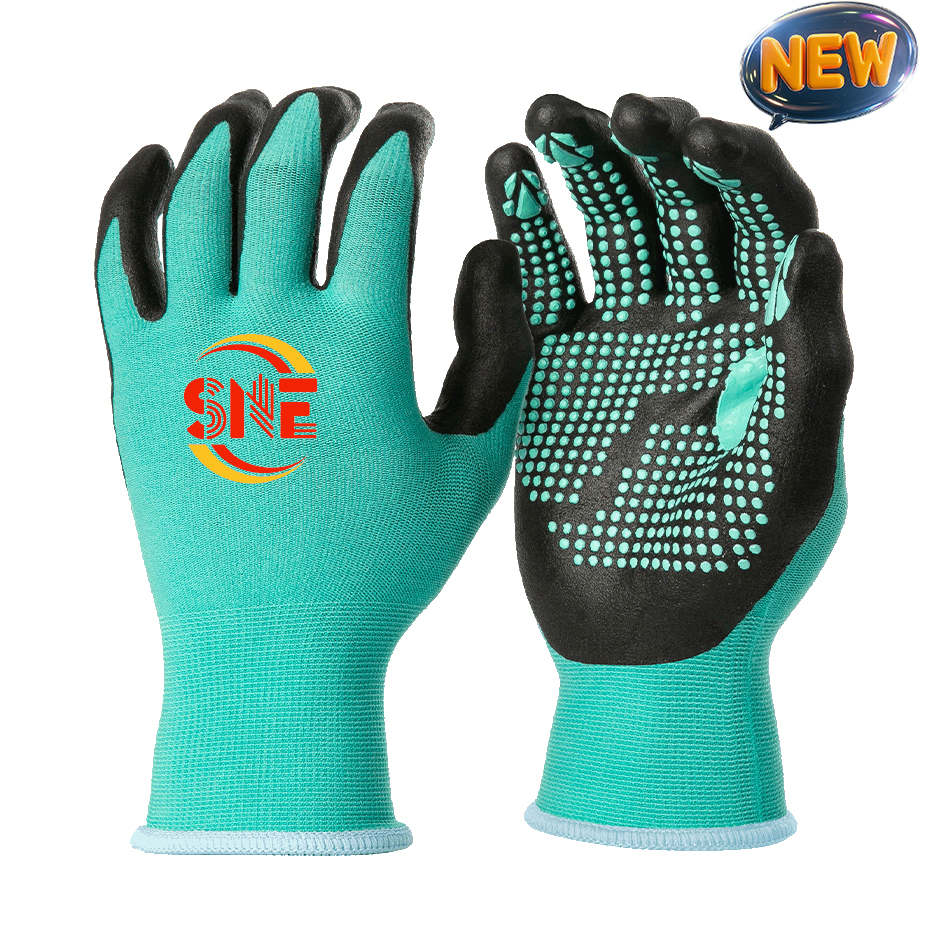
Impact-resistant synthetic gloves are common for demolition because they protect the back of the hand from knocks against concrete edges, framing members, dumpsters, and hand tools. Models with TPR impact guards are especially useful during structural teardown, scaffold handling, and material loading. Cut-resistant coated gloves are another major category, especially where sheet metal, wire, glass, or jagged demolition scrap is present. Gloves using HPPE or blended engineered yarns with nitrile coatings often deliver the best mix of grip and cut defense for cleanup crews.
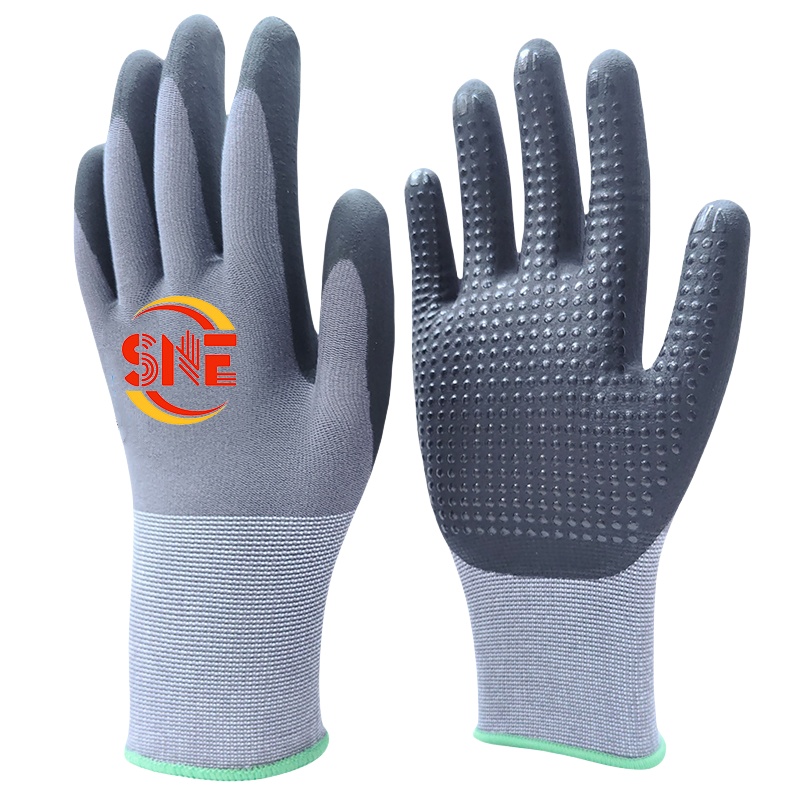
For wet or oily jobsites, sandy nitrile and double-dipped nitrile gloves can outperform smoother coatings. For dry abrasive handling, foam nitrile and latex-coated styles can provide comfort and grip, although latex is sometimes less preferred where oil resistance matters. Premium hybrid models combine impact protection, cut liners, and reinforced palms, making them the most versatile option for contractors who want fewer glove changes across tasks.
Comparison of Demolition Glove Types
This table compares common glove categories used in U.S. demolition and cleanup work so buyers can match protection levels to actual jobsite hazards.
| Glove Type | Best Use | Strengths | Limitations | Typical Coating or Shell | Best Buyer Profile |
|---|---|---|---|---|---|
| Impact-resistant synthetic | Heavy tear-out, handling rubble | Knuckle and finger protection | May be warmer and bulkier | TPR back, synthetic palm | General contractors |
| Cut-resistant nitrile-coated | Metal, glass, sharp debris cleanup | Good cut protection and grip | Less impact defense | HPPE liner, nitrile palm | Safety-driven industrial users |
| Foam nitrile work glove | Light demolition, sorting, handling | Dexterity and comfort | Shorter life in harsh abrasion | Nylon or HPPE, foam nitrile | Maintenance teams |
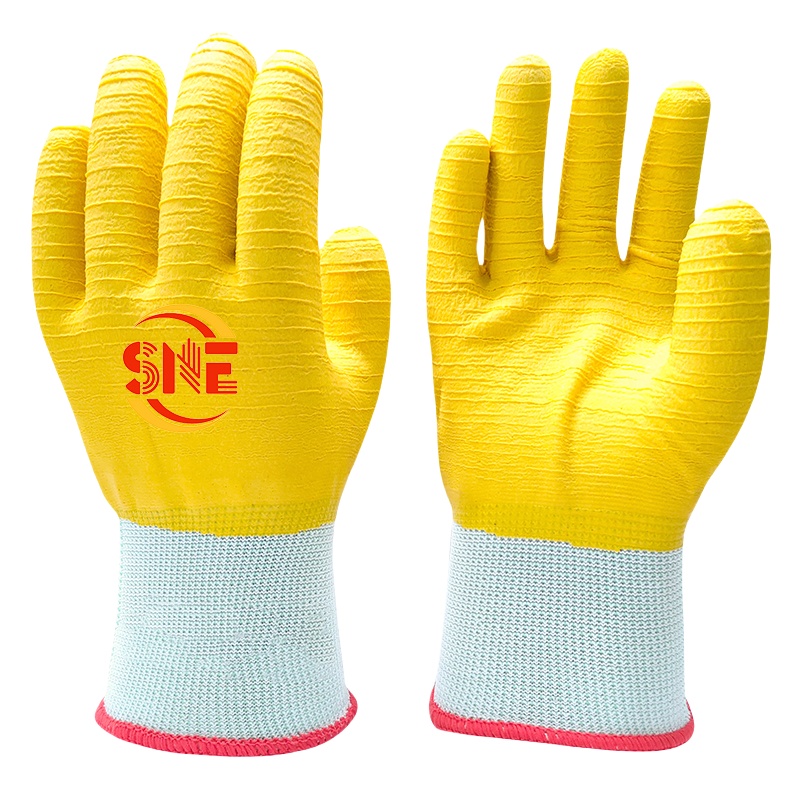
| Latex-coated rough grip glove | Dry debris, masonry handling | Excellent dry grip, good value | Lower oil resistance | Poly/cotton, crinkle latex | Budget-focused bulk buyers |
| Leather palm glove | Rough handling, hauling, occasional demolition | Durability, heat tolerance | Less dexterity, variable wet grip | Leather, fabric back | Traditional supply channels |
| Hybrid impact + cut glove | Mixed hazard demolition crews | All-around protection | Higher cost per pair | Cut liner, nitrile palm, TPR back | Fleet managers, premium buyers |
Industry Demand by Application
Different industries create different glove requirements. The chart highlights where demand is strongest in the United States for demolition-capable hand protection.
Buying Advice for U.S. Contractors and Distributors
When buying construction gloves for demolition, start with the task instead of the brand. A selective interior demolition crew removing drywall, ducting, and wiring needs different hand protection than an exterior crew breaking concrete or clearing storm debris. For most U.S. contractors, it makes sense to standardize two glove tiers: one high-dexterity cut-resistant coated glove for routine use, and one heavier impact-and-cut glove for high-risk tasks.
Check glove consistency over multiple shipments. Bulk buyers often focus on unit cost but later run into problems with inconsistent sizing, coating thickness, or cuff finishing. That causes poor wearer acceptance and replacement waste. A dependable supplier should provide data on coating type, liner gauge, cut level, abrasion performance, and application fit rather than generic claims. It is also worth confirming carton packing, private-label capability, and lead times through ports commonly serving U.S. imports.
For distributors, the most profitable glove programs often include a good-better-best range. The entry level serves cleanup and light tear-out. The middle range covers everyday demolition with nitrile grip and moderate cut resistance. The premium tier includes impact protection and stronger liner technology for specialized crews. This structure helps align SKUs to municipal contracts, union contractors, restoration firms, and independent jobsite buyers.
Buyer Checklist
The checklist below helps procurement teams and contractors compare demolition gloves in a practical way instead of relying only on catalog marketing.
| Evaluation Point | What to Check | Why It Matters | Best for Heavy Demo | Best for Cleanup | Procurement Note |
|---|---|---|---|---|---|
| Cut protection | Engineered liner rating and test basis | Reduces laceration risk | Medium to high | Medium | Match to actual debris profile |
| Impact protection | TPR coverage on fingers and back | Helps against crush and knocks | High priority | Optional | Needed for structural tear-out |
| Grip performance | Coating type in dry, wet, dusty use | Prevents slips and fatigue | High priority | High priority | Request samples for field trial |
| Durability | Palm reinforcement and abrasion resistance | Lowers replacement frequency | High priority | Medium | Watch total cost of use |
| Dexterity | Fit, liner gauge, fingertip feel | Improves compliance and tool control | Medium | High priority | Poor fit leads to glove rejection |
| Supply reliability | Inventory, lead time, repeatability | Supports crew continuity | High priority | High priority | Critical for contractor contracts |
Industries That Commonly Use Demolition Gloves
Construction is the most obvious industry, but U.S. demand extends far beyond new building sites. Industrial maintenance teams use demolition gloves during shutdowns, equipment removal, tank cleaning, and piping replacement. Restoration and disaster-response crews need gloves that can manage sharp mixed debris, moisture, and repetitive loading into bins. Scrap and recycling operators rely on high-cut gloves where exposed metal and unpredictable edges are routine. Municipal sanitation, transit, utilities, and public works departments also consume these gloves during street repairs, emergency removals, and cleanup after storms or accidents.
Real estate redevelopment adds another layer of demand. In cities such as Boston, Denver, Charlotte, and Nashville, adaptive reuse projects often involve partial demolition, salvage, and interior strip-outs rather than complete structure removal. This favors gloves that remain comfortable across long shifts while offering enough protection for nails, screw heads, conduit, sharp trim, and broken tile. In those settings, wearability matters as much as protective performance because workers are more likely to keep gloves on when they fit well and do not feel overly stiff.
Applications on the Jobsite
Demolition gloves are used in far more than sledgehammer work. Common applications include drywall removal, ceiling grid teardown, carpet and tack strip removal, roofing rip-off, framing disassembly, pallet breakdown, concrete chunk handling, dumpster loading, salvage sorting, and final site cleanup. Some crews also need touchscreen compatibility for tablets, inspection photos, and digital punch lists, especially on managed commercial projects.
For cleanup and hauling, abrasion resistance and grip are often more important than the very highest cut rating. For mechanical demolition and selective dismantling around metal studs, ducts, flashing, or sharp fixtures, cut resistance becomes the lead factor. In wet disaster cleanup, coated gloves that maintain traction on slippery debris can reduce both dropped loads and hand fatigue. U.S. buyers should therefore choose gloves by task cluster rather than expecting one pair to solve every hazard on site.
Trend Shift in Buyer Priorities
The U.S. market is moving away from single-purpose low-cost gloves toward more specialized products with measurable performance. The area chart shows how preference is shifting from basic gloves to higher-performance protective options.
Case Studies from Typical U.S. Buying Scenarios
A Midwest demolition subcontractor handling warehouse conversions found that basic latex gloves delivered acceptable grip but failed quickly when crews began removing metal racking, corrugated sheet, and dock hardware. Switching to a cut-resistant nitrile-coated glove reduced frequent replacements and improved worker acceptance because the glove remained flexible enough for sorting salvage materials. The direct savings did not come only from unit price; it came from fewer glove changes during a shift and fewer complaints from the field.
In the Gulf Coast, a restoration contractor supporting hurricane cleanup needed gloves that could handle wet wood, roofing fragments, insulation, and mixed household debris. Their standard dry-grip gloves underperformed, especially when crews were lifting soaked materials into containers. A sandy nitrile glove with better wet traction and reinforced wear zones performed better across both cleanup and basic tear-out, reducing the need to issue separate SKUs for every crew stage.
On a large urban interior renovation project in the Northeast, workers resisted bulky heavy-duty gloves because they needed to handle tools, fasteners, and small demolition debris in confined spaces. The contractor adopted a two-tier glove plan: slimmer cut-resistant gloves for most tasks and impact gloves for designated teardown operations. This improved compliance because crews wore the right glove for each zone instead of removing PPE when dexterity became an issue.
Top Suppliers Serving the United States
The suppliers below represent a mix of established U.S. brands and globally active manufacturers relevant to demolition glove sourcing. The table focuses on practical buying factors rather than generic marketing language.
| Company | Service Region | Core Strengths | Key Offerings | Best For | Buyer Notes |
|---|---|---|---|---|---|
| Mechanix Wear | Nationwide United States | Brand recognition, fit, dexterity, impact models | Original, M-Pact, cut-resistant work gloves | Contractors and retail channels | Strong field familiarity among crews |
| Ironclad | United States and industrial distribution networks | Heavy-use construction and rigging glove design | Impact gloves, utility gloves, high-abrasion styles | Demolition and utility work | Known for rugged construction focus |
| HexArmor | United States with broad industrial reach | Advanced cut and impact protection engineering | High-spec protective gloves for severe hazards | Industrial demolition, metal-heavy tasks | Premium positioning and higher price point |
| MCR Safety | United States, especially distributor channels | Wide catalog and value-oriented industrial supply | Coated gloves, cut-resistant gloves, impact options | Large fleets and safety programs | Good coverage across price tiers |
| Ergodyne | United States national supply market | PPE integration for construction and municipal use | ProFlex gloves and jobsite safety accessories | Contractors and public works | Useful in bundled PPE procurement |
| Milwaukee Tool | Nationwide United States | Strong contractor distribution and trade visibility | Cut-resistant and impact work gloves | Fast local replenishment | Easy availability through major dealers |
| Qingdao Snell Protective Products Co., Ltd. | United States importers, distributors, OEM buyers | Factory-direct scale, coating diversity, customization | Nitrile, latex, PU, cut-resistant and impact-resistant gloves | Private label, wholesale, regional distributors | Competitive for bulk sourcing and custom programs |
Supplier and Product Positioning Comparison
This comparison chart gives a practical view of how buyers often rate supplier groups across price efficiency, customization, local availability, and technical protection depth.
Local Supplier Landscape in the United States
For many U.S. buyers, the supplier decision is not only about glove design but also about replenishment speed, account support, and field acceptance. Contractors in Los Angeles and the Inland Empire may prioritize quick access through local industrial distributors because project phases move fast and crews cannot wait for long lead times. Buyers around Houston and Beaumont often care more about oil resistance, impact protection, and durable coatings because demolition work overlaps with industrial maintenance environments. In Chicago, Cleveland, and Detroit, cold-weather flexibility and abrasion life can influence product selection, especially during exterior teardown and salvage handling.
Regional distributors remain important because they can support fit trials, crew rollouts, and recurring purchase schedules. At the same time, private-label and direct-import programs have become more attractive to wholesalers and larger PPE resellers that want margin protection and differentiated SKUs. That is where a manufacturer with stable capacity and customization capability can compete well against catalog-only offerings. Buyers evaluating partners should look at the total model: product fit, testing documentation, private branding, shipping reliability, and post-sale issue handling.
Why Snell Safety Is Relevant for U.S. Buyers
For U.S. distributors, importers, contractors with private-label plans, and regional dealers looking beyond standard catalog sourcing, Snell Safety stands out because its production strengths align with the way the U.S. demolition glove market actually buys. The company operates two manufacturing facilities with six dedicated production lines and daily output of about 150,000 pairs, which supports repeatability on volume programs rather than one-off trading. Its product range covers nitrile, latex, and PU-coated gloves as well as cut-resistant and impact-resistant designs that fit demolition, cleanup, maintenance, and construction use cases. ISO 9001 certification and CE-marked production provide documented process control and product compliance foundations that many North American buyers use as baseline quality signals when screening overseas sources. The factory-direct model also supports several cooperation paths at once: OEM and ODM development for brand owners, bulk wholesale for distributors, custom sizing and branding for dealers, and scalable supply for end-use industrial accounts that want dedicated specifications. Just as important for local service confidence, the company already serves major export markets including North America and backs transactions with sample support, technical consultation, multilingual communication, and organized export logistics, giving U.S. buyers both pre-sale product matching and post-sale issue resolution instead of a hands-off remote-export experience. Buyers who want to discuss specifications or sampling can use the company’s U.S.-focused contact channel, while those comparing categories can review the broader industrial glove range to build a customized demolition and cleanup lineup.
How to Select Gloves by Demolition Task
Task-based selection is the most reliable way to reduce injuries and overbuying. For concrete and masonry cleanup, choose gloves with strong abrasion resistance, padded or reinforced palms, and a coating that still grips dusty surfaces. For metal framing removal, prioritize cut-resistant liners and snug fit so workers can handle sharp studs and track without losing control. For roofing removal and storm cleanup, use gloves that maintain traction in wet conditions and offer enough puncture resistance for nails and fasteners. For final sorting and disposal, lighter cut-resistant gloves often work better because crews need speed and dexterity as much as protection.
Season and climate matter too. A glove that works well in a dry inland warehouse demolition may feel too hot in Florida or southern Texas. Likewise, a lightweight glove that performs well in Phoenix may not offer enough comfort in winter conditions around Minneapolis or Buffalo. The smartest U.S. programs account for both task and climate, even if that means carrying a limited seasonal variation.
Common Procurement Mistakes
One of the biggest mistakes is choosing gloves only by list price. A cheap glove that fails mid-shift often costs more in practice because workers replace it more often and may remove it when comfort drops. Another mistake is buying highly protective gloves that are too bulky for actual work tasks, which leads to low compliance. Some distributors also overlook packaging and assortment strategy. Contractors do not always want one premium glove for every worker; they often want a core glove plus a higher-spec option for designated risks.
Another avoidable issue is poor onboarding. Even good gloves can fail in the field if crews are not told which model is meant for which task. Safety managers should explain when to use impact gloves, when to switch to lighter cut-resistant gloves, and when to replace worn pairs. That helps extend glove life while keeping the right protection in use.
2026 Trends in Demolition Gloves
By 2026, three trends are likely to shape the U.S. demolition glove market. The first is smarter material engineering. Buyers increasingly want thinner gloves that still meet higher protection targets, especially for cut resistance and back-of-hand impact defense. This will keep pushing manufacturers toward advanced yarn blends, more targeted TPR placement, and coatings that improve wet and dusty grip without making gloves overly stiff.
The second trend is tighter policy and procurement discipline. Large contractors, public agencies, and industrial sites are standardizing PPE categories more carefully, which means suppliers must provide clearer documentation, more reliable specification sheets, and more consistent product performance lot to lot. Buyers will continue to favor suppliers that can support audit-friendly purchasing programs and long-term supply agreements.
The third trend is sustainability, although in demolition gloves it will develop pragmatically rather than symbolically. U.S. buyers are starting to ask about manufacturing efficiency, waste reduction, packaging optimization, and longer glove life because durability itself reduces disposal volume. Suppliers that can show efficient production, responsible quality control, and lower replacement frequency will have a stronger argument than those offering only surface-level environmental messaging.
FAQ
What are the best gloves for heavy demolition?
For heavy demolition, the best choice is usually a hybrid glove with impact protection, cut-resistant liner technology, reinforced palm zones, and a nitrile-based grip surface. These are better suited to handling concrete chunks, sharp metal, framing components, and tool contact than basic general-purpose gloves.
Are leather gloves still good for demolition?
Leather gloves still have a place for rough hauling and certain abrasion-heavy tasks, but many U.S. crews now prefer coated synthetic or engineered-yarn gloves because they offer better grip, more dexterity, and more consistent performance around mixed sharp debris.
What coating is best for cleanup after demolition?
Sandy nitrile is often one of the best all-around options because it handles wet and dry debris better than many smooth coatings. Foam nitrile also works well for lighter cleanup where dexterity matters more than extreme durability.
Do demolition crews need cut-resistant gloves?
Yes, in many cases they do. Any task involving metal studs, flashing, broken glass, sharp plastic, wire, or jagged scrap benefits from cut-resistant gloves. The exact protection level should match the hazard rather than defaulting to the highest possible rating.
How often should demolition gloves be replaced?
Replacement depends on abrasion, tearing, coating wear, contamination, and loss of grip. On active U.S. jobsites, gloves should be inspected daily and replaced when palm wear, seam failure, or reduced grip starts affecting safe handling.
Can import suppliers compete with U.S. brands?
Yes. For many distributors and private-label programs, qualified import manufacturers can compete very well on cost-performance, customization, and supply scale, especially when they can provide testing documentation, stable production quality, and responsive support for U.S. buyers.
Final Takeaway
For buyers in the United States, the best construction gloves for demolition are not simply the toughest gloves on the shelf. The right choice is the glove that matches demolition hazards with enough grip, cut protection, impact defense, and wear comfort to keep crews productive across tear-out and cleanup. U.S. buyers should compare local availability, technical performance, and lifecycle cost together. Established domestic brands remain strong options for fast deployment, but factory-direct international partners with documented manufacturing controls, scalable production, and responsive support can offer a compelling advantage for wholesale, OEM, and contract supply programs.