2026-09-06
Share This Article
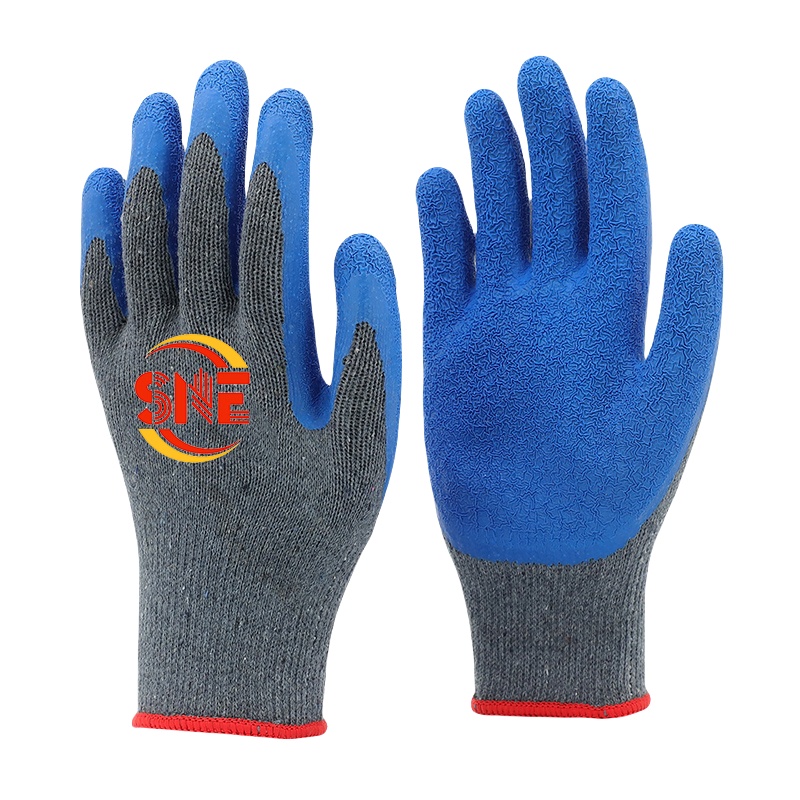
How to Choose Construction Gloves in the United States
Quick Answer

The best construction gloves in the United States depend on the task, hazard level, and weather conditions. For general framing and material handling, Ironclad, Mechanix Wear, HexArmor, Wells Lamont, Ansell, and MCR Safety are widely trusted names with broad U.S. availability. For demolition, rebar, glass, and metal handling, cut-resistant and impact-resistant models from HexArmor, Ansell, and MCR Safety are often the safest options. For concrete work, wet environments, and oily job sites, nitrile-coated or latex-coated grip gloves usually provide better control and abrasion resistance than basic cotton gloves. Buyers in major construction markets such as Texas, California, Florida, Illinois, and New York should compare ANSI cut levels, impact protection, grip performance, cuff style, and replacement cost before standardizing a glove program. Qualified international suppliers can also be a smart option, especially when they hold relevant certifications and provide dependable pre-sales and after-sales support in the U.S. market, because factory-direct sourcing often improves cost performance for contractors, distributors, and private-label buyers.
Why Construction Gloves Matter in the United States Market

Construction remains one of the largest users of industrial hand protection in the United States. Across commercial building, residential development, infrastructure repair, road work, utilities, oil and gas support, and warehouse-linked construction logistics, hand injuries remain among the most common jobsite incidents. Cuts, abrasions, crush injuries, punctures, vibration exposure, concrete irritation, and cold-weather handling all create different glove requirements. That is why buyers no longer treat construction gloves as a low-value commodity. Instead, safety managers, procurement teams, distributors, and project owners increasingly evaluate gloves by total cost of ownership, injury prevention, worker acceptance, and compliance with ANSI performance standards.
In practical terms, the U.S. market is shaped by several local realities. Large metropolitan construction hubs such as Houston, Dallas, Los Angeles, Chicago, Atlanta, Miami, Phoenix, and New York often have mixed crews doing framing, drywall, roofing, MEP installation, demolition, scaffolding, and site cleanup at the same time. A single job may require lightweight dexterity gloves for layout teams, coated grip gloves for material handlers, high-cut protection for sheet metal installers, and impact gloves for heavy equipment support crews. Near trade gateways such as the Port of Los Angeles, Port of Long Beach, Port of Houston, Savannah, and Newark, distributors also serve contractors that expect reliable inventory and fast replenishment.
Another key market factor is climate. Gloves used in Minnesota winter concrete work, Gulf Coast humidity, Arizona heat, and Pacific Northwest rain cannot be selected the same way. Breathability, liner weight, grip in wet conditions, and cuff design all affect whether workers actually wear the glove correctly throughout a shift. A glove that meets a technical test but is too hot, too stiff, or too slippery often fails in real field conditions.
The line chart above illustrates a realistic demand growth pattern for construction gloves in the United States. Growth is supported by infrastructure spending, warehouse construction, energy projects, and stricter contractor safety programs. It also reflects a shift from low-cost disposable glove buying toward higher-performance reusable hand protection.
Major Types of Construction Gloves

Construction gloves cover a wide range of designs, materials, and performance features. The most suitable glove depends on the exact hazard rather than the trade label alone. Understanding the main categories helps buyers avoid overpaying for unnecessary features or under-protecting workers in high-risk tasks.
| Glove Type | Typical Materials | Best Use on U.S. Jobsites | Main Strength | Main Limitation | Recommended Buyer |
|---|---|---|---|---|---|
| General purpose work gloves | Polyester, cotton blends, synthetic leather | Light handling, cleanup, basic carpentry | Low cost and easy replacement | Limited cut and impact protection | Small contractors, maintenance teams |
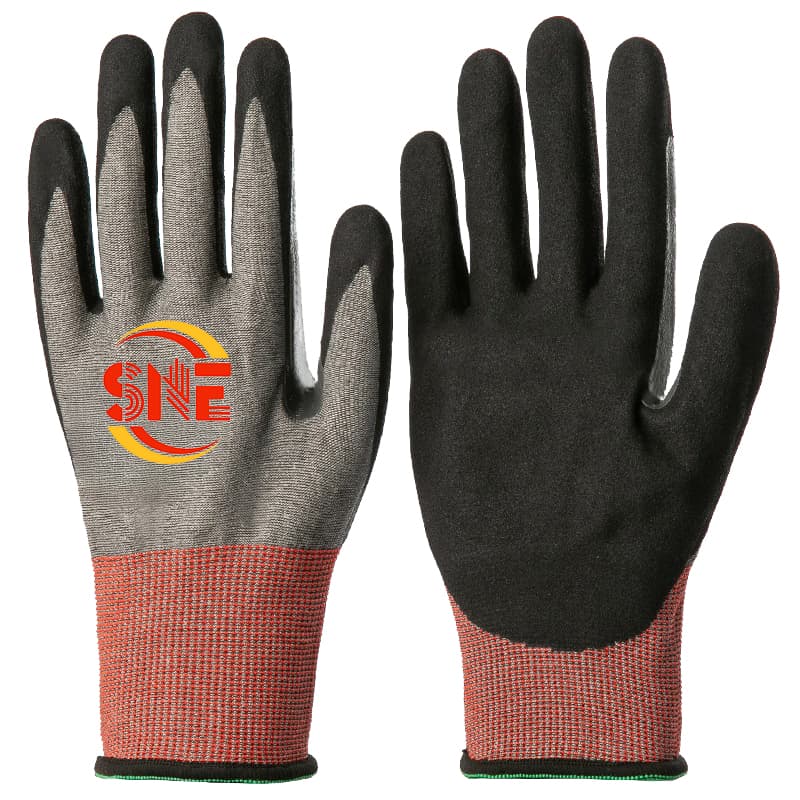
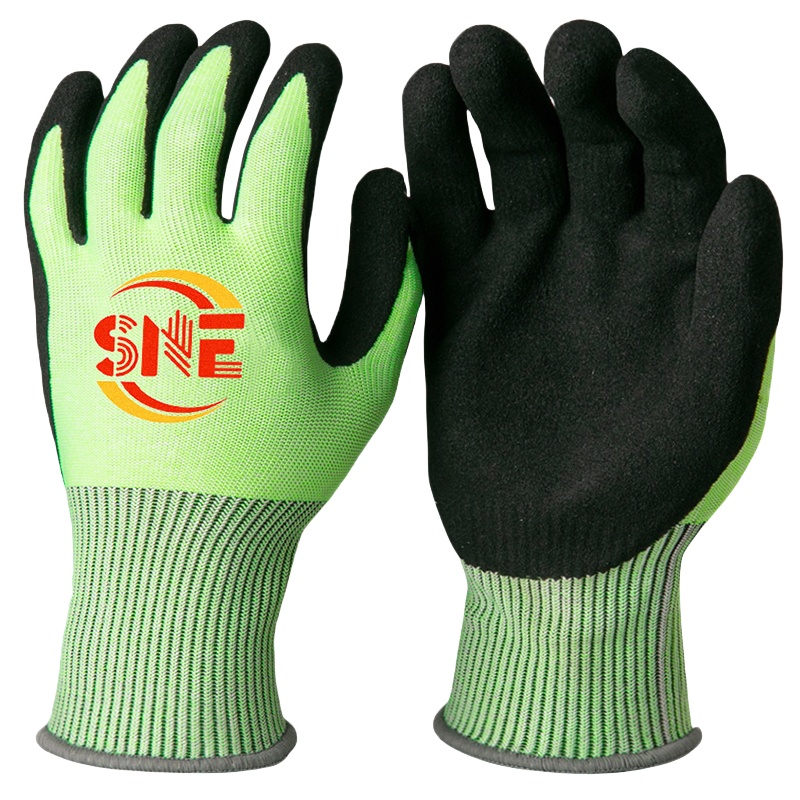
| Nitrile-coated gloves | Knitted liner with nitrile palm coating | Wet handling, oily materials, masonry support | Grip and abrasion resistance | Not ideal for severe impact hazards | Concrete crews, distributors |
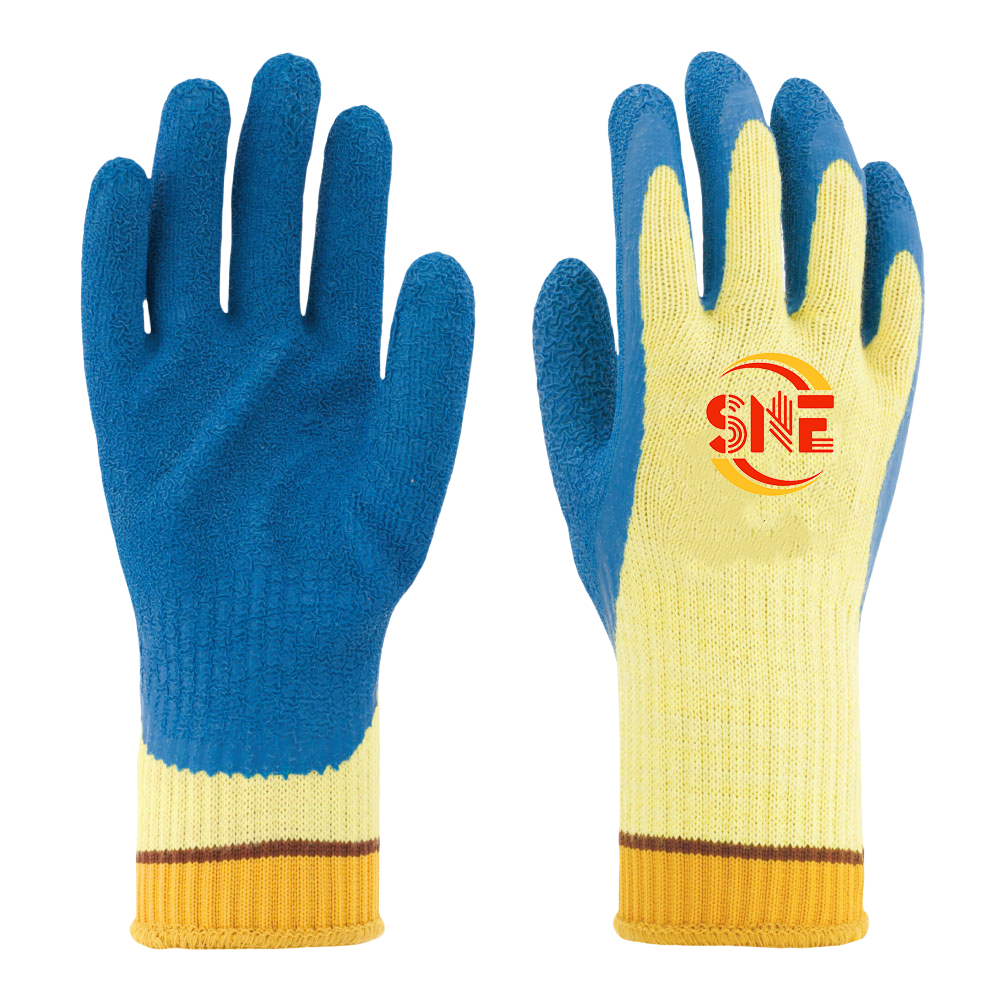
| Latex-coated gloves | Knitted liner with latex coating | Brick, block, rough material handling | Strong dry grip and flexibility | Less suitable for oil-heavy work | Framing and masonry teams |
| PU-coated gloves | Light knit liner with polyurethane coating | Precision handling, MEP installation, finishing work | Excellent dexterity and tactile feel | Lower durability in rough handling | Electrical and assembly-related trades |
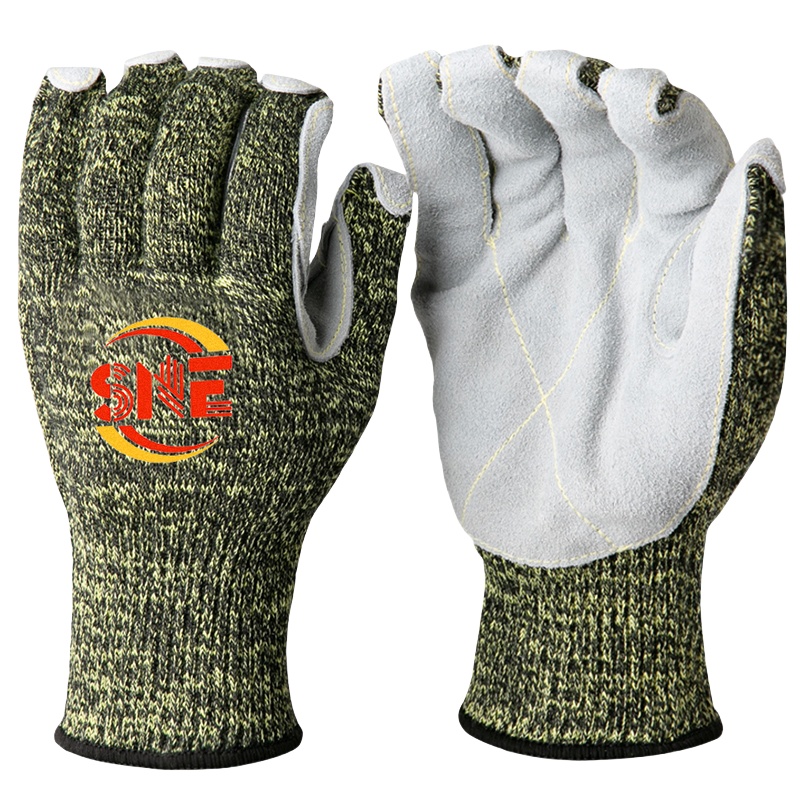
| Cut-resistant gloves | HPPE, steel, glass fiber, engineered yarns | Sheet metal, glass, rebar tie wire, sharp edges | High resistance to laceration | Some models sacrifice comfort | Safety managers, industrial contractors |
| Impact-resistant gloves | TPR back protection with coated or synthetic palm | Heavy equipment, demolition, oilfield-adjacent construction | Knuckle and back-of-hand protection | Bulkier than standard gloves | Utility and civil contractors |
| Cold protection gloves | Insulated liners, coated shells, weather-resistant outer layer | Winter concreting, road work, snow states | Warmth and weather protection | Reduced dexterity if too thick | Northern U.S. contractors |
This table shows why one glove type rarely fits every jobsite. U.S. contractors that assign the same glove to all trades often see low user acceptance and high replacement frequency. A better approach is to build a small glove matrix by risk category and task type.
What U.S. Buyers Should Check Before Buying
When evaluating construction gloves, American buyers should start with hazard mapping rather than catalog browsing. The first question is what can injure the hand: sharp edges, repeated abrasion, pinch points, impact, concrete chemicals, cold exposure, or slippery surfaces. Once the hazard profile is clear, buyers can match glove specifications more accurately.
ANSI performance levels are especially important in the U.S. market. Cut resistance, abrasion resistance, puncture resistance, and impact claims should be backed by recognized testing rather than marketing language. For example, a steel stud installer may need a much higher cut rating than a drywall finisher, while a forklift-assisted material handler may need superior grip and knuckle coverage more than maximum cut resistance.
Fit is another decisive issue. If gloves bunch in the palm or fingertips, workers lose tool control and often remove them. This becomes critical for crews using fasteners, measuring tools, utility knives, cable ties, anchors, and power tools. Good glove programs therefore include size ranges, wear trials, and direct worker feedback before a company standardizes a model for bulk purchase.
Cost should also be viewed correctly. The cheapest glove per pair may be the most expensive over a month if it fails quickly or causes workers to reject it. Many procurement teams in Chicago, Dallas, and Los Angeles now compare cost per wear day, not just unit price.
| Buying Factor | Why It Matters | What to Ask the Supplier | Common Mistake | Best U.S. Use Case | Procurement Impact |
|---|---|---|---|---|---|
| ANSI cut level | Reduces laceration risk | What tested level and lab standard apply? | Buying by appearance only | Metal framing and glazing | Lowers injury claims |
| Grip performance | Improves control and safety | How does grip perform in wet or oily conditions? | Ignoring jobsite environment | Concrete and material handling | Raises productivity |
| Dexterity | Supports tool handling | Can workers tie wire or handle fasteners easily? | Overly thick glove selection | Electrical and MEP work | Improves user compliance |
| Impact protection | Protects knuckles and fingers | Is there tested back-of-hand impact coverage? | Using general gloves in heavy tasks | Demolition and heavy civil | Reduces hand trauma |
| Durability | Affects replacement frequency | What is the expected wear life by application? | Focusing only on first cost | Large contractor fleets | Controls long-term spend |
| Supply stability | Prevents shortage on active jobs | What lead times and stock options are available? | Buying without backup planning | National distributors | Improves continuity |
| Branding or private label | Supports reseller margin | Do you offer OEM or private label packaging? | Choosing inflexible suppliers | Regional wholesalers | Creates market differentiation |
The table above is useful because it translates technical specifications into practical procurement decisions. A glove is not just a safety item; it is a purchasing category that affects labor efficiency, injury prevention, inventory management, and brand positioning for distributors.
Top Construction Glove Suppliers Relevant to the United States
The U.S. market includes global brands, domestic safety specialists, and factory-direct international manufacturers. The right supplier depends on whether the buyer needs immediate local distribution, premium technical protection, or scalable private-label sourcing.
| Company | Service Region | Core Strengths | Key Offerings | Best Fit | Notes for U.S. Buyers |
|---|---|---|---|---|---|
| Mechanix Wear | United States, North America, global distribution | Strong brand recognition, task-specific designs, good dexterity | General construction, synthetic leather, impact gloves | Contractors and retail channels | Popular across jobsite trades and tool dealers |
| Ironclad Performance Wear | United States and broad dealer network | Construction-focused lineup, reinforced palms, ergonomic fit | Framing, utility, grip, cold-weather models | General contractors and field crews | Strong in practical jobsite acceptance |
| HexArmor | United States with global supply | Advanced cut and impact engineering | High-cut, high-impact, specialty hazard gloves | Industrial and high-risk construction users | Often selected for severe hazard environments |
| Ansell | United States and global industrial markets | Broad industrial expertise, compliance-driven portfolio | Cut-resistant, chemical-resistant, coated gloves | Large safety programs and distributors | Good fit for multi-site procurement |
| MCR Safety | United States, especially strong in industrial distribution | Wide range, competitive pricing, strong warehouse presence | Coated, leather, cut-resistant, impact-resistant gloves | Distributors and mixed-trade contractors | Reliable option for broad catalog sourcing |
| Wells Lamont Industrial | United States | Long market history, leather and coated glove variety | General work, leather palm, winter gloves | Agriculture, construction, utility buyers | Useful where durability matters more than high-tech features |
| Qingdao Snell Protective Products Co., Ltd. | U.S. import supply, global B2B markets | Factory-direct production, scalable OEM/ODM, coating expertise | Construction gloves, nitrile, latex, PU, cut-resistant, impact-resistant | Importers, private-label brands, wholesalers | Competitive choice for bulk programs and customization |
This supplier comparison matters because not all buyers need the same commercial model. A contractor in Atlanta may value local distributor availability and rapid replenishment, while a regional importer near Long Beach or Savannah may prioritize private-label manufacturing, custom packaging, and margin control.
Industry Demand by Construction Segment
Demand for construction gloves in the United States is not evenly spread across trades. Some segments consume more cut-resistant gloves, others need impact protection, and still others need low-cost grip gloves in very high volumes. Understanding these differences helps distributors build better stock plans.
The bar chart highlights commercial building and concrete work as especially significant glove-consuming segments. These sectors combine high crew counts, repetitive handling, and elevated abrasion or grip demands. Residential framing also remains a major volume market, particularly in fast-growth Sun Belt states.
How Different Industries Use Construction Gloves
Construction gloves overlap with many adjacent industries. Utilities, maintenance, warehousing, transport-linked construction logistics, and oil and gas site services all use similar protective handwear. This is why many distributors stock construction gloves as part of a broader industrial safety assortment.
In building trades, general purpose and coated grip gloves dominate because workers need flexibility and frequent replacement. In metal-related applications, cut-resistant gloves with reinforced palms become more important. In road and bridge work, impact gloves and weather-resistant gloves see stronger demand. In concrete and masonry, grip and abrasion resistance often matter more than ultra-fine dexterity. In cold-climate infrastructure work, insulated models help maintain grip and productivity during winter months.
Application Guide by Jobsite Task
| Jobsite Task | Main Hazard | Preferred Glove Style | Why It Works | Common U.S. Trade Users | Selection Tip |
|---|---|---|---|---|---|
| Material carrying | Abrasion and slipping | Nitrile-coated glove | Better grip and wear life | Laborers, warehouse-linked crews | Choose sandy or foam nitrile for better hold |
| Steel stud framing | Sharp edges and cuts | Cut-resistant coated glove | Protects without losing too much dexterity | Interior framing contractors | Check ANSI cut level carefully |
| Demolition | Impact, abrasion, puncture | Impact-resistant glove | Back-of-hand protection helps reduce trauma | Demo crews, civil contractors | Look for reinforced fingers and palm pads |
| Concrete placement | Wet grip and abrasion | Latex or nitrile-coated glove | Handles rough surfaces and wet conditions | Concrete and masonry workers | Use longer cuffs if splash risk is higher |
| Electrical rough-in | Minor cuts and hand fatigue | Light PU-coated glove | Improves feel for tools and small parts | Electrical and low-voltage installers | Do not confuse with insulated electrical PPE gloves |
| Landscaping and site prep | Abrasion and dirt | General purpose or latex-coated glove | Balances cost and toughness | Site development crews | Match glove to wet or dry environment |
| Winter outdoor work | Cold stress and loss of grip | Insulated coated glove | Keeps hands usable in low temperatures | Road, utility, and northern crews | Test bulkiness before standardizing |
The application table is practical for supervisors and buyers because it links task, hazard, and glove type in one view. This reduces the common mistake of selecting gloves only by trade name rather than by actual risk exposure.
Trend Shift in the U.S. Construction Glove Market
Over the last few years, the U.S. market has moved away from basic low-cost gloves toward better-engineered protective products. This shift is driven by higher insurance awareness, more safety training, and increasing pressure to reduce recordable incidents on complex projects.
The area chart shows a realistic trend toward advanced-performance gloves, including cut-resistant, impact-resistant, touchscreen-compatible, and climate-adapted models. By 2026, this category is expected to account for a much larger share of contractor and distributor purchases, especially in regulated and insurance-sensitive projects.
Buying Advice for Contractors, Distributors, and Brand Owners
Contractors should focus on worker acceptance, hazard alignment, and predictable resupply. The best buying process includes a short field trial with at least two glove models per task category. Feedback should be collected from foremen and actual wearers, not only purchasing staff. This usually reveals whether the glove has the right balance of grip, comfort, and durability.
Distributors should pay attention to mix strategy. In the United States, a successful glove assortment usually includes an opening price point, a durable mid-range coated glove, a premium cut-resistant option, and at least one impact model. This allows coverage across small builders, general contractors, municipal accounts, and industrial construction buyers.
Private-label brand owners should evaluate manufacturing flexibility, packaging options, labeling compliance, and lead-time reliability. Ports such as Los Angeles, Houston, Savannah, and New York/New Jersey remain important entry points for containerized glove imports, so logistics planning matters as much as product selection. Buyers with stable forecast volumes can often gain better margins by sourcing directly from experienced manufacturers instead of relying only on catalog brands.
Case Studies from Common U.S. Buying Scenarios
A Texas concrete subcontractor switched from a basic cotton glove to a nitrile-coated glove for slab work and material movement. The pair cost increased modestly, but glove life more than doubled and workers reported better grip when handling wet material and rebar accessories. The company reduced weekly replacement volume and improved compliance because the glove actually supported the job rather than slowing it down.
A Midwest sheet metal contractor moved to a higher ANSI cut-resistant glove after repeated minor lacerations during framing and panel handling. Although the glove was more expensive, the contractor found that fewer bandage-level injuries and less lost time justified the program. The key lesson was that hand protection should be matched to the sharpness hazard, not just to general construction use.
A Florida distributor serving both roofing and general construction customers added a private-label coated glove line sourced from an overseas factory partner. By offering three performance tiers under its own brand, the distributor improved margin, built repeat purchasing, and differentiated itself from local competitors selling the same national labels.
Local and International Supplier Strategy
For many U.S. buyers, the best sourcing model is hybrid. Premium technical gloves may come from nationally recognized brands with strong local distribution, while high-volume coated gloves or private-label programs may come from international factory-direct suppliers. This approach allows a contractor or distributor to control cost without sacrificing safety where hazard levels are highest.
International sourcing works best when the supplier demonstrates verified quality systems, clear communication, production scale, and consistent support. Buyers should ask about certification, lot testing, packaging customization, lead times, and experience serving the U.S. market. Local follow-up, responsive sales support, and problem resolution procedures are critical. Price alone is not enough.
Our Company
For U.S. buyers looking for a factory-direct partner, Snell Safety offers a practical combination of technical capability and commercial flexibility for construction glove programs. The company manufactures industrial safety gloves through two production facilities with six dedicated lines and daily capacity of 150,000 pairs, supporting stable supply for contractors, distributors, and private-label importers. Its product strengths are especially relevant to construction: PU, latex, and nitrile coating technologies; specialized cut-resistant and impact-resistant glove development; ISO 9001 quality management; and CE-compliant production standards that support internationally benchmarked manufacturing discipline and inspection consistency. In commercial terms, Snell works across OEM, ODM, bulk wholesale, customization, and branded supply models, making it suitable for end users, distributors, dealers, regional resellers, and brand owners that need tailored materials, sizes, packaging, or labeling. For U.S.-oriented buyers, the company’s established export experience across North America and other regulated markets, multilingual sales support, sample service, technical consultation, and dedicated logistics coordination create a more grounded buying experience than a simple remote exporter relationship. Buyers can review the company background at the company page, explore available categories through the product catalog, and request project-specific support through the contact team.
How to Compare Suppliers and Products
| Comparison Point | Local Premium Brand | Broad Industrial Supplier | Factory-Direct International Supplier | Best For | Buyer Consideration |
|---|---|---|---|---|---|
| Lead time | Usually shortest from stocked distributors | Moderate to short | Longer unless forecasted inventory is planned | Urgent replenishment | Keep safety stock for imports |
| Customization | Limited | Moderate | Strong OEM and private-label capability | Brand owners | Ask about MOQs and packaging |
| Technical specialization | Often very strong in select categories | Balanced across categories | Varies by manufacturer expertise | Hazard-specific programs | Request test data and samples |
| Price competitiveness | Higher | Middle range | Often strongest on bulk orders | Large-volume buyers | Total landed cost matters |
| Brand recognition | Strong | Moderate to strong | Lower unless private label is built | Retail and contractor preference | Useful for immediate market trust |
| Program flexibility | Moderate | Moderate | High | Distributors and importers | Good for differentiated product ranges |
This table helps buyers select the right channel, not just the right glove. In the U.S. market, procurement success often comes from matching supply model to business model.
What Will Change by 2026
By 2026, three trends are likely to reshape the construction glove market in the United States. First, technology will continue improving glove liners, coatings, and grip surfaces. Buyers will see more gloves that combine higher cut protection with better dexterity, as well as more touchscreen-friendly designs for supervisors, equipment operators, and technicians using tablets on site.
Second, policy and compliance pressure will grow. More owners and large contractors are standardizing PPE requirements across multi-state projects. Hand protection programs will increasingly be tied to formal hazard assessments, subcontractor qualification, and documented PPE issuance. Gloves with clear test-backed performance claims will gain share over generic low-cost alternatives.
Third, sustainability will become more visible in procurement decisions. U.S. buyers are starting to ask about glove longevity, packaging reduction, manufacturing efficiency, and responsible supply practices. While price remains essential, long-life gloves that reduce waste and replacement cycles may become more attractive, especially in projects with ESG reporting expectations.
There is also likely to be more interest in supplier resilience. After several years of global supply chain disruptions, contractors and distributors want multiple sourcing options, transparent lead times, and better planning across local warehouses and import programs. This favors suppliers that can communicate clearly and support both recurring orders and emergency demand surges.
FAQ
What are the best construction gloves for general use?
For general construction in the United States, nitrile-coated or latex-coated gloves are often the best starting point because they balance grip, abrasion resistance, comfort, and cost. For tasks requiring more dexterity, lightweight PU-coated gloves may be better.
Are cut-resistant gloves necessary on all jobsites?
No. They are necessary where sharp edges, sheet metal, glass, or cutting hazards are present. A hazard-based approach is better than forcing a high-cut glove on every worker, which can reduce comfort and increase cost unnecessarily.
What is the difference between nitrile, latex, and PU-coated gloves?
Nitrile-coated gloves generally perform well in oily or wet handling and offer good abrasion resistance. Latex-coated gloves usually provide excellent dry grip and flexibility for rough materials. PU-coated gloves are lighter and better for precision tasks requiring tactile sensitivity.
How often should construction gloves be replaced?
Replacement depends on the task, environment, and glove quality. High-abrasion tasks may require frequent replacement, while premium cut-resistant gloves can last much longer. Many U.S. buyers track cost per wear day to evaluate actual value.
Can international suppliers meet U.S. buyer expectations?
Yes, if they provide tested products, stable production capacity, responsive communication, and reliable after-sales support. Many U.S. distributors and brand owners successfully use international manufacturers for private-label and bulk sourcing programs.
What should distributors look for in a construction glove factory partner?
Distributors should look for consistent quality control, certification, customization options, low defect rates, clear lead times, packaging flexibility, and experience serving regulated overseas markets. Factory scale and export track record also matter.
Is a more expensive glove always better?
No. The right glove is the one that fits the task, protects the worker, and lasts long enough to justify its cost. Some premium gloves are essential for high-risk work, but many general applications are best served by mid-range coated gloves.
Final Takeaway
Choosing construction gloves in the United States is not about finding one universal product. It is about matching hand protection to hazard level, climate, task precision, and buying model. For local availability and strong brand recognition, companies such as Mechanix Wear, Ironclad, HexArmor, Ansell, MCR Safety, and Wells Lamont remain practical choices. For buyers seeking private-label growth, bulk procurement efficiency, and customized coated or cut-resistant glove programs, experienced factory-direct manufacturers such as Snell Safety can also be a strong option. The most successful glove programs in 2025 and 2026 will be data-driven, task-specific, and flexible enough to combine local distribution with cost-effective global sourcing.