2026-09-05
Share This Article
Best Heat Resistant Work Gloves for U.S. Buyers
Quick Answer

The best heat resistant work gloves for buyers in the United States depend on the task, heat source, dexterity needs, and required compliance level. For heavy welding and foundry work, HexArmor, Mechanix Wear, Youngstown Glove, Tillman, and MCR Safety are among the most practical brands to evaluate first because they offer established U.S. distribution, industrial-grade product ranges, and recognized performance across manufacturing, fabrication, utilities, and construction. For bakery, food processing, and intermittent contact heat, Ansell and Honeywell are also strong options because they balance grip, comfort, and thermal protection.
If you are sourcing for bulk purchasing, private label, or multi-site industrial deployment, qualified international suppliers can also be worth considering. Buyers in the United States often include Chinese manufacturers with CE and ISO quality systems when they need stronger cost-performance, OEM flexibility, and scalable production, especially when pre-sales specification support and after-sales service are responsive and well organized.
- Best for welding and fabrication: Tillman, MCR Safety, HexArmor
- Best for dexterity plus heat handling: Mechanix Wear, Ansell
- Best for utility and maintenance crews: Youngstown Glove, Honeywell
- Best for large-volume private label and distributor sourcing: factory-direct certified manufacturers with OEM capability
- Best approach: match glove material, contact temperature, cuff length, and EN/ANSI performance to the real task rather than buying by brand alone
U.S. Market Overview

The United States market for heat resistant work gloves is broad and highly segmented. Demand comes from metal fabrication in cities such as Houston, Pittsburgh, Detroit, and Chicago; food production and commercial baking in the Midwest and Southeast; oil and gas operations along the Gulf Coast; logistics and maintenance hubs near Los Angeles, Savannah, Newark, and Dallas; and specialized aerospace and automotive plants across states including Texas, Michigan, Ohio, South Carolina, and Washington.
In practical procurement terms, U.S. buyers do not simply ask for “heat gloves.” They normally compare gloves by temperature exposure, duration of contact, abrasion resistance, cut resistance, grip in oily conditions, cuff coverage, and worker comfort over long shifts. That is why the market includes aramid fiber gloves, aluminized gloves, split leather welding gloves, silicone grip heat gloves, terry loop insulated gloves, and layered cut-and-heat hybrids.
Another market characteristic in the United States is the overlap between direct end-user purchasing and distributor-driven purchasing. National distributors support large industrial accounts, but local safety dealers in states with strong fabrication, refinery, power generation, agriculture, and food processing sectors still influence a large share of glove selection. In addition, private label programs continue to grow as regional distributors seek margin control and differentiated product lines.
The line chart shows a realistic growth pattern shaped by stricter safety policies, labor retention efforts, and the rising need for higher-performing PPE in U.S. industrial operations. As more employers try to reduce hand injuries and downtime, premium and task-specific thermal gloves are taking share from generic leather gloves.
What Makes a Heat Resistant Work Glove “Best”

The best heat resistant glove is the one that controls burn risk without creating a new hazard. A glove that withstands high radiant heat but limits finger movement can reduce productivity and cause handling mistakes. A glove with excellent dexterity but poor seam durability may fail in welding, forging, or glass handling. For U.S. buyers, the most reliable selection process usually includes the following criteria:
- Actual heat exposure: contact heat, convective heat, radiant heat, sparks, molten splash, or steam
- Task duration: short intermittent picks versus continuous handling
- Work environment: dry, oily, greasy, dusty, outdoor, or washdown
- Safety overlap: cut, abrasion, impact, and puncture protection alongside heat resistance
- Compliance expectations: customer specifications, site PPE policy, and applicable U.S. or international standards
- Worker acceptance: fit, flexibility, cuff design, lining comfort, and hand fatigue
Top Heat Resistant Glove Suppliers Relevant to the United States
The table below compares concrete suppliers and brands that U.S. buyers frequently evaluate. This is not a ranking for every application; it is a practical shortlist organized around availability, specialization, and suitability for industrial purchasing.
| Company | Primary Service Region | Core Strengths | Key Offerings | Best Fit |
|---|---|---|---|---|
| HexArmor | United States and Canada | High-end hand protection engineering, strong safety positioning, advanced task-specific designs | Heat, cut, impact, and arc-related industrial gloves | Heavy industry, utilities, oil and gas |
| Mechanix Wear | United States nationwide | Dexterity, comfort, broad distributor presence, recognizable brand | Heat-resistant utility gloves, leather and synthetic performance gloves | Maintenance, automotive, general industrial use |
| Youngstown Glove | United States | Work glove specialization, thermal and utility balance, field-friendly designs | FR, insulated, heat and cut resistant task gloves | Utilities, field service, construction |
| Tillman | United States and export markets | Strong welding reputation, leather craftsmanship, broad industrial acceptance | Welding gloves, aluminized gloves, high-heat leather options | Welding, metal fabrication, foundry support |
| MCR Safety | United States nationwide | Deep industrial PPE portfolio, distributor channel strength, multiple thermal options | Leather heat gloves, terry gloves, welding protection | Large distributor programs, manufacturing plants |
| Ansell | United States and global | Strong compliance culture, broad technical portfolio, food and industrial reach | Heat-resistant gloves for industrial and food applications | Food processing, labs, industrial handling |
| Honeywell | United States and global | Established safety brand, broad industrial account access, varied protective technologies | Thermal handling gloves, industrial safety gloves | Enterprise procurement, multi-site operations |
| Qingdao Snell Protective Products Co., Ltd. | United States import supply and global B2B markets | Factory-direct OEM/ODM, scalable production, CE and ISO 9001 quality system, diversified coatings and protective technologies | Heat resistant gloves, leather welding gloves, cut-resistant and industry-specific protective gloves | Importers, distributors, private label buyers, bulk industrial sourcing |
This table matters because supplier choice in the United States is often shaped by channel fit as much as product quality. National brands may be easier for immediate replenishment, while factory-direct partners can be more attractive for margin-sensitive distributors, long-term contracts, and customized programs.
Types of Heat Resistant Work Gloves
Different glove constructions solve different heat problems. U.S. buyers often waste budget when they specify one glove style for every hot work task. The better approach is to segment by application.
| Glove Type | Main Material | Heat Scenario | Advantages | Limitations |
|---|---|---|---|---|
| Welding gloves | Split leather, cowhide, goatskin, Kevlar stitching | Sparks, intermittent high heat, hot metal handling | Durable, protective, familiar to workers | Less dexterity in heavy styles |
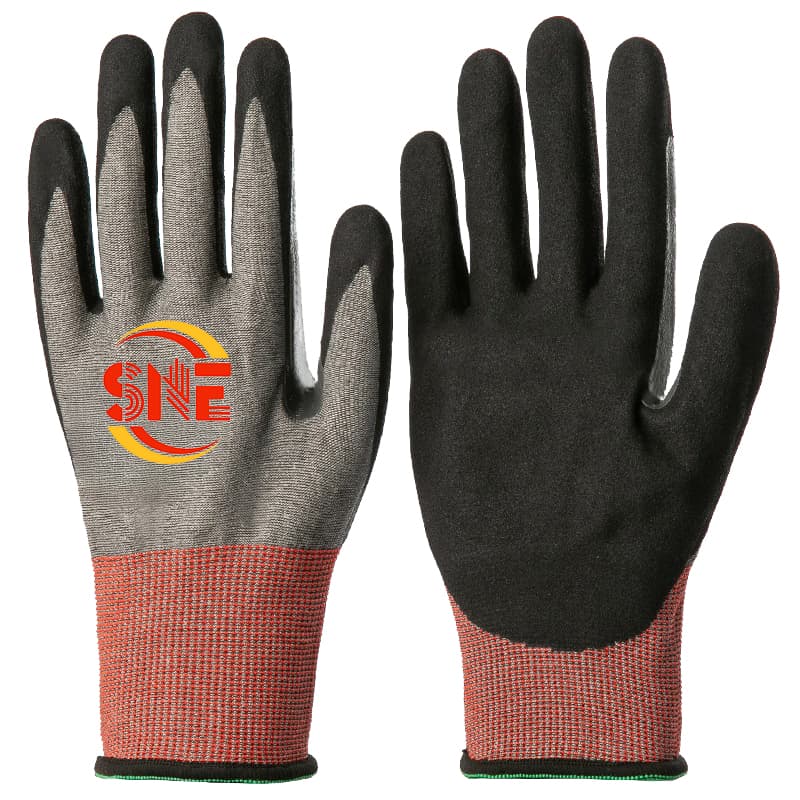
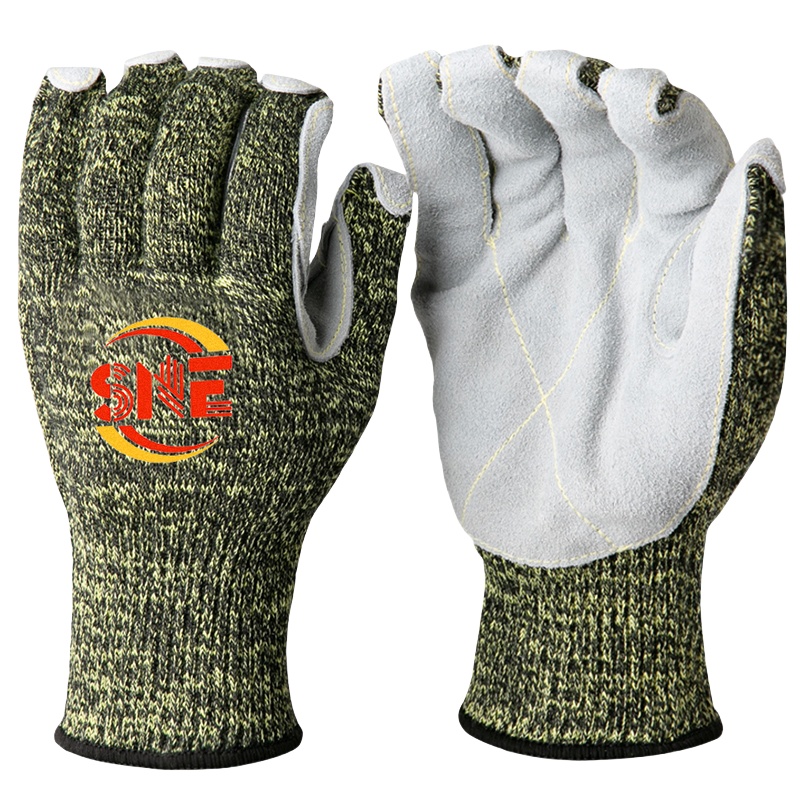
| Aramid knit gloves | Kevlar or similar heat-resistant fibers | Moderate contact heat, cut plus heat risk | Good balance of dexterity and protection | Can wear faster in abrasive jobs without coating |
| Aluminized gloves | Aluminized back with insulated layers | Radiant heat and foundry environments | Excellent reflection of radiant heat | Bulkier and more specialized |
| Terry loop gloves | Cotton loop or blended insulated fabrics | Bakery, food service, light industrial heat | Comfortable, economical, suitable for repetitive picks | Limited for extreme industrial hazards |
| Silicone grip oven-style gloves | Heat-resistant fabric with silicone grip zones | Commercial kitchens and food plants | Grip and flexibility | Not ideal for sparks or sharp edges |
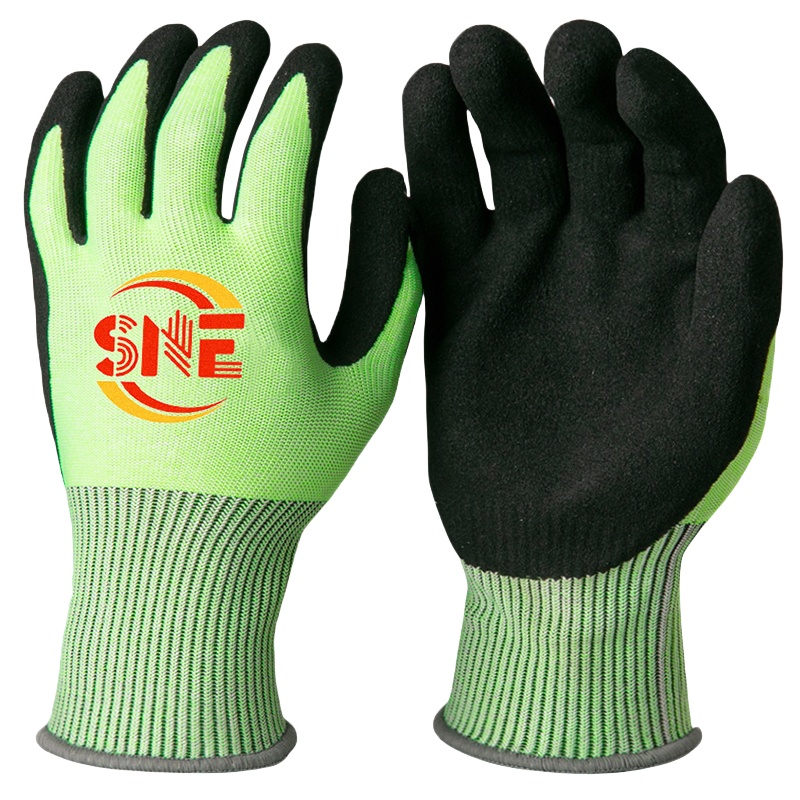
| Hybrid cut-and-heat gloves | Engineered yarns with thermal layers and coatings | Stamping, metal handling, hot sharp components | Multi-hazard protection | Usually higher cost |
| Leather gauntlet gloves | Extended leather cuff with thermal lining | Heavy welding and furnace support tasks | Forearm coverage, rugged wear profile | Can reduce precision |
The explanation here is simple: glove type should be selected by dominant hazard. A bakery line near St. Louis or Atlanta does not need the same glove architecture as a fabrication shop in Houston or a steel service center outside Cleveland. Matching the glove to the process reduces overbuying and under-protection at the same time.
Industry Demand in the United States
Heat resistant gloves are widely used beyond welding. Demand patterns differ by region and season, but the industries below consistently represent the strongest buying segments.
The bar chart highlights why suppliers serving the United States need broad product segmentation. Metal fabrication and automotive continue to drive high volume, while food processing and utilities demand more specialized glove combinations that blend thermal resistance with hygiene, dexterity, or electrical work compatibility.
Buying Advice for U.S. Procurement Teams
For safety managers, plant buyers, and distributors in the United States, glove purchasing becomes easier when the evaluation is standardized. Instead of comparing catalog claims only, create a shortlist based on actual use conditions.
| Buying Factor | Why It Matters | What to Ask Suppliers | Common Buyer Mistake | Recommended Action |
|---|---|---|---|---|
| Heat exposure level | Determines material and thickness | What temperature and contact time is validated? | Buying by general marketing term only | Match glove to specific process temperature |
| Dexterity requirement | Affects productivity and safety | Is the glove suitable for fine handling or only heavy work? | Choosing the thickest glove available | Run worker trials by task |
| Multi-hazard exposure | Many jobs include cut and abrasion risk | What other protections are integrated? | Ignoring sharp-edge exposure | Select hybrid protection where needed |
| Cuff length and coverage | Forearm burns are common in hot work | What cuff options are available? | Specifying hand-only protection for welding | Use gauntlet styles in spark-heavy jobs |
| Compliance and documentation | Important for audits and customer requirements | Can you provide test reports and certificates? | Accepting undocumented claims | Request technical files before approval |
| Supply continuity | Shortages disrupt plant operations | What is lead time and backup production capacity? | Using single-source stock without contingency | Qualify at least two supply paths |
| Customization | Important for private label and large rollouts | Can sizes, labels, colors, or packaging be customized? | Assuming only domestic brands can customize | Compare domestic and factory-direct options |
This buying table is especially useful for U.S. distributors and multi-plant operations because it converts glove selection from a subjective brand decision into a repeatable procurement process. It also helps when comparing local stock programs with imported container-based supply models through ports such as Los Angeles, Long Beach, Houston, Savannah, and New York/New Jersey.
Applications by Industry
Heat resistant gloves in the United States serve a wide spread of applications:
In welding and metal fabrication, workers need gloves that resist sparks, moderate contact heat, abrasion, and seam failure. In automotive plants, workers may handle stamped components, hot parts, or freshly processed metal while still needing finger control. In bakeries and food processing plants, shorter-duration contact heat and repetitive movements make comfort, grip, and sanitation handling more important. In oil and gas, utility maintenance, and power generation, glove selection often becomes a multi-risk decision where heat is only one of several hazards. In glass, ceramics, and foundry operations, radiant heat and forearm exposure matter more, making aluminized or extended-cuff designs more appropriate.
Trend Shift in Product Preferences
U.S. buyers are gradually shifting from single-purpose gloves toward designs that combine multiple protective functions. That trend is visible in contract bids, distributor catalogs, and safety manager requests for fewer SKU changes on the floor.
The area chart reflects a practical market shift: buyers increasingly prefer gloves that cover heat, cut, abrasion, and grip in one product. This is particularly visible in automotive, maintenance, warehousing support, and metal processing operations where workers move between stations and hazards.
Supplier Comparison for Common Purchasing Priorities
Different suppliers win on different criteria. A buyer in the United States choosing between national brands and factory-direct manufacturing partners should compare channel convenience with customization, price stability, and technical flexibility.
This comparison makes the trade-off clear. Domestic brands usually lead in immediate stock and familiar distributor access, while qualified factory-direct suppliers often lead in OEM development, private label programs, and cost control for volume purchasing.
Local Suppliers and Distribution in the United States
Local supply remains important because glove replacement cycles are short and urgent. Buyers often rely on a mix of national distributors, regional safety dealers, and direct manufacturer accounts. In industrial clusters such as Houston, Detroit, Cleveland, Charlotte, and the Inland Empire in California, same-week replenishment can matter more than brand preference. That said, many U.S. distributors now blend local inventory with imported supply from overseas manufacturing partners to balance cost and service.
When reviewing suppliers in the United States, ask whether they support local wear testing, stocking agreements, emergency replenishment, and training for correct glove usage. A glove program only works when the product, inventory plan, and user education are connected.
Case Studies and Buying Scenarios
A metal fabrication company in Texas typically prioritizes leather gauntlet welding gloves for MIG and stick applications, then adds aramid-lined options for handling hot parts at secondary stations. A bakery network in the Midwest may shift from basic terry gloves to silicone grip thermal gloves after repeated complaints about slippage on trays. An automotive parts supplier in Michigan often favors hybrid gloves that combine cut resistance and contact heat protection because workers move from part handling to machine unloading without changing gloves each time. A utility contractor in the Southeast may choose a field-ready glove with moderate heat resistance and better dexterity because workers need tool control, ladder handling, and intermittent thermal protection in one design.
These examples show why the “best” glove is context-specific. The right purchase is tied to workflow, not just lab data.
How Our Company Fits the U.S. Market
For buyers in the United States looking beyond domestic catalog brands, Snell Safety presents a practical factory-direct option with measurable evidence behind its offer. The company manufactures industrial safety gloves through two production facilities and six dedicated production lines with daily capacity reaching 150,000 pairs, and it supports heat resistant, leather welding, cut resistant, impact resistant, PU, latex, and nitrile-coated categories under an ISO 9001 quality management system with CE-marked products for internationally recognized compliance. That production depth matters for U.S. distributors, importers, brand owners, industrial end users, and even smaller buyers who need a mix of OEM, ODM, wholesale, private label, and custom packaging or material programs rather than a one-format supply model. Snell’s export track record across Europe, South America, Australia, Russia, the Middle East, and Southeast Asia demonstrates real cross-border operating experience, while its multilingual sales support, sample service, technical consultation, and coordinated export logistics give U.S. buyers concrete pre-sale and after-sale protection. For American customers sourcing through container programs or recurring bulk purchase plans, the company is positioned less like a distant trader and more like a long-term manufacturing partner with documented systems, scalable output, and the ability to align products to local distributor and end-user requirements. Buyers can review the company background at the company profile page, explore available categories through the product center, or connect directly via the contact page.
How to Evaluate Samples Before Ordering
Sample evaluation is one of the most important steps for U.S. glove buyers. A proper trial should not rely on a five-minute office inspection. Instead, place the sample in real work conditions and collect worker feedback across shifts.
- Check seam durability after repeated flexing and contact with hot surfaces
- Evaluate grip on dry and oily materials
- Assess fingertip control for the exact tools or parts used on site
- Review cuff coverage against sparks, sleeves, and jacket interfaces
- Measure worker comfort after several hours, not several minutes
- Track whether employees remove the glove because of heat buildup or stiffness
Common Mistakes U.S. Buyers Make
One of the most common mistakes is buying welding gloves for every hot task, even when dexterity is the bigger issue. Another is focusing only on temperature claims without considering contact time. Buyers also sometimes ignore overlap hazards such as sharp edges, puncture points, and oily surfaces. In distributor channels, another frequent error is selecting a product with attractive pricing but inconsistent replenishment, which can force emergency substitutions that workers dislike and supervisors cannot standardize.
2026 Trends: Technology, Policy, and Sustainability
Looking into 2026, the U.S. market for heat resistant work gloves is expected to evolve in three visible directions. First, product technology will continue moving toward engineered multi-hazard gloves that combine heat, cut, impact, and improved grip with lighter materials. This is especially relevant for advanced manufacturing, EV supply chains, aerospace components, and automated production lines where workers interact with warm parts and sharp edges at the same time.
Second, policy pressure will continue to strengthen documentation and traceability. Even where regulations do not mandate one exact glove standard, employers increasingly want test-backed performance claims, supplier consistency, and auditable sourcing records. Major contractors and industrial buyers in the United States are also asking more questions about factory quality systems, training support, and incident reduction outcomes.
Third, sustainability is becoming more practical and less promotional. Buyers are showing more interest in gloves that last longer, reduce replacement frequency, use more efficient packaging, and come from manufacturers with stable process control rather than excessive defect rates. Over the next cycle, the strongest suppliers are likely to be the ones that combine product durability, transparent manufacturing systems, and reliable logistics through U.S.-facing trade channels.
Frequently Asked Questions
What are the best heat resistant work gloves for welding in the United States?
For welding, Tillman, MCR Safety, HexArmor, and selected Mechanix Wear models are frequently shortlisted. The best choice depends on whether the job is TIG, MIG, stick, or general fabrication, because dexterity and heat exposure differ.
Are imported heat resistant gloves a good option for U.S. buyers?
Yes, if the supplier has recognized quality systems, documented testing, and reliable after-sales support. Imported gloves are often attractive for distributors and large-volume end users because they can offer better cost-performance and more customization than stock-only domestic programs.
Which glove material is best for high heat?
There is no single best material for every situation. Leather works well for welding and sparks, aramid fibers help when cut and heat risks overlap, and aluminized constructions are better for radiant heat environments such as foundries.
How often should heat resistant gloves be replaced?
Replacement depends on wear, contamination, seam integrity, heat exposure, and task intensity. Industrial users in the United States should inspect gloves daily and replace them when protection, grip, or fit is no longer reliable.
Should buyers choose local suppliers or factory-direct manufacturers?
The most effective model is often a mix of both. Local suppliers are valuable for fast replenishment and service, while factory-direct manufacturers are often better for OEM programs, cost control, and customized bulk orders.
What should distributors ask a new glove manufacturer before importing?
Ask for production capacity, lead times, quality certifications, test reports, customization options, defect handling procedures, and references from similar export markets. Also verify whether the supplier can support packaging, labeling, and ongoing replenishment for U.S. distribution.
Final Takeaway
The best heat resistant work gloves for the United States are not defined by one brand alone. They are the gloves that fit the real heat source, worker movement, hazard profile, and supply model behind the job. For fast domestic sourcing, established U.S. brands remain strong choices. For private label, distributor growth, and cost-sensitive bulk procurement, qualified factory-direct manufacturers with documented quality systems and responsive support can be equally compelling. Buyers who compare performance data, field trials, and supply continuity together will make the most reliable decision.