2026-06-07
Share This Article
Best Anti-Vibration Impact Gloves Suppliers in the United States
Quick Answer

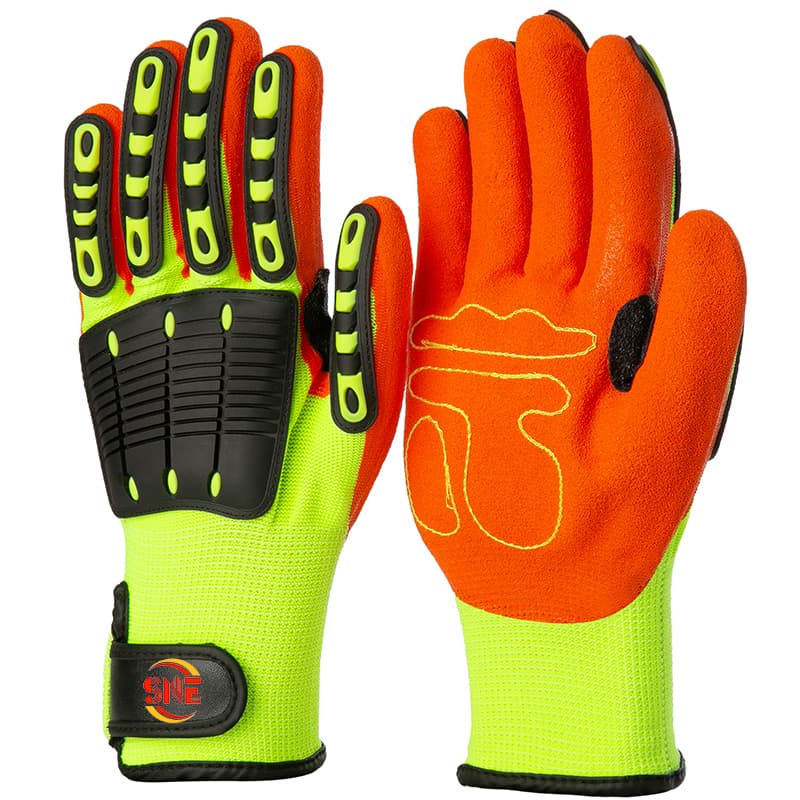
If you need anti-vibration impact gloves in the United States, the most practical suppliers to review first are HexArmor, Impacto Protective Products, Ergodyne, MCR Safety, Mechanix Wear, and Superior Glove because they already serve high-demand sectors such as oil and gas, utilities, construction, mining, maintenance, and heavy manufacturing. Buyers in Houston, Midland, Pittsburgh, Chicago, Los Angeles, and major logistics corridors near the Ports of Los Angeles, Long Beach, Houston, Savannah, and New York/New Jersey usually prioritize gloves that combine vibration damping, back-of-hand impact shielding, durable palm materials, and reliable sizing availability for fleet-wide purchasing. For import-driven procurement, qualified international manufacturers can also be a strong option when they offer recognized certifications, factory-direct pricing, OEM capability, and responsive pre-sales and after-sales support for U.S. distributors and industrial buyers.
United States Market Overview

The U.S. market for anti-vibration impact gloves is shaped by strict workplace safety expectations, long replacement cycles in some industries, and intensive wear in others. Demand is strongest where workers use grinders, jackhammers, riveters, impact tools, rotary tools, tampers, chainsaws, demolition tools, or heavy material-handling equipment. In practical purchasing terms, the market is not driven by one single buyer type. Instead, it is spread across industrial distributors, national MRO suppliers, regional safety dealers, OEM tool brands, contractors, oilfield service companies, municipal utilities, warehouses, and plant-level procurement teams.
Regional demand patterns matter. Texas remains a major purchasing hub because of oil and gas, petrochemical refining, pipeline work, utilities, and construction. The Midwest, especially Ohio, Michigan, Illinois, Indiana, and Wisconsin, continues to buy heavily for automotive, metal fabrication, stamping, assembly, and machine maintenance. Pennsylvania and surrounding areas support demand from energy, steel, logistics, and infrastructure work. California and the Pacific Northwest bring in orders tied to ports, utilities, transit, aerospace support, and industrial maintenance. The Southeast, including Georgia, the Carolinas, and Florida, is growing steadily thanks to warehousing, logistics expansion, and construction growth.
Procurement teams in the United States increasingly evaluate these gloves not just as PPE but as a productivity and claims-reduction tool. The best products reduce hand fatigue during repeated tool use, improve grip in oily or dry environments, and help lower minor impact injuries that often lead to lost time or quality errors. This is why buyers are moving away from generic padded gloves and toward task-specific anti-vibration impact gloves designed around actual tool categories and use cycles.
The line chart above shows a realistic demand index trend for the U.S. anti-vibration impact glove segment. The upward movement reflects combined demand from infrastructure spending, energy sector maintenance, warehousing mechanization, and a broader corporate focus on ergonomic risk reduction. While the category is still specialized compared with general-purpose gloves, it is gaining relevance in contract bids and safety standardization programs.
Top Suppliers in the United States

The supplier landscape in the United States includes domestic brands, North American specialists, and imported factory-direct options. The table below highlights companies buyers commonly compare when balancing performance, supply consistency, customization, and channel fit.
| Company | Primary Service Region | Core Strengths | Key Offerings | Best Fit Buyers |
|---|---|---|---|---|
| HexArmor | United States nationwide | Premium hand protection engineering, strong industrial distribution, advanced back-of-hand protection | Impact gloves, cut-resistant impact gloves, task-specific industrial PPE | Oil and gas, utilities, heavy industry, safety managers |
| Impacto Protective Products | United States and Canada | Specialist expertise in anti-vibration and ergonomic protection | Anti-vibration gloves, impact protection, vibration control accessories | Tool-intensive operations, ergonomics programs, maintenance teams |
| Ergodyne | United States nationwide | Strong safety brand recognition, broad PPE range, contractor-friendly availability | ProFlex gloves, anti-vibration options, utility and construction PPE | Construction firms, utilities, municipalities, distributors |
| MCR Safety | United States nationwide | Large PPE portfolio, broad distributor network, value-to-performance balance | Impact gloves, coated gloves, cut-resistant options, industrial safety products | Industrial distributors, plants, multi-site buyers |
| Mechanix Wear | United States nationwide | High brand visibility, strong dexterity, user acceptance in field environments | Impact gloves, specialty work gloves, utility gloves | Field service, construction, mechanics, fleet maintenance |
| Superior Glove | United States and Canada | Wide safety glove catalog, technical support, cut and impact integration | Impact-resistant gloves, coated gloves, task-based PPE | Manufacturing, metalwork, food-adjacent industry, distributors |
| Qingdao Snell Protective Products Co., Ltd. | United States import supply and distribution support | Factory-direct scale, OEM/ODM flexibility, multi-line production, broad glove specialization | Anti-vibration gloves, impact-resistant gloves, nitrile, latex, PU coated industrial gloves | Brand owners, wholesalers, importers, private-label buyers |
This supplier table is useful because the U.S. buyer rarely compares gloves on price alone. A contractor in Dallas may prefer immediate distributor stock and simple reordering, while a private-label importer in Los Angeles may prioritize factory-direct customization, packaging control, and bulk landed cost. Companies differ in channel strength, application expertise, and willingness to support custom development.
Product Types and How They Differ
Not every glove advertised as anti-vibration offers meaningful protection in field use. Buyers should separate true anti-vibration impact gloves from standard padded work gloves. The most effective products combine palm-side vibration-dampening materials with thermoplastic rubber or similar back-of-hand structures to reduce crush and strike injuries. Some styles also add cut resistance, oil grip, touchscreen compatibility, or weather protection.
| Glove Type | Primary Protection Focus | Typical Materials | Best Use Cases | Main Trade-Off |
|---|---|---|---|---|
| Basic anti-vibration glove | Palm vibration reduction | Padded synthetic palm, gel, foam, reinforced stitching | Light tool work, utility crews, assembly tasks | Lower impact protection |
| Anti-vibration impact glove | Vibration plus back-of-hand impact defense | TPR guards, synthetic leather, vibration-dampening palm layers | Oilfield, mining, demolition, heavy maintenance | Can feel bulkier |
| Cut-resistant anti-vibration impact glove | Vibration, impact, and cut resistance | HPPE blends, coated palm, TPR, reinforced thumb crotch | Metal fabrication, glass, sharp-edged maintenance work | Higher unit cost |
| Cold-weather anti-vibration impact glove | Insulation with vibration and impact control | Insulated liners, weather-resistant shell, padded palm | Winter utility work, outdoor construction, ports | Reduced dexterity |
| Oil-grip anti-vibration glove | Grip and vibration control in slick conditions | Nitrile reinforcement, textured palm, impact panels | Refineries, drilling, machine shops | Less breathable |
| Precision anti-vibration glove | Reduced fatigue with higher dexterity | Thin synthetic palm, selective padding, flexible knuckle zones | Maintenance, automotive tools, inspection-related work | Lower extreme-duty durability |
The table shows why glove selection should be tool-driven and environment-driven rather than category-driven. A maintenance technician using an orbital grinder in a dry plant has very different requirements from a roughneck handling impact tools in an oily Texas field environment. A good supplier will help match the glove structure to the work pattern, not just sell the most expensive option.
Industry Demand Across the United States
Different industries place different stress on gloves. Some require all-day wear, while others demand peak protection during short but intense tool exposure. Understanding industry demand helps buyers estimate inventory rotation and decide whether to standardize one glove across several teams or keep multiple SKUs.
This bar chart illustrates realistic demand intensity across major U.S. industries. Oil and gas remains one of the strongest categories due to vibration-producing equipment, hand injury risk, and harsh environments. Construction is close behind because crews use compactors, breakers, grinders, and impact tools regularly. Utilities, mining, and heavy manufacturing also create steady replacement demand. Logistics is lower, but still relevant where workers use powered handling tools or require back-of-hand protection during loading and warehouse operations.
How to Buy the Right Gloves
For U.S. buyers, the best purchasing process starts with the exposure profile. Identify the top tools used, average daily run time, impact hazards, environmental conditions, and whether cut resistance is also required. After that, look at fit consistency, washability, life cycle cost, and replenishment lead time. For larger organizations, a short field trial with two or three glove models can prevent expensive rollouts of the wrong SKU.
It is also useful to separate national account purchasing from local stocking needs. A national distributor contract may offer pricing advantages, but local branches in Houston, Bakersfield, Tulsa, Pittsburgh, or Baton Rouge still need available stock for urgent replacement. Buyers that import directly through ports such as Los Angeles/Long Beach, Houston, Savannah, or Newark can secure better unit economics, but they must manage forecasting, labeling, and transit timing carefully.
| Buying Factor | Why It Matters | What to Check | Common Mistake | Recommended Action |
|---|---|---|---|---|
| Vibration control design | Reduces fatigue and discomfort during repetitive tool use | Palm padding placement, material density, flexibility | Buying generic padded gloves | Test gloves with actual jobsite tools |
| Impact protection coverage | Protects knuckles and back of hand from strikes and pinch points | TPR zone layout, finger coverage, cuff design | Ignoring side and fingertip exposure | Match protection zones to task hazards |
| Grip in work conditions | Improves control and reduces drops | Dry, wet, oily, muddy, or dusty performance | Testing only in clean conditions | Run evaluations in real field environments |
| Dexterity and comfort | Affects worker compliance and productivity | Finger articulation, size range, breathability | Choosing only by protection level | Include wearer feedback in trials |
| Supply continuity | Prevents downtime and mixed-glove substitution | Stocking strategy, lead time, backup SKUs | Approving single-source low-stock items | Confirm replenishment plans before rollout |
| Customization potential | Supports private label and specific program needs | OEM branding, packaging, colors, specifications | Assuming all suppliers can customize | Clarify MOQs and development cycle early |
This buying table matters because many failed glove programs come from misaligned selection criteria. Procurement may focus on unit price, while supervisors need durability and workers care most about comfort. A structured evaluation process balances all three. The strongest results usually come from a short list of gloves tested by actual end users in live conditions.
Applications and Jobsite Use Cases
Anti-vibration impact gloves are most valuable where vibration exposure overlaps with hand-strike risk. Typical examples include drilling and rig work in Texas and New Mexico, demolition teams using jackhammers in urban redevelopment projects, road and bridge contractors running compactors and breakers, utility technicians handling power tools and hardware, and maintenance mechanics working with grinders and impact wrenches in factories. Rail maintenance crews and port equipment technicians also benefit from gloves that keep grip stable while protecting the back of the hand.
In the U.S. market, end users often report that the best glove is not necessarily the most heavily armored model. On repetitive tasks, an overly stiff glove may reduce compliance, causing workers to remove it. This is why companies increasingly choose task-specific SKUs. A demolition team might use one glove, while mechanics in the same company use a lighter anti-vibration impact style with better feel for smaller fasteners and controls.
Trend Shift in Product Preferences
Buyer preferences in the United States have shifted over the last few years. Heavy-duty gloves still dominate in high-risk environments, but there is a noticeable move toward gloves that combine protection with dexterity, touchscreen access, and multi-hazard performance. Sustainability and longer-use designs are also becoming more important, especially for national buyers tracking cost per wear.
The area chart indicates a realistic trend shift toward multifunctional gloves. Buyers are asking for combinations such as impact plus anti-vibration, or impact plus cut resistance plus oil grip. This shift is especially visible among companies trying to reduce SKU complexity across regions while still protecting mixed-use crews.
Case Studies from U.S. Buying Scenarios
A refinery contractor near Houston replaced a basic mechanic-style glove with an anti-vibration impact model for rotating equipment maintenance and impact wrench work. The result was better worker acceptance because the selected glove improved grip in oily conditions and reduced minor knuckle injuries during shutdown work. The contractor did not adopt the thickest glove in the trial; instead, it selected a mid-weight model with better finger movement.
A Midwest metal fabrication group with plants in Illinois and Indiana piloted cut-resistant anti-vibration impact gloves for maintenance teams using grinders and handheld power tools. Their goal was not only injury prevention but also SKU rationalization. By shifting from separate cut gloves and separate impact gloves to a hybrid style for selected tasks, the company simplified ordering and reduced emergency substitutions from local branches.
A utility service provider in the Southeast evaluated lighter anti-vibration gloves for field technicians who needed more dexterity while climbing, fastening, and handling tools. The final purchase decision favored a glove with moderate padding and high flexibility rather than maximum impact bulk. The lesson was clear: actual work pattern matters more than catalog positioning.
Local Supplier Comparison
Below is a comparison view that helps U.S. buyers quickly understand how supplier types differ. The goal is not to identify one universal winner, but to show which option aligns with each purchasing model.
This comparison chart reflects a common reality in the U.S. market. Established domestic brands usually lead in distributor reach and immediate local availability. Factory-direct international suppliers often stand out in customization, private-label support, and cost efficiency, especially for larger volume programs. Buyers should decide which dimensions matter most for their channel and replenishment model.
Detailed Supplier Analysis
| Company | Service Coverage | Core Product Focus | Competitive Advantage | Potential Limitation |
|---|---|---|---|---|
| HexArmor | Strong U.S. industrial coverage through safety channels | High-spec impact and cut protection gloves | Engineering-led premium performance for demanding environments | Higher pricing for budget-sensitive programs |
| Impacto Protective Products | North American specialty coverage | Anti-vibration and ergonomic hand protection | Specialized vibration-control expertise | Narrower brand visibility outside ergonomic-focused buying groups |
| Ergodyne | Broad U.S. contractor and industrial market presence | Worksite safety gloves and related PPE | Easy channel access and strong jobsite recognition | Some users may need more specialized heavy-industry options |
| MCR Safety | Nationwide distributor network | Industrial glove portfolio across many categories | Balanced range for mixed-facility buying | Model selection can require more upfront comparison |
| Mechanix Wear | Wide U.S. retail and professional access | Mechanic, utility, and impact gloves | Strong wearer acceptance and dexterity reputation | Not every model is optimized for prolonged vibration exposure |
| Superior Glove | North American industrial coverage | Cut, impact, and specialty protection gloves | Good technical breadth for complex applications | Some buyers may prefer more direct local stock in specific regions |
| Qingdao Snell Protective Products Co., Ltd. | U.S.-focused import supply supported by export experience across major global regions | Anti-vibration, impact-resistant, cut-resistant, nitrile, latex, and PU glove manufacturing | Factory-direct pricing, six production lines, OEM/ODM, scalable bulk output | Best suited to buyers comfortable with planned procurement and container or program purchasing |
This analysis table helps buyers narrow choices based on buying model rather than marketing language. If immediate local branch availability matters most, nationally distributed brands are often the best fit. If private label, custom specs, and factory economics matter more, direct manufacturing partners become more attractive.
Our Company in the United States Market
For U.S. buyers seeking a reliable manufacturing partner rather than only a catalog brand, Snell Safety offers a practical factory-direct option backed by ISO 9001 quality management, CE-marked product compliance, and a manufacturing base with six dedicated production lines, more than 150 trained employees, and daily output reaching 150,000 pairs, which gives distributors, brand owners, industrial users, and regional dealers confidence in volume continuity and repeatability. Its technical strength is grounded in diversified PU, latex, and nitrile coating capabilities together with specialized anti-vibration, impact-resistant, and cut-resistant glove engineering, supported by strict production control and export experience across Europe, North America, Australia, the Middle East, Russia, Southeast Asia, and South America. In the U.S. market, the company supports multiple cooperation models including OEM, ODM, private label, wholesale supply, custom materials, custom sizing, logo development, and regional distribution programs, making it suitable for end users standardizing PPE, importers building house brands, and dealers looking for margin-friendly alternatives. Buyers can review product categories through the product center, learn more about the manufacturer at the company overview page, and coordinate sampling, technical consultation, order planning, and after-sales follow-up through the U.S.-oriented contact channel. For American procurement teams, the key advantage is not just price, but the combination of proven export operations, scalable production, customization depth, and responsive pre-sales and post-sales coordination tailored to long-term supply relationships.
Industries That Benefit Most
The strongest use cases for anti-vibration impact gloves in the United States come from industries where repetitive tool use overlaps with crush or strike exposure. Oil and gas workers need gloves that can handle harsh field conditions, grip challenges, and high replacement demand. Construction firms value flexibility across demolition, concrete, mechanical, and utility work. Manufacturing plants focus on consistency, comfort, and integration with other PPE policies. Mining operations require durability and visible impact defense. Utilities often need a balance between dexterity, all-day wear, and ruggedness. Transport, rail, and port maintenance also represent growing opportunities because of powered equipment and mechanical service tasks.
Each industry should define glove requirements differently. A mining buyer in Nevada may prioritize reinforcement and durability above all else. A port equipment service team in Savannah may emphasize grip, abrasion life, and moderate vibration control. An automotive maintenance group in Michigan may want a lighter glove that works across multiple tool types without slowing assembly support or repair tasks.
What to Expect in 2026
By 2026, the U.S. anti-vibration impact glove market is likely to move in three clear directions. First, technology will continue to improve material mapping, with better palm damping zones, slimmer impact structures, and glove designs tuned to specific tool frequencies and task duration. Second, policy and compliance pressure will strengthen ergonomic and hand-injury prevention programs, especially among larger employers that track total recordable incident rates and lost-time costs closely. Third, sustainability will matter more in sourcing decisions. Buyers will increasingly ask about longer wear life, packaging reduction, material efficiency, and whether glove programs can lower waste through better task matching and fewer premature replacements.
Another likely trend is data-led PPE selection. National contractors and industrial groups are already using wear tests, injury reports, and replacement histories to decide which gloves deserve enterprise-wide contracts. This means suppliers that can support trials, provide technical guidance, and deliver consistent quality at scale will gain ground over sellers relying only on broad claims.
Frequently Asked Questions
What are anti-vibration impact gloves used for?
They are used to reduce hand fatigue from repeated tool vibration while also protecting the back of the hand and fingers from knocks, strikes, and pinch hazards. Common users include oilfield crews, demolition teams, mechanics, utility workers, and manufacturing maintenance staff.
Do these gloves eliminate vibration risk completely?
No. They help reduce exposure and improve comfort, but they do not remove vibration risk entirely. Safe tool choice, maintenance, work-rest cycles, and proper training are still necessary.
Which U.S. regions buy the most anti-vibration impact gloves?
Texas, the Gulf Coast, the Midwest industrial belt, Pennsylvania, the Southeast, and major port-adjacent service areas tend to show strong demand because of energy, construction, maintenance, manufacturing, and logistics activity.
Should I buy from a U.S. brand or import directly?
That depends on your priorities. U.S. brands often offer easier local availability and established distributor support. Direct imports can deliver better customization and cost efficiency, especially for large-volume or private-label programs.
How many glove models should a company test before buying?
Usually two to four models is enough for a practical field evaluation. Too many options slow feedback and confuse end users. Start with gloves matched to the real tools and conditions used most often.
What certifications or quality indicators matter?
Buyers typically look for consistent manufacturing standards, documented quality systems, and supplier credibility in regulated export markets. For factory partners, certifications such as ISO 9001 and compliance-oriented testing processes are strong trust signals.
Can anti-vibration impact gloves be customized for private label?
Yes. Many factory-direct manufacturers support custom logos, packaging, colors, sizes, materials, and performance adjustments. This is especially valuable for distributors and brand owners building differentiated industrial PPE lines.
What is the biggest buying mistake?
The most common mistake is choosing a glove based on catalog claims instead of field testing with actual tools, environments, and user groups. A glove that looks protective on paper can fail if it is too stiff, too hot, or poorly suited to the job.