2026-05-19
Share This Article
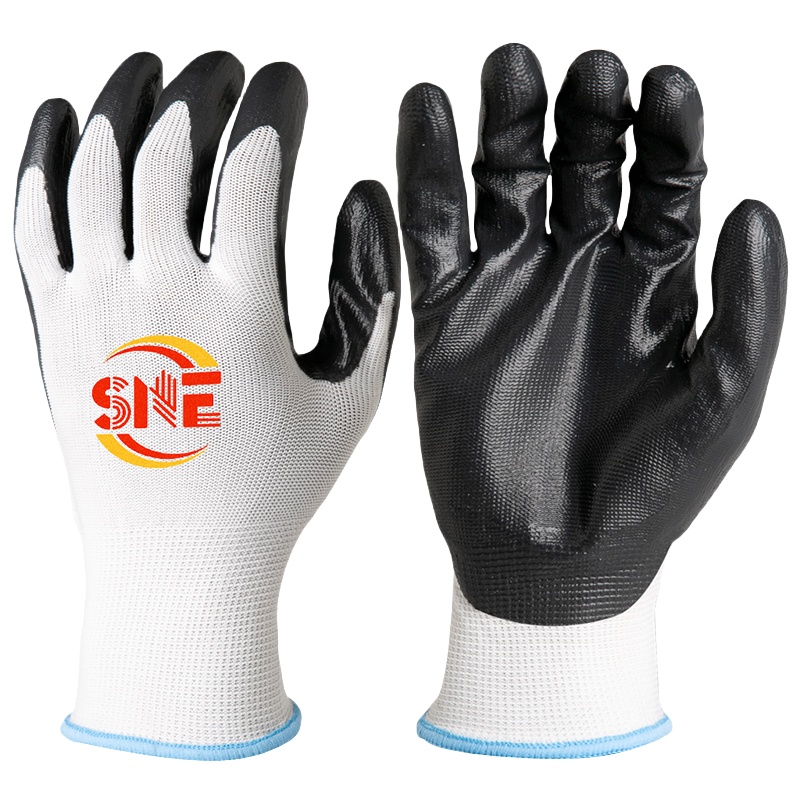
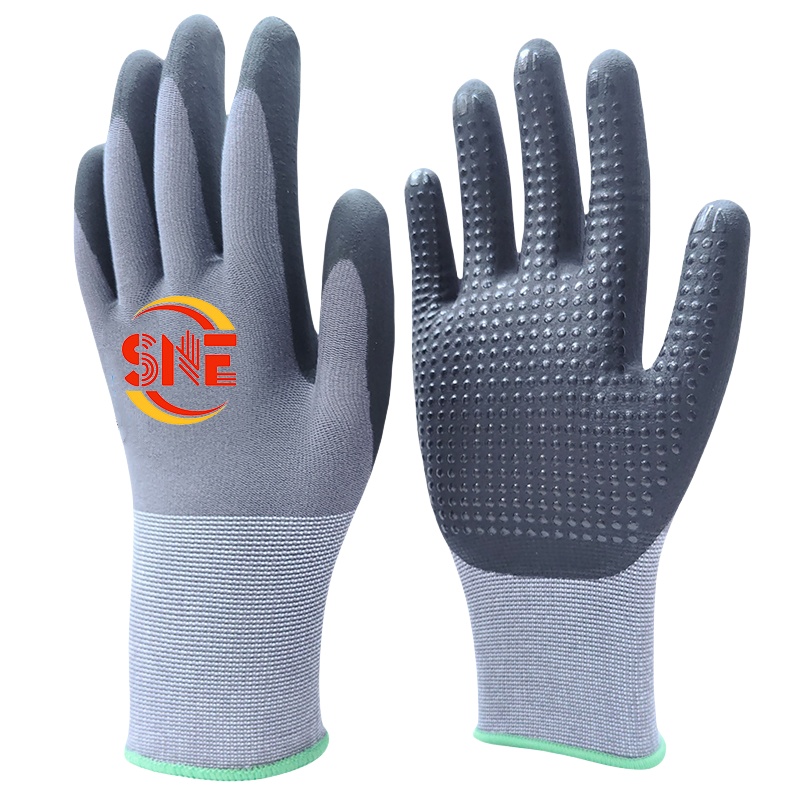
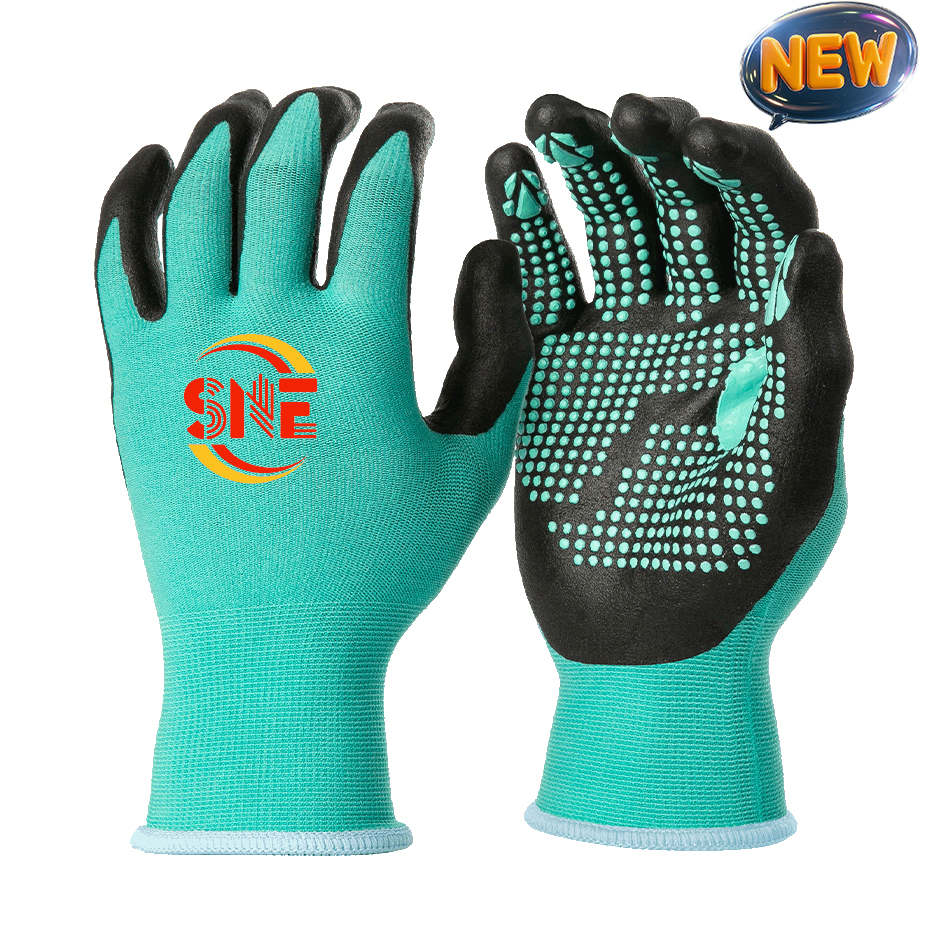
Sandy Nitrile Coated Gloves Suppliers in the United States
Quick Answer

If you need sandy nitrile coated gloves in the United States, the most practical approach is to compare established U.S. distributors and manufacturers that already serve construction, warehousing, automotive, utilities, and general industrial buyers. Strong options commonly considered by procurement teams include MCR Safety, PIP Global, Magid, Uline, Global Glove, and Fastenal because they offer broad stock availability, multiple gauge and liner choices, and dependable fulfillment across major industrial regions such as Houston, Chicago, Atlanta, Los Angeles, and New Jersey.
For buyers focused on immediate action, start by shortlisting suppliers that can clearly confirm grip performance, abrasion resistance, cuff style, sizing consistency, and carton quantities for your exact work environment. U.S.-based stocking partners are often best for urgent replenishment, while qualified international suppliers with relevant certifications, traceable quality systems, and responsive pre-sales and after-sales support can also be a smart option for bulk programs, especially when cost-performance and private labeling matter.
- MCR Safety: strong industrial distribution footprint and broad coated glove range for U.S. job sites.
- PIP Global: deep catalog for safety distributors and end users needing multi-industry glove programs.
- Magid: practical fit for large employers wanting managed PPE sourcing and product selection support.
- Global Glove: well known for coated work gloves with broad regional distribution coverage.
- Fastenal: useful for companies that need branch-based replenishment and national account support.
For buyers comparing factory-direct options with U.S. market expectations, Snell Safety is relevant because it combines ISO 9001 and CE-backed production with nitrile, PU, and latex coating expertise, operates two manufacturing facilities with six production lines and daily output of about 150,000 pairs, and supports OEM, ODM, private label, wholesale, and regional distributor cooperation for importers, brand owners, dealers, and industrial users. Its export experience across Europe, Australia, the Middle East, South America, Russia, and Southeast Asia gives it practical knowledge of compliance-led glove programs, while direct factory control helps buyers maintain consistent coating quality, liner selection, and delivery planning. For U.S.-oriented customers, the company presents itself as more than a remote exporter by offering sample support, technical consultation, branding customization, and structured pre-sale and after-sale communication through its online team and dedicated export logistics coordination, which reduces sourcing risk for buyers seeking long-term supply partnerships. Buyers can review the company background at our company profile, explore the product portfolio through industrial glove categories, or discuss project details via the contact page.
United States Market Overview

The United States remains one of the largest and most mature markets for coated work gloves, and sandy nitrile coated gloves occupy a particularly important position because they bridge the gap between grip, durability, and oil resistance. In practical procurement terms, these gloves are commonly specified by safety managers in construction, distribution centers, automotive plants, machine shops, maintenance departments, and energy-related operations. Unlike smooth nitrile finishes, sandy nitrile textures are selected when workers regularly handle dry-to-lightly-oily components and need more dependable surface contact.
Demand is strongest in industrial corridors and logistics hubs where glove turnover is high and labor intensity remains significant. Cities and regions such as Houston, Dallas-Fort Worth, Chicago, Detroit, Atlanta, Charlotte, Los Angeles, Long Beach, Savannah, New Jersey, and Memphis have especially active purchasing activity because they connect manufacturing, warehousing, ports, and transportation networks. Import logistics also shape this category heavily. Many U.S. buyers source through West Coast entry points like the Port of Los Angeles and Port of Long Beach, Gulf channels such as Houston, and East Coast gateways including Savannah and Newark. Lead times, carton optimization, and customs planning therefore influence total cost almost as much as the glove itself.
From a specification standpoint, the U.S. market increasingly asks for more than basic “general purpose” protection. Buyers want consistent EN and internal test data, stable liner construction, dependable sizing, touchscreen compatibility in some roles, and clear usage positioning. Many distributors have also shifted from a simple cheapest-unit mindset toward total value analysis: glove lifespan, task suitability, worker acceptance, and injury reduction all affect the real cost per wearing hour.
Market Growth Trend

The market for sandy nitrile coated gloves in the United States is supported by industrial employment, higher safety awareness, stricter procurement standards, and a steady shift away from low-grip commodity gloves. Warehousing and e-commerce expansion also contribute because fast-paced picking, loading, and light material handling require gloves that improve grip without sacrificing dexterity.
The trend shown above reflects realistic growth assumptions rather than a claim of official market size. It illustrates how industrial replacement demand, warehouse expansion, reshoring activity, and stricter PPE governance are supporting a steady rise in coated glove consumption through 2026.
Top Suppliers in the United States
The supplier landscape includes national distributors, private-label importers, established PPE brands, and factory-direct partners. For most procurement teams, the best supplier is not simply the largest brand, but the one that aligns with reorder speed, compliance needs, packaging format, and target price band.
| Company | Headquarters / U.S. Base | Service Region | Core Strengths | Key Offerings | Best Fit Buyers |
|---|---|---|---|---|---|
| MCR Safety | Memphis, Tennessee | Nationwide U.S. | Industrial PPE breadth, distributor reach, established glove lines | Nitrile-coated work gloves, cut-resistant gloves, safety glasses, apparel | Industrial distributors, contractors, manufacturers |
| PIP Global | Latham, New York | Nationwide U.S. and global | Broad portfolio, category depth, branded safety programs | Coated gloves, impact gloves, cut protection, head-to-toe PPE | Multi-site employers, national accounts, resellers |
| Magid | Romeoville, Illinois | Nationwide U.S. | Safety consulting support, managed PPE programs, private branding | Coated gloves, disposable gloves, cut-resistant lines, vending support | Large employers, warehouses, manufacturing plants |
| Global Glove | Romeo, Michigan | U.S. and Canada | Work glove specialization, practical industrial assortment | Sandy nitrile coated gloves, hi-vis gloves, impact gloves, sleeves | Regional distributors, automotive suppliers, warehouses |
| Uline | Pleasant Prairie, Wisconsin | Nationwide U.S. | Fast stock fulfillment, catalog convenience, broad warehouse coverage | Grip gloves, warehouse gloves, packing and shipping supplies | Warehouses, logistics operators, maintenance teams |
| Fastenal | Winona, Minnesota | Nationwide U.S. branch network | Local branch access, vending integration, industrial account service | Coated gloves, MRO supplies, PPE replenishment programs | Plants, contractors, field operations, utilities |
| Snell Safety | Factory-direct from China serving U.S. buyers | U.S. import supply and custom programs | ISO 9001 and CE-backed production, six lines, OEM/ODM flexibility | Nitrile coated gloves, cut-resistant gloves, private label bulk supply | Importers, brand owners, wholesalers, large-volume buyers |
This comparison is useful because supplier choice in the United States often depends on whether you prioritize local stock availability or custom factory supply. Companies like Uline and Fastenal are often preferred for immediate replenishment, while factory-direct partners become more competitive when annual volume, private branding, or margin control become important.
How Sandy Nitrile Coated Gloves Differ
Sandy nitrile coated gloves use a textured nitrile finish that improves grip performance compared with flat or smooth coatings. The “sandy” texture creates more friction, which is valuable when workers handle boxes, tools, metal parts, or equipment exposed to dust, light oils, or changing temperatures. In the U.S. market, this often makes them a preferred choice for warehouses, assembly, logistics, construction, and maintenance.
Buyers should also understand that not all sandy nitrile gloves are the same. Performance varies with liner gauge, coating coverage, palm versus full coating, cuff design, nitrile formulation, and wash durability. A 13-gauge polyester liner with palm sandy nitrile coating may be ideal for high-volume handling tasks, while a cut-resistant HPPE liner with sandy nitrile palm is better suited for fabrication or metal service environments.
| Glove Type | Grip Level | Oil Resistance | Dexterity | Typical Use | Buyer Note |
|---|---|---|---|---|---|
| Sandy nitrile palm-coated | High | Good | High | Warehousing, assembly, general construction | Balanced option for broad industrial use |
| Fully nitrile coated sandy finish | High | Very good | Medium | Maintenance, wet handling, oil-prone tasks | Better barrier protection, less breathability |
| Smooth nitrile coated | Medium | Good | High | Dry handling, light assembly | Usually lower grip than sandy texture |
| Foam nitrile coated | Medium to high | Moderate | Very high | Precision handling, electronics, light logistics | Comfortable but may wear faster in rough tasks |
| Latex crinkle coated | Very high | Low to moderate | Medium | Masonry, rough construction, outdoor work | Strong grip but not ideal for oil contact |
| PU coated | Medium | Low | Very high | Inspection, light assembly, small-parts work | Best for precision, not rough abrasion |
This table matters because buyers sometimes compare sandy nitrile against foam nitrile or latex without separating the task conditions. For mixed-use facilities, sandy nitrile often performs better as the everyday glove because it handles a wider range of surfaces and contamination levels.
Industry Demand in the United States
Demand for sandy nitrile coated gloves is not evenly distributed across sectors. Warehousing, construction, and manufacturing are among the largest users because they combine frequent hand movement with repetitive contact handling. Automotive and metal fabrication also drive steady demand, particularly where grip and abrasion resistance must coexist with some dexterity.
The bar chart highlights where procurement attention is concentrated. Warehousing and manufacturing lead because the glove category supports repetitive handling, carton movement, scanning, kitting, and light mechanical work. Construction remains large because buyers often specify economical but durable grip gloves for framing, material staging, and site logistics.
Buying Advice for U.S. Procurement Teams
The best purchasing decisions usually come from matching the glove to the task rather than buying purely on carton price. A glove that costs a few cents more can still reduce overall spend if it lasts longer, improves grip, and lowers worker complaints. For sandy nitrile coated gloves, buyers in the United States should compare six practical criteria: liner material, gauge, coating coverage, abrasion life, sizing consistency, and fulfillment reliability.
Ask suppliers for wear-life expectations in comparable tasks, not just catalog descriptions. If your team operates near major logistics hubs like Chicago, Atlanta, or the Inland Empire in California, fast replenishment may justify working with a local stocking distributor. If your annual volume is large and packaging or branding matters, direct manufacturing programs can lower cost and improve specification control.
| Buying Factor | Why It Matters | What to Ask Suppliers | Common U.S. Buyer Mistake | Best Procurement Practice | Impact on Total Cost |
|---|---|---|---|---|---|
| Liner gauge | Affects dexterity and comfort | Is it 13, 15, or 18 gauge? | Assuming all gauges feel similar | Test side by side with real users | Medium |
| Coating coverage | Changes grip and barrier protection | Palm-coated or fully coated? | Buying full coating when breathability matters more | Match coating to contamination level | High |
| Abrasion resistance | Drives replacement frequency | What wear data exists for rough handling? | Choosing by appearance only | Run a short field trial | High |
| Sizing consistency | Improves worker acceptance | How stable are size tolerances across batches? | Ignoring fit complaints | Approve a size run before bulk order | Medium |
| Packaging format | Affects storage and issue control | What are dozen and carton quantities? | Overlooking replenishment efficiency | Align packs with issue points | Low to medium |
| Lead time reliability | Prevents stockouts | What are stocked vs made-to-order timelines? | Planning too late before peak season | Use forecast and safety stock buffers | High |
| Private label options | Supports brand strategy and margin | Can logos, labels, and packaging be customized? | Using generic supply when branding matters | Bundle labeling into annual contracts | Medium |
This framework helps buyers think beyond unit price. In many U.S. operations, the real cost problem is not glove price but unstable replenishment, poor fit, or low task match that causes waste and worker rejection.
Industries and Typical Applications
Sandy nitrile coated gloves are common in industries where workers need dependable grip across changing surface conditions. In e-commerce fulfillment centers, they support carton movement, sorting, pallet breakdown, and scanning. In manufacturing, they assist with assembly, subassembly, machine loading, and routine handling of metal or molded parts. In construction, they are often used for framing support, material staging, carrying fixtures, and site cleanup tasks that do not require heavy cut protection.
Automotive suppliers use them for component handling, packaging, and light assembly where oil contact is intermittent rather than severe. Maintenance teams choose them for facilities work, equipment checks, and general repair support because they are more versatile than specialized disposable gloves. Agriculture, landscaping, and municipal services also use sandy nitrile options when grip and durability are more important than chemical immersion protection.
Application Trend Shift Through 2026
The United States market is also shifting in how sandy nitrile gloves are specified. More buyers are moving away from basic polyester liners toward engineered liners, touchscreen features, and recycled or lower-impact packaging. There is also growing interest in SKU reduction: one glove style that covers several everyday tasks.
The chart illustrates a plausible shift from lowest-cost commodity gloves toward better-performing sandy nitrile options. This pattern reflects a broader U.S. trend: buyers increasingly favor gloves that reduce slippage, replacement frequency, and training friction, even if the unit price is slightly higher.
Case Studies from Common U.S. Buying Scenarios
A Midwest distribution center handling packaged consumer goods tested smooth nitrile gloves against sandy nitrile palm-coated gloves during peak season. The sandy finish produced better box control at conveyor transitions and reduced worker complaints about slipping during fast pallet breakdown. Although the per-pair price was modestly higher, the site extended average wearing time and reduced emergency reorders.
A Texas contractor supplying mixed commercial job sites found that latex crinkle gloves delivered strong grip outdoors but created inconsistency when crews moved into tasks involving oils, sealants, and packaged mechanical parts. Switching core general-use inventory to sandy nitrile coated gloves simplified procurement and reduced the number of glove SKUs the team had to issue.
An automotive parts supplier near Detroit adopted a two-tier glove program: standard sandy nitrile gloves for carton handling and packaging, plus cut-resistant sandy nitrile gloves for component edges. This improved task matching without forcing the entire plant into higher-cost cut protection where it was unnecessary. The result was better user acceptance and less overspecification.
Local Supplier Comparison for Practical Sourcing
For U.S. buyers, supplier comparison should include not only product quality but how the supplier fits your location, replenishment model, and account structure. The following overview helps translate catalog claims into practical sourcing decisions.
| Supplier | Typical Lead Time Model | Customization | Stocking Strength | Ideal Industries | Pricing Position |
|---|---|---|---|---|---|
| MCR Safety | Distributor stock and replenishment | Moderate | Strong | Construction, manufacturing, industrial supply | Mid-market |
| PIP Global | National distribution and program supply | Strong | Strong | Multi-site industrial, safety distributors | Mid to upper-mid |
| Magid | Program-based and stocked accounts | Strong | Strong | Warehousing, manufacturing, large employers | Mid-market |
| Global Glove | Distributor-led regional fulfillment | Moderate | Good | Automotive, warehousing, regional supply | Competitive |
| Fastenal | Branch and vending replenishment | Limited to moderate | Very strong local access | MRO, plants, field service | Convenience-driven |
| Snell Safety | Factory-direct planning and bulk shipment | Very strong | Made-to-order plus project supply | Importers, private label, wholesalers, large users | Factory-competitive |
This table shows the trade-off clearly. U.S. branch and distribution models excel in speed and small-batch accessibility. Factory-direct programs become powerful when buyers need volume, custom labeling, or specification control over long-term procurement cycles.
Supplier and Product Comparison Snapshot
A simple score view can help buyers align supplier profiles with operational priorities. The comparison below is not an absolute ranking; it is a decision aid based on common U.S. sourcing priorities such as custom capability, fulfillment speed, and bulk value.
The chart is especially useful for buyers deciding between domestic stock convenience and strategic private-label sourcing. Suppliers with strong U.S. stocking networks tend to score better on immediate availability, while factory-direct partners can score higher on cost control and customization for annual programs.
Our Company
For U.S. buyers seeking a factory-direct source of sandy nitrile coated gloves, Snell Safety combines measurable production credentials with practical B2B flexibility. The company manufactures industrial safety gloves through two facilities with six dedicated production lines and daily capacity of around 150,000 pairs, and its production system is supported by ISO 9001 quality management and CE-compliant processes that help buyers verify consistent control over coating performance, liner quality, and finished-glove inspection standards. Its product strengths are especially relevant for importers and industrial distributors because the business is built around nitrile, PU, and latex coating technologies as well as cut-resistant and impact-resistant development, allowing U.S. customers to consolidate multiple glove programs with one source. On the commercial side, it supports OEM, ODM, wholesale, private label, and customized manufacturing for distributors, dealers, brand owners, industrial end users, and volume-focused buyers, making it suitable for both established regional suppliers and companies launching their own branded glove lines. In practice, its market commitment is demonstrated through structured export logistics support, technical consultation, sample service, multilingual online communication, and documented experience serving global markets with compliance-sensitive expectations, which gives U.S. customers clearer pre-sale planning and after-sale accountability than a purely transactional exporter. Buyers looking for a long-term supply relationship can start through the Snell Safety homepage, review categories at the product center, or request a project discussion through the contact team.
How to Choose the Right Product Specification
For most U.S. workplaces, product selection should begin with the task, not the glove name. If workers handle cartons, packaged goods, tools, or general materials in dry and lightly oily conditions, a 13-gauge sandy nitrile palm-coated glove is often the best starting point. If surfaces are wetter or more contaminated, a fully coated version may provide better barrier protection. If hand fatigue and touch sensitivity are major concerns, a lighter liner or foam-based alternative may still be worth comparing, but only after grip trials.
Where minor cut hazards exist, buyers should move into cut-resistant sandy nitrile options rather than relying on standard polyester gloves. This is common in metal service centers, auto parts handling, and fabrication support. For mixed fleets of workers, maintaining two core models often works better than carrying too many SKUs: one standard sandy nitrile glove and one cut-resistant sandy nitrile glove.
Pricing Factors and Import Considerations
Price in the United States depends on more than manufacturing cost. Landed cost includes freight, duty exposure, domestic transportation, packaging format, and safety stock requirements. Buyers near major ports such as Los Angeles, Long Beach, Houston, Savannah, and Newark may have more flexible routing options, while inland buyers in Chicago, Columbus, Dallas, and Kansas City often care more about warehouse transfer speed and replenishment planning.
For annual contracts, the most important price question is not “What is the cheapest pair?” but “What is the stable landed cost for the agreed specification over the contract window?” This becomes particularly important when buying sandy nitrile coated gloves under private label, where logo printing, barcode labeling, carton configuration, and mixed-size packing can affect final costs.
Future Trends Through 2026
By 2026, three trends are likely to shape the U.S. sandy nitrile coated gloves segment. The first is technology: better liner engineering, touchscreen functionality, and more task-specific coatings will continue moving this category away from commodity positioning. The second is policy and governance: larger employers and public-sector buyers are expected to tighten supplier documentation requirements, traceability expectations, and procurement screening around quality systems and product consistency. The third is sustainability: more buyers will ask about packaging reduction, production efficiency, and longer-wearing gloves that reduce replacement waste rather than focusing only on recycled claims.
Another clear trend is vendor consolidation. U.S. procurement teams increasingly prefer fewer, stronger suppliers that can support multiple glove categories, clearer forecasting, and more stable quality control. That favors companies able to offer both mainstream sandy nitrile gloves and upgraded versions for cut resistance, impact protection, or cold conditions.
FAQ
What are sandy nitrile coated gloves best used for?
They are best for general industrial handling where workers need dependable grip, solid abrasion resistance, and good performance in dry or lightly oily conditions. Common applications include warehousing, assembly, construction support, maintenance, and logistics.
Are sandy nitrile coated gloves better than smooth nitrile gloves?
For grip-focused tasks, often yes. The sandy finish usually provides better traction on cartons, tools, and industrial surfaces. Smooth nitrile may still work well for cleaner, lighter-duty tasks where grip demands are lower.
Should U.S. buyers choose domestic stock or factory-direct supply?
Domestic stock is better for urgent replenishment and smaller recurring orders. Factory-direct sourcing is often better for annual volume, private labeling, custom specifications, and tighter cost control over long procurement cycles.
What certifications should buyers ask about?
Buyers commonly look for documented quality systems, product test consistency, and compliance-ready production controls. For international sourcing, ISO 9001-supported manufacturing and market-appropriate certification documentation are especially useful.
How many glove models should a company standardize?
Many U.S. operations work well with two core models: one standard sandy nitrile coated glove for everyday handling and one cut-resistant sandy nitrile option for edge-related risks. This reduces SKU complexity without oversimplifying safety needs.
Can sandy nitrile coated gloves be customized for private label programs?
Yes. Many suppliers, especially factory-direct manufacturers, can support custom branding, carton labeling, logo printing, size runs, and packaging adjustments for distributors, wholesalers, and brand owners.
Which U.S. regions have the strongest demand?
Demand is especially strong in logistics and industrial centers such as Chicago, Houston, Dallas-Fort Worth, Atlanta, Detroit, Los Angeles, the Inland Empire, Savannah, and New Jersey because these regions combine manufacturing, transportation, warehousing, and port activity.
How should buyers test a new glove supplier?
Start with a field trial in one or two real tasks, compare wear life and worker acceptance, confirm carton and lead-time details, and review whether the supplier can maintain the same specification batch after batch. For custom imports, request samples and documented production controls before placing full-volume orders.