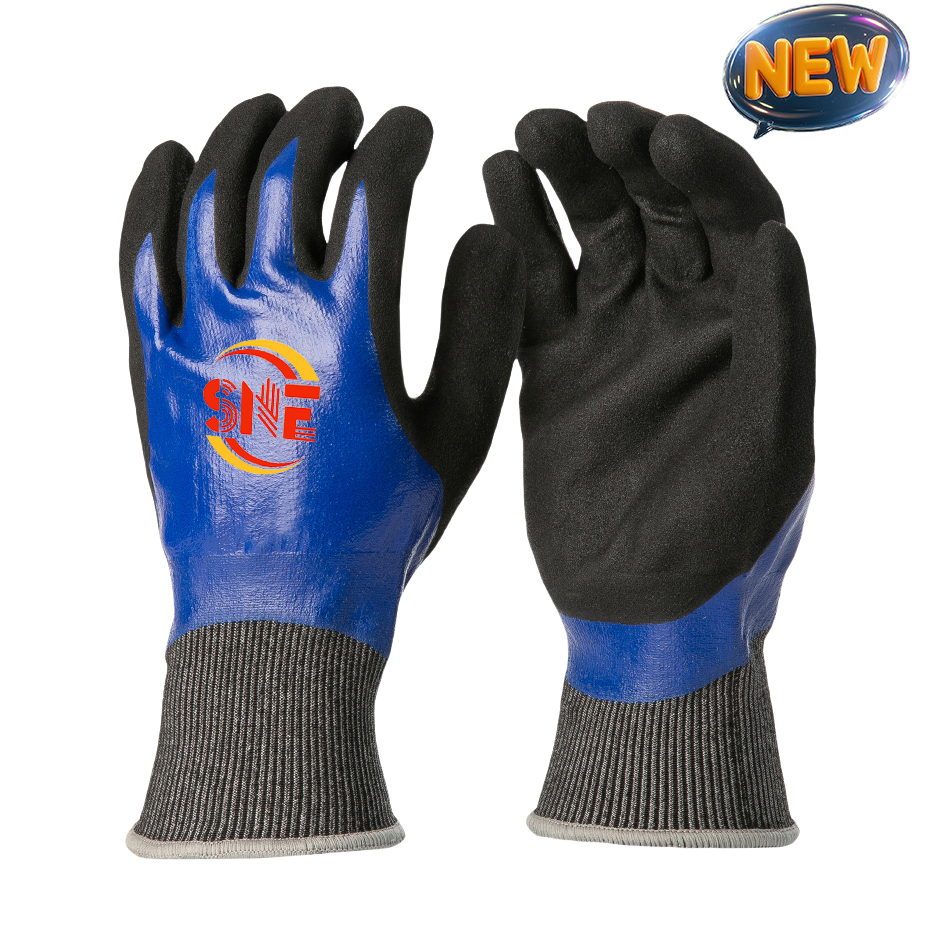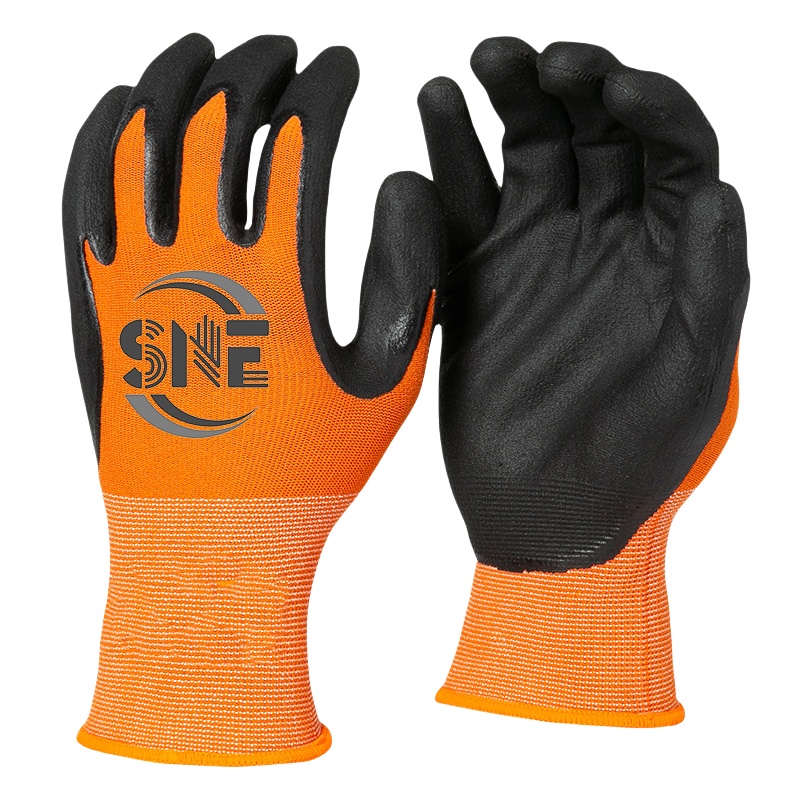
2026-11-22
Share This Article
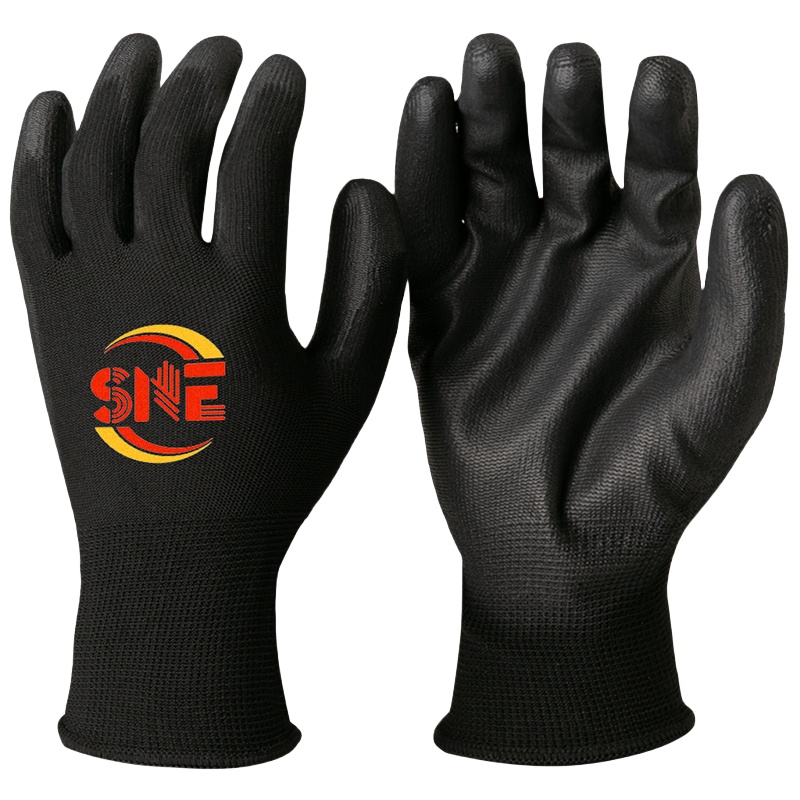
Nitrile vs Latex Construction Gloves in the United States
Quick Answer

For most construction job sites in the United States, nitrile-coated construction gloves are usually the better all-around choice when workers face oil, fuel, grease, abrasion, rough concrete, masonry dust, and mixed indoor-outdoor conditions. Latex-coated construction gloves are often the better option when crews need stronger wet grip, better flexibility in cold or damp handling, and dependable control of bricks, lumber, block, or hand tools in dry-to-wet conditions. If your priority is durability and resistance to oils and punctures, choose nitrile. If your priority is grip on wet materials and lower upfront cost for general handling, choose latex.
Buyers in major U.S. construction markets such as Houston, Chicago, Atlanta, Los Angeles, Dallas, Phoenix, Miami, and the New York–New Jersey corridor typically shortlist both glove types by task rather than by price alone. Local distributors such as Grainger, Fastenal, White Cap, Magid, MCR Safety, and Protective Industrial Products all offer options suited to contractors, subcontractors, and industrial safety buyers. Qualified international manufacturers can also be a smart option, especially when they hold recognized certifications, support OEM or private-label needs, and provide responsive pre-sales and after-sales service. For many U.S. importers and distributors, factory-direct Chinese suppliers can offer strong cost-performance advantages in bulk programs without sacrificing compliance or consistency.
- Nitrile is best for oil resistance, abrasion, puncture performance, and longer wear life.
- Latex is best for wet grip, tactile flexibility, and cost-effective general construction handling.
- For drywall, framing, masonry, roofing, and material handling, many crews keep both types on site.
- For buyers managing mixed fleets of tasks, nitrile often reduces replacement frequency.
- For cold, damp, or grip-sensitive work, latex often improves handling speed and user comfort.
Understanding the U.S. Construction Glove Market

The U.S. market for construction hand protection is shaped by a mix of OSHA compliance, contractor safety culture, insurance expectations, and productivity pressure on busy job sites. From large commercial builds near Chicago and New York to infrastructure and energy projects around Houston and the Gulf Coast, glove selection is no longer a simple commodity purchase. Safety managers now compare coating materials, liner gauges, ANSI cut levels, grip profiles, breathability, and replacement cycles because glove choice directly affects hand injuries, dropped materials, and worker acceptance.
In practice, the nitrile versus latex decision depends on the exposure profile. A concrete crew unloading rebar and handling oily formwork hardware will likely prefer nitrile-coated gloves. A framing or masonry team working through wet mornings may prefer latex-coated palms for better grip on lumber, blocks, and hand tools. In coastal and humid regions such as Florida and the Southeast, buyers often look for coatings that maintain grip under sweaty conditions. In colder northern markets such as Minnesota, Wisconsin, and upstate New York, latex-coated options remain popular for flexibility and grip in damp environments, though insulated nitrile gloves have gained ground as formulations improve.
U.S. procurement habits also vary by channel. National accounts tend to source through large industrial distributors with centralized approval lists, while regional contractors may buy from specialized PPE dealers, local safety houses, or direct-import programs through ports such as Los Angeles/Long Beach, Savannah, Houston, and Newark. The growth of private-label sourcing has also made factory-direct glove procurement more common, particularly among wholesalers and brand owners looking for stable supply and tailored specifications.
Market Growth and Demand Trends

Demand for construction gloves in the United States has remained resilient due to ongoing building activity, infrastructure modernization, logistics expansion, and stricter focus on hand injury prevention. Nitrile-coated gloves have grown faster in segments exposed to oils, machine handling, and heavy abrasion. Latex-coated gloves continue to hold a large share in general construction because of their grip advantage and accessible price point. The data below illustrates realistic directional trends across the market.
The line chart shows a realistic pattern: both glove categories continue to grow, but nitrile-coated construction gloves are expanding faster because contractors increasingly value oil resistance, wear life, and compatibility with broader industrial use cases. This does not make latex obsolete. Instead, it confirms that buyers now segment glove programs more precisely by task and environment.
Nitrile vs Latex: Core Material Differences
Nitrile and latex coatings behave differently because they are engineered for different kinds of contact and stress. On construction sites, that distinction becomes visible within days. Nitrile generally resists oils, light chemicals, punctures, and abrasion better than latex. Latex typically provides stronger natural grip on wet or irregular surfaces and often feels more flexible in hand-intensive tasks. The best choice depends on what workers touch, how often gloves are replaced, and whether comfort or wear life is the key cost driver.
| Performance Factor | Nitrile-Coated Gloves | Latex-Coated Gloves | What It Means on U.S. Job Sites |
|---|---|---|---|
| Oil Resistance | Strong resistance to oils, grease, and fuel residue | Weaker performance in oily handling | Better for equipment work, maintenance, and industrial construction |
| Wet Grip | Good, depending on finish and texture | Usually excellent, especially crinkle latex | Useful for masonry, framing, and damp outdoor material handling |
| Abrasion Resistance | Usually higher and more durable over long shifts | Good but can wear faster in rough abrasion | Nitrile often lowers replacement rates on rough jobs |
| Flexibility | Good in modern thin coatings | Often softer and more elastic in use | Latex can improve dexterity for grip-focused manual work |
| Puncture Performance | Generally stronger than latex coating alone | Moderate, depends on liner and coating thickness | Nitrile is preferred around sharp edges and hardware |
| Cost Position | Often slightly higher in comparable specifications | Often lower in general-purpose models | Latex remains attractive for broad-volume contractor purchasing |
| Comfort in Damp Conditions | Can feel stable but less tacky | Often better grip confidence when wet | Latex is popular for wet morning starts and outdoor handling |
This comparison matters because many U.S. contractors buy gloves by the case for multiple crews with very different tasks. A single “best glove” rarely works across concrete, electrical rough-in, framing, metal stud work, demolition, and site logistics. The smartest purchasing programs assign nitrile to higher-abrasion or oily work and latex to grip-heavy general handling tasks.
Which Glove Type Fits Which Construction Task
Task-based selection is the most practical way to compare nitrile vs latex construction gloves. Below is a job-focused guide that mirrors how safety buyers in the United States often structure field trials and approved PPE lists.
| Construction Task | Better Choice | Why It Usually Wins | Typical Buyer Note |
|---|---|---|---|
| Framing and carpentry | Latex | Strong grip on lumber, nails, and hand tools | Good for speed and handling confidence |
| Masonry and block work | Latex | Reliable grip in wet or dusty outdoor conditions | Crinkle latex remains common on these crews |
| Concrete formwork and hardware | Nitrile | Better with abrasion, oil, and repeated rough contact | Useful where gloves wear out quickly |
| Equipment maintenance | Nitrile | Handles grease, oil, and dirty mechanical contact better | Preferred in mixed construction and industrial settings |
| Roofing material handling | Depends on surface | Latex for grip, nitrile for durability and residue resistance | Field test both on actual material packs |
| Drywall and finishing support | Nitrile | Good abrasion life with less bulky feel in lighter models | Useful when moving between tasks all day |
| Warehouse and site logistics | Nitrile | Long wear life across mixed handling needs | Helps standardize glove inventory |
| Cold damp outdoor handling | Latex | Grip stays confident on wet surfaces | Often chosen for winter site work with liners |
The table shows that the answer is not simply chemical resistance versus comfort. In real field use, grip confidence affects productivity, while durability affects total cost per shift. That is why many general contractors in the United States approve both categories and allow foremen to select by crew activity.
Industry Demand by Segment
Construction gloves serve more than building sites alone. Buyers often consolidate procurement across several industries, which is one reason nitrile-coated gloves have gained momentum. The bar chart below reflects realistic 2025 demand patterns in the United States for coated work gloves used in adjacent sectors.
The bar chart indicates why distributors and national safety suppliers stock multiple glove platforms. Construction remains the anchor category, but warehouse, maintenance, manufacturing, and oil-linked operations all influence the product mix. Nitrile benefits from this broader crossover demand, while latex retains a strong position where gripping irregular surfaces quickly matters most.
U.S. Buyers’ Guide: How to Choose Correctly
Choosing between nitrile and latex construction gloves should start with exposure mapping, not brand preference. Safety managers should observe the actual materials handled during a full shift, identify whether the contact is dry, wet, oily, sharp, abrasive, or repetitive, and then match the glove coating to those realities. Buyers who skip this step often overspend on premium gloves workers do not like or underspend on gloves that fail too quickly.
Use nitrile when the crew handles metal fittings, fuel residue, mechanical parts, palletized materials, rough hardware, sheet goods, or environments where abrasion and puncture matter more than tacky grip. Use latex when workers need dependable grip on lumber, masonry units, rough tools, or outdoor materials exposed to moisture. If hand injuries are a concern, pair coating choice with an appropriate cut-resistant liner rather than expecting the coating alone to solve the problem.
Another key buying factor is regional climate. In the Gulf Coast and Southeast, sweaty hands and humid conditions can change the feel of a glove within hours. In the Mountain West and Upper Midwest, temperature swings can make rigid coatings unpopular. U.S. buyers who conduct short on-site wear trials across crews usually get better adoption than those who choose only from catalog specifications.
Trend Shift in Glove Preferences
Recent procurement trends suggest that contractors are moving from one-size-fits-all glove programs toward mixed portfolios based on job type, injury data, and replacement cost. The area chart below illustrates a realistic shift in U.S. preference patterns between general-purpose latex and broader-use nitrile options.
The area chart does not imply latex is disappearing. It shows that nitrile is taking share in accounts that want a more versatile glove platform across construction, maintenance, warehouse, and light industrial work. Latex continues to defend its position where wet grip and natural flexibility remain decisive.
Product Types Commonly Used on U.S. Job Sites
Construction buyers in the United States rarely compare only two plain glove types. They choose among several subcategories built around nitrile or latex coatings. These include palm-coated knit gloves, fully coated waterproof gloves, sandy-finish or foam nitrile styles, crinkle latex grip gloves, double-dipped cold-weather models, and cut-resistant coated gloves designed for mixed hazard environments. Understanding the subcategory matters as much as understanding the coating chemistry.
Foam nitrile gloves are popular for dexterity and breathability in dry-to-light-oil applications. Sandy nitrile improves grip on smoother surfaces while maintaining abrasion resistance. Crinkle latex remains a classic for masonry, framing, and general outdoor handling because it grips irregular, dusty, or damp surfaces effectively. Full nitrile coatings are more common where messy, oily, or wet exposure is constant. For higher-risk projects, ANSI cut-rated liners under either coating offer a more complete hand protection strategy.
Top Suppliers and Distributors for the United States
For U.S. buyers comparing nitrile vs latex construction gloves, supplier selection matters almost as much as product selection. Reliable stock, regional delivery, technical support, and trial availability influence the total value of the program. The following companies are well known in the United States or are practical sourcing partners for U.S. buyers.
| Company | Service Region | Core Strengths | Key Offerings |
|---|---|---|---|
| Grainger | Nationwide United States | Broad industrial supply network, strong inventory access, national account support | Construction gloves, nitrile-coated gloves, latex-coated gloves, PPE programs |
| Fastenal | Nationwide United States | Branch network, vending support, contractor supply integration | Jobsite gloves, coated knit gloves, safety supply management |
| White Cap | Major U.S. construction markets | Deep construction focus, contractor relationships, site-level access | General construction gloves, masonry and concrete handling PPE |
| Magid | United States with national distribution reach | Private-label capability, industrial safety specialization, custom programs | Nitrile, latex, cut-resistant gloves, account-based PPE solutions |
| MCR Safety | United States and North America | Established PPE brand, broad glove line, industrial and construction coverage | Coated gloves, cut-resistant gloves, impact and specialty hand protection |
| Protective Industrial Products | United States and North America | Wide glove portfolio, strong channel partnerships, category depth | Latex-coated gloves, nitrile-coated gloves, high-performance work gloves |
| Ergodyne | United States | Jobsite-focused safety products, worker comfort emphasis | Construction work gloves, cold-weather gloves, specialty PPE |
| Qingdao Snell Protective Products Co., Ltd. | United States import programs via factory-direct supply | OEM/ODM manufacturing, coated glove expertise, scalable production | Nitrile, latex, PU, cut-resistant, impact-resistant, and custom private-label gloves |
This table is useful because it separates local distribution convenience from factory-direct sourcing value. Large U.S. distributors offer immediate availability and established account support. Direct manufacturers offer specification control, private-label flexibility, and often stronger landed cost efficiency for larger-volume buyers.
Supplier Comparison by Procurement Priorities
Different supplier models suit different buyers. A small subcontractor in Atlanta may prioritize local availability and low minimum order quantities. A distributor in Texas or California may prioritize container-scale sourcing, OEM branding, and stable replenishment. The chart below compares typical strengths in a practical, non-absolute way.
This comparison highlights a common procurement reality in the United States: distributors win on immediate access and regional convenience, while factory-direct manufacturers often win on customization, private-label programs, and volume-based economics. Many mature buyers combine both channels to reduce supply risk and improve margins.
Applications Across U.S. Industries
Although the keyword focuses on construction gloves, the buying decision often overlaps with other industries. General contractors working on manufacturing plant expansions, logistics centers, utility upgrades, and energy projects may consolidate PPE standards across multiple work environments. Nitrile-coated gloves are often favored in manufacturing support, site maintenance, and warehouse tasks because they transition well across oily, abrasive, and mixed-use activities. Latex-coated gloves maintain a clear edge in brick, block, landscaping, and outdoor utility handling where grip on uneven surfaces is critical.
This crossover matters because hand protection budgets are increasingly centralized. Instead of approving ten glove models, some U.S. buyers narrow the list to a few reliable platforms. In that scenario, nitrile often becomes the standard-use glove, while latex remains the specialty choice for high-grip work. However, contractors with strong field input frequently maintain both because worker acceptance improves when crews can choose the right feel for their tasks.
Case Studies from Real-World Buying Scenarios
A commercial concrete subcontractor operating between Dallas and Houston tested latex-coated and nitrile-coated gloves across rebar setup, form stripping, and hardware handling. Workers initially preferred latex for grip, but replacement frequency was high on rough contact tasks. After switching most crews to nitrile-coated gloves and reserving latex for wet morning handling and select grip-intensive tasks, the company reduced glove consumption per worker and improved consistency in inventory planning.
A Midwest framing and exterior crew working near Chicago and Milwaukee evaluated foam nitrile versus crinkle latex through spring rain conditions. Latex-coated gloves consistently scored better for worker confidence when lifting damp lumber and handling awkward materials on ladders. The contractor standardized latex for framing and siding crews but retained nitrile for shop handling and equipment support, creating a balanced PPE program that fit actual work patterns rather than forcing one glove across all tasks.
A regional safety distributor serving the Southeast imported private-label nitrile-coated gloves for warehouse, maintenance, and light construction accounts while keeping latex-coated models for masonry and landscaping. The mixed portfolio helped the distributor address wider customer needs without overstocking slow-moving SKUs. This is increasingly common in U.S. markets where buyers expect both performance and budget control.
Local Suppliers, Regional Access, and Trade Hubs
The United States has a highly fragmented but efficient hand protection supply chain. National suppliers dominate broad access, but regional PPE specialists often provide better field support and trial coordination. In the Northeast, buyers frequently source through the New York–New Jersey logistics corridor. In the South and Gulf Coast, Houston and Savannah are important gateways for imported gloves, while Dallas and Atlanta act as major inland distribution hubs. On the West Coast, Los Angeles and Long Beach remain central for containerized PPE imports. For contractors that buy by project, proximity to stock can matter more than brand prestige, especially when sudden labor ramps require fast resupply.
That said, import-direct programs continue to expand because glove buyers have become more sophisticated. Distributors, wholesalers, and brand owners increasingly source directly from manufacturers to lock in coating formulas, liner weights, packaging formats, and regional branding. This is where factory-direct partners can complement local U.S. inventory channels.
About Our Company
Qingdao Snell Protective Products Co., Ltd. supports U.S. buyers with a factory-direct model built around coated industrial gloves for construction, maintenance, warehousing, manufacturing, and related sectors. The company operates two manufacturing facilities with six dedicated production lines and daily capacity of 150,000 pairs, giving distributors, brand owners, and bulk end users a practical source for scalable supply. Its product strengths are grounded in ISO 9001 quality management, CE-marked production standards, established expertise in nitrile, latex, and PU coating technologies, and a broad engineered range that includes cut-resistant, impact-resistant, oil-resistant, and general construction gloves. For cooperation, the company serves importers, dealers, regional distributors, private-label brands, and project buyers through OEM/ODM manufacturing, wholesale programs, customized materials and sizes, branded packaging, sample support, and export logistics coordination, while also remaining accessible to smaller-volume development projects that need specification guidance before scaling. For U.S. market assurance, the company already supplies international buyers across North America-linked trade flows and combines online technical consultation with structured pre-sale sampling, production follow-up, and after-sales response so that American customers are not dealing with an anonymous remote exporter but with a manufacturer that is organized for long-term account support. Buyers looking for product details or sourcing consultation can explore the product range, visit the official website, or use the contact page to discuss OEM and bulk supply plans.
How to Buy: Practical Advice for U.S. Contractors and Distributors
Start by identifying whether the glove program is for a single project, a branch network, or a resale business. Single-project purchases usually prioritize fast availability, flexible cartons, and immediate worker acceptance. Branch networks typically need standardized SKUs, consistent packaging, and replenishment reliability. Distributors and brand owners need supplier transparency, performance consistency, and room for private-label differentiation.
Ask every supplier the same practical questions: What coating finish is used? What liner gauge and fiber blend are included? Is the glove tested for abrasion or cut performance under relevant standards? What carton quantities and lead times apply? Can the supplier support mixed sizing runs? Are samples available for field trials in actual construction tasks? The best buying programs are built on side-by-side wear testing, not solely on a product sheet.
Also review the total cost of ownership, not just unit price. A glove that costs slightly more but lasts longer can lower the real cost per shift. Conversely, a glove that lasts longer but frustrates workers may disappear from use because crews reject it. U.S. buyers get the best result when procurement teams, safety managers, and site supervisors all participate in the trial.
Future Trends Through 2026
Looking toward 2026, the U.S. market for construction gloves will be shaped by three major forces: technology, policy, and sustainability. On the technology side, thinner high-performance coatings will continue improving dexterity without sacrificing abrasion resistance. Nitrile formulations are likely to become softer and more breathable, reducing one of latex’s traditional comfort advantages. More glove models will also combine cut protection with touchscreen functionality and impact features for multi-hazard job sites.
On the policy side, hand injury prevention will remain a priority as contractors respond to OSHA expectations, insurer scrutiny, and internal safety metrics. Buyers will likely increase demand for documented compliance, product traceability, and more consistent performance claims. This benefits suppliers that can provide clear testing data and stable manufacturing systems.
On sustainability, U.S. purchasers are showing more interest in packaging reduction, longer-lasting gloves that reduce replacement waste, and factories with stronger quality and process controls. While price remains critical, especially in competitive bid environments, procurement teams increasingly evaluate durability and supply stability as sustainability factors because fewer glove changes can also mean less waste and better operational efficiency. By 2026, the strongest glove suppliers will not only sell products but also support data-backed glove programs that align safety, cost, and environmental goals.
FAQ
Are nitrile construction gloves better than latex for all job sites?
No. Nitrile is usually better for oil resistance, abrasion, and durability, while latex is often better for wet grip and flexible handling. The right choice depends on the task.
Why do many U.S. contractors still buy latex-coated gloves?
Because latex-coated gloves often grip lumber, masonry, and rough outdoor materials very well, especially in damp conditions, and they can be cost-effective for general handling crews.
When should I choose nitrile-coated gloves for construction?
Choose nitrile for work involving oily hardware, equipment maintenance, repeated abrasion, rough material handling, or mixed construction and industrial tasks.
Are latex gloves a problem because of allergies?
In coated work gloves, the concern is different from disposable medical gloves, but buyers should still verify material details and evaluate workforce sensitivities when setting site-wide PPE standards.
Do I need cut-resistant liners with nitrile or latex coatings?
If workers face sheet metal, glass, sharp edge materials, or high laceration risk, yes. The coating improves grip and surface performance, but the liner determines much of the cut protection.
What is the best glove for masonry in the United States?
Many masonry crews prefer crinkle latex-coated gloves because they provide strong grip in damp or dusty conditions and handle block and brick effectively.
What is the best glove for oily construction tasks?
Nitrile-coated gloves are usually the better choice because they resist oils and grease better and generally last longer in abrasive mechanical handling.
Should distributors import directly or buy from U.S. stock?
It depends on volume and urgency. U.S. stock works well for immediate needs and smaller runs. Direct import is often better for private-label programs, higher volume, and stronger margin control.
How can I evaluate glove value beyond unit price?
Measure wear life, worker acceptance, replacement frequency, task suitability, and whether the glove reduces drops or hand fatigue during a full shift.
Can one glove model cover every crew?
Usually not. Most mature U.S. glove programs use at least one nitrile option and one latex option so crews can match the glove to the job.
Final Takeaway
If you need one direct answer, nitrile-coated construction gloves are the better default choice for many U.S. job sites because they deliver stronger oil resistance, better abrasion life, and broader cross-industry usefulness. If your crews regularly handle wet lumber, block, masonry, or outdoor materials where grip confidence matters most, latex-coated gloves are often the better field performer. The smartest purchasing strategy in the United States is not choosing one material forever. It is building a glove program that uses nitrile where durability and contamination resistance matter most, and latex where grip and flexibility drive productivity. That approach reflects how experienced contractors, distributors, and safety teams actually buy gloves today.