2026-11-26
Share This Article

Kevlar vs HPPE Cut Resistant Gloves in the United States
Quick Answer

For most buyers in the United States, HPPE cut resistant gloves are the better everyday choice when the priority is light weight, comfort, dexterity, and value in dry or lightly oily handling work. Kevlar cut resistant gloves are usually the better choice when the job adds intermittent heat exposure, higher abrasion stress, or a need for long-term performance in demanding fabrication settings. In simple terms: choose HPPE for flexible, high-volume general industrial handling; choose Kevlar for hotter, rougher, and more abrasion-heavy tasks.
If you are buying for automotive assembly, warehouse handling, logistics, appliance manufacturing, glass handling, or general maintenance, HPPE gloves are commonly the most cost-effective option. If you are buying for metal fabrication, stamping, welding support, recycling, and applications where workers may contact warm parts or sharp edges repeatedly, Kevlar-based gloves often justify the added cost.
Buyers in major U.S. industrial hubs such as Houston, Chicago, Detroit, Los Angeles, Savannah, and Newark should compare not only cut level but also coating type, grip in oil, wash durability, touch sensitivity, and compliance with ANSI/ISEA 105. Qualified international suppliers, including Chinese manufacturers with CE and ISO-aligned production systems, can also be strong options for U.S. bulk buyers because they often deliver better cost-performance, OEM flexibility, and dependable pre-sales and after-sales support when local certification and documentation needs are handled properly.
Understanding the U.S. Market for Cut Resistant Gloves

The United States remains one of the largest and most mature markets for cut resistant hand protection. Demand is driven by OSHA-focused workplace safety programs, tighter procurement standards among national distributors, and a broad industrial base ranging from automotive in Michigan and Ohio to petrochemical operations along the Gulf Coast, e-commerce logistics around Inland Empire and New Jersey, and metalworking clusters across Illinois, Pennsylvania, and Texas.
Within this market, the debate around kevlar vs HPPE cut resistant gloves matters because buyers are no longer choosing gloves only by thickness or price. Procurement teams now compare fiber technology, ANSI cut score, coated palm chemistry, launderability, worker acceptance, and total replacement cost. Many U.S. companies have also moved toward task-specific glove matrices, meaning one plant may use HPPE gloves in assembly, Kevlar sleeves in metal handling, and nitrile-coated variants in oily maintenance areas.
Another important market factor is channel structure. Large national distributors serve enterprise accounts, but regional safety dealers, MRO providers, and private-label importers remain influential. Ports such as Los Angeles/Long Beach, Houston, Savannah, and New York/New Jersey play a central role in inventory planning and replenishment for imported glove programs, especially for B2B buyers managing multiple facilities across states.
Price pressure has also changed buying behavior. U.S. users increasingly want a glove that balances cut protection with wear life and worker comfort. That is why HPPE has gained strong adoption: it offers a modern blend of light weight and performance. Yet Kevlar still holds a respected place because it brings heat resistance and proven reliability in harsher applications.
How Kevlar and HPPE Differ at the Material Level

Kevlar is an aramid fiber known for strength, heat tolerance, and dependable cut protection in rugged industrial use. It has long been used in gloves for metal handling, automotive applications, and jobs where incidental contact heat matters. Kevlar fibers also tend to perform well in abrasive environments, particularly when blended with steel, glass fiber, or engineered yarns.
HPPE, short for high-performance polyethylene, is valued for a high strength-to-weight ratio. In gloves, HPPE often feels cooler, smoother, and more flexible than traditional aramid constructions. It is widely used in cut-resistant shells designed for precision work, warehouse operations, parts assembly, and tasks where hand fatigue reduction improves compliance.
Neither material is universally better. The real answer depends on exposure risk. If workers handle sharp sheet metal near warm machine surfaces, Kevlar can be the safer choice. If workers pick, sort, assemble, scan, or handle finished components where dexterity matters more than heat contact, HPPE is often the practical winner.
Side-by-Side Comparison for U.S. Buyers
The table below gives a practical view of how kevlar vs HPPE cut resistant gloves compare in U.S. procurement decisions. This is not a laboratory absolute; performance still depends on yarn blend, gauge, coating, and glove design. However, it reflects typical market behavior seen in industrial purchasing.
| Factor | Kevlar Gloves | HPPE Gloves | Best Fit in the United States |
|---|---|---|---|
| Cut protection consistency | Strong and proven in heavy industrial use | Strong, especially in engineered lightweight shells | Both are viable; compare ANSI level by task |
| Heat resistance | Better for incidental heat contact | Usually lower heat tolerance | Kevlar for fabrication and warm-part handling |
| Dexterity | Good, but often less flexible | Usually lighter and more agile | HPPE for assembly and fast picking |
| Comfort in long shifts | Can feel warmer in some constructions | Often cooler and more comfortable | HPPE for high-wear daily use |
| Abrasion performance | Often strong in rough environments | Good, but depends on coating and blend | Kevlar for rough surfaces and repeated edge contact |
| Typical cost position | Often higher at comparable cut levels | Often more cost-efficient | HPPE for budget-sensitive large programs |
| Best coating pairings | Nitrile, PU, latex depending on task | PU and nitrile are especially common | Match coating to grip and oil exposure |
For U.S. procurement teams, the table shows why many glove programs use both materials rather than choosing only one. In practice, HPPE often becomes the default fleet glove, while Kevlar fills the higher-risk task categories.
Market Growth Outlook in the United States
Cut resistant gloves are expected to remain a growth category through 2026 as manufacturers tighten injury prevention programs and logistics employers improve PPE adoption in distribution centers. Growth is also supported by reshoring, infrastructure upgrades, and continued investment in energy, warehousing, and advanced manufacturing.
This line chart reflects a realistic upward demand pattern rather than explosive growth. The biggest drivers are compliance, automation support roles, and injury-cost reduction. U.S. buyers are also moving toward better segmentation of hand protection, which increases overall glove consumption because different departments receive more specialized models.
Product Types Commonly Sold in the U.S.
The material is only part of the story. Glove performance depends heavily on knit gauge, coatings, reinforcements, and cuff design. U.S. buyers should evaluate cut-resistant gloves by end use rather than by fiber name alone.
| Product Type | Common Material Base | Typical U.S. Applications | Key Benefit |
|---|---|---|---|
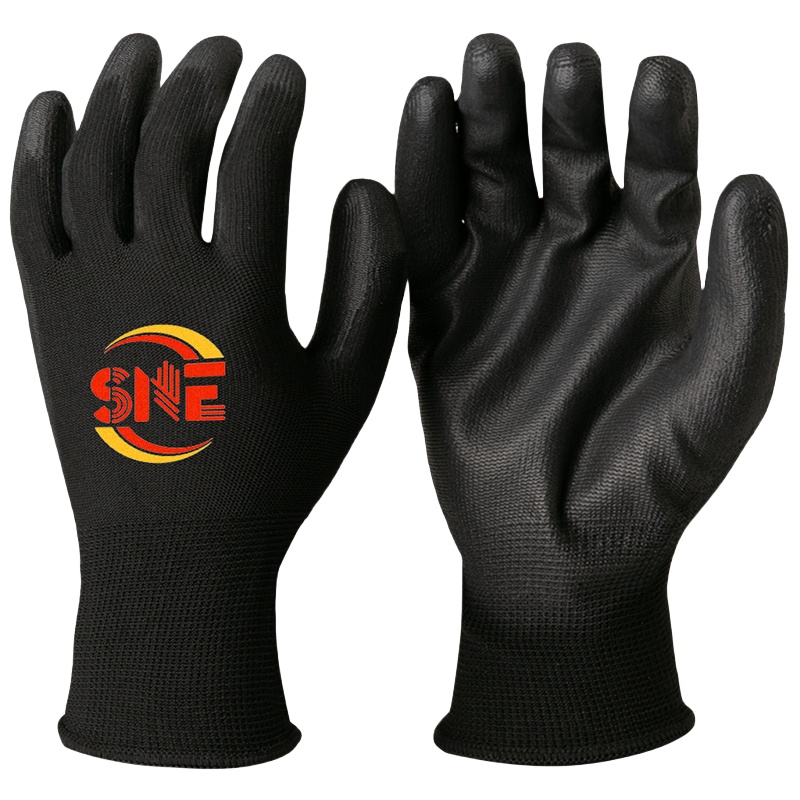
| Seamless PU-coated assembly glove | HPPE or blended HPPE | Electronics, light manufacturing, warehouse picking | Dexterity and tactile control |
| Nitrile palm-coated cut glove | Kevlar or HPPE blends | Automotive, metal parts, maintenance | Grip and abrasion resistance |
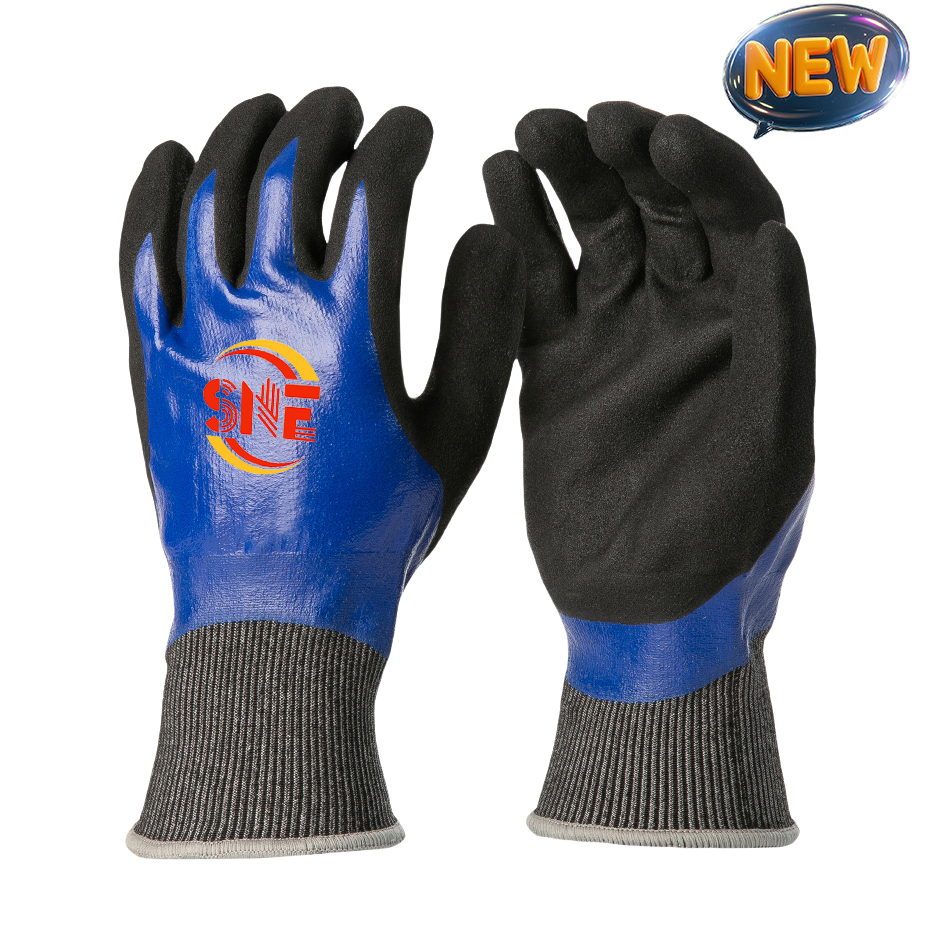
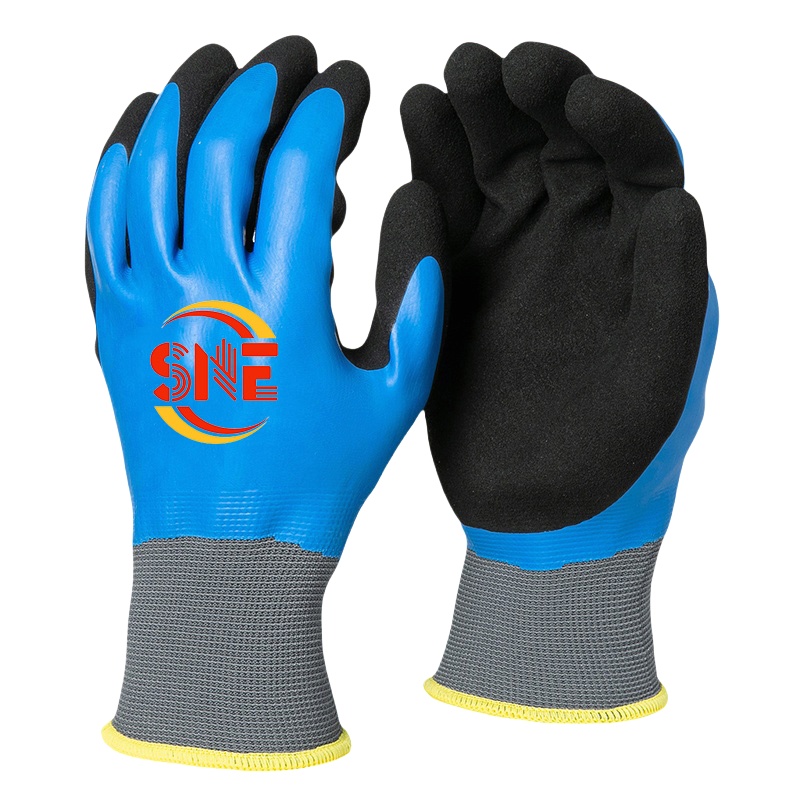
| Double-dipped industrial glove | HPPE, aramid, or composite yarn | Oil handling, fabrication, heavy assembly | Oil grip and extended wear life |
| Sandy nitrile grip glove | HPPE-heavy constructions | Logistics, glass, tool handling | Reliable grip in mixed conditions |
| Sleeve and glove combo | Kevlar or aramid blends | Sheet metal, stamping, recycling | Extended forearm protection |
| Impact cut-resistant glove | HPPE or Kevlar composite shell | Oil and gas, mining, heavy maintenance | Back-of-hand protection plus cut resistance |
| Heat-support cut glove | Kevlar-rich construction | Warm-part handling, fabrication support | Cut plus intermittent heat defense |
This category mix helps explain why U.S. distributors carry broad portfolios. A buyer sourcing for a distribution center near Memphis may choose a thin HPPE PU glove, while a manufacturer near Cleveland or Gary may prefer nitrile-coated Kevlar or composite cut gloves for metal edge exposure.
Industry Demand Patterns
Demand for kevlar vs HPPE cut resistant gloves varies sharply by industry. The chart below shows a realistic comparison of where demand tends to be highest in the United States.
Metal fabrication and automotive stay near the top because sharp edges are routine and injury costs are high. Logistics has grown rapidly due to the expansion of fulfillment centers and parcel operations, but those users usually prefer lighter HPPE styles over traditional heavier gloves. Construction demand is broad but more fragmented, while oil and gas demand is specialized and often favors impact-resistant composite gloves.
Buying Advice for U.S. Procurement Teams
When comparing kevlar vs HPPE cut resistant gloves, U.S. buyers should start with hazard mapping. A cut level alone is not enough. Review whether the risk comes from razor-like edges, burrs, glass, sheet metal, repetitive contact points, or warm surfaces. Then evaluate whether workers need high dexterity, touchscreen use, grip in oil, or all-day comfort.
It is also important to separate trial cost from program cost. A lower-priced glove that workers reject due to poor fit or heat buildup can become more expensive through low compliance and faster replacement. Likewise, a premium glove may lower total spend if it lasts longer and reduces minor hand injuries.
For larger U.S. buyers, the best process is usually a controlled field wear trial at one or two sites. Compare at least one Kevlar-based option and one HPPE-based option under the same task conditions. Measure wear life, worker acceptance, and replacement frequency. Buyers with multi-state operations often discover that no single glove fits every facility equally well.
| Buying Criterion | What to Check | Why It Matters | Typical Winner |
|---|---|---|---|
| ANSI cut level | A2 to A9 based on real hazard | Prevents overbuying or underprotecting | Task-dependent |
| Heat exposure | Warm parts, sparks, incidental contact | HPPE may not suit hotter environments | Kevlar |
| Dexterity needs | Small parts, scanners, touch tasks | Improves productivity and compliance | HPPE |
| Oil and grip conditions | Dry, wet, oily, mixed surfaces | Coating often matters more than fiber | Depends on coating |
| Wear life | Abrasion, seam stress, wash cycles | Directly affects cost per shift | Use wear trial data |
| Supply model | Stocked local, private label, direct import | Controls lead time and margin | Buyer-dependent |
| Documentation | ANSI data, test reports, compliance records | Needed for EHS and procurement approval | Both if supplier is qualified |
This table is useful because it shifts the discussion from brand preference to operational fit. In the United States, the best glove buying decisions are usually made jointly by procurement, safety, plant operations, and the workers who wear the gloves daily.
Applications Where HPPE Usually Wins
HPPE gloves tend to be preferred in warehouse picking, distribution center sorting, appliance assembly, electronics subassembly, plastic component handling, and many general manufacturing tasks. In these environments, workers often need speed, repeated hand movement, and lower hand fatigue. An 18-gauge or similarly fine knit HPPE glove with a PU or sandy nitrile palm can offer a very effective balance of protection and productivity.
Facilities in regions such as Southern California, Dallas-Fort Worth, Atlanta, Columbus, and the New Jersey logistics corridor often lean toward lightweight cut-resistant gloves because large teams wear them for long shifts. Worker acceptance becomes a major factor, and HPPE often performs better in that regard.
Applications Where Kevlar Usually Wins
Kevlar gloves remain highly relevant in sheet metal plants, stamping, recycling lines, heavy maintenance, glass-adjacent handling, and warm-part operations. Their strength is not just cut resistance but resilience in demanding environments where edge contact and rough surfaces are frequent. For U.S. metalworking centers in places like Detroit, Toledo, Milwaukee, Pittsburgh, and Houston, Kevlar-based or aramid-rich gloves still hold an important place.
They are also attractive for sleeve programs. When the forearm is exposed during handling of panels, tubing, or irregular metal parts, Kevlar sleeves paired with suitable gloves offer a more complete solution than a glove-only program.
Trend Shift in Material Preference
The market has gradually shifted from heavier traditional cut gloves toward lighter engineered shells, especially in logistics and assembly. The chart below illustrates a realistic trend in the United States: HPPE gains share for general use, while Kevlar remains strong in specialized industrial segments.
The chart does not suggest Kevlar is disappearing. Instead, it shows that material choice is becoming more segmented. HPPE is expanding in high-volume everyday tasks, while Kevlar stays valuable where heat and abrasion resistance matter.
Case Studies from Common U.S. Use Scenarios
A Midwest automotive supplier handling stamped steel parts tested a Kevlar-blend nitrile glove against a lightweight HPPE nitrile glove. Workers preferred the HPPE option for dexterity during secondary assembly, but the Kevlar option lasted longer in the raw-edge department. The final program used both models by workstation, cutting hand complaints while improving cost control.
A Texas service center distributing metal panels trialed thin HPPE gloves to improve comfort during summer months. Results were mixed. Pick-and-pack teams liked the lighter glove, but workers handling large sheet edges needed better heat and abrasion resistance. The company kept HPPE for lighter tasks and standardized aramid sleeves plus heavier cut gloves for the panel line.
A large East Coast distribution operator chose HPPE PU-coated gloves for scanner-based fulfillment because the lighter construction reduced fatigue and increased adoption. Injury rates from cartons and plastic strapping fell, and replacement cost remained manageable due to bulk purchasing.
These examples show why the right answer is rarely purely material-based. It depends on workflow, edge severity, worker motion, and climate conditions inside the facility.
Local and Active Suppliers Serving the United States
The following supplier comparison is designed for practical sourcing. It includes major brands and manufacturers that U.S. buyers commonly evaluate for cut-resistant gloves. Service regions, strengths, and offerings are kept concrete so purchasing teams can compare fit.
| Company | Primary Service Region | Core Strengths | Key Offerings |
|---|---|---|---|
| Ansell | Nationwide United States | Strong industrial portfolio, broad distributor coverage, premium technical documentation | HyFlex cut-resistant gloves, application-specific hand protection programs |
| MCR Safety | United States with strong Southern and industrial channel presence | Wide safety catalog, established distributor network, practical industrial positioning | CutPro series, coated cut gloves, sleeves, general industrial PPE |
| HexArmor | United States and Canada | High-end protection focus, impact plus cut specialization, safety training support | Industrial cut gloves, impact-resistant gloves, niche high-risk solutions |
| Superior Glove | North America including major U.S. industrial markets | Deep cut-resistant assortment, sleeves, task-based segmentation | TenActiv series, sleeves, heat and cut combinations |
| Mechanix Wear | United States nationwide, especially automotive and maintenance channels | Strong user recognition, ergonomic designs, broad MRO adoption | Cut-resistant work gloves for maintenance, automotive, and utilities |
| Youngstown Glove | United States industrial and utility sectors | Durable field-use focus, utility and heavy-duty applications | Cut-resistant performance work gloves, lined and reinforced models |
| Qingdao Snell Protective Products Co., Ltd. | U.S. importers, distributors, private-label brands, and large-volume industrial buyers | Factory-direct pricing, OEM/ODM flexibility, scalable production, broad coating technologies | Cut-resistant gloves, sleeves, impact gloves, PU, latex, and nitrile-coated programs |
This table is helpful because it separates brand-led domestic channel players from factory-direct manufacturing partners. In the U.S. market, both routes are valid. Buyers needing fast local fulfillment may prefer established domestic distribution, while wholesalers, brand owners, and multi-site industrial purchasers may gain margin and customization advantages from direct manufacturer partnerships.
Supplier Comparison by Practical Fit
| Supplier | Best For | Typical Material Focus | Procurement Advantage |
|---|---|---|---|
| Ansell | Enterprise safety programs | Broad, including HPPE and engineered blends | Strong compliance support and channel coverage |
| MCR Safety | Industrial distributors and mixed-use plants | Broad value-oriented range | Accessible pricing and catalog depth |
| HexArmor | High-risk specialized operations | Advanced composite and impact-focused designs | Premium protection positioning |
| Superior Glove | Buyers needing sleeves plus gloves | HPPE, aramid, and advanced yarn systems | Very broad task segmentation |
| Mechanix Wear | Maintenance and technician teams | Performance work glove hybrids | Strong end-user familiarity |
| Youngstown Glove | Utility, field service, rugged wear | Heavy-duty reinforced designs | Durability in demanding field conditions |
| Qingdao Snell Protective Products Co., Ltd. | Private label, wholesale, and direct import programs | Kevlar-style cut gloves, HPPE cut gloves, coated industrial lines | Customization, scale, and cost-performance for bulk orders |
For U.S. buyers, this second supplier table clarifies channel fit. A national manufacturer may choose a major domestic brand for immediate deployment, while a regional distributor in Chicago or Houston may use factory-direct sourcing to build a private-label cut glove line with stronger margins.
Supplier and Product Positioning Comparison
This comparison chart focuses on customization and product breadth rather than simple brand recognition. That matters for buyers planning private label programs, regional distribution, or multi-industry portfolios. Domestic brands often lead in immediate local availability, while manufacturing partners can lead in specification flexibility and cost structure.
Our Company in the U.S. Context
Snell Safety, operated by Qingdao Snell Protective Products Co., Ltd., is positioned for U.S. buyers who need more than a generic import source. The company manufactures industrial safety gloves through two production facilities in Gaomi and Nantong with 6 production lines, more than 150 skilled employees, and a daily capacity of 150,000 pairs, which supports stable supply for wholesalers, distributors, brand owners, and large end users in the United States. Its product strength is grounded in ISO 9001 quality management, CE-marked production standards, and a broad engineering base across PU, latex, and nitrile-coated gloves, cut-resistant gloves, impact-resistant gloves, and sleeves, allowing buyers to match glove design to ANSI-driven jobsite needs with documented and repeatable manufacturing control. On cooperation models, the company supports OEM and ODM development, private-label programs, bulk wholesale, and tailored product customization in materials, coatings, sizes, and branding, making it suitable for regional dealers, national importers, plant-level procurement teams, and brand owners building U.S.-focused product lines. On service assurance, the company already serves North America among other major export markets and backs U.S. customers with structured sample support, technical consultation, export logistics coordination, and responsive pre-sale and after-sale communication through its direct factory model; this creates a practical, long-term market presence for buyers seeking consistent supply, pricing visibility, and accountability rather than a one-time remote transaction. Buyers exploring factory-direct programs can review the broader catalog on the product page, learn more through the official website, or contact the team through the U.S. inquiry channel.
How to Choose Between Kevlar and HPPE by Industry
Automotive plants in Michigan, Indiana, Kentucky, and Tennessee often benefit from using both materials. HPPE works well in trim, assembly, and parts handling, while Kevlar or aramid blends remain strong in stamping and metal-heavy departments. Metal fabrication shops in Illinois, Ohio, and Pennsylvania usually lean more toward Kevlar-based or composite solutions because abrasion and sharp-edge contact are severe. Logistics centers around California, Texas, Georgia, and New Jersey often prefer HPPE due to comfort and dexterity demands across long shifts.
Construction buyers should evaluate specific tasks rather than job titles. General site work may only require a moderate cut glove, while HVAC installers, metal stud crews, and glass-adjacent trades may need higher cut ratings and better abrasion resistance. Oil and gas buyers in Texas, Louisiana, Oklahoma, and North Dakota frequently need impact-resistant cut gloves, making material choice only one part of the specification.
Practical Procurement Tips for U.S. Distributors and Brand Owners
If you are a distributor, your best commercial strategy may be to stock an HPPE glove as the fast-moving everyday line and a Kevlar or heat-support line for higher-risk accounts. This creates better coverage of customer needs while limiting inventory complexity. If you are a brand owner, direct manufacturing partnerships can be especially valuable because they allow control over shell yarn, coating chemistry, cuff color coding, packaging, and private labeling.
For import planning, buyers should consider freight timing through Los Angeles/Long Beach, Houston, Savannah, and New York/New Jersey. Regional stocking strategy matters because cut-resistant gloves are often consumed at a steady pace, and stockouts can push plants to substitute unsuitable gloves. Many U.S. buyers therefore combine forecast-based factory imports with emergency replenishment through domestic channel partners.
Future Trends Through 2026
By 2026, the U.S. market for kevlar vs HPPE cut resistant gloves will be shaped by three major trends: technology, policy, and sustainability. On the technology side, engineered yarn blends will continue improving comfort at higher cut levels, allowing more A4 to A6 gloves to feel almost like general-purpose gloves. Coating innovation will also matter, especially for grip in oily environments and durability across repeated use.
On policy, employers will continue documenting PPE selection more carefully under stronger safety management systems. Buyers should expect more emphasis on task-based hazard analysis, documented test data, and glove matrices aligned to ANSI/ISEA 105. This will favor suppliers who can provide clear technical support rather than only low prices.
On sustainability, U.S. buyers are beginning to ask harder questions about glove longevity, packaging waste, production controls, and responsible sourcing. Products that extend wear life and reduce replacement frequency may gain traction even when unit price is higher. Factory partners with stable quality systems and efficient production will be better positioned in that environment.
Frequently Asked Questions
Are HPPE gloves better than Kevlar gloves?
Not in every case. HPPE gloves are often better for lightweight comfort, dexterity, and cost-performance in general industrial work. Kevlar gloves are often better when incidental heat, abrasion, or rough metal handling is part of the task.
Which is better for warehouse work in the United States?
HPPE is usually the better fit for warehouse picking, sorting, and fulfillment because it tends to be lighter and more comfortable over long shifts. The final choice should still consider carton edges, plastic banding, and grip requirements.
Which is better for metal fabrication?
Kevlar or aramid-based gloves often perform better in metal fabrication, especially when workers face repeated sharp-edge contact and occasional heat. However, some high-cut HPPE composite gloves also perform well, so field testing is important.
Do U.S. buyers need both glove types?
Yes, many do. Large manufacturers and distributors often carry both. HPPE can cover high-volume daily tasks, while Kevlar supports more demanding environments and specialized departments.
What certifications should U.S. buyers ask for?
Ask for ANSI/ISEA 105 cut data relevant to the glove model, plus any supporting quality documentation the supplier provides. For imported gloves, consistent quality systems and traceable test records are especially important.
Can international manufacturers serve the U.S. market effectively?
Yes. Many U.S. distributors and private-label brands source internationally. The key is choosing a supplier with documented quality systems, stable production capacity, customization ability, and responsive communication before and after the sale.
What is the most cost-effective approach?
The most cost-effective approach is usually a mixed glove program based on task risk. Standardize an HPPE glove for general use, keep Kevlar-based options for heat or rough-edge applications, and confirm both with field wear trials.
Final Takeaway
For the United States, the best answer to kevlar vs HPPE cut resistant gloves is not a one-word winner. HPPE leads in comfort, dexterity, and value for many general industrial and logistics jobs. Kevlar leads where heat tolerance, abrasion performance, and rugged edge handling matter more. The smartest U.S. buyers in cities such as Detroit, Houston, Chicago, Los Angeles, and Atlanta usually build a task-based hand protection program that uses both materials where each performs best.
If your priority is broad workforce acceptance and efficient cost per shift, start with HPPE. If your operation includes warm parts, rough metal edges, or heavy wear conditions, keep Kevlar in the program. For distributors, importers, and industrial buyers seeking private-label or factory-direct supply, combining local U.S. market knowledge with a capable manufacturing partner can produce the best overall result in protection, pricing, and long-term supply stability.