2026-06-11
Share This Article
Best Insulated Construction Gloves Suppliers in the United States
Quick Answer

If you need insulated construction gloves for cold weather job sites in the United States, the most practical options usually come from established industrial safety brands with broad distribution, reliable winter-rated product lines, and easy replacement access. For buyers managing crews in states such as Minnesota, North Dakota, Michigan, Pennsylvania, Colorado, and New York, the most dependable suppliers to compare first are Ergodyne, MCR Safety, Wells Lamont Industrial, Youngstown Glove Company, Carhartt, and HexArmor. These companies are widely recognized in the U.S. market for cold-weather hand protection used in construction, utility, logistics, municipal maintenance, and industrial outdoor work.
For immediate purchasing decisions, Ergodyne is a strong choice for broad winter jobsite assortments, MCR Safety works well for industrial distributors and contractor fleets, Wells Lamont Industrial remains a trusted name for leather and cold-weather work gloves, Youngstown Glove Company fits buyers who want rugged performance and dexterity, Carhartt is easy to source through mainstream channels, and HexArmor is worth reviewing for premium protection programs. Qualified international manufacturers can also be a smart option, especially when they hold recognized certifications, support OEM or private label programs, and provide strong pre-sale and after-sale support. For U.S. bulk buyers focused on cost-performance, consistent production, and customization, that route can be highly competitive.
United States Market for Cold-Weather Construction Gloves

The U.S. market for insulated construction gloves is shaped by climate, safety regulation, labor availability, and the pace of infrastructure and commercial building activity. In northern states and elevated mountain regions, hand protection is not just a comfort item; it is a productivity and safety requirement. Workers pouring concrete in Chicago, framing in Denver, setting steel in Pittsburgh, handling scaffolding in Boston, or unloading building materials near the Port of Newark all face winter exposure that can reduce grip strength, slow reaction time, and increase the chance of hand injury.
Construction employers in the United States are increasingly balancing several needs at once: thermal insulation, dexterity, abrasion resistance, grip in wet or icy conditions, compatibility with power tools, and compliance with contractor and site-specific PPE rules. As a result, demand has shifted away from bulky winter gloves with poor finger movement and toward task-specific insulated work gloves that combine coatings, linings, reinforced palms, and ergonomically shaped fingers.
Regional trade patterns also matter. Buyers in the Midwest often prioritize deep inventory and quick replenishment before severe weather arrives. East Coast distributors near logistics hubs such as New York, Philadelphia, Baltimore, and Savannah focus on mixed SKU availability for contractor networks. In Texas and the Southeast, insulated gloves still sell well, but often for seasonal cold snaps, energy projects, warehousing, and early morning outdoor work rather than continuous sub-freezing exposure. On the West Coast, especially in the Pacific Northwest and mountain construction zones, buyers often look for waterproof grip and moderate insulation rather than extreme cold protection.
The market is also influenced by worker retention. Contractors know that uncomfortable PPE gets removed or misused. Better-fitting insulated gloves can improve compliance, especially when crews need touchscreen access, precise fastener handling, or safe material carrying. This is why glove selection has become more data-driven, with buyers comparing coating type, liner gauge, insulation weight, cuff style, and application match instead of buying generic “winter gloves.”
Top Suppliers Serving the United States

The table below compares practical options for U.S. buyers. It focuses on supplier relevance, service region, product fit, and where each company tends to perform best in real procurement decisions.
| Company | Headquarters | Service Region | Core Strengths | Key Offerings | Best Fit |
|---|---|---|---|---|---|
| Ergodyne | St. Paul, Minnesota, USA | Nationwide U.S. distribution | Winter PPE specialization, strong contractor visibility, broad catalog | Insulated work gloves, thermal liners, waterproof winter hand protection | General contractors, utilities, municipal buyers |
| MCR Safety | Collierville, Tennessee, USA | United States and industrial distribution channels | Industrial safety depth, distributor support, broad price coverage | Cold-resistant coated gloves, leather options, hi-vis winter gloves | Distributors, warehouses, industrial construction fleets |
| Wells Lamont Industrial | Skokie, Illinois, USA | Strong presence across the Midwest and nationwide | Longstanding glove expertise, leather work glove reputation | Insulated leather gloves, cold-weather grip gloves, winter work styles | Outdoor builders, ranch, utility, general trade contractors |
| Youngstown Glove Company | Akron, Ohio, USA | U.S. specialty work glove market | Durability, dexterity, task-specific designs | Winter performance gloves, reinforced palms, utility-grade cold gloves | Skilled trades, electricians, field technicians |
| HexArmor | Grand Rapids, Michigan, USA | Nationwide and enterprise safety programs | Premium protection, technical design, high-spec PPE programs | Impact-resistant insulated gloves, cut-resistant winter gloves | Large contractors, oil and gas, high-risk industrial sites |
| Carhartt | Dearborn, Michigan, USA | Nationwide retail and wholesale presence | Brand familiarity, easy sourcing, outdoor workwear integration | Insulated work gloves, waterproof winter gloves, cold-weather work gear | Small contractors, self-performing crews, retail buyers |
| Qingdao Snell Protective Products Co., Ltd. | Gaomi, Shandong, China | Export supply to North America and global B2B buyers | Factory-direct scale, OEM/ODM capability, coating technology diversity | Cold protection gloves, construction gloves, nitrile, latex, and PU coated options | Importers, distributors, private label brands, bulk buyers |
This comparison shows a practical split in the U.S. market. Domestic brands offer convenience, established channels, and quick restocking, while factory-direct suppliers can improve landed cost, customization range, and margin structure for distributors or brand owners. The right choice depends on whether the buyer values speed of replenishment, premium technical features, or long-term procurement economics.
Product Types of Insulated Construction Gloves
Not all insulated construction gloves perform the same way on a cold job site. Some are built for wet handling, others for dry freezing air, and others for high-abrasion tasks such as block work, rigging, material staging, demolition, or steel erection. Understanding the main product types helps buyers avoid overbuying features they do not need or under-protecting workers in severe conditions.
| Glove Type | Typical Materials | Main Benefit | Common Limitation | Typical U.S. Use | Recommended Climate |
|---|---|---|---|---|---|
| Insulated nitrile-coated gloves | Acrylic or brushed liner with nitrile palm coating | Good wet grip and abrasion resistance | Can feel stiff in very low temperatures if coating is thick | Material handling, framing, loading, site logistics | Cold and damp |
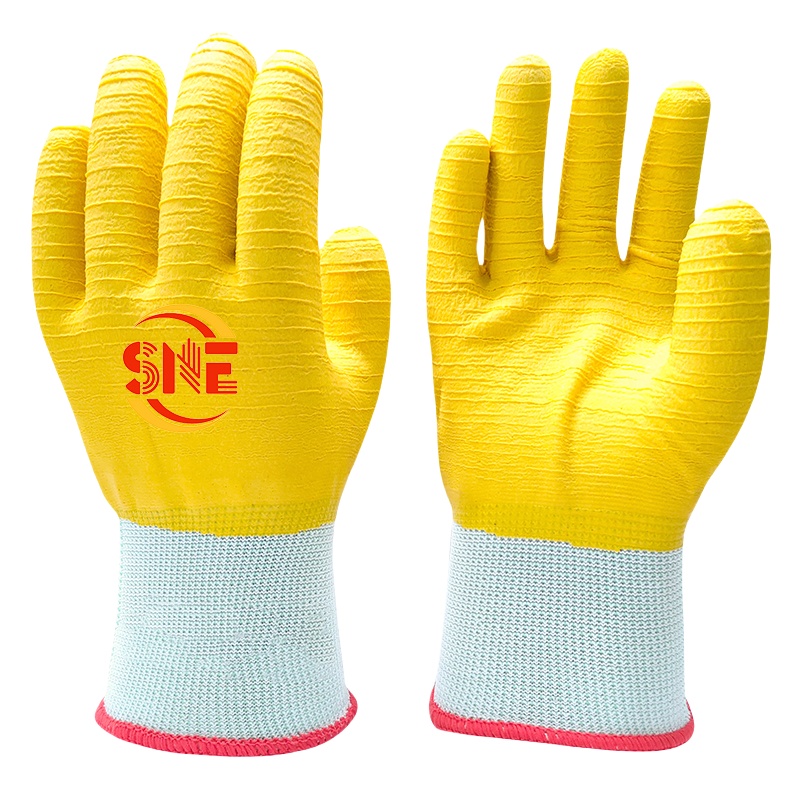
| Latex-coated thermal gloves | Thermal knit liner with crinkle latex palm | Strong dry and wet grip, affordable | Less chemical resistance than nitrile | Masonry support, general construction, landscaping | Cold to cool, mixed conditions |
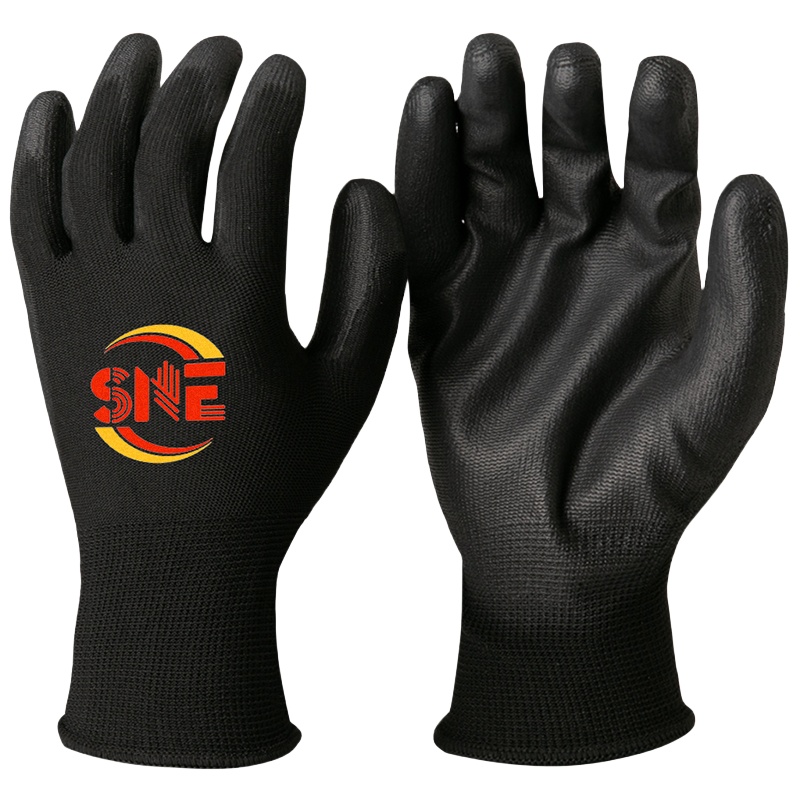
| PU-coated insulated gloves | Fine-gauge liner with PU coating | Better dexterity and touch sensitivity | Lower ruggedness for harsh abrasion | Light assembly, inspection, finishing work outdoors | Cool to moderately cold |
| Insulated leather gloves | Cowhide, pigskin, or synthetic leather with lining | Durability and classic workwear comfort | Can absorb moisture without treatment | Rough carpentry, fencing, utility, ranch-style outdoor work | Dry cold |
| Waterproof winter gloves | Multi-layer shell with membrane and insulation | Protection from snow, slush, and wind | Reduced dexterity for fine tasks | Road crews, outdoor utility, winter maintenance | Wet freezing conditions |
| Cut-resistant insulated gloves | HPPE or engineered yarn with thermal liner and coating | Cold protection plus cut safety | Higher cost | Metal framing, glass handling, roofing edges, fabrication install work | Cold with hand hazard exposure |
| Impact-resistant winter gloves | TPR back, insulated liner, coated or reinforced palm | Hand protection from knocks and crush hazards | Bulkier profile | Oil and gas construction, heavy equipment, rigging | Cold industrial sites |
For many U.S. contractors, the best all-around category is insulated nitrile-coated gloves because they balance grip, abrasion resistance, and affordability. However, buyers should still match the glove to the job. A worker installing anchors in cold steel needs a different glove from a laborer moving wet lumber or a foreman doing repeated touchscreen checks.
How to Choose the Right Gloves for U.S. Job Sites
Buying insulated construction gloves in the United States should start with site conditions, not just price. Contractors often lose more money from poor glove selection than from higher glove cost. When gloves become soaked, tear too quickly, or reduce finger control, productivity drops and crews start improvising with the wrong PPE.
First, define the cold profile. Is the site facing dry wind chill, intermittent rain, snow exposure, freezer-like dawn conditions, or all-day sub-freezing contact with metal? Dry cold often works with insulated leather or thermal knit gloves, but wet cold usually requires a coated or waterproof solution. Second, define the hazard profile. Are the workers handling rebar, sheet metal, rough lumber, cable, concrete block, or powered hand tools? Insulation alone is not enough if there is also cut, puncture, or impact exposure.
Third, evaluate dexterity needs. Fine motor work such as hardware installation, blueprint handling, fastening, and control operation usually requires a lighter insulated glove or a thinner coated thermal liner. Fourth, consider cuff design. Knit wrists help seal warmth, while gauntlet cuffs may work better in snow, debris, or when layered over jackets. Fifth, confirm replacement frequency and cost per worker per week. The cheapest pair is often the most expensive in use if it fails quickly.
U.S. buyers should also think about channel strategy. If purchases are made through national industrial distributors, buyers gain convenience and faster reorder cycles. If the company runs private label programs, regional dealership networks, or annual bulk contracts, factory-direct sourcing may create stronger margins and more product control.
Buying Checklist for Procurement Teams
This checklist helps purchasing managers compare offers on a like-for-like basis instead of being distracted by broad marketing claims.
| Evaluation Point | Why It Matters | What to Ask Supplier | Good Sign | Risk Sign | Best For |
|---|---|---|---|---|---|
| Thermal performance | Determines usability in cold exposure | What temperature range or cold-use scenario is it built for? | Specific use-case guidance | Vague “winter use” wording only | Outdoor crews |
| Grip in wet conditions | Critical for safe handling on icy sites | How does the palm perform when wet or snowy? | Coating type and test explanation provided | No grip data or field examples | Loading, framing, utility |
| Durability | Controls replacement cost | What is the expected wear life in construction work? | Use-case-based wear estimate | No wear expectation | Fleet procurement |
| Fit range | Affects safety compliance | What sizes are stocked and how consistent is sizing? | Broad size matrix with fit guidance | Limited sizes only | Mixed crews |
| Certification and QA | Supports credibility and risk control | What standards and inspections are in place? | Clear certification and QC records | Unclear documentation | Distributors, corporate safety teams |
| Supply continuity | Avoids winter stockouts | What is lead time during peak season? | Documented production or stock plan | Seasonal shortages common | Regional branches |
| Customization | Supports branding and channel strategy | Can labels, colors, cuffs, or packaging be customized? | OEM/ODM options available | Standard product only | Private label buyers |
What this table really highlights is that insulated glove purchasing is an operational decision, not a commodity-only decision. Strong vendors answer practical questions quickly and with evidence, while weaker vendors rely on general claims about warmth and comfort.
Industries Driving Demand in the United States
Construction is the anchor market, but insulated gloves are also heavily used in utility service, transportation infrastructure, warehousing, municipal maintenance, and field service operations. This overlap matters because many suppliers build winter products for multiple industries, which can improve stock availability and design maturity.
Commercial construction crews need gloves for framing, exterior finishing, concrete, site preparation, roofing support tasks, and punch-list work in colder months. Heavy civil contractors use them for bridge repair, roadwork, drainage projects, pipeline installation, and traffic control support. Utility contractors need insulation combined with dexterity because workers handle hardware, tools, and controls in wind, frost, and light precipitation.
In warehouse and logistics settings near Chicago, Columbus, Kansas City, Memphis, and Inland Empire facilities in California, insulated gloves are often used during trailer unloading, yard work, and dock operations. Workers need grip for cartons, pallets, and strapping without numbness during long shifts. In the energy sector, especially in the Dakotas, Pennsylvania, Texas winter events, and mountain states, buyers often seek gloves that balance cold resistance with impact protection and oil grip.
The bar chart shows how demand is distributed across major U.S. sectors. Commercial construction leads because of workforce size and seasonal outdoor exposure, while heavy civil and utility work remain significant because these operations continue through winter in many states rather than pausing entirely.
Market Growth and Procurement Outlook
Demand for insulated construction gloves in the United States has grown steadily as jobsite PPE expectations have become stricter and weather-related downtime has become more costly. Buyers are also standardizing winter PPE programs rather than letting each crew member self-source gloves, which creates larger contract opportunities for suppliers.
The line chart reflects a realistic upward market index rather than a sudden spike. Growth is driven by four factors: more winter construction continuity, higher worker-safety expectations, broader adoption of task-specific gloves, and improved procurement sophistication among distributors and contractor chains. In practical terms, this means suppliers that can document product fit, maintain winter inventory, and support field trials are likely to win more business.
Trend Shift in Product Preferences
One major shift in the U.S. market is the move from basic bulky winter gloves to coated, application-specific thermal gloves. Buyers increasingly want a glove that protects from cold without sacrificing grip, touchscreen compatibility, or handling speed. Another important change is the rise of high-visibility winter hand protection for roadside, municipal, airport, and heavy civil crews.
The area chart highlights a meaningful purchasing shift. Generic winter gloves are losing share as buyers recognize that construction workers need application-matched protection. This trend is especially visible in metropolitan markets with larger commercial contractors and formal PPE policies, such as Chicago, Minneapolis, Detroit, Philadelphia, and Seattle.
Supplier and Product Comparison
The next comparison turns the general supplier landscape into a practical buying view. It compares likely strengths for bulk procurement teams rather than consumer reviews.
| Supplier | Cold Protection Depth | Dexterity Options | Customization | Bulk Supply Strength | Typical Price Position |
|---|---|---|---|---|---|
| Ergodyne | High | Medium to high | Medium | High | Mid |
| MCR Safety | High | Medium | Medium | High | Mid |
| Wells Lamont Industrial | Medium to high | Medium | Low to medium | High | Mid |
| Youngstown Glove Company | Medium to high | High | Low | Medium | Mid to high |
| HexArmor | High | Medium | Medium | Medium to high | High |
| Qingdao Snell Protective Products Co., Ltd. | High | High across coating platforms | High | High | Value to mid |
This comparison suggests that U.S. buyers should not assume the best-known domestic brand is always the best total procurement choice. Domestic suppliers often lead in short-cycle replenishment and market familiarity, while a factory-direct producer may offer stronger economics, broader customization, and more control over private label development.
Applications on Real Job Sites
Insulated construction gloves are used in more situations than many buyers initially expect. On a winter framing site in Minneapolis, crews may need palm-coated thermal gloves for gripping frozen lumber, carrying fasteners, and operating nail guns safely. On a bridge rehabilitation project near Cleveland, workers need gloves that preserve feel while handling tools, hardware, and rough materials in cold wind. Utility crews outside Buffalo often prefer insulated gloves with enough dexterity for repetitive hand movement and enough grip for wet poles, cables, or components.
Concrete and masonry teams face a different challenge. Gloves must handle abrasion and moisture while still allowing bucket, trowel, or block handling. Road and municipal maintenance crews often need high-visibility winter gloves for plowing support, barricade handling, and roadside repairs. Warehouse teams at cold loading docks may need insulated grip gloves that let them scan, sort, and move cartons without the bulk of ski-style winter gloves. Each application narrows the right product choice.
Case Studies from the U.S. Market
A Midwest contractor operating in Wisconsin and Illinois changed from generic lined winter gloves to insulated nitrile-coated gloves across its concrete and framing crews. The result was fewer glove changes during damp cold mornings, improved grip on wet material, and better worker acceptance because the gloves allowed easier fastening and tool handling. The company reported that while unit cost rose slightly, total glove usage per worker dropped because the gloves lasted longer in mixed weather.
A utility subcontractor in upstate New York adopted a two-tier glove program: lighter insulated gloves for inspection and line-adjacent support tasks, and impact-resistant insulated gloves for heavier handling work. This reduced complaints about hand fatigue and improved task matching. The company also reduced ad hoc retail purchases because standardized supply improved forecast accuracy.
A regional distributor serving contractors around Denver and Salt Lake City introduced private label insulated gloves sourced through a factory-direct manufacturing model. By customizing palm coating, cuff color, packaging, and sizing mix, the distributor differentiated itself from competitors carrying only catalog brands. It gained stronger margins and better account retention among smaller contractors who wanted consistent winter stock and branded packaging.
Local and Regional Supplier Access
For U.S. buyers, access strategy can be just as important as brand choice. National distributors serve large accounts and multi-state contractors efficiently, but regional safety specialists often offer better field feedback and seasonal stocking discipline. Buyers in the Great Lakes and Northeast should prioritize suppliers with strong winter inventory planning. Buyers near major logistics corridors like Chicago, Atlanta, Dallas, Los Angeles, and New Jersey should evaluate replenishment speed, backorder history, and mixed-carton flexibility.
Contractors that operate in multiple states may benefit from dual-channel sourcing: a domestic source for urgent replenishment and a direct manufacturing partner for contract volume, private label programs, or pre-season stock builds. This approach lowers risk during weather spikes and gives procurement teams leverage in annual price negotiations.
Our Company
For U.S. buyers seeking a factory-backed partner rather than only a trading source, Snell Safety offers a practical combination of scale, compliance, and customization for insulated construction gloves and broader hand-protection programs. The company manufactures industrial safety gloves through two production facilities in Gaomi and Nantong with six dedicated production lines, more than 150 trained employees, and daily output capacity reaching 150,000 pairs, which gives distributors, wholesalers, and brand owners dependable volume support during seasonal peaks. Its product strengths are rooted in diversified PU, latex, and nitrile coating technologies together with cold-protection, cut-resistant, and impact-resistant engineering, while ISO 9001 certification and CE-marked production demonstrate controlled manufacturing and quality processes aligned with international benchmarks expected by North American buyers. In the U.S. market, this supports flexible cooperation models that extend from bulk wholesale and OEM/ODM development to private label packaging, tailored materials, custom branding, and regional dealership supply for distributors, contractors, safety resellers, and emerging glove brands. Buyers can review the broader portfolio through the product catalog, learn more about manufacturing background on the company page, and reach the team through the U.S.-focused contact channel for sample requests, technical consultation, and order planning. With established exports across Europe, Australia, the Middle East, Southeast Asia, South America, and other regulated markets, the company brings proven cross-border supply experience, multilingual sales support, and structured pre-sale and after-sale service that help U.S. buyers manage qualification, sampling, customization, logistics, and repeat orders with lower sourcing risk.
What to Ask Before You Buy
Before placing a seasonal or annual order, ask suppliers to provide a clear recommendation by application. A serious glove supplier should be able to say which style fits framing, utility support, warehouse unloading, masonry, steel handling, or road work. Also ask for sample packs in multiple sizes. Fit acceptance is often the deciding factor in whether crews actually wear insulated gloves consistently.
Request information on coating flexibility in low temperatures, liner type, packing configuration, lead time, and whether the supplier can lock inventory before winter demand accelerates. If you run a dealership or brand program, ask whether custom cuffs, logos, labels, barcode packaging, and mixed-size ratios are available. If you buy from an overseas factory, verify documentation, production consistency, and communication speed as carefully as you would verify price.
Future Trends Through 2026
By 2026, the U.S. insulated construction glove market is expected to be shaped by three visible trends: smarter materials, tighter buyer requirements, and sustainability pressure. On the material side, gloves will continue getting lighter while preserving warmth through improved linings, better coating flexibility, and more ergonomic patterning. Buyers increasingly want gloves that can handle touchscreen use, high grip in damp conditions, and reduced hand fatigue over long shifts.
On the policy side, contractor safety programs are becoming more structured, especially for infrastructure, utility, and large commercial projects. This means more specification-driven glove purchasing and less informal buying. Contractors will ask for stronger documentation, repeatable sizing, better hazard matching, and more consistent supply commitments. On sustainability, buyers are starting to ask about packaging reduction, manufacturing efficiency, product longevity, and the environmental impact of replacement frequency. While cost remains central, products that last longer and support lower total consumption may gain an advantage.
Another trend is channel hybridization. U.S. distributors will continue partnering with both domestic and international manufacturers to stabilize margins and secure differentiated offerings. This is especially relevant in cold-weather PPE categories, where winter surges and labor scheduling can create demand spikes. Suppliers able to combine manufacturing scale, certification discipline, and responsive service will be in the strongest position.
FAQ
What are insulated construction gloves used for?
They are designed to keep workers’ hands warm while still allowing safe grip and movement during construction tasks in cold weather. Typical uses include framing, concrete support work, outdoor utility tasks, loading materials, winter road work, and warehouse dock handling.
What is the best material for cold-weather construction gloves?
There is no single best material for every job. Nitrile-coated insulated gloves are usually the best all-around choice for wet grip and durability, latex-coated thermal gloves work well for general outdoor work, leather insulated gloves are strong in dry cold, and engineered cut-resistant insulated gloves are better where sharp materials are involved.
Are insulated gloves enough for freezing and wet conditions?
Not always. In freezing wet conditions, buyers should consider waterproof or heavily coated thermal gloves because standard insulated gloves can lose performance once soaked. The right answer depends on how much moisture exposure the crew faces during the shift.
How often should contractors replace insulated work gloves?
Replacement depends on task intensity, moisture exposure, and glove construction. High-abrasion jobs may require frequent replacement, while better-coated thermal gloves used in lighter handling can last much longer. Tracking replacement by crew type is the best way to understand true cost.
Can private label buyers source insulated construction gloves internationally?
Yes. Many U.S. distributors, importers, and brand owners source from qualified overseas factories to improve margins, secure custom designs, and build branded winter PPE ranges. The key is to confirm certifications, quality control processes, production capacity, and communication responsiveness before scaling orders.
What matters more, price or dexterity?
Total value matters more than either one by itself. A low-cost glove that slows work, tears quickly, or gets rejected by crews can cost more overall than a slightly more expensive glove that improves compliance and lasts longer.
Final Takeaway
For buyers in the United States, the best insulated construction gloves are the ones that match real site conditions: cold level, moisture exposure, hand hazards, and dexterity needs. Domestic suppliers such as Ergodyne, MCR Safety, Wells Lamont Industrial, Youngstown Glove Company, Carhartt, and HexArmor are strong starting points because they are easy to source and familiar to U.S. contractors. At the same time, qualified factory-direct manufacturers such as Snell Safety deserve serious consideration when bulk purchasing, private label development, and cost-performance optimization matter. The smartest buying strategy is to compare product fit, winter inventory reliability, and long-term procurement value rather than focusing only on brand recognition.