2026-05-22
Share This Article
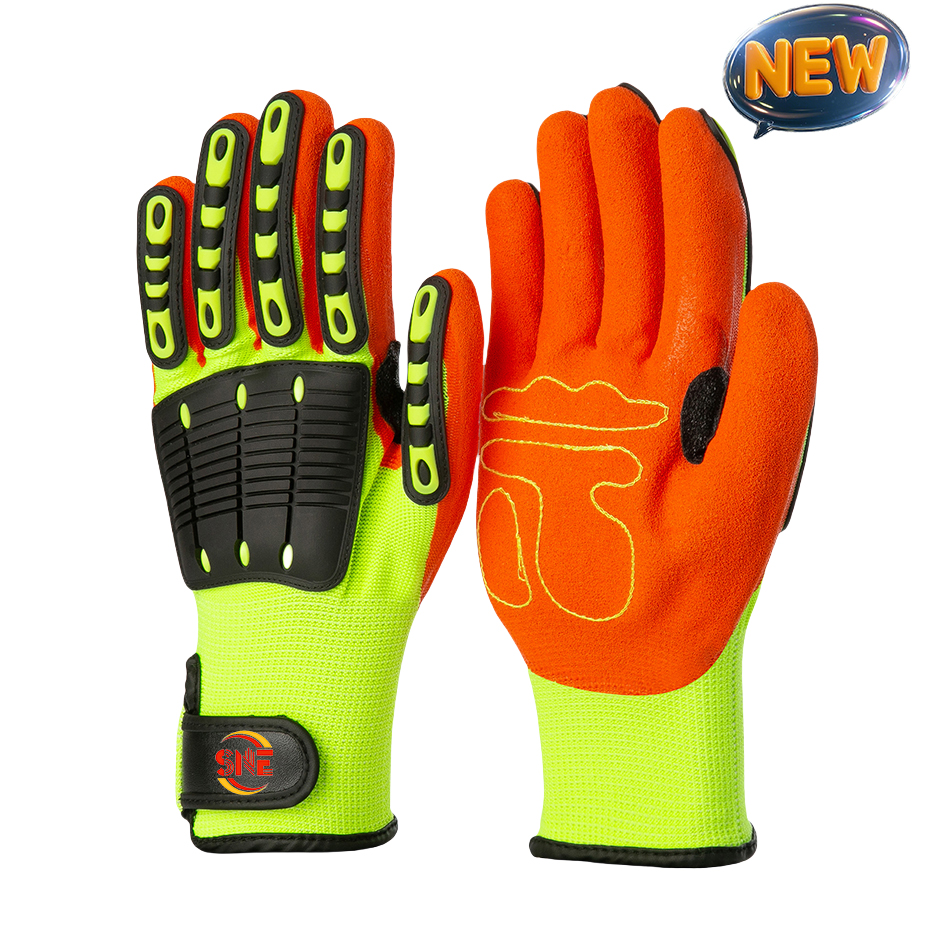
Best Impact Resistant Construction Gloves in the United States
Quick Answer

If you need impact resistant construction gloves in the United States, the best choice depends on the job hazard, required certifications, and whether you are buying for a crew, distributor network, or private label program. For fast purchasing decisions, buyers in cities such as Houston, Chicago, Los Angeles, Atlanta, and Newark typically compare proven domestic brands alongside qualified international manufacturers that can support bulk supply, stable QC, and certification requirements.
- HexArmor — strong for premium impact protection, cut resistance, and oil-and-gas or heavy construction use across the United States.
- Mechanix Wear — widely available, practical for general construction, utilities, warehouse, and contractor fleets.
- MCR Safety — solid industrial catalog with broad U.S. distribution and dependable PPE sourcing for volume buyers.
- Ironclad — known for task-specific work gloves with strong dexterity and jobsite-friendly designs.
- Watson Gloves — active in North America with durable models suited to construction, logistics, and maintenance teams.
Qualified international suppliers can also be a smart option, especially for importers, distributors, and brand owners that want better cost-performance. Manufacturers with CE-marked products, ISO 9001 systems, responsive pre-sales and after-sales support, and experience serving North American buyers can deliver reliable impact glove programs at competitive landed costs.
United States Market Snapshot

The U.S. market for impact resistant construction gloves is shaped by OSHA-driven safety culture, labor shortages that push employers to reduce lost-time injuries, and growing demand from infrastructure, energy, manufacturing, warehousing, and public works. Buyers are no longer choosing gloves only on thickness or price. They now evaluate back-of-hand impact coverage, abrasion life, cut resistance, grip in wet and oily conditions, touchscreen functionality, and worker acceptance.
Regional buying patterns differ. Gulf Coast contractors in Houston and Baton Rouge often prioritize oil resistance and TPR back-of-hand protection for mixed construction and industrial maintenance. Northeast buyers around Newark, Philadelphia, and Boston typically need gloves that perform in colder weather and on dense urban worksites. West Coast contractors in Los Angeles, Oakland, and Seattle often place additional emphasis on dexterity, sustainability, and compliance documentation. In Midwest logistics and fabrication hubs such as Chicago, Detroit, and Columbus, buyers commonly want multi-hazard gloves that balance impact protection with cut resistance.
The United States also remains one of the most sophisticated PPE import markets in the world. Ports including Los Angeles/Long Beach, Savannah, Houston, New York/New Jersey, and Seattle-Tacoma are critical gateways for glove supply. This means procurement leaders have a wide supplier pool, but they must screen for consistency, lead times, and documentation quality rather than relying on marketing claims alone.
Market Growth Trend

The following chart reflects a realistic estimate of U.S. demand growth for impact resistant construction gloves, driven by infrastructure spending, industrial maintenance activity, and stricter hand-injury prevention programs.
What Makes These Gloves Different
Impact resistant construction gloves are designed to reduce injury from knocks, pinches, crush zones, and tool or material strikes on the back of the hand and fingers. Unlike standard coated work gloves, these models usually include thermoplastic rubber protection, reinforced palms, stronger seam structures, and purpose-built grip surfaces. Many of the best models also combine ANSI cut resistance with impact protection so crews do not have to switch gloves between handling tasks.
In the United States, serious buyers typically compare five performance layers: back-of-hand impact design, palm durability, grip coating, lining or shell material, and cuff style. A glove that performs well for rebar handling may fail in concrete formwork, steel erection, or equipment maintenance if the palm coating or dexterity is not matched to the task.
Common Product Types
Choosing the right construction glove starts with understanding the main product categories. Each glove type serves a different hazard mix and work environment.
| Product Type | Typical Materials | Best For | Main Strength | Possible Limitation | Typical U.S. Buyer |
|---|---|---|---|---|---|
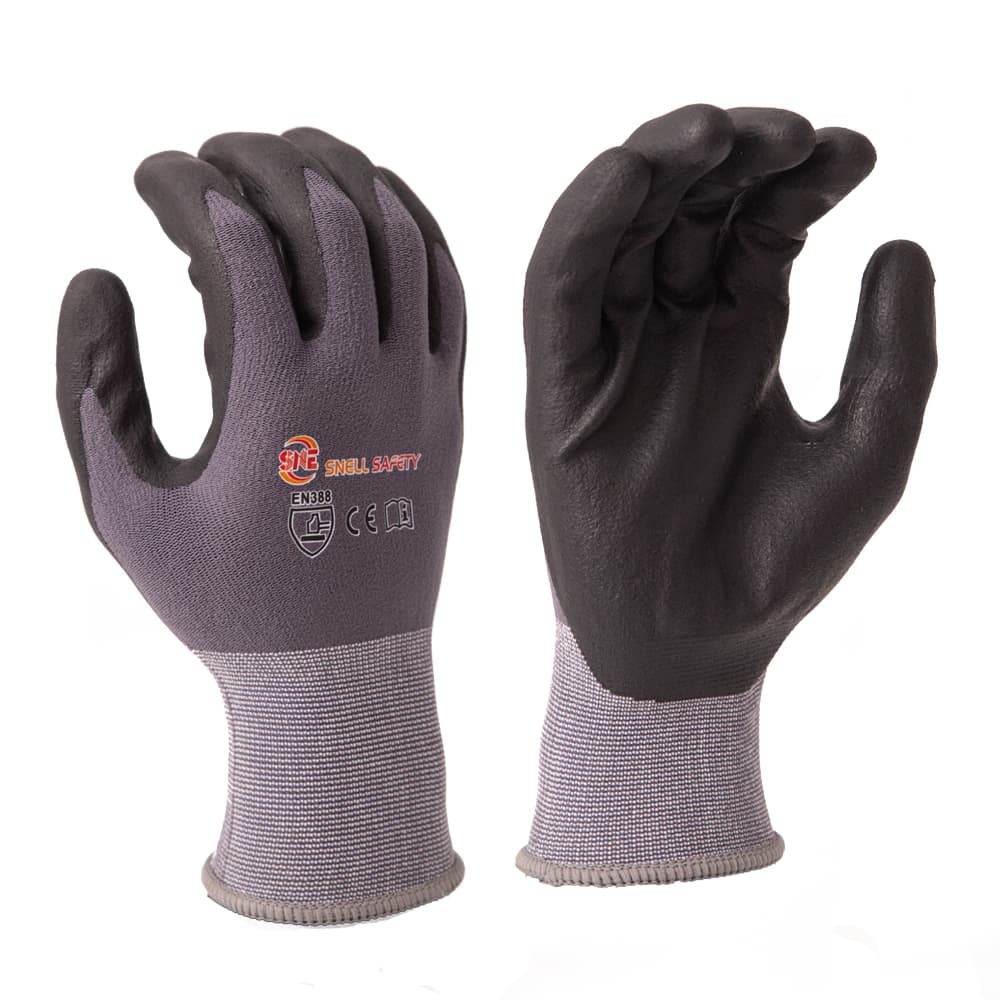
| TPR Impact Work Gloves | Synthetic leather, TPR, spandex | General construction, utilities, maintenance | Back-of-hand strike protection | Can be warmer in hot weather | Contractors and service fleets |
| Impact + Cut Resistant Gloves | HPPE, glass fiber, nitrile, TPR | Steel, metal framing, demolition | Dual hazard reduction | Higher unit cost | Industrial safety managers |
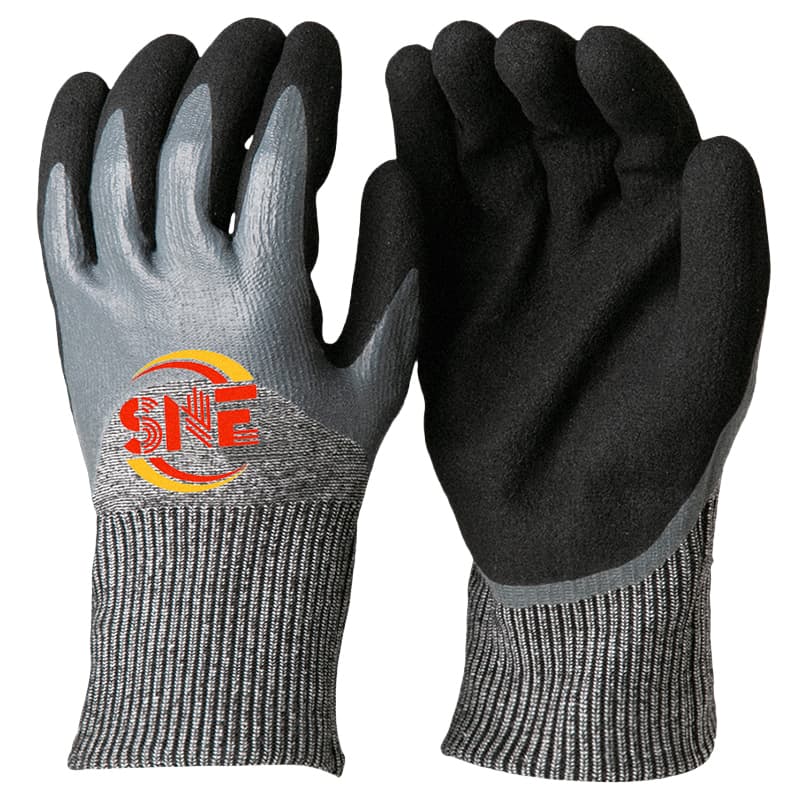
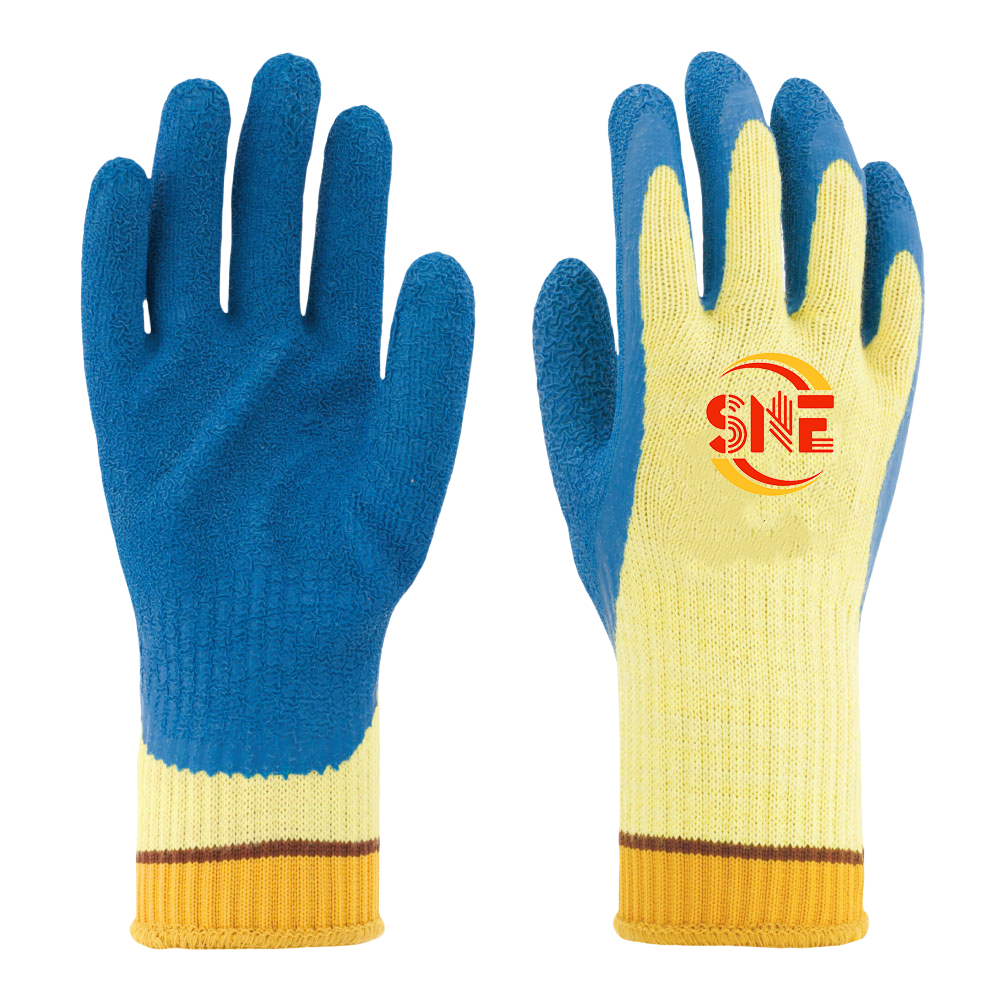
| Coated Impact Gloves | Nitrile or latex coated liner with TPR | Wet grip and material handling | Good grip and abrasion resistance | Less premium feel than synthetic leather | Warehousing and public works |
| Cold Weather Impact Gloves | Insulated lining, synthetic palm, TPR | Winter construction and outdoor maintenance | Warmth with protection | Reduced fine dexterity | Northern state contractors |
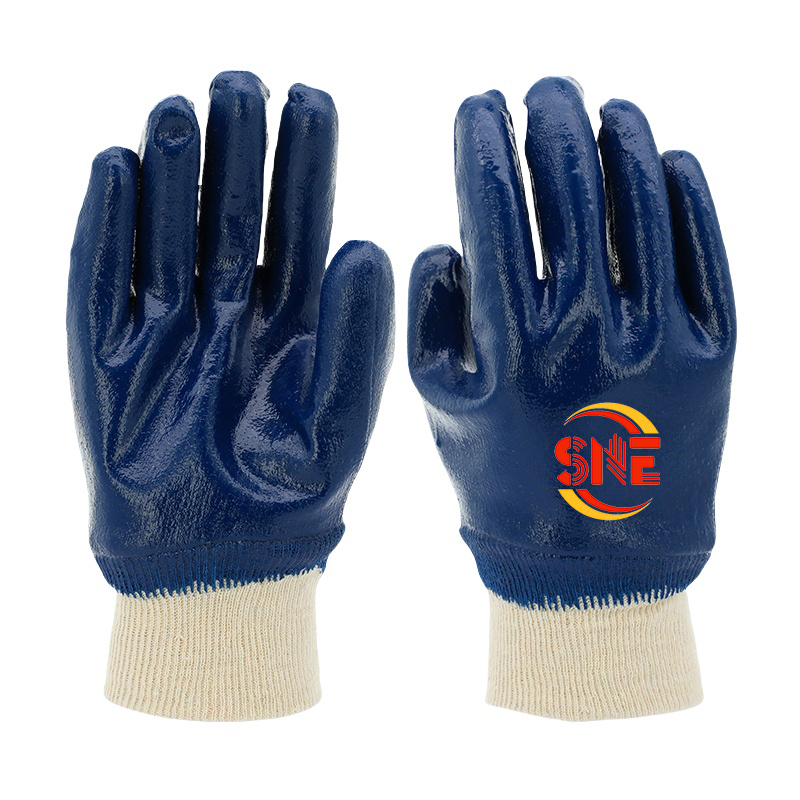
| Oil Resistant Impact Gloves | Nitrile palm, engineered shell, TPR | Equipment work, pipeline, industrial sites | Grip in oily environments | May be heavier | Energy and heavy industry buyers |
| Touchscreen Impact Gloves | Synthetic leather, conductive fingertips, TPR | Field supervisors, inspectors, logistics | Device use without removal | Touch feature wears over time | Multi-site operations teams |
This table matters because many U.S. buyers overfocus on impact shells and ignore coating chemistry, lining weight, and cuff design. Those details often determine whether workers actually keep the gloves on throughout the shift.
Industry Demand by Sector
Demand is strongest where workers face repetitive hand contact with tools, rough materials, moving equipment, and pinch-point exposure.
Top Suppliers Serving the United States
The U.S. market includes major domestic brands, North American providers, and global factory-direct manufacturers. The table below helps buyers compare service region, strengths, and fit for different purchasing models.
| Company | Headquarters | Service Region | Core Strengths | Key Offerings | Best Fit |
|---|---|---|---|---|---|
| HexArmor | Grand Rapids, Michigan, USA | United States and global industrial accounts | Premium hand protection engineering, high cut and impact performance | Impact gloves, cut resistant gloves, specialty industrial PPE | Large industrial users and safety-led procurement teams |
| Mechanix Wear | Valencia, California, USA | Nationwide U.S. distribution | Strong brand recognition, broad product coverage, field usability | Construction gloves, impact gloves, fastfit and synthetic leather models | Contractors, fleets, retail and dealer channels |
| MCR Safety | Collierville, Tennessee, USA | United States, Canada, Latin America | Broad PPE line, industrial channel depth, scalable supply | Impact resistant gloves, cut resistant gloves, safety apparel | Distributors and multi-site buyers |
| Ironclad | United States | U.S. construction and industrial markets | Task-specific glove designs, contractor familiarity | Impact, grip, demolition, cold weather work gloves | Trade professionals and specialty resellers |
| Watson Gloves | Vancouver, Canada | North America including the United States | Durable work glove range, practical jobsite options | Construction gloves, coated gloves, leather and impact styles | Regional distributors and mixed-industry buyers |
| Qingdao Snell Protective Products Co., Ltd. | Shandong, China | United States via direct export, OEM and bulk supply | Factory-direct pricing, scalable production, coating and impact engineering | Impact resistant gloves, cut resistant gloves, nitrile, latex and PU coated gloves | Importers, wholesalers, brand owners, private label programs |
This supplier comparison is useful because U.S. buyers often separate premium end-user brands from supply-chain partners. The first group helps with immediate jobsite adoption, while the second group can deliver stronger margins and custom programs for distribution and private label growth.
Detailed Supplier Comparison
Supplier evaluation should go beyond brand awareness. Buyers should review consistent stock availability, certification paperwork, sample quality, customization options, packaging flexibility, and responsiveness during claims or replenishment cycles.
| Company | Approximate Positioning | Customization | Lead Time Style | Support Model | Typical Buyer Concern Solved |
|---|---|---|---|---|---|
| HexArmor | Premium | Limited compared with factory OEM models | Distribution-driven | Technical product support | High-risk jobsite injury reduction |
| Mechanix Wear | Mid to premium | Moderate | Fast channel access | Broad dealer support | Wide crew adoption and easy replenishment |
| MCR Safety | Mid-market industrial | Moderate | Strong distributor flow | Industrial account support | Multi-category PPE sourcing efficiency |
| Ironclad | Mid-market specialist | Selective | Channel and retail mix | Task-focused solutions | Specific trade or seasonal glove needs |
| Watson Gloves | Mid-market practical value | Moderate | Regional North American supply | Work glove expertise | Balanced cost and durability |
| Qingdao Snell Protective Products Co., Ltd. | Factory-direct value to mid-market custom | High with OEM and ODM options | Production-scheduled bulk supply | Pre-sale consultation, sample support, export logistics support | Margin improvement, private label growth, stable bulk sourcing |
For U.S. importers, the practical question is not whether a supplier is domestic or international. It is whether the supplier can prove repeatable performance, document compliance, maintain supply continuity, and support warranty or replacement communication without delay.
How Buying Priorities Are Changing
The market is shifting from simple impact-only gloves toward multi-hazard designs that combine cut protection, better grip, lower hand fatigue, and touchscreen usability. Buyers also increasingly track sustainability claims, packaging reduction, and lifespan cost rather than unit price alone.
Buying Advice for United States Buyers
For contractors, distributors, and procurement teams, the best purchasing process starts with jobsite mapping rather than brand-first shopping. Identify the top injury exposures by trade and task. Then match glove structure to real conditions: dry, wet, oily, sharp, cold, high-abrasion, or mixed duty.
Important checkpoints include ANSI cut level, abrasion performance, cuff style, palm reinforcement, and worker comfort. Construction crews often reject gloves that are too stiff, too hot, or too bulky around the fingertips. That means a slightly less armored glove with better dexterity may outperform a heavier model in actual compliance rates.
U.S. buyers should also verify packaging and labeling requirements, especially if products are sold through retail, dealer, or government channels. Importers working through Los Angeles, Houston, Savannah, or New York/New Jersey should ask about carton consistency, barcode needs, master pack dimensions, and documentation readiness to avoid inbound delays.
Buyer Checklist
| Buying Factor | Why It Matters | What to Ask | Good Sign | Warning Sign | Best For |
|---|---|---|---|---|---|
| Impact Design | Protects fingers and back of hand | Is the TPR layout task-specific? | Flexible segmented protection | Rigid bulky shell | Construction and utilities |
| Cut Resistance | Supports mixed hazards | What ANSI cut level is offered? | Documented test results | Unclear rating claims | Steel, framing, demolition |
| Palm Coating or Material | Controls grip and wear life | Nitrile, latex, PU, or synthetic leather? | Matched to jobsite conditions | One glove for every task | All industrial buyers |
| Fit and Sizing | Improves worker acceptance | Are full size runs available? | Consistent size grading | Frequent fit complaints | Large crews and retail |
| Supply Reliability | Prevents stockouts | Can the supplier support repeat volume? | Clear production planning | Vague capacity answers | Distributors and contractors |
| Service and Claims | Reduces procurement risk | How are replacements handled? | Fast response and sample support | Slow communication | Private label and import programs |
This checklist helps buyers separate a good sample from a dependable program. Many glove problems only appear after repeat orders, size mix pressure, or seasonal demand spikes, so upstream planning matters.
Industries That Rely on Impact Resistant Construction Gloves
These gloves are no longer limited to heavy construction. In the United States, they are used anywhere workers face high-contact tasks and mechanical risk. Commercial building contractors use them during framing, roofing, scaffold work, concrete handling, material movement, and tool operation. Utilities and telecom crews need them for pole work, trenching, conduit handling, and field service. Oil and gas contractors use them during pipe handling, wrench work, and equipment maintenance. Warehousing and logistics teams increasingly buy lighter impact gloves for dock work and palletized freight handling.
Public-sector agencies also represent a meaningful market. Departments managing roads, sanitation, water systems, fleet maintenance, and emergency response often need impact gloves that can be purchased on contract and supplied consistently over multi-location operations.
Typical Applications on U.S. Jobsites
Common applications include handling block, brick, rebar, steel framing members, sheet goods, rigging hardware, demolition debris, powered tools, and heavy fasteners. In municipal and infrastructure work, gloves are also used for trench safety tasks, road barriers, storm recovery, utility repairs, and traffic systems maintenance. In many cases the glove must perform across multiple tasks during one shift, which is why hybrid impact and cut resistant models continue to gain share.
Real-World Case Examples
A Texas commercial contractor operating around Houston and Austin replaced basic synthetic work gloves with impact-and-grip models after repeated finger and knuckle injuries during steel stud framing and material unloading. The new glove program cost more per pair, but replacement frequency decreased and supervisors reported better usage because workers felt the gloves still allowed tool control.
A Midwest distribution and fabrication business near Chicago tested lightweight impact gloves in its loading and maintenance teams. The first trial failed because the glove palms wore out too fast on rough pallets. A second trial switched to a stronger nitrile-coated design with reinforced thumb crotch areas. The result was better durability and fewer minor hand injuries without sacrificing scanner use.
On a public works project in the Northeast, winter crews needed both warmth and impact coverage. A lined glove solved exposure complaints, but dexterity dropped too much for smaller hardware handling. The final purchase split gloves by task: insulated impact gloves for exterior heavy handling and lighter impact-cut gloves for mixed utility work. The case shows why one universal glove is rarely optimal.
Supplier and Product Comparison
This comparison chart gives a realistic view of how buyers often score leading suppliers on overall suitability for the U.S. construction market, balancing protection, availability, customization, and cost efficiency.
Local Suppliers and Distribution Considerations
In the United States, many buyers still prefer local distributors because they can offer size runs, quick replenishment, and on-site trial support. That is particularly important in metro areas such as Dallas-Fort Worth, Houston, Chicago, Atlanta, Charlotte, Phoenix, and Los Angeles, where multi-crew operations need fast changeouts. Local distributors can also bundle gloves with eyewear, hi-vis apparel, and other PPE, simplifying purchase orders.
However, factory-direct procurement is becoming more attractive for regional wholesalers, e-commerce sellers, industrial catalogs, and brand owners. A supplier that can support custom logos, packaging, colorways, and consistent lead times may offer a better total business case than simply buying from domestic stock. This is especially true when the buyer wants to build a proprietary glove line or improve margin in a competitive channel.
For buyers comparing options, a useful first step is to review broad product availability through a supplier’s industrial glove catalog, then discuss specific applications and logistics requirements before placing trial orders.
Our Company
For U.S. buyers seeking a factory-partner approach, Snell Safety brings a practical combination of product capability, flexible cooperation, and market-facing support. The company operates two manufacturing facilities in Gaomi and Nantong with 6 dedicated production lines, more than 150 trained employees, and daily output reaching 150,000 pairs, which gives U.S. distributors and brand owners confidence in repeat volume supply. Its product range covers impact resistant, cut resistant, PU-coated, latex-coated, and nitrile-coated gloves, supported by ISO 9001 quality management and CE-marked production standards that help prove process discipline and export readiness for demanding markets. For cooperation, the business serves bulk buyers through OEM and ODM manufacturing, private label development, wholesale supply, product customization, and regional partnership models that fit importers, dealers, brand owners, and end-use industrial accounts alike. For service assurance, the company already supplies multiple global markets including North America-facing buyers and supports projects with sample programs, technical consultation, multilingual communication, and export logistics coordination, while its direct-sales model shortens response time and gives U.S. customers clearer accountability before and after purchase. Buyers who want to discuss specifications, branding, packaging, and order planning can use the U.S.-focused contact channel or start from the main Snell Safety website to review capabilities.
How to Choose Between Domestic and Overseas Supply
If you need immediate replenishment for active jobsites, a domestic distributor often wins on speed. If you need private label programs, margin improvement, broader customization, or dependable high-volume production, a qualified overseas manufacturer can be the stronger long-term partner. Many of the best U.S. procurement strategies use both: local distribution for urgent stock and direct factory sourcing for planned volume.
To make this model work, buyers should establish a quarterly forecast, approve a standard size curve, define carton and pallet specs, and agree on sample signoff procedures. This reduces surprises and helps compare landed cost fairly against domestic alternatives.
2026 Trends to Watch
By 2026, three trends are likely to shape the U.S. market further. The first is smarter glove engineering, with lighter TPR designs, better finger articulation, and multi-layer palms that reduce fatigue without giving up protection. The second is policy and compliance pressure. As employers focus more on recordable injury reduction and jobsite documentation, gloves with clearer performance data and more traceable quality systems will gain favor. The third is sustainability. Buyers increasingly ask about material efficiency, packaging reduction, glove lifespan, and whether a higher-priced glove lowers total waste by lasting longer.
Digital procurement will also expand. More distributors and end users will compare gloves through online portals, demand faster sample cycles, and request technical data before trials. Suppliers that combine manufacturing depth with strong communication and logistics visibility will likely gain share.
FAQ
What are impact resistant construction gloves used for?
They help protect hands from knocks, pinches, minor crush events, abrasion, and in many models, cut hazards during construction and industrial work.
Are impact gloves the same as cut resistant gloves?
No. Impact gloves protect the back of the hand and fingers from strikes, while cut resistant gloves focus on reducing laceration risk. Many buyers now choose models that combine both features.
What coating is best for construction gloves?
Nitrile is often preferred for abrasion and oil resistance, latex for strong dry and wet grip, and PU for dexterity and lighter handling tasks. The best option depends on the jobsite.
Do U.S. buyers need domestic suppliers only?
No. Many U.S. buyers use domestic channels for urgent needs and qualified international manufacturers for better cost-performance, OEM programs, and volume planning.
How often should impact gloves be replaced?
Replacement depends on abrasion, palm wear, seam condition, contamination, and loss of fit or grip. High-abrasion tasks may require faster changeout than light handling work.
What should distributors ask a factory before importing?
Ask about certifications, production capacity, sample consistency, customization options, packaging, size grading, inspection procedures, and export logistics support.
Which U.S. regions buy the most impact resistant construction gloves?
Strong demand comes from Texas, California, Florida, the Midwest industrial corridor, and Northeast infrastructure markets, especially around major logistics and construction hubs.
Is the cheapest glove a good choice for a contractor?
Usually not. The best value comes from the glove that reduces injuries, lasts longer, and is comfortable enough that workers actually wear it consistently.
Final Takeaway
For most U.S. buyers, the best impact resistant construction gloves are the ones matched to real jobsite hazards, not just the highest protection claim or lowest unit price. Domestic brands such as HexArmor, Mechanix Wear, MCR Safety, Ironclad, and Watson Gloves remain important options for fast access and field familiarity. At the same time, experienced factory-direct manufacturers with strong certification systems, scalable production, and responsive support can provide a compelling solution for distributors, contractors, and private label buyers who want stronger long-term economics. The smartest procurement programs in the United States now combine protection, worker acceptance, supply reliability, and total cost control.