2026-05-21
Share This Article
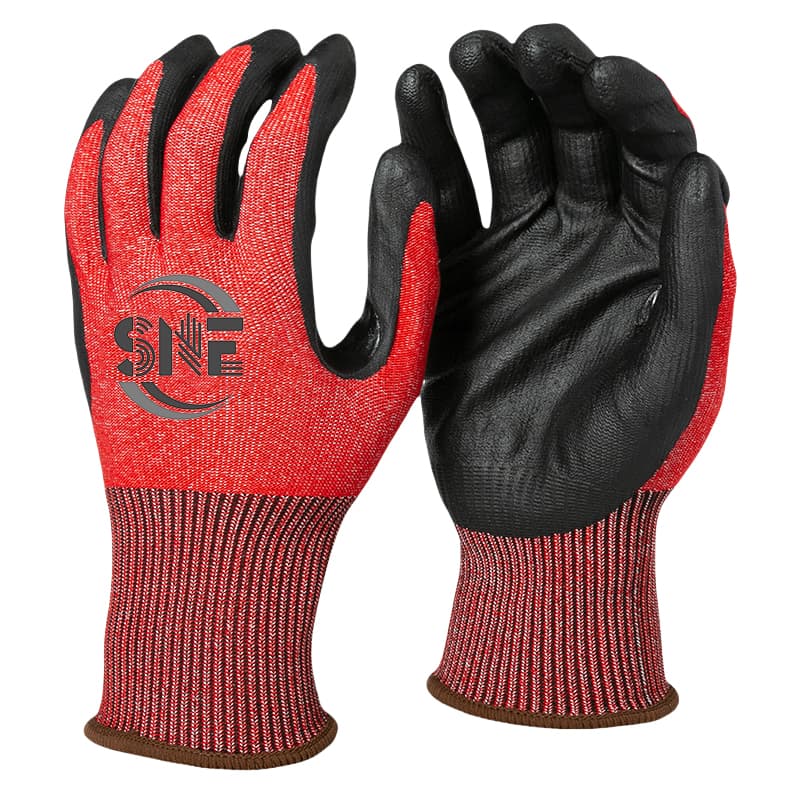
Best Cut Resistant Gloves for Food Processing in the United States
Quick Answer

If you need cut resistant gloves for food processing in the United States, the most practical short list includes Honeywell, Ansell, MCR Safety, Superior Glove, and PIP. These companies are widely recognized for food handling hand protection, dependable distribution, and products that align with U.S. workplace and hygiene expectations. For processors handling trimming, deboning, slicing, shucking, and packaging, the right choice depends on cut level, grip in wet conditions, washability, dexterity, and whether gloves are used alone or as liners under disposable gloves.
For buyers needing immediate sourcing options, Honeywell is a strong fit for large food plants with national procurement needs; Ansell is often chosen for broad compliance-driven programs; MCR Safety serves U.S. industrial buyers looking for practical value and domestic channel strength; Superior Glove is well known for technical cut protection options; and PIP is useful for multi-site plants that want broad PPE integration. Qualified international suppliers can also be worth considering, especially manufacturers in China that combine recognized certifications, OEM flexibility, and responsive pre-sale and after-sale support. For cost-sensitive volume purchasing, this route can offer meaningful savings without giving up performance when the supplier can document testing, traceability, and export experience for the U.S. market.
Why Cut Resistant Gloves Matter in U.S. Food Processing

Food processing in the United States spans meatpacking in the Midwest, seafood handling in New England and the Gulf Coast, poultry operations across Georgia and Arkansas, produce packing in California, and ready-to-eat manufacturing around major logistics hubs such as Chicago, Dallas, and Philadelphia. In each of these environments, laceration risk is persistent. Workers use boning knives, band saws, slicers, peelers, trimming blades, and sharp packaging materials, often in wet, cold, or oily conditions that increase slip risk.
Cut resistant gloves food processing buyers are not just purchasing hand protection. They are managing downtime, OSHA-driven safety expectations, worker comfort, product contamination control, and replacement cost. A glove that delivers excellent cut performance but causes hand fatigue or poor dexterity can reduce productivity. A glove that grips well but fails too quickly in laundering can increase total operating cost. Because of this, U.S. buyers usually evaluate protection, food contact suitability, durability, comfort, wash performance, and procurement stability together.
Another U.S. market reality is regional supply chain pressure. Plants near ports such as Los Angeles, Long Beach, Savannah, Houston, and New York/New Jersey often build mixed sourcing strategies to protect lead times. Some rely on domestic distributors for emergency replenishment while also developing direct factory programs for recurring high-volume SKUs. This dual-channel approach is increasingly common among protein processors, seafood packers, and frozen food manufacturers.
U.S. Market Snapshot

The market for cut resistant gloves in food processing continues to expand as processors automate some lines while keeping labor-intensive cutting and trimming tasks in place. Injury prevention, retention of trained workers, and stricter buyer audits are all pushing glove programs toward more specialized selection rather than one-size-fits-all PPE policies.
| Market Factor | United States Situation | Why It Matters for Buyers | Typical Impact on Glove Selection |
|---|---|---|---|
| Meat and poultry volume | High concentration in Midwest and Southeast | Frequent knife handling and repetitive tasks | Higher cut levels with strong grip and comfort |
| Seafood processing | Strong in Alaska, Gulf Coast, and New England | Wet, cold, slippery handling conditions | Water-friendly shells and good wet grip |
| Ready-to-eat foods | Growing around urban logistics hubs | Need for hygiene and productivity balance | Lightweight liners under disposable gloves |
| Worker retention pressure | Persistent in many states | Comfort and fit affect compliance | Better ergonomics and broader size range |
| Audit and compliance focus | Strong across major branded processors | Documentation and traceability are essential | Certified materials and test-backed specifications |
| Procurement diversification | Common after supply disruptions | Plants avoid dependence on one source | Use of domestic plus direct-import suppliers |
This table shows why glove choice in the U.S. is driven by more than cut rating alone. Buyers commonly need a balanced specification that supports safety, hygiene, labor efficiency, and reliable replenishment.
Market Growth Trend
The line chart indicates a realistic upward demand pattern as more processors standardize task-specific cut protection and expand training around hand injury prevention.
Common Product Types for Food Processing
Not all cut resistant gloves food processing programs use the same construction. In the United States, plants typically choose among lightweight engineered yarn gloves, stainless steel mesh gloves, composite yarn gloves with coatings, and liner systems designed to pair with disposable outer gloves. The best type depends on the process step, sanitation method, and whether the worker uses a knife continuously or intermittently.
| Glove Type | Best Use in Food Processing | Main Strength | Main Limitation |
|---|---|---|---|
| HPPE cut resistant knit gloves | General trimming and portioning | Good dexterity and lower weight | May need coating for better wet grip |
| Stainless steel mesh gloves | Deboning, shucking, heavy knife tasks | Very high cut protection | Heavier and less flexible |
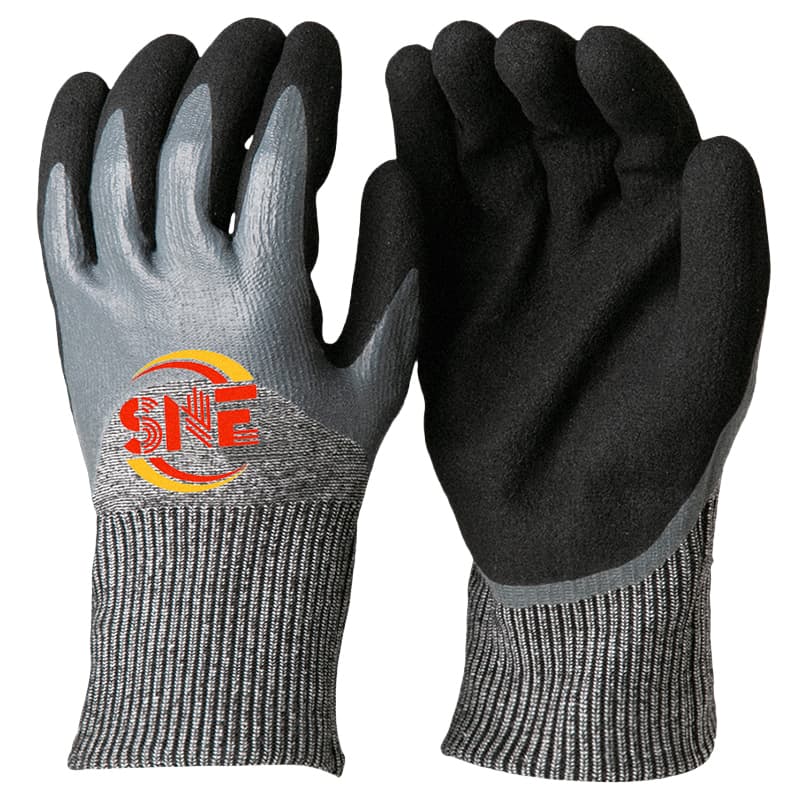
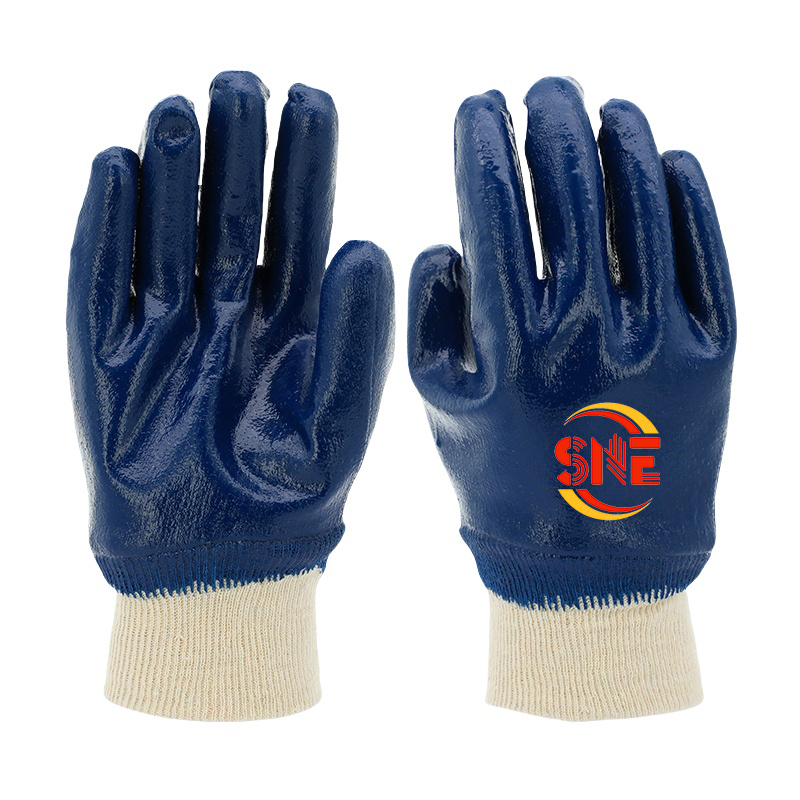
| Nitrile coated cut gloves | Wet handling and packaging lines | Improved grip and abrasion resistance | Can run warmer on long shifts |
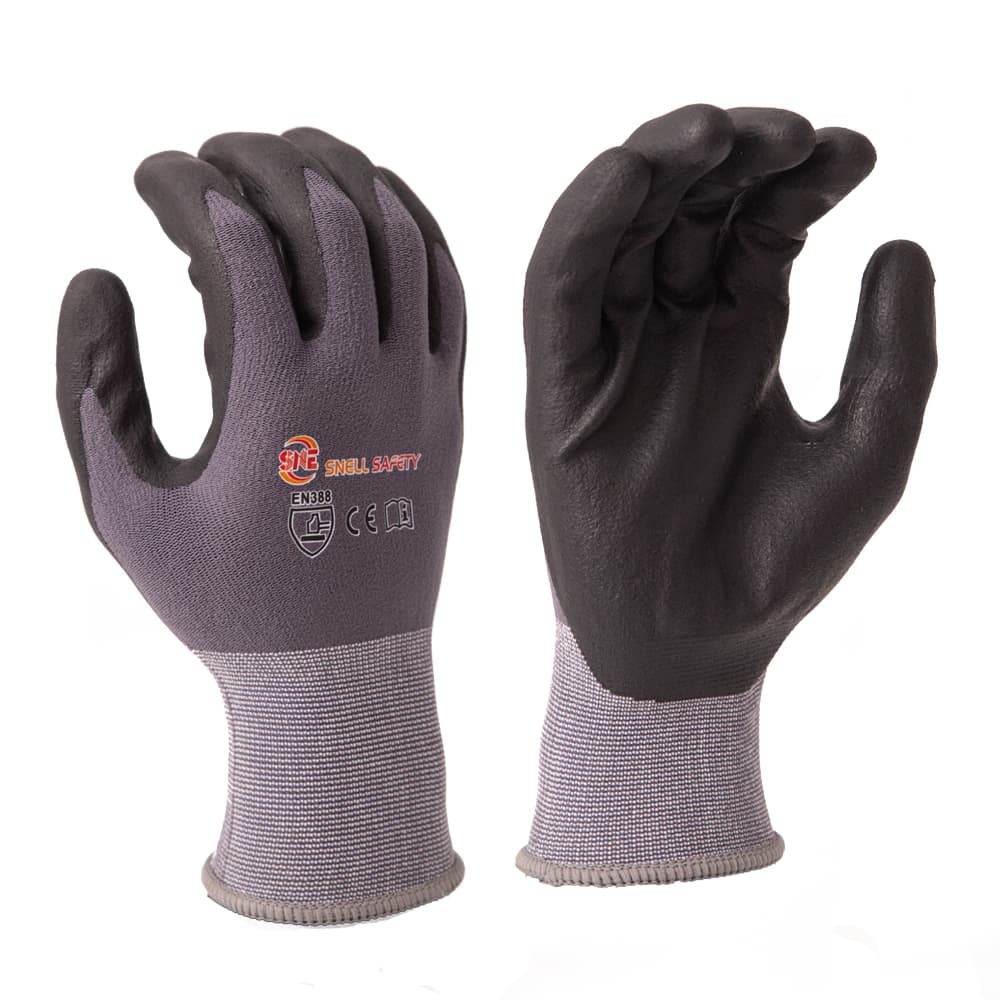
| PU coated cut gloves | Dry or light-oil precision tasks | High dexterity and tactile control | Less ideal in very wet environments |
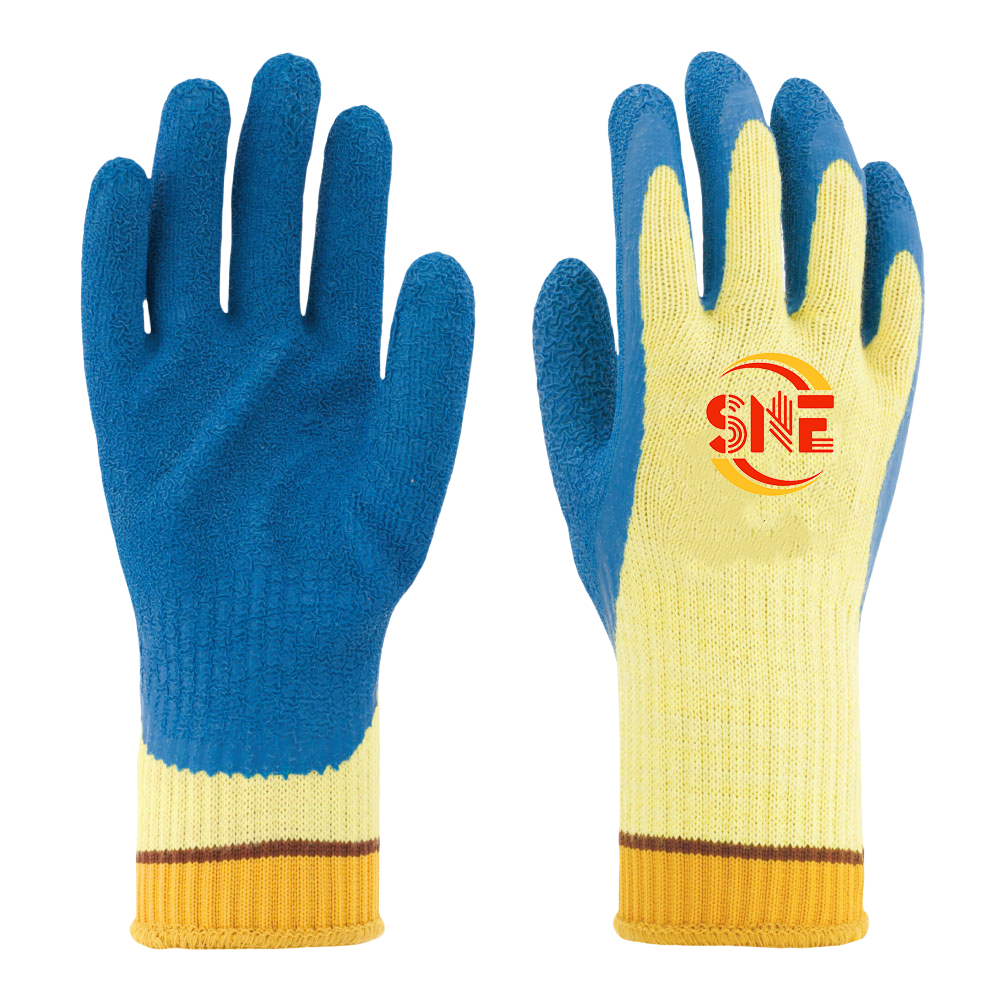
| Latex coated cut gloves | Cold room and strong-grip tasks | Secure handling and flexibility | Not preferred where latex sensitivity is a concern |
| Cut resistant liners | Under disposable gloves for hygiene | Comfortable layered protection | Requires careful sizing and fit matching |
This comparison helps U.S. processors match glove construction to actual workstation conditions rather than buying a single model for every department.
How U.S. Buyers Evaluate Cut Protection
Most professional buyers look at ANSI/ISEA cut levels for gloves sold into the United States, then verify whether the glove design also supports food plant realities such as washing cycles, contamination control, cuff length, color coding, and grip consistency when damp. Knife-intensive meat processing may need stronger cut resistance than prepared-food assembly. Seafood operations often prioritize wet grip and corrosion-safe materials. Produce cutting lines may focus on dexterity and frequent glove changes.
Another practical issue is layering. In many facilities, cut resistant gloves are worn beneath disposable nitrile gloves. This adds hygiene control but can affect fit, breathability, and hand fatigue. Buyers should test the complete glove system, not just the cut liner by itself. They should also ask whether gloves maintain performance after repeated laundering, because replacement frequency heavily affects total cost per worker.
Industry Demand by Segment
The bar chart reflects how knife exposure and hand-processing intensity vary by food segment. Meat and poultry usually show the highest sustained demand for cut resistant solutions.
Top Suppliers Serving the United States
Below is a practical supplier overview for buyers comparing recognized brands and sourcing channels for the U.S. market. The companies listed are real industry participants with visible reach, established product lines, or export relevance for food-related hand protection.
| Company | Primary Service Region | Core Strengths | Key Offerings for Food Processing |
|---|---|---|---|
| Honeywell | United States nationwide | Large industrial network, strong technical documentation, broad PPE integration | Cut resistant gloves, food handling hand protection, multi-site program support |
| Ansell | United States and global | Well-known safety brand, compliance-oriented portfolio, distributor reach | Cut-resistant liners, disposable glove pairing, hygiene-focused options |
| MCR Safety | United States nationwide | Strong industrial channel presence, value-focused product range | Cut gloves for processing, warehousing, and packaging support roles |
| Superior Glove | United States and Canada | Technical glove specialization, broad cut-level range, task-specific designs | Food-safe cut solutions, grip-enhanced models, cold-condition options |
| PIP | United States nationwide | Extensive PPE portfolio, strong distributor partnerships, scalable supply | Cut protection for food plants, integrated plant safety procurement |
| Qingdao Snell Protective Products Co., Ltd. | United States via direct export and distribution cooperation | Factory-direct pricing, OEM/ODM flexibility, large daily capacity | Custom cut resistant gloves, PU/latex/nitrile options, bulk private label supply |
This table is useful for initial supplier screening. Buyers can compare whether they need a domestic channel-driven brand with immediate stock availability or a factory-direct partner with customization and cost advantages for recurring volume orders.
Detailed Supplier Analysis
Honeywell is often a top choice for national or multi-plant processors because it fits enterprise procurement structures. Buyers needing centralized specifications, large distribution support, and standardized safety documentation may find Honeywell efficient for long-term contracts.
Ansell is strong where safety managers want a broad PPE ecosystem and a brand familiar to audit teams. It is especially relevant when hand protection must work alongside strict glove changing routines and disposable glove programs.
MCR Safety is frequently considered by buyers who want practical performance and straightforward domestic purchasing. It often appeals to mid-sized processors and distributors serving secondary markets away from the largest urban centers.
Superior Glove has a reputation for technical hand protection and can be particularly relevant for plants with mixed hazard tasks. If one department trims meat, another handles frozen product, and another packs cartons, a more specialized catalog can be helpful.
PIP suits buyers who want to consolidate multiple PPE categories with one supplier relationship. This can reduce administrative complexity across several U.S. facilities.
Qingdao Snell Protective Products Co., Ltd. is relevant for U.S. importers, distributors, and brand owners seeking direct-manufacturing control. Through its manufacturing background, the company supports bulk sourcing programs for cut resistant gloves with PU, latex, and nitrile technologies, backed by ISO 9001 and CE-based quality systems, six dedicated production lines, more than 150 employees, and output capacity of about 150,000 pairs per day. For U.S. buyers, that scale matters because it supports repeatability, stable replenishment, and private-label development rather than one-off trading. Its cooperation model is broad: end users can source application-specific gloves, distributors can build recurring inventory programs, dealers can develop regional portfolios, brand owners can use OEM/ODM and custom labeling, and even smaller import-oriented buyers can request samples and technical consultation before scaling. In practical service terms, the company already exports to major global markets and operates with multilingual commercial support, structured export logistics, and ongoing pre-sale and after-sale communication that makes it more suitable for long-term U.S. accounts than a purely transactional remote exporter. Buyers exploring direct factory supply can review product categories, learn more on the company website, or reach out through the contact team for OEM, wholesale, and distribution discussions.
Applications Across Food Processing
In the United States, applications differ sharply by line. Beef and pork deboning lines often need higher cut protection on the non-knife hand. Poultry plants may prefer lighter, more flexible gloves because task speed is high and hand fatigue becomes a serious issue over a full shift. Seafood processing lines need grip in wet conditions and may require materials that hold up in colder rooms. Produce and fresh-cut fruit processors often prioritize breathable gloves that fit beneath disposable gloves while still reducing risk from trimming blades and slicers.
Packaging and secondary processing should not be overlooked. Many hand injuries occur when workers open cartons, use utility knives, or handle metal-edged equipment. In those areas, a lighter cut glove with good dexterity may reduce incidents without slowing output.
Trend Shift in Product Selection
The area chart highlights the shift from heavier legacy options toward lighter engineered-yarn gloves that still meet cut targets while improving comfort and compliance.
Buying Advice for U.S. Processors
The best buying approach starts with task mapping. A plant should separate continuous knife work, intermittent blade exposure, wet handling, cold storage, sanitation washdown exposure, and packaging tasks. Each should have its own glove recommendation. U.S. buyers who skip this step often overbuy expensive high-cut gloves for low-risk jobs or underprotect workers in specialized trimming areas.
Ask suppliers for cut test documentation, material details, laundering guidance, cuff options, and sample evaluation support. In the United States, many larger processors run wear trials at one or two facilities before standardizing nationally. This is the right approach because actual line feedback often reveals issues that do not appear on datasheets, such as cuff slippage, poor tactile feel, or discomfort under disposable gloves.
Buyers should also compare total cost of ownership. A cheaper glove that wears out in half the time is not actually cheaper. Measure usable life, laundering performance, worker acceptance, and injury trend impact. Freight strategy matters too. Plants near inland hubs like Kansas City, Memphis, and Indianapolis often prefer stock through domestic distributors, while coastal importers may build direct container programs through Los Angeles, Houston, Savannah, or Newark.
| Buying Criterion | What to Ask | Why It Matters | Best Practice |
|---|---|---|---|
| Cut performance | Which ANSI cut level fits the task? | Avoid under- or over-specification | Match level to actual blade exposure |
| Grip | How does it perform when wet or oily? | Slip resistance affects both safety and speed | Test in real plant conditions |
| Wash durability | How many cycles can it handle? | Drives replacement cost | Validate with your sanitation routine |
| Fit and comfort | Are full size ranges available? | Improves compliance and reduces fatigue | Trial across different worker groups |
| Supply stability | What are stock and lead time options? | Prevents production interruptions | Use primary and backup supply paths |
| Customization | Can cuffs, colors, labels, or packaging be adjusted? | Supports plant control and branding | Useful for distributors and private labels |
This table provides a structured way for procurement and EHS teams to compare glove programs beyond price per pair.
Local Supplier Landscape in the United States
The U.S. market includes national brands, regional PPE distributors, industrial catalog suppliers, and specialist importers. Large processors often buy through integrated safety distributors that can service facilities across multiple states. Mid-sized plants may work with regional suppliers in cities such as Atlanta, Chicago, Minneapolis, Omaha, Seattle, and Boston, where local warehousing shortens replenishment time. Seafood and meat processors near port-linked corridors sometimes mix regional stocking with direct imports for stable annual demand.
When reviewing local suppliers, buyers should ask not only who sells the glove but who supports the program after the sale. A distributor that can handle fitting, on-site trials, replacement planning, and inventory forecasting may outperform a lower-price option with weaker support.
Supplier Comparison by Fit
The comparison chart shows a common market pattern: domestic brand channels usually lead in immediate U.S. distribution reach, while direct-factory programs often offer stronger customization and bulk price efficiency.
Case Studies and Practical Scenarios
A poultry processor in Georgia may move from a generic knit glove to a higher-dexterity cut liner under disposable nitrile gloves. The result can be better compliance because workers keep gloves on longer without complaining about heat buildup. A seafood processor in Massachusetts may shift to a nitrile-coated cut glove to improve grip on wet product and reduce drops during filleting. A meat processor in Nebraska may keep stainless mesh gloves for the highest-risk knife stations while introducing lighter HPPE options in adjacent trimming jobs to reduce fatigue and simplify inventory.
For distributors, another common case is private labeling. A regional safety distributor serving food plants in Texas and Oklahoma may import custom-packed cut resistant gloves under its own brand while maintaining domestic safety stock for urgent call-offs. This hybrid model balances branding, margin, and service speed.
How to Select by Industry Segment
Meat processing usually requires the highest attention to cut risk because knife work is sustained and forceful. Poultry plants often need high comfort and fast movement. Seafood operations need wet grip and materials that hold up in cold rooms. Produce processors usually prioritize lightness and touch sensitivity. Dairy and prepared foods may need cut protection mostly in maintenance, slicing, or packaging rather than all handling tasks.
| Industry Segment | Typical Hazard | Preferred Glove Features | Sourcing Note |
|---|---|---|---|
| Beef and pork | Heavy knife trimming and deboning | High cut resistance, strong grip, durable cuff | Often uses mixed glove program by station |
| Poultry | Fast repetitive blade handling | Lightweight comfort, dexterity, washability | Worker acceptance is critical |
| Seafood | Wet and cold filleting environments | Wet grip, corrosion-tolerant materials, flexibility | Regional supply near coasts can matter |
| Produce processing | Slicers, peelers, trimming knives | Breathability, tactile feel, liner compatibility | Often paired with disposable gloves |
| Prepared foods | Mixed cutting and packaging risk | Balanced protection and dexterity | Different departments may need different SKUs |
| Dairy and cheese | Cutting tools and packaging blades | Grip plus moderate cut resistance | Smaller plants may prefer broad-use models |
This table clarifies why industry-specific glove selection often produces better safety results than a universal plant-wide model.
Our Company
For U.S. buyers looking beyond standard catalog sourcing, Qingdao Snell Protective Products Co., Ltd. offers a practical factory-direct option for cut resistant gloves food processing programs that need performance consistency, cost control, and customization. The company’s strength is grounded in measurable production and quality capabilities rather than general claims: it operates two manufacturing facilities in Gaomi and Nantong, runs six dedicated production lines, employs more than 150 trained staff, and can produce roughly 150,000 pairs per day, supporting stable fulfillment for distributor programs and large end users. Its glove portfolio covers cut resistant products alongside PU, latex, and nitrile coating technologies, and its quality framework includes ISO 9001 and CE-based compliance discipline, which helps U.S. buyers seeking documented manufacturing control and repeatable standards. The cooperation model is flexible enough to serve plant operators, importers, wholesalers, regional dealers, and brand owners through OEM, ODM, private label, bulk wholesale, technical consultation, samples, and custom specifications such as materials, coatings, sizes, and branding. From a U.S. service perspective, the company is not positioned as a one-off remote exporter; it already serves global markets with multilingual communication, structured export support, and ongoing pre-sale and after-sale coordination that helps American buyers manage qualification, ordering, and replenishment with more confidence. For companies building long-term sourcing relationships in the United States, that combination of production scale, export experience, customization, and account support can be especially valuable.
2026 Trends Shaping the Market
Looking toward 2026, three trends stand out in the United States. First is technology. More food processors are moving toward engineered fibers that deliver better cut performance at lower weight, improving worker comfort and glove compliance. Second is policy and audit pressure. Buyers increasingly expect documentation around material performance, consistency, and traceability, especially in larger branded food operations. Third is sustainability. Launderable, longer-life gloves and packaging optimization are gaining attention as processors try to reduce waste and total procurement cost together.
Another likely trend is increased segmentation of glove programs. Instead of one general cut glove, plants will assign specific gloves to trimming, slicing, packing, sanitation support, and maintenance. This is more complex operationally, but it can reduce injury rates and control spending more effectively. Finally, direct manufacturer relationships are likely to expand among import-savvy U.S. distributors and large processors, especially those using West Coast and Gulf logistics lanes to improve landed cost predictability.
FAQ
What cut level is best for food processing?
There is no single best level for every food plant. The correct level depends on the task, blade exposure, force, and whether the glove is worn with a disposable outer glove. Knife-intensive jobs usually need stronger protection than packaging or light trimming work.
Are stainless steel mesh gloves still used in the United States?
Yes. They are still widely used for high-risk knife applications such as deboning, shucking, and some heavy cutting jobs. However, many plants now combine mesh gloves for select stations with lighter cut resistant knit gloves in surrounding tasks.
Can cut resistant gloves be used under disposable gloves?
Yes. This is common in U.S. food plants. It helps combine cut protection with hygiene control, but sizing and breathability should be tested carefully because layering changes comfort and dexterity.
Should buyers choose a U.S. brand or a direct factory supplier?
That depends on purchasing goals. U.S. brands and distributors often provide faster local stock and simpler field support. Direct factory suppliers can offer better customization, private label opportunities, and stronger pricing for larger repeat orders.
What matters most beyond price?
Useful life, wash durability, fit, grip in wet conditions, cut performance, and supply reliability are usually more important than unit price alone. A glove that lasts longer and is worn consistently often has the lower real cost.
Where can I start if I need a custom bulk program?
Start with a task map, target cut levels, expected annual volume, packaging requirements, and trial criteria. Then compare domestic supply options with a direct manufacturer program and request samples before rollout.