2026-10-24
Share This Article
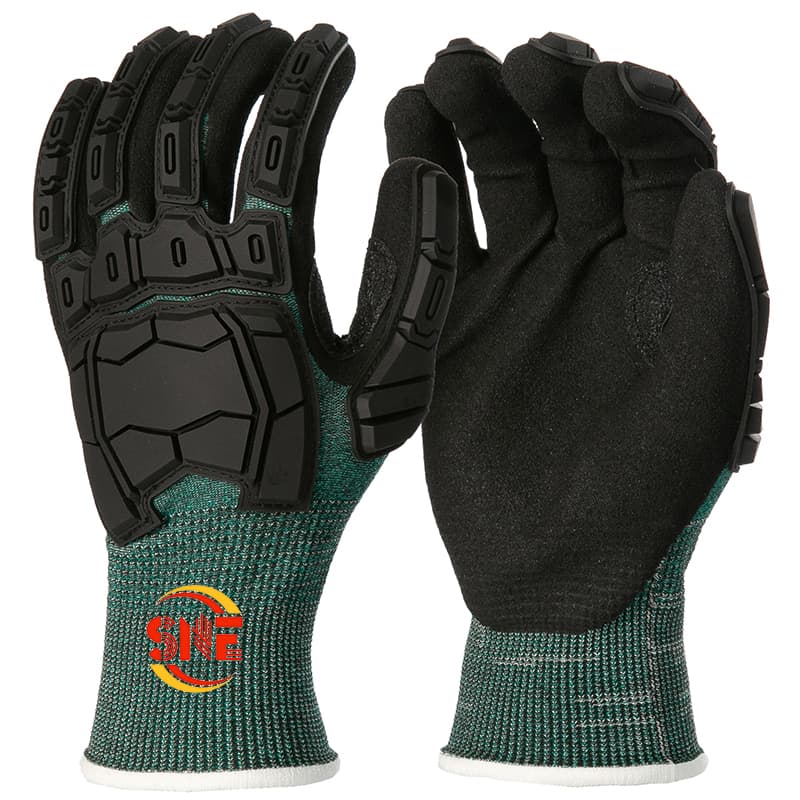
High Performance Cut Resistant Gloves Suppliers in the United States
Quick Answer

If you need high performance cut resistant gloves in the United States, the most practical starting point is to compare established suppliers with strong domestic distribution, clear ANSI cut ratings, and proven support for industrial buyers. For most U.S. buyers, the strongest short list includes Ansell, MCR Safety, HexArmor, Superior Glove, PIP, and Mechanix Wear because they offer broad product ranges, established compliance documentation, and dependable availability across major industrial states.
For immediate sourcing, focus on suppliers that can deliver the correct glove for your risk profile: ANSI A3 to A5 for general manufacturing and warehousing, ANSI A6 to A8 for metal, glass, and stamping work, and purpose-built coated gloves for oily or wet handling. Buyers in Chicago, Houston, Detroit, Los Angeles, and Atlanta often prioritize stock depth, short lead times, and local technical support because those markets serve dense manufacturing and logistics clusters.
- Ansell is a strong option for large industrial programs that need broad certification support and category depth.
- MCR Safety fits contractors, distributors, and industrial buyers that want U.S. market familiarity and broad channel availability.
- HexArmor is well suited to higher-risk environments where cut protection is combined with impact protection.
- Superior Glove is attractive for buyers seeking specialized cut technologies and a wide range of application-specific models.
- PIP is a practical choice for national distribution programs, multi-site plants, and mixed PPE purchasing.
Qualified international suppliers can also be worth considering, especially when they combine relevant certifications, flexible OEM or private-label support, and responsive pre-sale and after-sale service. Cost-performance advantages are often meaningful for U.S. distributors, importers, and brand owners buying in volume, particularly when sourcing from capable manufacturers in China that understand U.S. compliance expectations and offer stable export execution.
United States Market Overview

The U.S. market for cut resistant hand protection remains one of the most mature and demanding in the world. Demand is concentrated in manufacturing belts across the Midwest, logistics hubs around Memphis and Louisville, petrochemical and fabrication centers along the Gulf Coast, and port-driven warehousing networks in Los Angeles, Long Beach, Savannah, New York, and New Jersey. In these regions, glove selection is no longer driven by price alone. Buyers now expect a balance of ANSI cut performance, comfort, dexterity, touchscreen compatibility, grip, wash durability, and dependable resupply.
Several structural factors explain why high performance cut resistant gloves continue gaining share. First, U.S. employers face persistent pressure to reduce lost-time hand injuries. Second, automation has changed rather than eliminated risk: operators increasingly handle sharp sheet metal, machined edges, glass, pallets, wire, and maintenance tools during setup, servicing, and final handling. Third, procurement teams are moving toward SKU rationalization, meaning they prefer fewer glove families that cover multiple workstations without sacrificing protection.
Another important market trait is the shift from basic HPPE liner gloves to engineered blends and coated systems. End users increasingly compare liner gauge, cut yarn composition, palm coating chemistry, abrasion resistance, heat tolerance, and ergonomic fit rather than relying only on headline cut level. This is especially visible in metal fabrication around Cleveland and Detroit, food processing in the Midwest, distribution centers around Dallas and Inland Empire, and energy-related service work in Texas and Louisiana.
At the channel level, the market is served through national PPE distributors, regional safety houses, industrial catalogs, online B2B sellers, and direct factory supply relationships. Buyers that need private labeling or steady replenishment often combine domestic inventory with offshore production planning to keep cost and service in balance. That is why the supplier conversation in the United States increasingly includes both legacy North American brands and internationally capable factories that can support U.S.-style documentation, labeling, packaging, and compliance.
The chart above reflects a realistic growth pattern for demand in the U.S. cut resistant glove market. The slope is not explosive, but it is steady, which is typical for a mature PPE segment driven by regulatory compliance, replacement cycles, and adoption of higher-specification gloves in industries that once relied on lighter general-purpose hand protection.
Top Suppliers Serving the United States

The suppliers below are relevant because they have recognized brands, practical U.S. market coverage, and product lines suited to real industrial applications. Some are headquartered in North America, while others operate internationally with strong U.S. distribution and support.
| Company | Service Region | Core Strengths | Key Offerings | Best Fit |
|---|---|---|---|---|
| Ansell | Nationwide United States | Global PPE leadership, wide industrial portfolio, strong compliance documentation | HyFlex cut resistant gloves, coated precision gloves, chemical and cut combinations | Large plants, national contracts, multi-site safety programs |
| MCR Safety | United States with broad distributor coverage | Strong industrial channel presence, broad price bands, familiar U.S. market positioning | CutPro series, nitrile-coated cut gloves, general industrial safety gloves | Contractors, distributors, manufacturing and warehouse buyers |
| HexArmor | United States and Canada | High-risk task specialization, strong cut plus impact designs | SharpsMaster, Chrome Series, Helix and impact-resistant cut gloves | Oil and gas, utilities, heavy industry, metal handling |
| Superior Glove | North America including United States | Extensive cut yarn innovation, broad application-specific range | TenActiv and other cut resistant glove families, coated and uncoated styles | Glass, automotive, food, fabrication, mixed industrial tasks |
| PIP | Nationwide United States | Large PPE platform, distributor scale, private-label and category breadth | G-Tek cut resistant gloves, coated handling gloves, touchscreen styles | National distributors, integrated PPE sourcing programs |
| Mechanix Wear | United States with broad retail and industrial reach | Comfort-focused design, user familiarity, light industrial and maintenance appeal | Cut resistant work gloves, precision fit mechanics styles | Maintenance, field service, utilities, fleet operations |
| Qingdao Snell Protective Products Co., Ltd. | United States import supply with global export support | Factory-direct manufacturing, flexible OEM and bulk production, multiple coating technologies | Cut resistant gloves, PU-coated, latex-coated, nitrile-coated industrial hand protection | Importers, wholesalers, distributors, brand owners, large-volume buyers |
This supplier table is useful because U.S. buyers often need to match not only technical protection but also fulfillment style. A national manufacturer with many plants may value standardization and documentation from a large global brand, while a distributor or private-label importer may prioritize factory-direct cost control and custom packaging support.
Product Types and How They Differ
Not all high performance cut resistant gloves solve the same problem. In the United States, buyers often use the phrase broadly, but the correct glove should be selected around a mix of cut hazard, contact surface, environmental conditions, and operator expectations. The most important divide is between lighter dexterity gloves and heavier-duty gloves designed for persistent exposure to sharp edges.
HPPE-based gloves are widely used for warehousing, light assembly, appliance production, and automotive subassembly because they combine low bulk with respectable cut performance. Glass fiber, steel, tungsten, or engineered yarn blends usually appear in higher cut levels, especially where thin sheet metal, metal stamping, or recycling work is involved. Coatings also matter. PU coatings are often chosen for dry precision handling, nitrile for oil resistance and abrasion, and latex for strong grip where surface friction matters more than fine tactile sensitivity.
| Glove Type | Common ANSI Range | Typical Coating | Main Advantage | Typical U.S. Use Case |
|---|---|---|---|---|
| Lightweight HPPE knit | A2 to A4 | PU | Dexterity and comfort | E-commerce fulfillment, electronics assembly, light warehouse work |
| Mid-weight cut resistant glove | A4 to A5 | Nitrile foam | Balanced grip, wear life, cut protection | General manufacturing, appliance assembly, maintenance |
| Heavy-duty engineered yarn glove | A5 to A7 | Sandy nitrile | Better performance around metal and oily parts | Metal fabrication, machining support, stamping support |
| Impact plus cut glove | A5 to A8 | Nitrile or dual coating | Back-of-hand protection and cut resistance | Oil and gas, utility work, heavy equipment service |
| Food-safe cut glove | A3 to A7 | Often uncoated or specialized coating | Hygiene compatibility and liner flexibility | Protein processing, slicing, commercial food prep |
| Heat-tolerant cut glove | A4 to A6 | Varies | Combined edge and intermittent heat handling | Glass plants, foundry support, hot-part handling |
| Sleeve and glove system | A4 to A8 | Glove-dependent | Extended arm protection | Sheet metal, glass handling, recycling lines |
The table shows why “best glove” depends on task conditions. A warehouse picker in Columbus or Reno usually needs comfort, breathability, and scanner-friendly dexterity, while a worker handling unfinished stainless parts in Milwaukee or Houston needs significantly more cut resistance and often better oil grip.
Buying Advice for U.S. Industrial Buyers
For buyers in the United States, the most reliable procurement process starts with a task study rather than a catalog search. Review the material being handled, edge severity, duration of contact, presence of oils or coolants, abrasion frequency, and whether workers must use touchscreens, fasteners, or small tools. Then narrow choices by ANSI cut level and coating type. After that, validate fit and wear acceptance with limited field trials before standardizing.
ANSI/ISEA 105 ratings remain central in U.S. selection, but they are only part of the picture. A glove with a high cut level may underperform in the field if it is too stiff, too hot, or prone to coating failure. Experienced safety managers therefore evaluate the total cost of use: replacement frequency, compliance rates, laundering behavior, and hand fatigue. In many U.S. plants, a slightly more expensive glove wins because it lasts longer and workers actually wear it consistently.
Logistics also matter. Buyers near ports such as Long Beach, Savannah, and Newark may manage import replenishment more efficiently, while inland plants in Indiana, Tennessee, or Kansas often prefer U.S.-held safety stock to reduce lead-time risk. Distributors serving regional customers should also pay attention to pack sizes, barcode labeling, merchandising format, and private-label capabilities.
A practical sourcing sequence is to shortlist two domestic brands and one qualified factory-direct international supplier, run side-by-side wear trials, compare injury-prevention fit to price, and then negotiate stocking or call-off terms. This approach gives buyers a realistic view of both premium brand value and factory-direct savings.
Industry Demand in the United States
Demand for high performance cut resistant gloves varies sharply by sector. Metal fabrication, automotive, warehousing, glass, and oil and gas consistently rank among the strongest end-use segments. Food processing is also significant, though product requirements differ because hygiene, washability, and food-contact considerations shape the specification.
This industry comparison highlights where cut-resistant programs have the most operational importance. Metal fabrication and automotive remain especially strong because they combine repetitive handling with sharp edges, which creates both frequent exposure and strong justification for premium gloves.
Applications and Task Matching
In the field, applications are more specific than industries. A single automotive plant may need one glove for trim assembly, another for body shop support, and a much higher-rated glove for metal rack handling or maintenance. The same applies in warehousing, where receiving, broken-pallet cleanup, returns processing, and packaging maintenance can have very different hand hazards.
| Application | Risk Profile | Recommended Protection Focus | Preferred Features | Typical Buyer Concern |
|---|---|---|---|---|
| Sheet metal handling | High edge exposure | ANSI A5 to A7 | Strong grip, reinforced thumb crotch, durable coating | Worker acceptance versus glove bulk |
| Warehouse receiving | Mixed sharp packaging risks | ANSI A3 to A5 | Breathability, touch capability, all-day comfort | Replacement cost across large headcount |
| Automotive assembly | Frequent handling, moderate edges | ANSI A3 to A5 | Dexterity, thin coating, tactile control | Productivity impact on fine tasks |
| Glass handling | Severe cut hazard | ANSI A6 to A8 | High cut yarn blend, grip stability, sleeve pairing | Avoiding hand and forearm lacerations |
| Maintenance and MRO | Variable environment | ANSI A4 to A6 | Versatility, oil grip, comfort | Need for one glove across many jobs |
| Oilfield equipment service | Sharp, oily, impact risks | ANSI A5 to A7 plus impact | Back-of-hand guards, sandy nitrile, secure cuff | Balancing mobility with protection |
| Food cutting and processing | Blade contact, hygiene sensitivity | ANSI A4 to A7 | Washability, food-safe use profile, comfort | Sanitation and frequent replacement cycles |
Tables like this help buyers connect hazards to features. Too often, glove selection in the United States defaults to the highest cut level available, which can raise cost and reduce wearability. A task-based approach usually produces better compliance and lower long-run program cost.
Trend Shift in Product Preferences
Over the past several years, the U.S. market has shifted away from thick, uncomfortable cut-resistant gloves toward designs that feel closer to general-purpose hand protection. Buyers increasingly prefer gloves that combine high cut resistance with lower hand fatigue, stronger touchscreen usability, and better fit consistency across sizes. This matters in labor-tight markets, where employers want PPE that workers do not resist wearing.
The area chart shows a realistic preference shift toward thinner, more ergonomic cut-resistant products. This does not mean heavy-duty gloves are disappearing; instead, it means U.S. buyers are segmenting glove programs more carefully, reserving very heavy products for genuinely severe tasks and using dexterity-focused gloves where productivity matters.
Local Supplier Comparison
For buyers who need a practical comparison, the matrix below summarizes how leading suppliers tend to position themselves in the U.S. market. Exact models vary, but the comparison helps narrow the field before requesting samples.
| Supplier | Cut Range Depth | Customization | U.S. Distribution Strength | Price Position | Typical Advantage |
|---|---|---|---|---|---|
| Ansell | Very broad | Moderate | Very strong | Premium | Program consistency and technical support |
| MCR Safety | Broad | Moderate | Strong | Mid-range | Accessible industrial channel coverage |
| HexArmor | Specialized | Moderate | Strong | Premium | High-risk and impact-focused protection |
| Superior Glove | Very broad | Moderate | Strong | Mid to premium | Application-specific product variety |
| PIP | Broad | Strong | Very strong | Mid-range | Large-scale distributor integration |
| Qingdao Snell Protective Products Co., Ltd. | Broad | Very strong | Import-based with export support | Competitive | Factory-direct OEM, private label, and bulk value |
The comparison matters because supplier fit depends on channel strategy. A distributor building its own brand may value customization and factory pricing more than a nationally advertised label, while an end user with strict vendor standardization may prefer a globally established industrial brand with broad U.S. inventory.
This comparison chart focuses on sourcing flexibility rather than brand prestige alone. It reflects the reality that some U.S. buyers need deep customization, private labeling, or bulk manufacturing support just as much as they need recognized product performance.
Case Studies from U.S. Use Scenarios
A Midwest metal fabricator supplying stamped parts to the automotive sector reduced glove replacement frequency after switching from a low-cost dipped glove to a higher-performing A6 nitrile-coated glove with better abrasion life. Although the unit price increased, the plant reported improved worker compliance, fewer glove changes per shift, and less downtime caused by minor hand injuries. This is common in states like Michigan and Ohio, where repetitive metal contact makes durability more important than sticker price.
A Texas maintenance contractor serving industrial facilities adopted a mixed glove program rather than a single universal SKU. Light A4 gloves were used for inspection and routine service, while heavier impact-rated A6 gloves were assigned to shutdown and repair tasks involving sharp edges and pinch risks. The result was better user acceptance because technicians were no longer forced to wear bulky gloves for every task. This type of segmentation is increasingly common in the U.S. energy corridor from Houston to Corpus Christi.
An e-commerce fulfillment network operating near the ports of Los Angeles and Savannah trialed touchscreen-compatible cut gloves for receiving and returns teams. The new gloves reduced the tendency for workers to remove PPE when scanning devices or handling labels. In logistics, this matters because even modest packaging-edge hazards become costly when multiplied across high headcounts and peak-season overtime.
These examples show that the most successful U.S. glove programs are rarely based on the cheapest product or the highest possible cut level. They are built around actual tasks, replacement behavior, worker preferences, and reliable resupply.
Our Company
For U.S. buyers looking beyond catalog sourcing, Snell Safety offers a factory-direct option grounded in real production capacity and export experience rather than trading-only claims. Qingdao Snell Protective Products Co., Ltd. manufactures industrial safety gloves through two production facilities in Gaomi and Nantong with 6 dedicated production lines, more than 150 employees, and daily capacity of about 150,000 pairs, which gives distributors, importers, and private-label brand owners dependable scale for repeat orders. Its cut resistant product range is backed by ISO 9001 and CE compliance, supported by practical coating technologies including PU, latex, and nitrile, and built around the manufacturing controls expected by buyers serving regulated markets in North America and Europe. In the United States, that translates into a flexible cooperation model: bulk wholesale for industrial users, OEM and ODM development for distributors and brand owners, customized materials and branding for dealers, and sample-based product qualification for teams that want to test before rolling out. The company already serves major international markets and supports U.S. customers through multilingual pre-sale consultation, product matching, export logistics coordination, and responsive after-sale follow-up, giving buyers more than a remote factory relationship. For procurement teams comparing options, the ability to combine factory pricing, custom manufacturing, and sustained support through the company’s company background, broad product catalog, and direct U.S.-oriented inquiry channel makes Snell a practical long-term sourcing partner for the American market.
How to Evaluate Samples Before Purchase
Sample evaluation is where many glove programs succeed or fail. U.S. buyers should request at least two or three candidate gloves per application and evaluate them across a full workweek whenever possible. A brief try-on session is not enough because glove comfort, heat buildup, and coating durability only become clear after repeated use.
Start with size consistency. If workers between sizes feel forced into an awkward fit, compliance will fall. Next, look at grip performance on the actual handled materials, not just a clean tabletop demonstration. Then check for coating wear, finger flexibility, cuff security, and whether workers remove the gloves for scanner, touchscreen, or fine assembly tasks. Maintenance teams should also check how the glove performs after contact with oils, coolants, or grime.
For distributors and private-label importers, packaging quality, carton labeling, barcode accuracy, and color consistency should be reviewed at the same time. These details matter for downstream resale and inventory control. If ordering in bulk from an international manufacturer, it is wise to confirm acceptable quality limits, shipment timing, and replenishment planning before the first major purchase order is placed.
2026 Trends for the U.S. Market
Looking ahead to 2026, three themes will shape the U.S. market for high performance cut resistant gloves: technology, policy, and sustainability. On the technology side, engineered yarn blends will continue improving the ratio between cut protection and dexterity. Buyers should expect more gloves that reach higher ANSI levels without the stiffness traditionally associated with heavy-duty hand protection. Touchscreen capability, improved micro-foam and sandy nitrile coatings, and ergonomically tuned liners will become more standard across mid-tier and premium product lines.
On the policy side, hand injury reduction will remain a major target within occupational safety programs, especially in manufacturing, warehousing, and energy. Employers will keep moving toward documented PPE selection processes tied to hazard assessments, and more purchasing teams will insist on better traceability, labeling accuracy, and standardized performance claims from suppliers. This favors manufacturers and brands with consistent testing systems and transparent documentation.
Sustainability will also gain relevance. U.S. buyers, especially larger employers and national distributors, are paying more attention to packaging reduction, longer product life, responsible factory management, and efficient shipping strategies. The commercial value of sustainability is practical: gloves that last longer reduce waste and replacement cost, while suppliers with efficient production and stable logistics help buyers manage both budget and environmental targets.
For import-driven programs, West Coast ports such as Los Angeles and Long Beach, Gulf gateways like Houston, and East Coast hubs such as Savannah and Newark will remain strategically important. Buyers that combine domestic safety stock with planned offshore production will likely have the best balance of cost and resilience.
Frequently Asked Questions
What ANSI cut level is best for general industrial use?
For many U.S. manufacturing and warehouse tasks, ANSI A3 to A5 is the most common practical range. It offers meaningful protection without excessive bulk. However, sheet metal, glass, and heavy fabrication often require A6 or higher.
Are high performance cut resistant gloves always better if the rating is higher?
No. A higher cut rating can reduce comfort and dexterity if the glove is overbuilt for the task. The best choice is the lowest rating that safely matches the real hazard while maintaining worker acceptance.
Which coating is usually best for U.S. buyers?
PU is often preferred for dry precision tasks, nitrile for oily conditions and abrasion resistance, and latex for strong grip in handling jobs. The best coating depends on surface conditions and dexterity needs.
Should U.S. distributors consider factory-direct overseas manufacturers?
Yes, especially for private-label programs, wholesale supply, and custom specifications. The key is choosing a manufacturer with real production capacity, recognized certifications, export experience, and responsive support for documentation, samples, and replenishment planning.
How important is local inventory in the United States?
Very important for buyers with variable demand or multiple facilities. Domestic stock can reduce downtime and simplify emergency replenishment, while planned import programs help control long-term cost.
What documents should buyers request before ordering?
Request cut-test information, certification details, product specifications, size charts, coating details, carton data, sample confirmation, and any private-label or packaging approvals needed for your channel.
Can one glove cover all departments?
Sometimes, but often not efficiently. Many successful U.S. safety programs use two or three glove families so each department gets suitable protection without overpaying for unnecessary features.
Final Buying Takeaway
In the United States, the right high performance cut resistant gloves are the ones that align real hand hazards with wearability, stock reliability, and total cost of use. Domestic brands such as Ansell, MCR Safety, HexArmor, Superior Glove, PIP, and Mechanix Wear remain strong choices for many industrial buyers, especially where national distribution and established technical support matter most. At the same time, factory-direct international manufacturers with credible certifications, strong production systems, and practical support can create substantial value for distributors, wholesalers, and private-label programs. The smartest path is to match the glove to the task, trial products in the field, and compare both domestic and qualified global supply options before standardizing.