2026-10-25
Share This Article

Best Cut Resistant Gloves for Glass Handling in the United States
Quick Answer

If you need cut resistant gloves for safe glass handling operations in the United States, the most practical shortlist includes HexArmor, MCR Safety, Superior Glove, Ansell, and PIP. These companies are widely used across glazing, flat glass processing, automotive glass, metal fabrication, and warehouse handling because they offer dependable ANSI cut ratings, grip options for dry or oily surfaces, and broad distributor coverage in major U.S. industrial markets such as Houston, Chicago, Atlanta, Los Angeles, and Newark.
For buyers focused on cost control in larger contracts, qualified international manufacturers can also be a strong option. Suppliers such as Snell Safety are worth considering when they combine recognized certifications, scalable production, OEM capability, and responsive pre-sale and after-sale support for U.S. importers, distributors, and private-label programs.
- HexArmor: strong for high-cut, high-dexterity glass handling gloves used in demanding industrial settings.
- MCR Safety: broad U.S. channel presence with practical models for manufacturing, glass, and warehouse work.
- Superior Glove: strong technical portfolio with many cut-resistant options for sheet glass and sharp-edge handling.
- Ansell: good for buyers wanting a global brand with rigorous product testing and wide compliance support.
- PIP: excellent distributor availability and balanced product range across price tiers and applications.
United States Market Overview

The U.S. market for cut resistant gloves used in glass handling is driven by construction glazing, insulating glass production, automotive supply chains, solar panel assembly, appliance manufacturing, and logistics operations that move sharp-edged materials. Demand is especially concentrated around industrial corridors and trade gateways such as Los Angeles and Long Beach on the West Coast, Houston on the Gulf Coast, Savannah in the Southeast, and the New York–New Jersey port complex in the Northeast. These hubs matter because glove sourcing is closely tied to warehouse throughput, import lead times, and replacement cycle management.
In the United States, safety glove purchasing is rarely based on cut level alone. Buyers also compare grip performance, abrasion resistance, touchscreen usability, cuff length, liner comfort, coating chemistry, and whether the glove can be worn for long shifts without hand fatigue. For glass handling, that balance is crucial because workers often need both protection from sharp edges and enough precision to position panels, hold frames, or operate tools safely.
American safety managers increasingly align glove selection with documented hazard assessments. In practical terms, that means matching glove performance to tasks such as unloading glass lites, trimming laminated edges, handling cullet, moving mirrors, or packing finished units. In larger companies, glove approval often involves EHS managers, plant supervisors, procurement teams, and distributor specialists together.
Another important market factor is labor availability. As facilities in states such as Texas, Ohio, Michigan, Georgia, and Pennsylvania continue automating and scaling production, employers prefer gloves that reduce injury risk without slowing productivity. This has increased interest in lighter-engineered yarns, improved palm coatings, and blended models that combine cut, grip, and touch sensitivity.
Market Growth Chart

The chart below illustrates a realistic market growth pattern for cut resistant gloves in U.S. glass handling and related sharp-edge industries. Growth reflects continued safety compliance investment, replacement demand, and modernization across fabrication and logistics networks.
Common Product Types for Glass Handling
Not every cut resistant glove is suitable for glass. The right model depends on whether workers handle smooth panes, sharp offcuts, laminated material, coated glass, or mixed loads that include metal framing. In the U.S. market, buyers typically choose among the following categories.
| Product Type | Typical ANSI Cut Range | Best Use | Key Advantage | Limitation |
|---|---|---|---|---|
| PU coated cut resistant gloves | A2 to A5 | Light to medium sheet glass handling | High dexterity and tactile control | Less grip in heavy oil |
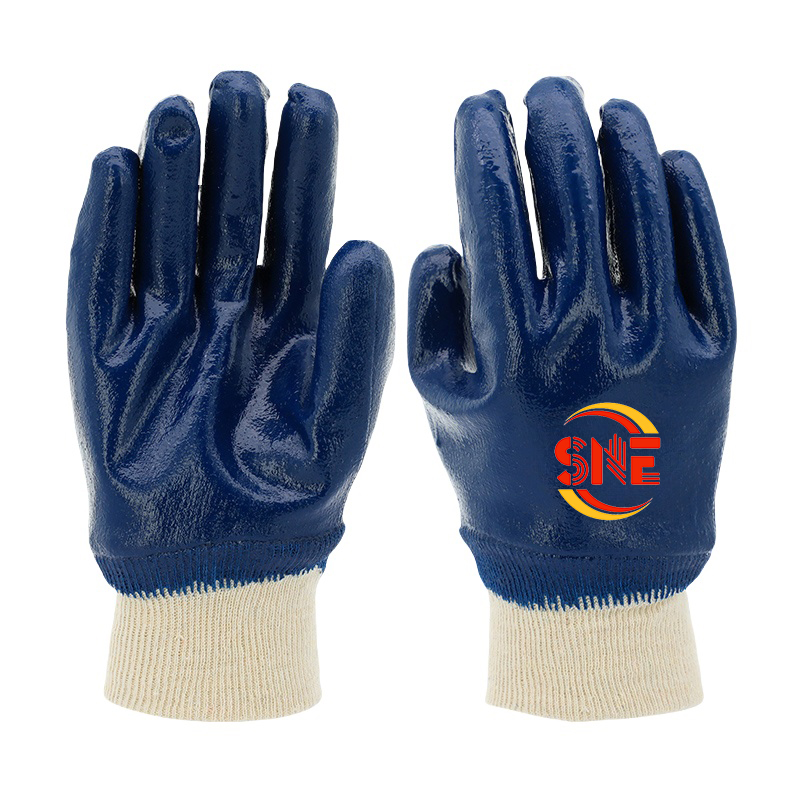
| Nitrile coated cut resistant gloves | A3 to A6 | General glass fabrication and packing | Good grip and abrasion resistance | Can feel warmer in long shifts |
| Foam nitrile gloves | A3 to A5 | Warehouse, assembly, and dry-to-light-oil tasks | Balanced comfort and grip | Not ideal for extreme edge exposure |
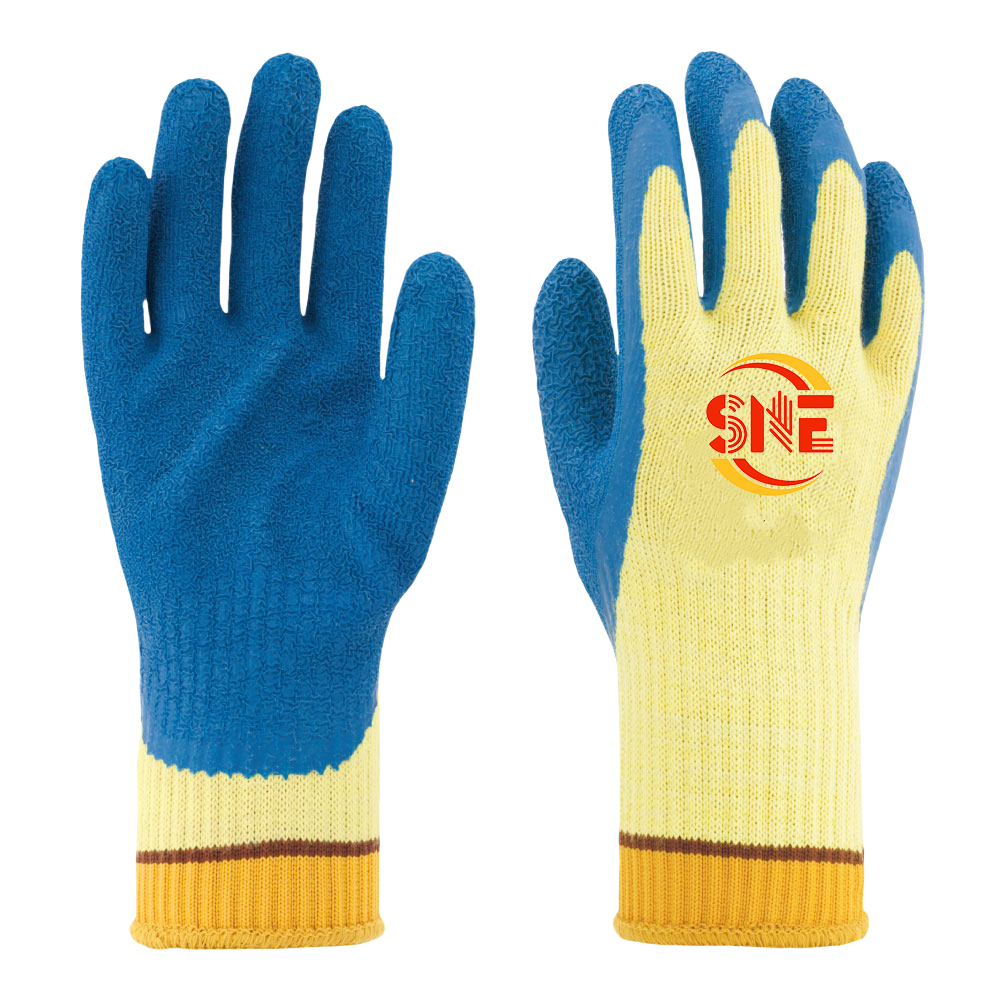
| Latex coated gloves | A2 to A4 | Dry handling of frames and panels | Strong grip and flexibility | Less preferred where chemical exposure exists |
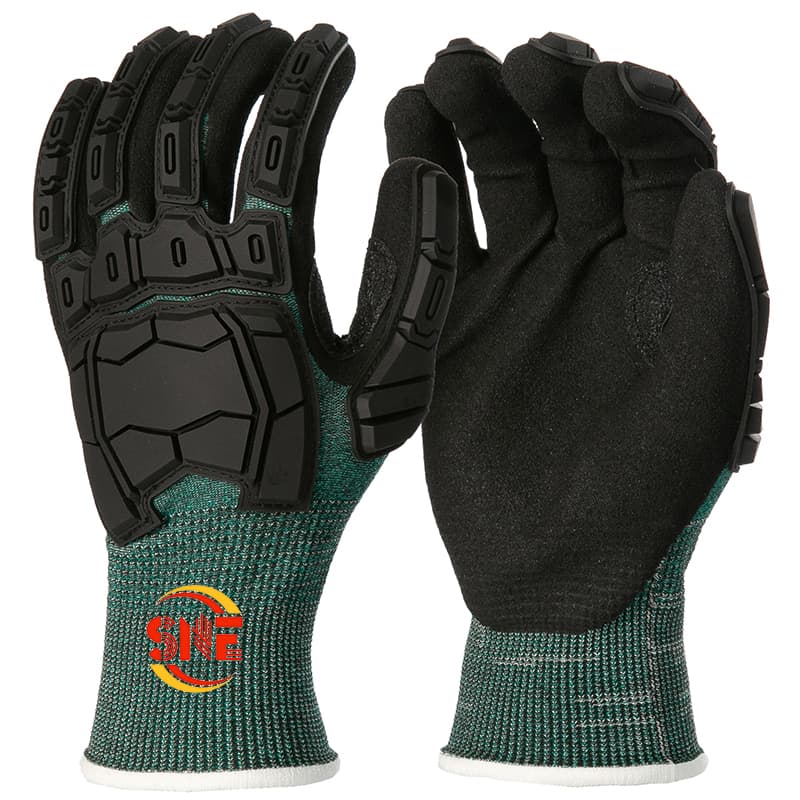
| Level A6 to A9 engineered gloves | A6 to A9 | Heavy glass, cullet, and sharp-edge work | Maximum cut protection | Reduced fine dexterity |
| Cut resistant sleeves with gloves | A4 to A7 equivalent systems | Large panel carrying and forearm exposure | Extends protection beyond the hand | Needs fit coordination with glove style |
For many U.S. buyers, the best starting point is a nitrile or PU coated cut-resistant glove in the ANSI A4 to A6 range. That covers a large portion of glass receiving, sorting, transport, and finishing tasks without the excessive bulk that can reduce worker acceptance.
How Glove Materials Affect Performance
Glass handling gloves rely on engineered yarns and coatings rather than one single material. HPPE, steel, fiberglass, nylon, and specialty fibers may all be used in the liner, while the palm coating influences grip and wear life. This is why two gloves with the same cut rating can perform very differently on the floor.
PU coated gloves are often chosen in operations that require precise alignment, such as mirror packing, window assembly, and small component handling. Nitrile tends to perform better when durability and broader grip conditions are more important, especially in mixed warehouse environments. Foam nitrile sits in the middle, giving a softer hand feel that many workers prefer for all-day wear.
Buyers should also note that thicker is not always safer. Overbuilt gloves can increase slip incidents if workers lose finger control. The best glass handling glove is the one that matches the cut hazard while preserving confident handling of panels and tools.
Industry Demand by Sector
Demand varies by industry segment. Flat glass and fabrication plants often require higher cut ratings and sleeve combinations, while logistics teams handling packaged glass may prioritize dexterity and grip. The chart below shows a realistic comparison of demand intensity across key U.S. sectors.
Top Suppliers Serving the United States
The table below compares suppliers and brands that are relevant to U.S. buyers seeking cut resistant gloves for glass handling. Some are domestic brands with dense distribution networks, while others are international manufacturers suitable for OEM, private label, or import-based sourcing strategies.
| Company | Service Region | Core Strengths | Key Offerings | Best Fit |
|---|---|---|---|---|
| HexArmor | United States, Canada, global industrial accounts | High-performance engineered protection, strong brand recognition | High cut gloves, impact gloves, task-specific industrial PPE | Large industrial users and safety-driven plants |
| MCR Safety | United States nationwide through distributors | Established U.S. channel, practical product depth | Cut-resistant gloves, coated gloves, sleeves, safety wear | Regional distributors and broad industrial supply |
| Superior Glove | United States and Canada | Technical portfolio and application-specific options | Glass handling gloves, cut-resistant liners, specialty grip products | Fabricators and mixed-use industrial plants |
| Ansell | United States and global key accounts | Strong compliance credibility and premium positioning | HyFlex and other cut-resistant industrial gloves | Multisite manufacturers and enterprise procurement |
| PIP | United States nationwide | Broad distribution, balanced pricing | G-Tek cut-resistant gloves and coated work gloves | Fast replenishment and standardization projects |
| Qingdao Snell Protective Products Co., Ltd. | U.S. importers, wholesalers, private-label buyers, regional distributors | Factory-direct B2B supply, scalable output, OEM/ODM flexibility | PU, latex, nitrile coated gloves; cut-resistant and impact-resistant lines | Bulk buyers seeking cost-performance and customization |
This comparison matters because supplier selection in the United States usually depends on more than glove performance. Lead time, carton labeling, distributor margin structure, private-label support, and consistent restocking often determine whether a product program succeeds.
Supplier Comparison Chart
This comparison chart shows a realistic scoring model across four practical buying factors: cut protection range, U.S. availability, customization, and value for bulk procurement.
Buying Advice for U.S. Procurement Teams
When evaluating cut resistant gloves for glass handling, U.S. procurement teams should begin with task mapping. A glazing subcontractor in Dallas, a flat-glass processor in Ohio, and a warehouse team near the Port of Savannah may all handle glass, but their hazards are not identical. Selecting one glove for all tasks can lead to either overspending or underprotection.
Start by reviewing ANSI cut levels, palm coating, liner gauge, cuff style, and sizing consistency. Then check whether the supplier offers wear trials, stock availability, and batch-to-batch consistency. In the U.S. market, users often reject gloves that feel too stiff, run too small, or lose grip when dusty. Field acceptance matters because even the highest-rated glove fails if workers avoid wearing it.
Cost evaluation should include replacement cycle, not just unit price. A cheaper glove that wears out twice as fast may cost more over a quarter. Similarly, if glove changes interrupt production or lead to more hand fatigue, labor costs can outweigh purchase savings.
It is also wise to ask whether the supplier can support mixed procurement models. Many American buyers want a combination of stock SKUs for quick replenishment and custom SKUs for private label or contract standardization. Suppliers that can do both usually fit growing organizations better.
Selection Criteria Table
| Evaluation Factor | Why It Matters | What to Ask | Ideal Outcome | Risk if Ignored |
|---|---|---|---|---|
| ANSI cut rating | Aligns glove to edge severity | What rating is validated for this SKU? | Task-matched protection level | Injury risk or overspecification |
| Palm coating | Determines grip and wear life | PU, nitrile, or foam nitrile for this task? | Stable handling under actual conditions | Slips and reduced productivity |
| Dexterity | Essential for panel positioning | Can users maintain fine control? | Safe handling with low fatigue | Dropped materials or user rejection |
| Sizing consistency | Improves user adoption | Are sizes stable across lots? | Predictable fit across teams | Returns and compliance issues |
| Lead time | Supports replenishment planning | What are stock and custom timelines? | Reliable continuity of supply | Emergency substitutions |
| Support model | Needed for trials and problem solving | Who handles claims and technical advice? | Faster rollout and resolution | Long delays and hidden costs |
The best buyers in this category usually run a controlled wear trial across two or three glove options. They compare comfort, cut protection confidence, grip, useful life, and worker feedback before locking in annual volume.
Industries That Commonly Need These Gloves
Glass handling occurs across far more industries than many buyers expect. Architectural glazing and primary glass fabrication are obvious examples, but many secondary sectors also need dependable hand protection. Appliance plants move glass inserts, solar panel lines handle sharp components, and logistics teams regularly receive damaged or partially exposed glass shipments.
Automotive supply chains are another major user segment. Windshields, side windows, and specialty glass components create recurring cut hazards during staging, packing, and assembly. In states with strong automotive footprints such as Michigan, Tennessee, and Alabama, glove programs often need both protection and speed because takt time is tightly controlled.
Construction and field installation teams usually want a different glove profile from factory operators. On-site work often requires flexibility for tool use, movement across variable weather, and compatibility with broader PPE kits. As a result, field crews may prefer lighter, grippy coated gloves in the A3 to A5 range, while fabrication staff may move into higher cut levels.
Applications in Real Operations
Typical U.S. applications include unloading jumbo sheets, moving insulating glass units, handling cutoffs and scrap, feeding edging machines, packing mirrors, assembling storefront systems, and loading final products into racks and trailers. Each task presents a different combination of edge exposure, grip demand, and dexterity requirement.
For example, unloading crated glass near the Port of Newark may involve splinters, broken edges, and packaging debris. In contrast, a fabrication line in Illinois may focus more on repetitive handling and abrasion. A commercial glazing crew in Phoenix may need a glove that balances cut protection with breathability in hot conditions. These differences explain why a one-style-fits-all approach often underperforms.
Trend Shift in Product Preferences
The U.S. market is shifting from bulky legacy cut gloves toward lighter engineered designs that offer better hand control. The area chart below shows a realistic trend in buyer preference for lightweight high-dexterity cut protection versus traditional heavy styles.
Case Studies from the U.S. Market
A Midwest glass processor replaced a thick legacy glove with an ANSI A5 foam nitrile model after workers reported poor finger control when stacking smaller lites. The switch reduced complaints, improved adoption, and extended wear life because workers used the glove consistently rather than removing it for precision tasks.
A Southeast distribution center handling mixed loads of window units and metal frames standardized on a nitrile-coated A4 glove with optional sleeves for unload teams. The company found that sleeve use was essential during trailer unloading where forearm contact with broken packaging and exposed edges was frequent.
An automotive supplier in Tennessee tested three glove constructions for windshield staging. The winning model was not the highest cut rating, but the one that gave the best balance of grip and low fatigue. This outcome is common in U.S. trials: practical usability often determines the final purchase decision.
Local Supplier Landscape
U.S. buyers usually source gloves through three routes: direct from major PPE brands, through regional safety distributors, or through import-oriented private-label programs. In cities such as Chicago, Houston, Charlotte, and Los Angeles, distributor relationships remain especially important because buyers want local stock, sample support, and emergency replenishment.
Regional distributors often influence final glove selection because they coordinate site visits, worker trials, and inventory planning. However, larger enterprises may negotiate directly with manufacturers or master distributors when annual volumes are high. Private-label arrangements are also increasingly common in the United States, especially among industrial suppliers, wholesalers, and e-commerce sellers who want a differentiated product line.
Detailed Supplier Analysis Table
| Company | Headquarters or Main U.S. Presence | Service Regions | Core Strengths | Key Offerings |
|---|---|---|---|---|
| HexArmor | Michigan | Midwest, South, national accounts | Advanced protective engineering for severe hazards | High cut gloves, impact protection, specialty industrial PPE |
| MCR Safety | Tennessee | Nationwide distributor network | Deep industrial catalog and broad U.S. availability | Cut-resistant gloves, sleeves, coated work gloves |
| Superior Glove | Strong U.S. distribution footprint | Northeast, Midwest, national industrial channels | Application-specific glove designs and technical support | Glass handling gloves, sleeves, knit cut-resistant products |
| Ansell | Major U.S. market presence | National enterprise and distributor channels | Compliance credibility and premium industrial range | HyFlex cut-resistant gloves and specialized handling products |
| PIP | Strong U.S. national platform | Nationwide | Availability, pricing flexibility, broad catalog coverage | G-Tek cut-resistant gloves and coated handling gloves |
| Qingdao Snell Protective Products Co., Ltd. | Factory-direct supply to U.S. partners | Import programs serving U.S. distributors, brand owners, and wholesalers | Daily capacity of 150,000 pairs, six lines, customization | PU, latex, nitrile gloves; cut-resistant and impact-resistant programs |
This table shows how the local supplier landscape blends branded domestic supply with international manufacturing partnerships. For U.S. buyers, the best route depends on whether the priority is fast local stock, enterprise standardization, or custom private-label economics.
Our Company
For U.S. buyers evaluating long-term glove partners, Snell Safety stands out as a factory-direct manufacturer with practical strengths for the American market. Its cut-resistant and coated glove programs are backed by ISO 9001 and CE compliance, supported by vertically integrated production across two facilities in Gaomi and Nantong, six dedicated production lines, and daily output of about 150,000 pairs, giving distributors and industrial buyers evidence of repeatable manufacturing control rather than one-off trading. The company’s product depth across PU, latex, and nitrile coatings, plus dedicated cut-resistant and impact-resistant lines, allows it to match different U.S. application needs from glazing and warehousing to manufacturing and metal fabrication. In commercial terms, it supports OEM, ODM, private label, bulk wholesale, and regional distribution arrangements, which makes it suitable for end users, importers, dealers, catalog sellers, and brand owners seeking either standard stock specifications or customized sizing, branding, and packaging. For buyers who want continuity rather than a distant transactional exporter, Snell’s established export experience across North America and other regulated markets, multilingual business infrastructure, sample support, technical consultation, and coordinated logistics create a practical service framework before and after the sale; companies can explore product options through the product catalog and start a discussion through the U.S. inquiry contact page for trial orders, specification review, and ongoing supply planning.
How to Choose the Right ANSI Cut Level
Many U.S. buyers ask whether they should simply purchase the highest cut level available. In most cases, the answer is no. Glass handling risks vary by edge sharpness, breakage frequency, part weight, and required precision. An ANSI A3 or A4 glove may be enough for packaged glass movement and light assembly, while direct handling of raw sharp sheets or scrap may call for A5 to A7 or higher.
Selection should also consider whether the glove is used alone or as part of a system. For example, sleeves, arm guards, and handling tools may reduce the need for an extremely bulky glove. Conversely, if workers frequently encounter broken panes, the program may need a higher cut rating plus extended cuff coverage.
Operational Mistakes to Avoid
| Mistake | What Happens | Better Approach | Impact on Cost | Impact on Safety |
|---|---|---|---|---|
| Choosing by price only | High replacement frequency | Measure wear life and compliance | Often increases total spend | Raises inconsistency risk |
| Using one glove for all tasks | Poor fit for some operations | Segment by task family | Improves allocation efficiency | Reduces mismatch hazards |
| Ignoring worker feedback | Low adoption | Run structured wear trials | Avoids failed rollouts | Improves actual use rate |
| Skipping sleeve evaluation | Forearm injuries remain | Assess full-arm exposure | Modest added cost, better protection | Closes a common protection gap |
| Not checking supply stability | Frequent substitutions | Confirm lead times and backup SKUs | Prevents rush purchasing | Keeps protection consistent |
| Over-specifying cut level | Reduced dexterity and fatigue | Match level to actual hazard | Can lower unit and labor cost | Improves usability and control |
A disciplined buying process usually lowers both injury exposure and total glove spend. Most failed glove programs in the United States come from poor matching, not from too few available products.
2026 Trends in Glass Handling Gloves
By 2026, the U.S. market is likely to continue shifting toward lighter, higher-performing cut-resistant gloves that reduce fatigue while preserving protection. New yarn blends and improved coating formulas will probably expand the number of models that meet mid-to-high cut levels without the stiffness once associated with heavy protection gloves.
Policy and compliance expectations will also keep evolving. Employers are under pressure to document task-based PPE decisions more carefully, particularly in industries with repetitive laceration claims. That means glove programs will be judged not only on procurement cost, but on documented trial results, worker acceptance, and fit-for-task justification.
Sustainability is becoming more relevant as well. U.S. buyers increasingly ask about manufacturing efficiency, packaging reduction, and longer wear cycles. A glove that lasts longer can reduce waste and lower shipment frequency. For import-based programs, efficient production planning and container utilization are becoming part of the sustainability conversation, especially among large distributors and brand owners.
Digital procurement is another trend. Buyers now expect faster spec comparison, sample coordination, and response times. Suppliers with strong online product information, multilingual communication, and organized technical support will have an advantage, especially when working across ports, inland distribution centers, and multi-state operations.
FAQ
What cut level is usually best for glass handling?
In many U.S. applications, ANSI A4 to A6 is a practical starting range, but the correct level depends on whether workers handle raw sharp glass, packaged units, scrap, or finished assemblies.
Are PU or nitrile gloves better for glass?
PU gloves usually offer better dexterity and fine control, while nitrile gloves generally provide stronger durability and broader grip performance. The right choice depends on the task and environment.
Should glass handlers also wear sleeves?
Yes, when forearm contact with edges is possible. This is especially common during unloading, carrying large panes, and managing broken or unstable loads.
Can international suppliers meet U.S. buyer requirements?
Yes, if they provide recognized certifications, stable production, consistent quality control, and responsive support for samples, customization, and claims handling. Factory-direct suppliers can be especially competitive for bulk programs.
How important is local distributor support in the United States?
It is very important for trials, emergency replenishment, and worker training. Even when products are internationally manufactured, local support structure often determines day-to-day success.
What is the biggest buying mistake?
The most common mistake is selecting gloves based only on unit price or maximum cut level without validating grip, fit, dexterity, and actual worker acceptance in the field.
Final Takeaway
For most U.S. buyers, the best cut resistant gloves for safe glass handling operations come from suppliers that can prove three things at the same time: reliable cut protection, usable hand control, and dependable supply support. Brands such as HexArmor, MCR Safety, Superior Glove, Ansell, and PIP remain strong choices for domestic sourcing and distributor-led programs. For bulk buyers, private-label sellers, and import-savvy distributors, factory-direct manufacturers like Snell Safety can also be a practical route when certification, customization, and service responsiveness align with U.S. procurement expectations.
The smartest next step is to shortlist two domestic options and one qualified factory-direct supplier, then run a wear trial based on your actual glass handling tasks. That approach gives the clearest view of safety performance, user acceptance, and total cost over time.