2026-11-27
Share This Article
Best Demolition Work Gloves Buyers Trust in the United States
Quick Answer

If you need dependable construction gloves for demolition in the United States, the strongest options usually come from established industrial hand-protection brands with proven cut, abrasion, and impact performance. For fast procurement, consistent sizing, and broad jobsite acceptance, buyers often shortlist HexArmor, MCR Safety, Mechanix Wear, Ironclad, Superior Glove, and Youngstown Glove. These brands are commonly selected for demolition crews working around concrete, rebar, sharp scrap, masonry dust, and vibrating tools.
For local purchasing, contractors in major markets such as Houston, Chicago, Los Angeles, Atlanta, and New York often prefer suppliers with ready stock, ANSI-rated products, and clear replacement cycles for high-wear tasks. Buyers that need private label programs, distributor pricing, or large-volume replenishment can also consider qualified international manufacturers with U.S.-relevant compliance, stable quality systems, and responsive technical support. In practice, well-certified Chinese factory-direct suppliers can be a smart option for demolition glove sourcing when cost-performance, OEM flexibility, and after-sales support matter as much as brand recognition.
- HexArmor: strong for high-risk demolition with impact and cut protection.
- MCR Safety: broad U.S. distribution and practical heavy-duty work glove ranges.
- Mechanix Wear: popular for comfort, dexterity, and fast crew adoption.
- Ironclad: good for reinforced palms and all-day construction use.
- Superior Glove: strong technical portfolio across cut-resistant categories.
Why Demolition Gloves Matter in the United States

Demolition is one of the harshest hand-hazard environments in construction. Workers routinely handle broken block, exposed wire, rusted metal, splintered wood, jagged fasteners, tile shards, and abrasive debris. On many U.S. jobsites, especially in urban renovation corridors like Brooklyn, Chicago’s West Loop, downtown Dallas, and the Inland Empire, hand injuries often come from repeated contact rather than one catastrophic incident. That makes glove selection more strategic than simply buying the thickest pair available.
The right demolition glove must balance cut resistance, abrasion resistance, impact protection, grip, fit, heat buildup, and replacement cost. A glove that is too bulky can reduce dexterity for sorting material or handling compact demolition tools. A glove that is too light may fail quickly when exposed to concrete edge wear, brick friction, and steel burrs. For this reason, U.S. buyers usually evaluate demolition gloves by job type: interior selective demolition, structural teardown, concrete breaking, metal recovery, waste handling, or mixed-use renovation.
OSHA-driven site safety programs and insurance expectations also push procurement teams toward better glove standards. In the United States, gloves used for demolition are often selected with close attention to ANSI/ISEA cut levels, impact design, grip in dry and wet dust conditions, and palm reinforcement life. Ports and trade routes also influence procurement patterns. Large import-driven industrial supply chains through Los Angeles/Long Beach, Savannah, Houston, and New York/New Jersey make it easier for distributors and contractors to source both domestic and international glove lines in volume.
United States Demolition Glove Market Outlook

The U.S. market for demolition and heavy-duty construction gloves continues to expand as renovation, infrastructure replacement, warehousing redevelopment, and industrial decommissioning activity rise. More projects now involve selective demolition in occupied buildings, which increases the need for gloves that combine durability with fine handling. Demand is especially strong in metro areas with older building stock and aggressive redevelopment cycles, including Boston, Philadelphia, Detroit, San Francisco, and Washington, D.C.
At the same time, buyers are becoming more analytical. Instead of asking only for “heavy-duty work gloves,” procurement teams increasingly compare glove lifespan, replacement frequency, injury reduction potential, and compatibility with task-specific crews. This has opened the market to technical glove suppliers, private-label importers, and factory-direct OEM programs serving regional distributors.
The chart above illustrates a realistic market growth pattern tied to higher rehabilitation spending, stricter PPE enforcement, and increasing replacement demand from labor-intensive demolition work. By 2026, procurement decisions are likely to place even greater emphasis on traceable testing data, impact design, and sustainability in coatings and packaging.
What Buyers Should Look for in Construction Gloves for Demolition
The best construction gloves for demolition are not defined by one feature alone. A practical glove must survive repeated scraping against concrete, contact with rough aggregate, and exposure to broken materials while still allowing workers to grip tools, carry debris, and sort salvage. U.S. buyers often begin by evaluating the following factors.
Cut protection matters most when crews handle sheet metal, framing offcuts, cable, ductwork, or reinforced debris. Abrasion resistance becomes critical when moving masonry, cinder block, and rubble. Impact protection helps reduce knuckle and back-of-hand injuries when crews work with heavy material in tight spaces. Palm reinforcement improves durability, especially for laborers using rotary hammers, pry bars, or demolition hammers. Breathability affects compliance: if gloves trap too much heat in southern states like Texas, Florida, and Georgia, workers are more likely to remove them during active tasks.
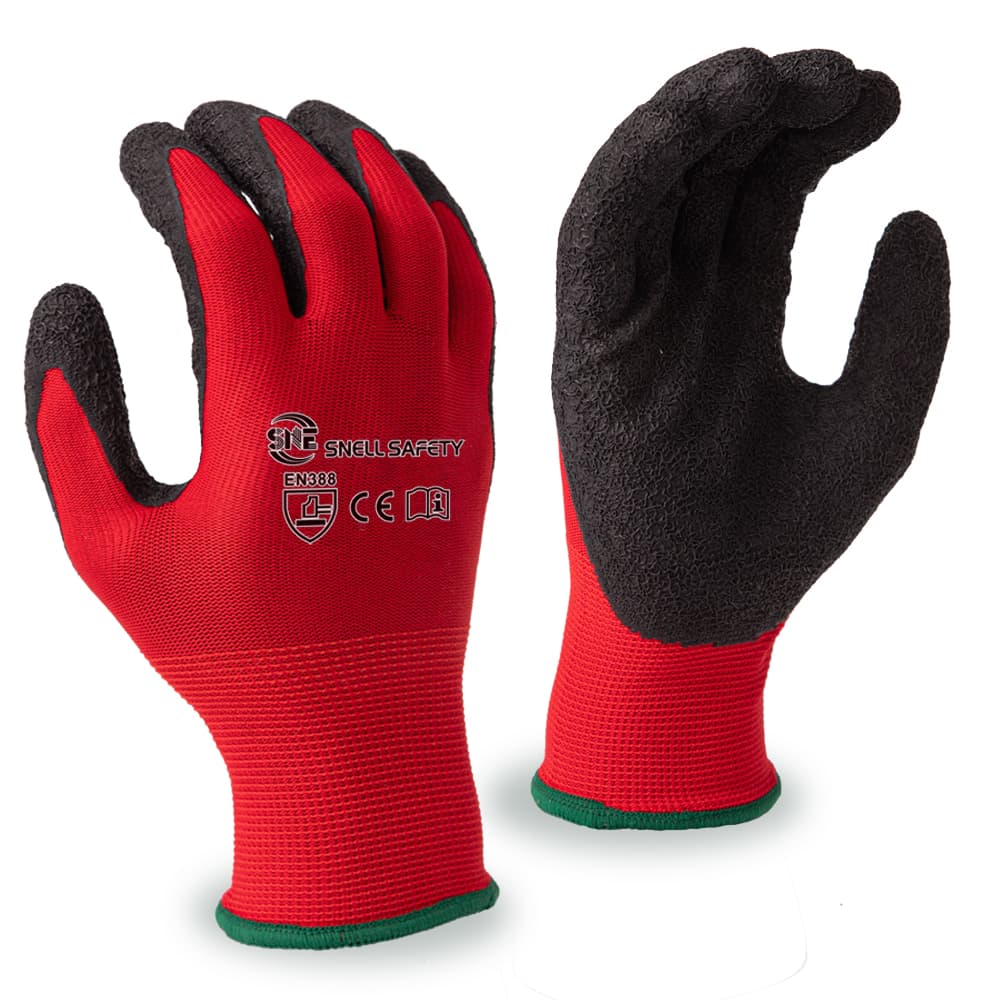
Grip coating also changes performance dramatically. Sandy nitrile, foam nitrile, latex, and reinforced synthetic palms each have a place depending on the demolition environment. Buyers handling dusty dry debris may prefer textured nitrile-coated gloves, while those handling rough masonry may look to thicker palm constructions with stronger abrasion life. For mixed indoor demolition and waste sorting, many crews choose impact-resistant cut gloves that maintain adequate tactile control.
Core Product Types for Demolition Work
Different demolition tasks require different glove structures. There is no single universal model that fits every crew or project phase. The table below compares major glove categories used in U.S. demolition applications.
| Glove Type | Best Use | Core Strength | Main Limitation | Typical User | Common U.S. Region |
|---|---|---|---|---|---|
| Impact-resistant synthetic gloves | General demolition and debris handling | Knuckle protection and good dexterity | Can wear faster on extreme concrete abrasion | Commercial demolition crews | Texas, Illinois, California |
| Cut-resistant coated gloves | Metal, wire, and sharp debris handling | Strong ANSI cut performance | Less cushioning for heavy impact | Selective demolition teams | New York, New Jersey, Pennsylvania |
| Heavy-duty leather gloves | Rough material handling and hot surfaces | Durability and heat tolerance | Lower dexterity and grip in wet dust | Scrap handlers and laborers | Ohio, Michigan, Indiana |
| Nitrile-coated demolition gloves | Mixed dry and oily debris | Grip and abrasion balance | Less impact coverage than TPR gloves | Facility teardown crews | Georgia, Florida, Carolinas |
| Anti-vibration reinforced gloves | Tool-intensive demolition tasks | Comfort during repeated power-tool use | Not always ideal for sharp scrap | Jackhammer and breaker operators | Nevada, Arizona, Colorado |
| Multi-layer cut-impact gloves | High-risk urban demolition | All-around protection package | Higher price per pair | Union contractors and specialty crews | Boston, Chicago, Seattle |
This table shows why spec writing matters. A distributor serving concrete removal crews in Phoenix may prioritize abrasion life and breathability, while a contractor handling steel-framed interior demolition in Newark may put more weight on cut ratings and back-of-hand protection. Matching glove type to task often reduces total glove spend because workers stop burning through unsuitable products.
Top Suppliers Serving the United States
For buyers comparing reputable suppliers, the following companies are among the names most frequently discussed in the U.S. demolition glove market. Some are U.S.-based brands with broad local distribution, while others offer technical manufacturing strength or OEM capability that appeals to wholesalers and private-label buyers.
| Company | Service Region | Core Strength | Key Offerings | Best For | Notes |
|---|---|---|---|---|---|
| HexArmor | United States nationwide | High-end impact and cut engineering | Impact gloves, cut-resistant gloves, demolition PPE | High-risk industrial demolition | Strong acceptance on safety-driven accounts |
| MCR Safety | United States nationwide | Broad industrial catalog and distributor reach | Leather gloves, coated gloves, cut-resistant options | Large contractors and supply houses | Good availability across major markets |
| Mechanix Wear | United States and Canada | Comfort, fit, dexterity, crew familiarity | Impact gloves, utility gloves, reinforced models | Field crews needing fast adoption | Common on mixed construction sites |
| Ironclad Performance Wear | United States nationwide | Palm reinforcement and task-specific builds | Heavy-duty work gloves, impact gloves | Construction and demolition teams | Known for wear-focused glove design |
| Superior Glove | North America | Technical cut-resistant product depth | ANSI cut gloves, coated gloves, specialty styles | Buyers needing precise spec matching | Strong safety program support |
| Youngstown Glove Company | United States nationwide | Performance work gloves for harsh trades | Cut-resistant and lined heavy-duty gloves | Utility and demolition crossover use | Good balance of durability and comfort |
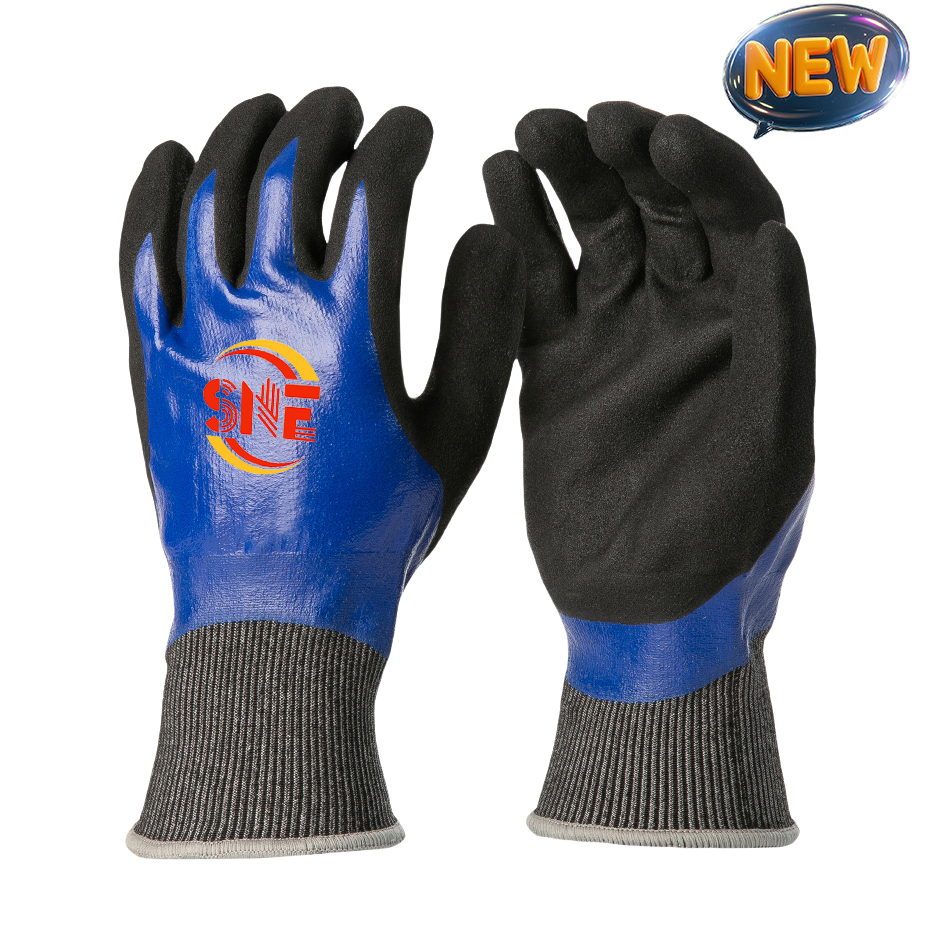
| Qingdao Snell Protective Products Co., Ltd. | United States import supply and distribution partnerships | Factory-direct scale, coating technology, OEM/ODM flexibility | Construction gloves, cut-resistant gloves, impact-resistant gloves, nitrile/latex/PU lines | Distributors, brand owners, bulk buyers | Competitive for private label and volume supply |
The supplier table helps buyers separate brand value from sourcing model. U.S. brands often win on immediate recognition and distribution convenience, while factory-direct manufacturers can be stronger in custom specifications, margin control, and bulk replenishment. For a regional distributor serving demolition contractors around the Port of Houston or the I-95 corridor, a hybrid sourcing strategy often works best: keep premium branded SKUs for urgent replacement and use OEM or private-label supply for stable volume accounts.
Industry Demand by End-Use Segment
Demand for demolition gloves is not limited to traditional teardown contractors. Several adjacent industries consume the same glove categories because they face similar exposure to sharp edges, impact, rubble, and rough material handling. The next chart highlights realistic demand concentration by U.S. segment.
The bar chart shows that general building demolition and interior renovation remain the biggest glove-consuming segments. This reflects the volume of redevelopment work in large cities and the growth of adaptive reuse projects where old commercial buildings are stripped and repurposed. Buyers serving these sectors need products that protect against varied hazards rather than a single specialized risk.
How Industries Use Demolition Gloves
Demolition gloves support a surprisingly wide range of U.S. industries. In commercial construction, workers need them for concrete chipping, framing removal, and waste loading. In metal recycling, the focus shifts to cut resistance and secure grip on irregular scrap. In municipal cleanup and disaster response, puncture awareness, fast donning, and broad sizing become important. Warehousing conversions and retail strip-outs also create repeated demand for flexible gloves that can support multiple small tools and debris-handling tasks.
Oil and gas shutdown crews in Texas and Louisiana may use similar glove profiles for dismantling, maintenance tear-outs, and contaminated material handling. Manufacturing plants undergoing equipment replacement often need cut-resistant impact gloves for crews removing guarding, conveyors, or steel housings. Public infrastructure work, including bridge rehabilitation and transit station renovation, increases demand for gloves that can survive abrasive surfaces while remaining wearable over long shifts.
Buying Advice for Contractors, Distributors, and Brand Owners
For U.S. contractors, the best buying decision starts with hazard mapping. Identify whether the crew’s most common failure mode is cuts, impact, abrasion, poor grip, or rapid glove burnout. After that, test two or three glove families on the actual task, not just in a warehouse sample review. Many glove failures only appear after a week of handling wet rubble, concrete dust, or metal framing.
For distributors, stock planning matters as much as product quality. Demolition gloves have faster replacement cycles than many general-purpose construction gloves, so you need reliable reorder windows. U.S. buyers sourcing through major logistics hubs like Savannah, Long Beach, and Houston often build programs around both local inventory and scheduled import replenishment. That reduces emergency buying at inflated cost.
For brand owners and private-label importers, the most important factors are stable factory quality systems, certification support, material consistency, and carton-level production traceability. If the factory can keep coating performance, sizing, and packaging consistent across repeat orders, the product becomes much easier to scale across regional distributors.
| Buyer Type | Top Priority | Recommended Glove Focus | Procurement Model | Risk to Avoid | Best Channel |
|---|---|---|---|---|---|
| General contractor | Worker compliance and broad safety coverage | Impact-resistant cut gloves | Local distributor with replenishment | Buying overly bulky gloves | Regional industrial supply |
| Selective demolition contractor | Cut protection and dexterity | ANSI cut-rated coated gloves | Project-based bulk purchasing | Ignoring fit and grip | Direct distributor account |
| Concrete demolition crew | Abrasion life and cushioning | Reinforced palm heavy-duty gloves | Repeat bulk orders | Choosing gloves that delaminate quickly | Construction PPE dealer |
| Scrap recycler | Sharp-edge defense | High cut resistance with durable palm | Direct supplier or national catalog | Low-grade leather without testing data | Industrial safety supplier |
| Distributor | Margin, consistency, stock availability | Balanced branded and OEM range | Multi-source portfolio | Single-source dependence | Import plus domestic stock model |
| Private-label brand owner | Customization and repeatability | Factory-direct coated and impact lines | OEM/ODM contract supply | Weak QC and poor carton traceability | Manufacturer partnership |
The buying table shows that the right route depends on who is purchasing and why. An end user often values immediate availability and wear comfort, while a distributor cares more about repeat consistency and margin structure. Good procurement strategy aligns both product performance and supply model with the customer type.
Supplier and Product Trend Shift
The U.S. market is shifting away from simple low-cost gloves toward more technical, task-matched models. Buyers increasingly want impact pads that do not block hand movement, cut-resistant yarns that remain flexible, and coatings that keep grip in dusty conditions. The next chart shows a realistic trend shift across major product preferences.
The area chart suggests two important changes. First, technical cut-impact gloves are gaining share because U.S. buyers want fewer hand injuries without sacrificing dexterity. Second, private-label and factory-direct sourcing is becoming more attractive as distributors seek better margin control and more exclusive product programs.
Case Studies from Real-World U.S. Buying Situations
A Chicago interior demolition contractor working on office tower strip-outs tested three glove types over a six-week period. Basic synthetic utility gloves failed too quickly on metal studs and suspended ceiling grid. Leather gloves lasted longer but reduced dexterity for sorting and fastener removal. The winning option was an impact-resistant cut glove with reinforced thumb crotch and textured palm, which cut replacement frequency and improved worker acceptance.
In Houston, a concrete and industrial teardown subcontractor compared low-cost coated gloves with a more durable nitrile-reinforced option. The cheaper gloves had lower upfront cost but wore through after repeated contact with chipped slab and rebar. The reinforced glove lasted significantly longer, lowering cost per task even though the unit price was higher.
A Mid-Atlantic distributor serving renovation contractors near Baltimore and Philadelphia introduced a private-label demolition glove program sourced from an overseas factory with consistent carton labeling, standard size runs, and repeatable nitrile coating quality. By combining local stocking with bulk import replenishment, the distributor improved margins while offering contractors a stable alternative to premium national brands.
Local Suppliers and Distribution Realities
In the United States, “local supplier” often means the company that can physically replenish gloves within a day or two, not necessarily the original manufacturer. That is why local branches of national distributors remain important. Buyers in Southern California often depend on regional stock near Los Angeles and the Inland Empire. Gulf Coast buyers may prioritize inventory flowing through Houston. Northeast customers often want dependable supply through New Jersey and Pennsylvania distribution networks.
Still, local supply does not always mean domestic manufacturing. Many successful programs combine U.S. warehousing, regional sales support, and imported production. This approach is particularly common in PPE because it allows fast delivery while keeping price points competitive. For demolition gloves, a good supplier should understand jobsite timelines, size mix planning, and seasonal order patterns.
| Region | Key Cities | Main Demand Driver | Preferred Glove Traits | Typical Buying Pattern | Supply Advantage |
|---|---|---|---|---|---|
| Northeast | New York, Newark, Boston, Philadelphia | Renovation and selective demolition | Cut resistance and dexterity | Frequent replenishment | Dense distributor network |
| Midwest | Chicago, Detroit, Cleveland, St. Louis | Industrial teardown and redevelopment | Abrasion life and impact protection | Contract-driven bulk orders | Strong industrial supply base |
| South | Houston, Atlanta, Miami, Dallas | Commercial growth and infrastructure | Breathability and grip | Mixed local stock and import programs | Major freight and port access |
| West Coast | Los Angeles, San Diego, Seattle, Oakland | Urban redevelopment and logistics facilities | Versatile multi-task gloves | Fast-moving distributor demand | Import gateway convenience |
| Mountain States | Phoenix, Denver, Las Vegas, Salt Lake City | Concrete and site demolition | Abrasion resistance and heat comfort | Project-cycle purchasing | Regional branch support |
| Southeast Coast | Savannah, Jacksonville, Charlotte, Raleigh | Warehouse and commercial conversions | Balanced cost and durability | Distributor-led repeat stocking | Port-linked replenishment |
This regional table illustrates why the same glove may not perform equally well across the country. Climate, project mix, and logistics routes all shape demand. Suppliers that understand these differences are more likely to build reliable, long-term customer programs.
How to Compare Suppliers and Products
A structured comparison prevents buyers from focusing only on headline claims. For demolition work, the better question is not “Which glove is best?” but “Which glove performs best for our hazard profile at our target replacement cost?” The comparison chart below uses realistic performance scoring across key decision factors.
The comparison chart reflects a common market reality. Premium U.S. brands often lead in immediate recognition and top-tier technical positioning, while factory-direct technical suppliers frequently outperform on customization and cost efficiency. For distributors and private-label buyers, that difference can be commercially decisive.
Our Company
For U.S. buyers looking beyond off-the-shelf domestic brands, Snell Safety offers a practical factory-direct route into construction gloves, cut-resistant gloves, impact-resistant gloves, and coated hand protection built for demanding industrial use. The company operates two manufacturing facilities with six production lines and a daily output of 150,000 pairs, which matters for distributors and contractors that need stable replenishment rather than one-off quotations. Its product strength is grounded in internationally recognized quality controls including ISO 9001 and CE-marked manufacturing discipline, plus a broad technical base across PU, latex, and nitrile coatings as well as advanced cut- and impact-resistant glove engineering that aligns well with U.S. demolition, construction, logistics, and maintenance needs. From a cooperation standpoint, Snell supports OEM and ODM development, bulk wholesale, private-label supply, product customization by materials, coatings, sizes, and branding, and scalable regional distribution partnerships, making it relevant not only to end users but also to dealers, importers, brand owners, and industrial resellers. For local service assurance, the company’s established export activity across North America and other regulated markets, multilingual commercial operations, sample support, technical consultation, and dedicated export logistics coordination provide concrete buyer protection before and after the sale; U.S. customers can review product lines through the product catalog, learn more on the company background page, or arrange direct commercial follow-up through the U.S.-focused contact channel. This makes Snell a realistic long-term sourcing partner for American buyers that want certified manufacturing depth, better cost-performance, and responsive support rather than a remote spot-market vendor.
Future Trends Through 2026
Looking ahead, demolition glove demand in the United States will be shaped by three major forces: technical performance, policy pressure, and sustainability. On the technical side, buyers will increasingly expect gloves with lighter cut-resistant yarns, more ergonomic impact structures, and coatings designed for better grip in dusty demolition environments. Smart material blending will continue to improve the balance between dexterity and durability.
On the policy side, contractors will face greater documentation pressure around PPE selection, worker training, and task-specific risk control. Large general contractors and public-sector projects are already moving toward more formal PPE specifications, especially in infrastructure and transit-related work. Gloves with clear ANSI alignment and traceable testing information will gain preference.
Sustainability will also become more visible in procurement. This does not mean buyers will abandon performance. Rather, they will begin to favor gloves produced with cleaner coating processes, more efficient packaging, and longer usable life per pair. For distributors, that could become a sales advantage in bids involving institutional, government, or ESG-conscious accounts. By 2026, suppliers that can combine protection, documentation, and more responsible production will likely win a larger share of premium demolition glove programs.
FAQ
What are the best gloves for demolition work?
The best demolition gloves usually combine cut resistance, abrasion resistance, and impact protection. For mixed U.S. jobsite work, impact-resistant cut gloves are often the safest starting point because they protect against both sharp debris and hand strikes.
Are leather gloves good for demolition?
Leather gloves can work well for rough handling and heat exposure, but they are not always the best choice for jobs requiring high dexterity or reliable grip on dusty materials. Many demolition crews now prefer technical synthetic or coated gloves for better all-around performance.
Which ANSI cut level is best for construction demolition?
That depends on the hazard. For light interior strip-outs, moderate cut protection may be enough. For metal framing, wire, ductwork, or scrap-heavy demolition, buyers often choose higher ANSI cut-rated gloves. The correct level should match the actual material exposure.
How often should demolition gloves be replaced?
Replacement depends on abrasion, cuts, and coating wear. On intensive demolition jobs, gloves may need replacement weekly or even more often. The better metric is cost per usable shift rather than price per pair.
Can imported gloves meet U.S. buyer expectations?
Yes, provided the supplier has strong quality systems, consistent production control, and documentation that supports product performance. Many U.S. distributors successfully combine domestic stock with imported factory-direct glove programs for better value and customization.
What matters most when choosing a supplier?
For U.S. buyers, the top factors are product consistency, tested performance, stable supply, responsive communication, and a sourcing model that fits the account. Contractors may prioritize fast delivery, while distributors may prioritize OEM flexibility and margin.
Final Takeaway
In the United States, the best construction gloves for demolition are the ones that match the actual hazard, wear long enough to control replacement cost, and come from suppliers that can support repeat purchasing without quality drift. Premium U.S. brands remain strong choices for immediate deployment and recognized safety positioning. At the same time, factory-direct technical manufacturers are becoming increasingly relevant for distributors, private-label brands, and large-volume contractors seeking stronger cost-performance and customized supply. For most buyers, the smartest approach is to compare cut, impact, abrasion, grip, and replenishment reliability together rather than purchasing on price alone.