Лучшие поставщики автомобильных защитных перчаток в Германии | Руководство на 2026 год
2026-04-20
Поделиться статьей
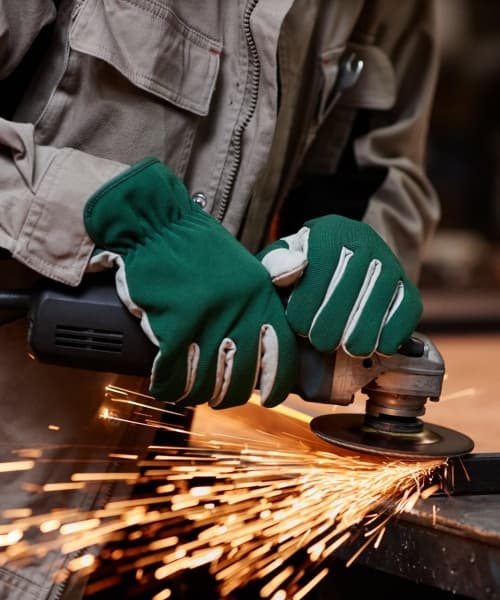
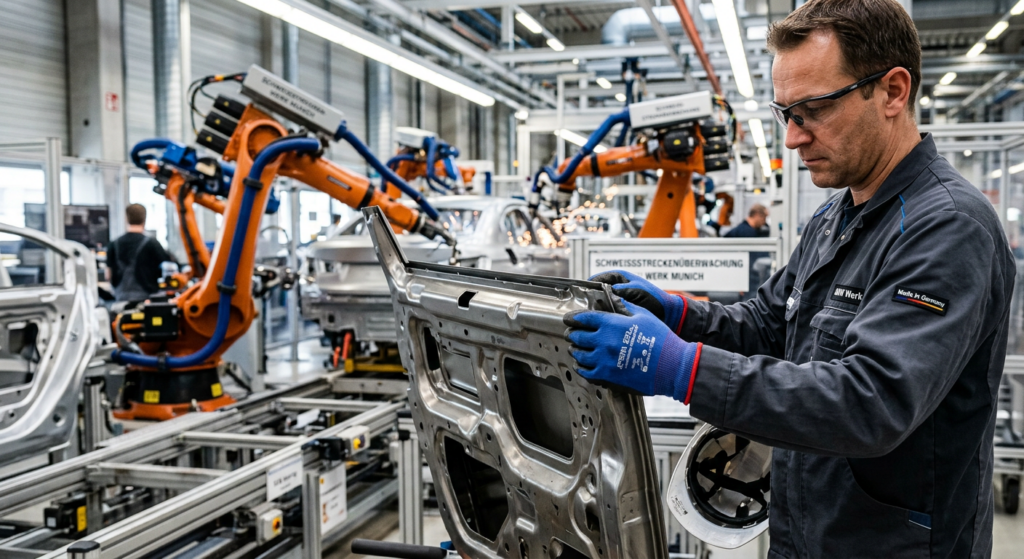
Автомобильные защитные перчатки являются важнейшими СИЗ в обширной экосистеме производства автомобилей в Германии, защищая более 721 000 работников от порезов, истирания, воздействия масла и ударов на сборочных линиях, в штамповочных цехах и в залах технического обслуживания. Независимо от того, занимаетесь ли вы закупками для завода OEM в Баден-Вюртемберге или поставщика второго уровня в Нижней Саксонии, выбор правильной спецификации перчаток и надежного партнера по поставкам напрямую влияет на соблюдение требований безопасности на рабочем месте, производительность и общую стоимость владения. В этом руководстве представлены наиболее востребованные конфигурации защитных автомобильных перчаток для немецкого рынка, ключевые отрасли промышленности, стимулирующие спрос, и список поставщиков, включая прямые заводские источники, предлагающие индивидуальные решения по конкурентоспособным ценам.
Ищете экспертное руководство по автомобильным защитным перчаткам с учетом условий работы в Германии? Свяжитесь с нашей командой в Snell Safety для консультации по выбору продукции, разработки OEM/ODM или получения конкурентоспособного предложения. Мы обслуживали множество клиентов-автомобилистов в Германии и точно знаем, какие спецификации лучше всего работают на местных производственных площадках.
Быстрый ответ
Для поиска автомобильных защитных перчаток в Германии обратите внимание на известных региональных дистрибьюторов СИЗ в таких промышленных центрах, как Бавария, Баден-Вюртемберг и Северный Рейн-Вестфалия, которые имеют готовые запасы и обеспечивают быструю техническую поддержку. Кроме того, оцените китайских производителей, специализирующихся на изготовлении автомобильных перчаток по индивидуальным заказам, с конкурентоспособными прямыми ценами, гибким MOQ и полной международной сертификацией (ISO 9001/CE). Сочетание доступности на местном рынке с изготовлением на заказ за рубежом обеспечивает гибкость и выгоду.
Обзор рынка
По прогнозам, рынок защитных перчаток в Германии вырастет с 1 068,97 млн долларов США в 2023 году до 2 100,86 млн долларов США к 2032 году с темпом роста 7,78%. Автомобильный сектор является основным двигателем спроса на этом рынке. К концу третьего квартала 2025 года в автомобильном секторе было занято около 721 400 человек, что составляло 13 % от общего числа занятых в промышленности. На долю автомобильного сектора уже давно приходится около одной пятой всей промышленной добавленной стоимости страны., что делает его краеугольным камнем для масштабных закупок СИЗ.
Географически рынок демонстрирует значительное проникновение в основных промышленных центрах, таких как Северный Рейн-Вестфалия, Баден-Вюртемберг и Бавария, поддерживаемых их мощными производственными и автомобильными отраслями. В соответствии с Постановлением ЕС 2016/425 и директивами DGUV (Немецкое социальное страхование от несчастных случаев) работодатели должны обеспечить работников сертифицированными по стандарту EN 388 средствами защиты рук, соответствующими оцененным опасностям. Травмы рук составляют до 30% от общего числа случаев, лечащихся в отделениях неотложной помощи, В связи с повторяющимися задачами на сборочных линиях автомобильных заводов выбор соответствующих перчаток становится одним из важнейших приоритетов в области соблюдения норм и безопасности. Сильно развитые автомобильная и химическая отрасли Германии стимулируют спрос на специализированные перчатки, обладающие целым рядом защитных свойств.
Какие типы защитных автомобильных перчаток необходимы в Германии
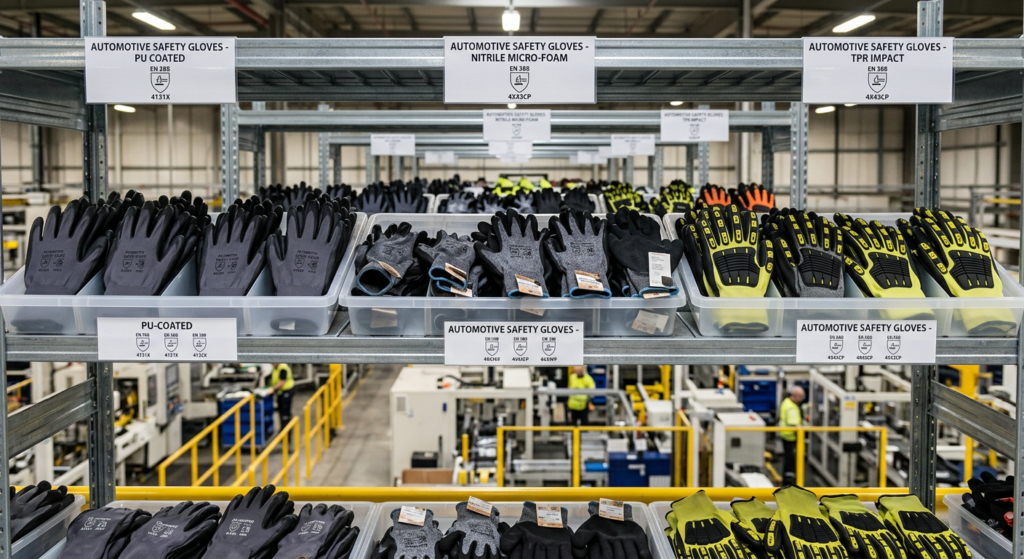
Наиболее востребованными в Германии являются легкие защитные автомобильные перчатки с покрытием - в основном 13G, 15G и 18G с трикотажной подкладкой и полиуретановым, нитриловым или нитриловым микропенопластовым покрытием ладони, - обеспечивающие точную механическую защиту от порезов, истирания и контакта с маслом при сохранении тактильной чувствительности, необходимой для сборки, проверки качества и работы с компонентами.
Основываясь на нашем опыте обслуживания клиентов из Германии, мы в Безопасность Snell выявили отличительные особенности спецификаций, обусловленные развитым автомобильным производством в этой стране. Немецкие автозаводы отдают предпочтение перчаткам, обеспечивающим баланс между ловкостью рук и защитой: рабочим на сборочных линиях требуется чувствительность почти голой руки для затяжки с регулируемым моментом, установки клипс и прокладки жгутов проводов, а операторам штамповочных и прессовых цехов требуется повышенная стойкость к порезам и ударам. Повсеместное воздействие масел и охлаждающих жидкостей - от обрабатывающих центров до сборки двигателей - требует, чтобы покрытия сохраняли сцепление и не разрушались под воздействием минеральных масел, смазочно-охлаждающих жидкостей и обезжиривателей. Умеренно-холодный климат Германии также означает, что для работы в закрытых заводских помещениях часто требуются перчатки, сохраняющие гибкость при температуре 10-15°C в зимние месяцы.
Следующие конфигурации представляют собой самые большие объемы автомобильных защитных перчаток, которые мы производим для немецких клиентов:
- Подкладка из нейлона/спандекса 18G, полиуретановое покрытие кончиков пальцев (EN 388: 4131X) - Ультратонкая перчатка для прецизионной сборки для окончательной отделки, установки электрических разъемов и проверки качества. Обеспечивают максимальную ловкость рук и совместимость с сенсорными экранами. Размеры S-XXL.
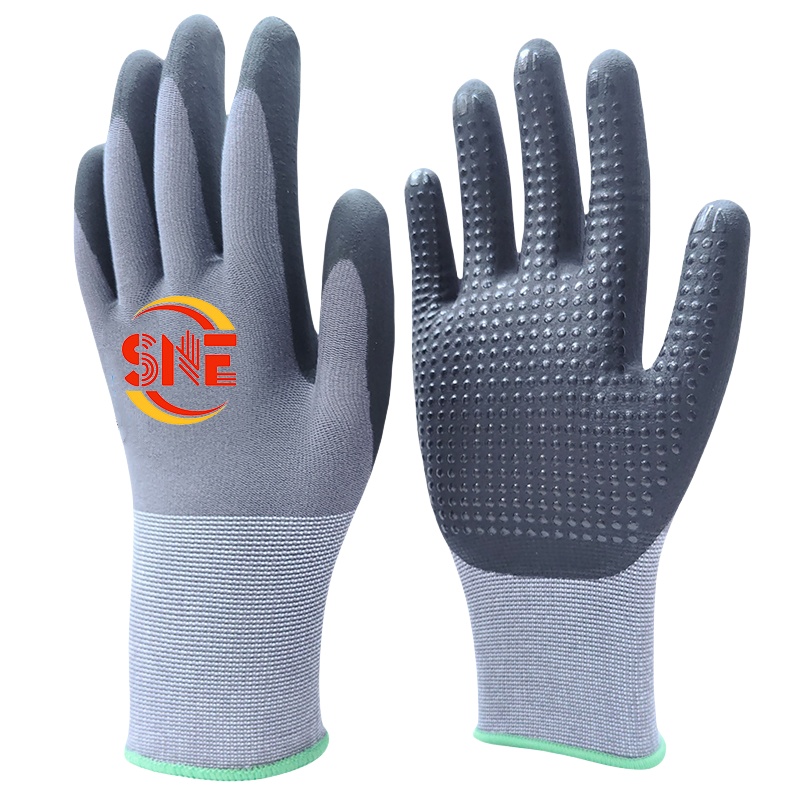
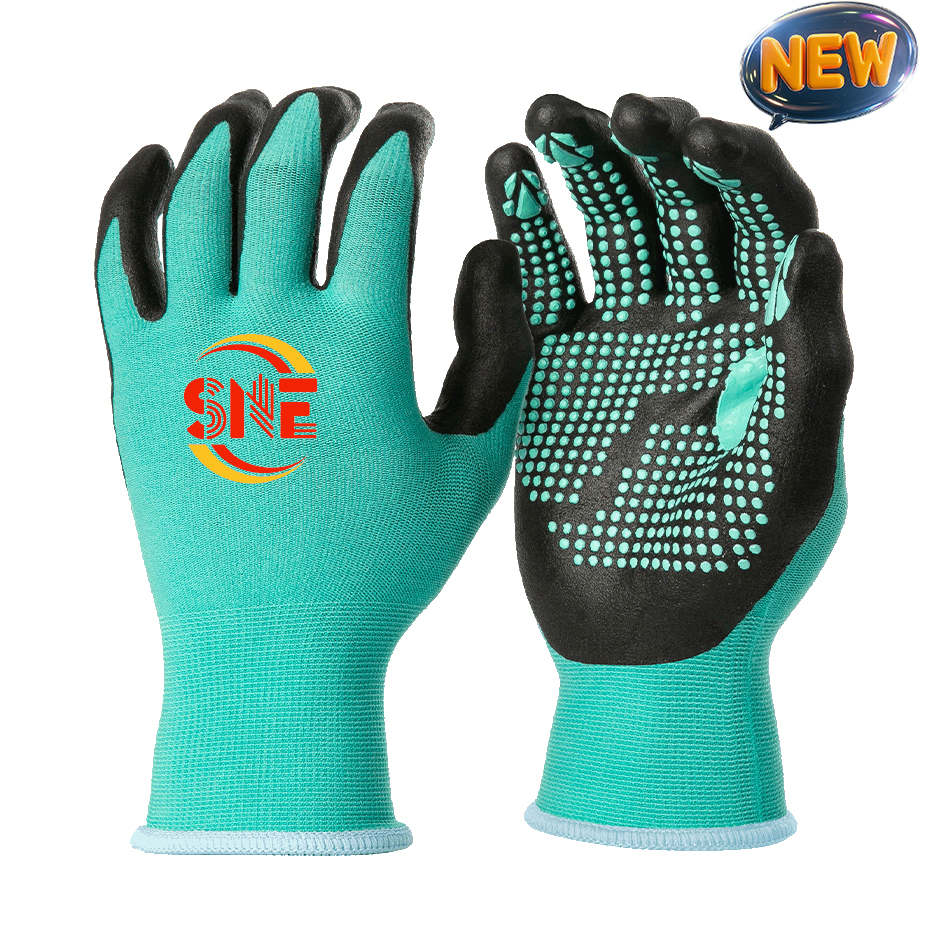
- Подкладка из нейлона/спандекса 15G, покрытие ладони из нитрила с микропеной (EN 388: 4121X) - Универсальные автомобильные перчатки общего назначения с отличным захватом масла для работы с деталями, сборки и комплектации. Дышащая структура из микропены снижает усталость рук во время 8-часовых смен.
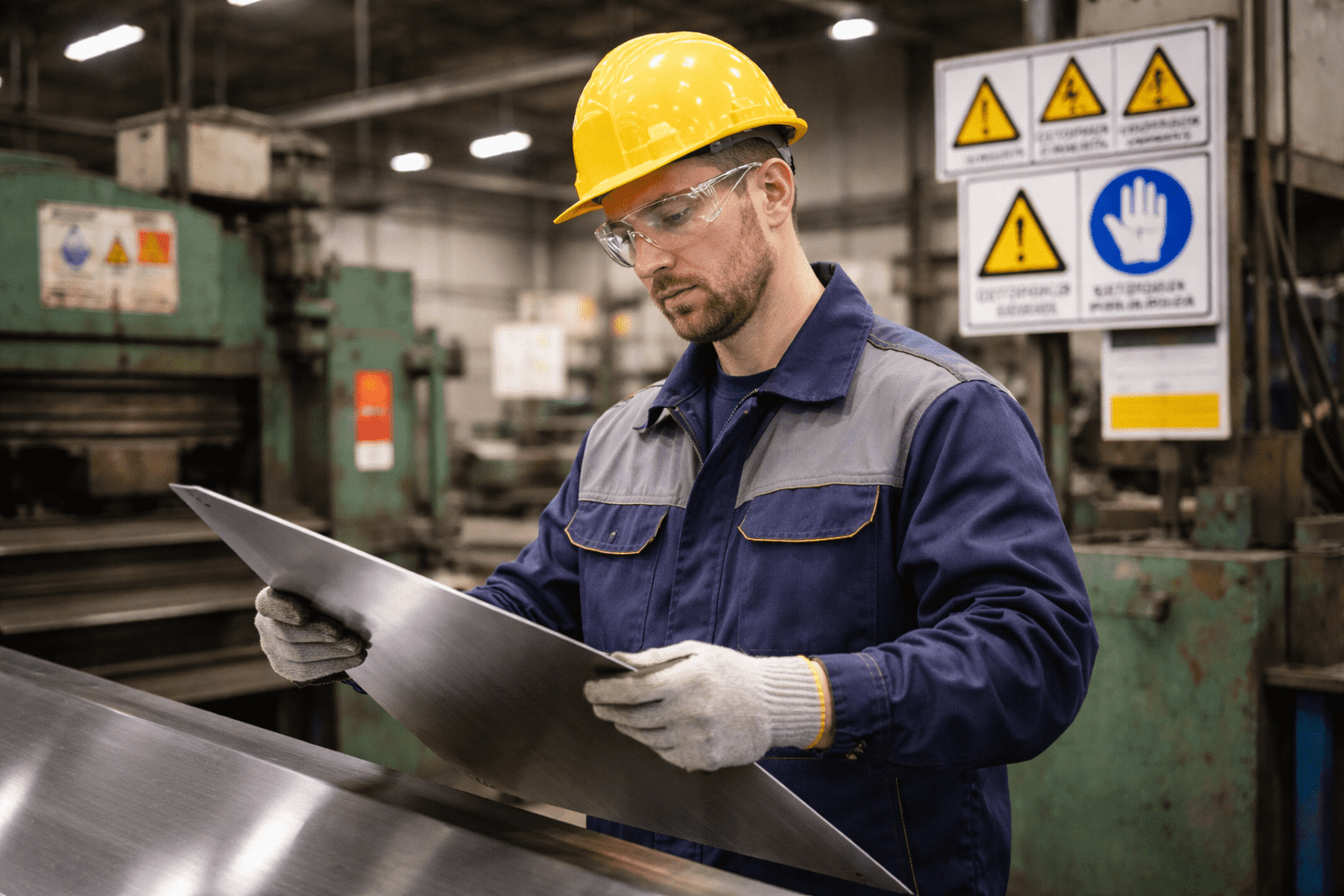
- Подкладка из 13G HPPE/стекловолокна, полиуретановое покрытие ладони (EN 388: 4X42C) - Перчатки среднего уровня с защитой от порезов для штамповки, работы с листовым металлом и кузовных работ. Полиуретановое покрытие обеспечивает точность сухого захвата без ущерба для защиты от порезов.
- 13G HPPE/Kevlar Liner, Sandy Nitrile Palm Coating, TPR Back of-Hand (EN 388: 4X43DP) - Ударопрочные автомобильные защитные перчатки с высокой степенью защиты от порезов предназначены для работы в прессовых цехах, тяжелой штамповки и технического обслуживания, связанной с острыми металлическими краями и опасностью раздавливания.
- Подкладка из нейлона/полиэстера 13G, покрытие из вспененного нитрила 3/4 (EN 388: 4121X) - Маслостойкие перчатки общего назначения для сборки двигателей, работы с трансмиссией и логистики на заводе. Расширенное покрытие 3/4 защищает костяшки от случайного контакта с маслянистыми компонентами.
Почему рекомендуется использовать именно эти типы автомобильных перчаток
Эти характеристики рекомендованы, поскольку они точно соответствуют профилю опасностей, встречающихся в условиях немецкого автомобильного производства - от сборки с точным соблюдением допусков, требующей износостойкости EN 388 уровня 4 и высокой ловкости рук, до штамповки и прессовых работ, требующих уровня C-D и защиты от ударов (рейтинг “P”).
Техническое обоснование сводится к оптимизации соотношения ловкости и защиты, которое немецкие менеджеры по охране труда ставят во главу угла. Для автомобильной промышленности рекомендуется сочетать сопротивление разрыву (уровень 4) с защитой от ударов (“P”). Перчатки с полиуретановым покрытием 18G достигают уровня истирания EN 388 Level 4 (8 000+ циклов по Мартиндейлу) при ультратонком профиле, что позволяет рабочим беспрепятственно работать с болтами M6 и электрическими разъемами. Нитриловые микропенные покрытия на подкладках 15G создают пористую поверхность, отводящую масло и охлаждающую жидкость от зоны захвата, что очень важно на немецких автомобильных линиях, где постоянно используется минеральное масло, водорастворимые охлаждающие жидкости и смазки для штамповки. Для прессовых цехов и кузовов с белой поверхностью смеси HPPE/стекловолокна с песчаным нитриловым покрытием обеспечивают стойкость к порезам уровня C (10-15 Н по ISO 13997), а спинные щитки из TPR имеют обозначение “P”, защищая от защемления между штампами и приспособлениями.
С точки зрения экономической эффективности, подбор нужной спецификации к нужной станции позволяет одновременно сократить расходы на потребление и травмы:
- Устойчивость к истиранию: Уровень 4 (8 000+ циклов) для всех производственных зон; сокращение частоты замены на 40-60% по сравнению с перчатками уровня 2
- Устойчивость к порезам (ISO 13997): Уровень B (5-10 Н) для сборки; Уровень C-D (10-22,2 Н) для штамповки и листового металла
- Характеристики сцепления с маслом: Нитриловая пена и микропенные покрытия поддерживают коэффициент сцепления выше 0,5 на маслянистых поверхностях
- Рейтинг ловкости (EN 420): Уровень 5 (наивысший) достижим при использовании полиуретана 18G; Уровень 4 при использовании микропены 15G
| Технические характеристики | Манометр / вкладыш | Тип покрытия | Рейтинг EN 388 | Лучшее автомобильное приложение | Диапазон цен (€/пара) |
|---|---|---|---|---|---|
| Автомобильные защитные перчатки - Точная сборка | 18G нейлон/спандекс | PU Кончики пальцев | 4131X | Окончательная отделка, электрика, контроль качества | €0.60-€1.20 |
| Автомобильные защитные перчатки - общее обращение | 15G нейлон/спандекс | Нитриловая ладонь с микропеной | 4121X | Сборка, комплектация, обработка деталей | €0.80-€1.60 |
| Устойчивый к порезам листовой металл | 13G HPPE/стекловолокно | PU Ладонь | 4X42C | Корпус в белом, штамповка на выходе | €1.80-€3.20 |
| Сверхмощный удар + резка | 13G HPPE/кевлар | Песчаное нитриловое покрытие + TPR | 4X43DP | Прессовый цех, обслуживание штампов | €3.50–€6.00 |
| Маслостойкость Общая | 13G нейлон/полиэстер | Нитрильная пена 3/4 | 4121X | Сборка двигателей, силовых агрегатов, логистика | €0.90-€1.80 |
Используйте эту таблицу, чтобы соотнести оценку опасности на каждом участке вашего предприятия с оптимальной спецификацией автомобильных защитных перчаток перед отбором образцов.
Ключевые отрасли промышленности для автомобильных защитных перчаток в Германии
Автомобильные защитные перчатки служат не только OEM-производителям автомобилей, но и обширной экосистеме поставщиков, предприятий вторичного рынка и смежных отраслей, которые ежедневно работают с металлическими компонентами, маслянистыми деталями и точными узлами.
- Сборка автомобилей OEM (легковые и коммерческие автомобили): В 2025 году в Германии будет произведено около 4,15 миллиона легковых автомобилей. Сборочным заводам ежегодно требуются миллионы пар перчаток с полиуретановым и нитриловым покрытием, ориентированных на ловкость рук и различающихся по участкам - от высокопрочных 18G для отделки салона до устойчивых к порезам 13G для сборки кузова.
- Поставщики автомобилей первого и второго уровней: Производителям компонентов, выпускающим трансмиссии, выхлопные системы, рулевые колонки и электронные модули, нужны перчатки, устойчивые к воздействию смазочных масел и металлических заусенцев. Песочные нитриловые и нитриловые вспененные покрытия являются стандартом для всех видов обработки и сборки.
- Производство батарей и силовых агрегатов для электромобилей: Переход Германии на электромобили создает новый спрос на перчатки для работы с аккумуляторными элементами, высоковольтной сборки и установки систем терморегулирования. Все чаще указываются безворсовые, ESD-безопасные перчатки с полиуретановым покрытием 15G-18G.
- Автомобильная логистика и складское хозяйство: В центрах распределения запчастей, на объектах последовательной обработки и в логистических центрах "точно в срок" требуются прочные перчатки общего назначения с уровнем износостойкости 4 для непрерывной работы с картонной упаковкой, металлическими контейнерами и пластиковыми контейнерами.
- Техническое обслуживание, ремонт и послепродажное обслуживание автомобилей: 590 автомобилей на 1000 жителей Германии обеспечивают огромный сектор технического обслуживания и ремонта. Механикам нужны маслостойкие перчатки с нитриловым покрытием и хорошим захватом для работы с гаечными ключами, замены жидкостей и деталей.
- Изготовление металлических изделий для автомобильной промышленности: Штамповочные заводы, литейные цеха и цеха механической обработки с ЧПУ, обслуживающие цепочку поставок автомобилей, требуют перчаток для работы со свежеобработанными или штампованными деталями с уровнем защиты от порезов C-E, обладающих масло- и термостойкостью.
Рынок промышленных защитных перчаток в Германии, как ожидается, будет демонстрировать значительный и многообещающий рост в период с 2025 по 2034 год, что обусловлено ростом промышленной деятельности, ужесточением правил безопасности и повышенным вниманием к стандартам безопасности на рабочем месте. Ориентация Германии на технологические инновации способствует внедрению передовых перчаток с улучшенной защитой от порезов, химических веществ и ударов. Переход на электромобили, реструктурируя рабочую силу, создает совершенно новые требования к СИЗ, особенно при сборке аккумуляторных модулей, где защита от электростатического разряда и химическая стойкость к воздействию электролита усложняют спецификацию. Оценки рабочих мест DGUV остаются обязательными, обеспечивая стабильные объемы закупок независимо от колебаний производственного цикла.
Конкретные сценарии применения
Сценарий 1: Линия окончательной сборки на баварском заводе комплектующих
Бригада из 120 рабочих на линии окончательной сборки легковых автомобилей устанавливает панели внутренней отделки, жгуты проводов, панели приборов и дверные уплотнители. В течение 7,5-часовой смены рабочие выполняют многократную установку клипс, сопряжение разъемов и крепление с контролируемым моментом с помощью электроинструментов. К основным опасностям относятся ссадины от обработки грубых краев ABS-пластика, мелкие порезы от металлических выступов скоб и усталость опорно-двигательного аппарата от постоянного захвата. Рекомендуемая спецификация - подкладка из нейлона/спандекса 18G с полиуретановым покрытием кончиков пальцев (EN 388: 4131X). Ультратонкий трикотаж 18G обеспечивает ловкость 5-го уровня согласно EN 420, позволяя работникам чувствовать фиксаторы разъемов и обратную связь по крутящему моменту, сохраняя при этом стойкость к истиранию 4-го уровня. Совместимость с сенсорным экраном позволяет работать в перчатках с терминалами MES на линии. При цене 0,60-1,20 евро за пару и типичном расходе 2-3 пары на рабочего в неделю это самый экономичный вариант перчаток с высокой ловкостью рук для окончательной сборки.
Сценарий 2: Цех штамповочных прессов в земле Северный Рейн-Вестфалия
В прессовом цехе с 45 рабочими работают линии прогрессивной штамповки, производящие кузовные панели, элементы конструкции и кронштейны шасси из высокопрочной стали. Рабочие загружают рулонные линии, снимают штампованные детали с комплектов штампов, снимают заусенцы с кромок и укладывают готовые детали на стеллажи. Опасности включают глубокие порезы от острых как бритва штампованных кромок, травмы от сминания при приближении штампа, абразивные повреждения при работе со сложенными в стопку стальными деталями и воздействие масла, выделяемого при штамповке. Рекомендуемая спецификация - 13G HPPE/Kevlar с песчаным нитриловым покрытием ладони и защитой тыльной стороны ладони от ударов TPR (EN 388: 4X43DP). Песочное нитриловое покрытие обеспечивает надежный захват штамповок, покрытых маслом, HPPE/кевлар обеспечивает стойкость к порезам уровня D, а спинная защита из TPR обеспечивает защиту от ударов класса “P” при защемлении и ударах, присущих работе на прессе.
Сценарий 3: Сборка аккумуляторных модулей в Саксонии
На новом предприятии по сборке аккумуляторных батарей для автомобилей EV работают 80 человек, которые обрабатывают литий-ионные элементы, собирают модули батарей, наносят материалы для термоинтерфейса и устанавливают высоковольтные шины. Рабочие манипулируют маленькими язычками ячеек, прикладывают точный крутящий момент к соединениям шин и работают с клеящими составами - и все это в чистом помещении с контролем ESD. Опасности включают порезы от острых корпусов ячеек, химический контакт с электролитом и риск электростатического разряда. Рекомендуемая спецификация - подкладка из нейлона/углеродного волокна 15G с полиуретановым покрытием ладони (EN 388: 4131X, с соблюдением требований ESD согласно EN 16350). Подкладка из углеродного волокна отводит статический заряд, полиуретановое покрытие обеспечивает чистую, безворсовую работу с чувствительными элементами, а калибр 15G сохраняет тонкий моторный контроль, необходимый для затяжки шин с моментом 4-8 Нм.
Тематические исследования
Пример 1: поставщик первого уровня, Баден-Вюртемберг
Производитель компонентов трансмиссии стандартизировал три спецификации автомобильных защитных перчаток для своих 350 рабочих, занятых на механической обработке и сборке: песчаные нитриловые для работы с ЧПУ на выходе, полиуретановые для сборки шестерен и нитриловые вспененные 3/4 для работы в масляной ванне. Индивидуальная упаковка с частной этикеткой и инструкциями на немецком языке упростила прохождение аудита DGUV. Объединенная программа позволила сократить годовые расходы на перчатки в расчете на одного работника на 18% при нулевом количестве травм рук с потерей трудоспособности за 14-месячный период.
Пример 2: Центр логистики OEM, Нижняя Саксония
Логистический центр автомобильной промышленности, работающий по принципу "точно в срок", ежегодно закупающий 120 000 пар перчаток, внедрил программу использования нитриловых микропенных перчаток 15G под заказ для своих сотрудников, состоящих из 200 человек, занимающихся подбором и комплектацией. Прямые заводские закупки с ежеквартальными контейнерными поставками и запланированный европейский склад для резервных запасов обеспечили бесперебойные поставки. Цветовая кодировка манжет (синяя - для стандартных деталей, оранжевая - для тяжелых компонентов) упростила распределение по участкам.
Топ-6 рекомендуемых местных поставщиков в Германии
| Название компании | Основные сильные стороны | Регионы обслуживания | Предпродажная поддержка | Послепродажная поддержка |
|---|---|---|---|---|
| BayernTech Arbeitsschutz GmbH | Автомобильные защитные перчатки, ориентированные на автомобильную промышленность, отношения с заводами-изготовителями комплектного оборудования | Бавария, Баден-Вюртемберг | Составление карт опасностей на объекте, консультации по спецификации EN 388 | Ежеквартальные проверки степени износа, управление запасами |
| RheinPro Schutzhandschuhe | Широкий ассортимент перчаток с покрытием для производства и логистики | Северный Рейн-Вестфалия, Гессен, Рейнланд-Пфальц | Двуязычные технические описания продуктов, пробные программы | Отслеживание партий, обработка гарантийных претензий |
| Решения для СИЗ NordGrip | Маслостойкие и ESD перчатки для прецизионных производств | Гамбург, Нижняя Саксония, Бремен | Поддержка ESD-тестирования, импортная документация | Экспресс-пополнение запасов, протоколы эскалации качества |
| SachsenGuard Industrieschutz | Экономичные защитные автомобильные перчатки для поставщиков малого и среднего бизнеса | Саксония, Тюрингия, Бранденбург | Помощь в проведении государственных тендеров, гибкие варианты MOQ | Политики замены, технические обзоры на местах |
| SüdSafe Handschutz AG | Устойчивые к порезам и ударам перчатки премиум-класса для тяжелой промышленности | Южная Германия, альпийские регионы | Инструменты для оценки опасности порезов, наборы образцов | Мониторинг эффективности, ежегодные обзоры контрактов |
| HansaLine Arbeitsschutz | СИЗ, оптимизированные для электронной коммерции, для онлайн-продавцов | Nationwide (в Гамбурге) | Содержание объявлений, фотографии продукции, пакеты сертификатов | Управление возвратом товаров потребителям, цифровые отчеты о качестве |
При выборе местных поставщиков всегда проверяйте, чтобы протоколы испытаний EN 388 были получены от сертифицированного в ЕС органа, и запрашивайте образцы для испытаний на износ как минимум двух размеров и соответствующих типов покрытия для ваших конкретных условий производства.
Почему Snell Safety является вашим глобальным партнером по производству автомобильных перчаток
Безопасность Snell приобрела глубокий опыт работы на немецком автомобильном рынке благодаря многолетнему сотрудничеству с заводами-изготовителями комплектного оборудования, поставщиками и дистрибьюторами СИЗ в Баварии, Баден-Вюртемберге, Северном Рейне и Саксонии. Мы точно знаем, какие уровни кроя, текстуры покрытия и толщину подкладки предпочитают немецкие работники автомобильной промышленности - от перчаток с полиуретановым покрытием 18G, которые предпочитают на баварских линиях окончательной сборки, до вариантов из нитрила с ударопрочным песком TPR, востребованных в штамповочных цехах NRW. Благодаря наличию постоянных местных партнеров и планируемым европейским зарубежным складским мощностям для поставок готовой продукции, мы обслуживаем как онлайн, так и офлайн каналы, поддерживая конечные производственные предприятия и партнеров-дистрибьюторов подлинно локализованным сервисом. Мы активно привлекаем новых партнеров (дистрибьюторов, агентов, владельцев брендов электронной коммерции) и предоставляем им всестороннюю предпродажную поддержку (рекомендации по выбору продукции, техническое обучение, анализ рынка), послепродажную поддержку (гарантия качества, политика замены), услуги дропшиппинга, бесплатные образцы и поддержку маркетинговых материалов.
Наши производственные мощности специально разработаны для автомобильных СИЗ, предъявляющих высокие требования к качеству и объему производства. Более десяти лет практического опыта, 6 специализированных производственных линий, производящих 150 000 пар в день, разнообразные технологии нанесения покрытий (полиуретан, вспененный нитрил, микропена, песчаный нитрил, латексный кринкл), передовые разработки в области устойчивости к порезам и ударам, а также сертификация ISO 9001 + CE, обеспечивающая вертикально интегрированный процесс от НИОКР до вязания, нанесения покрытия, сушки, проверки и экспортной упаковки - мы поставляем автомобильные защитные перчатки по прямым ценам и с быстрым выполнением заказа. Ознакомьтесь с нашим полным ассортиментом каталог продукции или свяжитесь с нашей командой для получения бесплатных образцов и конкурентоспособного предложения.
| Возможности | Предложение по безопасности Snell | Выгода для покупателей автомобилей |
|---|---|---|
| Суточная производительность | 150 000 пар на 6 линиях | Масштабирование для внедрения в масштабах предприятия и выполнения годовых контрактов |
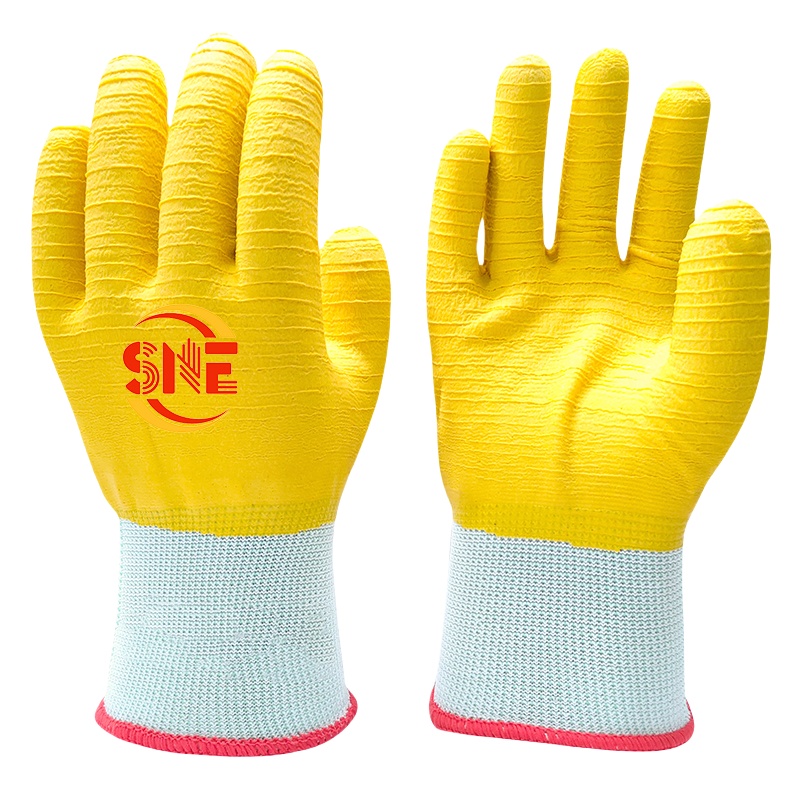
| Диапазон покрытий | Полиуретан, нитриловая пена, микропена, песчаный нитрил, латекс | Единый источник для всех типов перчаток для автомобильных станций |
| Сертификаты | ISO 9001, CE (EN 388:2016+A1:2018) | Беспрепятственное соблюдение требований ЕС по импорту |
| Настройка | Полный OEM/ODM, частная этикетка, манжеты с цветовой маркировкой | Дифференциация по конкретной станции для бережливого производства |
| Местная экспертиза | Знание рынка Германии, местные партнеры, планируемый склад в ЕС | Ускоренная доставка, индивидуальные рекомендации по продуктам |
Используйте эту таблицу, чтобы оценить, насколько вертикально интегрированные возможности компании Snell Safety соответствуют вашим требованиям к закупкам автомобильных перчаток.
FAQ
Какой рейтинг EN 388 лучше всего подходит для автомобильных защитных перчаток?
Для общей сборки автомобилей стандартным является минимальный EN 388 рейтинг 4121X (уровень 4 - истирание, уровень 2 - разрыв, уровень 1 - прокол). Для штамповки и работы с листовым металлом ищите перчатки 4X43C или выше с уровнем пореза C-D согласно ISO 13997. Для работы в прессовом цехе и при тяжелых работах по техническому обслуживанию рекомендуется использовать перчатки с ударным классом “P”.
Какое покрытие лучше всего подходит для маслянистых автомобильных сред?
Нитриловая пена и нитриловые микропенные покрытия обеспечивают наилучшее сцепление с деталями, покрытыми маслом, и обработанными деталями. Песчаный нитрил лучше всего подходит для работы в условиях сильного масляного покрытия, например, при штамповке и сборке двигателей. Полиуретановые покрытия лучше подходят для сухой прецизионной сборки, где ловкость рук важнее маслостойкости.
Какой калибр выбрать для перчаток для сборки автомобилей?
Используйте 18G для максимальной ловкости при окончательной сборке и проверке качества. Используйте 15G для сбалансированной ловкости и защиты при общих работах и сборке. Используйте 13G, когда требуется устойчивость к порезам, например, на станциях штамповки, обработки кузовов и листового металла.
Какие сертификаты требуются для импорта защитных перчаток в Германию?
Все защитные перчатки, продаваемые в Германии, должны иметь маркировку CE в соответствии с Постановлением ЕС 2016/425. Перчатки для механической защиты категории II требуют проведения экспертизы типа в ЕС нотифицированным органом, протоколов испытаний EN 388:2016+A1:2018, декларации о соответствии (в идеале на немецком языке) и документации о соответствии требованиям REACH/SVHC.
Как долго обычно служат защитные автомобильные перчатки?
Срок службы зависит от интенсивности работы. Легкие монтажные перчатки 18G с полиуретановым покрытием обычно служат 3-5 рабочих дней. Перчатки общего назначения 15G с нитриловым покрытием служат 1-2 недели. Устойчивые к порезам перчатки 13G HPPE для работы в условиях штамповки служат 2-4 недели. Немедленно заменяйте перчатки, если виден сквозной износ покрытия, истирание подкладки или расхождение швов.
Каков диапазон цен для оптовых заказов Автомобильные защитные перчатки?
При прямых оптовых заказах (MOQ обычно 5 000-20 000 пар) монтажные перчатки 18G с полиуретановым покрытием стоят €0,60-€1,20 за пару. Перчатки общего назначения из нитрила с микропеной стоят от €0,80 до €1,80. Песочные нитриловые перчатки с защитой от порезов стоят от €1,80 до €3,50. Ударопрочные перчатки из TPR стоят €3,50-€6,00.
Нужны ли автомобильным заводам перчатки с защитой от электростатического разряда?
Перчатки с защитой от электростатического разряда становятся все более необходимыми при сборке батарей для электромобилей, производстве электронных блоков управления и в местах работы с компонентами, оснащенными датчиками. Ищите перчатки, прошедшие испытания по стандарту EN 16350 с поверхностным сопротивлением менее 100 MΩ. Подкладки из смеси углеродного волокна с полиуретановым покрытием - наиболее распространенная конфигурация автомобильных перчаток, отвечающих требованиям ESD.
Как выбрать между полиуретановыми и нитриловыми покрытиями для использования в автомобилях?
Покрытия из полиуретана обеспечивают максимальную ловкость, воздухопроницаемость и сухой захват - идеальны для точной сборки, монтажа и контроля. Нитриловые покрытия (вспененные, микропенные, песчаные) обеспечивают превосходную маслостойкость и долговечность - незаменимы при механической обработке, сборке двигателей и работе с деталями, где присутствуют смазочные материалы. Многие автомобильные заводы стандартизируют оба вида покрытий и распределяют их по участкам.
Какой уровень резки нужен для работы в штамповочном и прессовом цехах?
Для работы в штамповочных и прессовых цехах с высокопрочной сталью рекомендуется уровень C-D (10-22,2 Н по ISO 13997) по стандарту EN 388 в сочетании с защитой от ударов класса “P”. Для работы с более легкими металлами при сборке кузова обычно достаточно уровня B-C (5-15 Н). Выбор всегда основывается на документально подтвержденной оценке рисков DGUV.
Можно ли изготовить на заказ защитные автомобильные перчатки с цветовой маркировкой станции?
Да. Профессиональные производители предлагают полный спектр услуг по OEM/ODM, включая печать логотипа, цветовое кодирование манжет (например, синий - для сборки, красный - для штамповки, желтый - для логистики), индивидуальную упаковку с инструкциями на немецком языке и совместную документацию CE. Типичные объемы поставок автомобильных защитных перчаток на заказ составляют от 3 000 до 10 000 пар по спецификации.
Независимо от того, являетесь ли вы OEM-производителем автомобилей, ищущим прямые поставки с завода для внедрения на всей территории предприятия, поставщиком уровня, стандартизирующим дистрибьютором на всех производственных участках, или дистрибьютор СИЗ, создающий линейку продукции, ориентированную на автомобильную промышленность, Безопасность Snell готов поддержать ваши требования. Предоставьте ваши спецификации или запросите коммерческое предложение сегодня - включая бесплатные образцы, разработку OEM/ODM и специализированные технические консультации для немецкого автомобильного рынка.
Содержание пересмотрено и обновлено: Март 2026