Melhores fornecedores de luvas de segurança para agricultura na Alemanha | Guia 2026
2026-04-27
Partilhar este artigo
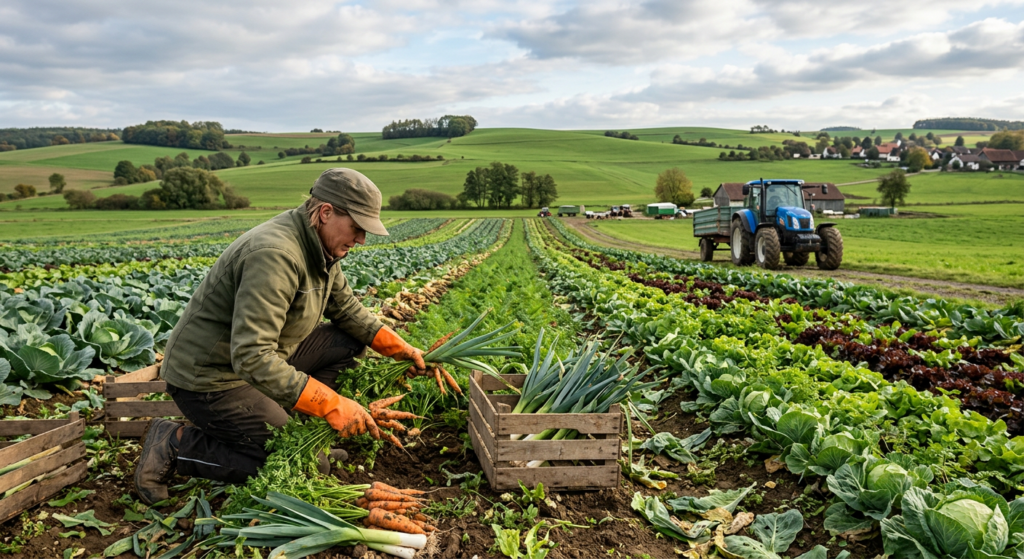
Desde a colheita de beterraba sacarina na Baixa Saxónia até à gestão de gado na Baviera, a agricultura continua a ser um dos sectores mais exigentes do ponto de vista físico - e propenso a riscos - da Alemanha. A seleção das luvas de segurança agrícolas adequadas pode reduzir drasticamente as taxas de lesões nas mãos, que representam até 28% de todas as lesões causadas por acidentes agrícolas. Quer seja uma cooperativa agrícola a adquirir EPI a granel, um distribuidor a criar uma carteira de segurança agrícola ou um vendedor de comércio eletrónico que vise o mercado alemão de Landwirtschaft, este guia fornece informações de fornecimento acionáveis baseadas na experiência de campo do mundo real. Se precisar de recomendações personalizadas para luvas de segurança agrícola adequadas às condições agrícolas alemãs, contactar a nossa equipa na Snell Safety - temos uma vasta experiência a servir clientes agrícolas em toda a Alemanha e podemos ajudá-lo a selecionar as melhores configurações de produtos para as necessidades locais.
Resposta rápida
Para luvas de segurança agrícolas na Alemanha, procure distribuidores regionais de EPI estabelecidos que servem centros agrícolas na Baviera, Baixa Saxónia e Renânia do Norte-Vestefália com produtos certificados pela EN 388 e armazenamento local. Para configurações personalizadas, etiquetagem privada e preços competitivos a granel, os fabricantes chineses especializados em produtos personalizados com preços competitivos e certificações internacionais completas (ISO 9001/CE) oferecem um valor excecional. A combinação da distribuição local com o fornecimento OEM no estrangeiro proporciona o melhor equilíbrio entre qualidade, custo e fiabilidade de fornecimento.
Panorama do mercado
O mercado de luvas de segurança da Alemanha está projetado para crescer de US $ 1.068,97 milhões em 2023 para US $ 2.100,86 milhões estimados em 2032, refletindo um CAGR de 7,78% de 2024 a 2032. A agricultura, embora represente uma parte menor da procura global de luvas em comparação com a indústria transformadora ou a construção, gera aquisições significativas e consistentes de EPI nas cerca de 255 000 empresas agrícolas da Alemanha que cultivam mais de 16,7 milhões de hectares de terras agrícolas. Os principais factores relacionados com o trabalho são as ocupações agrícolas e manuais e o stress físico A Alemanha é o país com maior número de acidentes de trabalho - de facto, a investigação mostra que as profissões agrícolas têm um rácio de probabilidade de 5,40 para acidentes de trabalho, o mais elevado de todos os tipos de profissões na Alemanha. O quadro sólido da Alemanha para os regulamentos de segurança no trabalho impulsiona significativamente a procura de luvas de segurança, com a adesão às diretivas da UE, como o Regulamento (UE) 2016/425, que obriga à utilização de luvas de segurança certificadas e de elevada qualidade em todos os sectores, incluindo a agricultura. O Sozialversicherung für Landwirtschaft, Forsten und Gartenbau (SVLFG), o organismo de segurança social agrícola da Alemanha, impõe a conformidade com os EPI nas explorações agrícolas, o que impulsiona uma procura constante de luvas de segurança agrícolas devidamente certificadas.
Que tipos de luvas de segurança para a agricultura são necessários na Alemanha
As luvas de segurança agrícola mais procuradas na Alemanha são as luvas de uso geral revestidas a látex e com forro de poliéster/algodão 10G-13G, as luvas resistentes a óleo revestidas a nitrilo para trabalho com máquinas, as luvas impermeáveis com revestimento duplo para operações em campos húmidos e os modelos HPPE resistentes a cortes para colheita mecanizada e manuseamento de ferramentas.
Com base na nossa experiência ao serviço de clientes na Alemanha, os trabalhadores agrícolas alemães necessitam de luvas que funcionem de forma fiável em condições altamente variáveis - desde manhãs frias e húmidas no campo durante a plantação em março até à colheita seca e abrasiva no calor do final do verão. O clima continental da Alemanha, com temperaturas médias de inverno de 0-5°C e máximas de verão de 25-30°C, significa que a adaptabilidade sazonal é essencial. Observámos que as operações agrícolas alemãs exigem cada vez mais luvas polivalentes que preencham a lacuna entre o trabalho geral no campo e a manutenção de máquinas, em vez de manter inventários separados para cada tarefa. A ênfase no conforto e na adaptação é acentuada: Os trabalhadores agrícolas alemães preferem fortemente luvas com boa respirabilidade e ajuste ergonómico, uma vez que os turnos prolongados de 10-12 horas durante a época das colheitas tornam a utilização durante todo o dia um fator decisivo.
As principais configurações de luvas de segurança agrícolas que fornecemos aos clientes agrícolas alemães incluem
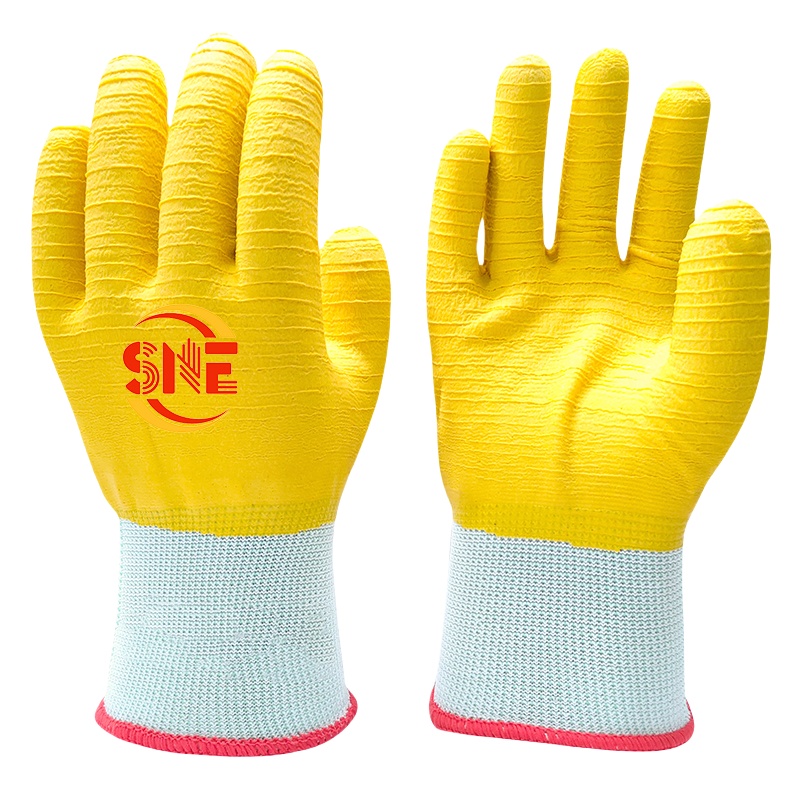
- Forro em poliéster/algodão 10G + revestimento da palma em látex rugoso (verde/laranja) - EN 388 nível de corte A1, nível de abrasão 3. O cavalo de batalha polivalente para plantação, monda, manuseamento de materiais e tarefas gerais no campo em que a aderência e a respirabilidade são fundamentais.
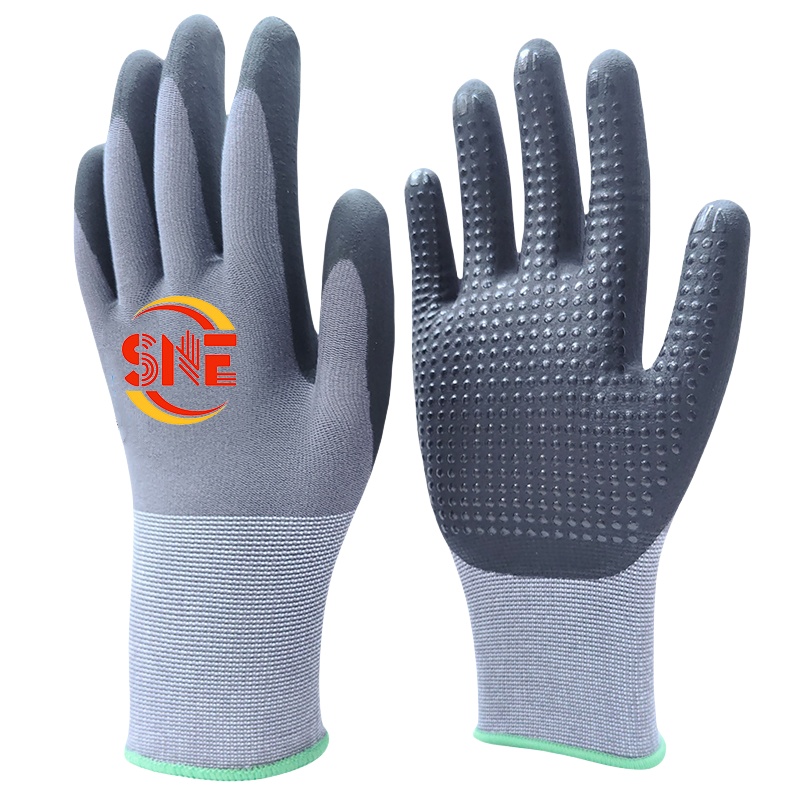
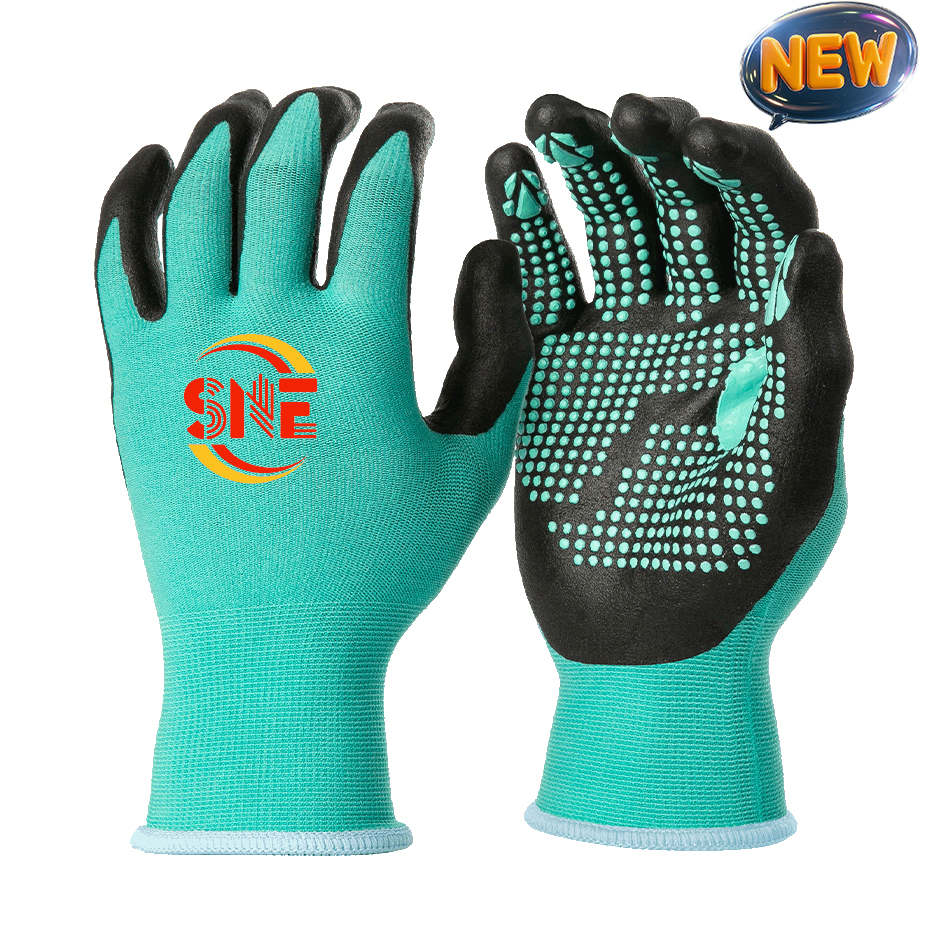
- Forro de nylon 13G + revestimento de nitrilo arenoso 3/4 - EN 388 nível de corte A2, nível de abrasão 4, resistente ao óleo. Ideal para a manutenção de tractores, reparação de máquinas e manuseamento de combustível, lubrificantes e fluidos hidráulicos na exploração agrícola.
- Forro de nylon/poliéster 13G + revestimento completo de espuma de nitrilo com membrana impermeável - EN 388 nível de corte A2, impermeável. Essencial para o trabalho de campo na estação húmida, para as operações de irrigação e para a colheita de raízes de legumes em tempo frio na Baixa Saxónia e em Mecklenburg-Vorpommern.
- Forro em HPPE/fibra de vidro 13G + revestimento da palma em microespuma de nitrilo - EN 388 nível de corte C-D, nível de abrasão 4. Essencial para operar máquinas de corte, manusear vedações de arame, podar e processar colheitas com arestas vivas.
- Forro em jersey de algodão 7G + revestimento total em látex - Nível de corte A1 da norma EN 388, aderência para trabalhos pesados. Concebida para o manuseamento de materiais grosseiros, gestão de fardos de feno e operações pecuárias em que a máxima aderência e resistência à perfuração superam a destreza.
- Forro em nylon/spandex 15G + revestimento das pontas dos dedos em PU (compatível com o ecrã tátil) - EN 388 nível de corte A1, nível de destreza 5. Utilizada para operações de precisão em estufas, manuseamento de plântulas e operação de terminais digitais de gestão agrícola e equipamento guiado por GPS.
Porque é que estas luvas de segurança para a agricultura são recomendadas
Estas especificações são recomendadas porque abordam as três categorias de perigo dominantes na agricultura alemã: abrasão mecânica e perfuração de materiais e ferramentas ásperos, exposição química de pesticidas e fluidos de máquinas e humidade ambiental que degrada a aderência e causa maceração da pele. Todos os modelos recomendados são testados e classificados de acordo com a norma EN 388:2016+A1:2018, a norma europeia obrigatória para luvas de proteção contra riscos mecânicos.
A justificação técnica centra-se na correspondência com o perfil de risco agrícola específico da Alemanha. Estudos indicam que as lesões nas mãos representam aproximadamente 28% de todas as lesões causadas por acidentes agrícolas, sendo as lacerações, perfurações e lesões por esmagamento as mais prevalecentes. Os revestimentos de látex enrugado superam consistentemente os acabamentos lisos em superfícies molhadas ou lamacentas - uma vantagem crítica para as condições dos campos alemães, onde o orvalho matinal e a chuva frequente tornam essencial a retenção da aderência. Os revestimentos de nitrilo arenoso, por sua vez, proporcionam uma rejeição de óleo superior durante a manutenção do trator e da ceifeira-debulhadora sem sacrificar o feedback tátil necessário para ajustes de precisão. Principais comparações de desempenho:
- Látex 10G enrugado (forro de poliéster): Nível de abrasão 3 (mais de 2 000 ciclos), aderência superior em pavimento molhado, dorso da mão respirável - rentável a 0,30 € - 0,60 €/par para utilização no terreno em grandes volumes
- Revestimento de nitrilo arenoso 13G 3/4: Nível de abrasão 4 (8.000+ ciclos), rejeição de óleo/combustível, destreza moderada - ideal para tarefas mistas no terreno e na oficina a 0,50 € - 1,00 €/par
- Espuma de nitrilo 13G com revestimento total + à prova de água: Impermeável de acordo com a norma EN 388, nível de penetração 1, a membrana respirável evita a acumulação de suor - essencial para turnos de 4-6 horas em campos húmidos, a 1,20 € - 2,00 €/par
- Palma de microespuma de nitrilo HPPE 13G: EN 388 nível de corte C-D (5,0-14,9 N TDM), nível de perfuração 3 - protege contra arame, lâminas e material vegetal cortante a 1,50-€3,00/par
| Especificação | Classificação EN 388 | Nível de corte | Punho húmido | Melhor aplicação agrícola |
|---|---|---|---|---|
| Poliéster 10G + Látex enrugado | 2142A | A1 | Excelente | Trabalhos gerais no campo, plantação, agricultura Luvas de segurança para a colheita |
| Nylon 13G + Nitrilo arenoso 3/4 | 4121B | A2 | Bom (óleo) | Manutenção do trator, manuseamento do combustível |
| Nylon 13G + espuma de nitrilo completa + WP | 4121A | A2 | Excelente | Colheita na estação húmida, irrigação |
| HPPE 13G + palma de microespuma de nitrilo | 4X42C | C | Bom | Ferramentas de arame, de poda e de corte |
| Algodão Jersey 7G + Látex Completo | 2142A | A1 | Excelente | Fardos de feno, gado, Agricultura Luvas de segurança para manuseamento em bruto |
Utilize esta tabela para fazer corresponder o perfil de perigo primário da sua exploração agrícola à luva certa - comece por saber se o ambiente é seco, oleoso ou húmido e, em seguida, selecione o nível de corte necessário para as suas tarefas específicas.
Principais sectores de atividade das luvas de segurança para a agricultura na Alemanha
As luvas de segurança para a agricultura servem um ecossistema diversificado de indústrias e subsectores na economia agrícola da Alemanha. Existem mais de 276.000 explorações agrícolas na Alemanha, com uma dimensão média de cerca de 61 hectares. Os restantes 1,2% trabalhavam na agricultura, silvicultura e pesca, onde o número de pessoas empregadas diminuiu em 3.000 em comparação com o ano anterior. Isto equivale a um declínio de 0,5% para 562.000. Apesar desta consolidação, as restantes explorações agrícolas são maiores, mais mecanizadas e consomem mais EPI por operação do que nunca.
As principais indústrias que exigem luvas de segurança para a agricultura na Alemanha incluem
- Culturas agrícolas e agricultura arvense - O maior subsector agrícola da Alemanha, abrangendo o cultivo de cereais, colza, batata e beterraba sacarina na Baixa Saxónia, Mecklenburg-Vorpommern e Saxónia-Anhalt. Os trabalhadores necessitam de luvas de látex ou nitrílicas para a plantação, monda e manuseamento da colheita, sendo os modelos impermeáveis essenciais durante a época de colheita da batata e da beterraba no outono.
- Pecuária e lacticínios - A Baviera e Schleswig-Holstein acolhem as maiores explorações leiteiras da Alemanha. Os tratadores de animais necessitam de luvas resistentes a perfurações (EN 388, nível de perfuração 3+) para aparar cascos, reparar vedações e manusear alimentos, bem como modelos resistentes a produtos químicos para a higienização da sala de ordenha.
- Viticultura e horticultura - As regiões da Renânia, Mosel e Baden apoiam a indústria vinícola da Alemanha e extensas operações de estufas de frutas/vegetais. Os trabalhadores precisam de luvas finas e hábeis de PU 13G-15G ou revestidas a nitrilo para tarefas delicadas de poda, enxertia e colheita que exijam precisão tátil.
- Silvicultura e gestão de terras - Com 30% da Alemanha cobertos por floresta, a operação com motosserras, o manuseamento de madeira e a plantação de reflorestação exigem luvas HPPE resistentes a cortes (EN 388 nível D-E) com caraterísticas anti-vibração e proteção contra impactos nas costas das mãos em TPR.
- Manutenção de máquinas agrícolas - A revolução da agricultura de precisão na Alemanha significa equipamento cada vez mais sofisticado. Os mecânicos que fazem a manutenção de tractores guiados por GPS, ceifeiras-debulhadoras e sistemas de irrigação automatizados precisam de luvas de nitrilo arenoso resistente ao óleo ou de espuma de nitrilo que permitam o controlo fino do motor, protegendo simultaneamente contra lubrificantes e arestas metálicas afiadas.
- Agricultura biológica e agricultura sustentável - A Alemanha tem como objetivo nacional que, até 2030, pelo menos 30% de terras agrícolas sejam cultivadas segundo o modo de produção biológico. As operações biológicas dependem mais da monda manual e da colheita manual, aumentando o consumo de luvas por trabalhador e impulsionando a procura de luvas de segurança agrícolas biodegradáveis ou produzidas de forma sustentável.
- Transformação de alimentos e manuseamento pós-colheita - As operações de seleção, classificação e embalagem em cooperativas agrícolas e fábricas de transformação requerem luvas de nitrilo seguras para contacto com alimentos que cumpram as normas de proteção mecânica EN 388 e os regulamentos da UE relativos ao contacto com alimentos.
O mercado alemão de EPIs agrícolas beneficia de fortes factores institucionais de aquisição. O SVLFG exige avaliações de risco (Gefährdungsbeurteilung) em todas as operações agrícolas e impõe o cumprimento dos EPI através de inspecções nas explorações agrícolas. O crescente enfoque na agricultura sustentável, incluindo a estratégia "Do prado ao prato" da UE, aumenta os requisitos de trabalho manual nas explorações agrícolas biológicas - expandindo diretamente o mercado endereçável para luvas de segurança agrícola de alta qualidade.
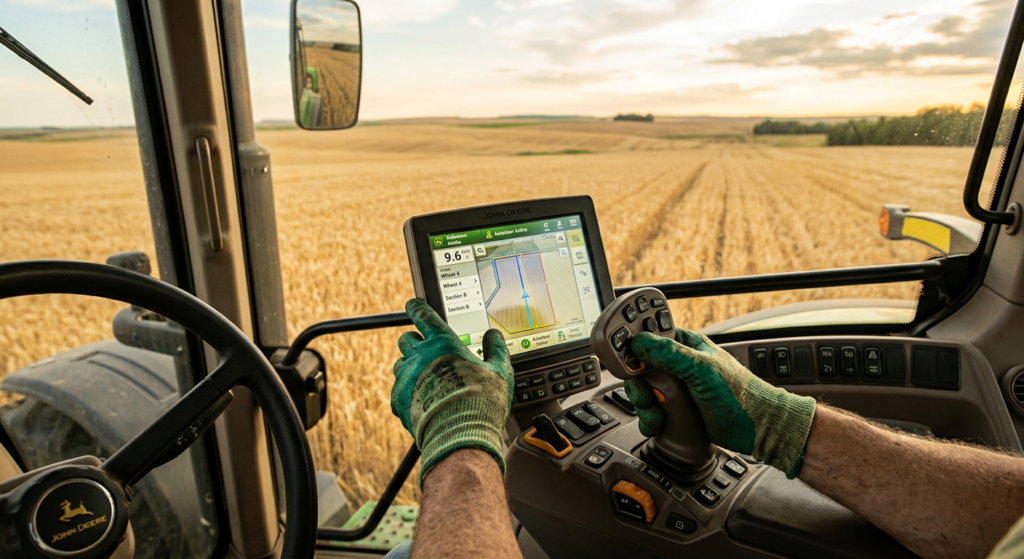
Cenários de aplicação específicos para luvas de segurança para a agricultura
Cenário 1: Colheita de batata no outono na Baixa Saxónia
Numa exploração de batata com 200 hectares, perto de Hanôver, 15 trabalhadores sazonais seguem uma máquina de colheita mecânica de batata através de campos lamacentos, separando manualmente as batatas no tapete de classificação da máquina e recolhendo os tubérculos caídos do solo molhado. A temperatura ronda os 8°C com chuva intermitente. Os principais perigos incluem o contacto prolongado com o solo húmido, que provoca a maceração da pele, a abrasão provocada pelas correias transportadoras em movimento e a tensão por movimentos repetitivos provocada por turnos de seleção de 10 horas. As luvas de segurança agrícolas recomendadas são de nylon 13G com revestimento completo de espuma de nitrilo e membrana impermeável - EN 388 nível de corte A2 com resistência à penetração à prova de água. A membrana impermeável bloqueia a infiltração de humidade, enquanto a espuma de nitrilo proporciona uma aderência segura em tubérculos molhados e lamacentos e o forro de 13G sem costuras minimiza a fadiga das mãos durante turnos prolongados.
Cenário 2: Poda da vinha na Renânia-Palatinado
Numa vinha de Riesling de 25 hectares ao longo do rio Mosel, uma equipa de quatro trabalhadores efectua a poda de inverno em janeiro. Utilizando tesouras de podar e pequenas serras de podar, removem as canas mortas e moldam as copas das videiras a um ritmo de 200-300 videiras por trabalhador e por dia. Os perigos incluem o risco de lacerações profundas provocadas por ferramentas de corte afiadas, perfurações por espinhos das videiras e entorpecimento por exposição ao frio que reduz o controlo da aderência e o tempo de reação. As luvas de segurança ideais para a agricultura são HPPE/fibra de vidro 13G com revestimento da palma em microespuma de nitrilo - EN 388 nível de corte D com nível de perfuração 3. O forro em HPPE proporciona proteção contra cortes de lâminas sem sacrificar a destreza dos dedos necessária para operar tesouras de podar com precisão, enquanto o revestimento de microespuma mantém a aderência em superfícies de madeira molhadas em condições de frio.
Cenário 3: Manutenção do equipamento dos estábulos leiteiros na Baviera
Um mecânico agrícola de uma exploração leiteira com 150 vacas, perto de Rosenheim, efectua a manutenção semanal da sala de ordenha rotativa automatizada - substituindo os revestimentos de borracha gastos, ajustando os acessórios dos tubos de aço inoxidável e lubrificando os mecanismos de acionamento. O ambiente de trabalho envolve o contacto constante com produtos químicos de limpeza de lacticínios (soluções CIP alcalinas com pH 12+), massa lubrificante hidráulica e componentes de aço inoxidável com arestas vivas num ambiente húmido e escorregadio. As luvas de segurança recomendadas para a agricultura são nylon 13G com revestimento de nitrilo arenoso 3/4 e punho de segurança alargado - EN 388 nível de corte A2 com nível de abrasão 4 e rejeição de óleo/químicos. A textura de nitrilo arenoso proporciona uma aderência fiável em peças metálicas lubrificadas, enquanto a cobertura de 3/4 de revestimento protege as pontas dos dedos e o dorso da mão sem restringir a mobilidade do pulso.
Estudos de caso
Uma grande cooperativa agrícola que gere 4.500 hectares de cultivo de cereais e beterraba sacarina em três locais na Saxónia-Anhalt necessitava de 60.000 pares de luvas de segurança agrícolas por ano em três especificações - campo geral, colheita húmida e manutenção de maquinaria. Desenvolvemos um programa coordenado de três SKU com modelos de látex enrugado, espuma de nitrilo impermeável e nitrilo arenoso 3/4 revestido, todos na cor verde da marca da cooperativa com rotulagem EN 388 em alemão. O calendário de entregas trimestrais foi alinhado com os ciclos de plantação e colheita, reduzindo os custos de inventário na exploração em 25%.
Um distribuidor especializado em EPI para viticultura que serve vinhas biológicas em Baden-Württemberg consolidou o fornecimento a um único parceiro OEM. Concebemos uma luva personalizada de microespuma de nitrilo HPPE 13G com reforço reforçado na zona entrepernas do polegar e uma ponta do dedo indicador compatível com o ecrã tátil para operar aplicações de gestão de vinhas. O custo por unidade diminuiu 30% em comparação com o anterior produto de origem europeia do distribuidor, enquanto os testes de campo confirmaram uma resistência ao corte comparável e melhoraram significativamente as classificações de destreza dos trabalhadores das vinhas.
Os 6 principais fornecedores locais recomendados de luvas de segurança para agricultura na Alemanha
| Nome da empresa | Principais pontos fortes | Regiões de serviço | Apoio à pré-venda | Apoio pós-venda |
|---|---|---|---|---|
| AgraSchutz Handschuhe GmbH | Especialista em EPIs específicos para a agricultura, profundo conhecimento do sector agrícola | Baixa Saxónia, Schleswig-Holstein, Mecklenburg-Vorpommern | Avaliação dos riscos na exploração agrícola, planeamento sazonal | Gestores de contas agrícolas dedicados, rastreabilidade dos lotes |
| BayernFeld Arbeitsschutz AG | Pecuária e produtos lácteos: foco nos EPI, forte rede de explorações agrícolas na Baviera | Baviera, Baden-Württemberg | Kits de ensaio de campo gratuitos, orientações de conformidade SVLFG | Política de substituição de 30 dias, revisões trimestrais |
| RheinGrün Schutzprodukte KG | EPI para viticultura e horticultura, gama de destreza superior | Renânia-Palatinado, Hessen, NRW | Seleção de luvas de segurança para a agricultura de acordo com a aplicação, flexibilidade MOQ | Linha direta técnica, integração do feedback dos testes de desgaste |
| NordAgrar Safety Solutions GmbH | Silvicultura e gestão de terras EPI, especialista em resistência ao corte | Baixa Saxónia, Brandeburgo, Saxónia | Preços sazonais a granel, documentação EN 388 | Processamento de pedidos de garantia, reabastecimento rápido |
| OstFarm Schutzhandschuhe e.K. | EPI de agricultura biológica, aprovisionamento sustentável de materiais | Saxónia-Anhalt, Turíngia, Brandeburgo | Disponibilidade de pequenos lotes, orientação para a certificação ecológica | Auditorias de qualidade, programas de formação de parceiros |
| LandProfi Direkt AG | Plataforma de comércio eletrónico de EPI agrícolas, entrega a nível nacional | Em todo o país | Configurador de luvas em linha, conversação em direto com agrónomos | Alertas automáticos de encomendas sazonais, preços de fidelização |
Ao avaliar os fornecedores, solicite os actuais relatórios de ensaio da norma EN 388:2016+A1:2018 a organismos notificados acreditados pela UE e insista em ensaios no terreno em condições de trabalho reais durante, pelo menos, um ciclo de turnos completo antes de se comprometer com a aquisição em grande escala.
Porquê escolher a Snell Safety como o seu Parceiro Global de Luvas de Segurança para Agricultura
Segurança Snell traz uma profunda experiência do mercado local para o sector de EPI agrícola da Alemanha. Através de uma colaboração extensiva com cooperativas agrícolas, operações de pecuária e distribuidores agrícolas em toda a Alemanha, compreendemos o que funciona no campo - desde as texturas enrugadas do látex que os trabalhadores agrícolas alemães preferem para operações em solos húmidos até aos níveis de corte precisos necessários para satisfazer os requisitos de inspeção SVLFG. Mantemos parceiros locais estabelecidos na Alemanha e estamos a desenvolver a capacidade de armazenamento no estrangeiro para fornecer luvas de segurança agrícolas em stock e prontas a enviar com prazos de entrega reduzidos alinhados com os ciclos de aquisição sazonais.
A nossa base de fabrico assegura uma qualidade consistente a preços competitivos diretos da fábrica: mais de uma década de experiência de produção prática, seis linhas de produção dedicadas com uma capacidade diária de 150.000 pares, certificação ISO 9001 e CE e um processo verticalmente integrado que abrange I&D, tricotagem, revestimento por imersão, cura, inspeção de qualidade e logística de exportação. Oferecemos personalização total OEM/ODM - marca própria, cores de concha personalizadas, fórmulas de revestimento especializadas e rotulagem EN 388 em alemão - em toda a nossa gama de tecnologias de revestimento, incluindo crinkle de látex, espuma de nitrilo, microespuma de nitrilo e nitrilo arenoso. Navegue pela nossa gama completa catálogo de produtos para explorar configurações disponíveis.
Estamos a recrutar ativamente parceiros de distribuição, agentes e revendedores de comércio eletrónico em todo o mercado alemão de EPIs agrícolas. Os parceiros recebem uma capacitação abrangente na pré-venda - orientação na seleção de produtos, formação técnica e informações sobre o mercado - além de um sólido apoio pós-venda, incluindo garantia de qualidade e políticas de substituição. Para os proprietários de marcas online, oferecemos serviços de dropshipping, amostras gratuitas de produtos e apoio profissional de material de marketing. Quer seja uma empresa agrícola que procura fornecimento direto da fábrica ou um distribuidor que está a construir uma carteira de EPIs agrícolas especializados, contactar a nossa equipa para explorar oportunidades de parceria.
| Critérios de Avaliação | O que Verificar | Porque é que é importante para a agricultura |
|---|---|---|
| Certificação EN 388 | Relatório de ensaio válido do organismo notificado da UE | Obrigatório para o cumprimento da SVLFG nas explorações agrícolas alemãs |
| Desempenho de aderência em húmido | Tipo de revestimento e classificação da textura | Crítico para condições de campo na Alemanha com chuva frequente |
| Escalabilidade sazonal | Capacidade de produção e prazos de entrega | A procura de luvas de segurança para a agricultura atinge um pico acentuado durante a colheita |
| Durabilidade do Revestimento | Ciclos de resistência à abrasão | Os materiais agrícolas ásperos aceleram o desgaste |
| Compatibilidade química | Dados sobre a resistência dos pesticidas/agentes de limpeza | Protege contra a dermatite causada pela exposição a produtos agroquímicos |
Utilize esta lista de verificação para comparar fornecedores e garantir que as suas luvas de segurança agrícolas cumprem os requisitos regulamentares e práticos no terreno.
FAQ
Qual é a classificação EN 388 necessária para trabalhos agrícolas gerais na Alemanha?
Para trabalhos de campo gerais, incluindo plantação, monda e colheita, o nível de corte A1 da norma EN 388 com nível de abrasão 3 é adequado. Para a manutenção de máquinas e o manuseamento de materiais afiados, como vedações de arame, atualizar para o nível de corte C-D. Para trabalhos florestais adjacentes a motosserras, recomenda-se o nível D-E. Faça sempre corresponder a classificação aos perigos identificados no Gefährdungsbeurteilung da sua exploração agrícola.
Qual é o melhor revestimento para ambientes agrícolas húmidos?
Os revestimentos de espuma de nitrilo e de látex enrugado proporcionam a melhor aderência em superfícies molhadas e lamacentas. Para uma proteção totalmente impermeável durante uma exposição prolongada à chuva, escolha espuma de nitrilo com uma membrana impermeável integrada. Evite os revestimentos de nitrilo liso e de PU em condições de humidade - perdem significativamente a aderência quando as superfícies estão cobertas de água, lama ou resíduos de plantas.
Que certificações são necessárias para importar luvas de proteção agrícola para a Alemanha?
Todas as luvas de segurança devem cumprir o Regulamento UE 2016/425 e ostentar a marcação CE. Exigem testes de acordo com a norma EN 388:2016+A1:2018 por um organismo notificado acreditado pela UE, uma declaração de conformidade da UE e documentação técnica completa. Os fabricantes não pertencentes à UE devem designar um representante autorizado na UE. Os EPI de categoria II e III requerem certificados de exame de tipo da UE válidos por um período máximo de cinco anos.
Quanto tempo duram normalmente as luvas de segurança agrícolas numa exploração agrícola alemã?
O tempo de vida varia consoante a intensidade da tarefa. As luvas de látex rugosas de uso geral duram 1-2 semanas durante a época de colheita com utilização diária. As luvas de nitrilo arenoso para manutenção de máquinas duram 2-4 semanas. Os modelos HPPE resistentes a cortes duram 3-6 semanas em tarefas de poda e vedação. Os modelos à prova de água duram normalmente 2-3 semanas antes de a integridade da membrana se degradar. Orçamentar 50-100 pares por trabalhador e por ano.
Qual é o intervalo de preços para encomendas de luvas de segurança agrícolas a granel?
Os preços dependem da especificação. As luvas básicas de látex 10G com franzido variam entre 0,25 e 0,60 euros por par, com um número de encomenda de mais de 10 000. Os modelos 13G revestidos a nitrilo variam entre 0,50 e 1,50 euros. As luvas de espuma de nitrilo impermeável custam entre 1,20 e 2,50 euros. Os modelos HPPE resistentes a cortes variam entre 1,50 e 3,50 euros. O aprovisionamento OEM direto da fábrica reduz normalmente os custos em 20-35% em comparação com os canais grossistas europeus.
Como escolher o calibre correto para aplicações de luvas agrícolas?
Para trabalhos pesados, como fardos de feno e gado, escolha 7G ou 10G para obter a máxima espessura e proteção. Para tarefas agrícolas gerais que equilibram proteção e conforto, a 13G é a opção mais versátil. Para trabalhos de precisão em estufas, manuseamento de sementes e operação de equipamento digital, a 15G ou 18G proporciona a máxima destreza. Um calibre mais elevado significa uma malha mais fina e uma melhor sensibilidade dos dedos.
As luvas de segurança para a agricultura são compatíveis com o manuseamento de pesticidas?
As luvas normais de proteção mecânica (apenas EN 388) não são suficientes para a aplicação de pesticidas. Para o manuseamento direto de pesticidas, são necessárias luvas resistentes a produtos químicos, testadas de acordo com a norma EN 374, com dados de permeação específicos para os produtos químicos utilizados. No entanto, as luvas de segurança agrícola com classificação EN 388 e revestimento de nitrilo proporcionam uma proteção adequada contra salpicos para o contacto acidental durante a reentrada no campo após a aplicação.
Qual é a diferença entre os revestimentos de espuma de látex enrugada e de nitrilo?
Os revestimentos de látex rugoso apresentam um padrão de textura rugosa que canaliza a água para longe da superfície da pega, proporcionando uma excelente aderência em húmido a baixo custo - ideal para trabalho de campo geral. A espuma de nitrilo tem uma estrutura porosa, semelhante a uma esponja, que proporciona uma boa aderência a seco e a óleos leves, com uma resistência superior aos produtos químicos. O látex é mais elástico e confortável; o nitrilo é mais durável e adequado para ambientes oleosos.
Que gama de tamanhos devo armazenar para os trabalhadores agrícolas alemães?
Os tamanhos M (8) a XXL (11) estão em stock para cobrir a maioria da mão de obra agrícola alemã. Os tamanhos L (9) e XL (10) correspondem normalmente a 60-70% da procura. Para as operações que empregam trabalhadores do sexo feminino, assegurar um stock adequado nos tamanhos S (7) e M (8). Solicite sempre amostras de tamanhos antes de efetuar encomendas em volume para verificar se os tamanhos do fabricante estão em conformidade com as normas europeias de medição das mãos.
Posso obter luvas de segurança agrícola de marca própria com a minha marca?
Sim. A maioria dos fabricantes OEM oferece luvas de segurança agrícola de marca própria com impressão de logótipo personalizado, embalagem de marca e personalização de cores. Os MOQs típicos começam em 5.000-10.000 pares por SKU para modelos de marca personalizada. Os produtos de catálogo padrão sem personalização podem ter MOQs mais baixos de 1.000 a 3.000 pares. Certifique-se de que o seu fabricante fornece a rotulagem EN 388 em alemão e a documentação da Declaração de Conformidade da UE.
Está pronto para adquirir luvas de segurança agrícolas de elevado desempenho para o mercado alemão? Quer seja uma empresa agrícola que procura um fornecimento fiável direto da fábrica, uma cooperativa que consolida a aquisição de EPI ou um distribuidor que procura uma parceria com um fabricante OEM experiente, apresente os seus requisitos ou solicite uma cotação competitiva através de Página de contacto da Snell Safety. Visite snellsafety.com para explorar a nossa gama completa de soluções de luvas de segurança industrial para a agricultura e não só.
Conteúdo revisto e atualizado: março de 2026