Por que razão “maior resistência ao corte” nem sempre significa “melhor proteção»
2026-08-10
Partilhar este artigo
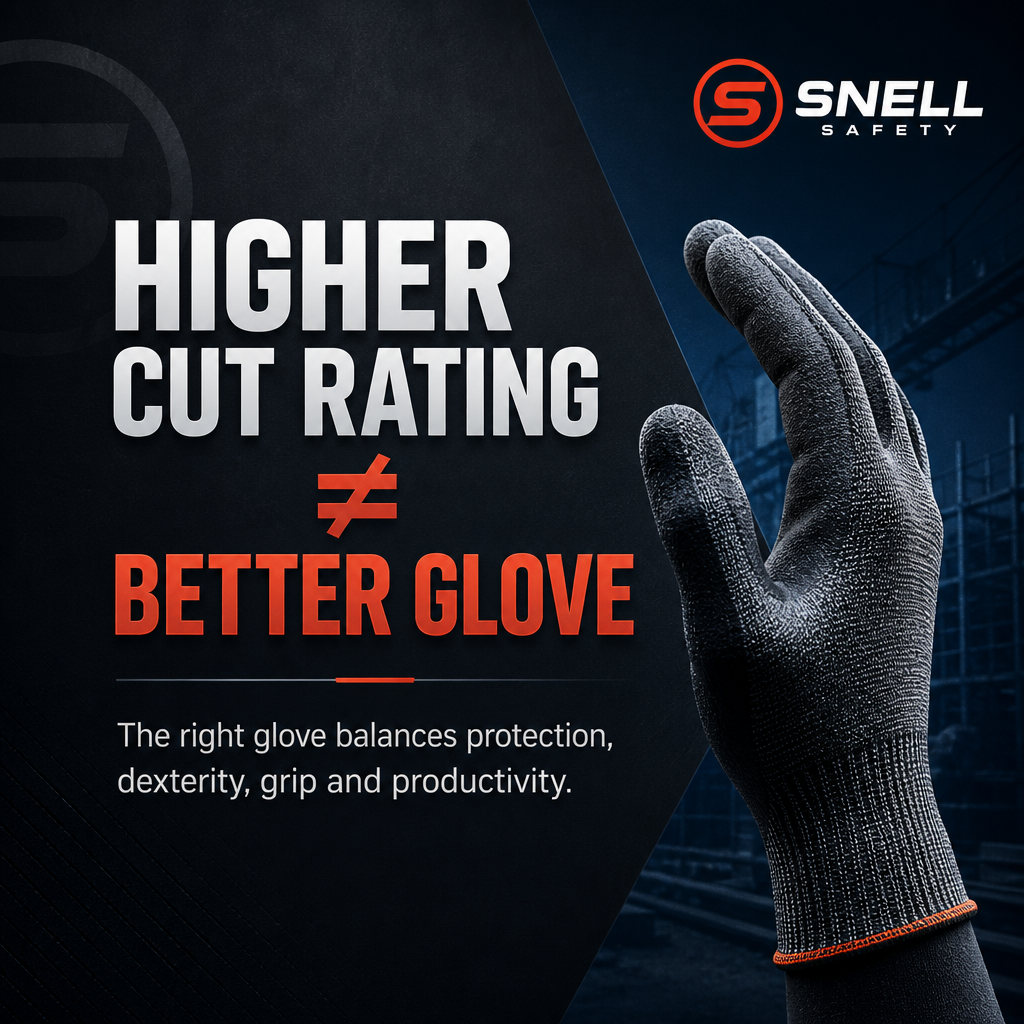
When selecting cut-resistant gloves, one of the most common mistakes we see is:
“Just give me the highest cut level.”
It sounds safe.
But in real industrial applications, it is not always the best solution.
A glove with higher cut resistance may require a different liner construction, yarn technology or coating structure — and that can affect:
Destreza
Tactile sensitivity
Pega
Fadiga das mãos
Worker acceptance
Productivity
So how should a buyer select the right glove?
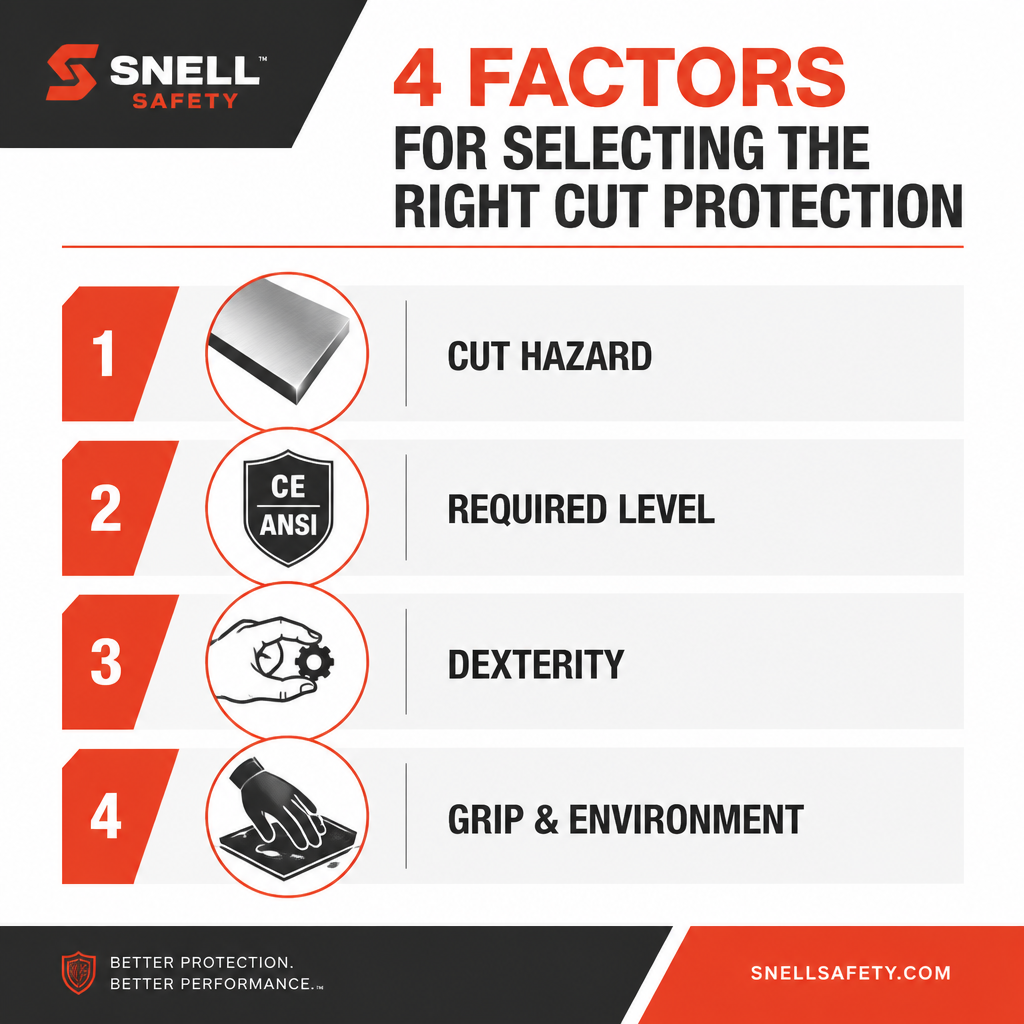
We normally recommend looking at 4 factors together:
1️⃣ Cut Hazard
What exactly is causing the risk?
- Sharp sheet metal
- Metal edges / burrs
- Glass
- Plastic components
- Blades
- Manuseamento geral
The hazard itself matters more than simply asking for “A5”.
2️⃣ Required Cut Level

For example:
EN ISO C / ANSI A3
may be sufficient for some general industrial applications.
While:
EN ISO D-E / ANSI A4-A5
may be more appropriate for higher-risk metal handling or stamping applications.
And for very high-risk applications, higher levels may be required.
But the rating should always be matched to the actual workplace risk assessment.
3️⃣ Dexterity
This is often underestimated.
For a worker handling small components all day, a very heavy glove may provide excellent protection — but if the worker cannot manipulate the parts efficiently, they may remove the glove or work around it.
That creates a different safety and productivity problem.
This is why we often see different constructions being used for different jobs:
13G → Protection / durability
15G → Protection + dexterity
18G → Dexterity + comfort
21G → Maximum tactile sensitivity
Gauge itself does not determine the cut rating. The yarn, liner construction and glove design do.
4️⃣ Grip & Working Environment
The coating also matters.
For example:
PU
→ precision handling / high tactile sensitivity
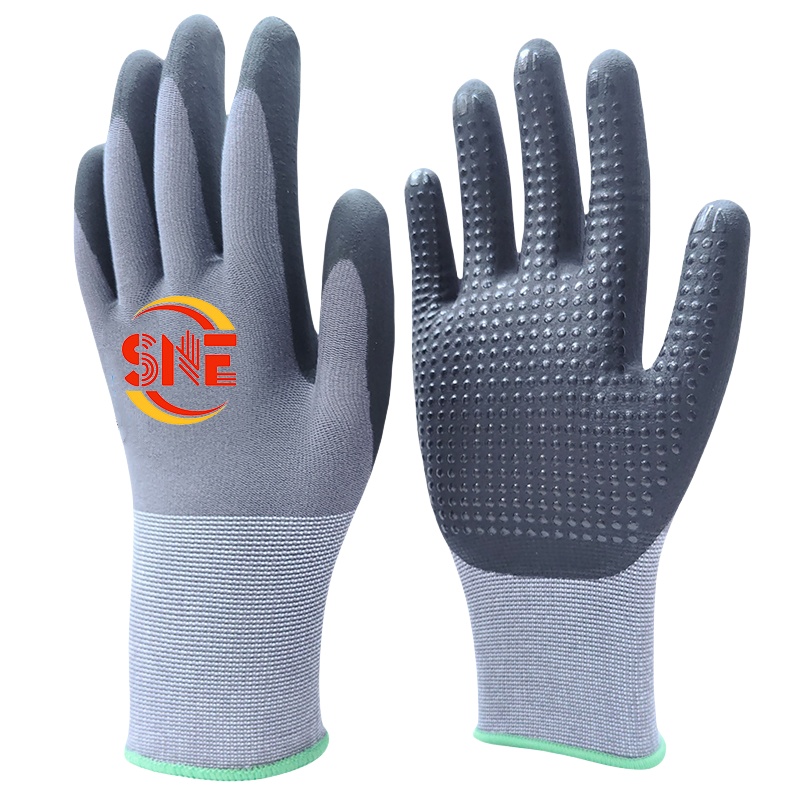
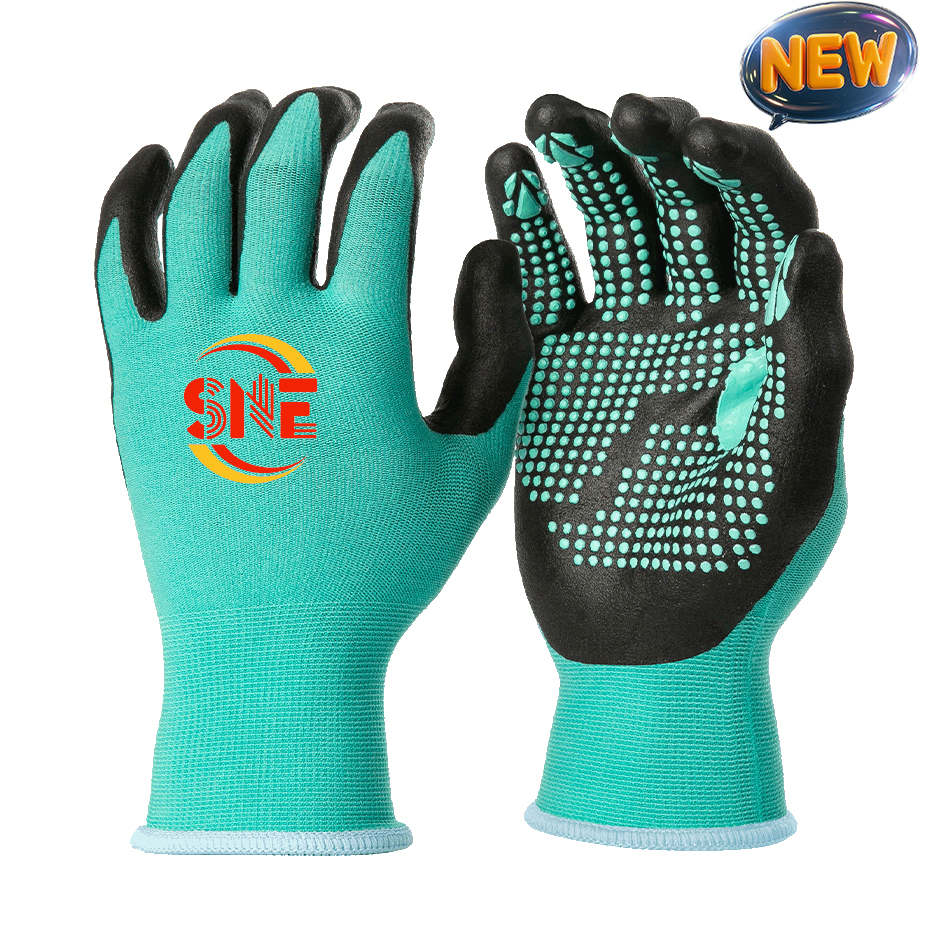
Micro-Foam Nitrile
→ comfort + breathability + general industrial grip
Nitrilo arenoso
→ stronger grip + abrasion resistance + oily environments
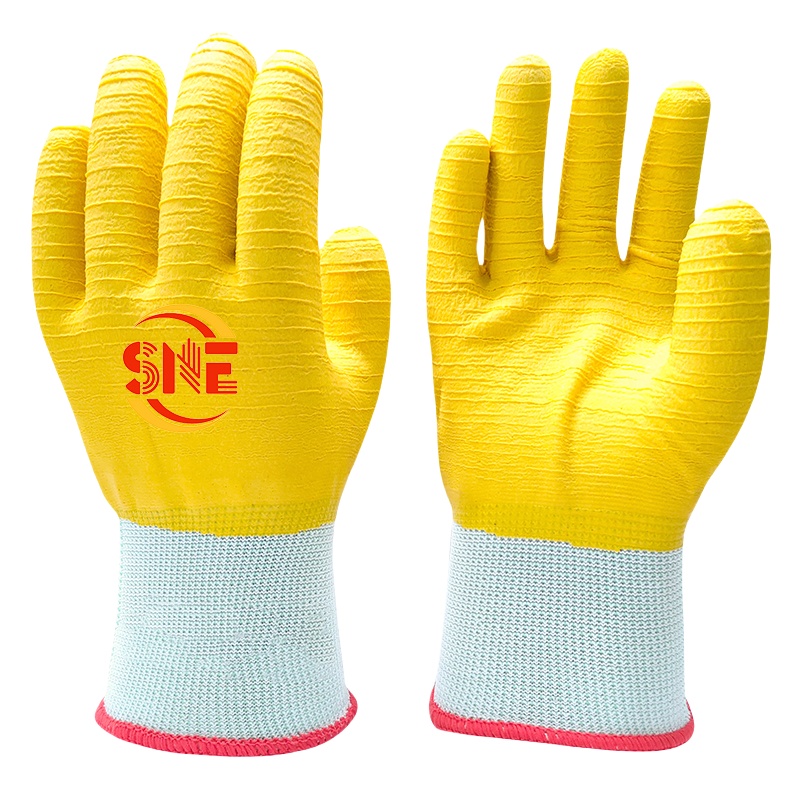
Látex enrugado
→ strong dry grip + heavy handling
So two gloves with similar cut resistance can perform very differently on the production floor.
A practical example
A metal component assembly line may require:
Cut protection + precision + frequent handling
Instead of automatically choosing a heavy A5 glove, a buyer may find that a properly selected 15G or 18G cut-resistant glove provides a better overall balance.
For heavy metal stamping, however:
Cut risk + sharp edges + abrasion + grip
may justify a more robust 13G/15G sandy nitrile construction.
The question is not:
“What is the highest-rated glove you can offer?”
The better question is:
“What is the lowest level of protection that safely controls the actual hazard while maintaining productivity?”
That is the approach we prefer when helping customers select hand protection.
Protection should be engineered around the job — not simply around the rating.
For PPE distributors and industrial buyers:
When evaluating a cut-resistant glove, don’t look at the cut level alone.
Ask for:
Cut level + test method + abrasion + puncture + coating + liner construction + actual application.
That’s where a product specification becomes a real hand protection solution.
HandProtection #CutResistantGloves #PPE #SafetyGloves #IndustrialSafety #PPEDistributor #WorkGloves #Manufacturing #Construction #OccupationalSafety