Best Nitrile Coated Gloves Suppliers in Germany | 2026 Guide
2026-03-29
Поделиться статьей
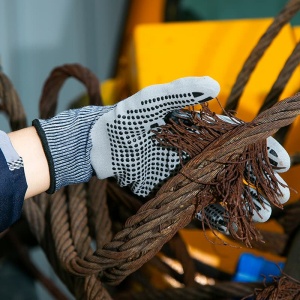
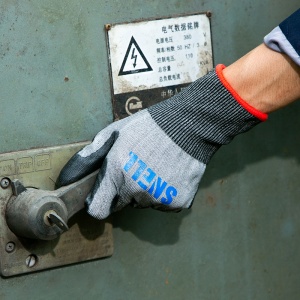
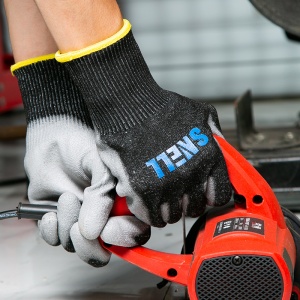
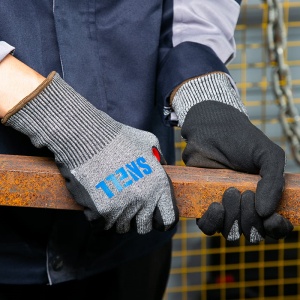
Germany’s industrial landscape demands hand protection that delivers chemical resistance, exceptional grip, and long-lasting durability across a wide range of work environments. Nitrile coated gloves have become the dominant choice for German manufacturing, automotive, construction, and logistics operations, combining superior oil resistance with high abrasion endurance — outperforming both PU and latex alternatives in demanding mechanical environments.
Whether you are a PPE distributor expanding your German portfolio, an HSE procurement manager at an automotive OEM, or a safety brand owner developing a private-label line, this guide walks you through the product types, technical specifications, key industries, and supplier options that matter most in 2026. If you need immediate guidance on selecting the right nitrile coated gloves for Germany, свяжитесь с нашей командой at Snell Safety — we have extensive experience serving German clients and can recommend configurations tailored to your specific workplace conditions and compliance requirements.
Быстрый ответ
For sourcing nitrile coated gloves in Germany, look to established local PPE distributors who carry broad EN 388-certified product ranges with nationwide logistics networks, as well as Chinese manufacturers who specialize in customized products with competitive factory-direct pricing and full international certifications (ISO 9001/CE). Pairing a local distributor for quick restocking with a factory-direct OEM partner for custom bulk orders often provides the ideal balance of speed, cost, and specification control.
Market Overview
The Germany Safety Gloves Market is projected to grow from USD 1,068.97 million in 2023 to an estimated USD 2,100.86 million by 2032, reflecting a compound annual growth rate (CAGR) of 7.78% from 2024 to 2032. Within this rapidly expanding landscape, nitrile gloves are expected to grow at the fastest CAGR of 8.3% over the forecast period, making them the highest-growth material segment in the German hand protection market. Nitrile gloves command the major market share of 29.8% in 2024 across the global industrial safety gloves category, and their position is even stronger in Germany’s technically demanding industries.
This growth is underpinned by Germany’s strict regulatory framework. Germany’s robust framework for occupational safety regulations significantly drives the demand for safety gloves. The country’s adherence to stringent EU directives, such as Regulation (EU) 2016/425 on personal protective equipment (PPE), mandates the use of high-quality safety gloves across industries. Hand injuries remain a pressing concern — hand injuries constitute up to 30% of the total cases treated in emergency departments, and research consistently shows that approximately 70% of workplace hand injuries could be prevented with proper glove selection. These factors make nitrile coated gloves an essential procurement priority for German employers across all industrial sectors.
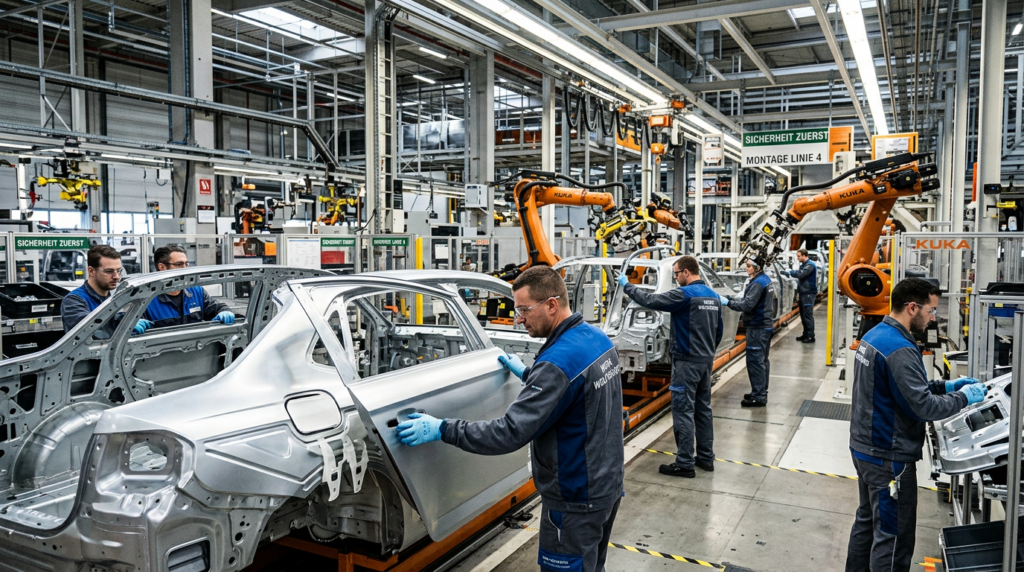
What Types of Nitrile Coated Gloves Are Needed in Germany
Based on our experience serving Germany clients across automotive manufacturing, metal fabrication, construction, logistics, and chemical handling, the German market shows a clear preference for nitrile coated gloves that combine high mechanical protection ratings under EN 388 with excellent tactile sensitivity and grip performance in oily or wet conditions. German buyers are exceptionally detail-oriented — they consistently specify exact coating variants (foam, micro-foam, sandy, or smooth), liner gauge (13G or 15G being the most requested), and EN 388 cut levels tailored to their specific application hazards.
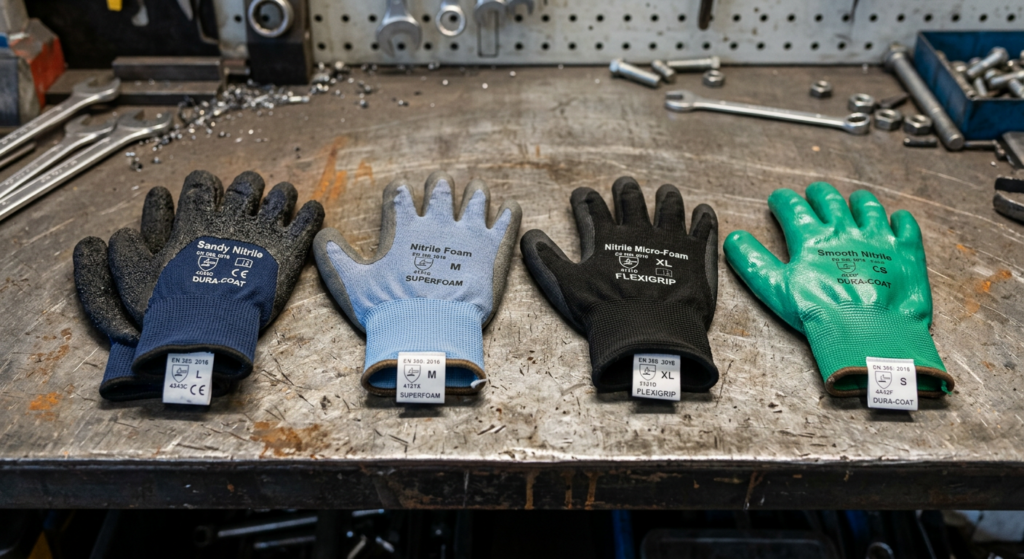
The demand splits across several well-defined nitrile coating technologies. Sandy nitrile dominates in automotive stamping and CNC machining environments where heavy oil contact is standard. Nitrile foam is the most versatile all-rounder for general industrial and maintenance tasks. Nitrile micro-foam excels in applications requiring both oil grip and maximum breathability during extended wear — a common request from German logistics and assembly operations where comfort standards are high. Full-dip nitrile coatings serve Germany’s chemical processing sector where liquid barrier protection is non-negotiable.
The following configurations represent the highest-volume nitrile coated gloves we supply to German buyers:
- 13G HPPE/Glass Fiber Liner + Sandy Nitrile Palm Coating (EN 388: 4X43E, Cut Level E) — The standard specification for German automotive stamping plants and metal fabrication shops. Sandy nitrile’s micro-particle texture delivers best-in-class grip on oiled parts, with 3,500+ abrasion cycles. Sizes M–XL.
- 15G Nylon/Spandex Liner + Nitrile Foam Palm Coating (EN 388: 4131X, Cut Level A) — Germany’s highest-volume general-purpose industrial glove. Lightweight, breathable, and offering reliable dry/light-oil grip for assembly, maintenance, and quality inspection. Touchscreen-compatible fingertip options available.
- 13G Nylon/HPPE Liner + Nitrile Micro-Foam 3/4 Coating (EN 388: 4X42C, Cut Level C) — The preferred mid-range cut-resistant option for construction, warehousing, and general industrial handling. Micro-foam technology provides superior breathability with oil resistance — ideal for Germany’s warmer summer months.
- 13G HPPE/Kevlar/Steel Wire Liner + Sandy Nitrile Palm + TPR Back-of-Hand (EN 388: 4X44FP, Cut Level F) — Premium multi-hazard nitrile coated gloves for oil and gas, heavy manufacturing, and mining operations. TPR impact protection guards knuckles and fingers against crush injuries.
- 13G Cotton/Polyester Liner + Smooth Nitrile Full Coating (EN 388: 4121X, Cut Level A) — Chemical and liquid barrier glove for handling solvents, oils, and cleaning agents. Full dip provides complete hand protection. Widely used in Germany’s chemical processing and maintenance sectors.
Why These Nitrile Coated Gloves Are Recommended
Each recommended specification addresses distinct hazard profiles as defined by EN 388:2016+A1:2018, the harmonized European standard that evaluates mechanical protection across four core metrics: abrasion resistance (0–4 scale), blade cut resistance (coup test, 0–5), tear resistance (0–4), and puncture resistance (0–4), followed by a TDM cut level (A–F) and optional impact protection indicator (“P”). The 2016 revision introduced the ISO 13997 straight-blade TDM test, which is particularly relevant for Germany’s automotive and metal fabrication environments where workers handle stamped steel, aluminum extrusions, and sharp composite materials that quickly dull the circular blade used in the older coup test.
The choice between nitrile coating variants significantly impacts both on-the-job performance and total cost of ownership. Sandy nitrile provides the highest grip force coefficient on heavily oiled metal parts — a decisive advantage in stamping plants and CNC machining shops where workers handle lubricant-coated components. Nitrile foam offers a balanced combination of dry/light-oil grip, breathability, and tactile sensitivity, making it the most versatile all-purpose option. Nitrile micro-foam adds enhanced oil absorption characteristics through its sponge-like surface structure, while maintaining better air permeability than sandy nitrile — a critical comfort factor for German workers performing extended shifts in indoor environments.
| Nitrile Coated Gloves Type | Coating Variant | EN 388 Rating | Best Application | Abrasion (Cycles) | Масляный захват | Cost/Pair (Bulk) |
|---|---|---|---|---|---|---|
| 13G HPPE/Sandy Nitrile | Sandy Nitrile Palm | 4X43E | Metal Handling / Automotive | 3,500+ | Превосходно | €1.20–€2.00 |
| 15G Nylon/Nitrile Foam | Nitrile Foam Palm | 4131A | General Assembly / Maintenance | 4,000+ | Хорошо | €0.55–€0.95 |
| 13G HPPE/Micro-Foam | Nitrile Micro-Foam 3/4 | 4X42C | Construction / Warehousing | 3,000+ | Очень хорошо | €1.00–€1.80 |
| Nitrile Coated Gloves + TPR | Sandy Nitrile + TPR | 4X44FP | Oil & Gas / Mining | 4,000+ | Превосходно | €3.00–€5.50 |
| 13G Cotton/Smooth Nitrile | Smooth Nitrile Full Dip | 4121A | Обработка химикатов | 3,000+ | Умеренный | €0.70–€1.20 |
Use this table to match specific workplace hazards and grip requirements to the optimal nitrile coating variant and liner specification.
Key performance trade-offs to consider when selecting nitrile coated gloves:
- Oil grip vs. breathability: Sandy nitrile provides the highest oil grip but lower breathability compared to nitrile foam. For tasks alternating between oily and dry handling, micro-foam offers the best compromise.
- Cut resistance vs. dexterity: Higher cut levels (D, E, F) require thicker HPPE/Kevlar/glass fiber/steel wire blends that reduce fine-motor sensitivity. A 13G HPPE liner at cut level C with nitrile foam delivers the optimal balance for most German industrial settings.
- Coating durability: Sandy nitrile coatings last 15–25% longer than smooth nitrile when handling oiled metal components, reducing replacement frequency and total per-worker glove spend.
Key Industries for Nitrile Coated Gloves in Germany
Nitrile coated gloves serve as the primary hand protection solution across Germany’s largest industrial sectors, driven by their unmatched combination of chemical resistance, mechanical durability, and grip performance. Geographically, the market shows significant penetration across major industrial hubs such as North Rhine-Westphalia, Baden-Württemberg, and Bavaria, supported by their robust manufacturing and automotive industries. The following industries generate the highest demand:
- Automotive Manufacturing & Supply Chain: Germany’s automotive sector — including OEMs and hundreds of Tier-1/Tier-2 suppliers — is the single largest consumer of nitrile coated gloves in the country. Workers in stamping, pressing, and machining require 13G HPPE/sandy nitrile cut-resistant gloves for handling sharp, oil-coated metal parts. The electric vehicle battery assembly segment is creating additional demand for chemical-resistant nitrile variants.
- Metal Fabrication & Mechanical Engineering: CNC machining, deburring, grinding, and welding preparation operations demand EN 388 cut level D–F nitrile coated gloves. Germany’s thousands of metalworking firms require consistent, high-performance oil grip and cut resistance, consuming millions of pairs annually.
- Construction & Civil Engineering: Germany’s €500 billion infrastructure investment program is driving sustained demand for durable, mid-range nitrile coated gloves. Workers handling rebar, concrete forms, and prefabricated components need nitrile micro-foam or nitrile foam coatings that provide reliable wet grip in Germany’s rain-heavy climate.
- Логистика и складское хозяйство: With millions of logistics workers handling cartons, pallets, and packages, lightweight 15G nitrile foam-coated gloves dominate this segment. Touchscreen compatibility for barcode scanners and tablets is increasingly specified as standard.
- Chemical & Pharmaceutical Processing: Requires dual-certified nitrile coated gloves meeting both EN 388 (mechanical) and EN 374 (chemical permeation) standards. Full-dip smooth nitrile with extended cuffs is the standard configuration for handling solvents, acids, and active pharmaceutical ingredients.
- Oil, Gas & Energy: Multi-hazard environments demand premium nitrile coated gloves with TPR impact protection, EN 388 cut level E–F, and maximum oil grip. Germany’s energy transition is expanding demand in wind turbine installation and maintenance as well.
- Food Processing & Agriculture: Seasonal peaks in agricultural operations and year-round food processing demand nitrile coated gloves meeting food-contact safety requirements, with emphasis on comfort and breathability for extended-wear scenarios.
Germany’s robust automotive and chemical sectors are fueling demand for specialized gloves that boast a combination of protective features. The demand for nitrile gloves is expected to increase significantly in Germany, owing to their surging adoption in the construction, manufacturing, chemicals, mining, and oil & gas industries. A notable industry-wide trend is the growing preference for sustainable, eco-friendly materials in PPE procurement — a growing preference for gloves made from innovative, eco-friendly materials aligns with Germany’s commitment to environmental responsibility.
Specific Application Scenarios for Nitrile Coated Gloves
Scenario 1: Automotive Stamping Plant in Stuttgart
A Tier-1 automotive supplier operates a stamping and pressing facility producing 30,000+ body panels daily. Workers transfer sharp-edged stamped steel parts weighing 3–15 kg between progressive dies, and perform in-line visual quality checks. Primary hazards include lacerations from sheet metal edges and grip failure on lubricant-coated surfaces. The plant specifies 13G HPPE/glass fiber liner with sandy nitrile palm coating (EN 388: 4X43E) in sizes M–XL. Sandy nitrile is non-negotiable here — it maintains grip force on stamping lubricant, reducing dropped-part incidents by over 40% compared to smooth nitrile. Monthly consumption exceeds 7,500 pairs across two shifts, replaced on a 2-week rotation. Workers report that the 13G gauge provides sufficient fingertip sensitivity to detect surface defects during inspection without removing gloves.
Scenario 2: Commercial Construction Site in Munich
A general contractor managing a large mixed-use development employs 200 workers across concrete pouring, rebar tying, scaffolding, and drywall installation. Workers face abrasion from rough concrete, puncture risks from rebar wire ends, and wet conditions during Bavaria’s frequent rain seasons. The site safety plan specifies 13G nylon/HPPE liner with nitrile micro-foam 3/4 coating (EN 388: 4X42C) for tasks involving sharp material cuts, and 15G nylon/nitrile foam palm-coated gloves for lighter material handling and tool use. The micro-foam coating excels in wet grip during rain, while the 3/4 coating coverage keeps the back of hand breathable during warm summer workdays. The site consumes approximately 3,500 pairs of nitrile coated gloves monthly.
Scenario 3: Chemical Processing Facility in North Rhine-Westphalia
A specialty chemicals manufacturer operates a formulation and packaging facility handling solvents, dyes, and corrosive intermediates. Workers perform batch mixing, drum handling, filling operations, and cleanup tasks. Hazards include chemical splash, mechanical abrasion from drum edges, and slip risks from wet floors. The plant specifies 13G cotton/polyester liner with smooth nitrile full-dip coating (EN 388: 4121A, also tested to EN 374 for chemical permeation resistance) with a 30 cm extended gauntlet cuff. Full-dip smooth nitrile creates a complete liquid barrier, while the cotton jersey liner absorbs perspiration during extended wear. Monthly consumption is approximately 2,000 pairs, with strict disposal and replacement protocols following any chemical contact event.
Тематические исследования
Case 1: Automotive Parts Manufacturer in Baden-Württemberg
A mid-sized automotive supplier needed 100,000 pairs annually of 13G HPPE/sandy nitrile cut-resistant gloves (EN 388: 4X43E) with private-label packaging for three production facilities. Previous suppliers delivered inconsistent cut performance between batches, triggering HSE audit findings. After transitioning to a vertically integrated factory-direct partner with in-line TDM blade-cut testing, the manufacturer achieved batch consistency below ±5% variance, reduced per-pair cost by 20%, and shortened delivery lead times from 10 weeks to 6.
Case 2: PPE Distributor in North Rhine-Westphalia
A regional PPE distributor sought to launch a private-label nitrile coated gloves range targeting Germany’s construction and logistics sectors. They required 4 SKUs — from general-purpose nitrile foam to cut level D nitrile micro-foam — with custom branding and German-language CE documentation. A factory OEM partner delivered samples within 10 days, completed 180,000-pair production in 30 days, and provided camera-ready packaging artwork plus EU Declaration of Conformity certificates, enabling a market launch within one quarter.
Top 6 Recommended Local Suppliers in Germany
| Название компании | Основные сильные стороны | Регионы обслуживания | Предпродажная поддержка | Послепродажная поддержка |
|---|---|---|---|---|
| RheinSchutz GmbH | Broad nitrile coated gloves catalog, strong automotive OEM network | NRW, Hessen, Rhineland-Palatinate | On-site hazard assessments, EN 388 test sample kits | Dedicated account managers, quarterly business reviews |
| BayernSafe Arbeitsschutz | Premium cut-resistant nitrile gloves, deep technical consulting | Bavaria, Baden-Württemberg | Application-specific product matching, trial programs | Warranty processing, batch defect root-cause analysis |
| NordGuard PPE Solutions | Logistics and warehouse nitrile gloves specialist, fast restocking | Hamburg, Lower Saxony, Schleswig-Holstein | MOQ flexibility, mixed-SKU order options | Same-week replacement shipping, returns processing |
| SachsenPro Handschutz | Cost-effective bulk supply, Nitrile Coated Gloves for construction | Саксония, Тюрингия, Бранденбург | Tender documentation support, product specification packs | On-site quality inspections, complaint resolution |
| HansaGlove Distribution | E-commerce fulfillment, Amazon.de integration, pan-EU shipping | Nationwide via Bremen logistics hub | Product listing content support, photography | Customer service handling, reviews management |
| AlpenWerk Industrieschutz | Multi-hazard Nitrile Coated Gloves for oil/gas and heavy industry | Nationwide (focus: industrial corridor) | Risk-specific glove engineering consultations | Performance monitoring, KPI tracking reports |
When evaluating suppliers, always request EN 388 test certificates issued by an EU-notified body, verify batch-level TDM cut data consistency, and confirm that the supplier can provide the EU Declaration of Conformity in German as required under Regulation 2016/425.
Why Choose Snell Safety as Your Global Nitrile Coated Gloves Partner
Безопасность Snell brings deep German market expertise built through years of direct collaboration with distributors, automotive suppliers, construction companies, and logistics operators across the country. We know precisely which nitrile coating formulations, liner blends, and gauge specifications perform best in each German application scenario — from the sandy nitrile palm coatings preferred by Stuttgart-region stamping plants to the nitrile micro-foam configurations that deliver optimal wet grip on northern Germany construction sites. With established local partners on the ground and planned overseas warehouse capacity for stock-ready delivery, we support both end-user enterprises and distribution partners with products precisely tailored to German workplace conditions, hand feel preferences, and EN 388 compliance requirements. We are actively recruiting distributors, agents, and e-commerce brand owners to join our growing partner network — offering comprehensive pre-sale empowerment (product selection guidance, technical training, market intelligence), after-sale support (quality assurance, replacement policies), dropshipping services, free product samples, and marketing material support.
Our manufacturing backbone includes two facilities with 6 dedicated production lines and a daily capacity of 150,000 pairs, powered by over a decade of hands-on expertise in diversified nitrile coating technologies — foam, micro-foam, sandy, and smooth variants. Our vertically integrated production process (R&D → material sourcing → knitting → dip coating → drying/curing → quality inspection → packaging → export) ensures batch-to-batch consistency, while ISO 9001 certification and CE marking provide the compliance documentation German importers require. Factory-direct pricing eliminates middleman margins, delivering 15–25% cost advantages on bulk OEM/ODM orders. Browse our full каталог продукции или свяжитесь с нашей командой to request samples configured for your German market requirements.
FAQ
What EN 388 cut level do I need for construction in Germany?
For general material handling and concrete work, EN 388 cut level A or B is typically sufficient. For rebar handling, sheet metal work, or glass installation, specify cut level C or D. Heavy metal fabrication may require cut level E or F. Always conduct a site-specific risk assessment as required by German Berufsgenossenschaft regulations before selecting glove specifications.
Which nitrile coating variant is best for oily environments?
Sandy nitrile provides the highest grip force on heavily oiled metal surfaces, making it ideal for CNC machining, stamping, and parts assembly. Nitrile micro-foam offers good oil resistance with superior breathability for moderate oil exposure. Nitrile foam handles light oil but excels primarily in dry-grip applications. Avoid smooth nitrile for oily mechanical handling — it is designed for liquid barrier protection, not oil grip.
What does the EN 388 rating mean for nitrile coated gloves?
EN 388:2016+A1:2018 rates mechanical protection across four metrics: abrasion (0–4), coup cut (0–5), tear (0–4), and puncture (0–4), followed by an ISO 13997 TDM cut level (A–F) and optional “P” for impact protection. For example, a rating of 4X43E indicates high abrasion, no coup test, level 4 tear, level 3 puncture, and cut level E.
How do I choose the right gauge for nitrile coated gloves?
For precision assembly and electronics, choose 15G–18G for maximum dexterity. For general manufacturing and automotive handling, 13G offers the best protection-to-dexterity balance — it is the most requested gauge in Germany. For heavy outdoor construction, 10G provides additional padding and thermal insulation. For thick, cushioned industrial gloves, 7G is available but limits fine-motor sensitivity.
What is the price range for bulk nitrile coated gloves orders?
General-purpose 15G nitrile foam gloves range from €0.50–€0.95/pair at MOQs of 10,000+ pairs. Mid-range 13G cut-resistant sandy nitrile gloves cost €1.20–€2.00/pair. Premium impact-resistant (TPR) multi-hazard nitrile coated gloves with high cut levels run €3.00–€5.50/pair. Custom OEM branding typically adds €0.05–€0.15/pair depending on artwork complexity.
What certifications are required to import nitrile coated gloves into Germany?
All safety gloves must comply with EU Regulation 2016/425 and carry CE marking. Most mechanical-protection gloves are PPE Category II, requiring EU Type Examination by an accredited notified body. EN 388 test reports must follow the 2016+A1:2018 revision. A German-language EU Declaration of Conformity and REACH compliance documentation are also mandatory for market entry.
How long do nitrile coated gloves typically last in industrial use?
Lifespan varies by application intensity. In automotive assembly, nitrile foam-coated gloves typically last 2–3 weeks per pair. Cut-resistant sandy nitrile gloves in metal fabrication last 1–2 weeks before coating wear-through. Replace gloves immediately when the nitrile coating begins peeling, the liner is visible through worn areas, or fit loosens — compromised coating drastically reduces both grip and protection.
Are touchscreen-compatible nitrile coated gloves available?
Yes. Conductive materials can be integrated into the thumb and index fingertips of 13G–18G nitrile coated gloves without compromising mechanical protection. This is increasingly standard for German logistics, warehousing, and manufacturing environments where workers operate tablets, handheld scanners, and HMI panels throughout their shift.
What is the difference between nitrile foam and nitrile micro-foam coatings?
Nitrile foam is produced by foaming liquid nitrile before dipping, creating a porous structure that provides good dry grip and breathability. Nitrile micro-foam uses a finer cell structure that absorbs and channels oils away from the grip surface, delivering superior oil grip while maintaining excellent air permeability. Micro-foam costs approximately 10–15% more per pair but outperforms standard foam in any oily or damp environment.
How do German DGUV regulations affect nitrile coated gloves procurement?
Germany’s DGUV (Deutsche Gesetzliche Unfallversicherung) requires employers to conduct workplace risk assessments and provide appropriate PPE matching identified hazards. DGUV Regel 112-995 specifically addresses hand protection selection. Employers must document glove specifications, ensure worker training on proper use, and replace worn gloves promptly. Non-compliance can result in increased Berufsgenossenschaft insurance premiums and regulatory penalties.
Whether you are an end-user enterprise seeking factory-direct supply of nitrile coated gloves, a distributor looking to expand your German product portfolio, or an e-commerce brand owner building a private-label glove line, Безопасность Snell is ready to support your needs. Submit your requirements or request a quote today — including free samples, custom specifications, OEM/ODM solutions, and dedicated technical consultation for the German market.
Содержание пересмотрено и обновлено: Март 2026