Beste Ingenieurshandschuh-Lieferanten in Deutschland | 2026-Leitfaden
2026-04-26
Diesen Artikel teilen
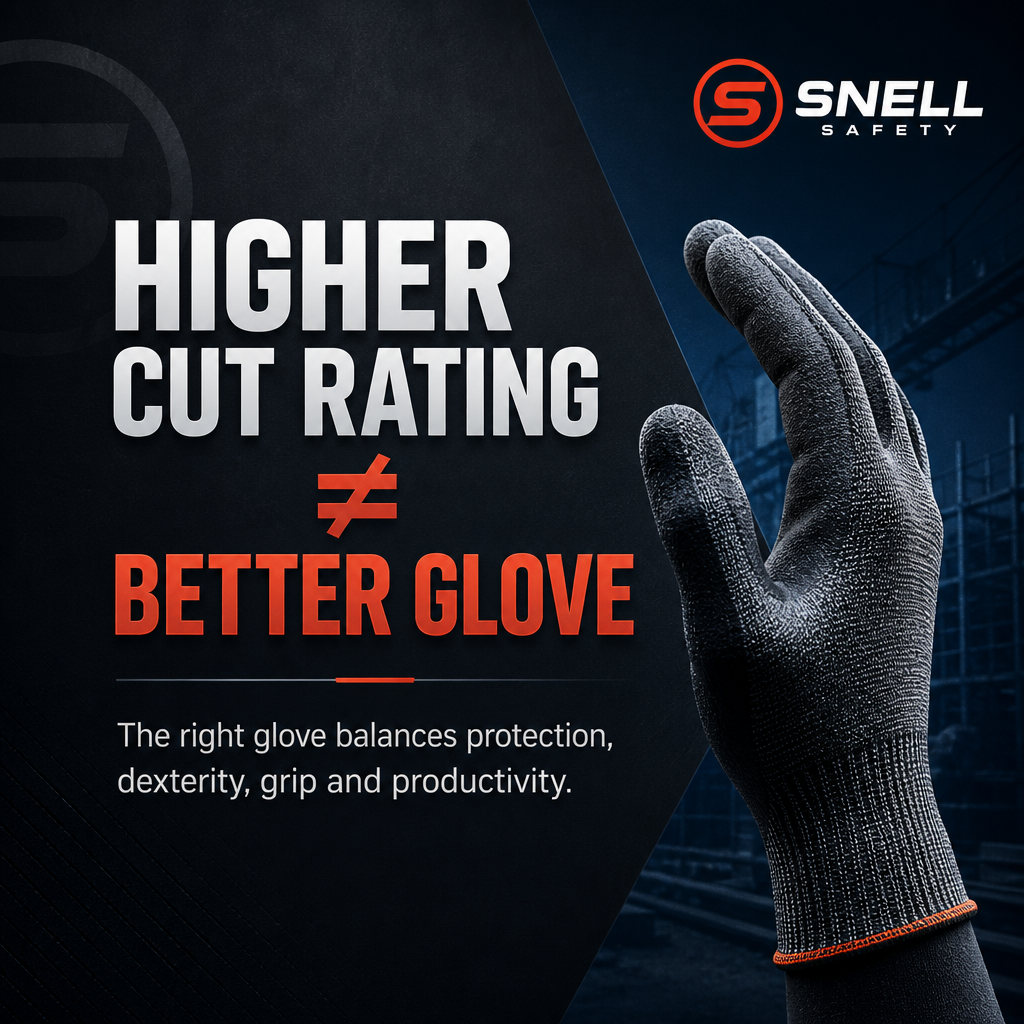
Ingenieurbetriebe in ganz Deutschland — von Präzisionsmaschinen-Montagelinien in Baden-Württemberg bis zu schweren Mechanik-Wartungswerkstätten in Nordrhein-Westfalen — fordern Handschutz, der Schnittfestigkeit, Haptik und ganztägigen Komfort vereint. Die richtigen Ingenieurshandschuhe zu wählen, beginnt mit dem Verständnis, welche Spezifikationen zu Ihren spezifischen Anwendungshazards passen, sei es scharfe Metallkanten, ölverschmierte Bauteile oder hochdrehmomentige Befestigungsarbeiten. Wenn Sie Ingenieurshandschuhe für den deutschen Markt beziehen und Expertenrat zu Produktauswahl, custom OEM/ODM-Konfigurationen oder wettbewerbsfähigen Großpreisen benötigen, Kontakt zu unserem Team bei Snell Safety — wir verfügen über fundierte Erfahrung in der Betreuung von Ingenieur- und Fertigungskunden in Deutschland und empfehlen die idealen Konfigurationen für Ihre lokalen Anforderungen.
Schnelle Antwort
Für Ingenieurshandschuhe in Deutschland sollten Sie etablierte europäische PPE-Distributoren in Industriezentren wie Bayern, Nordrhein-Westfalen und Baden-Württemberg in Betracht ziehen, die EN-388-zertifizierte Produkte mit regionaler Lagerhaltung anbieten. Ergänzend liefern chinesische Spezialisten für maßgeschneiderte Produkte mit werkswirtschaftlichen Preisen und vollständigen internationalen Zertifizierungen (ISO 9001/CE) exzellenten Wert bei Groß- und Private-Label-Bestellungen. Die Kombination aus lokaler Distributionsgeschwindigkeit und overseas OEM-Beschaffung ergibt das beste Gleichgewicht aus Qualität, Kosten und Lieferflexibilität.
Marktübersicht
Der Markt für Sicherheitshandschuhe in Deutschland soll von 1.068,97 Millionen USD im Jahr 2023 auf geschätzte 2.100,86 Millionen USD bis 2032 wachsen und weist eine jährliche Wachstumsrate (CAGR) von 7,78 % von 2024 bis 2032 auf. Dieses Wachstum wird maßgeblich vom Ingenieursektor angetrieben: Mit 1,3 Millionen Beschäftigten ist das Maschinenbau die größte Branche in Deutschland, und die Fertigung ist der wichtigste Sektor in der Industrie und macht 79 Prozent der Gesamtproduktion aus, wobei Maschinen und Ausrüstungen 12 Prozent der Gesamtproduktion ausmachen. Der regulatorische Rahmen ist ebenso bedeutsam — Deutschlands robustes System für Arbeitssicherheitsvorschriften treibt die Nachfrage nach Sicherheitshandschuhen erheblich an, mit Einhaltung strenger EU-Richtlinien wie der Verordnung (EU) 2016/425 zu PSA, die den Einsatz hochwertiger Sicherheitshandschuhe in allen Branchen vorschreibt.
Im Jahr 2024 erreichte die Zahl meldepflichtiger Arbeitsunfälle einen historischen Tiefststand und die Unfallquote war die je niedrigste (18,0 pro 1.000 Vollzeitäquivalente) — ein Spiegelbild der anhaltenden Investitionen Deutschlands in zertifiziertes PSA und Sicherheitskultur. Dennoch waren nicht-tödliche Unfälle in der Fertigungsbranche am häufigsten (19,2 %) in der gesamten EU, was die anhaltende Notwendigkeit hochleistungsfähiger Ingenieurshandschuhe in Fabriken und Werkstätten unterstreicht.
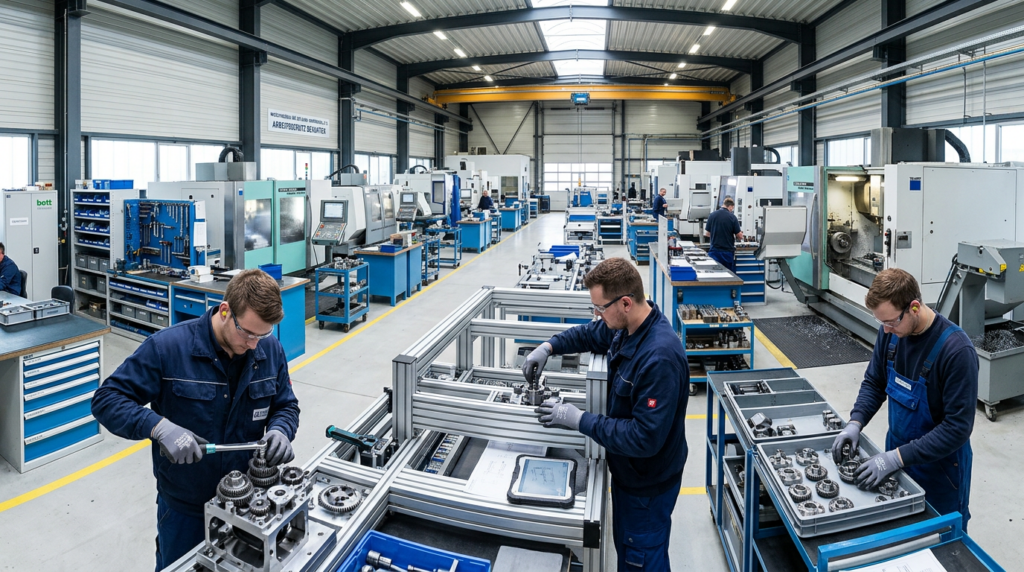
Welche Arten von Ingenieurshandschuhen werden in Deutschland benötigt
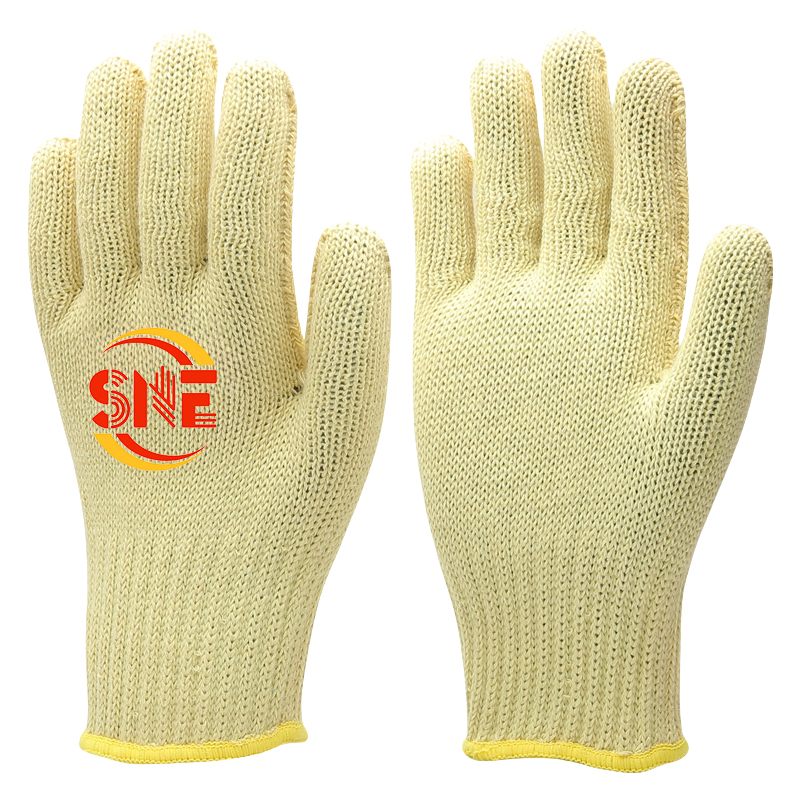
Die gefragtesten Ingenieurshandschuhe in Deutschland sind PU-handflächenbeschichtete Präzisionshandschuhe auf 13G–15G-Nylon/Polyester-Futter, Nitril-Mikroschaum- und Sandnitril-beschichtete Handschuhe für ölbelastete Zerspanungsaufgaben sowie HPPE-basierte schnittfeste Handschuhe mit EN-388-Stufen C bis E für Metallverarbeitung und schwere Wartung. Diese drei Kategorien decken die Mehrheit der deutschen Ingenieuranwendungen ab.
Basierend auf unserer Erfahrung mit deutschen Kunden priorisieren deutsche Ingenieure und Techniker konsequent Fingerfertigkeit und Haptik neben mechanischem Schutz — ein direkter Ausdruck der präzisionsorientierten Arbeitskultur in Deutschlands Maschinenbau-, Automobil- und Elektroniksektoren. Wir haben festgestellt, dass nahtlose Strickfutter mit 13G und 15G Maschenweite die Beschaffungsbestellungen dominieren, da sie Arbeitern ermöglichen, Befestigungen, Sensoren und Kleinteile ohne Handschuhabstreifen zu handhaben. Deutschlands gemäßigtes, aber variables Klima prägt ebenfalls die Vorlieben: Feuchtigkeitsableitende, atmungsaktive Beschichtungen übertreffen schwere Gummialternativen bei langen Innenschichten, während kalte-Wetter-Futter für un beheizte Werkstätten in Deutschlands langen Wintern (Oktober bis März) essenziell sind.
Die top Ingenieurshandschuh-Konfigurationen, die wir an deutsche Kunden liefern:
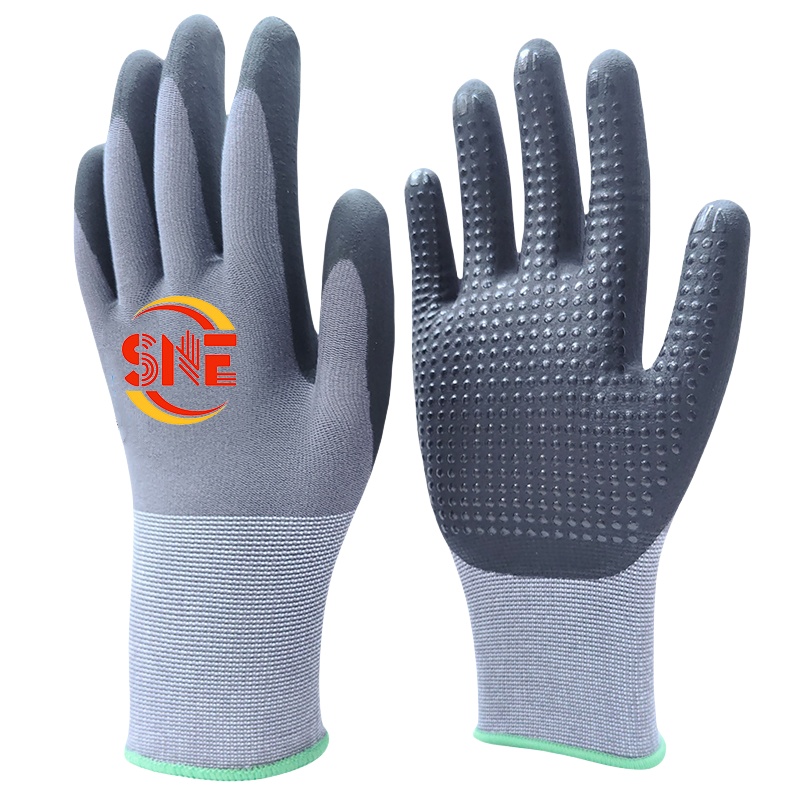
- Nylon-13G-Futter + PU-Handflächenbeschichtung (grau/weiß) — EN-388-Schnittstufe A1, Abriebstufe 4. Der Allrounder für Präzisionsmontage, Kalibrierung und Instrumentenhandhabung, wo maximale Fingerfertigkeit und saubere Handhabung unerlässlich sind.
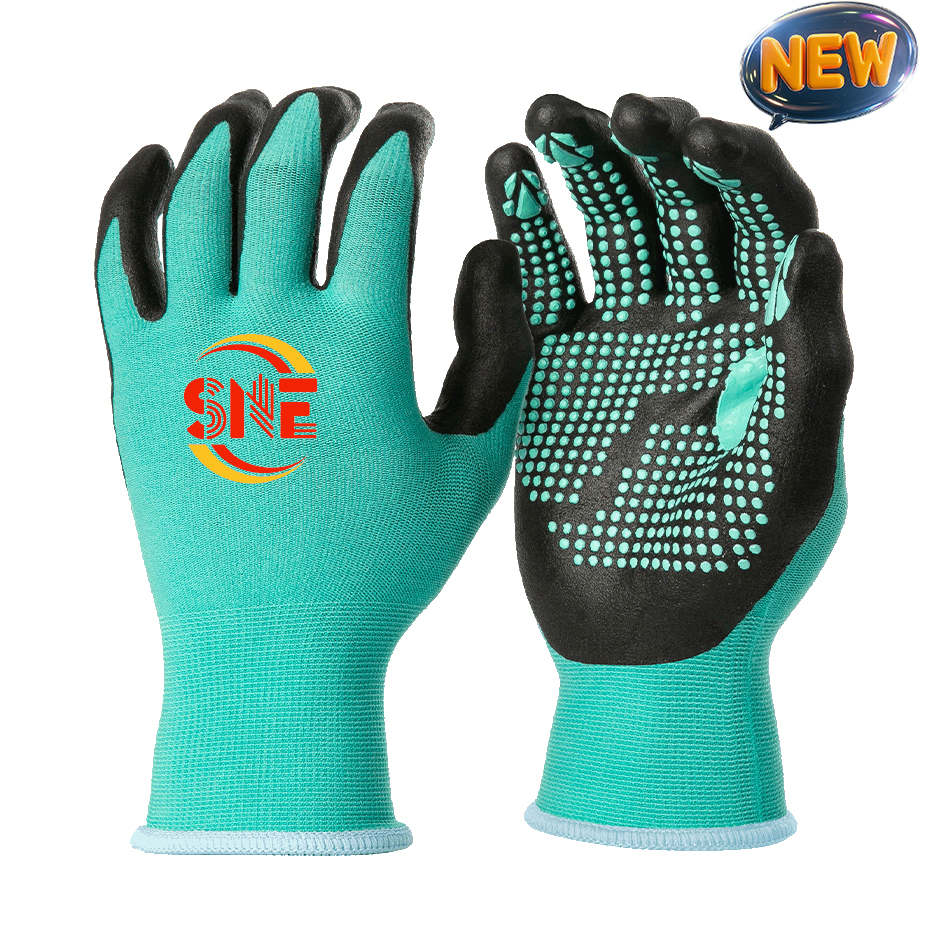
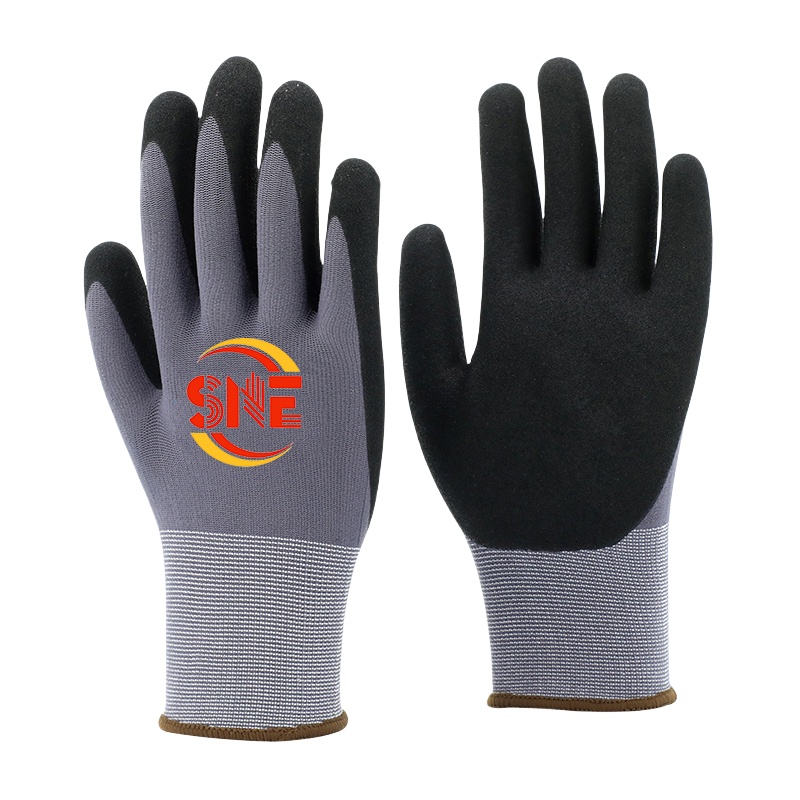
- Nylon/Spandex 15G-Träger + Nitril-Mikroschaum-Handflächenbeschichtung — EN-388-Schnittstufe A2, Abriebstufe 4. Ideal für CNC-Maschinenbedienung, allgemeine Zerspanung und Automobil-Vormontage bei leichtem Ölkontakt und moderatem Abrieb.
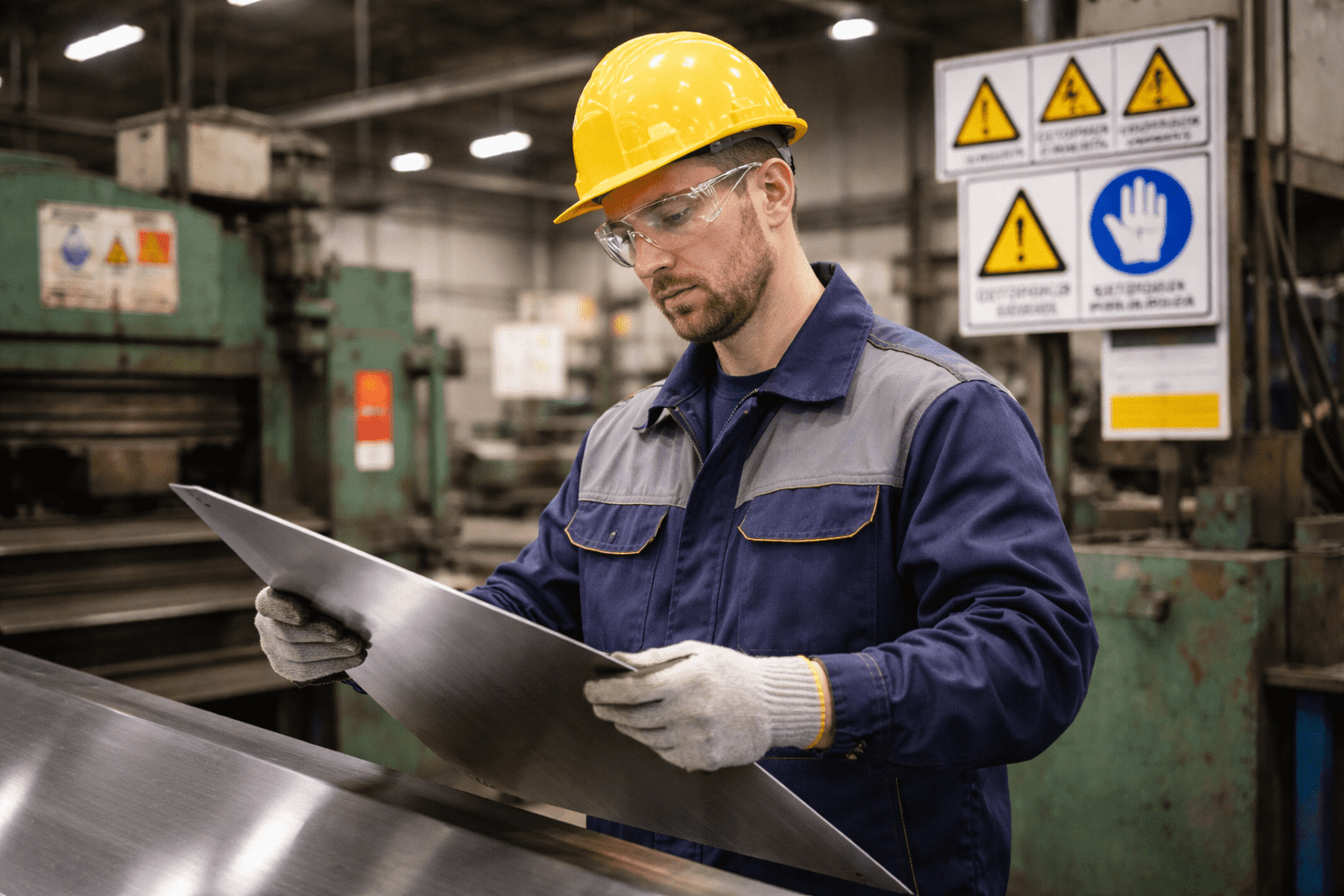
- HPPE/Glasfaser 13G-Träger + sandige Nitril-Handflächenbeschichtung — EN-388-Schnittstufe D, Abrieb über 8.000 Zyklen. Unverzichtbar für Blechhandhabung, Fertigungsteile-Verarbeitung und Werkzeugwechsel an Maschinen, wo scharfe Kanten die Hauptgefahr darstellen.
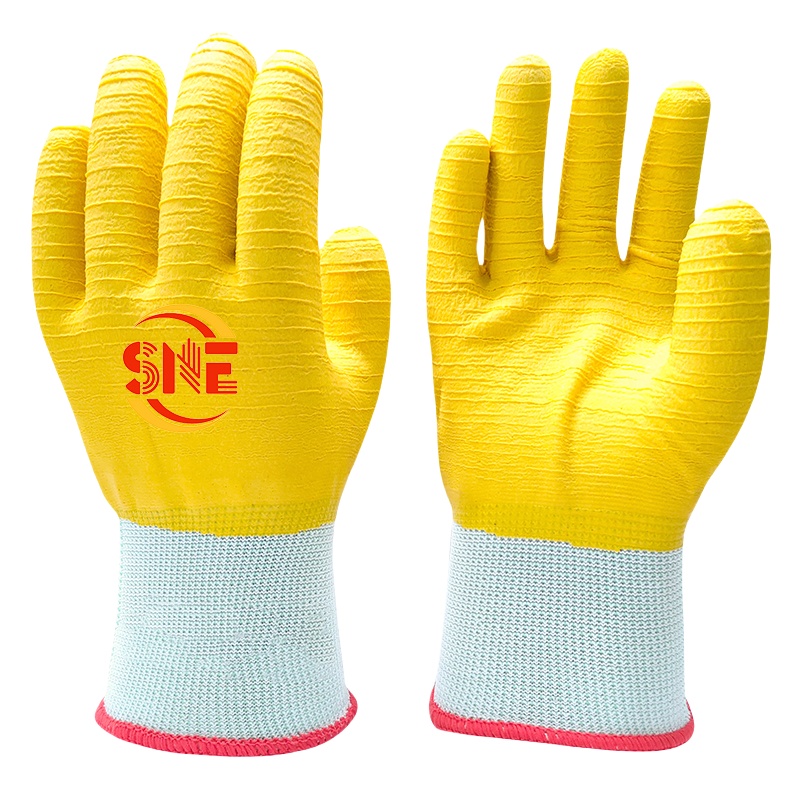
- HPPE/Kevlar-10G-Futter + Latex-Krinkle-3/4-Beschichtung + TPR-Rückseiten-Schutz — EN-388-Schnittstufe E, Schlagfestigkeit „P“. Entwickelt für schwere Mechanikwartung, Matrizenmontage und Pressarbeiten mit gleichzeitigen Quetsch- und Schnittgefahren.
- Polyester 13G-Träger + Nitril-Schaum-Vollbeschichtung — EN-388-Schnittstufe A2, ölfest. Speziell für ölgeschmierte Teilehandhabung, Motor-Montage und Hydraulik-Komponenten in Deutschlands Maschinenbau- und Automobilsektoren.
Warum diese Ingenieurshandschuh-Typen empfohlen werden
Diese Spezifikationen für Ingenieurshandschuhe bieten das präzise Gleichgewicht aus Schutz, Fingerfertigkeit und Haltbarkeit, wie es EN 388:2016+A1:2018 für Handschuhe gegen mechanische Risiken vorschreibt. Handverletzungen am Arbeitsplatz machen über 20 % aller Arbeitsunfälle aus, und ein Drittel der Handverletzungen ereignete sich in der Fertigung . Die richtige Handschuhwahl in Ingenieurumgebungen ist daher nicht nur eine Compliance-Maßnahme — sie beeinflusst direkt die Verfügbarkeit der Belegschaft, Versicherungskosten und betriebliche Kontinuität.
Der technische Ansatz basiert darauf, Gefahrenprofile mit Schutzeigenschaften abzustimmen, ohne die manuelle Präzision zu beeinträchtigen, die Ingenieuraufgaben erfordern. Wichtige Leistungsvergleiche:
- 13G PU-Handflächenbeschichtung: Abriebfestigkeit Stufe 4 (über 8.000 Zyklen), Fingerfertigkeit Stufe 5, EN-388-Bewertung 4131A — geringstes Gewicht pro Paar, ideal für 8-Stunden-Präzisionsarbeiten mit feiner Motorkoordination
- 15G Nitril-Mikroschaum-Handfläche: Abriebfestigkeit Stufe 4, überlegener Ölgriff im Vergleich zu PU, 30 % bessere Atmungsaktivität als glatter Nitril — optimal für Umgebungen mit intermittierender Kühlmittel- oder Schmierstoffbelastung
- 13G HPPE sandiges Nitril-Handfläche: EN-388-Schnittschutzstufe D (10–14,9 N TDM), Abriebfestigkeit Stufe 4, Stichfestigkeit Stufe 3 — bestes Kosten-Nutzen-Verhältnis für Metallhandhabung und Werkzeugwechsel
- 10G HPPE/Kevlar Latex-Krinkle + TPR: EN-388-Schnittschutzstufe E (22–29,9 N TDM), Schlagfestigkeitsbewertung „P“, Stichfestigkeit Stufe 4 — maximale Mehrfachgefahren-Schutz für schwere Wartungsarbeiten und Pressen
| Spezifikation | EN 388-Bewertung | Ebene schneiden | Abrasionszyklen | Beste Ingenieuranwendung |
|---|---|---|---|---|
| Nylon 13G + PU-Handfläche | 4131A | A1 | 8,000+ | Präzisionsmontage, Kalibrierung |
| Nylon/Spandex 15G + Nitril-Mikroschaum | 4121B | A2 | 8,000+ | CNC-Bedienung, Ingenieurhandschuhe für Zerspanung |
| HPPE/Glasfaser 13G + sandiges Nitril | 4X43D | D | 8,000+ | Metallbearbeitung, Werkzeugwechsel |
| HPPE/Kevlar 10G + Latex-Krinkle + TPR | 4X44EP | E | 8,000+ | Schwere Wartung, Ingenieurhandschuhe für Pressarbeiten |
| Polyester 13G + Nitril-Schaum-Vollmantel | 4121A | A2 | 8,000+ | Hydrauliksysteme, geschmierte Teile |
Nutzen Sie diese Tabelle, um das Gefahrenprofil Ihrer Ingenieuranwendung mit dem passenden Handschuh abzustimmen — beginnen Sie mit der erforderlichen Schnittschutzstufe, dann wählen Sie die Beschichtung je nach trockener, öliger oder nasser Umgebung.
Aus Kosten-Nutzen-Sicht kosten Standard-Ingenieurhandschuhe mit 13G PU-Beschichtung 0,40–0,80 € pro Paar im Großabnahmevolumen und haben eine typische Lebensdauer von 1–3 Wochen bei Präzisionsmontage. Schnittschutzmodelle aus HPPE mit Nitrilbeschichtung kosten 1,50–3,50 € pro Paar, halten jedoch 3–6 Wochen bei Metallhandhabung und senken die Gesamtbetriebskosten, sobald reduzierte Verletzungsraten und geringerer Austausch berücksichtigt werden.
Wichtige Branchen für Ingenieurhandschuhe in Deutschland
Deutschlands Ingenieurwesen erzeugt die größte konzentrierte Nachfrage nach spezialisierten Arbeitshandschuhen in Europa, getragen von vier dominanten Industriepfeilern. Vier Sektoren prägen die deutsche Industrie: Automobil, Maschinenbau, Chemie und Elektroindustrie. Jeder erfordert spezifische Konfigurationen von Ingenieurhandschuhen, abgestimmt auf die jeweiligen Gefahrenprofile:
- Maschinenbau und Maschinenfertigung — Mit über 1 Million Beschäftigten ist der Maschinenbau der Industriezweig mit den meisten Arbeitsplätzen in Deutschland. Die Mitarbeiter bedienen Drehbänke, Fräsmaschinen und Montagestationen, die schnittfeste HPPE-Handschuhe (Stufe C–D) mit Nitrilschaumbeschichtung für geschmierte Umgebungen sowie TPR-schlagfeste Modelle für Wartungsaufgaben mit schweren Werkzeugen erfordern.
- Automobiltechnik und -produktion — Deutschlands Automobilbranche erzielte 2024 einen Umsatz von 476 Milliarden €. Montagelinienarbeiter benötigen 13G–15G Nitril-Mikroschaum- oder PU-Handflächen-beschichtete Handschuhe für präzise Bauteilhandhabung, während Stanzer- und Schweißvorbereitungsarbeiter EN-388-Schnittschutz-Stufe-D–E-Handschuhe brauchen. Touchscreen-Kompatibilität wird zunehmend für Industrie-4.0-Digitalarbeitsplätze gefordert.
- Elektro- und Elektroniktechnik — Präzisionsmontage von Sensoren, Leiterplatten und Steuergeräten erfordert ultraleichte 15G- oder 18G PU-Fingertipp-beschichtete Handschuhe mit ESD-ableitenden Eigenschaften (Oberflächenwiderstand 10⁶–10⁹ Ohm), um elektrostatische Schäden an empfindlichen Bauteilen zu verhindern.
- Verfahrenstechnik der Chemie — Deutschlands Chemieindustrie, die größte Europas, benötigt chemikalienfeste vollständig nitrilbeschichtete Handschuhe mit verlängerten Sicherheitmanschetten (8 cm über dem Handgelenk), geprüft nach EN 374 auf Permeationsschutz gegen Lösemittel, Säuren und Laugen.
- Metallverarbeitung und Konstruktionstechnik — Stahlverarbeitung, Schweißvorbereitung und Tragwerksmetallbau im Ruhrgebiet und Saarland erfordern hohen Schnittschutz (Stufe D–F) kombiniert mit Hitzeschutz (EN 407) für den Umgang mit heißgeformten oder frisch geschnittenen Metallteilen.
- Energie- und Erneuerbare-Technik — Windkraftanlagenmontage, Solarpanelinstallation und Kraftwerkswartung erfordern wetterbeständige Ingenieurhandschuhe mit Thermofutter-Optionen und hoch sichtbaren Schalenfarben für Außenarbeiten unter wechselnden deutschen Witterungsbedingungen.
Diese Vorschriften gewährleisten Arbeitssicherheit in gefährlichen Umgebungen, einschließlich Bau, Fertigung, Gesundheitswesen und Chemieindustrie. Arbeitgeber sind verpflichtet, zertifizierte Schutzausrüstung bereitzustellen, was eine konstante Nachfrage nach langlebigen und konformen Sicherheitshandschuhen fördert. Die DGUV (Deutsche Gesetzliche Unfallversicherung) und die Berufsgenossenschaften (BG) überwachen die Einhaltung durch vorgeschriebene Gefährdungsbeurteilungen und regelmäßige Arbeitsplatzinspektionen und stellen sicher, dass nur ordnungsgemäß EN-388-zertifizierte Ingenieurhandschuhe für Beschaffungen zugelassen sind.
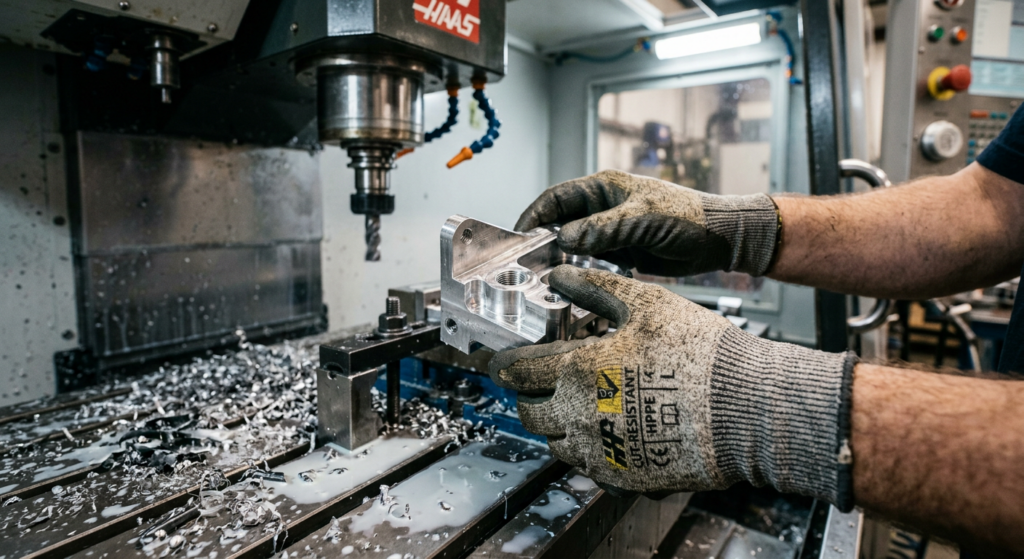
Spezifische Anwendungsszenarien für Ingenieurhandschuhe
Szenario 1: Werkzeugwechsel an einer Pressenmaschine in einem Stuttgarter Maschinenwerk
Ein Wartungstechniker in einem mittelständischen Maschinenbauunternehmen führt wöchentliche Matrizen- und Werkzeugwechsel an einer 500-Tonnen-Hydraulikpresse durch. Die Aufgabe umfasst das Entfernen schwerer Stahlschneidwerkzeuge (50–120 kg) mit Kran, manuelles Positionieren präziser Ausrichtnadeln und Anziehen von Schrauben mit Druckluftwerkzeugen. Primäre Gefahren sind tiefe Schnittwunden durch scharfe Zerspankanten, Quetschverletzungen durch hängende Lasten und Hautabrasion durch raue Gussoberflächen. Empfohlene Ingenieurhandschuhe: HPPE/Kevlar 10G mit Latexschaum-3/4-Beschichtung und TPR-Rückenhand-Schlagprotektoren — EN-388-Schnittschutzstufe E, Schlagfestigkeit „P“. Der TPR-Dorsalschutz absorbiert Energie bei zufälligen Stößen gegen den Pressenrahmen, während die Latexschaum-Oberfläche sicheren Grip auf öligem Stahl bietet.
Szenario 2: Sensor-Montage im Automobilzulieferer in München
In der Produktionslinie eines Tier-1-Automobilzulieferers montieren Bediener miniaturisierte LIDAR-Sensoren und Radarmodule für Fahrerassistenzsysteme. Arbeiter handhaben winzige Stecker (2–4 mm), löten empfindliche Leiterplattenverbindungen und führen Sichtprüfungen unter 10-facher Vergrößerung durch. Gefahren umfassen leichte Schnitte durch Leiterplattenkanten, elektrostatische Entladungsrisiken für empfindliche MEMS-Bauteile und Kontaktdermatitis durch Flussrückstände. Ideale Ingenieurhandschuhe sind nylon 18G oder 15G PU-Fingertipp-beschichtet mit ESD-ableitenden Eigenschaften — EN-388-Schnittschutzstufe A1 mit Fingerfertigkeitsstufe 5. Diese ultradünnen Handschuhe bieten die erforderliche Haptikpräzision, leiten statische Aufladung sicher ab und werden typischerweise alle 2–3 Tage wegen Kontamination statt mechanischer Abnutzung ersetzt.
Szenario 3: Hydrauliksystem-Wartung in einem Düsseldorfer Industriewerk
Ein Außendienst-Ingenieur führt vorbeugende Wartung an Hydraulikpressensystemen durch, ersetzt Dichtungen, prüft Zylinderbohrungen und entlüftet Hydraulikleitungen. Die Arbeitsumgebung beinhaltet Dauerkontakt mit Hydrauliköl, scharfkantige Metallarmaturen und enge Positionen. Gefahren umfassen Rutschrisiken durch Öl, Stichverletzungen durch Dichtungsbruchstücke und mäßigen Schnittschutz bei Entgraten von Rohrenden. Empfohlene Ingenieurhandschuhe: Polyester 13G mit vollständiger Nitrilschaum-Beschichtung und verlängerter Sicherheitmanschette — EN-388-Schnittschutzstufe A2 mit Abriebfestigkeit Stufe 4 und Ölableitfähigkeit. Der geschlossenzellige Nitrilschaum weist Hydraulikflüssigkeit ab und sorgt für Atmungsaktivität während mehrtägiger Wartungsphasen in warmen Werksumgebungen.
Fallstudien
Ein großer Maschinenbauer mit drei Standorten in Bayern benötigte jährlich 180.000 Paar schnittfeste Ingenieurhandschuhe für Maschinenbedienung und Wartung. Wir entwickelten einen maßgeschneiderten HPPE-13G-Sandnitril-Handschuh mit verstärkter Daumenmulde und firmenblauer Schalenfarbe, der vierteljährlich per Seefracht nach Hamburg mit Private-Label-Verpackung und deutschsprachiger EN-388-Konformitätsdokumentation geliefert wurde. Handverletzungen sanken im ersten Einsatzjahr um 38 %.
Ein Tier-2-Automobil-Elektronikzulieferer bei Stuttgart konsolidierte vier Handschuhmodelle zu einem schlanken Zwei-SKU-Programm für Sensor-Montage und Unterbauteil-Zerspanung. Wir entwickelten ein 15G-Nylon/Spandex-Nitril-Mikroschaum-Modell für Montage und ein 13G-HPPE-Sandnitril-Modell für Zerspanungsbereiche, beide mit Kundenlogo und ESD-kompatiblen Spezifikationen. Beschaffungskosten pro Einheit sanken um 22 %, während die Zufriedenheit mit dem Tragekomfort deutlich zunahm.
Top 6 empfohlene lokale Lieferanten für Ingenieurhandschuhe in Deutschland
| Name des Unternehmens | Zentrale Stärken | Service-Regionen | Vorverkaufsunterstützung | After-Sale-Unterstützung |
|---|---|---|---|---|
| RheinTech Industrieschutz GmbH | Maschinenbau-PPE-Spezialist, fundiertes Maschinenwissen | NRW, Hessen, bundesweit | Vor-Ort-Gefahrenanalyse, Testkits | Dedizierte Account-Manager, Chargen-Qualitätsberichte |
| BayernGuard Arbeitsschutz AG | Präzisionstechnik-Fokus, ESD-Handschuhpalette, Automobil-PPE | Bayern, Baden-Württemberg | Anwendungsgerechte Produktauswahl, flexible Mindestabnahmemengen | 30-Tage-Rückgabe, technische Hotline |
| NordHand Safety Solutions KG | Chemieingenieur-PPE, umfassendes Nitril-Sortiment | Niedersachsen, Hamburg, Bremen | Kostenlose Probenprogramme, REACH-Dokumentation | Garantieabwicklung, Vor-Ort-Anprobe |
| SachsenPro Schutzhandschuhe GmbH | Elektronik- & Reinraum-PPE, 18G-Spezial-Ingenieurhandschuhe | Sachsen, Thüringen, Brandenburg | ESD-Prüfberatung, Kleinserienbestellungen | Schneller Austausch, vierteljährliche Reviews |
| WestGrip Sicherheitsprodukte AG | PSA für Metallbearbeitung, Schneidschutz-Spezialist | NRW, Saarland, Rheinland-Pfalz | Mengenrabattprogramme, EN-388-Beratung | Qualitätsaudit-Unterstützung, automatische Nachbestellung |
| HandSchutz Direkt e.K. | E-Commerce-Plattform für PSA, schnelle bundesweite Lieferung | Bundesweit | Online-Handschuh-Selektor, Live-Chat | Automatisierte Nachbestellhinweise, Treuerabatte |
Bewerten Sie Lieferanten immer anhand aktueller EN-388:2016+A1:2018-Prüfberichte von EU-akkreditierten Benannte Stellen und führen Sie Trageversuche über mindestens zwei Schichten durch, bevor Sie Großbestellungen aufgeben.
| Bewertungskriterien | Was zu überprüfen ist | Warum es wichtig ist |
|---|---|---|
| EN 388-Zertifizierung | Gültige Testberichte von Benannter Stelle | Rechtliche Konformität gemäß EU 2016/425 |
| Beschichtungs-Konsistenz | Dickeuniformität von Charge zu Charge | Gewährleistet vorhersehbaren Halt und Haltbarkeit |
| Futterqualität | Maschenweite-Genauigkeit, nahtlose Strickqualität | Beeinflusst Tragekomfort und Handschuhlebensdauer |
| MOQ-Flexibilität | Mindestbestellmengen pro SKU | Kritisch für mehrstandortige Beschaffungsprogramme |
| Zuverlässigkeit der Lieferfristen | Produktions- bis Lieferzeitrahmen | Wirkt sich auf Lagerplanung und Verfügbarkeit aus |
Nutzen Sie diese Bewertungscheckliste beim Vergleich lokaler Distributoren und internationaler Ingenieurhandschuh-Hersteller, um einheitliche Qualität und Konformität zu gewährleisten.
Warum Snell Safety als globaler Partner für Ingenieurhandschuhe wählen
Snell Sicherheit verbindet tiefgehendes lokales Marktwissen mit vertikal integrierten Fertigungskapazitäten, um den Maschinenbausektor Deutschlands zu bedienen. Durch intensive Zusammenarbeit mit Kunden aus Maschinenbau, Automobil- und Elektronikindustrie in ganz Deutschland kennen wir genau, was auf der Produktionsfläche zählt – von den Beschichtungstexturen, die deutsche Techniker für ganztägigen Tragekomfort bevorzugen, bis zu den spezifischen EN-388-Schnittschutzstufen, die bei BG-Arbeitsplatzprüfungen gefordert werden. Wir pflegen etablierte lokale Partner in Deutschland und erweitern unsere Überseelagerkapazitäten, um lagernde, versandfertige Lieferungen mit verkürzten Lieferfristen für Folgeaufträge anzubieten.
Unsere Fertigungsgrundlage gewährleistet konstant hohe Qualität im großen Maßstab: über ein Jahrzehnt Produktionserfahrung, sechs dedizierte Produktionslinien mit einer Tageskapazität von 150.000 Paaren, ISO-9001- und CE-Zertifizierung sowie ein vollständig vertikal integrierter Prozess von F&E über Stricken, Tauchbeschichtung, Aushärtung, Qualitätskontrolle bis hin zur Exportverpackung. Wir bieten umfassende OEM/ODM-Anpassungen – Private-Label-Marken, kundenspezifische Schalenfarben, spezialisierte Beschichtungsformulierungen und mehrsprachige Verpackungen – alles zu Werksabgabepreisen. Entdecken Sie unser vollständiges Produktkatalog Angebot an verfügbaren Konfigurationen für Maschinenbau-Handschuhe.
Wir suchen aktiv nach VertriebsPartnern, Agenten und E-Commerce-Händlern in ganz Deutschland. Partner erhalten umfassende Vorkaufsunterstützung (Produktauswahlberatung, technische Schulungen, Markteinblicke) sowie starken After-Sales-Service (Qualitätssicherung, Austauschrichtlinien, laufende Betreuung). Für Online-Markenbetreiber bieten wir Dropshipping, kostenlose Produktmuster und professionelle Marketingmaterialien. Egal ob Sie als Ingenieurunternehmen direkte Werkslieferungen suchen oder als Distributor ein spezialisiertes PPE-Portfolio aufbauen, Kontakt zu unserem Team um Partnerschaftsmöglichkeiten zu besprechen.
FAQ
Welche EN-388-Bewertung brauche ich für Ingenieurshandschuhe in Deutschland?
Für Präzisionsmontage und Kalibrierung reicht eine EN-388-Schnittstufe A1–A2 mit Abriebstufe 3–4 aus. Für Zerspanung und Werkzeugwechsel werden Stufe C–D empfohlen. Für schwere Wartungen, Pressarbeiten und Metallverarbeitung bietet Stufe E–F den maximalen Schnittschutz. Passen Sie die Bewertung immer an die spezifischen Gefahren aus Ihrer Gefährdungsbeurteilung an.
Welche Beschichtung ist am besten für ölige Ingenieuranwendungen?
Nitrilschaum- und Nitril-Mikroschaum-Beschichtungen bieten den besten Grip unter öligen Bedingungen und übertreffen PU und Latex. Sandnitril sorgt für noch stärkeren Halt auf stark verschmutzten Oberflächen. Vermeiden Sie PU-Beschichtungen bei Industrieb schmieren, Hydrauliköl oder Kühlschmierstoffen — PU zersetzt sich schnell und verliert den Grip bei Ölkontakt.
Was bedeutet die EN-388-Bewertung für Ingenieurshandschuhe?
EN 388:2016+A1:2018 bewertet den mechanischen Schutz anhand von vier Kriterien: Abriebfestigkeit (1–4), Schnittfestigkeit (Coup-Test, 1–4), Reißenfestigkeit (1–4) und Durchstichfestigkeit (1–4), ergänzt durch TDM-Schnittstufe (A1–F) und optionale Schlagfestigkeit (P). Höhere Werte bedeuten besseren Schutz. Ingenieurshandschuhe erfordern typischerweise mindestens Abriebstufe 3 und Schnittstufe A2 oder höher.
Wie wähle ich die richtige Maschenweite für meine Ingenieuranwendung?
Für schwere Aufgaben mit dicken schnittfesten Futter wählen Sie 10G. Für allgemeine Ingenieurarbeiten mit Ausgleich von Schutz und Fingerfertigkeit ist 13G die vielseitigste Option — sie macht ca. 60 % der Ingenieurshandschuhbestellungen aus. Für Elektronikmontage und Präzisionskalibrierung bieten 15G oder 18G maximale Haptik. Höhere Maschenweite bedeutet feinere Strickung und bessere Fingerfertigkeit.
Welche Zertifizierungen sind für den Import von Sicherheits-Handschuhen nach Deutschland erforderlich?
Ingenieurshandschuhe müssen der EU-Verordnung 2016/425 entsprechen und CE-Kennzeichnung tragen. Sie erfordern Tests nach EN 388:2016+A1:2018 durch eine EU-zertifizierte Stelle, eine EU-Konformitätserklärung und vollständige technische Dokumentation. Nicht-EU-Hersteller müssen einen Bevollmächtigten in der EU benennen. Kategorie-II- und -III-PSA benötigen Typprüfbescheinigungen.
Wie hoch ist der Preisbereich für Großbestellungen von Ingenieurshandschuhen?
Preise variieren je nach Spezifikation. Einfache 13G PU-handflächenbeschichtete Ingenieurshandschuhe kosten bei MOQs ab 10.000 Paar € 0,35–0,80 pro Paar. Nitril-beschichtete Modelle € 0,60–1,50. Schnittfeste HPPE-Ingenieurshandschuhe mit Nitril € 1,50–3,50. TPR-schlagfeste Modelle € 3,00–6,00. Werksdirekte Beschaffung senkt die Kosten um 20–35 % gegenüber heimischen Großhändlern.
Wie lange halten Ingenieurshandschuhe typischerweise?
Die Lebensdauer hängt von der Aufwandsintensität ab. PU-beschichtete Montagehandschuhe halten bei Präzisionshandhabung 1–3 Wochen. Nitril-beschichtete Handschuhe 2–4 Wochen bei allgemeiner Zerspanung. Schnittfeste HPPE-Handschuhe 3–6 Wochen bei Metallverarbeitung. Handschuhe mit Abriebstufe 4 (über 8.000 Zyklen) halten in der Praxis 40–60 % länger als Stufe-3-Modelle.
Gibt es touchscreen-kompatible Ingenieurshandschuhe?
Ja. Leitfähige PU- oder Nitrilfingertip-Beschichtungen ermöglichen Bedienung von Touchscreens an Tablets, HMI-Panels und digitalen Arbeits-terminals ohne Handschuhabstreifen. Diese sind in deutschen Ingenieurbetrieben mit Industry-4.0-Digitalworkflows zunehmend unerlässlich. Geben Sie bei Bestellung „touchscreen-kompatibel“ an – in der Regel benötigen Zeige- und Daumenfinger eine spezialisierte leitfähige Beschichtungsformulierung.
Was ist der Unterschied zwischen Nitrilschaum und Nitril-Mikroschaum?
Nitrilschaum hat eine offene Zellstruktur mit exzellenter Atmungsaktivität und Trockengrip, absorbiert aber Flüssigkeiten. Nitril-Mikroschaum mit engerer Zellstruktur weist leichte Öle und Wasser ab, bei guter Atmungsaktivität — ideal für Ingenieuranwendungen mit gelegentlichem Kühler- oder Schmierstoffkontakt. Beide erreichen Abriebstufe 4.
Welcher MOQ ist üblich für Private-Label-Ingenieurshandschuhe?
Für maßgeschneiderte Private-Label-Ingenieurshandschuhe mit Logodruck, Sonderfarben und Markenverpackung beginnen MOQs bei etablierten OEM-Herstellern bei 5.000–10.000 Paar pro SKU. Standardkatalogmodelle ohne Anpassung haben oft niedrigere MOQs von 1.000–3.000 Paar. Multi-SKU-Programme über mehrere Designs ermöglichen häufig verhandelte kombinierte MOQ-Grenzen für mehr Flexibilität.
Bereit für hochwertige Maschinenbau-Handschuhe für den deutschen Markt? Ob als Ingenieurunternehmen auf zuverlässige Werkslieferungen aus oder als Distributor auf spezialisierte PPE-Partnerschaft, reichen Sie Ihre Anforderungen ein oder fordern Sie ein Wettbewerbsangebot an über die Kontaktseite von Snell Safety. Besuchen Sie snellsafety.com , um unser vollständiges Sortiment an Industrieschutzhandschuhen zu entdecken.
Inhalt überprüft und aktualisiert: März 2026