Beste Lieferanten für Bauschutzhandschuhe in Deutschland | Leitfaden 2026
2026-04-19
Diesen Artikel teilen
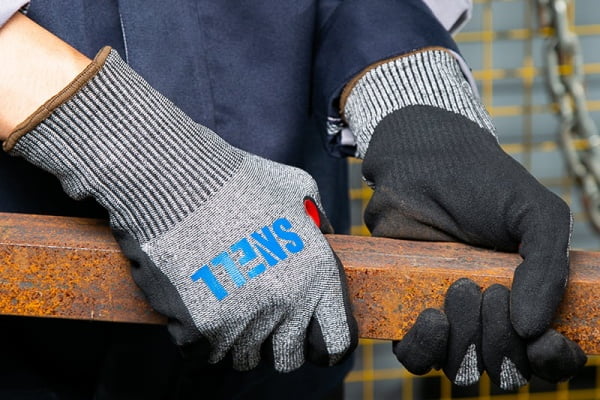
Bauschutzhandschuhe zählen zu den wichtigsten PSA-Kategorien für Deutschlands 2,6 Millionen Bauarbeiter. Mit der Erholung der deutschen Bauindustrie und 500 Milliarden EUR für neue Infrastrukturprojekte steigt die Nachfrage nach leistungsstarken Hand-Schutzlösungen – von schneid- und aufprallsicheren Handschuhen bis zu universalen beschichteten Varianten – rasant an. Dieser Leitfaden unterstützt B2B-Einkäufer, PSA-Distributoren und HSE-Teams in Deutschland bei der Auswahl passender Bauschutzhandschuh-Konfigurationen, Bewertung vertrauenswürdiger Lieferanten und Beschaffung vollständig konformer Produkte nach EN 388:2016+A1:2018 und EU-Verordnung 2016/425.
Wenn Sie fachkundige Beratung zur Produktauswahl oder wettbewerbsfähige OEM/ODM-Angebote für auf den deutschen Markt zugeschnittene Bauschutzhandschuhe benötigen, Kontakt zu unserem Team bei Snell Safety. Wir verfügen über umfangreiche Erfahrung in der Betreuung von Bauunternehmen in ganz Deutschland und empfehlen die idealen Spezifikationen für Ihre spezifischen Baustellenbedingungen.
Schnelle Antwort
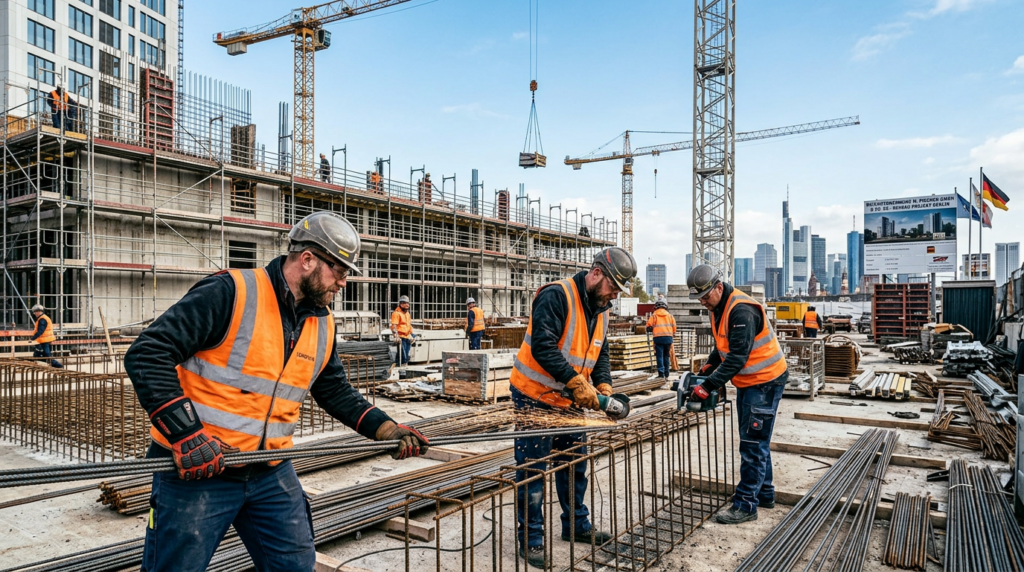
Für die Beschaffung von Bauschutzhandschuhen in Deutschland sollten Sie etablierte lokale PSA-Distributoren in Industriezentren wie Nordrhein-Westfalen, Bayern und Baden-Württemberg in Betracht ziehen, die schnelle Verfügbarkeit und Vor-Ort-Techniksupport bieten. Ergänzend prüfen Sie chinesische Hersteller, die sich auf maßgefertigte Bauschutzhandschuhe spezialisieren, mit wettbewerbsfähigen Werksabgabepreisen, flexiblen MOQs und vollständigen internationalen Zertifizierungen (ISO 9001/CE). Die Kombination aus lokaler Distribution und direkter Fabrikbeschaffung vereint Geschwindigkeit und Kosteneffizienz.
Marktübersicht
Der Markt für Sicherheitshandschuhe in Deutschland soll von 1.068,97 Mio. USD im Jahr 2023 auf geschätzte 2.100,86 Mio. USD bis 2032 wachsen und ein CAGR von 7,78 % aufweisen. Der Bausektor ist ein Haupttriebfaktor: Die Beschäftigung im Bau lag 2025 bei 2,6 Millionenund bildet eine enorme Basis an Arbeitnehmern, die täglich Handschutz benötigen. Handverletzungen machen bis zu 30 % der Notaufnahmebehandlungen aus,wobei Bauarbeiter zu den höchstrisikogruppen bei Schnittwunden, Stichverletzungen und Quetschungen zählen.
Nach fünf Jahren Rückgang wird die deutsche Bauindustrie 2026 mit einer Wachstumsrate von 2,5 % wieder anziehen, getrieben durch allmähliche Erholung des Neubauwohnungsmarkts und gesteigerte Infrastrukturinvestitionen. Die Genehmigung des deutschen Parlaments zu einem 500-Milliarden-Euro-Schuldenpaket für Infrastruktur- und Klimainvestitionen signalisiert eine Welle neuer Projekte, die die Nachfrage nach Bauschutzhandschuhen direkt ankurbeln werden. Nach EU-Verordnung 2016/425 und den DGUV-Richtlinien (Deutsche Gesetzliche Unfallversicherung) müssen Arbeitgeber formelle Gefahrenanalysen durchführen und geeignete zertifizierte Hand-Schutzausrüstung stellen – was die durch Vorschriften getriebene Beschaffung zu einem dauerhaften Markttreiber macht.
Welche Arten von Bauschutzhandschuhen werden in Deutschland benötigt
Die gefragtesten Bauschutzhandschuhe in Deutschland sind EN-388-zertifizierte Handschuhe mit mechanischem Schutz, die schneidfeste Einlagen, langlebige Beschichtungen (Nitrile, Latex, PU) und oft TPR-Schutz auf dem Handrücken aufweisen und für Aufgaben von der Bewehrungsbearbeitung und Betonarbeiten bis hin zum allgemeinen Materialhandling und Maschinenbedienen konzipiert sind.
Basierend auf unserer Erfahrung bei der Betreuung deutscher Kunden haben wir bei Snell Sicherheit klare Nachfragemuster identifiziert, die durch die Baupraktiken, das Klima und das regulatorische Umfeld in Deutschland geprägt sind. Deutsche Baustellen erfordern Handschuhe, die in einem breiten Temperaturbereich funktionieren – von feuchten Sommern über 30 °C bis zu nassen, kalten Wintern nahe 0 °C. Arbeiter schätzen einen engen Sitz mit hoher Haptik, insbesondere bei Arbeiten mit Elektrowerkzeugen und präzisen Befestigungen. Stark bevorzugt werden 13G- und 15G-Einlagen, die feine Fingerfertigkeit bieten, kombiniert mit Beschichtungen, die den Halt auf nassem Beton, öliger Bewehrung und rauen Holzoberflächen bewahren.
Die folgenden Konfigurationen stellen die meistnachgefragten Typen dar, die wir für deutsche Bauabnehmer herstellen:
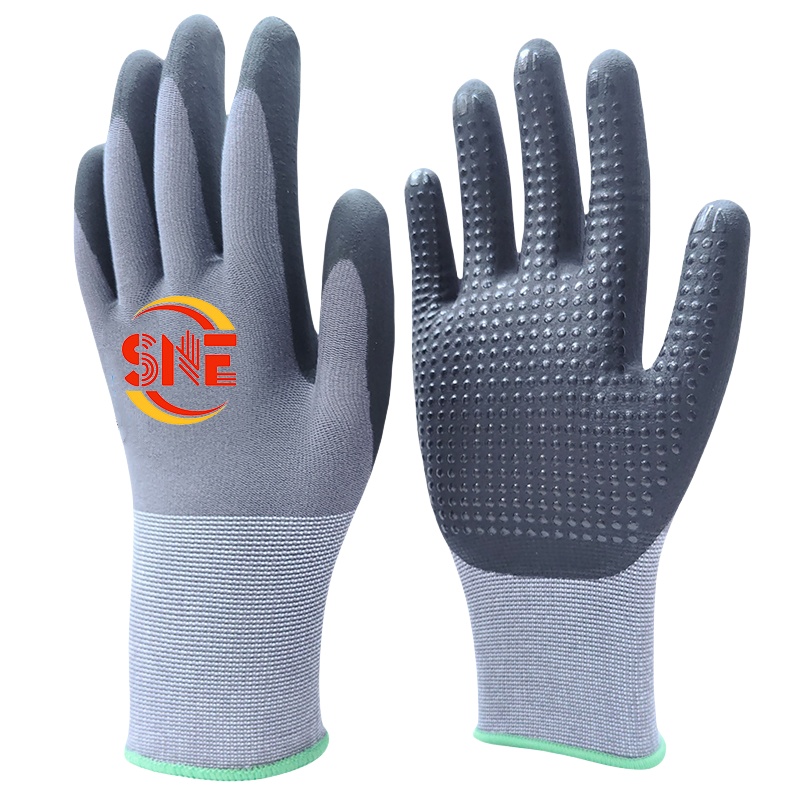
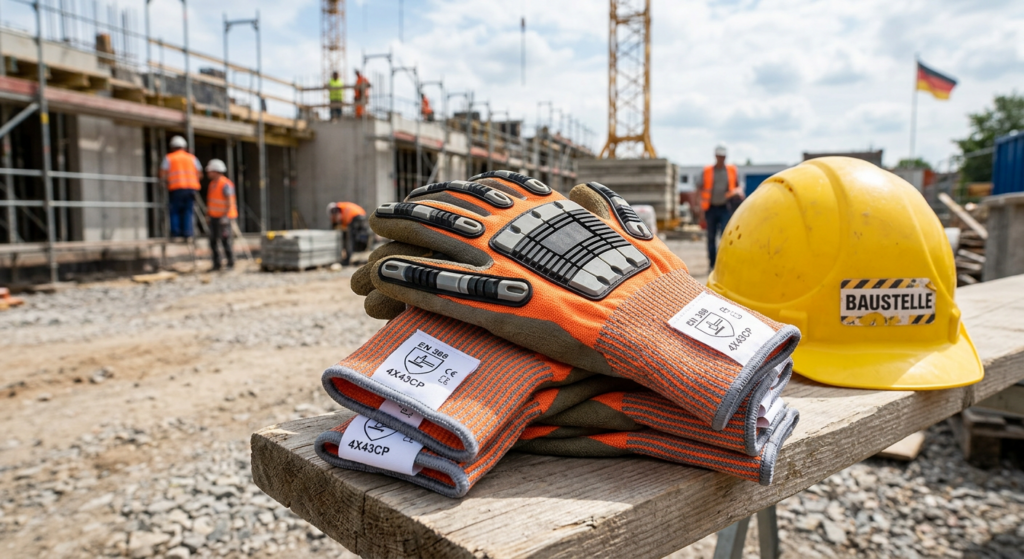
- 13G HPPE + Glasfaser-Einlage, sandige Nitril-Handflächenbeschichtung (EN 388: 4X43C) — Mittelstarker schneidsicherer Bauschutzhandschuh mit hervorragender Verschleiß- und Stichfestigkeit. Sandige Nitril-Oberfläche sorgt für überlegenen Halt bei nass und trocken für Bewehrungsbearbeitung, Betonfertigung und Mauerwerk. Größen S–XXL.
- 13G HPPE + Kevlar-Einlage, Nitril-Schaum-Handflächenbeschichtung, TPR-Handrücken (EN 388: 4X44EP) — Hochschneidsichere, stoßfeste Bauschutzhandschuhe für schwere Aufgaben mit Blech, Stahlträgern und Abbruchgut. TPR-Schutz auf dem Handrücken schützt Knöchel und Finger vor Quetsch- und Aufprallgefahren.
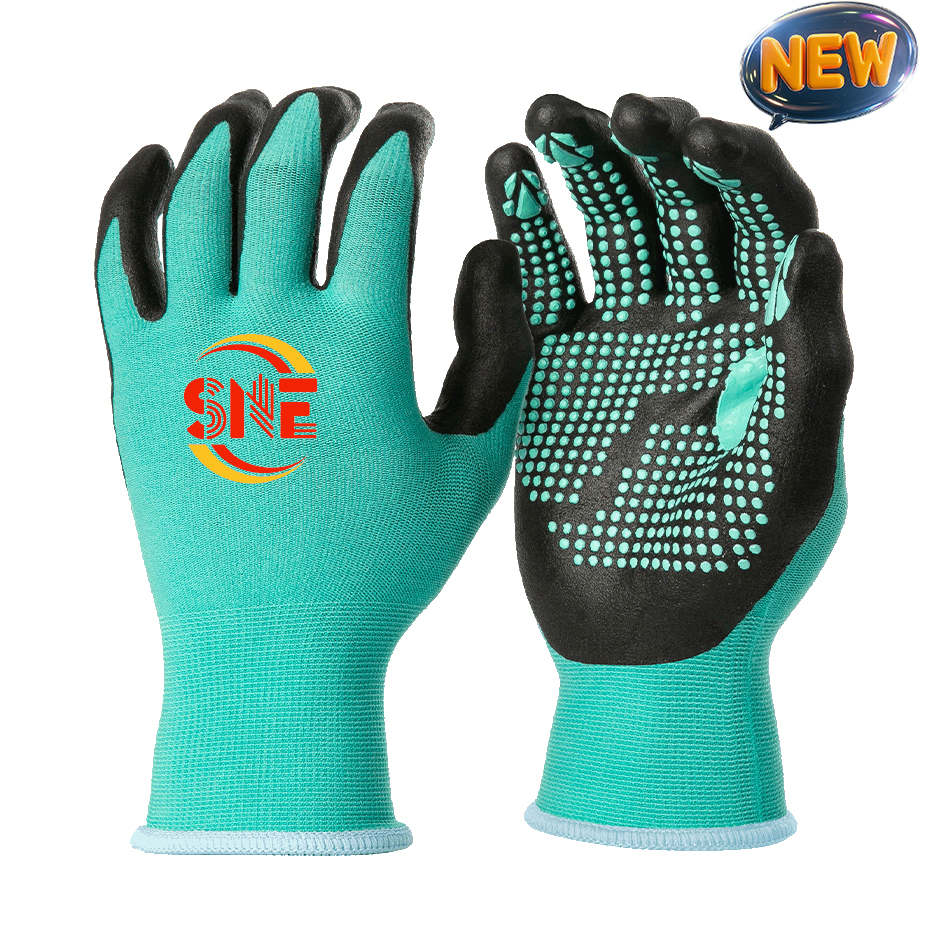
- 15G Nylon/Spandex-Einlage, PU-Handflächenbeschichtung (EN 388: 4131X) — Leichter Allzweck-Bauschutzhandschuh für Innenausbau, Elektroarbeiten, Malervorbereitung und präzise Montage. Hervorragende Fingerfertigkeit und Atmungsaktivität für langen Tragekomfort.
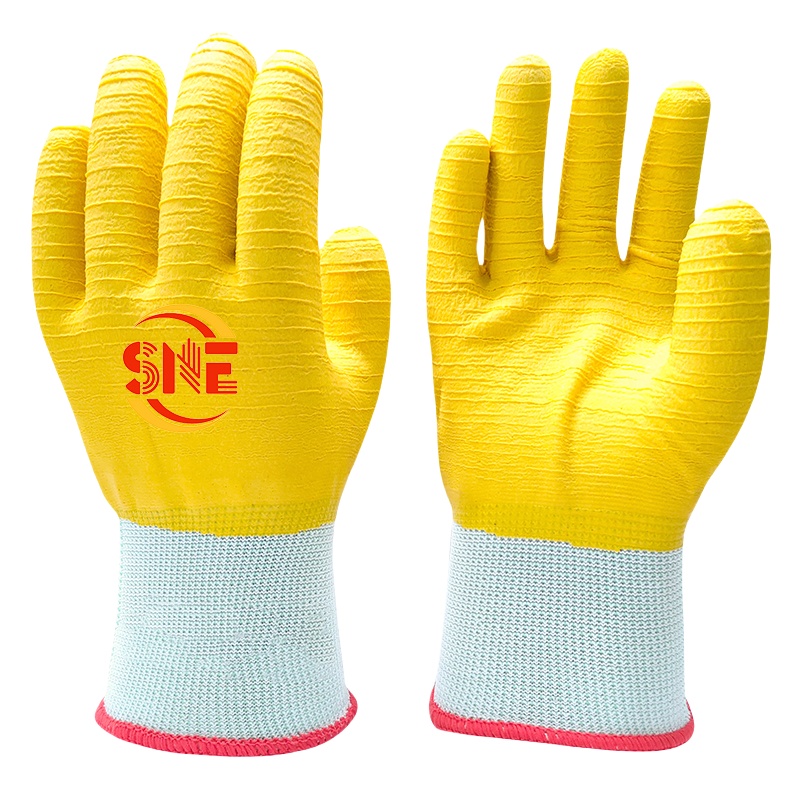
- 10G Polyester/Baumwoll-Jersey-Einlage, Latex-Krissel-3/4-Beschichtung (EN 388: 2242X) — Schwerer nassgriffstarker Handschuh für Betonguss, Mauerwerk und Erdarbeiten. Krisselige Oberfläche leitet Flüssigkeiten von der Grifffläche ab. Geeignet für Kaltwetter mit moderater Wärmedämmung durch Einlagendicke.
- 13G HPPE-Einlage, Nitril-Mikroschaum-Vollbeschichtung (EN 388: 4X42D) — Ganzseitig schneidsicherer Handschuh für vielseitige Baustellen. Vollbeschichtung bietet 360°-Verschleißschutz, während Mikroschaum-Nitrile Atmungsaktivität und Tragekomfort erhält.
Warum diese Bauschutzhandschuh-Typen empfohlen werden
Diese Konfigurationen werden empfohlen, weil sie die spezifischen mechanischen Gefahren auf deutschen Baustellen abdecken – Verschleiß durch Beton und Mauerwerk, Schnitte durch Blech und Bewehrung, Stiche durch Nägel und Draht sowie Stöße durch fallende Werkzeuge und Materialien – und die für PSA in der EU vorgeschriebenen EN-388:2016+A1:2018-Zertifizierungsanforderungen erfüllen.
Die technische Begründung liegt in der präzisen Abstimmung der Schutzniveaus auf die Gefahrenstärke ohne Überdimensionierung, was die Fingerfertigkeit und den Tragekomfort der Arbeiter erhält. Sandy-Nitrile-Beschichtungen auf HPPE-Einlagen erreichen beispielsweise EN-388-Stufe-4-Verschleißfestigkeit (über 8.000 Martindale-Zyklen), bei gleichzeitiger Erhaltung der Haptik für Bewehrungsbindungen und Schraubenplatzierungen. Nitril-Schaum- und Mikroschaum-Beschichtungen bieten eine poröse Struktur, die Feuchtigkeit ableitet und den Halt bei nass und ölig verbessert – entscheidend auf deutschen Baustellen mit Dauerregen und Betonschlick. TPR-Handrückenschutz, der die „P“-Bezeichnung nach EN 388 erhält, wird zunehmend für Infrastruktur- und Hochbau-Baustellen spezifiziert, wo Quetschgefahren durch Stahl und Maschinen häufig sind.
Aus Kosteneffizienz-Sicht reduziert die Investition in die richtige Spezifikation die Gesamtkosten für Handschuhe, indem die Lebensdauer verlängert und teure Handverletzungen verhindert werden:
- Verschleißfestigkeit (EN 388): Stufe 4 (über 8.000 Zyklen) für schweren Bau; Stufe 3 (2.000–7.999 Zyklen) für allgemeine Aufgaben
- Schneidfestigkeit (EN 388 ISO 13997): Stufe C (10–15 N) für Bewehrung/Mauerwerk; Stufe D–E (15–30 N) für Blech und Abbruch
- Aufprallschutz: „P“-bewertet (bestanden) essenziell für Hochbau, Infrastruktur und Abbruchbaustellen
- Durchstichfestigkeit: Stufe 3–4 (60–150 N) für Nagelgefahrenumgebungen
- Nutzungsdauer: Hochwertige schneidsichere Bauschutzhandschuhe halten 2–6 Wochen je nach Aufwandsintensität, im Vergleich zu 3–5 Tagen bei nicht-zertifizierten Alternativen
| Spezifikation | Liner / Spurweite | Art der Beschichtung | EN 388-Bewertung | Beste Bauanwendung | Preisbereich (€/Paar) |
|---|---|---|---|---|---|
| Bauschutzhandschuhe — Schnitt + Stoß | 13G HPPE + Kevlar | Nitril-Schaum + TPR | 4X44EP | Stahlmontage, Abbruch, Hochbau | 3,50–6,50 € |
| Bauschutzhandschuhe — Schnitt + Halt | 13G HPPE + Glasfaser | Sandy Nitril Handfläche | 4X43C | Bewehrungsbearbeitung, Mauerwerk, Schalung | 2,00–4,00 € |
| Allzweck-PU-Tunk | 15G Nylon/Spandex | PU-Handflächenbeschichtung | 4131X | Innenausbau, Elektro, Malervorbereitung | 0,80–1,80 € |
| Schwerer Nassgriff | 10G Polyester/Baumwolle | Latex Krinkle 3/4 | 2242X | Betonguss, Erdarbeiten, Kaltwetter | 1,20–2,50 € |
| Ganzseitig schneidsicher | 13G HPPE | Nitril-Mikroschaum-Voll | 4X42D | Mehrfachbetriebe, allgemeiner Schnuttschutz | 1,80–3,50 € |
Nutzen Sie diese Tabelle, um Ihre spezifischen Gefahrenanalysen und Budgetvorgaben mit der optimalen Spezifikation für Bauschutzhandschuhe abzugleichen, bevor Sie Muster oder Angebote anfordern.
Schlüsselinbranchen für Bauschutzhandschuhe in Deutschland
Bauschutzhandschuhe dienen nicht nur dem Bausektor, sondern auch einer Reihe angrenzender Branchen, in denen mechanischer Schutz, Griffigkeit und Langlebigkeit für den täglichen Umgang mit schweren Materialien und Werkzeugen unerlässlich sind.
- Wohnungsbau und Gewerbebau: Der Wohnbausektor in Deutschland beschäftigt einen großen Anteil der 2,6 Millionen Bauarbeiter und umfasst Aufgaben von Fundament- und Tragwerksbau bis zu Dachdeckung und Innenausbau. Schneidsichere Handschuhe mit EN-388-Stufe C–D sind Standard für Tragwerksberufe; allgemeine PU-beschichtete Varianten dienen den Ausbauberufen.
- Hoch- und Tiefbau sowie Infrastruktur: Mit 300 Milliarden EUR für Infrastrukturprojekte werden Straßenbau, Brückenbau, Tunnelvortrieb und Schienenmodernisierung erhebliche Nachfrage erzeugen. Stoßfeste TPR-Handschuhe (EN 388 „P“-bewertet) sind entscheidend für Arbeiter, die Stahlbewehrungen, schwere Maschinenteile und Fertigteilbeton handhaben.
- Bau erneuerbarer Energien: Deutschlands Engagement für Kohlenstoffneutralität beschleunigt den Bau von Windparks, Solaranlagen und Netzinfrastruktur. Arbeiter, die Windkraftfundamente errichten, Solarpaneele montieren und Hochspannungskabel verlegen, benötigen Handschuhe mit Schnittschutz, Halt und Fingerfertigkeit.
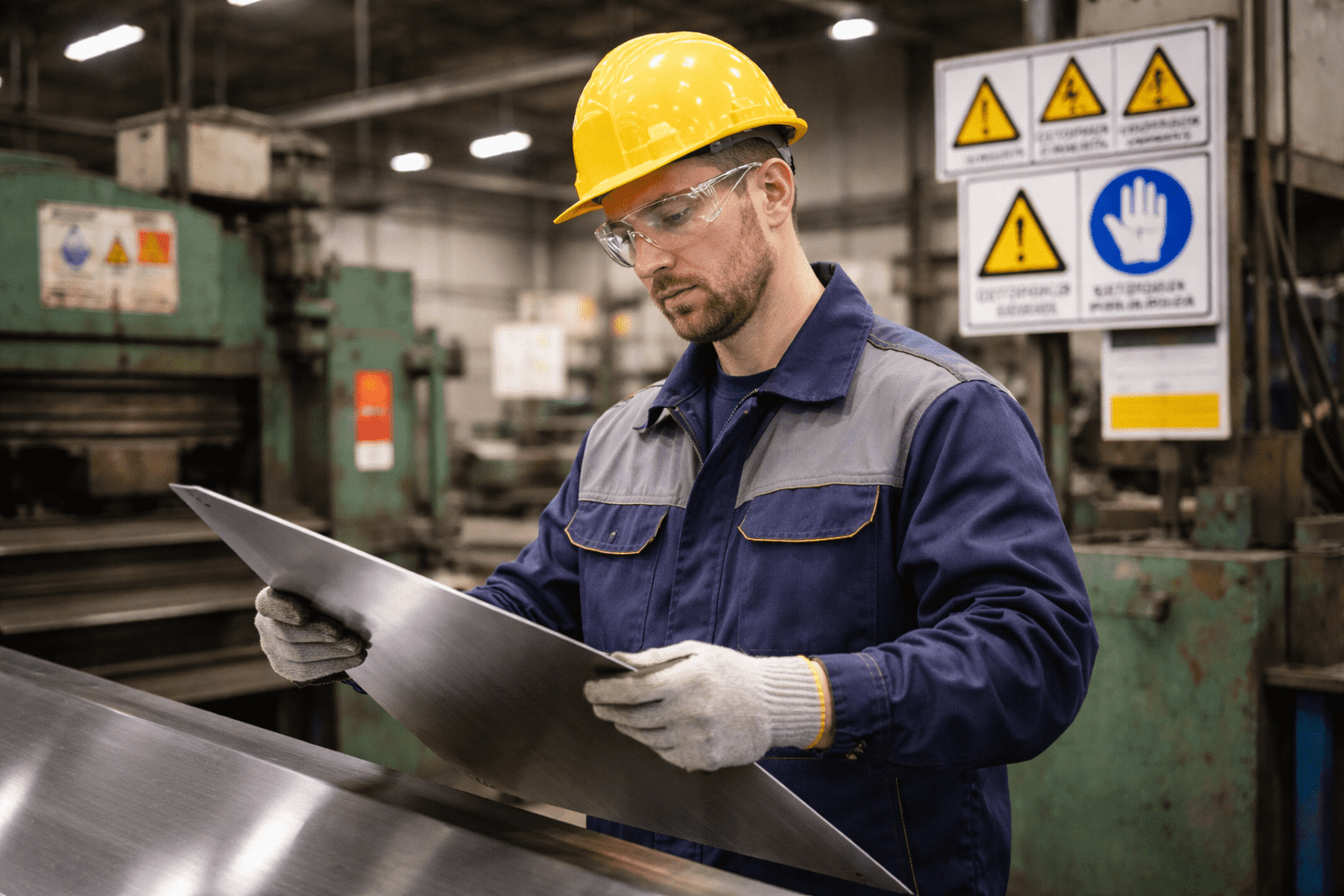
- Industrieanlagenbau und -wartung: Deutschlands Produktionsbasis erzeugt kontinuierliche Nachfrage nach Bau- und Wartungshandschuhen bei Fabrikneubauten, Produktionslinieninstallationen und Klimaanlagenmontagen. Nitril-Schaum-beschichtete Handschuhe mit Stufe D–E Schneidfestigkeit schützen vor scharfen Metallschneiden und Präzisionsblech.
- Abbruch und Recycling: Abrissarbeiten an alternden Strukturen erfordern den höchsten mechanischen Schutzgrad — EN 388 Schnittschutz Level E–F und stoßfeste „P“-Handschuhe schützen vor gezacktem Stahl, gebrochenem Beton, Glas und schweren herabfallenden Trümmern.
- Logistik und Materialversorgung im Bauwesen: Die Baulieferkette — einschließlich Baumateriallager, Fertigteilbetonwerke und Baustellenlagerung — erfordert langlebige Allzweckhandschuhe mit hoher Reibfestigkeit für den kontinuierlichen Umgang mit Paletten, Verband und Beladung.
Der Markt zeigt eine starke Verbreitung in den wichtigsten Industriezentren wie Nordrhein-Westfalen, Baden-Württemberg und Bayern, unterstützt durch deren robuste Fertigungs- und Automobilindustrien. Die deutsche Bauwirtschaft wird sich voraussichtlich mit einer durchschnittlichen jährlichen Wachstumsrate von 3,1 % zwischen 2026 und 2029 erholen, unterstützt durch Investitionen in die Fertigungsindustrie, den Straßenbau und Projekte erneuerbarer Energien. DGUV-Vorschriften und EU-PPE-Richtlinien stellen sicher, dass jeder Arbeitgeber, der Bauarbeiten durchführt, zertifizierte EN 388 Handschutzmaßnahmen entsprechend der bewerteten Risiken bereitstellen muss — eine Einhaltungspflicht, die die Beschaffungsmengen unabhängig von Konjunkturzyklen aufrechterhält.
Spezifische Anwendungsszenarien
Szenario 1: Herstellung und Verlegung von Bewehrung in einem Frankfurter Hochhaus
Ein Trupp von 25 Bewehrungsarbeitern schneidet, biegt, bindet und verlegt Stahlbewehrung für einen 30-stöckigen Gewerbeturm. Die Arbeiter verwenden hydraulische Bewehrungs-Schneider, handgehaltene Bindegeräte und heben manuell Bündel von bis zu 40 kg pro Arbeiter. Die primären Gefahren sind tiefe Schnitte durch scharfe Bewehrungsenden, Abrieb durch Ziehen von Stahlstäben über Schalungen, Stiche durch vorstehende Binddrahtenden sowie Quetschverletzungen beim Positionieren schwerer Bündel. Die empfohlene Spezifikation sind 13G HPPE + Glasfaser-Futter-Handschuhe mit sandiger Nitril-Handflächenbeschichtung (EN 388: 4X43C). Die sandige Nitril-Oberfläche gewährleistet sicheren Halt auf öligen Bewehrungsoberflächen, während die HPPE/Glasfaser-Mischung Level-C-Schnittschutz bietet, der ausreichend ist, um Lazerationen durch geschnittene Stahlschneiden zu verhindern. Bei einem Verbrauch von ca. 2–3 Paar pro Arbeiter und Woche bleibt die Kosten pro Aufgabe mit 2,00–4,00 € pro Paar im Großhandel hochgradig wettbewerbsfähig.
Szenario 2: Sanierung einer Brücke auf einer bayerischen Autobahn
Ein Infrastrukturunternehmer setzt 60 Arbeiter zur Sanierung einer Brücke aus den 1960er-Jahren ein, die Betonabbruch, Austausch von Stahlträgern und Oberflächenabdichtung umfasst. Arbeiter bedienen pneumatische Meißelhammer, Winkelschleifer und Oberlichtmessgeräte, während sie scharfen Stahlschneiden, fallenden Betonfragmenten und Vibrationen ausgesetzt sind. Zu den primären Gefahren gehören schwere Quetsch- und Aufprallverletzungen an der Handrückenpartie, tiefe Schnitte durch korrodierte Stahlabschnitte sowie Stiche durch Betontrümmer mit eingebettetem BewehrungsDraht. Die empfohlene Spezifikation sind 13G HPPE + Kevlar-Futter-Handschuhe mit Nitril-Schaum-Beschichtung und TPR-Schutzeinlagen am Handrücken (EN 388: 4X44EP). Der „P“-zertifizierte Stoßschutz ist bei diesem Typ schwerer Tiefbauprojekte unverzichtbar, und die Nitril-Schaum-Beschichtung sorgt auch bei Nässe durch Regen oder Abdichtungsmittel für sicheren Halt.
Szenario 3: Innenausbau eines Berliner Wohnkomplexes
Ein Innenausbau-Trupp von 35 Arbeitern führt Trockenbauinstallation, Bodenverlegung, Malervorbereitung, Türmontage und Steckdosenbefestigung in 120 Wohneinheiten durch. Arbeiter handhaben scharfkantige Aluminiumprofile, leichte Elektrowerkzeuge und Klebstoffe während 8-Stunden-Schichten in geschlossenen Räumen. Wichtige Gefahren sind leichte Schnitte durch Metallleisten und Cuttermesser, Oberflächenabrieb durch raue Trockenbaupaneele sowie Hautkontakt mit Dichtmassen und Farben. Die empfohlene Spezifikation sind 15G Nylon/Spandex-Futter-Handschuhe mit PU-Handflächenbeschichtung (EN 388: 4131X). Dieser leichte, atmungsaktive Handschuh bietet nahezu handfreie Fingerfertigkeit für Präzisionsaufgaben wie Schraubenziehen und elektrische Anschlüsse und gewährleistet zuverlässigen Abrieb-Schutz Level 4 für langanhaltenden Trockenbau-Umgang. Mit 0,80–1,80 € pro Paar ist er die kostengünstigste Option für hohen Verbrauch in großen Innenausbau-Projekten.
Fallstudien
Fall 1: Infrastrukturunternehmer, Nordrhein-Westfalen
Ein mittelgroßes Tiefbauunternehmen hat EN 388 4X44EP stoßfeste Bauschutzhandschuhe flächendeckend in seiner Abteilung für Autobahn- und Schienenbauprojekte mit 400 Mitarbeitern standardisiert. Individuelle Private-Label-Verpackungen mit deutschsprachigen Pflegehinweisen und CE-Dokumentationen vereinfachten Compliance-Audits. Innerhalb von 12 Monaten meldete das Unternehmen eine Reduktion von 35 % bei meldepflichtigen Handverletzungen und senkte den Handschuhverbrauch pro Arbeiter um 22 % durch direkte Werksabnahme im Großhandel mit vierteljährlichen Lieferungen.
Fall 2: Wohnungsbaupromotor, Hamburg
Eine Wohnbaugesellschaft hat ein 3-stufiges Handschuhprogramm für ihre Neubauprojekte bezogen: schnittfeste sandige Nitril-Handschuhe für Tragwerksberufe, PU-beschichtete Allzweckhandschuhe für Ausbauberufe und latexgekräuselte Handschuhe für Beton- und Mauerwerksmannschaften. Erste OEM-Bestellung von 80.000 Paar innerhalb von 20 Tagen geliefert. Das farbcodierte Bündelungssystem (rot, blau, gelb) vereinfachte die Verteilung über Baustellenberufe.
Top 6 der empfohlenen lokalen Anbieter in Deutschland
| Name des Unternehmens | Zentrale Stärken | Service-Regionen | Vorverkaufsunterstützung | After-Sale-Unterstützung |
|---|---|---|---|---|
| RheinBau Schutzhandschuhe GmbH | Umfassendes Portfolio an Tiefbauschutzhandschuhen, starke Beziehungen zu Auftragnehmern | NRW, Hessen, Rheinland Pfalz | Baustellenrisikoanalysen, EN 388 Spezifikationsabstimmung | Vierteljährliche Verschleißprüfungen, Lagerhaltungsprogramme |
| BayernPro Arbeitssicherheit | Premium-schnittfeste Handschuhe für schweren Tief- und Infrastrukturbau | Bayern, Baden-Württemberg | Produktproben, Compliance-Dokumentationspakete | Feldqualitätsprüfungen, Garantieabwicklung |
| NordBau Handschutz GmbH | Komplettsortiment Bauschutzhandschuhe für allgemeine und Spezialberufe | Hamburg, Niedersachsen, Bremen | Zweisprachige Datenblätter, Importlogistik-Koordination | Express-Nachschub, Handschuh-Recyclingprogramme |
| SaxonGuard PPE Solutions | Kostengünstige beschichtete Handschuhe für mittelständische Auftragnehmer | Sachsen, Thüringen, Brandenburg | Unterstützung bei Ausschreibungen, flexible Mindestbestellmengen | Chargenrückverfolgbarkeit, Austauschrichtlinien |
| HansaTrade Arbeitsschutz | E-Commerce-optimierte PPE für Online-Händler und Kleinabnehmer | Bundesweit (Hamburg-basiert) | Listing-Inhalte, Produktphotographie, Zertifikatsdokumente | Verbraucherrückgabe-Management, Qualitätseskalation |
| AlpenSafe Bau-Schutz AG | Wintertaugliche und Spezial-Bauschutzhandschuhe | Süddeutschland, Alpenregionen | Klimaspezifische Auswahlberatung für Handschuhe | Saisonale Lagerplanung, Leistungsüberwachung |
Beim Bewerten lokaler Lieferanten stets EN 388 Prüfberichte einer EU-benannten Stelle prüfen und physische Verschleißtestproben in mindestens zwei Größen und zwei Beschichtungsarten anfordern, die zu Ihren primären Baumaßnahmen passen.
Warum Snell Safety als globaler Partner für Bauschutzhandschuhe wählen
Snell Sicherheit hat durch jahrelange Zusammenarbeit mit Auftragnehmern, Infrastrukturunternehmen und PPE-Vertrieblern in Schlüsselregionen tiefgehende Expertise im deutschen Baustoffmarkt aufgebaut. Wir wissen, welche Schnittschutzlevel, Beschichtungsarten und Futtermaterialien deutsche Bauarbeiter bevorzugen — vom sandigen Nitril-Griff bei NRW-Autobahnprojekten bis zu TPR-Stoßschutzhandschuhen bei bayerischen Infrastrukturbaustellen. Mit etablierten lokalen Partnern und geplanter europäischer Übersee-Lagerkapazität für sofort verfügbare Lieferungen bedienen wir Online- und Offline-Kanäle und unterstützen Endnutzer-Bauunternehmen sowie Distributor- und Agentenpartner mit wirklich lokalisierter Serviceleistung. Wir gewinnen aktiv neue Partner — Distributoren, Agenten und E-Commerce-Markenbetreiber — und bieten umfassende Vorkaufsunterstützung (Produktauswahl, technische Schulung, Mark情报), Nachkaufsstärkung (Qualitätssicherung, Austauschrichtlinien), Dropshipping-Dienste, kostenlose Proben und Marketingmaterialien.
Unsere Fertigungsstärke ist maßgeschneidert für das Volumen und die Präzision des Bauwesens PSE gefordert. Mit über einem Jahrzehnt praktischer Handschuhfertigungsexpertise, 6 dedizierten Produktionslinien mit 150.000 Paar pro Tag, diversifizierten Beschichtungstechnologien (PU, Latex, Nitril-Schaum, Mikroschaum, sandig, gekräuselt) und fortschrittlicher schnitt- und stoßfester Technik — alles abgesichert durch ISO 9001 und CE-Zertifizierung — liefern wir Bauschutzhandschuhe von der F&E über Stricken, Beschichten, Prüfung und Verpackung mit schneller Umsetzung und werkseigenen Preisen. Entdecken Sie unser vollständiges Produktkatalog oder Kontakt zu unserem Team für kostenlose Proben und ein wettbewerbsfähiges Angebot.
| Service-Merkmal | Snell Safety Angebot | Vorteile für Käufer |
|---|---|---|
| Produktionskapazität | 150.000 Paar/Tag über 6 Linien | Schnelle Erfüllung großer Baustellenaufträge |
| Beschichtungstechnologien | PU, Latex gekräuselt, Nitril-Schaum, Mikroschaum, sandiges Nitril | Ein Lieferant für alle Bauschutzhandschuh-Typen |
| Zertifizierungen | ISO 9001, CE (EN 388:2016+A1:2018) | Problemlose Importkonformität für Deutschland |
| Personalisierung | Vollständiges OEM/ODM, Private Label, Individualmarken | Eigene Produkte für Distributordifferenzierung |
| Lokaler Marktsupport | Deutsche Marktexpertise, lokale Partner, geplantes EU-Lager | Schnellere Lieferung, maßgeschneiderte Produktempfehlungen |
Verwenden Sie diese Tabelle, um die Leistungsfähigkeit von Snell Safety mit Ihren spezifischen Beschaffungsanforderungen für Bauschutzhandschuhe zu vergleichen.
FAQ
Welche Schnittstufe brauche ich für den Bau in Deutschland?
Für allgemeine Baumaßnahmen wie Materialhandhabung und Schalungsarbeit reicht in der Regel EN-388-Schnittstufe B–C (5–15 N nach ISO 13997). Für Stahlbau, Bewehrung und Abbrucharbeiten wird Stufe D–E (15–30 N) empfohlen. Wählen Sie immer basierend auf einer formellen Gefahrenanalyse am Arbeitsplatz gemäß DGUV-Richtlinien.
Was bedeuten EN-388-Werte für Bauschutzhandschuhe?
EN 388 bewertet Handschuhe an fünf Kriterien: Abrieb (1–4), Couptest-Schnitt (1–5), Reißen (1–4), Stechen (1–4) und ISO 13997 Schnitt (A–F). Ein optionales „P“ zeigt Bestehen beim Stoßschutz an. Für den Bau mindestens 4X43C oder höher wählen, je nach Aufgaben-Schwere.
Welche Beschichtung ist am besten für feuchte Baubedingungen?
Sandige Nitril- und Latex-Crinkle-Beschichtungen bieten den besten Grip auf nassen, öligen und zementverseuchten Oberflächen. Sandiges Nitril eignet sich hervorragend für wechselnde feuchte/trockene Bedingungen, während Latex-Crinkle überlegene Kanalableitung in dauerhaft feuchten Umgebungen wie Betonguss bietet. Nitril-Schaum sorgt für guten Allround-Grip bei Feuchtigkeit mit zusätzlicher Atmungsaktivität.
Wie wähle ich die richtige Maschenweite für Baumarbeiten?
Die Maschenweite bestimmt die Linerstärke und Fingerfertigkeit. Verwenden Sie 10G für schwere Aufgaben mit maximalem Schutz und Wärme (Beton, Erdarbeiten). 13G bietet das beste Gleichgewicht aus Schnittschutz und Fingerfertigkeit (Tragwerke, Bewehrung, allgemeine Gewerke). 15G oder 18G eignen sich für präzise Aufgaben mit höchster Haptik (Elektro, Malerarbeiten, Fertigstellung).
Welche Zertifizierungen sind für den Import von Sicherheits-Handschuhen nach Deutschland erforderlich?
Alle als PPE nach Deutschland importierten Sicherheitshandschuhe müssen die CE-Kennzeichnung gemäß EU-Verordnung 2016/425 tragen. Kategorie-II-mechanische Schutz-Handschuhe erfordern EU-Typprüfung durch eine benannte Stelle, EN 388:2016+A1:2018 Prüfberichte, eine deutschsprachige Konformitätserklärung und REACH/SVHC-Konformitätsdokumentation. Technische Akten müssen auf Anfrage der Marktüberwachungsbehörden vorliegen.
Welcher Preisbereich gilt für Großbestellungen von Bauschutzhandschuhen?
Bei werksdirekten Großbestellungen (übliche MOQ 5.000–20.000 Paare) kosten universelle PU-beschichtete Handschuhe 0,80–1,80 € pro Paar. Schneidfeste sandige Nitrilvarianten liegen bei 2,00–4,00 €. Aufprallsichere TPR-Handschuhe kosten 3,50–6,50 €. Individuelle Markierungen erhöhen den Preis um ca. 0,05–0,15 € pro Paar je nach Komplexität.
Wie lange halten Bauschutzhandschuhe typischerweise?
Die Lebensdauer variiert je nach Intensität der Aufgaben. PU-beschichtete Universalhandschuhe halten auf aktiven Baustellen 1–2 Wochen. Schnittfeste Handschuhe mit Nitrilbeschichtung halten bei Bewehrungs- und Tragwerksarbeiten 2–4 Wochen. Stoßfeste TPR-Handschuhe halten 3–6 Wochen. Ersetzen Sie Handschuhe sofort, sobald die Beschichtung durchgescheuert ist, Futterfasern freiliegen oder Nähte aufreißen.
Brauchen Bauschutzhandschuhe in Deutschland Aufprallschutz?
Stoßschutz (TPR auf Handrücken, EN 388 „P“-Bewertung) wird für schwere Tiefbauarbeiten, Stahlmontage, Abbrucharbeiten und Infrastrukturprojekte dringend empfohlen, bei denen Quetsch- und Schlagrisiken für die Handoberseite bestehen. Obwohl nicht flächendeckend vorgeschrieben, fordern viele deutsche HSE-Manager inzwischen „P“-bewertete Handschuhe als Standard für risikoreiche Baumaßnahmen auf Basis von DGUV-Risikobewertungen.
Welches Liner-Material ist am besten für schneidfeste Bauschutzhandschuhe?
HPPE (High-Performance Polyethylene) ist das gängigste Futtermaterial für schnittfeste Bauschutzhandschuhe und bietet auf moderatem Kostenlevel Schnittschutzstufe B–D. HPPE in Mischung mit Glasfaser oder Stahldraht erreicht Stufe C–E. Kevlar bietet hervorragenden Schnitt- und Hitzeschutz für Arbeiten in der Nähe von Schweißen oder Schleifen. Nylon- und Polyesterfutter eignen sich für Universalanwendungen, bei denen Schnittschutz nicht im Vordergrund steht.
Kann ich Private-Label-Bauschutzhandschuhe mit meinem Firmenbranding erhalten?
Ja. Die meisten professionellen Hersteller bieten umfassende OEM/ODM-Private-Label-Dienste an, einschließlich individueller Logodrucke oder -prägungen auf Handrücken und Manschette, kundenspezifischer Manschettenfarben zur Berufsidentifikation, maßgeschneiderter Verpackungen mit eigenem Branding und deutschsprachigen Anweisungen sowie mitbrander CE-Dokumentation. Typische Mindestbestellmengen für private-label Bauschutzhandschuhe liegen je nach Spezifikation bei 3.000–10.000 Paaren.
Ob Sie als Bauunternehmen Endkunde mit direkter Werkslieferung suchen, als PPE-Händler ein umfassendes Portfolio an Bauschutzhandschuhen aufbauen oder als E-Commerce-Verkäufer eine private-label Sicherheitsmarke starten, Snell Sicherheit ist bereit, Sie zu unterstützen. Reichen Sie Ihre Anforderungen ein oder fordern Sie noch heute ein Angebot an — einschließlich kostenloser Muster, maßgeschneiderter OEM/ODM-Entwicklung und dedizierter technischer Beratung für den deutschen Baustoffmarkt.
Inhalt überprüft und aktualisiert: März 2026